Why a Structural Steel Company Invested in a Gantry Shear for Batch Cutting: A Strategic Analysis

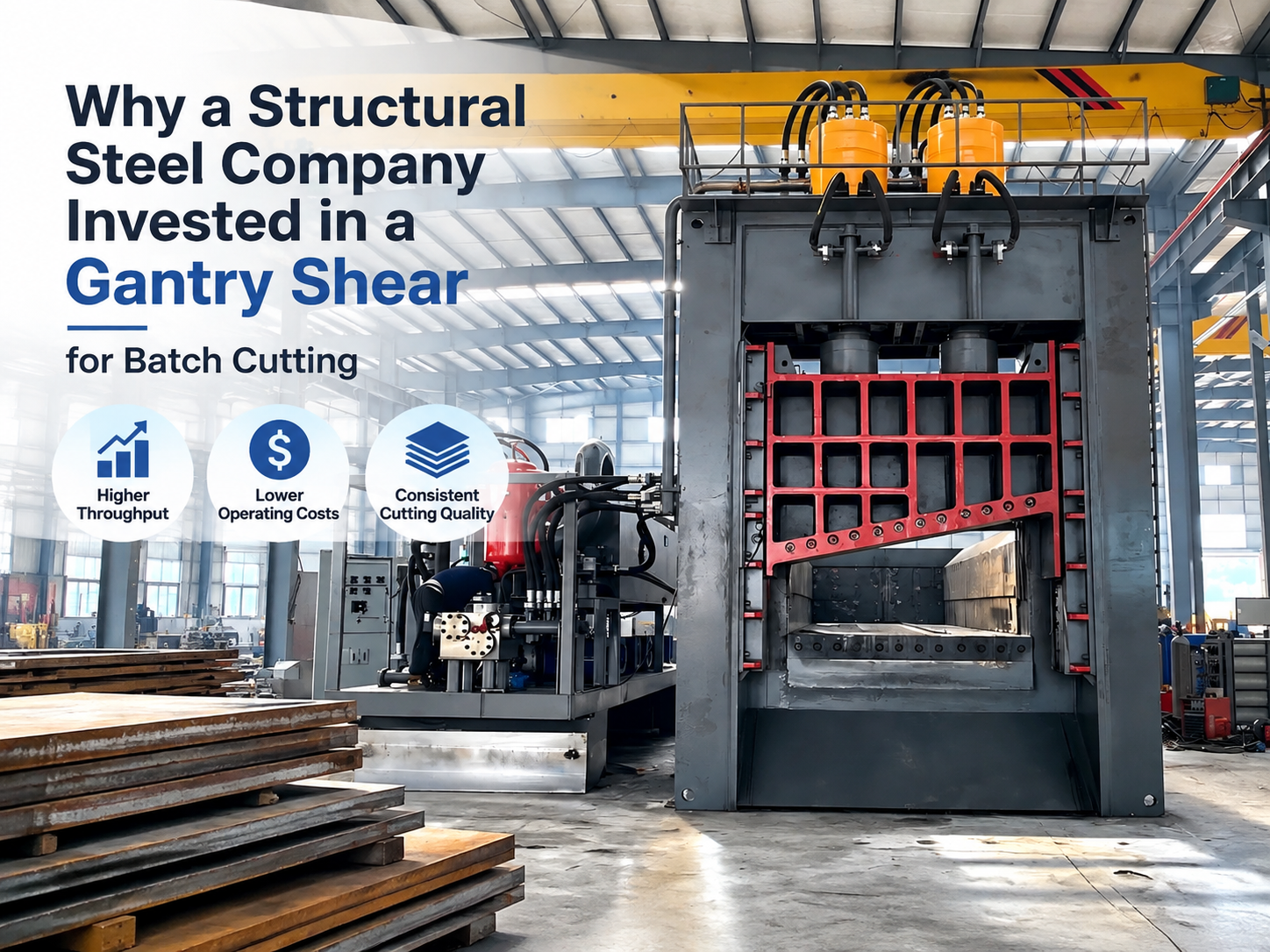
Why a Structural Steel Company Invested in a Gantry Shear for Batch Cutting
In the competitive landscape of structural steel fabrication, the ability to process high volumes of material with precision and speed is the primary differentiator between market leaders and struggling shops. Recently, a mid-sized structural steel firm faced a critical bottleneck: their legacy cutting equipment could no longer keep pace with the increasing demand for batch-processed beams and plates. After extensive research, the company made a strategic decision to upgrade their facility. This article explores the specific reasons why a structural steel company invested in a gantry shear for batch cutting and how this transition transformed their production capabilities.
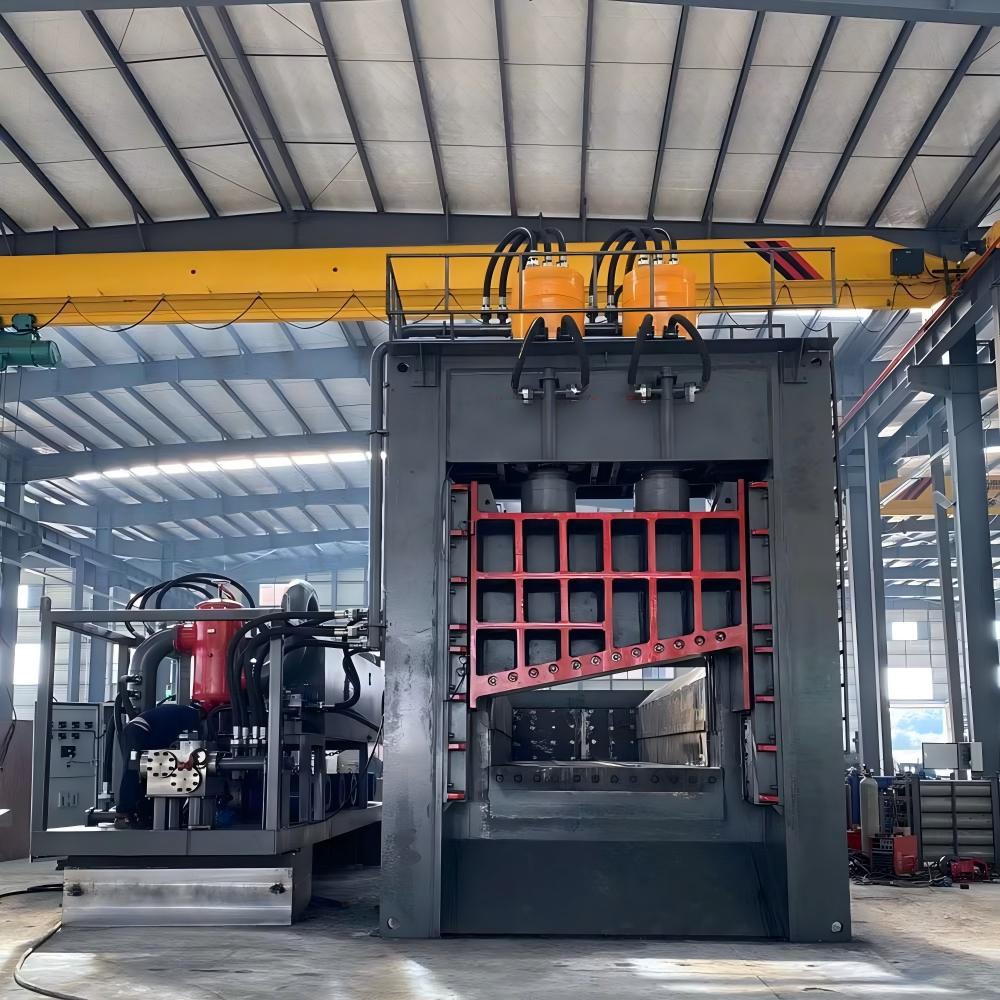
Key Considerations for Upgrading Fabrication Equipment
When a structural steel company evaluates its production line, the primary driver for investment is almost always throughput efficiency. Batch cutting requires a machine that can handle repetitive, high-force operations without sacrificing accuracy. The firm in question identified that their existing manual cutting methods were causing significant downtime, as operators had to constantly reset jigs and recalibrate for different material thicknesses. By moving to a gantry shear, they aimed to automate the repetitive aspects of the workflow, allowing for continuous operation.
Another critical consideration was material waste reduction. In structural steel, the cost of raw material is a significant portion of the total project budget. Traditional cutting methods often resulted in jagged edges or excessive kerf loss, requiring secondary grinding or finishing processes. The gantry shear offers a clean, shearing action that minimizes material deformation and eliminates the need for post-cut cleanup. This reduction in secondary labor costs was a major factor in the company’s decision-making process.
Safety and ergonomics also played a pivotal role. Handling large, heavy steel sections manually is inherently dangerous and physically taxing for shop floor personnel. A gantry shear system, when integrated with automated loading and unloading tables, significantly reduces the need for manual handling. This shift not only improves the safety record of the facility but also boosts employee morale and retention by removing the most strenuous aspects of the job.
Finally, the company had to consider the scalability of their investment. As they looked toward future contracts, they needed a machine that could handle a wide range of material profiles—from standard I-beams to heavy-duty plates. The versatility of a gantry shear, which can be adjusted for various shear angles and clearances, provided the flexibility they needed to bid on more diverse projects without needing to purchase additional specialized equipment.
Technical Details of Gantry Shearing Systems
The technical superiority of a gantry shear lies in its robust hydraulic architecture. Unlike traditional guillotine shears, gantry shears are designed with a bridge-like structure that spans the width of the material, providing uniform pressure across the entire cutting length. This design ensures that even the thickest structural steel sections are sheared with consistent force, preventing the twisting or bowing often associated with smaller, single-sided shears.
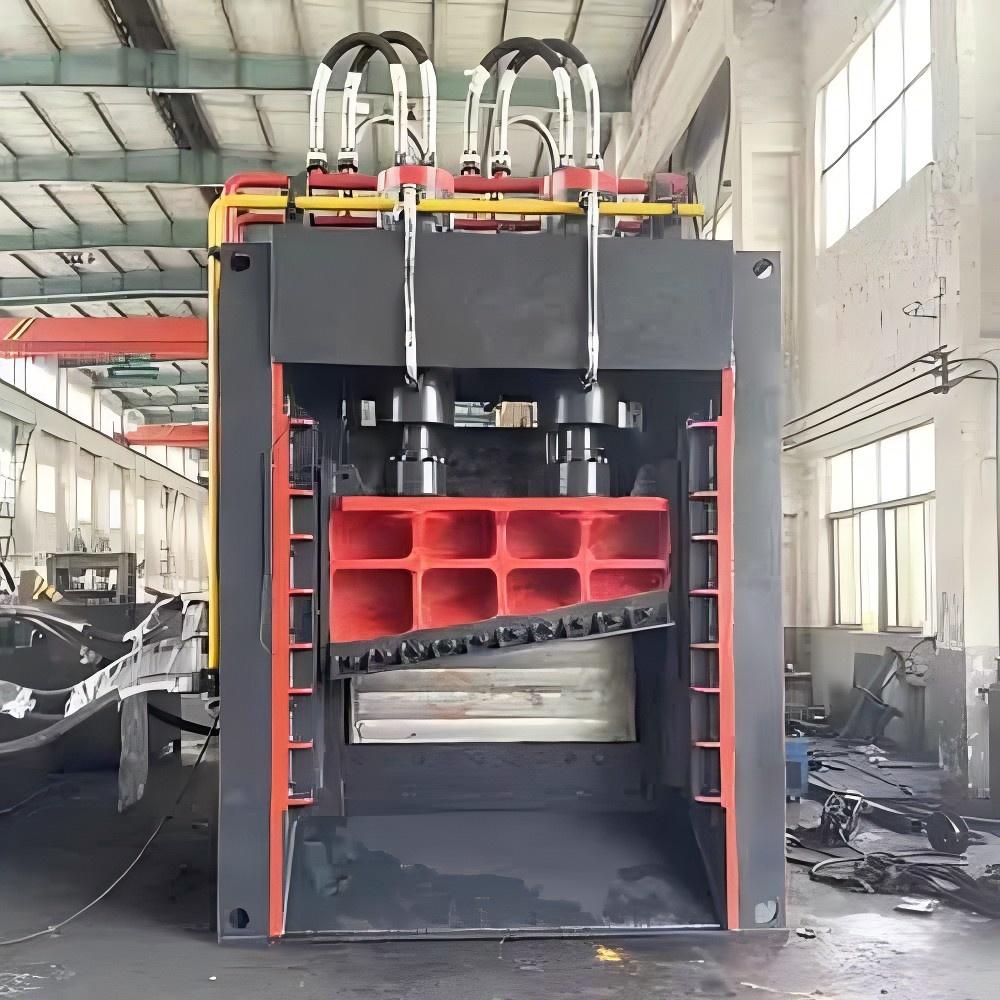
Hydraulic synchronization is the heart of the gantry shear’s performance. Modern systems utilize high-precision proportional valves and feedback loops to ensure that both sides of the gantry descend at the exact same rate. This synchronization is vital for batch cutting, where even a slight misalignment can lead to cumulative errors across a large stack of steel. By maintaining perfect parallelism, the machine ensures that every piece in a batch meets the strict tolerances required by structural engineering standards.
Advanced control systems allow for programmable batch parameters. Operators can input the desired length, quantity, and material grade into the HMI (Human-Machine Interface), and the machine automatically adjusts the stroke length and cutting speed. This level of automation is what makes the gantry shear the ideal choice for batch cutting. It eliminates human error and ensures that the 100th piece is cut with the same precision as the first.
Durability is another technical hallmark. These machines are built with heavy-duty, stress-relieved steel frames designed to withstand the immense shock loads generated during the shearing process. The blade clearance adjustment mechanism is often motorized, allowing for quick transitions between thin sheets and thick plates. This technical adaptability is why a structural steel company invested in a gantry shear for batch cutting—it is a machine built for the rigors of 24/7 industrial production.
Strategic Advantages of Batch Processing
When a structural steel company invests in a gantry shear for batch cutting, they are essentially optimizing their “flow-through” manufacturing model. Batch processing allows for the grouping of similar jobs, which minimizes the time spent on machine setup and tool changes. In a high-volume environment, every minute saved on setup is a minute gained in production output. The gantry shear excels here because it can be programmed to store multiple job profiles, allowing for rapid switching between different beam sizes or plate thicknesses with minimal downtime.
Furthermore, the integration of automated material handling—such as roller conveyors and magnetic stackers—complements the gantry shear’s speed. By creating a continuous loop where raw material enters one side and finished, cut-to-length components exit the other, the company effectively eliminates the “work-in-progress” (WIP) inventory that often clutters fabrication floors. This lean approach to manufacturing is a direct result of the efficiency provided by the gantry shear.
Selection Advice: Choosing the Right Gantry Shear
Selecting the right gantry shear requires a thorough audit of your current and projected material mix. You must first determine the maximum thickness and tensile strength of the steel you intend to process. It is a common mistake to purchase a machine that barely meets your current requirements; instead, look for a machine with a 20-30% capacity buffer to accommodate future growth and harder material grades.
Consider the integration capabilities of the machine. A standalone shear is useful, but a gantry shear integrated into a larger material handling system is a game-changer. Look for manufacturers that offer modular in-feed and out-feed conveyors, as well as automated scrap removal systems. These peripherals are just as important as the shear itself when it comes to maximizing the efficiency of your batch cutting operations.
Maintenance requirements should be a top priority during the selection process. Ask the manufacturer about the accessibility of wear parts, such as blades and hydraulic seals. A machine that is difficult to maintain will lead to prolonged downtime, negating the productivity gains you expect to achieve. Opt for systems that feature centralized lubrication points and diagnostic software that can alert maintenance teams to potential issues before they cause a breakdown.
Finally, evaluate the manufacturer’s support network. Investing in a gantry shear is a long-term commitment. Ensure that the supplier provides comprehensive training for your operators and has a reliable supply chain for spare parts. The best equipment in the world is only as good as the support behind it, so prioritize partners who have a proven track record in the structural steel industry.
Maintenance and Longevity: Protecting Your Investment
To ensure the longevity of a gantry shear, a proactive maintenance schedule is non-negotiable. Because these machines operate under extreme hydraulic pressure, the integrity of the hydraulic fluid is paramount. Regular oil analysis should be conducted to detect contamination or thermal degradation. Additionally, the shearing blades—often made from high-carbon, high-chromium tool steel—must be inspected for chipping or dulling. A dull blade increases the force required for the cut, which puts unnecessary strain on the hydraulic cylinders and the frame.
Operators should be trained to perform daily “pre-flight” checks, including verifying the alignment of the gantry, checking for hydraulic leaks, and ensuring that the safety light curtains are fully functional. By fostering a culture of preventative maintenance, the company ensures that the gantry shear remains a reliable asset for decades, rather than just a short-term fix for a production bottleneck.
الأسئلة الشائعة
- What makes a gantry shear better than a standard guillotine shear for batch cutting? Gantry shears provide superior structural rigidity and uniform pressure distribution, which is essential for maintaining accuracy across wide or thick steel sections during high-volume batch runs.
- How does a gantry shear improve ROI? By increasing throughput, reducing material waste through precision cutting, and lowering labor costs via automation, the machine pays for itself through improved operational efficiency.
- What maintenance is required for a gantry shear? Regular maintenance includes checking hydraulic fluid levels, inspecting blade sharpness, lubricating moving parts, and performing periodic software updates for the control system.
- Can a gantry shear handle different types of steel? Yes, most modern gantry shears feature adjustable blade clearance and programmable settings to accommodate various grades of carbon steel, stainless steel, and other alloys.
- Is specialized training required for operators? While the HMI is designed for ease of use, operators should undergo training to understand the safety protocols, machine calibration, and troubleshooting procedures specific to the gantry shear.
- How does the gantry design affect cutting accuracy? The gantry design ensures that the upper blade remains perfectly parallel to the lower blade throughout the entire stroke, preventing the “scissor effect” distortion common in pivot-style shears.
Conclusion
The decision to upgrade to a gantry shear is a significant milestone for any structural steel company. As demonstrated by the firm that made the switch, the transition from manual or outdated cutting methods to a high-performance gantry shear system is not just an equipment upgrade—it is a strategic move to secure a competitive advantage. By focusing on batch cutting efficiency, technical precision, and long-term scalability, the company was able to reduce its lead times, improve product quality, and ultimately increase its profitability.
When you consider why a structural steel company invested in a gantry shear for batch cutting, the answer is clear: the modern fabrication environment demands speed, accuracy, and reliability. If your shop is struggling with bottlenecks or inconsistent output, it may be time to evaluate your own equipment strategy. With the right investment in metal fabrication technology, you can transform your production floor into a high-output powerhouse capable of meeting the most demanding structural steel requirements. The future of fabrication belongs to those who embrace automation and precision, and the gantry shear is the cornerstone of that future.