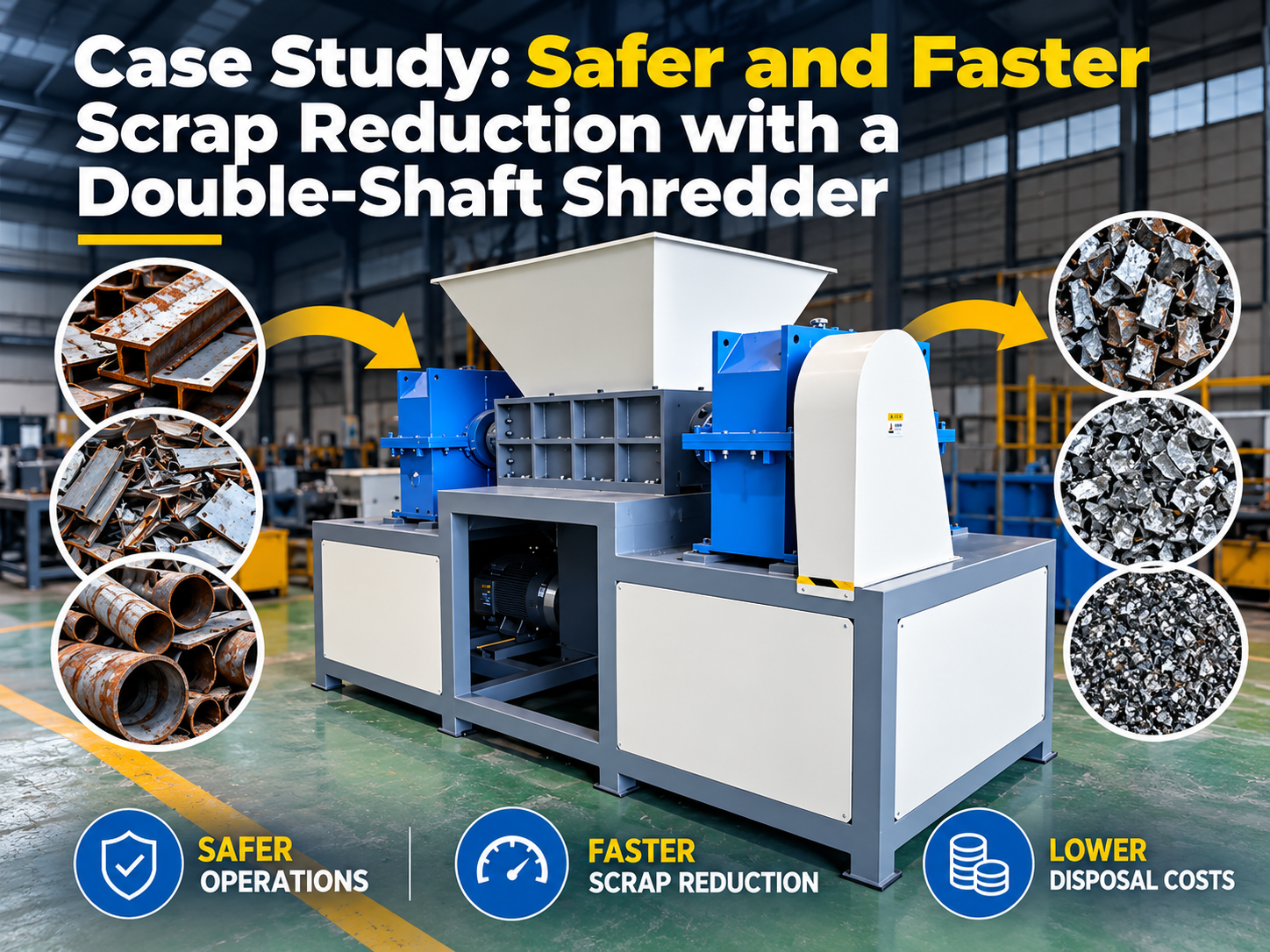
Case Study: Safer and Faster Scrap Reduction with a Double-Shaft Shredder

Introduction: The Challenge of Scrap Management in Metal Fabrication
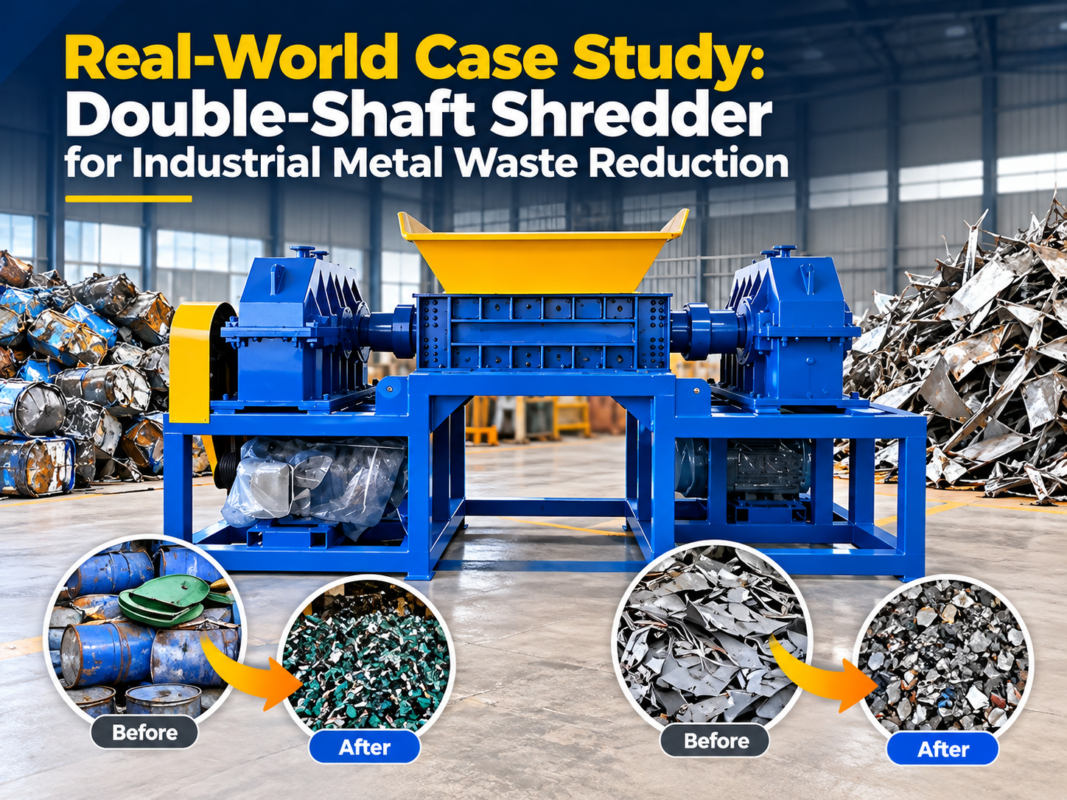
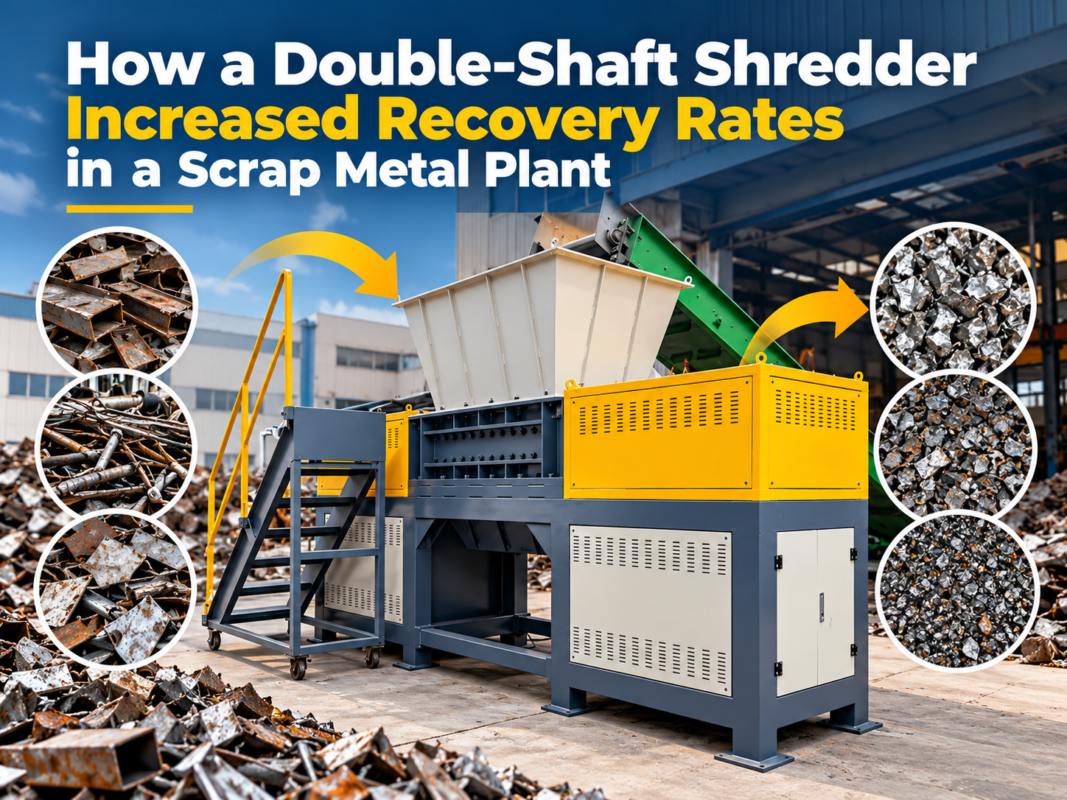
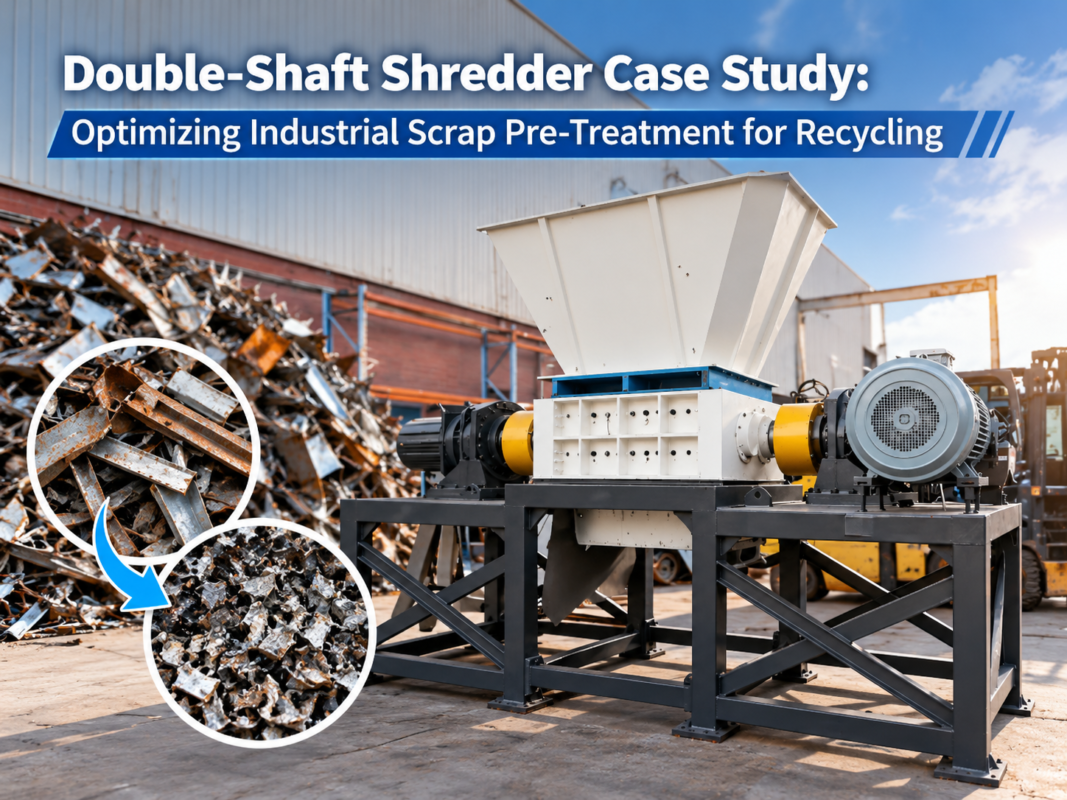
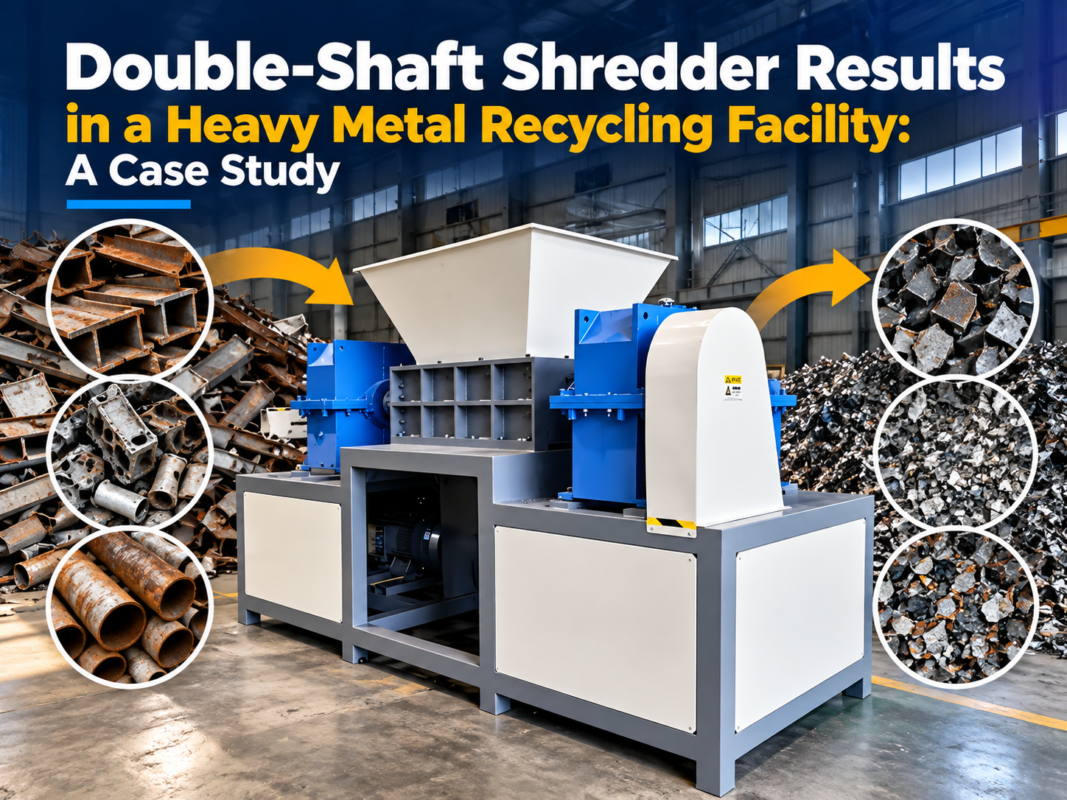
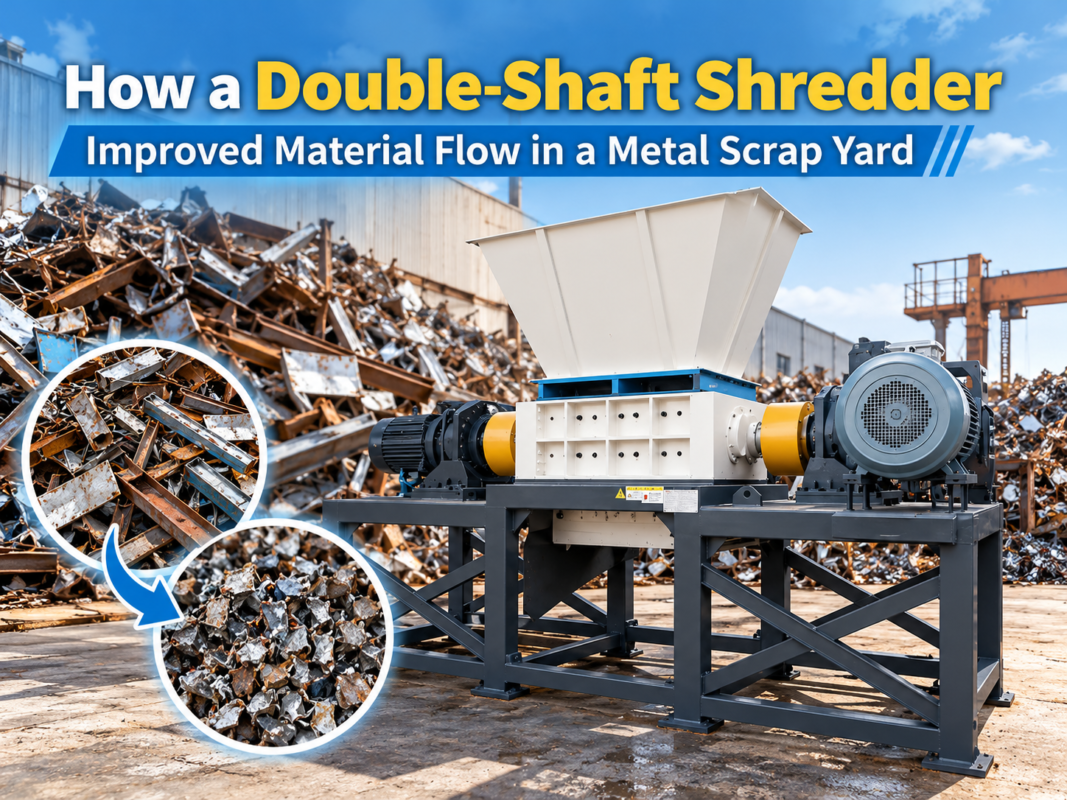
In the high-stakes world of modern metal fabrication, efficiency is measured not just by the precision of the finished product, but by the management of the waste generated during production. For many facilities, scrap metal accumulation is a significant bottleneck that compromises floor space, safety, and profitability. This article explores a comprehensive Case Study: Safer Faster Scrap Reduction A Double-Shaft Shredder, illustrating how HARSLE’s advanced machinery transforms waste management from a logistical burden into a streamlined, value-added process.
Metal fabrication shops often struggle with bulky, irregular scrap that is difficult to transport and expensive to store. Traditional methods of manual handling or basic shearing are not only slow but pose significant safety risks to operators. By integrating a high-performance double-shaft shredder, manufacturers can reduce the volume of scrap by up to 80%, turning hazardous piles of metal into manageable, high-density chips that are easier to recycle and transport.
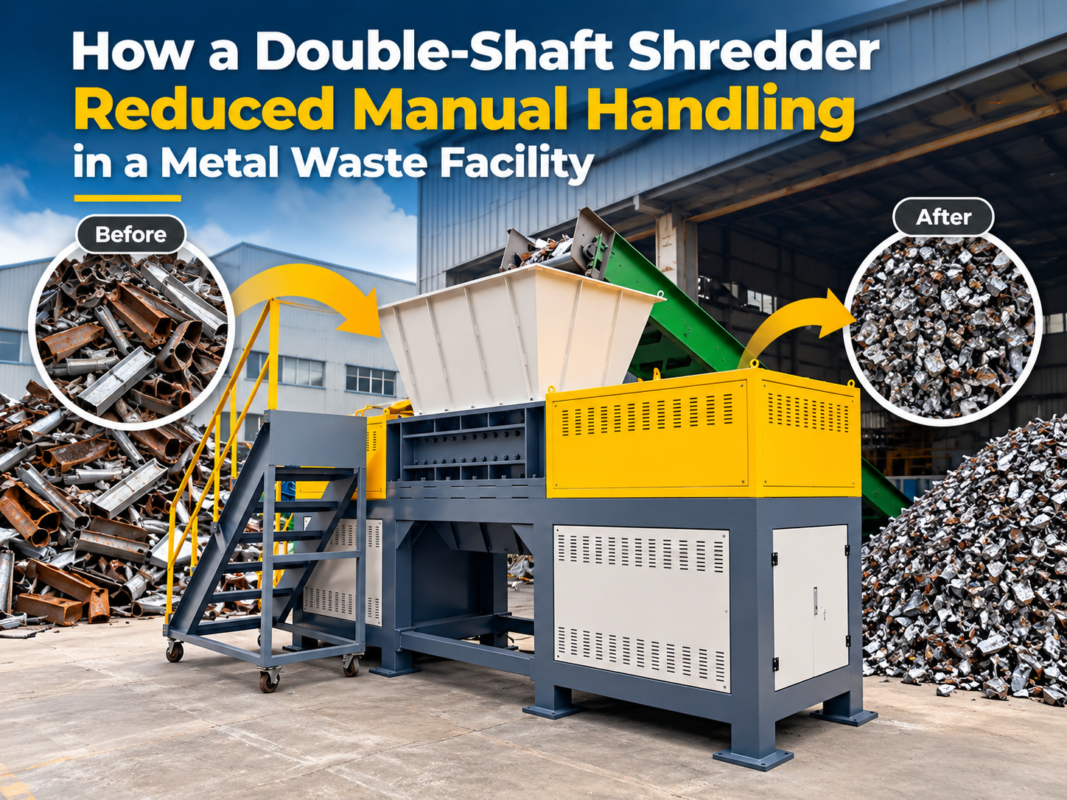
The transition to automated shredding technology represents a shift toward Industry 4.0 standards. As fabrication shops look to optimize their bottom line, the focus on scrap reduction has become a primary KPI. This case study highlights the tangible benefits observed by a mid-sized fabrication plant that replaced manual scrap handling with a HARSLE industrial shredding solution, resulting in improved throughput and a safer working environment.
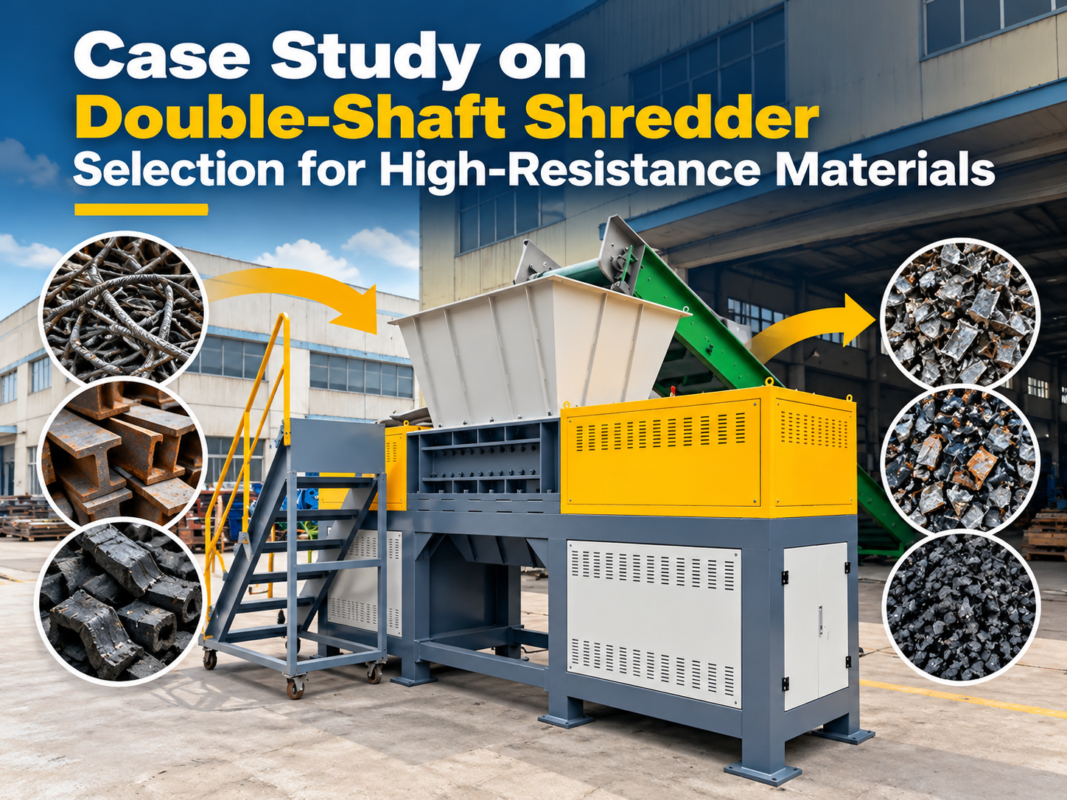
Understanding the mechanics of scrap reduction is essential for any facility manager looking to modernize their operations. A double-shaft shredder utilizes low-speed, high-torque cutting technology to process even the toughest materials, including stainless steel, aluminum, and copper. This article will delve into the technical specifications, operational advantages, and strategic considerations for implementing this technology in your own facility.
Key Considerations for Scrap Management Efficiency
When evaluating the need for a شراكة ذات عمودين, the first step is analyzing the current scrap flow within the fabrication plant. Many facilities fail to account for the “hidden costs” of scrap: the labor hours spent moving waste, the rental costs for large dumpsters, and the safety incidents related to sharp, protruding metal edges. A professional audit of your scrap management process often reveals that manual handling is the most expensive and dangerous component of the production cycle.
Safety is the paramount concern in any metal fabrication environment. Scrap piles are notorious for causing lacerations, tripping hazards, and musculoskeletal injuries during manual loading. By implementing a shredding system, the scrap is processed at the source, often via conveyor integration, which eliminates the need for human interaction with jagged, heavy metal waste. This shift significantly reduces workers’ compensation claims and fosters a culture of safety.
Speed is the second critical factor. In a high-volume fabrication shop, production speed is often throttled by the inability to clear the floor of waste. When scrap accumulates, it blocks aisles and slows down material handling equipment like forklifts. A double-shaft shredder operates continuously, ensuring that the production line remains clear and that the flow of materials is never interrupted by a backlog of waste.
Finally, the economic return on investment (ROI) is driven by the density of the shredded material. Recyclers pay significantly higher rates for processed, uniform metal chips compared to loose, bulky scrap. By shredding your waste, you are not just reducing volume; you are upgrading the quality of your byproduct, turning a disposal cost into a revenue stream. This economic shift is a cornerstone of the Case Study: Safer Faster Scrap Reduction A Double-Shaft Shredder findings.
Technical Details: How Double-Shaft Shredders Work
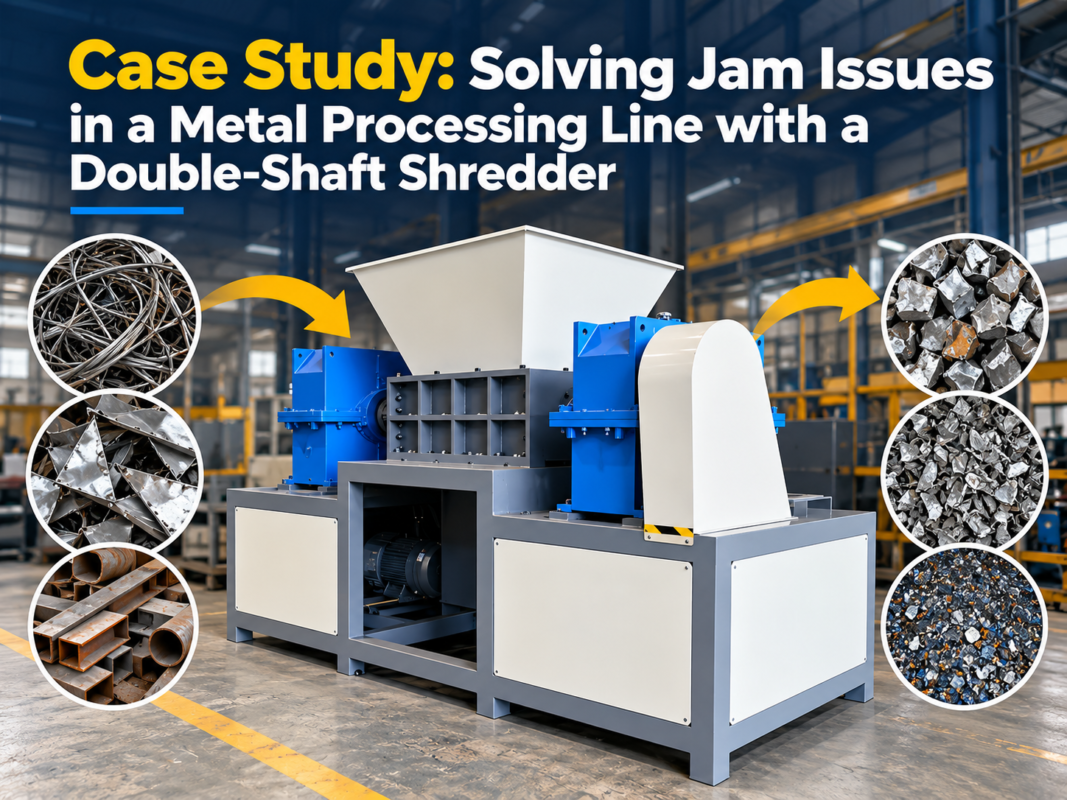
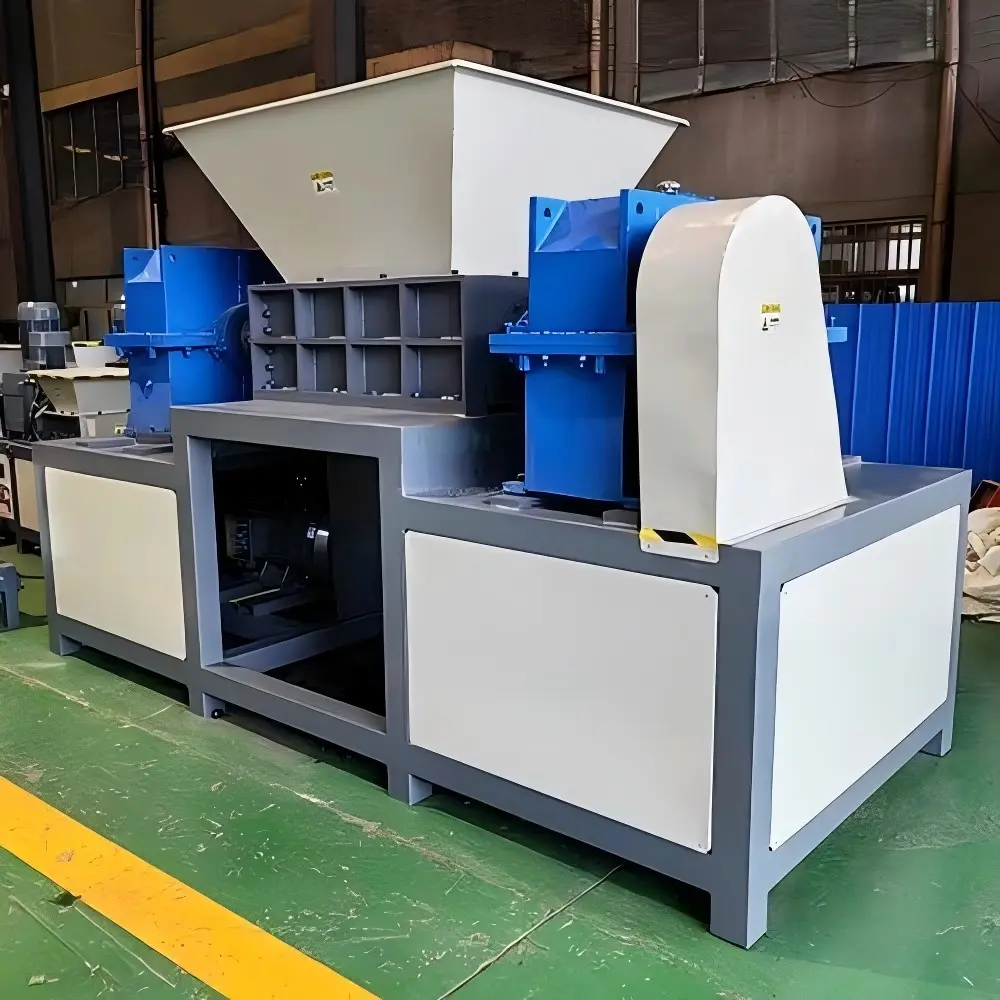
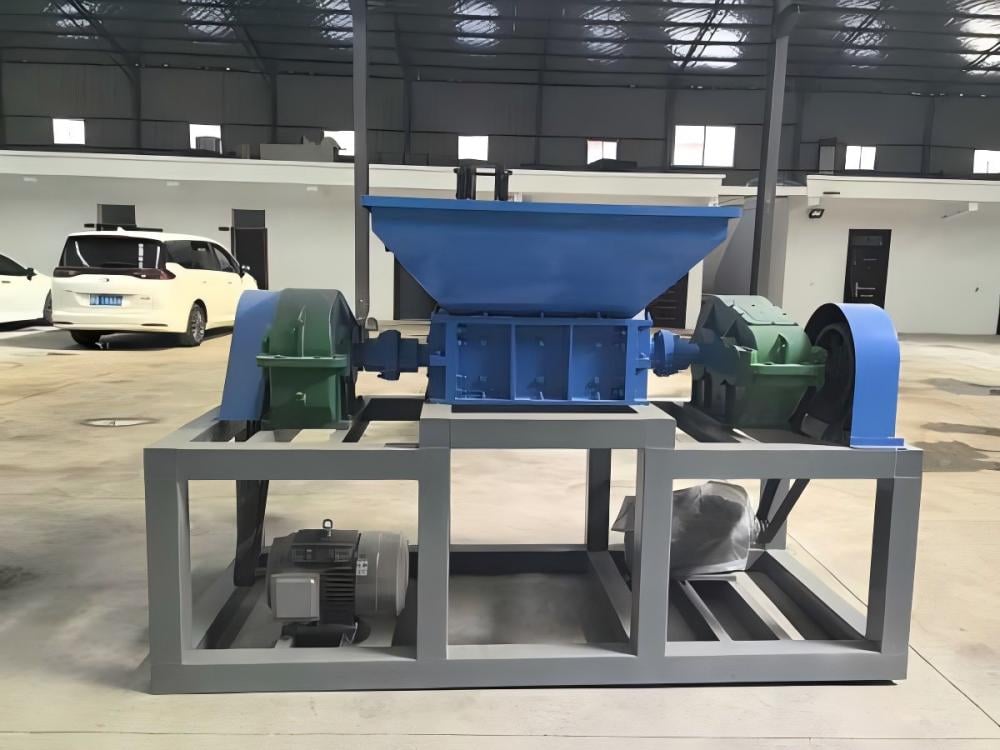
The core technology behind the HARSLE double-shaft shredder lies in its dual-shaft design, which features two counter-rotating shafts equipped with hardened steel blades. These shafts rotate at low speeds but generate immense torque, allowing the machine to “bite” into metal sheets, tubes, and profiles with ease. Unlike high-speed granulators, the low-speed design minimizes noise, dust, and vibration, making it ideal for indoor factory environments.
The cutting blades are engineered from high-alloy steel, heat-treated to withstand the abrasive nature of metal fabrication waste. The geometry of the blades is specifically designed to pull the material into the cutting chamber, preventing “bridging” or jamming. This self-feeding mechanism is crucial for maintaining a consistent throughput, as it allows the machine to process irregular scrap shapes without constant operator intervention.
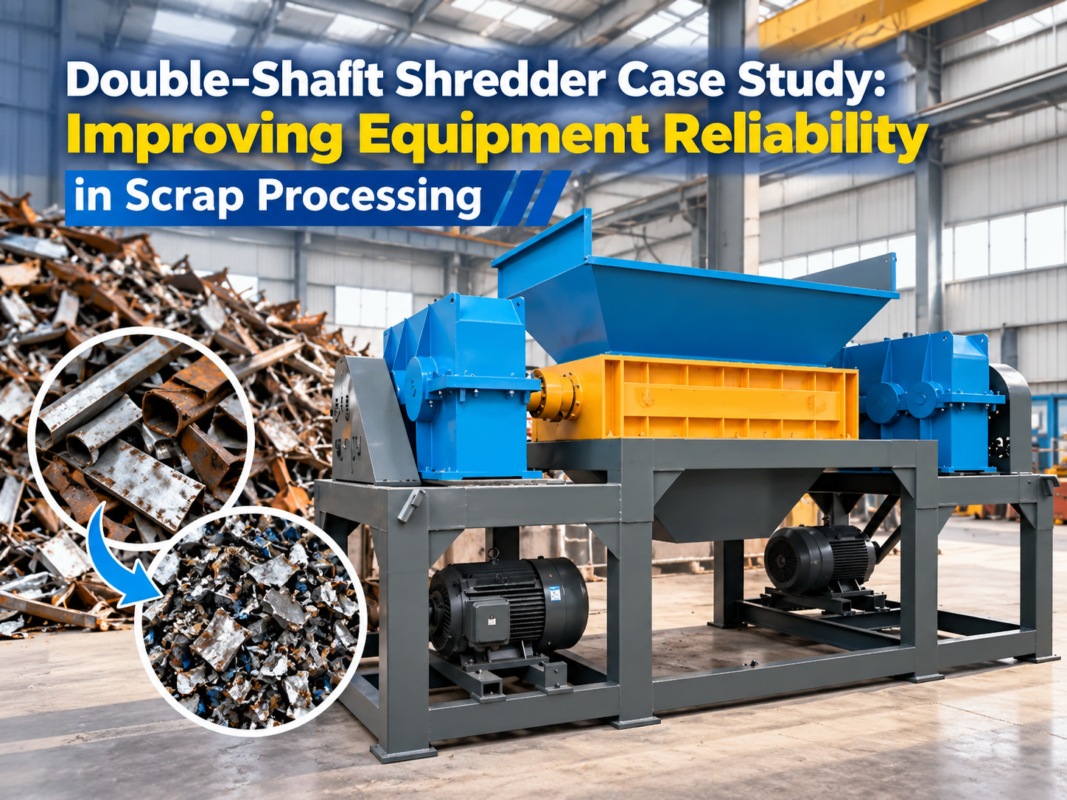
Advanced control systems are integrated into the HARSLE shredders to monitor motor load and shaft rotation. If a piece of material is too hard or too large, the system automatically triggers an auto-reverse function. This prevents damage to the motor and the blades, ensuring the longevity of the equipment even under heavy-duty cycles. This intelligent automation is what makes the shredder a reliable “set and forget” component of the production line.
Maintenance of these machines is simplified through modular design. The shafts can be removed for blade sharpening or replacement, and the lubrication points are easily accessible. By adhering to a regular maintenance schedule—checking blade wear, oil levels, and drive chain tension—operators can ensure that the shredder remains a high-performance asset for years. The technical robustness of these machines is a key reason why they are favored in demanding industrial applications.
Selection Advice: Choosing the Right Shredder for Your Shop
Selecting the right معدات تشكيل المعادن requires a thorough assessment of your specific waste stream. Not all scrap is created equal; the thickness, material type (e.g., carbon steel vs. stainless steel), and volume of your daily scrap output will dictate the size and power requirements of the shredder. A common mistake is undersizing the machine, which leads to frequent jams and premature wear.
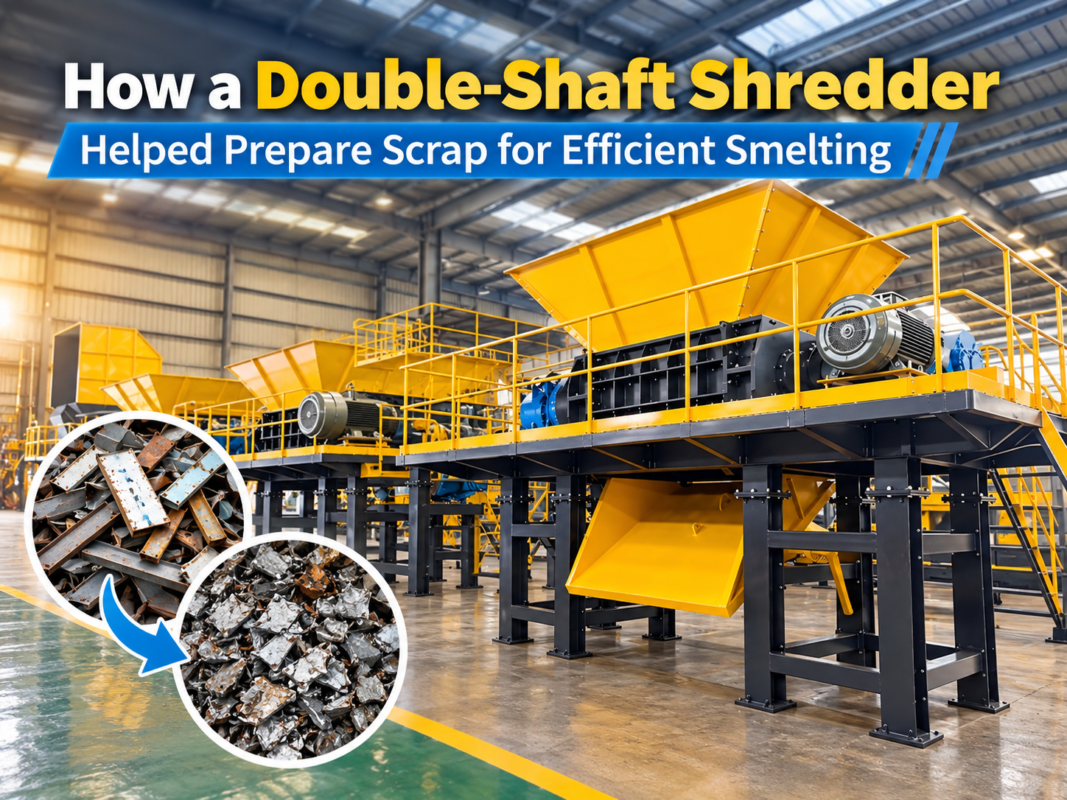
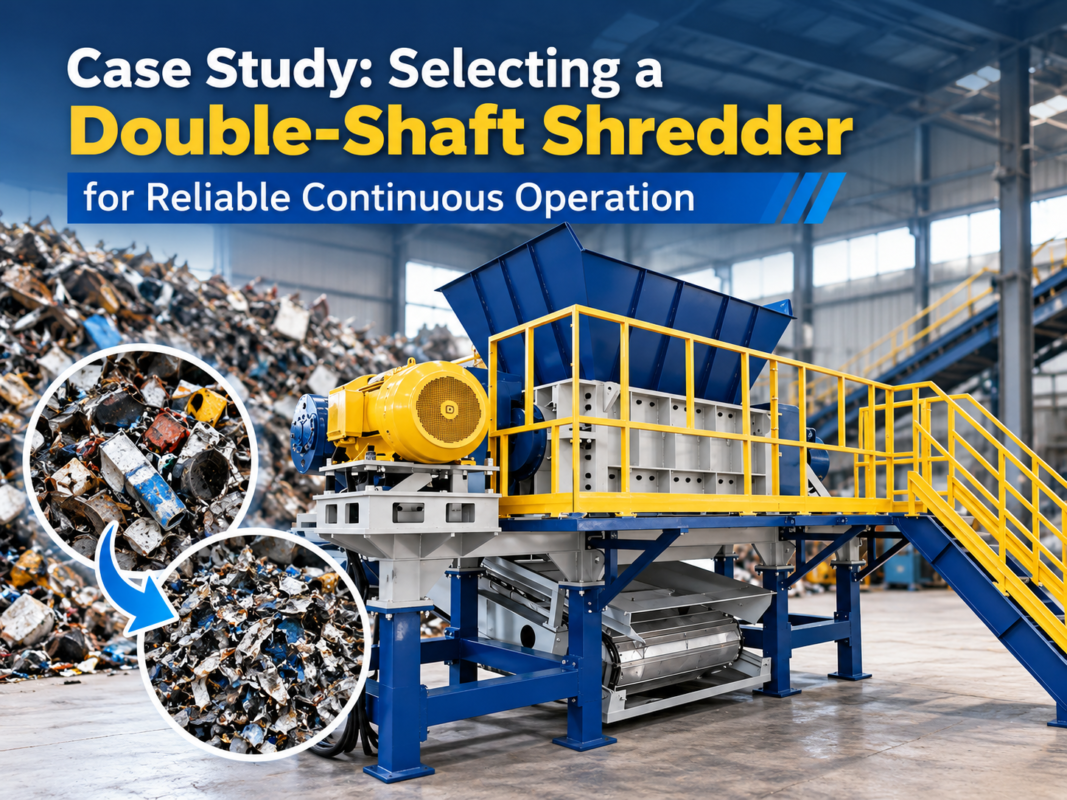
Consider the physical footprint of the shredder. In many fabrication shops, floor space is at a premium. HARSLE offers various configurations, including compact units that can be placed directly under a press brake or near a laser cutting machine, as well as larger, centralized systems designed to handle the output of an entire facility. The goal is to minimize the distance the scrap travels before it is shredded.
Integration capabilities are another vital selection criterion. Does the shredder need to be fed by a conveyor belt? Should the shredded output be discharged directly into a bin, or does it need to be moved to a secondary location via a screw conveyor? Discussing these logistical requirements with a HARSLE representative ensures that the machine you purchase fits seamlessly into your existing workflow rather than creating new bottlenecks.
Finally, look for manufacturers who provide comprehensive support and spare parts availability. A shredder is a long-term investment, and the ability to source replacement blades or technical assistance quickly is essential for minimizing downtime. When reviewing the Double-Shaft Shredder Articles and guides, prioritize brands that offer modularity and a proven track record in the metal fabrication industry.
Buyer’s Checklist for Industrial Shredders:
- Material Compatibility: Ensure the shredder is rated for the hardness and thickness of your specific metal scrap.
- Throughput Capacity: Match the shredder’s hourly capacity to your peak production volume.
- Safety Features: Look for emergency stop buttons, safety interlocks, and noise-reduction enclosures.
- Maintenance Requirements: Choose a model with easy access to the cutting chamber and wear parts.
- Automation Level: Consider PLC-controlled systems that offer auto-reverse and remote monitoring.
FAQ: Common Questions About Industrial Shredding
Q: How much space does a double-shaft shredder require?
A: HARSLE shredders come in various sizes. Compact units can fit in as little as 2-3 square meters, while larger systems may require a dedicated area with conveyor access. We recommend a site visit to determine the optimal placement for your workflow.
Q: Can a double-shaft shredder handle mixed metal scrap?
A: Yes, these machines are designed to handle a variety of metals, including steel, aluminum, and copper. However, it is important to avoid non-metallic contaminants like heavy concrete or large stones, which can damage the blades.
Q: How often do the blades need to be sharpened?
A: Blade life depends on the volume and hardness of the material processed. Typically, with proper maintenance and regular inspection, blades can last for thousands of operating hours before requiring sharpening or replacement.
Q: Is the shredder noisy during operation?
A: Because double-shaft shredders operate at low speeds, they are significantly quieter than high-speed granulators. Most HARSLE models are designed to operate well within standard industrial noise safety limits.
Q: How does shredding improve the value of my scrap?
A: Shredded metal has a much higher bulk density than loose scrap. Recyclers prefer this material because it is easier to melt, transport, and process, allowing you to negotiate better prices for your waste.
Conclusion: Investing in the Future of Fabrication
The Case Study: Safer Faster Scrap Reduction A Double-Shaft Shredder demonstrates that the benefits of modernizing scrap management extend far beyond simple waste disposal. By investing in a HARSLE double-shaft shredder, fabrication facilities can achieve a safer work environment, reclaim valuable floor space, and increase the profitability of their scrap metal recycling efforts. This is not merely an equipment upgrade; it is a strategic move toward a more efficient, sustainable, and competitive manufacturing operation.
As the metal fabrication industry continues to evolve, the ability to manage resources—including waste—will distinguish market leaders from the rest. The integration of high-torque, low-speed shredding technology is a proven method for reducing the logistical friction that often plagues high-volume shops. Whether you are looking to improve safety, increase throughput, or maximize the revenue from your scrap, a double-shaft shredder is an essential tool in your arsenal.
We encourage facility managers and business owners to evaluate their current scrap handling processes against the standards discussed in this Industrial Machinery Guide. By taking a proactive approach to waste management, you can ensure that your shop remains a safe, clean, and highly productive environment for years to come. Contact HARSLE today to learn more about our range of shredding solutions and how we can help you optimize your fabrication facility.
In summary, the transition to automated shredding is a clear path to operational excellence. By reducing the physical volume of waste, you are effectively clearing the path for higher production speeds and better safety outcomes. The data is clear: when you prioritize efficient scrap management, the entire fabrication process benefits, leading to a more robust and profitable business model. Choose HARSLE for your next equipment investment and experience the difference that precision engineering makes.