Troubleshooting Surface Streaks and Line Marks in Aluminium Extrusion Press Products: A Comprehensive Guide


مقدمة في جودة سطح سحب الألومنيوم
In the competitive world of metal fabrication, the aesthetic and structural integrity of aluminium profiles is paramount. For manufacturers utilizing an Aluminium Extrusion Press, achieving a flawless surface finish is often the most significant challenge. Surface streaks and line marks are common defects that can lead to high scrap rates, increased production costs, and dissatisfied clients. Understanding the root causes of these imperfections is essential for any facility aiming to maintain high-quality output.
Troubleshooting Surface Streaks and Line Marks In Aluminium Extrusion Press Products requires a systematic approach that examines the entire production cycle, from billet preparation to the cooling process. These defects often manifest as longitudinal lines, drag marks, or periodic streaks that disrupt the smooth finish of the profile. By identifying whether these marks are mechanical, thermal, or chemical in nature, operators can implement corrective measures to restore production efficiency.
HARSLE is committed to providing high-performance industrial machinery that minimizes these issues through precision engineering. However, even the most advanced equipment requires proper calibration and maintenance to prevent surface degradation. This guide explores the technical nuances of extrusion defects and provides actionable strategies for troubleshooting and prevention in your daily operations.
Key Considerations for Surface Integrity
The first step in addressing surface defects is recognizing the difference between various types of marks. Die lines, for instance, are caused by microscopic imperfections in the extrusion die, while pick-up marks occur when aluminium particles weld to the die bearing surface. Distinguishing between these is vital for effective troubleshooting.
Temperature control is another critical factor. If the billet temperature is too high, the aluminium becomes overly soft, increasing the likelihood of surface tearing and drag marks. Conversely, if the temperature is too low, the pressure required to force the metal through the die increases significantly, which can lead to structural stress and visible surface irregularities. Operators must maintain a strict thermal gradient across the billet to ensure uniform flow.
Lubrication practices also play a major role. Inadequate or improper lubrication of the dummy block and the container can lead to oxide inclusions and surface streaks. Operators must ensure that the lubricant is applied evenly and that the container remains free of debris that could be dragged into the extrusion profile during the cycle. Excessive lubrication can be just as harmful as too little, as it may cause gas entrapment or surface staining.
Finally, the speed of the extrusion process must be balanced with the alloy type and profile complexity. Pushing the machine beyond its optimal speed for a specific profile geometry often results in surface tearing or “chatter” marks. Maintaining a consistent extrusion speed is one of the most effective ways to ensure a uniform surface finish across the entire length of the profile.
Technical Details: Analyzing the Root Causes
When Troubleshooting Surface Streaks and Line Marks In Aluminium Extrusion Press Products, the die condition is usually the primary suspect. Die bearing surfaces must be polished to a mirror finish. Any buildup of aluminium, known as ‘pick-up,’ will create a continuous streak along the length of the profile. Regular die maintenance, including chemical cleaning and mechanical polishing, is non-negotiable for high-quality production. Advanced shops often utilize nitriding processes to harden the die surface, which significantly reduces the coefficient of friction and prevents metal adhesion.
The container and dummy block interface is a frequent source of surface contamination. If the dummy block is worn or if the container liner has developed scratches, impurities can be introduced into the extrusion flow. These impurities manifest as streaks or inclusions. Periodic inspection of the container liner and the replacement of worn dummy blocks are essential maintenance tasks for any Aluminium Extrusion Press operator. A worn dummy block allows the oxide layer on the billet surface to be pushed into the extrusion, creating “oxide streaks” that are often mistaken for die lines.
Alloy composition and billet quality also contribute to surface finish. Impurities within the aluminium billet, such as intermetallic particles, can cause surface tearing as they pass through the die. Ensuring that the billet is homogenized correctly and free from surface oxidation is a prerequisite for preventing streaks. High-quality billets lead to more predictable flow characteristics and fewer surface defects. Furthermore, the presence of hydrogen gas in the billet can lead to internal porosity, which may manifest as surface blistering or streaks during the extrusion process.
Cooling and handling systems must also be scrutinized. If the profile is not supported correctly as it exits the press, it may vibrate or drag against the run-out table, causing mechanical marks. The use of high-quality graphite or felt pads on the run-out table is necessary to protect the soft, hot aluminium from being scratched by the machinery itself. Additionally, the cooling rate must be controlled; uneven cooling can cause differential shrinkage, leading to surface tension marks.
Selection Advice for Extrusion Machinery
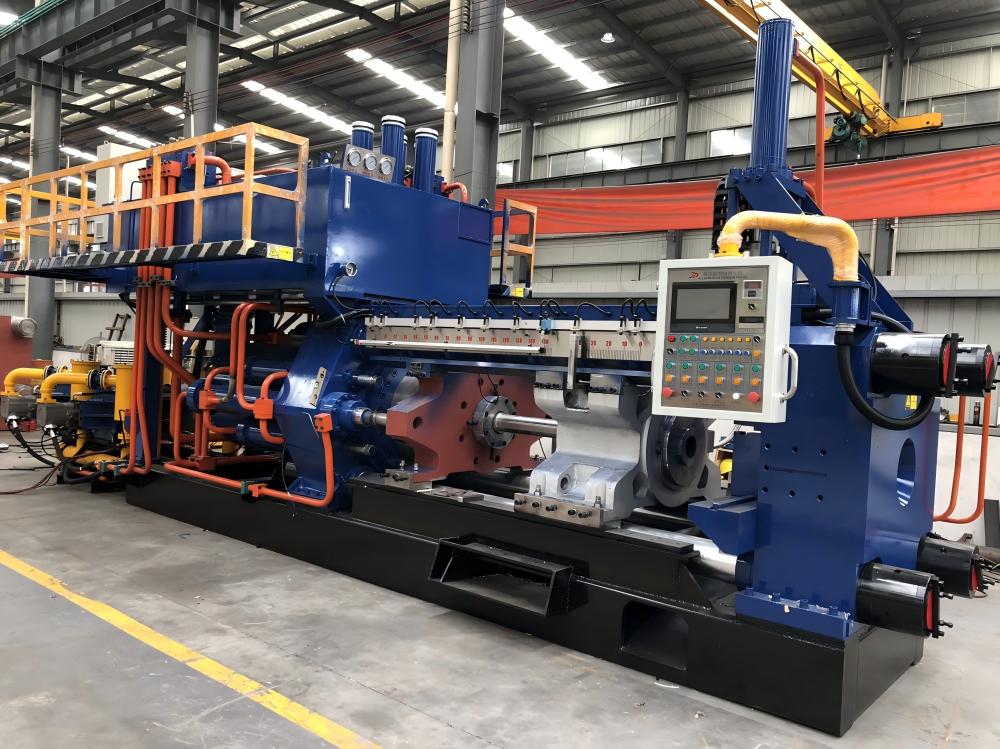
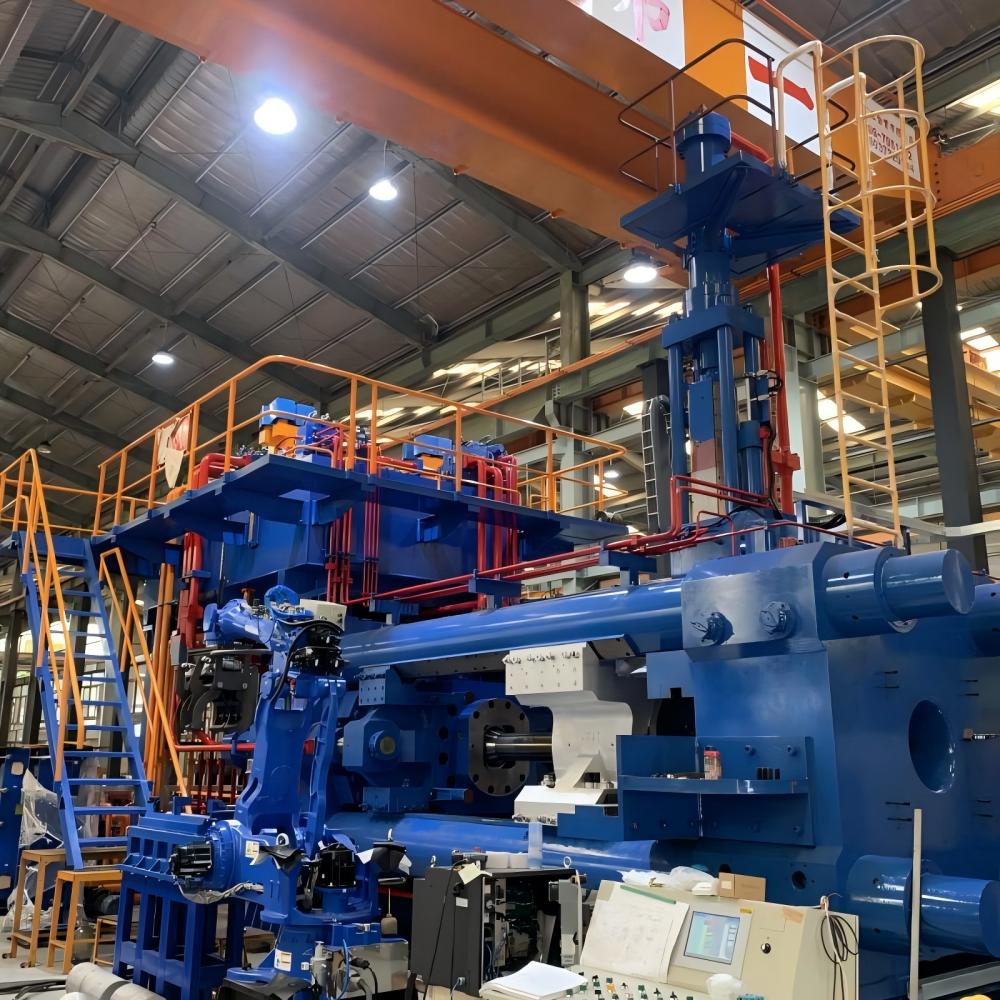
When investing in a new Aluminium Extrusion Press, it is important to consider features that directly impact surface quality. Modern presses from HARSLE incorporate advanced hydraulic systems and precise temperature control modules that minimize the fluctuations responsible for surface defects. Choosing a machine with integrated automation can also reduce human error, which is a common cause of surface-damaging handling mistakes.
Look for systems that offer programmable extrusion speeds and pressure profiles. The ability to ramp up and down the extrusion speed based on the profile’s cross-sectional area allows for a more stable flow of metal, significantly reducing the risk of surface tearing. A machine that provides real-time data on pressure and temperature allows operators to make adjustments before defects become severe. Look for PLC-controlled systems that offer closed-loop feedback, ensuring that the extrusion speed remains constant even as the billet length decreases.
Consider the rigidity of the press frame. A press that experiences excessive vibration or deflection under load will inevitably produce profiles with chatter marks. HARSLE machinery is designed with heavy-duty, stress-relieved frames to ensure maximum stability during the high-pressure extrusion process, providing a solid foundation for consistent surface quality. When evaluating a press, check the alignment of the main ram, the container, and the die head; even a minor misalignment can cause uneven pressure distribution, leading to streaks on one side of the profile.
Finally, evaluate the availability of spare parts and technical support. Troubleshooting Surface Streaks and Line Marks In Aluminium Extrusion Press Products often requires expert guidance. A manufacturer that provides comprehensive training and responsive support will help your team resolve issues faster, minimizing downtime and ensuring that your production line remains profitable and efficient. Always prioritize manufacturers who offer remote diagnostic capabilities, as this allows for rapid troubleshooting of software-related extrusion parameters.
Advanced Maintenance Protocols
To maintain a high-quality surface finish, facilities should implement a rigorous preventative maintenance schedule. This includes daily checks of the die heating furnace to ensure uniform temperature distribution, as cold spots in the die can lead to localized metal flow issues. Weekly, the container liner should be measured for wear and ovality. If the liner is worn, it will allow the dummy block to tilt, causing uneven pressure and surface streaks. Furthermore, the hydraulic fluid should be monitored for contamination; particles in the oil can cause jerky motion in the ram, which translates into periodic chatter marks on the extruded product.
FAQ: Common Questions on Extrusion Defects
- Q: Why do I see longitudinal lines on my aluminium profiles?
A: Longitudinal lines are typically caused by die bearing wear or aluminium pick-up on the die. Regular die polishing and cleaning are required. If the lines are deep, the die may need to be re-nitrided or replaced. - Q: How does billet temperature affect surface finish?
A: Excessive temperature makes the aluminium too soft, leading to tearing, while low temperatures increase pressure, potentially causing surface stress marks. Maintaining the billet temperature within the specific alloy’s optimal range is critical. - Q: Can the run-out table cause surface marks?
A: Yes, if the table surface is damaged or if the profile is not properly supported, mechanical dragging will occur, resulting in visible scratches. Using high-temperature resistant felt or graphite belts can mitigate this. - Q: What is the role of the dummy block in preventing streaks?
A: A well-maintained dummy block prevents oxide from the billet surface from entering the extrusion flow, which is a common cause of internal and external streaks. A fixed dummy block is often preferred over a floating one for better oxide control. - Q: How often should I inspect my extrusion die?
A: Dies should be inspected after every production run or if surface quality begins to degrade. Proactive maintenance is always more cost-effective than reactive repair. - Q: Does the extrusion ratio impact surface quality?
A: Yes, a very high extrusion ratio increases the pressure and heat generated at the die, which can lead to surface tearing. Adjusting the speed for high-ratio profiles is essential.
Conclusion
Achieving a perfect surface finish on aluminium extrusions is a multifaceted challenge that requires attention to detail at every stage of the manufacturing process. By understanding the root causes of surface streaks and line marks—whether they originate from die wear, thermal instability, or mechanical handling—manufacturers can implement effective troubleshooting strategies to improve their output quality. Utilizing high-quality equipment, such as the Aluminium Extrusion Press solutions provided by HARSLE, serves as the foundation for this success.
Remember that Troubleshooting Surface Streaks and Line Marks In Aluminium Extrusion Press Products is an ongoing process of monitoring, maintenance, and optimization. By investing in proper training for your operators, maintaining your machinery to the highest standards, and selecting the right equipment for your specific profile requirements, you can significantly reduce scrap rates and enhance the reputation of your products in the marketplace. Stay proactive, keep your dies polished, and ensure your thermal parameters are strictly controlled to maintain a competitive edge in the metal fabrication industry. Consistent quality is not an accident; it is the result of rigorous process control and a commitment to excellence in every extrusion cycle.