How to Fix Die Breakage In Aluminium Extrusion Press Workflows: A Comprehensive Engineering Guide


Introduction
In the high-stakes world of metal fabrication, the aluminium extrusion process stands as a cornerstone of modern manufacturing. From aerospace components to architectural framing, the precision of the extrusion die determines the quality of the final product. However, one of the most persistent challenges faced by plant managers and engineers is the premature failure of these critical tools. When you need to fix die breakage in aluminium extrusion press workflows, you are not just repairing a piece of metal; you are restoring the efficiency and profitability of your entire production line.
Die breakage often manifests as sudden cracks, chipping, or catastrophic structural failure during the extrusion cycle. These incidents lead to costly downtime, wasted raw materials, and potential damage to the extrusion press itself. At HARSLE, we understand that maintaining the integrity of your tooling is paramount. This guide provides a deep dive into the root causes of die failure and offers actionable strategies to mitigate these risks, ensuring your aluminium extrusion press operates at peak performance.
Understanding the physics of extrusion is the first step toward prevention. The immense pressure exerted on the die, combined with the high temperatures required to soften the aluminium billet, creates a harsh environment. If the die design, material selection, or operational parameters are slightly off-balance, the risk of breakage increases exponentially. By implementing a systematic approach to maintenance and process control, operators can significantly extend the lifespan of their dies.
This article explores the technical nuances of die failure, ranging from thermal fatigue to mechanical stress concentration. We will examine how to identify early warning signs, the importance of proper heat treatment, and how HARSLE’s advanced machinery solutions can help stabilize your workflow. Whether you are a seasoned engineer or a production supervisor, the following insights will serve as a roadmap to minimizing downtime and maximizing output quality.
Key Considerations for Die Longevity
The longevity of an extrusion die is rarely determined by a single factor. Instead, it is the result of a complex interplay between design, material science, and operational discipline. To fix die breakage in aluminium extrusion press workflows, one must first evaluate the design phase. Many failures originate from sharp corners or inadequate radii in the die geometry, which act as stress risers. During the high-pressure extrusion process, these points become focal areas for crack initiation.
Material selection is equally critical. The choice of tool steel—typically H13 or similar hot-work die steels—must be matched to the specific alloy being extruded and the expected production volume. If the steel is not properly heat-treated or if the hardness levels are inconsistent, the die will be unable to withstand the cyclic loading inherent in the extrusion process. Proper vacuum heat treatment and nitriding are essential steps that cannot be bypassed if you want to ensure long-term durability.
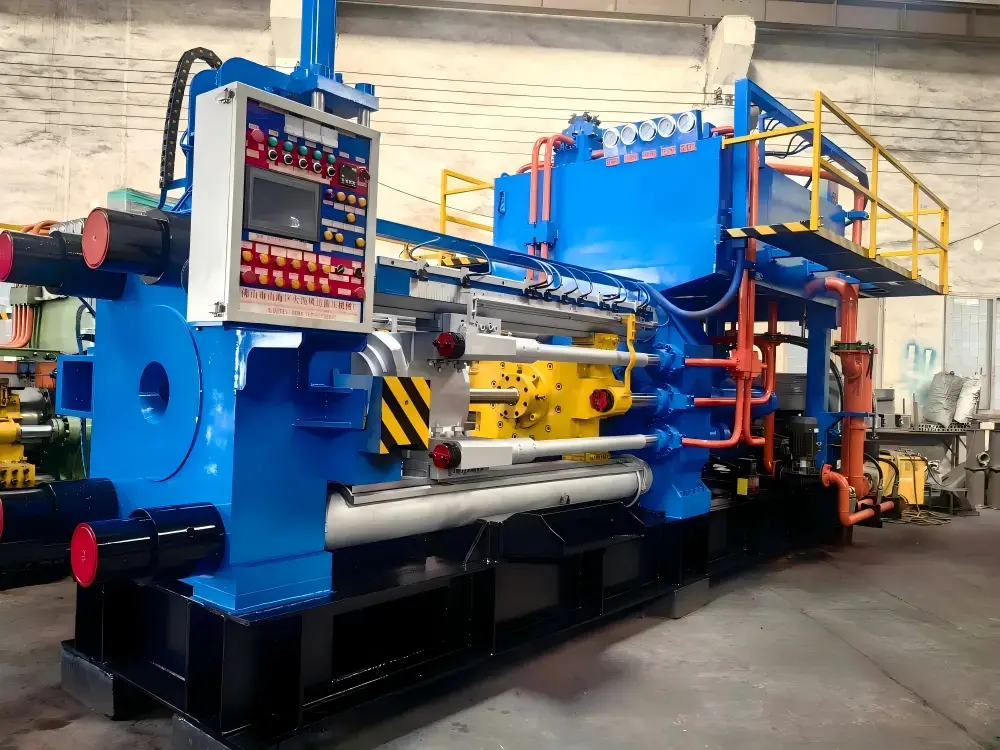
Operational parameters, such as billet temperature and extrusion speed, play a significant role in die stress. If the billet is too cold, the extrusion pressure rises sharply, pushing the die beyond its elastic limit. Conversely, if the speed is too high, the friction-induced heat can cause the die to soften, leading to plastic deformation or thermal cracking. Balancing these variables requires a sophisticated control system, such as those integrated into modern HARSLE extrusion presses.
Maintenance protocols must also be rigorous. Regular inspection for micro-cracks using non-destructive testing (NDT) methods, such as dye penetrant or ultrasonic testing, can catch issues before they lead to catastrophic failure. Furthermore, the cleaning process—removing residual aluminium from the die ports—must be performed with care to avoid scratching or damaging the bearing surfaces, which can lead to uneven flow and increased stress on the die structure.
Technical Details: Analyzing Failure Modes
When investigating how to fix die breakage in aluminium extrusion press workflows, engineers must categorize the type of failure. The most common mode is fatigue cracking, which occurs over time due to the repeated loading and unloading of the die during each extrusion cycle. This is often exacerbated by thermal cycling, where the die expands and contracts as it heats up during the run and cools down during maintenance intervals.
Another frequent culprit is mechanical overload. This happens when the extrusion pressure exceeds the structural capacity of the die. This can be caused by a blocked die orifice, an overly hard billet, or a misalignment between the press ram and the die stack. When the pressure spikes, the die may experience brittle fracture, particularly if the steel has become embrittled due to improper tempering or excessive nitriding cycles.
Thermal shock is a specific type of failure that occurs when there is a rapid temperature gradient across the die. For example, if a cold die is suddenly exposed to a very hot billet, the surface expands faster than the core, creating tensile stresses that can lead to surface cracking. Preheating the die to the correct temperature before it is loaded into the press is a non-negotiable step in preventing this type of failure.
Finally, we must consider the role of die support. The die stack, including the bolster and the backer, must provide uniform support to the die. If the support is uneven, the die will deflect under pressure. This deflection creates bending moments that the die was not designed to handle, leading to premature breakage. Ensuring that all components in the die stack are flat, clean, and properly aligned is essential for distributing the extrusion load evenly across the die face.
Selection Advice for Reliable Extrusion
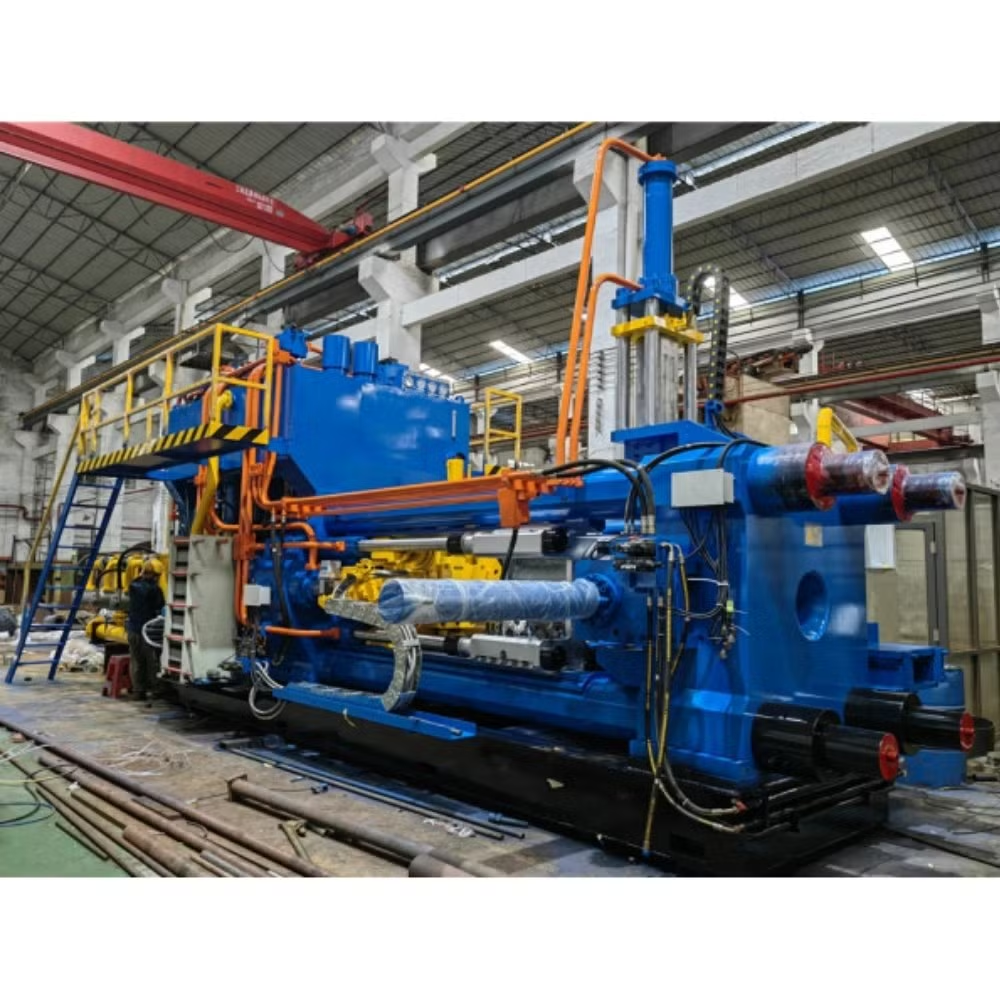
Choosing the right equipment and tooling is the foundation of a stable extrusion workflow. When selecting an aluminium extrusion press, look for features that prioritize process stability. HARSLE presses are designed with advanced hydraulic systems that provide smooth, consistent pressure application, reducing the shock loads that often lead to die breakage. A press with precise speed control and real-time pressure monitoring allows operators to react to anomalies before they cause damage.
When it comes to die manufacturing, partner with reputable suppliers who utilize high-quality tool steels and advanced heat treatment processes. Do not compromise on the quality of the steel for the sake of short-term cost savings. A high-quality die will pay for itself many times over by reducing the frequency of replacements and minimizing the downtime associated with breakage. Always request material certification and hardness reports for every die you purchase.
Consider the implementation of simulation software. Modern CAD/CAM tools allow engineers to simulate the flow of aluminium through the die before it is ever manufactured. By identifying potential stress concentrations or flow imbalances in the virtual environment, you can adjust the die design to ensure a more uniform distribution of pressure. This proactive approach is one of the most effective ways to fix die breakage in aluminium extrusion press workflows.
Lastly, invest in training for your maintenance and operations teams. The best equipment in the world will fail if it is operated incorrectly. Ensure that your staff understands the importance of preheating, the correct procedures for die cleaning, and how to interpret the data provided by the press control system. A well-trained team is your first line of defense against die failure and the most valuable asset in your production facility.
FAQ: Common Questions on Die Breakage
- Q: How often should I inspect my extrusion dies for micro-cracks?
A: Ideally, dies should be inspected after every production run. At a minimum, a visual inspection should be performed, followed by a more thorough NDT check every 5-10 cycles, depending on the complexity of the profile. - Q: Can improper nitriding cause die breakage?
A: Yes. If the nitriding layer is too thick or brittle, it can act as a site for crack initiation. Proper control of the nitriding process is essential to maintain a balance between surface hardness and core toughness. - Q: What is the role of the billet temperature in preventing die failure?
A: Billet temperature directly affects the extrusion pressure. If the billet is too cold, the pressure required to force the metal through the die increases, which can exceed the die’s structural limits and cause breakage. - Q: How does HARSLE equipment help in reducing die stress?
A: HARSLE presses feature advanced hydraulic control systems that ensure smooth pressure ramps and consistent extrusion speeds, minimizing the mechanical shocks that contribute to fatigue-related die failure. - Q: Is it possible to repair a broken extrusion die?
A: In some cases, minor surface cracks can be polished out or welded and re-heat-treated. However, for structural cracks, it is usually safer and more cost-effective to replace the die to prevent a catastrophic failure during operation.
Conclusion
Fixing die breakage in aluminium extrusion press workflows is a multifaceted challenge that requires a combination of engineering precision, operational discipline, and high-quality equipment. By understanding the root causes of failure—whether they be thermal, mechanical, or design-related—you can implement a strategy that significantly improves your production efficiency. Remember that the goal is not just to fix the problem when it occurs, but to create a process environment where breakage is the exception, not the rule.
At HARSLE, we are committed to providing the metal fabrication industry with the tools and knowledge necessary to succeed. Our extrusion presses are engineered to handle the rigors of modern manufacturing, providing the stability and control you need to protect your tooling investment. By focusing on proper die maintenance, investing in high-quality materials, and utilizing advanced simulation and monitoring technologies, you can ensure that your extrusion line remains a reliable and profitable part of your business.
As you move forward, continue to monitor your process data and refine your maintenance schedules. The insights gained from every production run are invaluable for optimizing your workflow. If you are looking to upgrade your machinery or need expert advice on optimizing your extrusion process, the team at HARSLE is here to support you. Together, we can overcome the challenges of die breakage and set new standards for quality and productivity in the aluminium extrusion industry.