How to Troubleshoot Briquetting Machine Feeding Problems and Jams: A Comprehensive Guide

Introduction to Briquetting Machine Efficiency
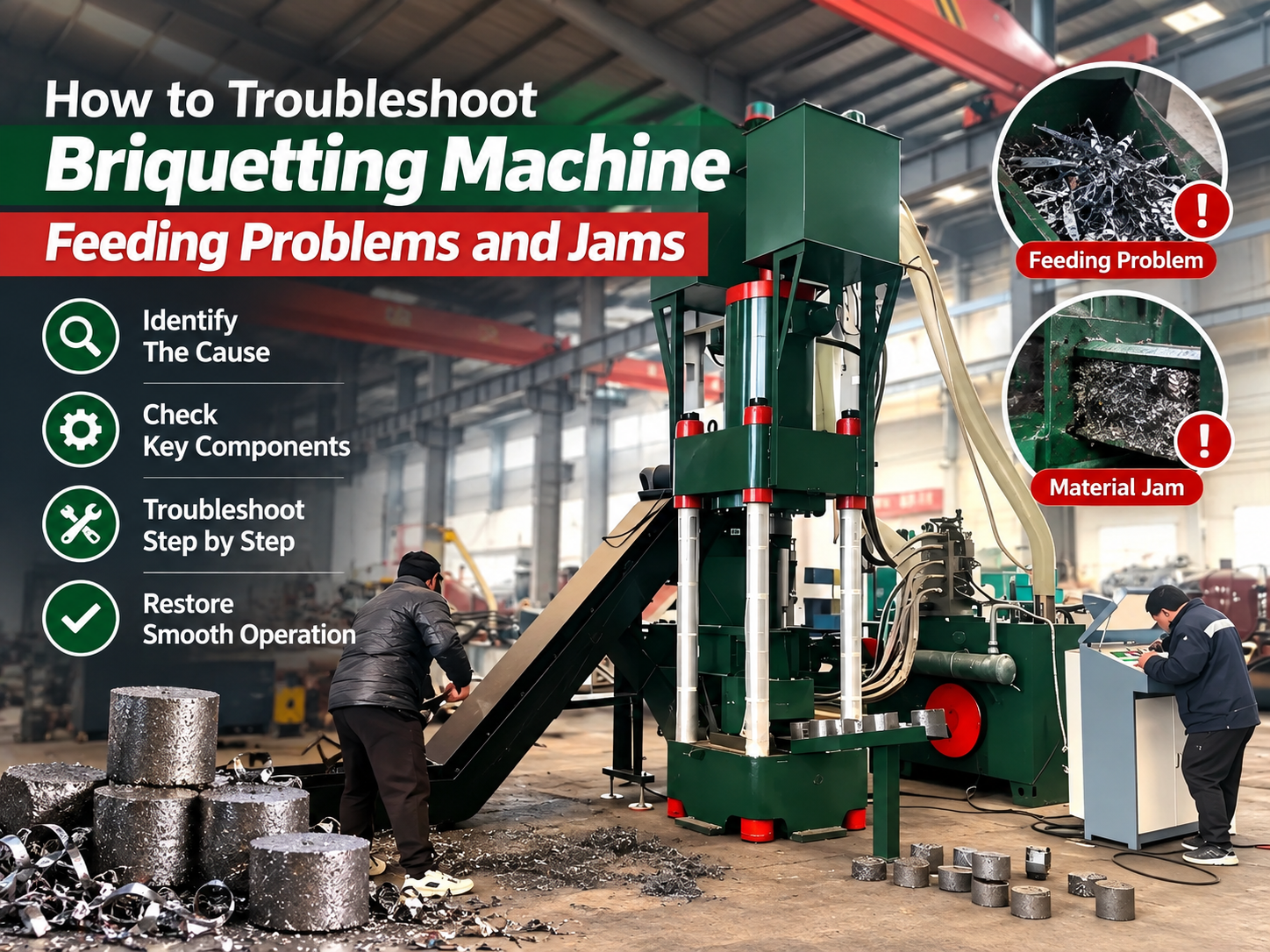
In the modern metal fabrication industry, efficiency is the cornerstone of profitability. Briquetting machines play a vital role in this ecosystem by transforming loose metal chips, turnings, and swarf into dense, manageable briquettes. However, even the most robust HARSLE machinery can encounter operational hurdles. Learning how to troubleshoot briquetting machine feeding problems and jams is essential for any facility manager or maintenance technician looking to minimize downtime and maximize the lifespan of their equipment.
When a briquetting machine fails to feed material correctly, it often leads to a cascade of issues, including uneven briquette density, motor strain, and potential mechanical damage. Understanding the root causes of these feeding inconsistencies is the first step toward a permanent resolution. Whether you are dealing with inconsistent chip sizes, moisture content issues, or mechanical blockages, this guide provides the technical insights necessary to keep your production line moving.
Effective maintenance is not just about fixing problems as they arise; it is about proactive management of the feeding system. By identifying the early warning signs of a jam—such as unusual motor noise, fluctuating hydraulic pressure, or a sudden drop in output—you can intervene before a total system failure occurs. This article serves as a comprehensive resource for operators to diagnose and rectify common feeding challenges effectively.
At HARSLE, we emphasize that the reliability of your briquetting process depends on the synergy between the material input and the machine’s internal components. When the feeding mechanism is optimized, the machine operates at peak efficiency, reducing energy consumption and increasing the resale value of your processed metal scrap. Let us dive into the technical aspects of maintaining a seamless feeding process.
Key Considerations for Material Consistency
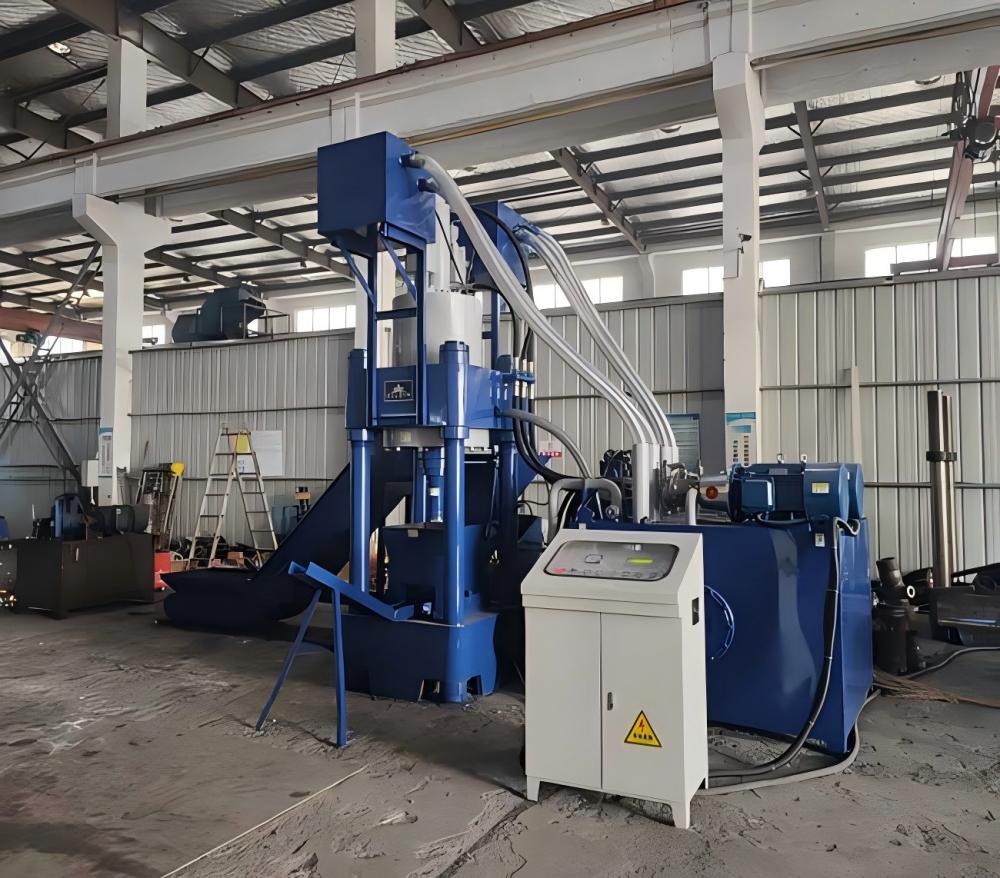
The most frequent cause of feeding problems in briquetting machines is the inconsistency of the raw material. Metal chips and swarf vary significantly in shape, size, and composition. If the material is too long or stringy, it can easily bridge over the hopper, preventing it from falling into the compression chamber. Ensuring that your material is properly shredded or broken down before it reaches the hopper is a critical first step in preventing jams.
Moisture content also plays a significant role in feeding dynamics. If the metal chips are saturated with cutting fluids or oils, they may clump together, creating heavy masses that the feeding auger or gravity-feed system cannot process effectively. These clumps can lead to uneven density in the briquette or cause the feeding motor to trip due to excessive torque requirements. Implementing a centrifuge or a drainage system prior to the briquetting stage can significantly improve material flow.
Another key consideration is the presence of foreign objects. It is not uncommon for small parts, tools, or debris to end up in the scrap bin. Even a small bolt or a piece of hardened steel can cause a catastrophic jam in the feeding mechanism. Operators should implement strict scrap management protocols, including magnetic separators or manual inspection, to ensure that only the intended metal chips enter the briquetting machine.
Finally, the bulk density of the material must be monitored. If the material is too light or fluffy, it may not provide enough resistance for the pre-compression stage, leading to feeding errors. Conversely, if the material is too dense, it may overwhelm the feeder. Balancing the feed rate with the machine’s compression capacity is essential. Operators should adjust the feed speed settings on the HARSLE control panel to match the specific characteristics of the metal being processed.
Technical Details: Diagnosing and Clearing Jams
When a jam occurs, the first step is to perform a safe shutdown. Never attempt to clear a jam while the machine is powered on. Once the machine is locked out, the operator should inspect the hopper and the feeding auger. Often, the jam is located at the transition point between the hopper and the compression chamber. Using specialized tools, such as non-sparking pry bars, can help dislodge the material without damaging the internal surfaces of the machine.
If the feeding auger is the source of the problem, check for signs of wear or deformation. An auger that has been subjected to excessive torque may become bent, causing it to rub against the housing and create friction that leads to jams. In such cases, the auger may need to be replaced or straightened. Regular inspection of the auger flighting is a vital part of the preventive maintenance schedule for any industrial briquetting machine.
Hydraulic pressure issues can also mimic feeding problems. If the hydraulic system is not providing enough force to the pre-compression ram, the material may not be pushed into the main die, leading to a backup in the feeding chute. Check the hydraulic oil levels, filter condition, and pressure gauges. If the pressure is erratic, it may indicate a failing pump or a leak in the hydraulic circuit that requires immediate professional attention.
Sensors and limit switches are the “eyes” of your briquetting machine. If a sensor is misaligned or covered in debris, the machine may incorrectly detect a jam or fail to detect a lack of material. Regularly cleaning the sensors and verifying their calibration ensures that the machine’s logic controller receives accurate data. If the machine stops feeding despite the hopper being full, check the sensor feedback on the HARSLE PLC interface to see if a signal is being blocked or missed.
Selection Advice: Choosing the Right Machine for Your Material
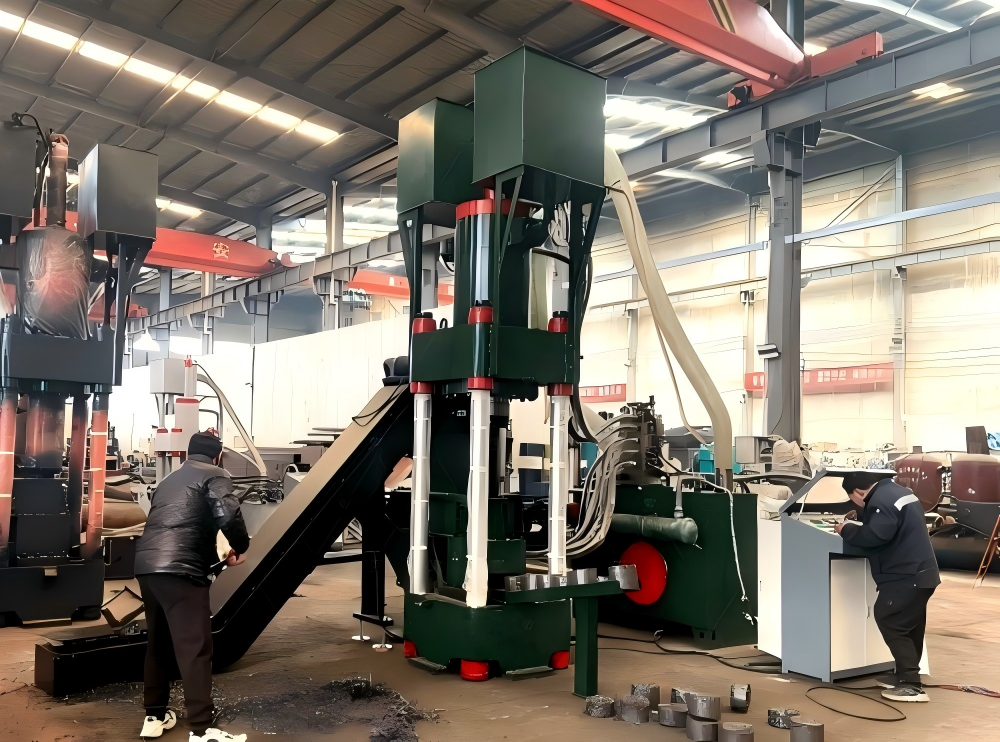
Selecting the right briquetting machine is the most effective way to avoid feeding problems before they start. Not all machines are designed for all materials. For example, a machine optimized for aluminum turnings may struggle with hardened steel chips. When selecting your HARSLE equipment, consider the specific type of metal you process most frequently. High-tensile materials require more robust feeding systems and higher compression forces to prevent jams.
Consider the hopper design. Some machines feature agitators or bridge-breakers within the hopper to prevent material from clumping. If you are processing stringy or long-chip materials, a machine with an integrated shredder or a specialized agitator is highly recommended. These features break down the material into a uniform size, ensuring a consistent flow into the compression chamber and significantly reducing the likelihood of jams.
The capacity of the machine should also align with your production volume. An undersized machine forced to operate at maximum capacity is much more prone to feeding issues and mechanical fatigue. Always aim for a machine that operates comfortably at 70-80% of its rated capacity. This buffer allows the machine to handle surges in material input without triggering a jam or overheating the motor.
Finally, look for machines with advanced control systems. Modern HARSLE briquetting machines come equipped with smart sensors and automated feed adjustments. These systems can detect changes in material resistance and automatically adjust the feed rate or reverse the auger momentarily to clear minor blockages. Investing in technology that supports autonomous troubleshooting will save your facility thousands of dollars in lost production time over the life of the machine.
Maintenance Best Practices for Longevity
Preventive maintenance is the best way to troubleshoot briquetting machine feeding problems and jams before they become critical. Establish a daily, weekly, and monthly maintenance checklist. Daily tasks should include cleaning the hopper, checking for debris, and inspecting the hydraulic lines for leaks. Weekly tasks should involve checking the tension of drive belts, lubricating moving parts, and testing the emergency stop functions.
Monthly maintenance should be more comprehensive. This includes changing the hydraulic oil filters, inspecting the die and punch for signs of wear, and checking the electrical connections for any signs of heat damage or loose wires. A well-maintained machine is far less likely to experience the intermittent feeding issues that plague neglected equipment. Keep a detailed log of all maintenance activities to track the machine’s performance over time.
Training your operators is equally important. An operator who understands the machine’s mechanics is better equipped to identify the early signs of a feeding problem. Conduct regular training sessions on how to safely clear jams, how to interpret PLC error codes, and the importance of material preparation. When the entire team is invested in the health of the equipment, the frequency of jams and mechanical failures drops significantly.
Lastly, keep a stock of essential spare parts on-site. Items like sensors, hydraulic seals, and auger components are common wear items. Having these parts readily available means that if a minor feeding issue does occur, you can resolve it in minutes rather than waiting days for shipping. HARSLE provides comprehensive parts support to ensure that your facility remains operational and efficient.
الأسئلة الشائعة
Why does my briquetting machine stop feeding when the hopper is full?
This is often caused by “bridging,” where material clumps together and forms an arch over the feed opening. It can also be caused by a sensor malfunction or a jam in the auger. Check for material clumping and ensure your sensors are clean and properly calibrated.
How often should I clean the feeding auger?
The feeding auger should be inspected daily for debris. Depending on the material type, a deep cleaning should be performed weekly to remove any buildup of metal fines or dried cutting fluid that could impede movement.
Can moisture in metal chips cause feeding jams?
Yes, excessive moisture causes chips to stick together, creating heavy masses that the feeding system cannot process. We recommend using a chip wringer or centrifuge to remove excess coolant before feeding the material into the briquetting machine.
What should I do if the machine makes a loud grinding noise?
Stop the machine immediately. A grinding noise often indicates that metal-on-metal contact is occurring, likely due to a foreign object in the compression chamber or a misaligned auger. Inspect the chamber and auger for damage before attempting to restart.
Are there specific materials that are harder to feed?
Yes, long, stringy turnings are the most difficult to feed. They tend to tangle and bridge. Using a pre-shredder to convert these into small chips is the best way to ensure smooth, continuous feeding.
Conclusion
Troubleshooting briquetting machine feeding problems and jams is a manageable task when you have the right knowledge and a proactive approach to maintenance. By focusing on material consistency, regular inspection of mechanical components, and proper operator training, you can ensure that your HARSLE briquetting machine remains a reliable asset in your metal fabrication facility. Remember that the goal is to prevent issues before they occur, and when they do arise, to have a systematic process for diagnosing and resolving them quickly.
Investing in high-quality equipment and adhering to a strict maintenance schedule will pay dividends in the form of increased throughput, reduced waste, and a safer working environment. If you encounter persistent issues that cannot be resolved through standard troubleshooting, do not hesitate to reach out to the HARSLE technical support team. We are committed to helping you optimize your production processes and achieve the highest standards of efficiency in your metal processing operations.