أعراض تلف موانع التسرب في ماكينة القوالب وكيفية إصلاحها: دليل صيانة شامل

Introduction to Hydraulic Integrity in Briquetting Machines
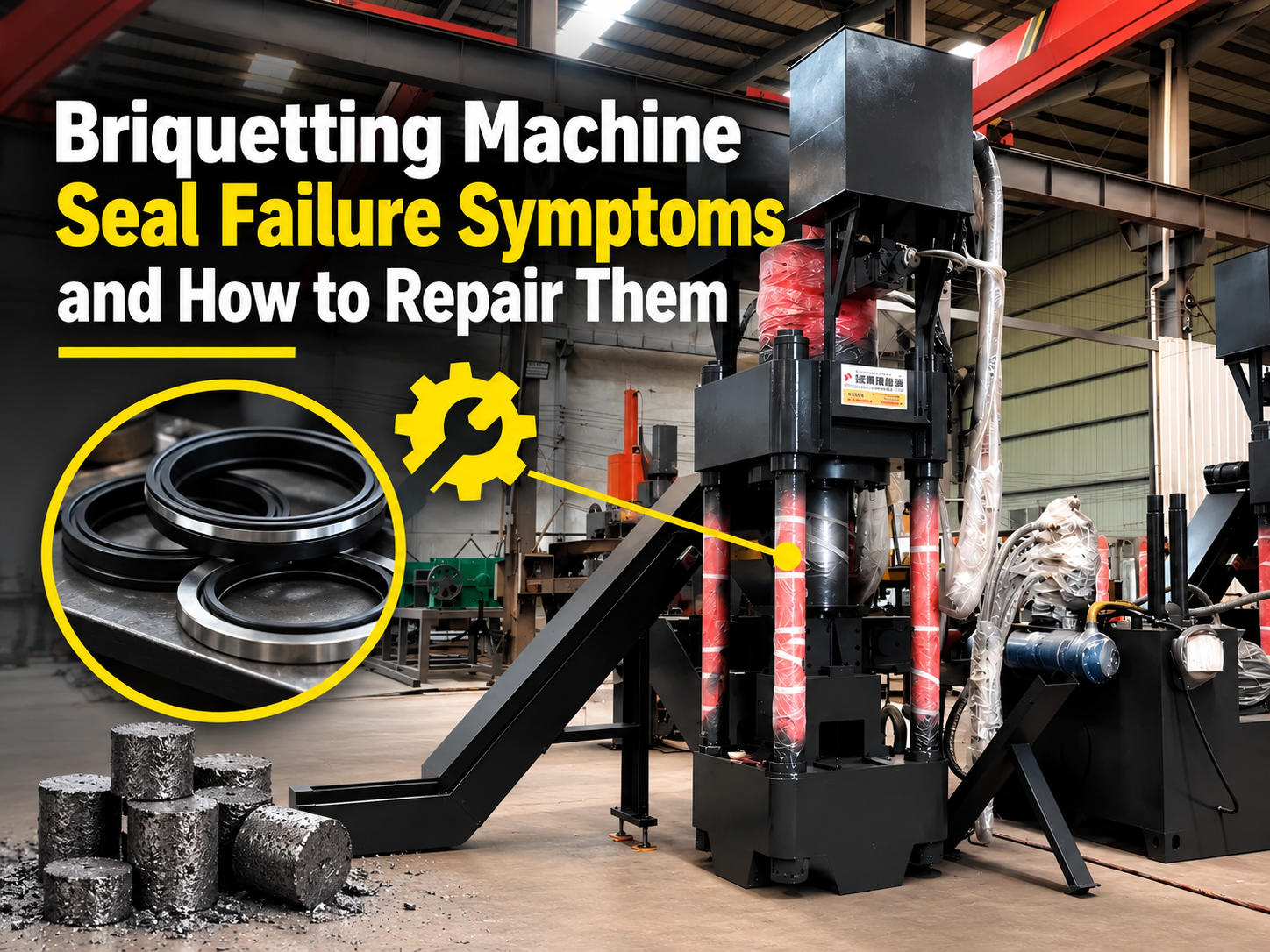
In the high-pressure environment of metal fabrication, the briquetting machine stands as a critical asset for waste management and material recovery. By compressing loose metal chips and swarf into dense, manageable briquettes, these machines significantly reduce storage volume and increase the value of scrap metal. However, the operational efficiency of these systems relies heavily on the integrity of their hydraulic circuits. Understanding the briquetting machine seal failure symptoms and how to repair them is not merely a maintenance task; it is a fundamental requirement for operational safety and longevity.
Hydraulic seals act as the silent guardians of your machinery. They prevent high-pressure fluid from escaping the cylinder chambers and keep contaminants out of the sensitive internal components. When these seals begin to degrade, the entire system’s performance suffers. Recognizing the early warning signs of failure can mean the difference between a simple, scheduled repair and a catastrophic, costly equipment breakdown that halts your entire production line.
At HARSLE, we emphasize that proactive maintenance is the cornerstone of industrial productivity. This guide is designed to provide maintenance managers and operators with the technical knowledge required to diagnose seal issues, understand the root causes of failure, and execute effective repair strategies. By mastering these skills, you ensure that your metal fabrication equipment remains a reliable workhorse in your facility for years to come.
Key Considerations for Identifying Seal Failure
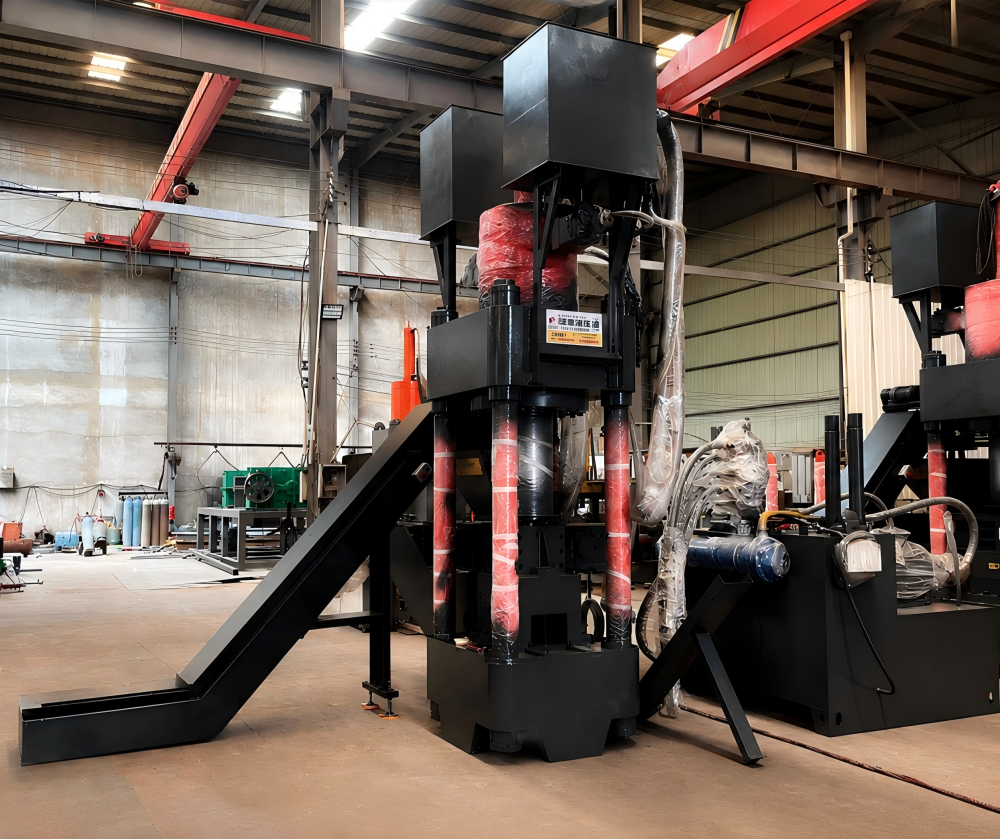
The first step in addressing seal degradation is recognizing the subtle changes in machine behavior. Briquetting machine seal failure symptoms and how to repair them often start with visual inspections. Operators should be trained to look for external leakage, which is the most obvious sign. Even a small puddle of hydraulic oil beneath the cylinder or around the piston rod indicates that the primary seal is no longer maintaining a tight barrier against the system pressure.
Beyond visible leaks, pressure fluctuations are a major indicator. If your briquetting machine is struggling to reach its rated compaction force, or if the cycle time has increased significantly, it is likely that internal bypassing is occurring. Internal leakage happens when seals inside the cylinder allow fluid to pass from the high-pressure side to the low-pressure side, effectively robbing the machine of its power. This loss of efficiency is often overlooked until the machine can no longer produce a solid briquette.
Temperature monitoring is another critical consideration. As seals fail, the internal friction and fluid bypass generate excessive heat. If you notice that the hydraulic oil temperature is consistently higher than normal, or if the cylinder housing feels hot to the touch during operation, it is a clear signal that the seals are failing. Excessive heat not only degrades the remaining seals faster but also breaks down the hydraulic oil, leading to further wear on pumps and valves.
Finally, listen to your machine. Unusual noises, such as chattering or jerky movements during the compression stroke, often point to seal failure. When a seal loses its elasticity or becomes damaged, the piston may move unevenly, causing vibration and noise. Addressing these symptoms early is essential to preventing secondary damage to the cylinder walls or the piston rod, which would require much more expensive machining or replacement parts.
Technical Details: Why Seals Fail in Briquetting Environments
To effectively address briquetting machine seal failure symptoms and how to repair them, one must understand the harsh environment in which these seals operate. Briquetting machines are frequently exposed to fine metal dust, abrasive swarf, and high-temperature fluctuations. These contaminants can infiltrate the seal area, acting as an abrasive paste that wears down the seal lip prematurely. This is why high-quality wiper seals are essential for protecting the primary pressure seals.
Another technical factor is the chemical compatibility of the seal material. Hydraulic fluids contain various additives that can cause certain rubber compounds to swell, shrink, or harden. If the wrong type of seal material—such as standard Nitrile (Buna-N) when Viton or Polyurethane is required—is installed, the seal will fail rapidly under the high-pressure conditions of a briquetting press. Always consult the HARSLE technical manual to ensure the replacement seals match the original specifications.
Pressure spikes, often referred to as ‘water hammer’ or hydraulic shock, can also cause mechanical damage to seals. When the machine stops or reverses direction abruptly, the sudden pressure surge can extrude the seal material into the clearance gap between the piston and the cylinder wall. This ‘extrusion’ damage leaves the seal looking chewed or bitten, and it is a clear sign that the system’s pressure relief valves may need adjustment or that the seal material is not rated for the peak operating pressures of the machine.
Lastly, consider the age and fatigue of the material. Even in perfect conditions, seals have a finite service life. The constant cycling of the briquetting press causes the seal material to undergo repeated compression and relaxation. Over time, this leads to a loss of ‘memory’ or elasticity, meaning the seal can no longer conform to the cylinder wall to maintain a leak-proof barrier. Regular replacement intervals based on cycle counts, rather than waiting for failure, is a best practice for high-volume fabrication shops.
Step-by-Step Repair Strategy
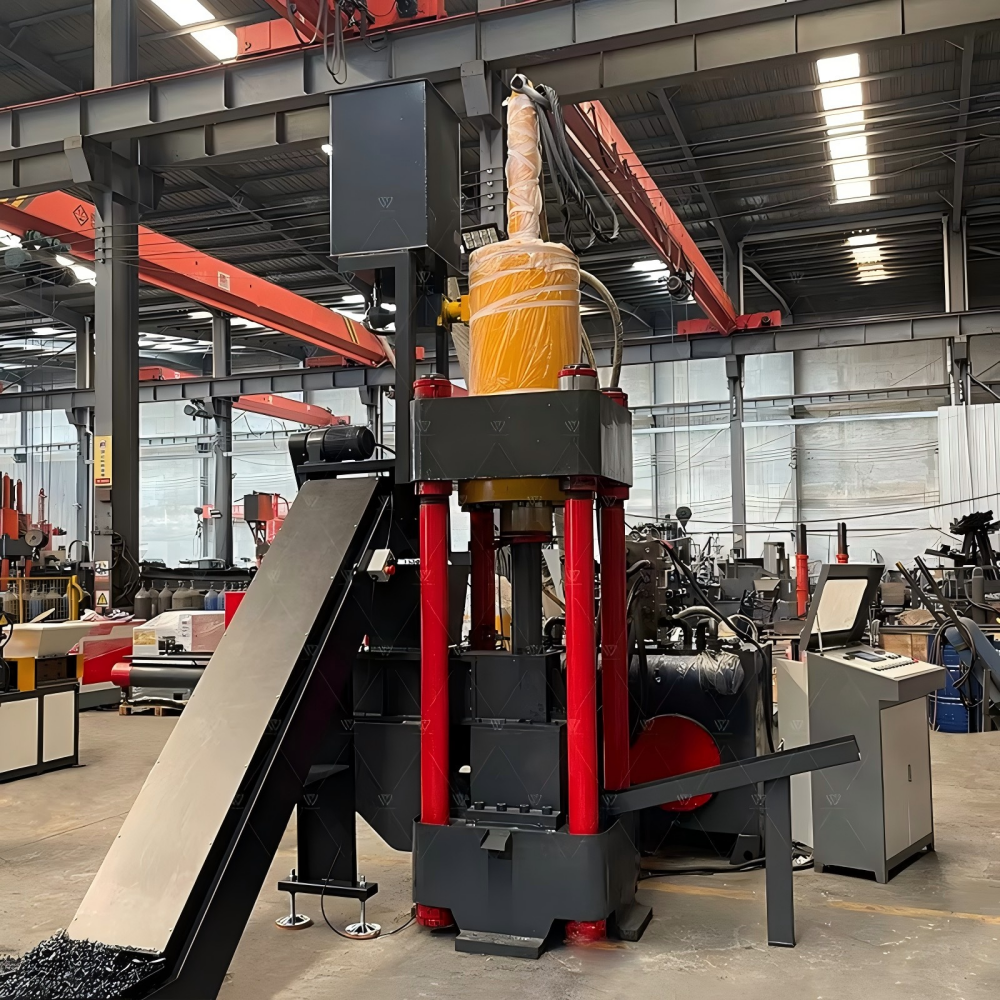
When you have confirmed the need for a repair, the process must be handled with precision. First, ensure the machine is completely de-energized and the hydraulic system is depressurized. Never attempt to service a hydraulic cylinder while it is under load. Once the cylinder is removed from the briquetting machine, clean the exterior thoroughly to prevent debris from entering the system during disassembly.
Disassemble the cylinder carefully, taking note of the orientation of each seal. It is highly recommended to lay out the components in the order they were removed. Inspect the cylinder bore and the piston rod for scratches or scoring. If the metal surfaces are damaged, replacing the seals will only provide a temporary fix, as the new seals will quickly be cut by the rough surfaces. In such cases, the rod or barrel may need to be honed or replaced.
When installing new seals, cleanliness is paramount. Use a clean, lint-free cloth and ensure your hands are free of metal filings. Lubricate the new seals with clean hydraulic oil before installation to prevent them from binding or tearing during the assembly process. Use the correct seal installation tools to avoid stretching the seals beyond their elastic limit, which can cause permanent deformation.
After reassembly, perform a controlled test run. Start the machine at a lower pressure if possible, and check for any signs of external leakage. Gradually increase the pressure to the operating level while monitoring the cylinder for any unusual sounds or heat buildup. Keeping a maintenance log of the repair, including the date, the specific seals replaced, and the machine’s cycle count, will help you track the longevity of the components and refine your future maintenance schedule.
Selection Advice for Replacement Seals
Choosing the right replacement seals is just as important as the repair process itself. Not all seals are created equal, and the cheapest option is rarely the most cost-effective in the long run. When selecting seals for your HARSLE briquetting machine, prioritize materials that offer high abrasion resistance and excellent thermal stability. Polyurethane seals are often preferred for their superior toughness and resistance to extrusion under high pressure.
Consider the specific application of your briquetting machine. If you are processing highly abrasive materials like cast iron chips, you may need to upgrade to seals with specialized wiper designs that provide better exclusion of fine particles. Consult with your HARSLE representative to see if there are upgraded seal kits available that are specifically engineered for your material type and operating environment.
Always verify the dimensions with a digital caliper before ordering. Even small deviations in seal thickness or diameter can lead to premature failure or, worse, internal damage to the cylinder. If you are sourcing seals from a third-party supplier, ensure they meet or exceed the original equipment manufacturer (OEM) specifications. Using OEM-certified parts is the safest way to guarantee compatibility and performance.
Finally, keep a small inventory of critical seal kits on-site. The cost of downtime in a metal fabrication facility far outweighs the cost of keeping a few spare seal kits in your maintenance cabinet. By having the parts ready, you can perform a repair during a scheduled shift change or weekend, minimizing the impact on your production output.
الأسئلة الشائعة
How often should I inspect the seals on my briquetting machine?
We recommend a visual inspection of the hydraulic cylinders every 500 operating hours. A more thorough check, including pressure testing, should be part of your quarterly preventive maintenance schedule.
Can I replace just one seal, or should I replace the whole set?
It is best practice to replace the entire seal kit for a cylinder whenever you open it. If one seal has failed due to age or wear, the others are likely close to failure as well. Replacing the full set ensures balanced performance and prevents the need to disassemble the machine again shortly after.
What is the most common cause of premature seal failure?
Contamination is the leading cause. Fine metal dust and swarf entering the hydraulic system will act as an abrasive, destroying the seal lips. Ensuring your wiper seals are in good condition and keeping the hydraulic oil clean via regular filtration is vital.
Is it possible to repair a scored piston rod?
Minor surface imperfections can sometimes be polished out with fine emery cloth. However, if the scoring is deep enough to catch a fingernail, the rod must be re-chromed or replaced to ensure a proper seal.
Conclusion
Mastering the briquetting machine seal failure symptoms and how to repair them is a vital competency for any metal fabrication facility. By staying vigilant for signs of leakage, pressure loss, and unusual noise, you can transition from a reactive maintenance posture to a proactive, reliability-centered approach. Remember that the longevity of your HARSLE equipment is directly tied to the care you provide its hydraulic systems. With the right tools, high-quality replacement parts, and a disciplined maintenance schedule, you can ensure your briquetting machine continues to deliver consistent, high-quality output, maximizing your return on investment and keeping your production line running smoothly.