Alligator Shear Scrap Steel Processing: A Customer Success Case Study

Introduction
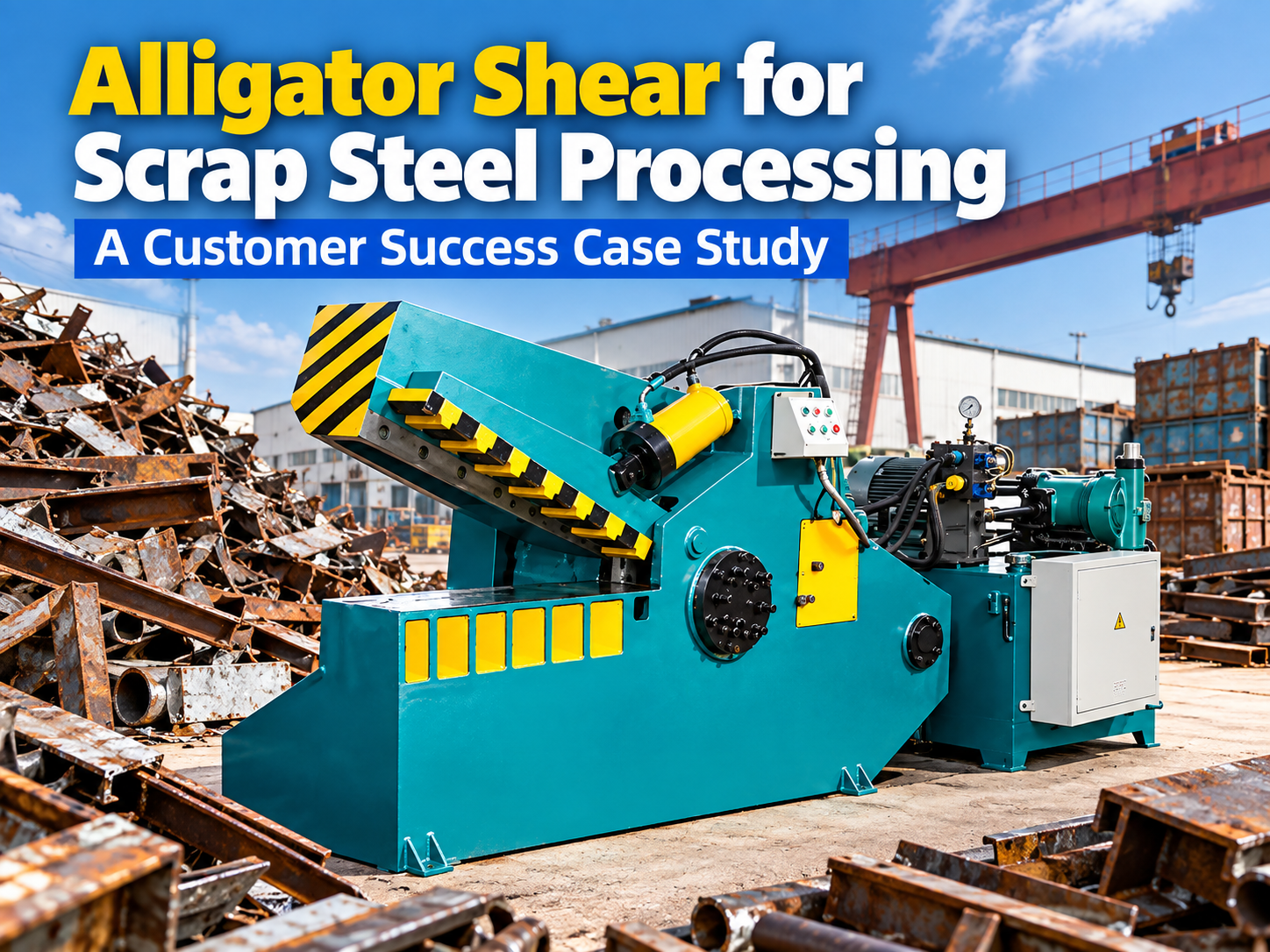
In the fast-paced world of metal recycling and industrial fabrication, efficiency is the primary driver of profitability. For scrap yards and metal processing facilities, the ability to rapidly reduce bulky, irregular steel into manageable, furnace-ready sizes is a critical operational requirement. This is where the alligator shear becomes an indispensable asset. In this article, we explore the transformative impact of HARSLE’s hydraulic alligator shear through a detailed case study of a mid-sized scrap processing facility that successfully optimized its throughput.
The term ‘alligator shear’ refers to the distinct jaw-like motion of the cutting blade, which mimics the bite of the reptile. Unlike heavy-duty guillotine shears that are often stationary and massive, alligator shears offer a unique balance of portability, raw cutting force, and operational speed. For businesses handling diverse scrap profiles—ranging from structural steel beams and pipes to automotive components—the alligator shear provides the versatility needed to maintain a high-volume workflow.
Our featured client, a regional metal recycler based in the Midwest, faced significant bottlenecks in their processing line. Their existing manual cutting methods were labor-intensive, hazardous, and failed to meet the strict sizing requirements of local steel mills. By integrating a HARSLE hydraulic alligator shear, they were able to pivot from a manual-heavy operation to a streamlined, automated process. This case study delves into the technical challenges they faced, the selection process, and the measurable results achieved post-installation.
Understanding the role of an alligator shear in scrap steel processing requires looking beyond the machine itself. It involves analyzing the integration of the equipment into the existing yard layout, the training of personnel, and the long-term maintenance strategies that ensure consistent uptime. As we navigate this success story, we will highlight the key considerations that any facility manager should keep in mind when investing in heavy-duty metal fabrication equipment.

Key Considerations for Scrap Steel Processing
When evaluating the need for an alligator shear, the first consideration is the material profile. Scrap yards rarely receive uniform inputs. A facility might process thin-gauge sheet metal one hour and heavy-duty H-beams the next. The machine must be robust enough to handle the maximum thickness of the material while maintaining the speed required for thinner, high-volume scrap. HARSLE’s engineering team emphasizes that the shear force must be matched to the tensile strength of the steel being processed, not just the physical dimensions.
Operational safety is the second pillar of scrap processing. Manual torch cutting is not only slow but introduces significant fire hazards and toxic fumes into the workspace. By transitioning to a hydraulic alligator shear, the facility eliminates the need for open flames. This shift significantly reduces insurance premiums and improves the overall safety culture of the yard. Furthermore, modern alligator shears come equipped with safety guards and emergency stop mechanisms that protect operators from flying debris and accidental engagement.
Throughput requirements dictate the size and power of the machine. A facility processing 50 tons of scrap per day has vastly different needs than one processing 500 tons. The cycle time—the speed at which the blade opens and closes—is a critical metric. HARSLE’s hydraulic systems are designed to optimize this cycle time, ensuring that the operator spends less time waiting for the blade to reset and more time feeding material into the cutting zone.
Finally, the physical footprint and mobility of the equipment must be considered. In many scrap yards, the ability to move the shear to the material, rather than moving the material to the shear, can save hours of forklift time. HARSLE offers models with integrated wheels or skid-mounted bases that allow for flexible positioning within the yard. This mobility was a key factor in our case study client’s decision to upgrade their infrastructure.
Technical Details of the HARSLE Alligator Shear
The HARSLE alligator shear is built on a foundation of heavy-duty steel fabrication. The main frame is stress-relieved to prevent warping under the extreme pressures generated during the shearing process. The heart of the machine is the hydraulic cylinder, which provides consistent, high-tonnage force. Unlike mechanical shears that rely on flywheels and clutches, hydraulic systems offer superior control, allowing the operator to stop or reverse the blade mid-stroke if an obstruction is detected.
The blade design is another critical technical feature. HARSLE utilizes high-carbon, high-chromium tool steel for its blades, which are reversible and can be sharpened multiple times. This longevity is essential for reducing the total cost of ownership. The blade gap adjustment is also a precision feature; by maintaining the correct clearance between the upper and lower blades, the machine ensures a clean, burr-free cut, which is often a requirement for high-value scrap sales.
The hydraulic power unit (HPU) is designed for continuous duty. It features an integrated cooling system to prevent oil overheating during long shifts in hot environments. The electrical control system is PLC-based, allowing for easy integration with automated feeding systems or conveyor belts. This level of automation was the ‘secret sauce’ for our case study client, who utilized a custom-built feeding box to increase their processing speed by 40%.
Maintenance accessibility is built into the design. HARSLE places all hydraulic valves, filters, and electrical components in easily accessible cabinets. This reduces downtime during routine maintenance checks. The lubrication system is centralized, ensuring that all pivot points and wear surfaces receive consistent grease, which is vital for a machine that operates in the dusty, abrasive environment of a scrap yard.

Selection Advice: Choosing the Right Machine
Selecting the right alligator shear is a balance between current needs and future growth. Many buyers make the mistake of purchasing a machine that perfectly fits their current volume, only to find themselves needing an upgrade within two years. We recommend performing a ‘material audit’—analyzing the last six months of scrap intake to determine the average and maximum material thickness and the total daily tonnage.
Consider the power source. While electric motors are standard, some remote locations may require diesel-powered units. HARSLE provides both options, ensuring that the machine can be deployed regardless of grid availability. Additionally, look for machines that offer variable speed controls. This allows the operator to slow down the cutting process for extremely hard or thick materials, preventing damage to the hydraulic seals and blade edges.
The feeding mechanism is often overlooked but is the most important factor in operator productivity. A simple table is sufficient for small operations, but for high-volume facilities, a motorized conveyor or a hydraulic feeding box is essential. These accessories keep the operator’s hands away from the cutting zone and ensure a steady flow of material, which is the key to maximizing the shear’s ROI.
Finally, prioritize manufacturer support. A machine is only as good as the service behind it. HARSLE provides comprehensive documentation, remote technical support, and a readily available inventory of spare parts. When investing in industrial machinery, the availability of local technicians or rapid-response support teams can be the difference between a minor delay and a week-long shutdown.
Case Study: A Success Story in Scrap Processing
Our client, ‘Midwest Metal Recyclers,’ was struggling with a backlog of structural steel that was too large for their existing equipment. They were forced to outsource the cutting to a third party, which ate into their margins and created logistical headaches. After consulting with HARSLE, they installed a heavy-duty hydraulic alligator shear with an integrated feeding box.
The results were immediate. Within the first month, the facility saw a 35% increase in processed tonnage. Because the HARSLE shear could handle beams up to 10 inches thick, they were able to process material in-house that previously had to be sent away. This not only saved on transportation costs but also allowed them to command a higher price for their scrap, as they could now provide the specific, uniform sizes required by premium steel mills.
The operator feedback was equally positive. The hydraulic controls were intuitive, and the reduction in physical labor meant that the team was less fatigued by the end of the shift. The safety record of the facility also improved, as the enclosed cutting area and remote control options minimized the risk of injury. The investment paid for itself in just 14 months, far exceeding the client’s initial projections.
This case study serves as a testament to the power of selecting the right equipment for the specific application. By focusing on the bottleneck—the cutting process—and implementing a robust, automated solution, Midwest Metal Recyclers transformed their business model from a low-margin collection center to a high-efficiency processing hub.
FAQ: Alligator Shear Operations
What is the primary difference between an alligator shear and a guillotine shear?
An alligator shear uses a hinged, jaw-like motion, making it more portable and versatile for irregular scrap. A guillotine shear uses a vertical, straight-down motion and is typically larger, stationary, and designed for high-volume, uniform plate cutting.
How often should I sharpen the blades on my alligator shear?
Blade life depends on the hardness and volume of the material processed. Generally, blades should be inspected weekly. If you notice burrs on the cut material or if the machine struggles to complete a cut, it is time to sharpen or rotate the blades.
Can an alligator shear cut non-ferrous metals?
Yes, alligator shears are excellent for cutting copper, aluminum, and brass. However, you must ensure the blade gap is adjusted correctly for the specific material to prevent bending or jamming.
What maintenance is required for the hydraulic system?
Regular maintenance includes checking hydraulic fluid levels, replacing filters every 500–1,000 hours of operation, and inspecting hoses for leaks or signs of wear. Keeping the oil cool and clean is the best way to extend the life of the pump and cylinders.
Is operator training difficult for these machines?
HARSLE machines are designed with user-friendly controls. Most operators can be trained to use the equipment safely and efficiently in a single day, though ongoing safety training is always recommended.
Conclusion
The transition to a professional-grade alligator shear is a milestone for any scrap steel processing facility. As demonstrated by our case study, the right equipment does more than just cut metal—it optimizes the entire workflow, improves safety, and opens new revenue streams by allowing for higher-quality scrap output. HARSLE remains committed to providing the industrial machinery necessary to keep the recycling industry moving forward.
When you choose HARSLE, you are not just buying a machine; you are investing in a partnership. From the initial consultation and material analysis to installation and long-term maintenance support, we ensure that your alligator shear delivers consistent performance year after year. If you are ready to take your scrap processing to the next level, contact our team today to discuss your specific requirements and see how we can help you achieve your production goals.
In the competitive landscape of metal fabrication, those who invest in efficiency and safety will always come out on top. The alligator shear is a proven, reliable, and essential tool for this journey. Let HARSLE be your partner in building a more productive and profitable future for your scrap processing operations.