Alligator Shear Case Study: Optimizing Heavy Scrap Processing for Better ROI

Introduction
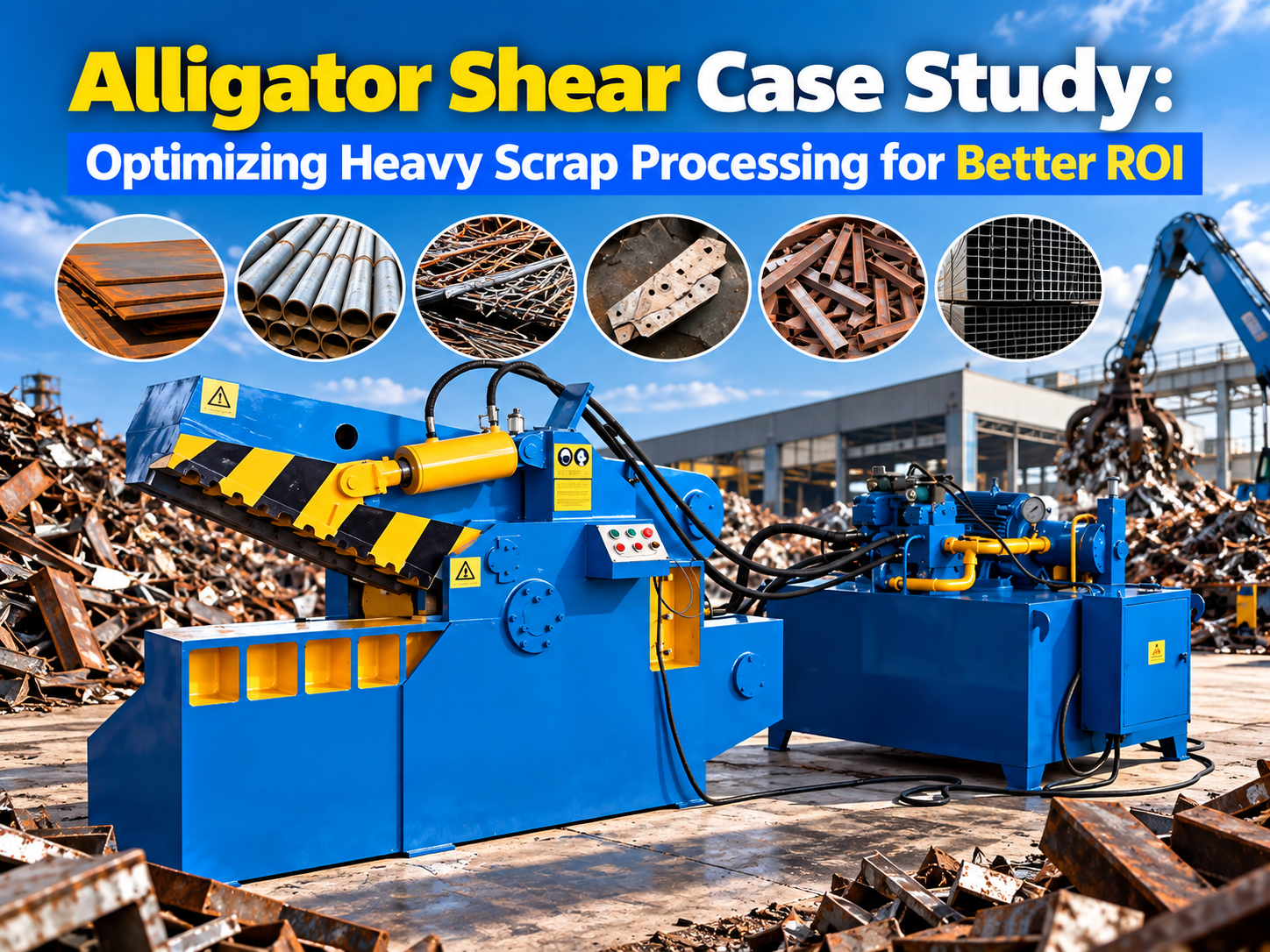
In the competitive landscape of metal recycling and industrial fabrication, the efficiency of scrap processing is the primary driver of profitability. For many medium-to-large scale facilities, the bottleneck often lies in the transition from raw, bulky scrap to high-density, furnace-ready material. This is where the implementation of high-performance machinery becomes critical. In this Alligator Shear Case Study: Optimizing Heavy Scrap Processing Better ROI, we explore how HARSLE’s advanced hydraulic shearing solutions have revolutionized operations for a leading regional recycling center.
The challenge faced by many scrap yards today involves managing diverse material streams—ranging from structural steel beams and heavy pipes to automotive components—while maintaining strict safety standards and operational throughput. Manual cutting methods or outdated, underpowered equipment often lead to high labor costs, inconsistent output, and significant downtime. By integrating a HARSLE alligator shear, facilities can achieve a more streamlined workflow that directly impacts the bottom line.
This article serves as a deep dive into the technical and operational advantages of modern alligator shears. We will analyze the specific pain points of scrap processing, the engineering excellence behind HARSLE machinery, and the strategic steps required to select the right equipment for your facility. Whether you are looking to upgrade your current fleet or establish a new processing line, understanding the ROI potential of these machines is essential for long-term growth.
As we navigate through this case study, we will highlight how precision engineering, robust hydraulic systems, and user-centric design features combine to create a superior processing environment. The goal is to provide a comprehensive resource that helps facility managers and business owners make informed decisions regarding their capital investments in metal fabrication equipment.

Key Considerations for Scrap Processing Efficiency
Optimizing scrap processing is not merely about having the largest machine; it is about matching the equipment capability to the material profile. One of the most significant considerations is the shear force required to process specific grades of steel. Heavy-duty scrap, such as I-beams or thick-walled pipes, requires a shear that can maintain consistent pressure throughout the entire cutting cycle. If the shear force is insufficient, the machine will stall, leading to increased wear on the hydraulic pump and potential damage to the blades.
Another critical factor is the throughput speed. In a high-volume scrap yard, every second counts. The cycle time of the alligator shear—the time it takes for the blade to complete one full stroke and return to the starting position—determines the total tonnage processed per shift. HARSLE shears are engineered with high-speed hydraulic valves that minimize idle time, allowing operators to feed material continuously without waiting for the blade to reset.
Safety remains the paramount concern in any industrial environment. Scrap processing involves handling sharp, heavy, and often unstable materials. Modern alligator shears must be equipped with advanced safety features, including foot-pedal controls, emergency stop buttons, and protective guards that prevent accidental contact with the cutting zone. Furthermore, the ergonomic design of the machine ensures that operators can maintain a clear line of sight while minimizing physical strain during long shifts.
Finally, the integration of the shear into the existing facility layout is vital. A well-planned scrap processing line should include efficient material handling systems, such as conveyors or sorting tables, to feed the shear. By reducing the distance between the scrap pile and the cutting head, facilities can significantly decrease manual handling time. This holistic approach to layout design is a key component of the successful Alligator Shear Case Study: Optimizing Heavy Scrap Processing Better ROI.
Technical Details of HARSLE Alligator Shears
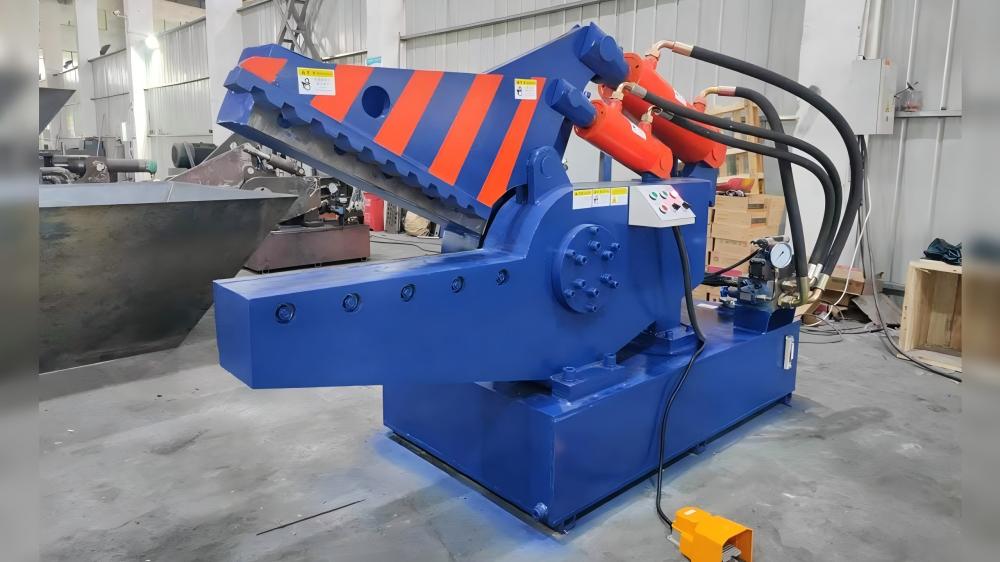
HARSLE alligator shears are built upon a foundation of structural integrity and hydraulic precision. The frame is typically constructed from high-tensile steel, welded to withstand the immense stresses generated during the shearing of thick metal sections. This rigidity is crucial; any flex in the frame during a cut can lead to blade misalignment, which ruins the cutting edge and results in poor-quality scrap output.
The hydraulic system is the heart of the machine. HARSLE utilizes high-performance hydraulic pumps and cylinders that provide consistent force even under continuous operation. These systems are designed with thermal management in mind, ensuring that the oil temperature remains within an optimal range even during peak summer months or high-intensity shifts. This prevents hydraulic fluid degradation and extends the lifespan of seals and valves, reducing long-term maintenance costs.
Blade design is another area where HARSLE excels. The blades are manufactured from high-carbon, high-chromium tool steel, which is heat-treated to achieve the perfect balance between hardness and toughness. This allows the blades to maintain a sharp edge for extended periods, even when processing abrasive materials. The adjustable blade clearance feature is particularly important, as it allows operators to fine-tune the gap between the upper and lower blades based on the thickness of the material being cut, ensuring a clean, burr-free cut every time.
Control systems in HARSLE machines have evolved to include programmable logic controllers (PLCs) that allow for precise control over stroke length and pressure settings. By limiting the stroke length to only what is necessary for the material being cut, the machine saves energy and increases the number of cycles per minute. This level of technical sophistication is what separates HARSLE from standard market offerings and makes it a cornerstone of our Alligator Shear Case Study: Optimizing Heavy Scrap Processing Better ROI.
Selection Advice: Choosing the Right Equipment
Selecting the right alligator shear requires a thorough audit of your current and projected scrap volume. Start by categorizing the types of scrap you process most frequently. If your facility handles mostly light-gauge sheet metal, a smaller, faster machine may be appropriate. However, if your yard is dominated by heavy structural steel, you must prioritize shear force and jaw opening size. Investing in a machine that is underpowered for your material will lead to premature failure and a poor return on investment.
Consider the power source and energy efficiency. While electric-motor-driven hydraulic systems are standard, some facilities may benefit from diesel-powered units if they operate in remote locations or areas with unstable power grids. HARSLE offers a range of configurations to suit these diverse needs. Additionally, look for machines that offer easy access to maintenance points. A machine that is difficult to lubricate or service will inevitably be neglected, leading to downtime.
Don’t overlook the importance of after-sales support and spare parts availability. When a machine is down, your production stops. HARSLE provides comprehensive documentation, training for operators, and a robust supply chain for replacement blades and hydraulic components. Choosing a manufacturer that stands behind their equipment is just as important as the technical specifications of the machine itself.
Finally, evaluate the total cost of ownership (TCO). This includes the initial purchase price, installation costs, energy consumption, maintenance requirements, and the projected resale value. A slightly higher upfront investment in a HARSLE machine often results in a lower TCO over five to ten years due to superior reliability and higher scrap value output. This financial perspective is essential when presenting the case for new equipment to stakeholders.
Frequently Asked Questions
- What is the primary advantage of using an alligator shear over a torch cutting method?
Alligator shears are significantly faster, safer, and more environmentally friendly than torch cutting. They do not produce hazardous fumes, require no fuel gases, and provide a much higher throughput, leading to better ROI. - How often should I sharpen the blades on my HARSLE alligator shear?
Blade life depends on the material hardness and volume. However, with proper clearance adjustment, HARSLE blades are designed for long-term use. We recommend a visual inspection of the cutting edge at the start of every shift. - Can these shears handle stainless steel?
Yes, HARSLE alligator shears are capable of cutting stainless steel, provided the machine is sized correctly for the material thickness and the blades are properly maintained. - What kind of maintenance does a hydraulic alligator shear require?
Regular maintenance includes checking hydraulic fluid levels, inspecting hoses for leaks, lubricating pivot points, and ensuring the blade clearance is set correctly for the material being processed. - Is operator training provided with the purchase?
Yes, HARSLE provides comprehensive operational manuals and can facilitate training sessions to ensure your team operates the equipment safely and efficiently.
Conclusion
The transition to high-efficiency scrap processing is a strategic move that pays dividends in the form of increased throughput, lower labor costs, and higher-quality output. As demonstrated in this Alligator Shear Case Study: Optimizing Heavy Scrap Processing Better ROI, the integration of HARSLE machinery provides a clear path to operational excellence. By focusing on the right technical specifications, prioritizing safety, and maintaining a rigorous maintenance schedule, scrap yards can transform their processing lines into profit centers.
Investing in quality metal fabrication equipment is not just about replacing old tools; it is about future-proofing your business. HARSLE remains committed to providing the industry with the most reliable, powerful, and efficient alligator shears on the market. We encourage facility managers to evaluate their current processes and consider how a targeted upgrade can lead to significant improvements in their bottom line.
As the recycling industry continues to evolve, the demand for high-density, clean scrap will only increase. Being prepared with the right technology will ensure that your facility remains competitive and profitable. For more information on HARSLE’s full range of shearing solutions, contact our technical team today to discuss your specific requirements and start your journey toward optimized scrap processing.