How a Hydraulic Scrap Baler Improved Safety and Workflow in a Scrap Plant: A Comprehensive Guide

Introduction
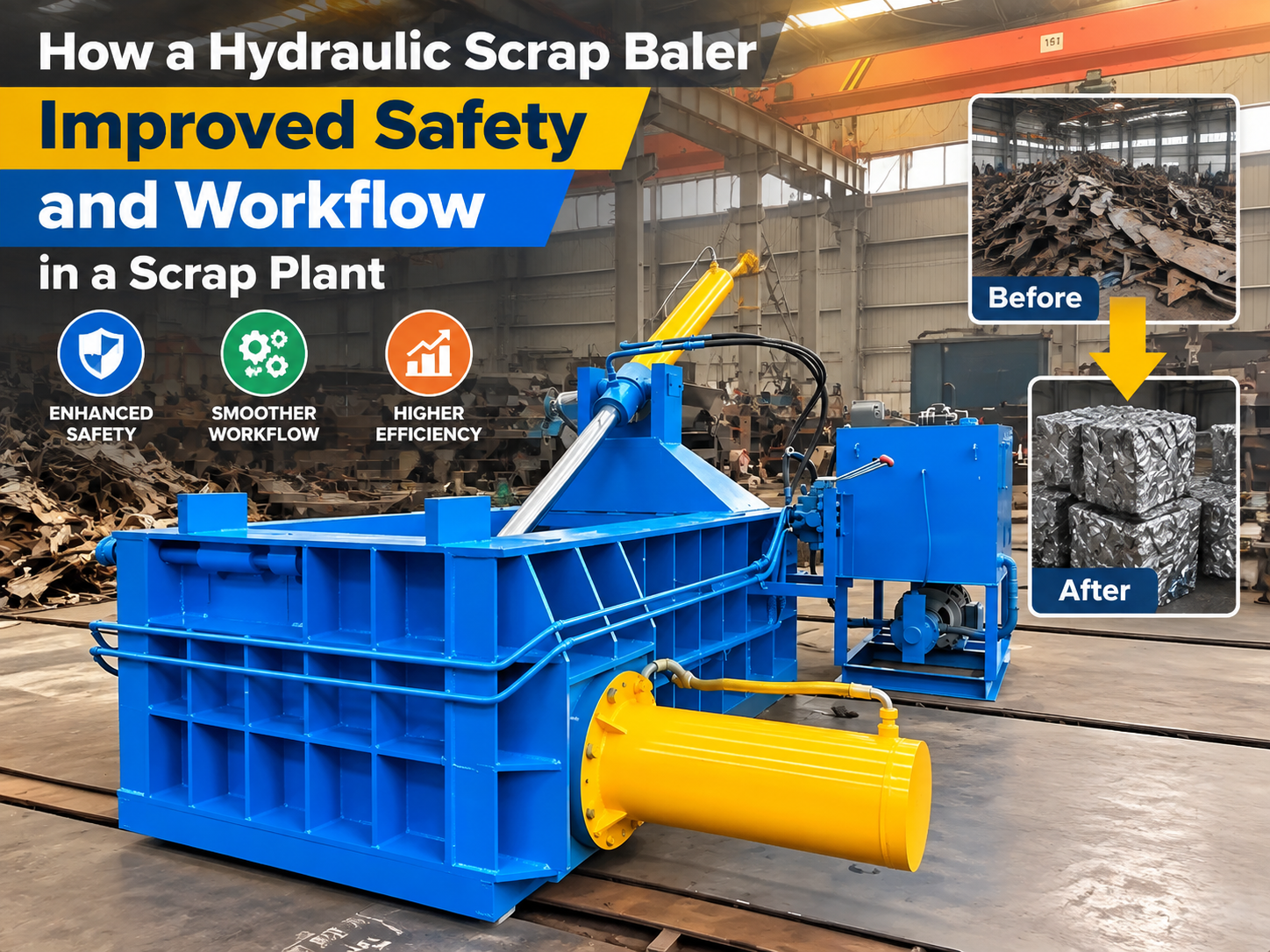
In the modern metal recycling industry, the transition from manual labor to automated processing is not just a trend—it is a necessity for survival and profitability. For many facility managers, the question of how to optimize throughput while maintaining a zero-accident environment is paramount. This article explores the transformative impact of modern machinery, specifically focusing on how a hydraulic scrap baler improved safety and workflow in a scrap plant. By examining the integration of HARSLE technology, we can understand the mechanical and procedural shifts that define a high-performance scrap facility.
The scrap metal industry is inherently hazardous. Sharp edges, heavy falling objects, and the constant movement of heavy machinery create a high-risk environment. When a facility relies on manual sorting and loose storage, the workflow becomes fragmented and dangerous. The implementation of a high-capacity hydraulic scrap baler serves as the central nervous system of a modern plant, consolidating loose material into dense, manageable cubes that are safer to transport and more valuable to end-users.
Beyond the immediate physical benefits, the integration of a hydraulic baler changes the culture of a scrap plant. It forces a systematic approach to material handling, where every piece of metal is accounted for and processed through a standardized workflow. This article will delve into the technical specifications, safety protocols, and operational strategies that make the hydraulic scrap baler an indispensable asset for any serious metal recycling operation.
As we navigate the complexities of industrial automation, it is essential to recognize that the right equipment does more than just compress metal; it compresses time and risk. By reducing the footprint of scrap piles and minimizing the need for manual handling, plant managers can reclaim valuable floor space and redirect labor toward higher-value tasks, ultimately driving the bottom line forward.
Key Considerations for Scrap Plant Optimization
Before investing in heavy machinery, plant managers must conduct a thorough audit of their current workflow. The primary goal is to identify bottlenecks where material accumulates without being processed. Loose scrap is not only a fire hazard but also a logistical nightmare that consumes precious square footage. A hydraulic scrap baler addresses these issues by creating a consistent output that can be stacked, stored, and loaded with precision.
Safety is the second pillar of optimization. In a traditional scrap yard, the risk of injury from shifting piles or manual lifting is constant. When a hydraulic scrap baler is introduced, the process becomes enclosed and automated. Operators interact with the machine via control panels, keeping them at a safe distance from the compression chamber. This physical separation is the single most effective way to reduce workplace accidents in a metal recycling environment.
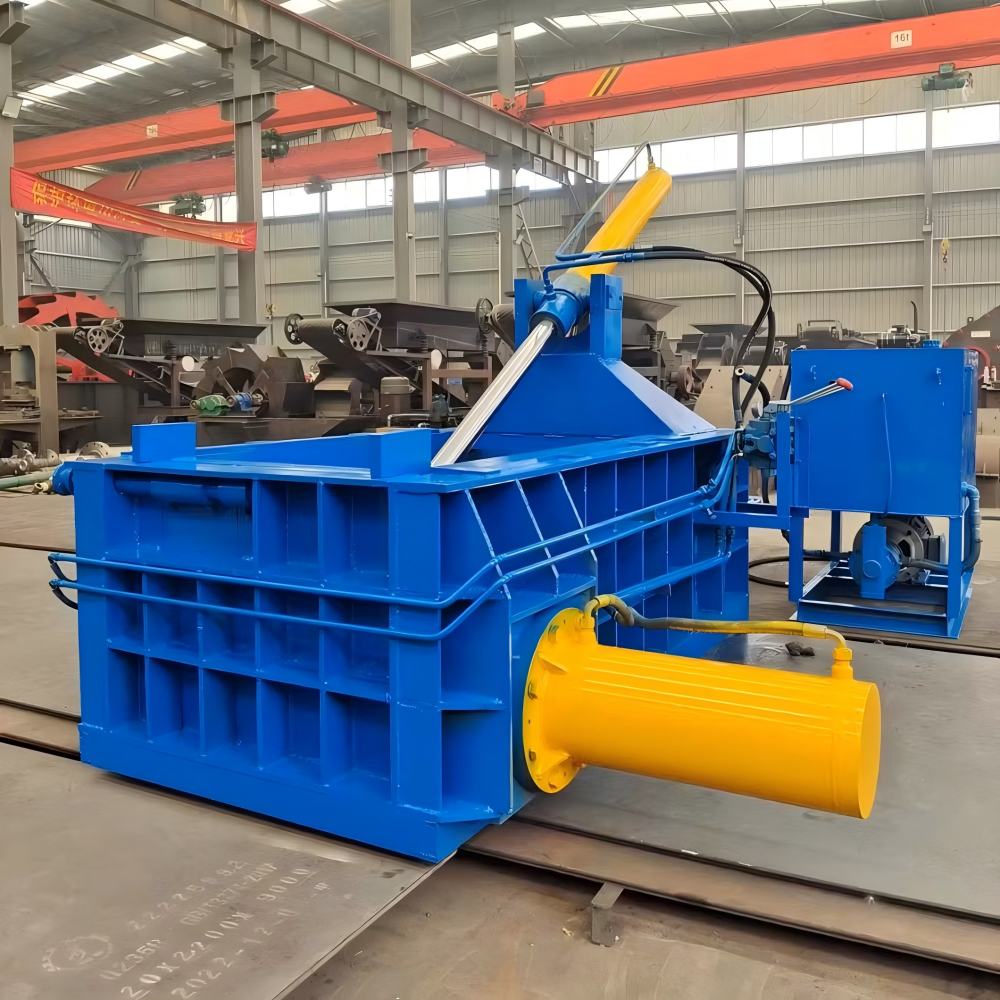
Workflow efficiency is also tied to the quality of the final product. A hydraulic scrap baler produces dense, uniform bales that are highly sought after by steel mills and foundries. Because the material is compressed to a specific density, transport costs are significantly reduced. You are no longer paying to ship air; you are shipping high-density metal, which maximizes the return on every truckload leaving your facility.
Finally, consider the scalability of your operation. A HARSLE hydraulic scrap baler is designed to grow with your business. By selecting a machine with the appropriate tonnage and chamber size, you ensure that your facility can handle peak volumes without stalling. This foresight prevents the need for frequent equipment upgrades and allows for a more predictable long-term capital expenditure plan.
Technical Details of HARSLE Hydraulic Balers
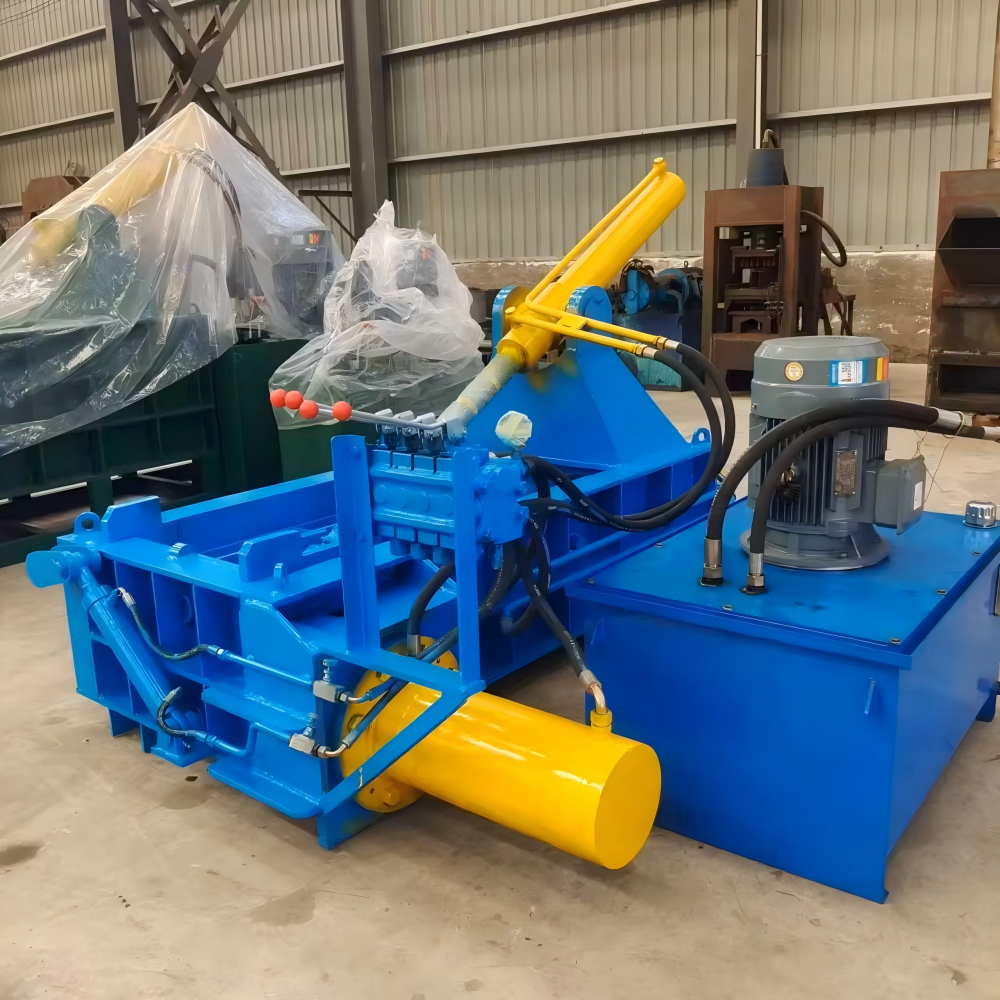
HARSLE hydraulic scrap balers are engineered with precision hydraulics that provide consistent force across the entire compression cycle. The core of the machine is the heavy-duty steel frame, designed to withstand the immense pressures required to compact everything from aluminum cans to heavy steel plate. The hydraulic system utilizes high-quality seals and valves to ensure that the baler maintains its pressure without leaking, which is critical for both environmental compliance and machine longevity.
The control interface is a critical technical component. Modern HARSLE units feature PLC (Programmable Logic Controller) systems that allow operators to customize the baling cycle based on the type of metal being processed. Whether you are dealing with light gauge sheet metal or heavy structural steel, the machine can adjust its cycle time and pressure settings to achieve the perfect bale density every time. This level of control reduces wear and tear on the machine and ensures that the energy consumption is optimized for the specific task at hand.
Safety sensors are integrated throughout the machine’s architecture. These include light curtains, emergency stop buttons, and pressure relief valves that prevent the machine from operating if a safety protocol is breached. These technical safeguards are what allow a facility to claim that a hydraulic scrap baler improved safety and workflow in a scrap plant. By removing the human element from the high-pressure zone, the risk of catastrophic injury is virtually eliminated.
Maintenance accessibility is another technical hallmark of HARSLE equipment. The machines are designed with modular components that allow for easy inspection and replacement of hydraulic hoses, filters, and wear plates. A well-maintained baler is a productive baler, and by simplifying the maintenance process, HARSLE ensures that your facility experiences minimal downtime, keeping your workflow consistent and your safety standards high.
Selection Advice: Choosing the Right Baler
Selecting the right hydraulic scrap baler requires a deep understanding of your facility’s daily intake. You must first categorize the types of metal you process most frequently. If your plant handles a high volume of non-ferrous metals, a smaller, faster baler might be ideal. Conversely, if you are processing heavy steel scrap, you will require a high-tonnage machine with a reinforced chamber to handle the structural integrity of the material.
Consider the physical layout of your plant. The footprint of the baler, including the loading hopper and the bale ejection area, must be integrated into your existing traffic flow. A well-placed baler acts as a hub, with scrap collection bins positioned strategically around it. This minimizes the distance that loaders and forklifts need to travel, further reducing the risk of collisions and improving the overall speed of the operation.
Budgeting for a baler should include more than just the purchase price. Factor in the cost of installation, operator training, and ongoing maintenance. HARSLE provides comprehensive support, ensuring that your team is trained not just on how to operate the machine, but on how to perform daily safety checks. This investment in training is a critical component of how a hydraulic scrap baler improved safety and workflow in a scrap plant.
Finally, look for a manufacturer that offers robust after-sales support. In the scrap industry, downtime is expensive. Having access to spare parts and technical expertise is just as important as the machine itself. HARSLE’s commitment to customer service ensures that if an issue arises, it is resolved quickly, allowing your plant to return to its optimized workflow without significant disruption.
Часто задаваемые вопросы
How does a hydraulic scrap baler improve safety?
A hydraulic scrap baler improves safety by automating the compression process, which removes the need for manual handling of sharp or heavy scrap. It also keeps operators away from the compression chamber through the use of remote control panels and safety interlocks.
What types of metal can be processed in a HARSLE baler?
HARSLE balers are versatile and can process a wide range of metals, including aluminum, copper, brass, stainless steel, and mild steel scrap. The specific model chosen will depend on the density and volume of the material.
How often should I perform maintenance on my baler?
Daily inspections of hydraulic levels and safety sensors are recommended. A full professional maintenance service should be performed every 500 to 1,000 operating hours to ensure the longevity of the hydraulic system and structural components.
Can a hydraulic baler increase my profit margins?
Yes. By creating dense, uniform bales, you reduce transport costs and increase the market value of your scrap. Furthermore, the efficiency gains in labor and space management contribute directly to higher profitability.
What is the typical lifespan of a HARSLE hydraulic baler?
With proper maintenance and regular service, a HARSLE hydraulic scrap baler is designed to provide over a decade of reliable service in a high-volume industrial environment.
Conclusion
The evidence is clear: the integration of a hydraulic scrap baler is a transformative step for any scrap plant. By addressing the dual challenges of safety and workflow, these machines provide a foundation for sustainable growth and operational excellence. When we ask how a hydraulic scrap baler improved safety and workflow in a scrap plant, the answer lies in the combination of advanced engineering, rigorous safety protocols, and the strategic optimization of material handling.
HARSLE remains at the forefront of this evolution, providing the machinery that allows scrap plants to operate at their peak potential. By choosing the right equipment and committing to a culture of safety and maintenance, facility managers can turn their scrap yards into highly efficient, profitable, and safe industrial hubs. The transition to automated baling is not merely an upgrade; it is a commitment to the future of the metal recycling industry.
As you evaluate your own facility’s needs, remember that the goal is to create a workflow that is as seamless as it is safe. With the right hydraulic scrap baler, you are not just processing metal; you are building a more resilient and successful business. Invest in quality, prioritize safety, and watch as your scrap plant reaches new levels of productivity and success.