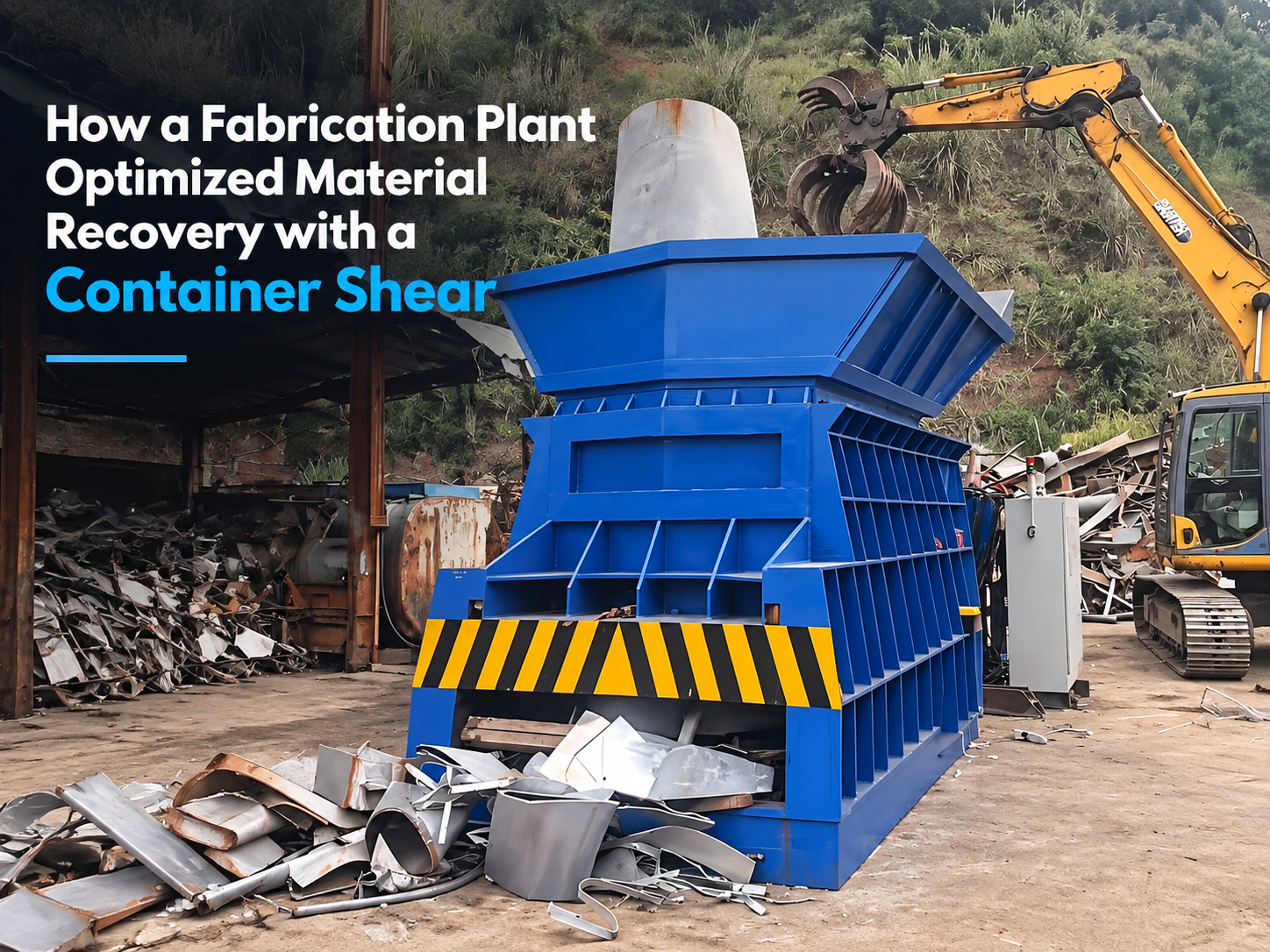
How a Fabrication Plant Optimized Material Recovery with a Container Shear

Introduction: The Challenge of Scrap Management in Modern Fabrication
In the competitive landscape of modern metal fabrication, the efficiency of a plant is not solely determined by its output of finished goods, but also by how effectively it manages its waste stream. For many large-scale operations, scrap metal accumulation represents a significant logistical and financial burden. When a fabrication plant optimized material recovery with a container shear, they transformed a cluttered, inefficient scrap yard into a streamlined revenue stream. This article explores the technical and operational journey of integrating high-capacity shearing technology into a production environment.
Material recovery is often an overlooked pillar of profitability. In traditional setups, scrap metal is often hauled away in bulky, uncompressed loads, leading to high transportation costs and low scrap value. By implementing a container shear, facilities can densify their waste, making it easier to transport and significantly more valuable to recyclers. This shift represents a fundamental change in how fabrication plants view their byproduct—moving from seeing it as ‘trash’ to seeing it as a secondary raw material asset.
The decision to invest in a container shear is driven by the need for space optimization and labor reduction. Manual cutting or sorting of scrap is not only dangerous but also incredibly time-consuming. Automated shearing solutions provide a consistent, safe, and high-speed method for processing diverse metal profiles. As we delve into this case study, we will examine how the integration of HARSLE-grade machinery allows plants to achieve superior material recovery rates while maintaining strict safety standards.
Ultimately, the goal of any fabrication facility is to maximize the return on investment (ROI) for every ton of metal purchased. When a fabrication plant optimized material recovery with a container shear, they effectively closed the loop on their production cycle. This article serves as a comprehensive guide for plant managers and engineers looking to replicate these results through strategic equipment selection and operational refinement.
Key Considerations for Implementing Material Recovery Systems
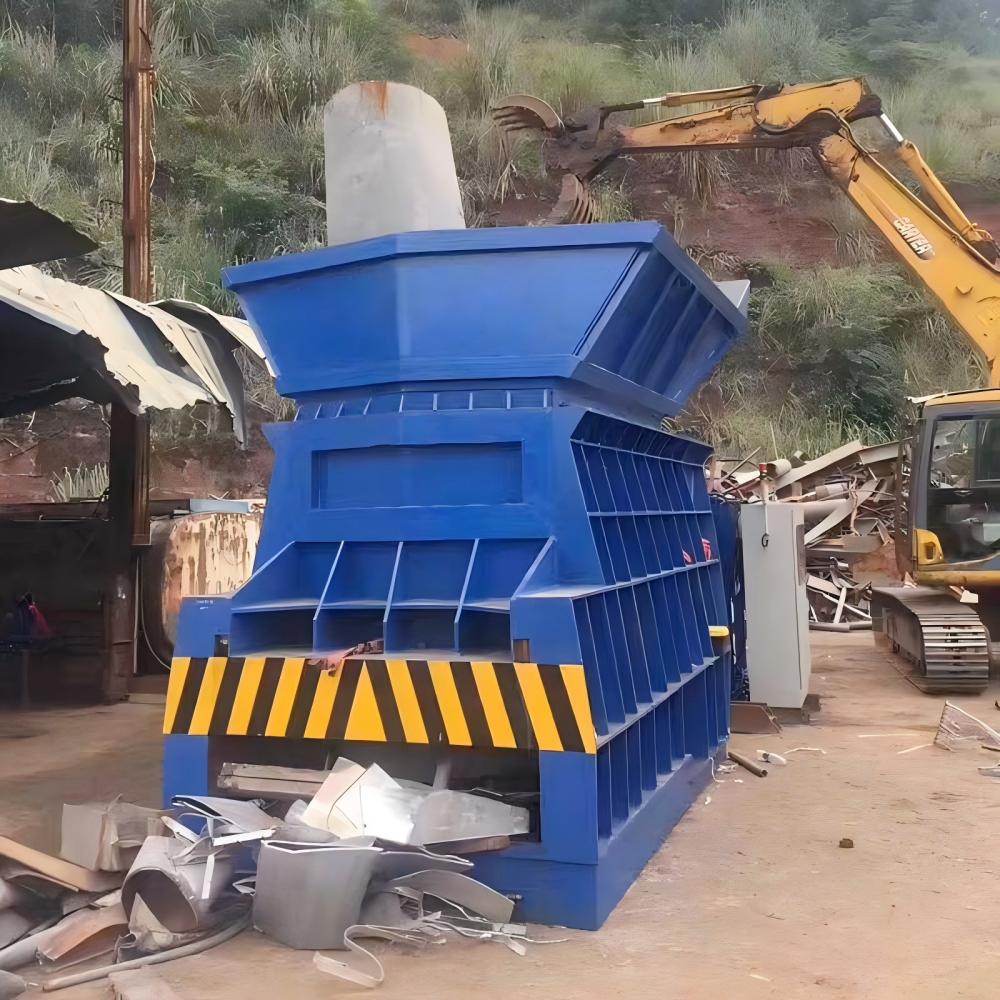
Before integrating a container shear into an existing workflow, plant managers must conduct a thorough audit of their current scrap generation. This involves categorizing the types of metal—whether it be structural steel, aluminum extrusions, or thin-gauge sheet metal—and determining the volume generated per shift. Understanding the physical properties of the scrap is essential, as different materials require different shearing forces and blade configurations to achieve optimal density.
Space constraints are another critical factor. A container shear is a significant piece of industrial machinery that requires a dedicated footprint, including space for loading, processing, and offloading. The flow of materials must be logical; scrap should move from the fabrication floor to the shear with minimal handling. If the shear is placed too far from the source of the scrap, the labor costs associated with transport can negate the efficiency gains provided by the machine itself.
Safety and compliance cannot be ignored. Modern container shears are equipped with advanced sensors, emergency stop systems, and protective enclosures to prevent workplace accidents. When a fabrication plant optimized material recovery with a container shear, they also prioritized the training of their operators. Ensuring that staff understand the machine’s limitations and maintenance requirements is vital for long-term reliability and safety.
Finally, the financial justification for the purchase must be clear. This includes calculating the reduction in transportation costs, the increase in scrap resale value due to higher density, and the potential for labor reallocation. By analyzing these metrics, management can justify the capital expenditure and set benchmarks for success. A well-planned implementation strategy ensures that the machine becomes a profit center rather than just another piece of equipment to maintain.
Technical Details: How Container Shears Transform Scrap
At the heart of the material recovery process is the hydraulic shearing mechanism. Unlike traditional alligator shears or manual cutting torches, a container shear is designed to handle large volumes of mixed scrap within a self-contained unit. The machine typically features a heavy-duty hydraulic ram that pushes scrap into a cutting chamber, where a high-force blade shears the material to a uniform size. This process is essential for meeting the specifications required by steel mills and foundries.
The hydraulic system is the powerhouse of the container shear. HARSLE-engineered systems utilize high-pressure pumps and robust cylinders to ensure consistent cutting force, even when processing hardened alloys or thick structural beams. The integration of programmable logic controllers (PLCs) allows operators to adjust the stroke length and cutting frequency based on the material type, ensuring that the machine operates at peak efficiency without unnecessary energy consumption.
Blade design and material composition are equally important. High-carbon, wear-resistant steel blades are used to withstand the immense stress of continuous shearing. These blades are designed for easy adjustment and replacement, minimizing downtime during maintenance cycles. The geometry of the shear blade is optimized to provide a clean cut, which reduces the force required and extends the lifespan of the hydraulic components.
Furthermore, the container design itself is engineered for durability. The walls of the shear box are reinforced to withstand the lateral forces exerted during the compression phase. This structural integrity is what allows the machine to densify scrap so effectively. By compressing the material into a tight, manageable form, the shear ensures that every cubic meter of transport space is utilized, which is the primary driver for cost savings in the logistics chain.
Selection Advice: Choosing the Right Equipment for Your Plant
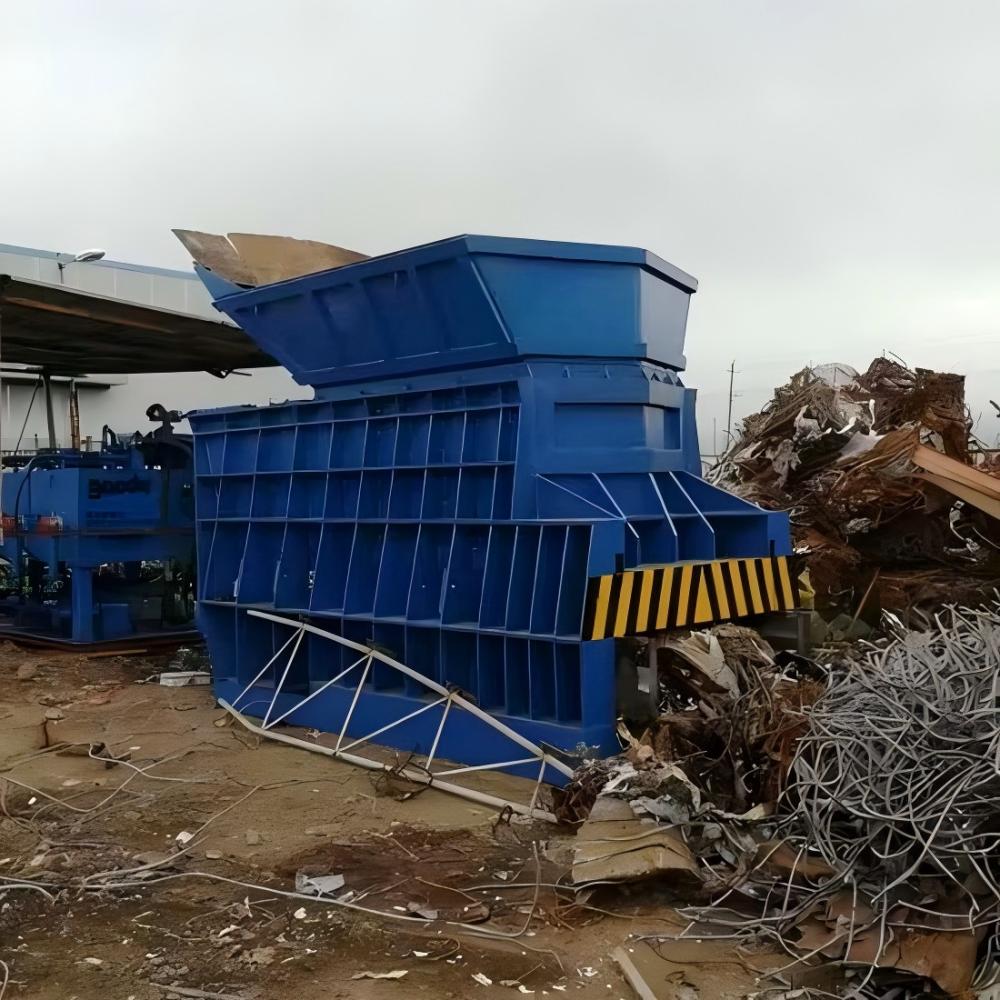
Selecting the right container shear requires a balance between capacity, power, and budget. For smaller fabrication shops, a compact, semi-automatic model may suffice. However, for high-volume plants, a fully automated, high-tonnage shear is necessary to keep up with the daily output of scrap. It is important to consult with manufacturers to determine the ‘shear force’ required for your specific material mix, as under-specifying the machine will lead to frequent jams and premature wear.
Consider the power source and energy efficiency. Modern hydraulic systems are increasingly designed to be energy-efficient, utilizing variable frequency drives (VFDs) to reduce power consumption during idle periods. When evaluating potential suppliers, ask about the availability of spare parts and the quality of technical support. A machine is only as good as the service backing it; having a reliable partner like HARSLE ensures that your operations remain uninterrupted.
Look for features that enhance operator safety and ease of use. Remote control operation, automated lubrication systems, and intuitive touch-screen interfaces are standard in high-end models. These features not only improve productivity but also reduce the likelihood of operator error. Additionally, consider the ease of integration with your existing material handling systems, such as conveyors or magnetic cranes, which can further automate the scrap processing cycle.
Finally, don’t overlook the importance of the warranty and training programs. A comprehensive training session for your maintenance team can prevent common issues and extend the life of the machine significantly. When a fabrication plant optimized material recovery with a container shear, they often did so by partnering with a manufacturer that provided end-to-end support, from installation and commissioning to ongoing maintenance training.
FAQ: Common Questions About Container Shears
- What is the primary benefit of a container shear? The primary benefit is the densification of scrap metal, which significantly reduces transportation costs and increases the resale value of the material.
- How does a container shear differ from an alligator shear? An alligator shear is typically used for smaller, individual pieces of metal, whereas a container shear is designed for high-volume, bulk processing of mixed scrap in a continuous, automated fashion.
- What maintenance is required for a container shear? Regular maintenance includes checking hydraulic fluid levels, inspecting blade sharpness, lubricating moving parts, and ensuring that the electrical sensors are clean and functional.
- Can a container shear process all types of metal? Most container shears are designed to handle a wide range of metals, including steel, copper, and aluminum, but it is essential to check the machine’s specifications against the hardness and thickness of your specific scrap.
- How long does it take to see a return on investment? ROI depends on the volume of scrap processed and the current market rates for recycled metal, but many plants see a return within 18 to 36 months through reduced logistics costs and improved scrap revenue.
Conclusion: The Future of Sustainable Fabrication
The journey of how a fabrication plant optimized material recovery with a container shear is a testament to the power of industrial innovation. By moving away from manual, inefficient scrap handling and embracing automated shearing technology, plants can significantly improve their bottom line while contributing to a more sustainable manufacturing ecosystem. The ability to turn waste into a high-value commodity is a competitive advantage that cannot be ignored in today’s market.
As fabrication technology continues to evolve, the integration of smart, high-capacity machinery will become the standard. HARSLE remains committed to providing the tools necessary for this transition, ensuring that fabrication plants worldwide have the equipment they need to operate at peak efficiency. Whether you are a small shop or a large-scale industrial facility, the principles of material recovery remain the same: densify, optimize, and profit.
Investing in a container shear is not just about buying a machine; it is about investing in the long-term viability of your operation. By reducing your environmental footprint and maximizing the value of your byproduct, you position your company as a leader in the industry. As you evaluate your current processes, consider the impact that a dedicated material recovery system could have on your plant’s performance and profitability.
In summary, the successful implementation of a container shear requires careful planning, the right technical specifications, and a commitment to ongoing maintenance. When these elements align, the results are transformative. We encourage all fabrication plant managers to review their scrap management strategies and explore how modern shearing solutions can help them achieve their operational goals.