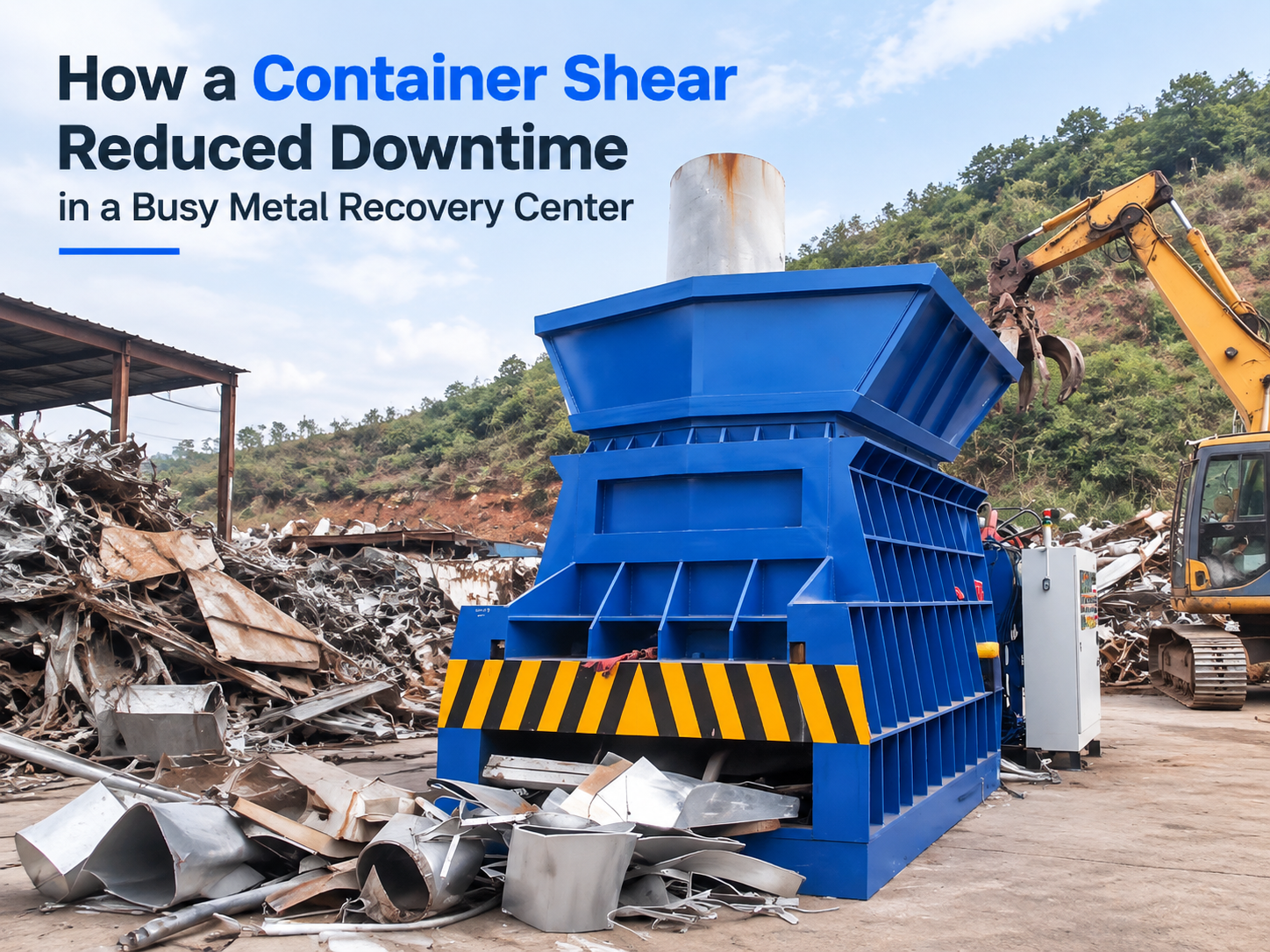
How a Container Shear Reduced Downtime in a Busy Metal Recovery Center

Introduction
In the high-pressure environment of a modern metal recovery center, efficiency is the primary metric that dictates profitability. When processing thousands of tons of scrap metal annually, even a minor bottleneck in the shearing process can cascade into significant operational delays. For many facility managers, the challenge lies in balancing high-volume throughput with the need for consistent, reliable performance. This is where the implementation of advanced processing technology becomes a game-changer.
We recently analyzed a case study where a facility struggling with aging equipment and frequent maintenance intervals transitioned to a modern, integrated solution. The results were immediate and profound. By understanding how A Container Shear Reduced Downtime In A Busy Metal Recovery Center, facility owners can identify the specific operational shifts required to modernize their own workflows. This article explores the technical, logistical, and economic advantages of upgrading to a containerized shear system.
The transition from traditional, stationary, or manual cutting methods to a container shear represents a shift toward modularity and automation. In a busy recovery center, space is often at a premium, and the ability to move equipment or streamline the flow of material is essential. This guide details how these machines function, why they are superior for high-volume environments, and how they effectively eliminate the downtime that plagues older processing setups.
As we delve into the technical specifications and operational benefits, it becomes clear that the container shear is not just a piece of machinery; it is a strategic asset. By reducing the time spent on material handling, maintenance, and manual sorting, these systems allow recovery centers to focus on what matters most: maximizing the value of their recovered metal assets.
Key Considerations for Metal Recovery Efficiency
The primary enemy of a metal recovery center is downtime. Whether it is caused by mechanical failure, inefficient material loading, or the need for frequent blade adjustments, every minute the shear is idle represents lost revenue. When evaluating the impact of a container shear, managers must first look at the total cost of ownership, which includes not just the purchase price, but the cost of lost production time.
Material handling is another critical consideration. In traditional setups, scrap must be moved multiple times before it reaches the cutting zone. A container shear simplifies this by allowing for direct loading into the shear box. This reduction in material handling cycles significantly decreases the risk of equipment damage and operator fatigue, both of which are common contributors to unscheduled downtime.
Furthermore, the versatility of the material being processed plays a huge role in downtime. Recovery centers deal with everything from light gauge sheet metal to heavy structural beams. A machine that requires constant reconfiguration to handle different material types will inevitably suffer from downtime. Modern container shears are designed with high-force hydraulics and intelligent control systems that adjust to material density automatically, ensuring continuous operation regardless of the scrap mix.
Finally, the environmental and safety aspects of the facility cannot be ignored. A disorganized scrap yard is a dangerous one. Container shears help in organizing the flow of material, keeping the workspace clear, and reducing the need for heavy machinery to navigate through cluttered zones. This organized approach not only improves safety but also speeds up the entire processing cycle, contributing to a more efficient and profitable operation.
Technical Details of HARSLE Container Shears
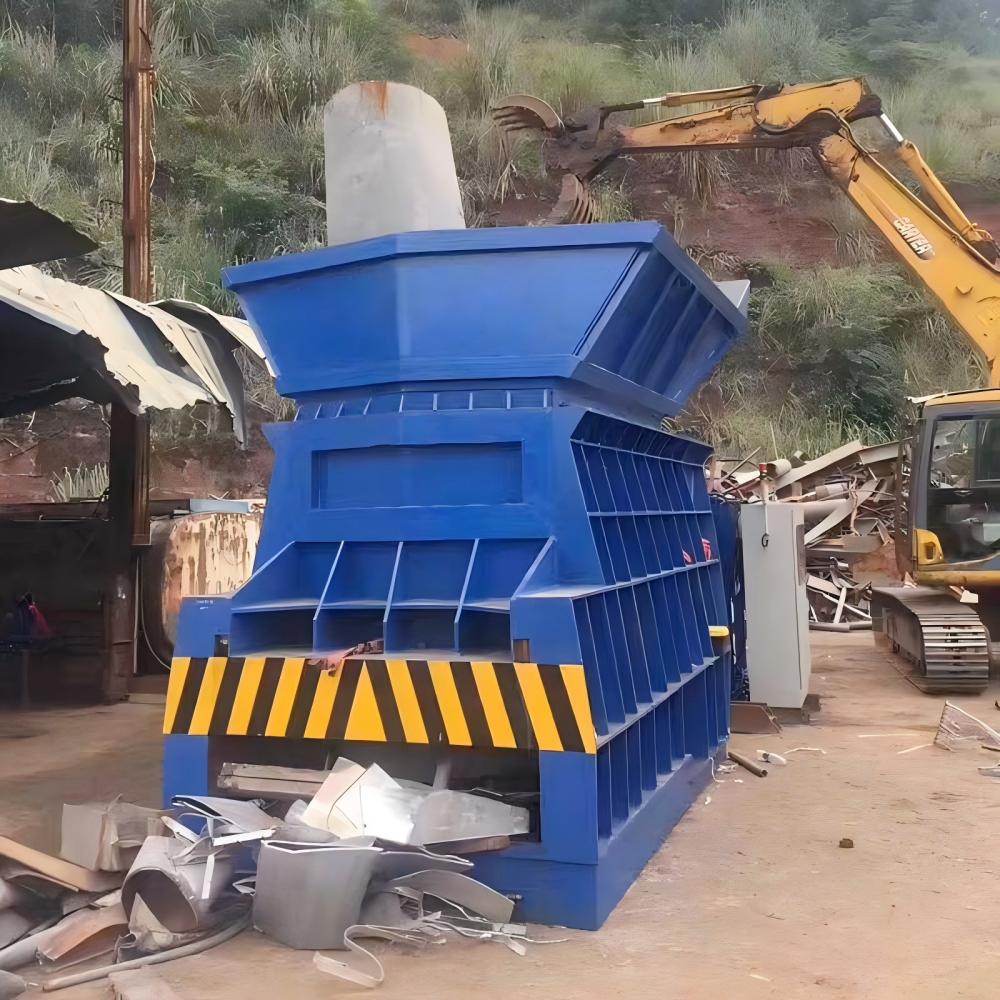
HARSLE container shears are engineered with a focus on structural integrity and hydraulic precision. At the heart of the system is a high-pressure hydraulic circuit that delivers consistent cutting force, even when processing high-tensile steel. The shear box is constructed from wear-resistant, high-strength steel plates, ensuring that the machine can withstand the abrasive nature of scrap metal over thousands of cycles.
The integration of an automated feeding system is a standout feature. By utilizing a hydraulic pusher or a pre-compression lid, the machine ensures that material is densely packed before the shearing action occurs. This pre-compression is vital; it prevents the material from “springing back” or jamming the blades, which is a frequent cause of downtime in less sophisticated equipment. The result is a clean, precise cut that meets the strict requirements of steel mills and foundries.
Control systems in modern HARSLE units are fully programmable. Operators can set specific cutting lengths and force parameters based on the material type. This level of automation reduces the reliance on manual intervention, allowing the machine to run autonomously for longer periods. The diagnostic software built into the PLC (Programmable Logic Controller) provides real-time feedback on hydraulic pressure, oil temperature, and blade wear, allowing for predictive maintenance rather than reactive repairs.
Maintenance accessibility is another technical advantage. The design of the shear head allows for quick blade changes and easy access to hydraulic components. By minimizing the time required for routine service, HARSLE ensures that the machine spends more time cutting and less time in the shop. This design philosophy is central to how A Container Shear Reduced Downtime In A Busy Metal Recovery Center in our featured case study.
Selection Advice: Choosing the Right Equipment
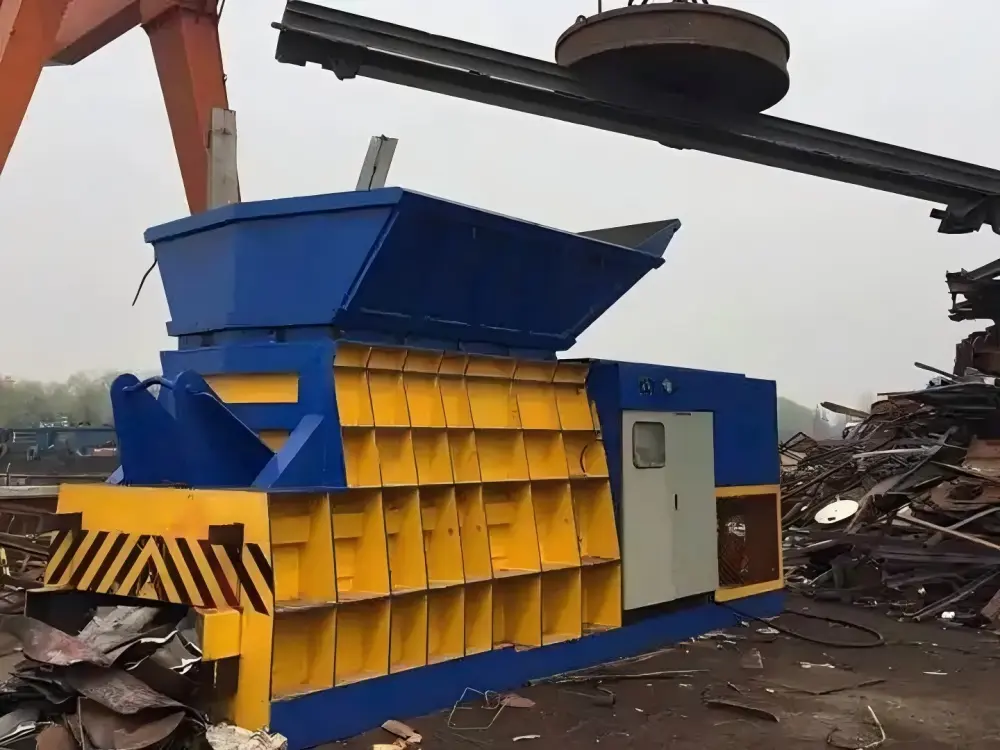
Selecting the right container shear requires a thorough assessment of your facility’s specific needs. Start by analyzing your average daily throughput. If your center processes more than 50 tons per day, a high-capacity, automated container shear is almost certainly the most cost-effective choice. Smaller facilities might find that a semi-automatic model provides the necessary balance between cost and performance.
Consider the physical dimensions of the scrap you typically receive. If your facility specializes in long structural steel, you need a shear with a large box opening and a long cutting stroke. Conversely, if you handle mostly mixed light scrap, a machine with a powerful pre-compression lid will be more beneficial to ensure high density in the final product. Always consult with the manufacturer regarding the specific shear force required for your most common material grades.
Power source options are also worth evaluating. While electric-driven hydraulic systems are standard for their efficiency and lower noise levels, some remote locations might require diesel-powered units. HARSLE offers customizable configurations to ensure that the power supply matches your facility’s infrastructure. Do not overlook the importance of local support and spare parts availability; even the best machine will eventually need service, and having a reliable partner is essential.
Finally, look for modular features. Can the shear be integrated with a conveyor system? Is it compatible with existing sorting equipment? A container shear should be viewed as a component of a larger system. By selecting a machine that integrates seamlessly with your existing infrastructure, you avoid the hidden costs of facility modifications and ensure a smoother transition to higher productivity.
Maintenance Best Practices for Maximum Uptime
To ensure that your container shear continues to perform at peak levels, a rigorous maintenance schedule is non-negotiable. The most common cause of downtime is neglected hydraulic fluid quality. Regularly testing the oil for contaminants and ensuring that the cooling system is functioning correctly will extend the life of your pumps and valves significantly. A clean hydraulic system is the foundation of a reliable shear.
Blade maintenance is the second most critical factor. Even the highest quality blades will dull over time. Implementing a schedule for blade rotation and sharpening based on the tonnage processed—rather than just a calendar date—is a more accurate way to manage wear. Using high-quality, wear-resistant shims and ensuring proper blade clearance will prevent the “tearing” of metal that can lead to jams and structural stress on the shear head.
Operator training is often overlooked but is a vital component of maintenance. Operators who understand the machine’s limits and can identify the early signs of a mechanical issue—such as unusual vibrations or changes in cycle time—can prevent catastrophic failures. HARSLE provides comprehensive training programs to ensure that your team is equipped to handle the machine with care and precision.
Finally, keep a stock of critical spare parts on-site. Items like seals, sensors, and common hydraulic fittings should always be available. In a busy recovery center, waiting for a part to be shipped can result in days of lost production. By maintaining a small inventory of high-wear components, you can perform minor repairs immediately, keeping your operation running smoothly and maintaining the efficiency gains that the container shear provides.
Часто задаваемые вопросы
- What is the main advantage of a container shear over a stationary shear?
The primary advantage is mobility and ease of installation. Container shears are designed as a single, self-contained unit that can be placed on a level concrete pad without the need for extensive foundation work. This makes them ideal for facilities that need to optimize their floor space or relocate equipment as their operations grow. - How does a container shear reduce downtime?
It reduces downtime by streamlining the material flow, minimizing the need for manual handling, and utilizing automated pre-compression to prevent jams. Furthermore, the modular design allows for faster maintenance and easier access to critical components compared to traditional, fixed-base shears. - Can a container shear handle all types of scrap metal?
While they are highly versatile, it is important to match the shear force to the material. HARSLE container shears are designed to handle a wide range of ferrous and non-ferrous metals, but processing extremely high-tensile alloys or oversized structural beams may require specific machine configurations. - What kind of maintenance is required for these machines?
Routine maintenance includes monitoring hydraulic oil quality, checking blade clearance, inspecting the shear box for wear, and ensuring that all sensors and electrical components are functioning correctly. A proactive maintenance schedule based on tonnage is recommended. - Is it difficult to install a HARSLE container shear?
No, the containerized design is specifically engineered for quick installation. Because the hydraulic system, power unit, and shear head are integrated into a single frame, the setup time is significantly reduced compared to traditional industrial shears.
Conclusion
The case study of how A Container Shear Reduced Downtime In A Busy Metal Recovery Center serves as a powerful example of how modern engineering can solve age-old industrial problems. By moving away from inefficient, manual-heavy processes and embracing the modular, automated power of a container shear, facilities can transform their bottom line. The reduction in downtime is not just a technical improvement; it is a competitive advantage that allows recovery centers to process more material, increase their output quality, and ultimately, grow their business.
HARSLE remains committed to providing the metal fabrication industry with equipment that is as reliable as it is powerful. Our container shears are designed with the realities of the modern scrap yard in mind—where space is limited, time is money, and performance is everything. By investing in the right technology and adhering to a proactive maintenance strategy, you can ensure that your facility remains at the forefront of the metal recovery industry.
If you are ready to optimize your operations and eliminate the bottlenecks that are holding your facility back, it is time to consider the benefits of a container shear. Contact our team today to learn more about our range of solutions and how we can help you achieve the same level of efficiency and uptime that has transformed so many busy metal recovery centers around the world.