Gantry Shear Price Factors Every Fabrication Shop Should Know

Price Range Overview
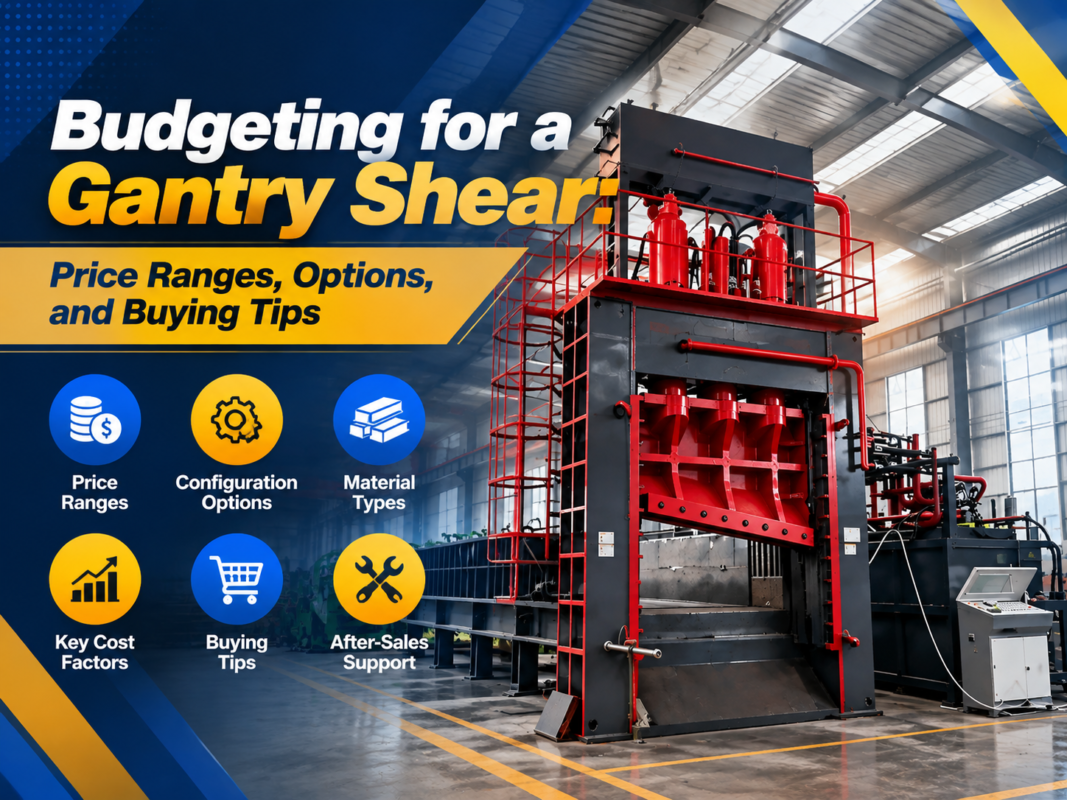
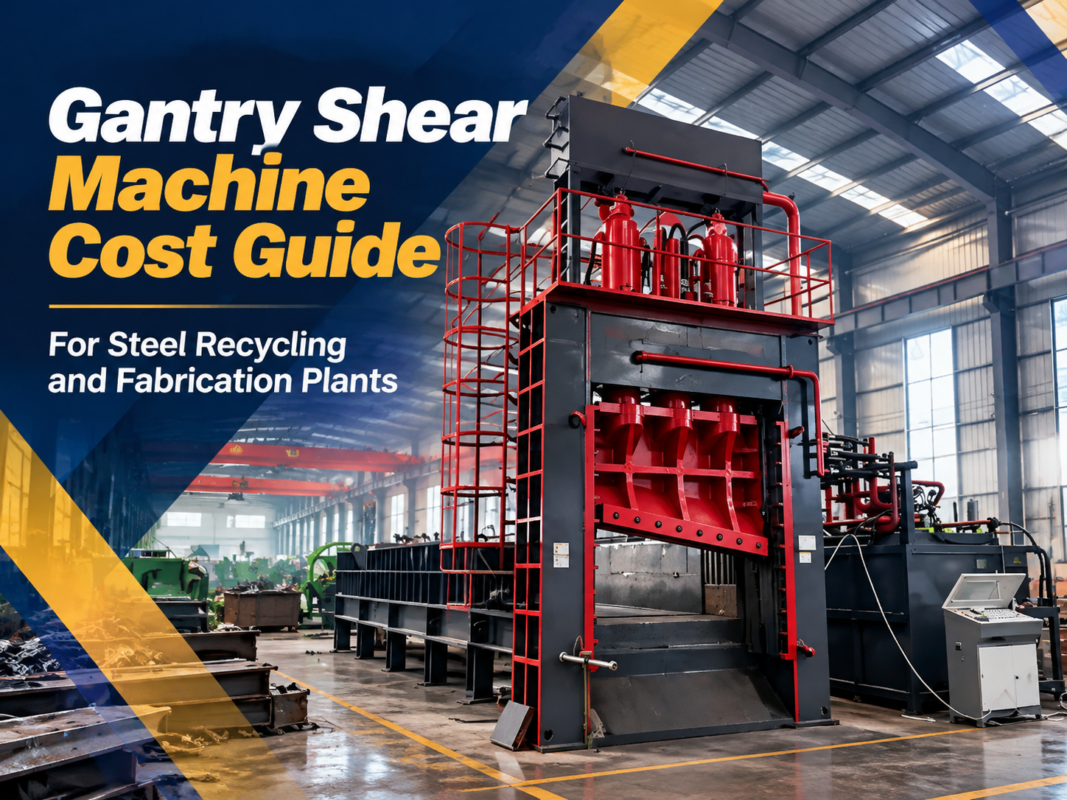
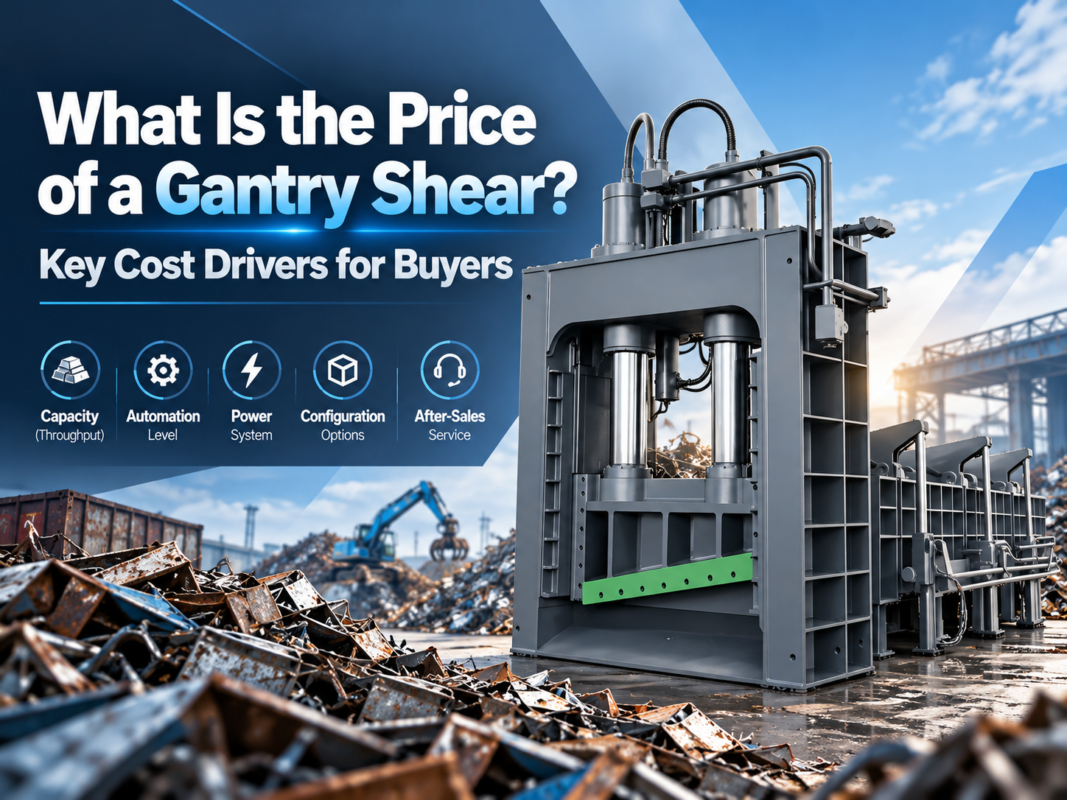
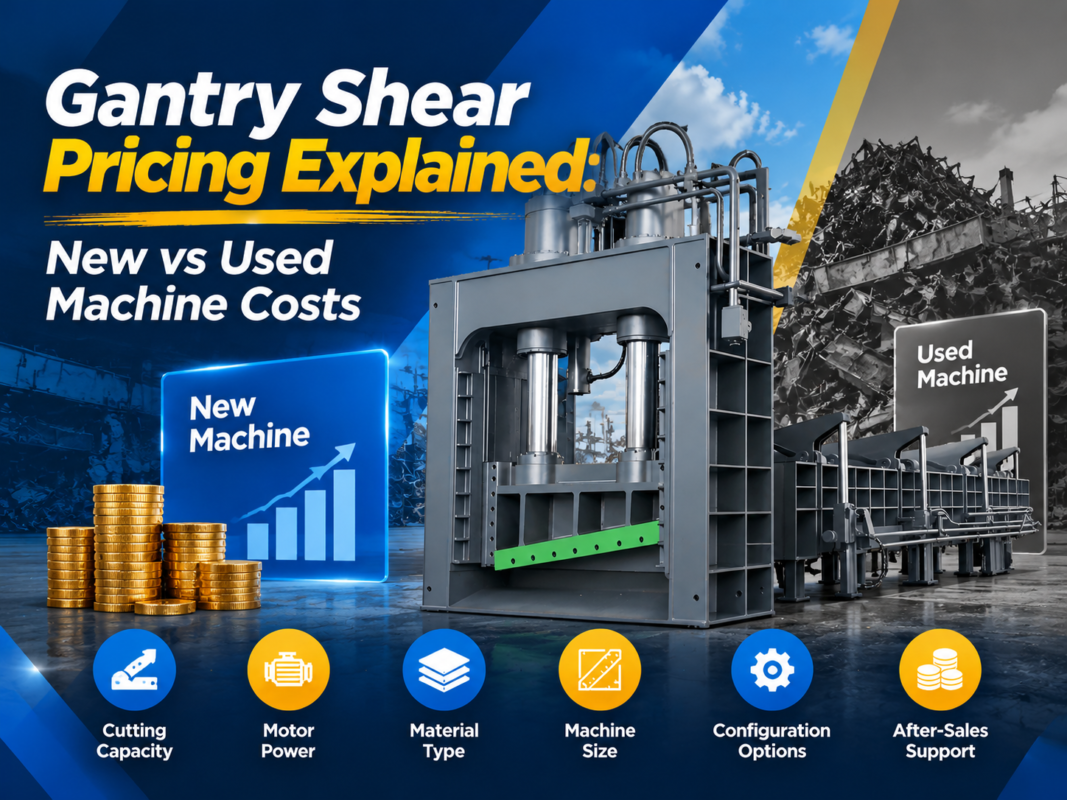
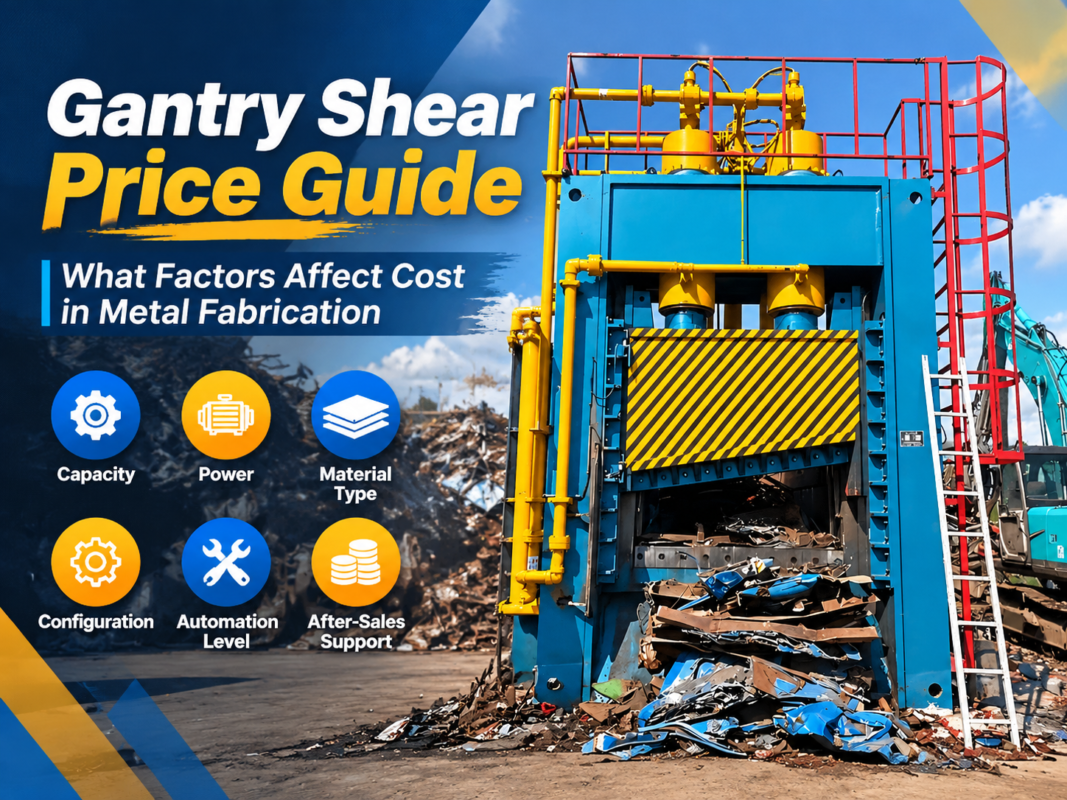
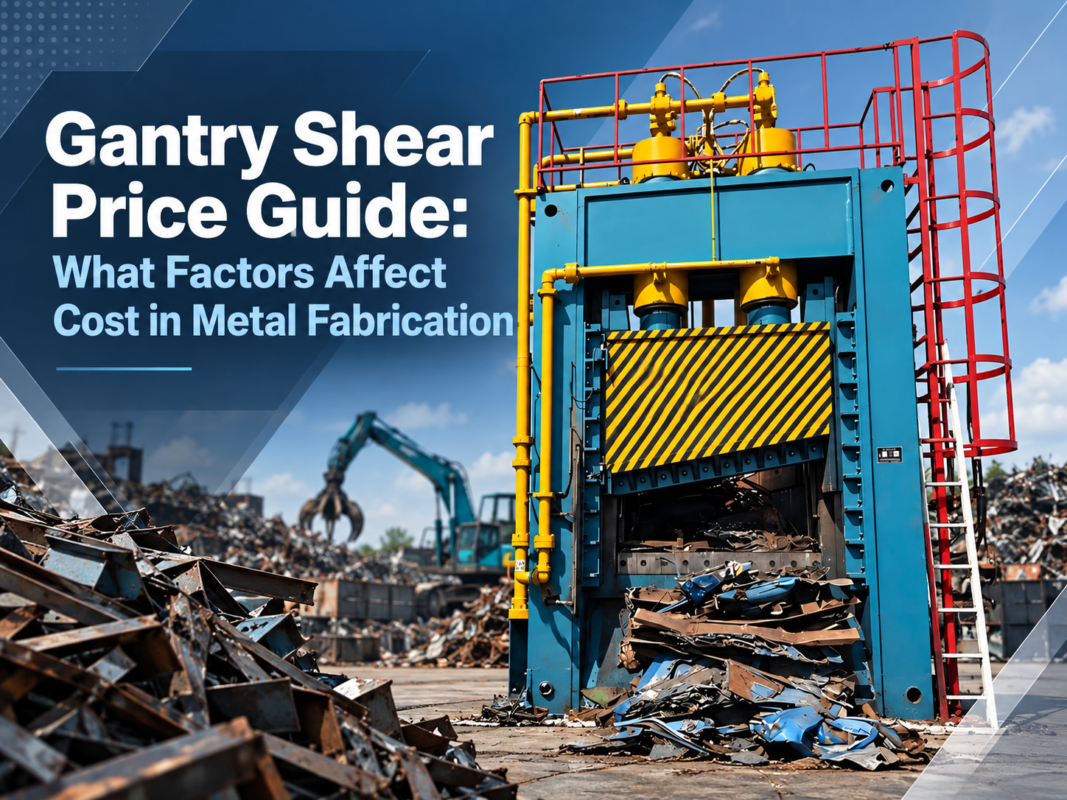
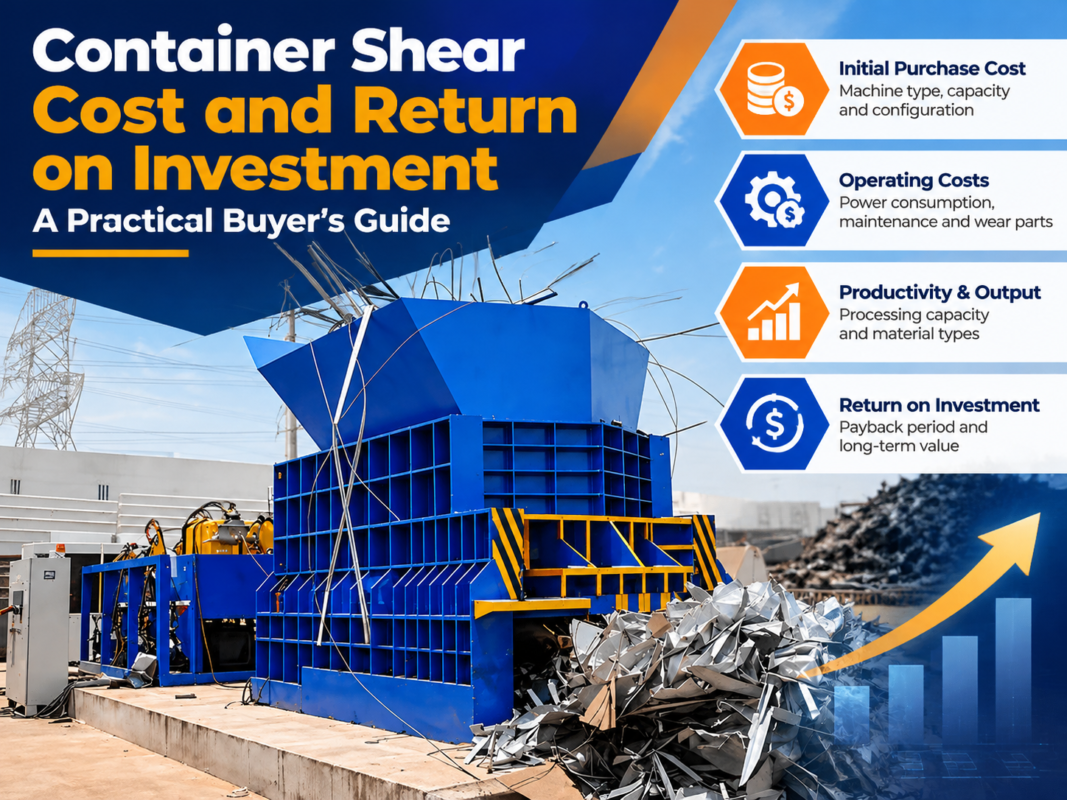
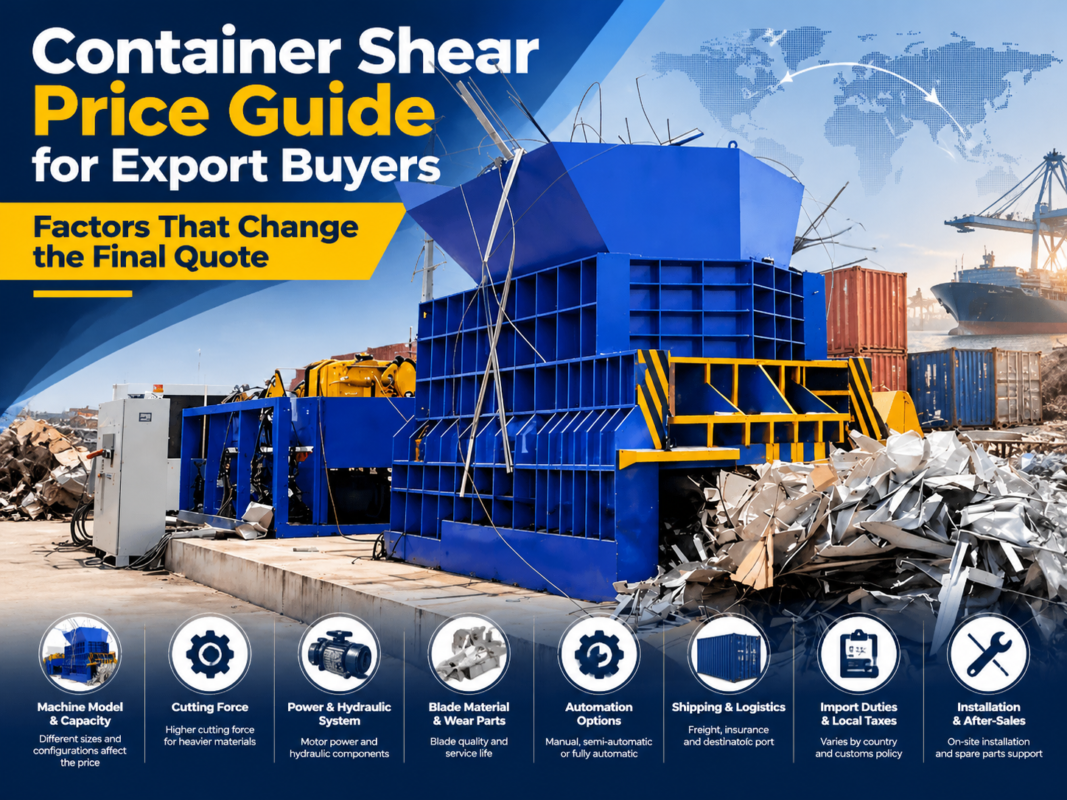
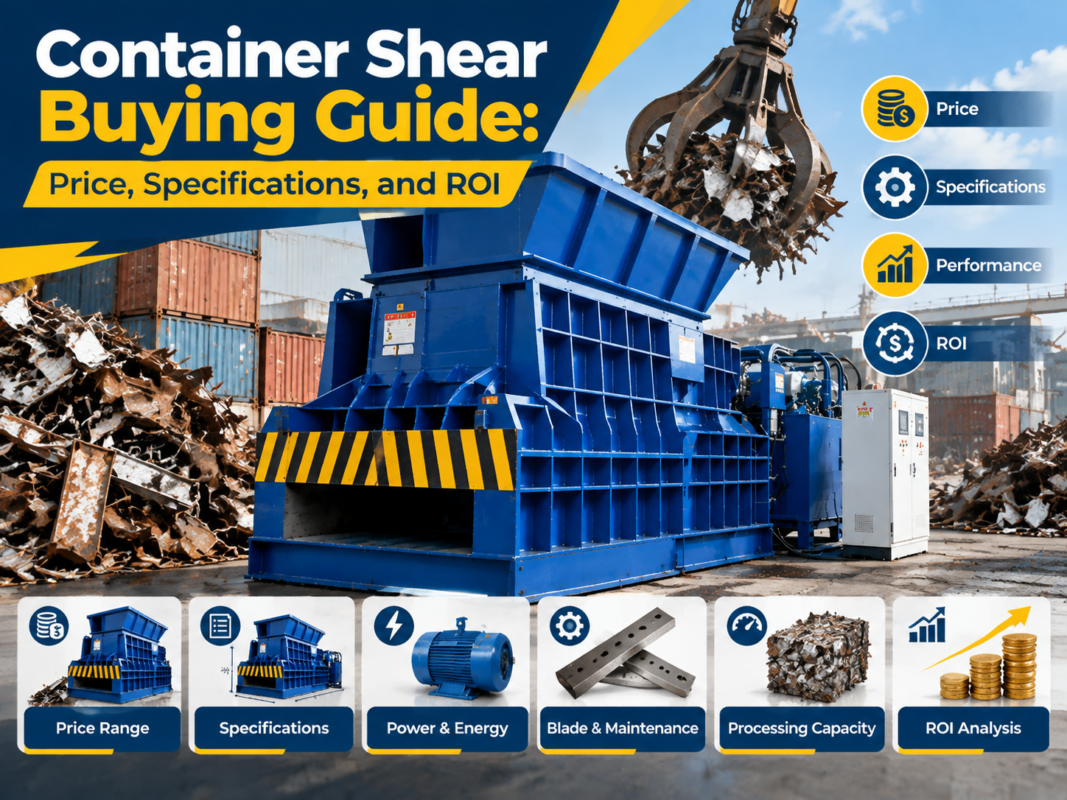
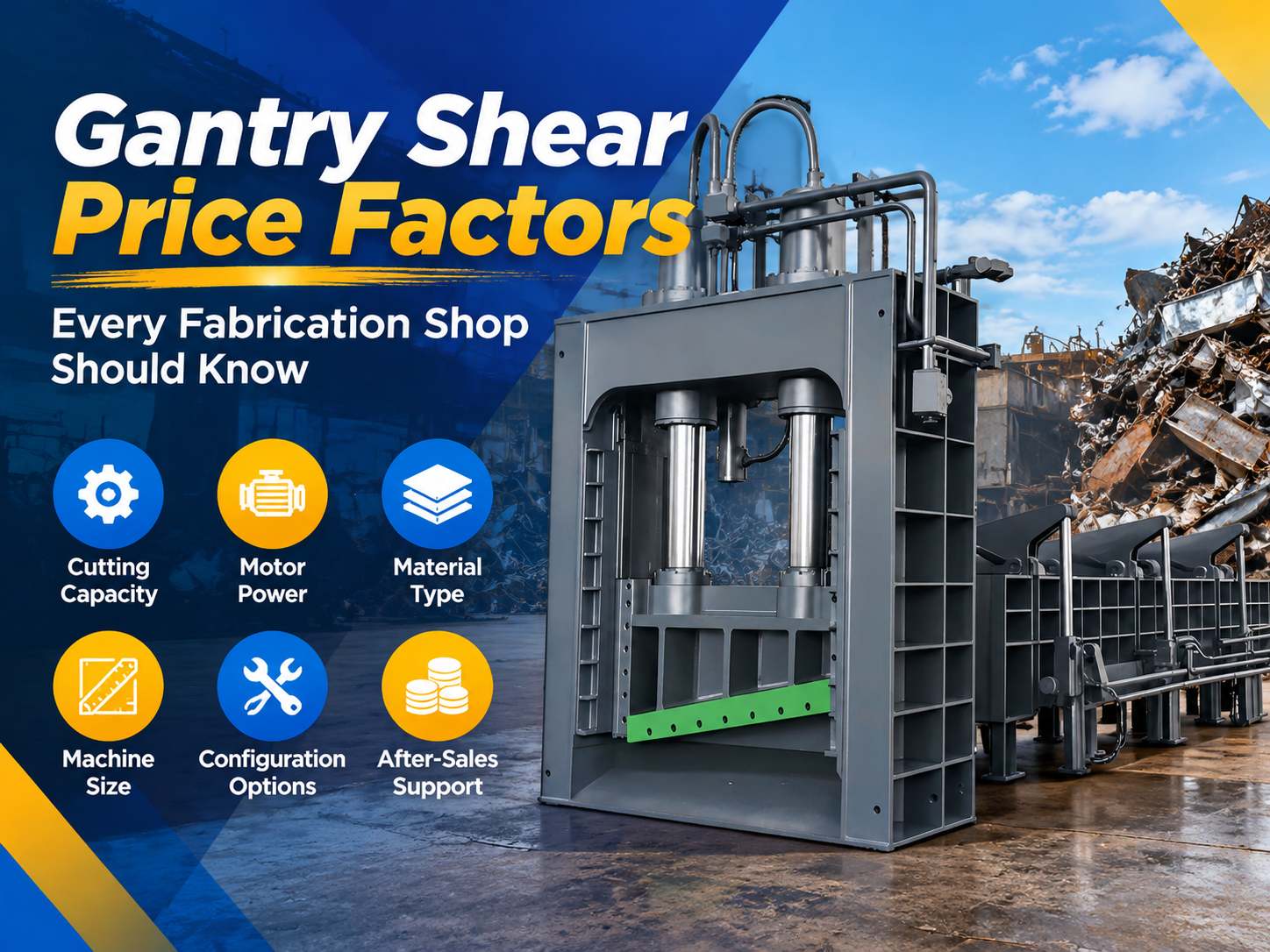
Investing in a gantry shear is a significant capital expenditure for any metal fabrication shop. Understanding the Gantry Shear Price Factors Every Fabrication Shop Should Know is essential for making an informed procurement decision. Generally, the market for these heavy-duty machines is segmented by cutting capacity, automation level, and build quality. Entry-level hydraulic gantry shears designed for lighter scrap processing may start in the mid-five-figure range, while high-capacity, fully automated industrial systems can easily reach six figures.
The price range is rarely static. It fluctuates based on the global cost of raw materials, specifically high-grade steel and hydraulic components. When evaluating quotes, shops must distinguish between the base machine price and the total cost of ownership. A lower initial price tag often masks the reality of higher maintenance requirements or lower throughput capabilities, which can hinder long-term profitability.
For most mid-sized fabrication facilities, a reliable, mid-range gantry shear represents the sweet spot between performance and affordability. These machines are engineered to handle continuous duty cycles without the extreme overhead of heavy-mill-grade equipment. It is crucial to define your shop’s specific throughput requirements before looking at price tags, as over-specifying leads to wasted capital, while under-specifying leads to premature machine failure.
HARSLE provides a range of solutions tailored to different operational scales. By understanding the market tiers, buyers can better align their budget with their production goals. Whether you are processing light-gauge sheet metal or heavy structural steel, the price you pay should be directly proportional to the value the machine adds to your daily output.
Main Cost Drivers
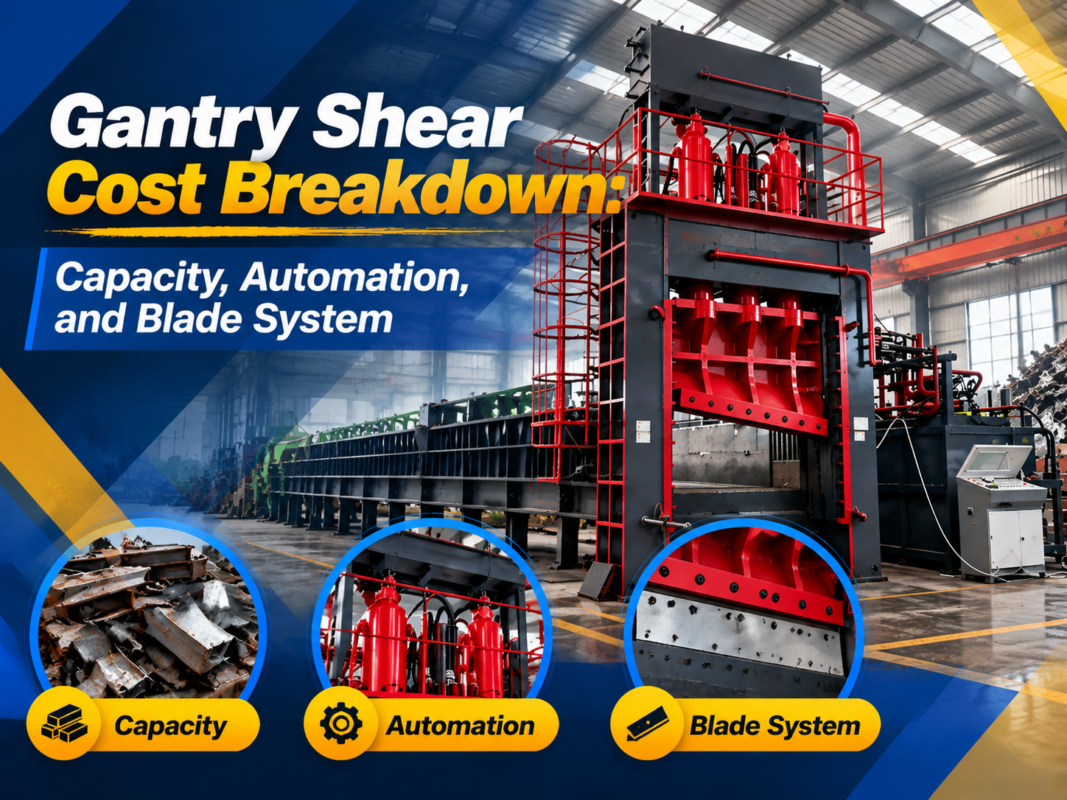
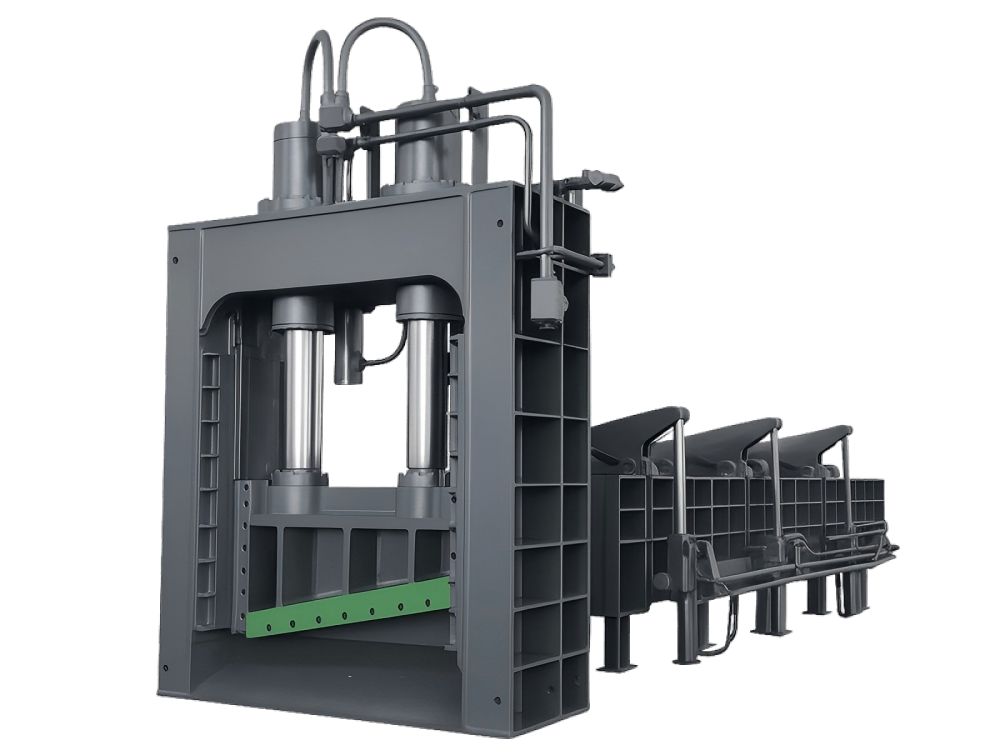
The primary driver of gantry shear pricing is the cutting force, measured in tons. Higher cutting force requires more robust structural steel frames, larger hydraulic cylinders, and more powerful motor systems. As the thickness and tensile strength of the materials you intend to process increase, the cost of the machine scales non-linearly. You are essentially paying for the structural integrity required to prevent deflection during the shearing process.
Hydraulic system sophistication is another major cost factor. Modern gantry shears utilize advanced proportional valve technology and high-efficiency pumps to optimize energy consumption and cutting speed. While these components increase the upfront cost, they significantly reduce operational expenses over the machine’s lifespan. Cheap hydraulic components are a common source of downtime and repair costs in lower-end models.
The quality of the shear blades is often overlooked but remains a critical cost driver. High-carbon, high-chrome tool steel blades are essential for longevity and clean cuts. Machines equipped with premium, heat-treated blades carry a higher price point because these components are designed to withstand the abrasive nature of scrap metal and structural steel without frequent sharpening or replacement.
Control systems and software integration also play a pivotal role. A basic manual control system is significantly cheaper than a CNC-integrated interface. However, CNC systems allow for precise length control, automated batch processing, and integration with inventory management software. For shops looking to minimize human error and maximize material yield, the investment in advanced control technology is almost always justified by the reduction in waste.
Configuration Impact
Customization is the hallmark of professional-grade metal fabrication equipment. When discussing Gantry Shear Price Factors Every Fabrication Shop Should Know, the configuration of the feed system is paramount. Automatic feeding conveyors, side-pushers, and material clamping systems add to the complexity and cost of the machine but are essential for high-volume production environments.
The length of the shear blade and the throat depth determine the versatility of the machine. A wider blade allows for processing larger plates in a single pass, which increases throughput. However, a wider blade requires a more rigid frame to maintain cutting accuracy. This structural requirement is a major factor in the price difference between standard models and wide-bed custom configurations.
Safety features are non-negotiable, yet they vary in complexity. Light curtains, emergency stop systems, and physical guarding are standard, but advanced safety configurations—such as laser-guided alignment and automated pressure monitoring—add to the total cost. Investing in these features not only protects your workforce but also reduces insurance premiums and the risk of costly workplace accidents.
Finally, consider the power source and environmental considerations. Some shops require specialized electrical configurations or noise-reduction enclosures to meet local zoning laws. These custom modifications are often requested during the quoting phase and can significantly impact the final invoice. Always discuss your facility’s specific power and space constraints with the manufacturer early in the process.
Hidden Costs
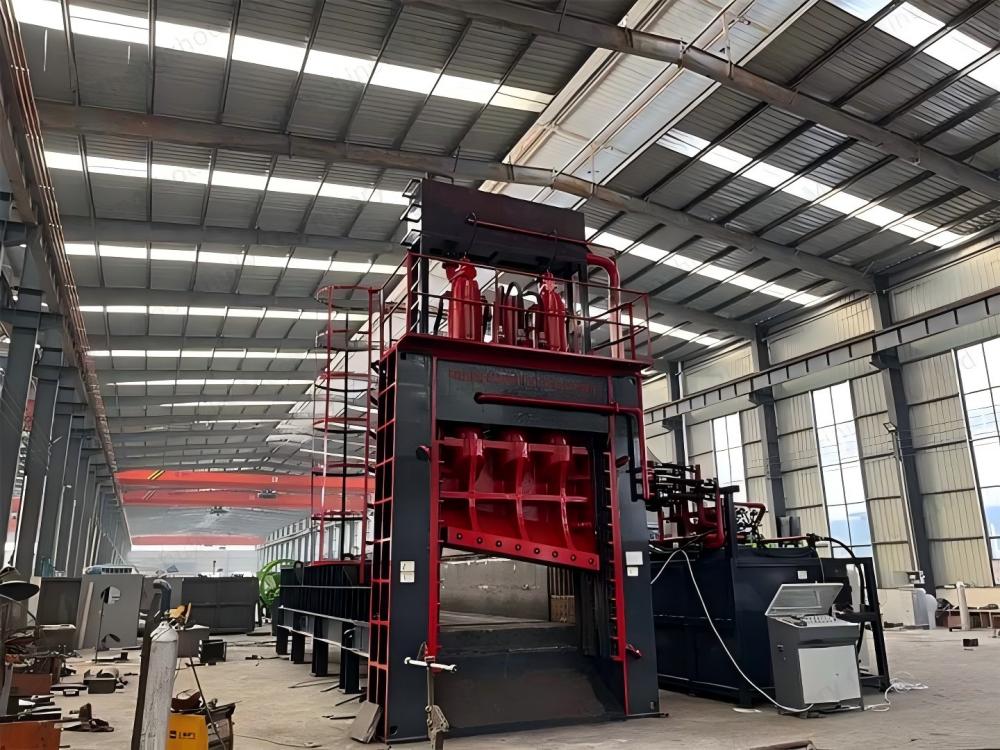
When budgeting for a gantry shear, many shops fail to account for installation and commissioning costs. These machines are massive and often require specialized rigging, heavy-duty concrete foundations, and professional electrical installation. These site-preparation costs can add thousands to the total project budget and should be factored in before the purchase order is signed.
Maintenance and spare parts represent a long-term hidden cost. Proprietary parts can be expensive and may have long lead times if they must be imported. When evaluating a machine, ask the manufacturer about the availability of common wear parts like seals, blades, and filters. A machine that uses standard, off-the-shelf components is generally cheaper to maintain over a ten-year period than one that requires specialized, brand-specific components.
Energy consumption is another factor that often goes unnoticed until the first utility bill arrives. Older or poorly designed hydraulic systems can be incredibly inefficient, consuming significant power even when the machine is idling. Modern, energy-efficient gantry shears with variable frequency drives (VFDs) can offer substantial savings on electricity, which should be calculated into the total cost of ownership.
Training and operator proficiency are also hidden costs. If your team is not properly trained to operate the machine, you will experience higher rates of blade wear, material waste, and potential machine damage. Budgeting for professional training sessions provided by the manufacturer is an investment that pays for itself by extending the life of the machine and ensuring optimal production quality.
ROI Calculation
Calculating the Return on Investment (ROI) for a gantry shear requires a clear understanding of your current production bottlenecks. Start by calculating the cost per cut or cost per ton of material processed. Compare this to the cost of outsourcing your shearing needs or the labor cost associated with using less efficient, manual cutting methods. The difference in these costs, multiplied by your annual volume, provides the baseline for your ROI.
Consider the reduction in material waste. High-precision gantry shears allow for tighter nesting and more accurate cuts, which directly translates to less scrap metal. If your shop processes expensive alloys, even a 1-2% reduction in waste can result in thousands of dollars of savings annually. This efficiency gain is a major component of the ROI calculation.
Factor in the increase in throughput. A faster, more reliable machine allows you to take on larger contracts and meet tighter deadlines. If the new machine allows you to increase your shop’s capacity by 20%, the revenue generated from that additional capacity should be included in your ROI projections. Do not just look at the cost of the machine; look at the revenue it enables.
Finally, consider the resale value. High-quality industrial machinery from reputable manufacturers like HARSLE tends to hold its value well. When calculating ROI, you can estimate a residual value for the machine at the end of its useful life in your shop. This residual value, combined with operational savings and increased revenue, provides a comprehensive picture of the machine’s financial impact.
Buying Advice
Before purchasing, conduct a thorough audit of your material requirements. What is the thickest material you process? What is the most common material type? Do not buy a machine based on the “once-a-year” job that requires maximum capacity. Instead, optimize for the 90% of work that constitutes your daily operations. This ensures you are not paying for excess capacity that sits idle.
Request references from the manufacturer. A reputable supplier should be able to provide contact information for other shops that have purchased similar equipment. Speaking with other owners about their experience with the machine’s reliability, the manufacturer’s support, and the actual maintenance costs is the best way to validate the claims made in sales brochures.
Evaluate the manufacturer’s support network. In the event of a breakdown, how quickly can you get a technician on-site? Are spare parts stocked locally? A machine is only as good as the support behind it. HARSLE prides itself on providing comprehensive technical support and a robust supply chain for spare parts, ensuring that your production remains uninterrupted.
Always insist on a live demonstration or a video inspection of the machine cutting your specific material. This allows you to verify the cut quality, the speed of the cycle, and the ease of operation. If a manufacturer is hesitant to demonstrate the machine’s capabilities on your material, it is a red flag that the machine may not be suited for your specific application.
Часто задаваемые вопросы
What is the typical lifespan of a gantry shear?
With proper maintenance and regular blade sharpening, a high-quality industrial gantry shear can last between 15 to 25 years. The lifespan is heavily dependent on the duty cycle and the type of material being processed.
How often do I need to sharpen the blades?
Blade sharpening frequency depends on the material hardness and the volume of cuts. As a general rule, you should inspect the blade edge for dulling or chipping every 500 to 1,000 hours of operation.
Can I use a gantry shear for non-ferrous metals?
Yes, gantry shears are versatile and can cut non-ferrous metals like aluminum and copper. However, you may need to adjust the blade clearance and cutting speed to achieve optimal results and prevent material deformation.
What foundation requirements are needed?
Most industrial gantry shears require a reinforced concrete slab of a specific thickness to handle the weight and vibration of the machine. Always consult the manufacturer’s installation manual for the exact foundation specifications before preparing your shop floor.
Is CNC integration worth the extra cost?
For shops that require high precision, batch processing, or integration with other automated systems, CNC integration is highly recommended. It significantly reduces human error and increases overall production efficiency, making it a sound long-term investment.