Case Study: Single-Shaft Shredder for Industrial Packaging Material Recovery

Introduction to Industrial Packaging Material Recovery
In the modern manufacturing landscape, the efficient management of industrial waste has transitioned from a logistical burden to a strategic necessity. Industrial packaging materials—ranging from heavy-duty plastic films and cardboard to composite materials and metal-reinforced containers—represent a significant volume of waste that, if processed correctly, can be reintegrated into the production cycle. HARSLE has been at the forefront of this transition, providing robust machinery designed to turn waste into valuable secondary raw materials.
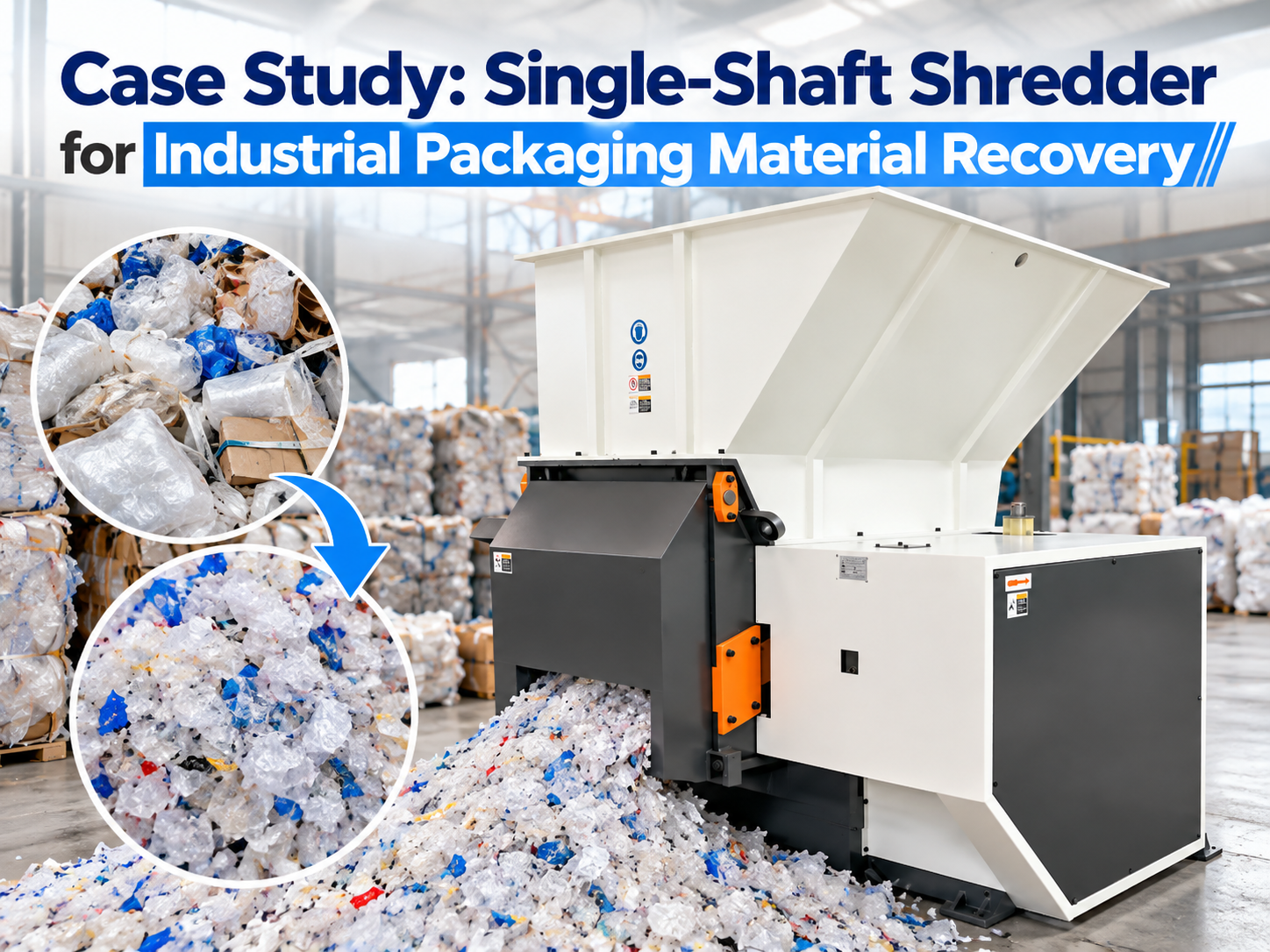
The Case Study: Single-Shaft Shredder Industrial Packaging Material Recovery highlights a recent implementation at a large-scale logistics hub. The facility was struggling with the sheer volume of bulky packaging waste, which was consuming valuable floor space and incurring high transportation costs for disposal. By integrating a HARSLE single-shaft shredder, the facility was able to reduce the volume of its waste by up to 80%, significantly lowering its carbon footprint and operational overhead.
This article explores the technical nuances of this implementation, the selection criteria for industrial shredding equipment, and the long-term benefits of investing in high-quality metal fabrication equipment. As global regulations tighten around waste management, understanding the role of advanced shredding technology is essential for any facility manager or plant engineer looking to optimize their material recovery processes.
The shift toward a circular economy requires more than just recycling; it requires the ability to process materials on-site with precision and reliability. HARSLE’s engineering philosophy focuses on durability, high torque, and modular design, ensuring that our shredders can handle the diverse and often unpredictable nature of industrial packaging waste. Through this case study, we aim to provide a comprehensive guide for businesses looking to implement similar recovery systems.

Key Considerations for Material Recovery Systems
When evaluating the implementation of a Case Study: Single-Shaft Shredder for Industrial Packaging Material Recovery, the first consideration must be the material stream composition. Industrial packaging is rarely uniform. It often consists of a mix of high-density polyethylene (HDPE), polypropylene (PP), cardboard, and sometimes metallic fasteners or staples. A shredder must be versatile enough to handle these variations without frequent jamming or excessive wear on the cutting tools.
Throughput requirements are the second critical factor. In a high-volume logistics environment, the shredder must be capable of continuous operation. HARSLE systems are designed with high-torque gearboxes that allow for consistent processing speeds even when dealing with dense, compacted materials. We analyze the daily tonnage and the required particle size to ensure the machine is neither underpowered nor over-engineered for the specific application.
Space constraints and integration into existing workflows are often overlooked. A shredder should not be an isolated piece of equipment; it should be part of a cohesive material handling system. This includes input conveyors, magnetic separators for metal removal, and output systems that feed directly into balers or storage containers. Our engineering team works closely with clients to design a layout that minimizes manual handling and maximizes safety.
Finally, maintenance accessibility is paramount. Industrial environments are harsh, and downtime is expensive. HARSLE shredders feature easy-access maintenance panels and modular cutting discs that can be replaced or sharpened without requiring a complete teardown of the machine. This design philosophy ensures that the system remains operational for the longest possible duration, providing a reliable return on investment.
Technical Details of HARSLE Shredding Technology
The core of the HARSLE single-shaft shredder lies in its advanced rotor design. Unlike dual-shaft shredders that rely on shearing, our single-shaft systems utilize a high-speed rotor equipped with hardened steel cutters that work against a stationary counter-knife. This configuration allows for a precise, uniform particle size, which is critical for downstream processes like extrusion or pelletizing.
The hydraulic ram system is another technical highlight. It pushes the material toward the rotor at a controlled pressure, ensuring that the shredder does not overload. This intelligent feed system is controlled by a PLC (Programmable Logic Controller) that monitors the motor load in real-time. If the system detects a potential jam, the rotor automatically reverses, clears the obstruction, and resumes operation without human intervention.
Material durability is a cornerstone of HARSLE metal fabrication equipment. The cutting discs are manufactured from high-alloy steel, heat-treated to withstand the abrasive nature of industrial waste. In the context of our case study, the client reported that the cutting tools maintained their sharpness for 30% longer than their previous equipment, leading to significant savings in maintenance costs and spare parts inventory.
Energy efficiency is integrated into the drive train. By utilizing high-efficiency motors paired with heavy-duty gearboxes, HARSLE shredders deliver maximum torque at lower power consumption levels. This not only reduces the electricity bill but also minimizes the thermal stress on the motor, extending the overall lifespan of the machine. The integration of variable frequency drives (VFDs) allows operators to fine-tune the rotor speed based on the specific material being processed.
Selection Advice: Choosing the Right Shredder
Selecting the right equipment for a Case Study: Single-Shaft Shredder Industrial Packaging Material Recovery project requires a methodical approach. Start by conducting a material audit. Collect samples of the waste stream and test them for hardness, moisture content, and contamination levels. This data will dictate the required motor power and the type of cutting geometry needed for the rotor.
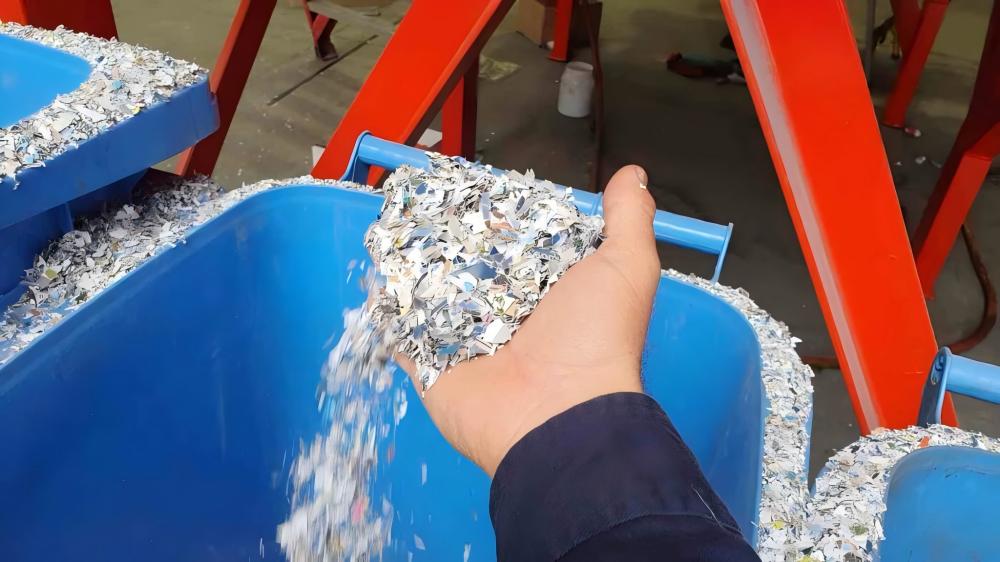
Consider the desired output size. If the shredded material is destined for a baler, a larger particle size might be acceptable. However, if the material is being fed into a granulator or a recycling extruder, a smaller, more consistent particle size is necessary. HARSLE offers a variety of screen sizes that can be swapped out to meet these specific downstream requirements.
Evaluate the manufacturer’s support network. A shredder is a long-term asset, and you need a partner who provides more than just the machine. Look for companies that offer comprehensive training for your operators, readily available spare parts, and remote diagnostic capabilities. HARSLE prides itself on a global support network that ensures our clients are never left without assistance.
Don’t ignore safety features. Industrial shredders are powerful machines that require stringent safety protocols. Look for features like emergency stop buttons, safety interlocks on access doors, and light curtains that prevent operation if a person is in the vicinity of the feed hopper. HARSLE machines are built to comply with international safety standards, providing peace of mind for both management and the workforce.
FAQ: Common Questions About Industrial Shredding
What is the primary advantage of a single-shaft shredder over a dual-shaft model?
A single-shaft shredder provides a more uniform particle size due to the screen system, which prevents material from passing through until it is shredded to the desired dimensions. This is ideal for recycling applications where consistency is key.
How often should the cutting blades be sharpened or replaced?
This depends on the abrasiveness of the material. However, with HARSLE’s high-alloy steel cutters, most clients find that a routine inspection every 500-1000 operating hours is sufficient to maintain peak performance.
Can this shredder handle metal contaminants?
While designed for packaging, our shredders can handle occasional small metal contaminants like staples or thin wire. For heavy metal contamination, we recommend integrating a magnetic separator upstream.
What kind of maintenance does the hydraulic system require?
The hydraulic system requires regular oil checks and filter replacements. HARSLE provides a detailed maintenance schedule with every machine to ensure the longevity of the hydraulic components.
Is the shredder noisy during operation?
HARSLE shredders are designed with sound-dampening features, but noise levels depend on the material being shredded. We recommend installing the machine in a dedicated area or using acoustic enclosures if noise is a concern in your facility.
Conclusion
The implementation of a Case Study: Single-Shaft Shredder for Industrial Packaging Material Recovery demonstrates the profound impact that the right machinery can have on operational efficiency and environmental sustainability. By choosing HARSLE, the facility in our case study not only solved its waste management challenges but also created a new stream of value from its packaging waste.
Investing in high-quality metal fabrication equipment is a commitment to the future of your business. As industrial processes become more complex, the need for reliable, efficient, and durable shredding solutions will only grow. HARSLE remains dedicated to providing the technology and support necessary to help our clients navigate these challenges and achieve their sustainability goals.
We invite you to reach out to our engineering team to discuss your specific material recovery needs. Whether you are processing plastic, paper, or composite materials, HARSLE has the expertise and the equipment to help you turn your waste into a resource. Let us help you build a more efficient, profitable, and sustainable future for your manufacturing operations.