Case Study: Boosting Scrap Management Productivity A Vertical Baler

Introduction
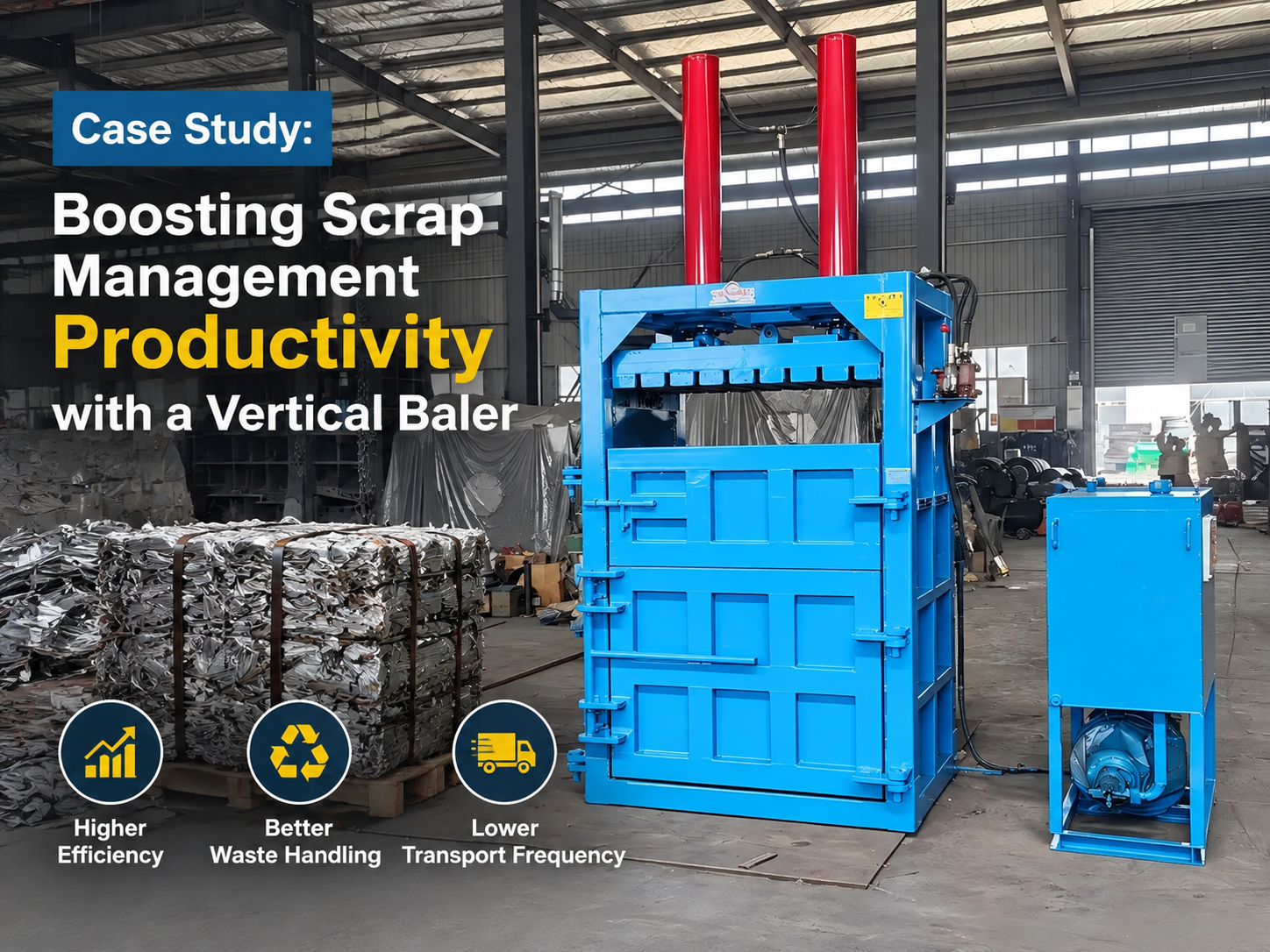
In the modern metal fabrication landscape, the efficiency of a facility is often measured not just by the precision of its output, but by the management of its byproducts. Scrap metal, offcuts, and industrial waste represent a significant logistical challenge for manufacturers. When left unmanaged, these materials clutter workspace, pose safety hazards, and diminish the overall throughput of the production line. This article explores a detailed Case Study: Boosting Scrap Management Productivity A Vertical Baler, illustrating how HARSLE machinery helps fabricators reclaim their floor space and turn waste into a revenue stream.
For many metal fabrication shops, the accumulation of scrap is an inevitable consequence of high-volume production. Whether dealing with aluminum, steel, or copper, the volume of waste can quickly overwhelm a facility. Traditional methods of scrap disposal—such as manual sorting or loose storage in bins—are labor-intensive and inefficient. By integrating a vertical baler into the workflow, companies can compress bulky waste into dense, manageable bales, significantly reducing the frequency of waste collection and optimizing storage logistics.
HARSLE has long been at the forefront of providing robust industrial machinery designed to withstand the rigors of heavy-duty fabrication environments. Our vertical balers are engineered with high-pressure hydraulic systems that ensure maximum compaction ratios. This case study highlights the transformative impact of these machines on operational productivity, safety standards, and environmental compliance. By examining real-world applications, we aim to provide a comprehensive guide for facility managers looking to streamline their scrap management processes.
As we delve into the technical and operational aspects of this transition, it is important to recognize that scrap management is not merely a housekeeping task; it is a strategic business decision. Reducing the footprint of waste allows for better utilization of floor space for revenue-generating machinery. Furthermore, the ability to sell baled scrap at a premium price compared to loose scrap provides a tangible return on investment that justifies the initial capital expenditure.
Key Considerations for Scrap Management
Before implementing a vertical baler, facility managers must conduct a thorough audit of their current waste streams. Understanding the volume, material type, and frequency of scrap generation is essential for selecting the right equipment. A common mistake is underestimating the force required to compress specific metal alloys, which can lead to machine strain and suboptimal bale density. HARSLE emphasizes the importance of analyzing the physical characteristics of the scrap—such as thickness, ductility, and spring-back properties—to ensure the baler’s specifications align with operational needs.
Safety is another critical consideration. Metal scrap is often sharp, heavy, and difficult to handle manually. A vertical baler minimizes the need for human interaction with hazardous materials. When evaluating a scrap management system, managers should prioritize features such as dual-hand controls, emergency stop buttons, and safety interlocks that prevent the machine from operating while the door is open. HARSLE designs its equipment with these safety protocols at the core, ensuring that productivity gains do not come at the expense of worker well-being.
Space optimization is a primary driver for adopting vertical balers. In many fabrication shops, floor space is a premium commodity. A vertical baler is designed to have a small footprint while providing high vertical compaction force. This allows the machine to be placed near the source of the scrap, reducing the distance workers need to travel to dispose of waste. By centralizing the baling process, facilities can maintain a cleaner, more organized environment, which is proven to improve overall employee morale and operational efficiency.
Finally, the economic impact of scrap management cannot be ignored. Loose scrap is bulky and expensive to transport, often resulting in high logistics costs. By compressing scrap into dense bales, companies can maximize the weight capacity of transport vehicles, effectively reducing the number of pickups required. This not only lowers transportation costs but also increases the value of the scrap sold to recyclers, as high-density bales are easier to process and transport at the recycling facility. This economic synergy is the cornerstone of the Case Study: Boosting Scrap Management Productivity A Vertical Baler.
Technical Details and Operational Mechanics
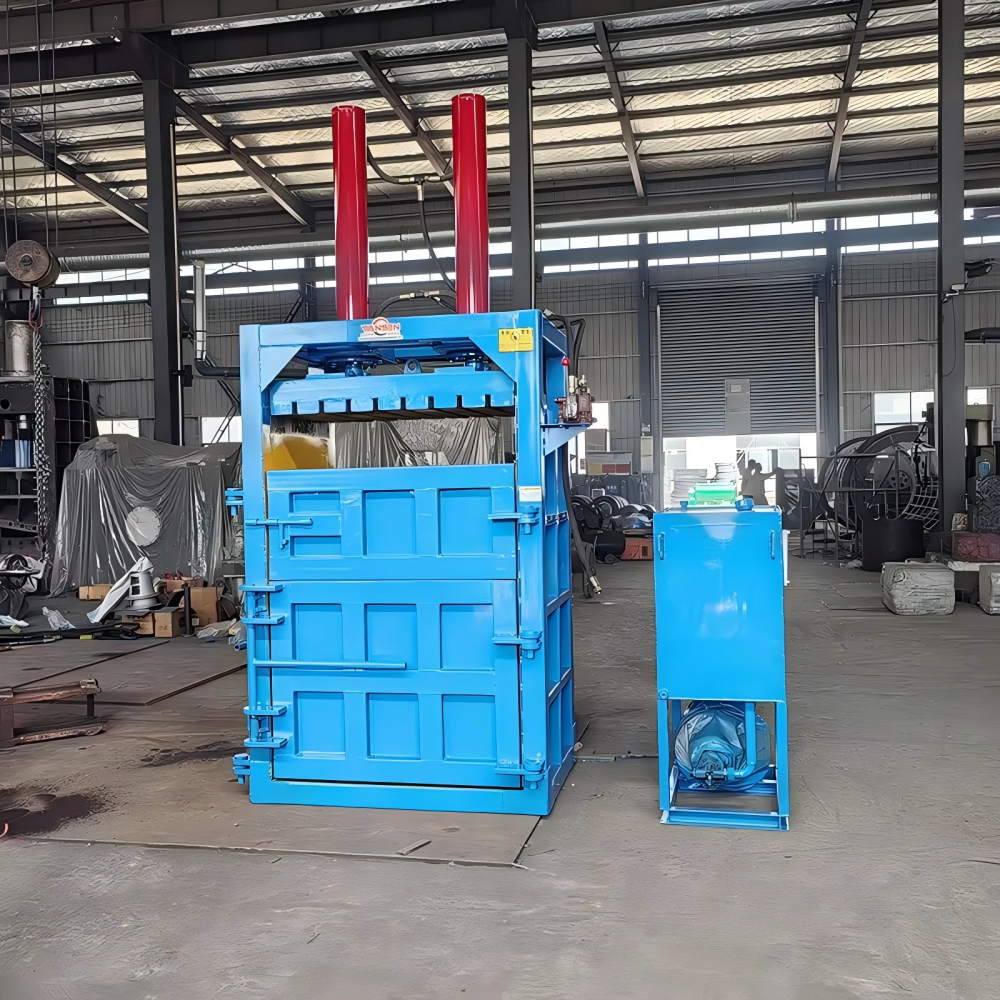
The core of a HARSLE vertical baler lies in its hydraulic power unit. These systems are engineered to deliver consistent, high-pressure force, which is necessary to overcome the structural integrity of metal offcuts. The hydraulic cylinders are built with high-grade seals and robust rods to ensure longevity under continuous operation. The control system, often featuring a programmable logic controller (PLC), allows operators to adjust cycle times and pressure settings based on the material being baled, ensuring optimal results every time.
Structural integrity is paramount in industrial machinery. HARSLE balers feature reinforced steel frames designed to withstand the immense internal pressure generated during the compaction cycle. The chamber walls are typically lined with wear-resistant plates to prevent damage from sharp metal edges. Furthermore, the door locking mechanisms are engineered for both strength and ease of use, allowing for quick loading and efficient bale ejection. This attention to detail ensures that the machine remains a reliable asset for years, even in high-throughput environments.
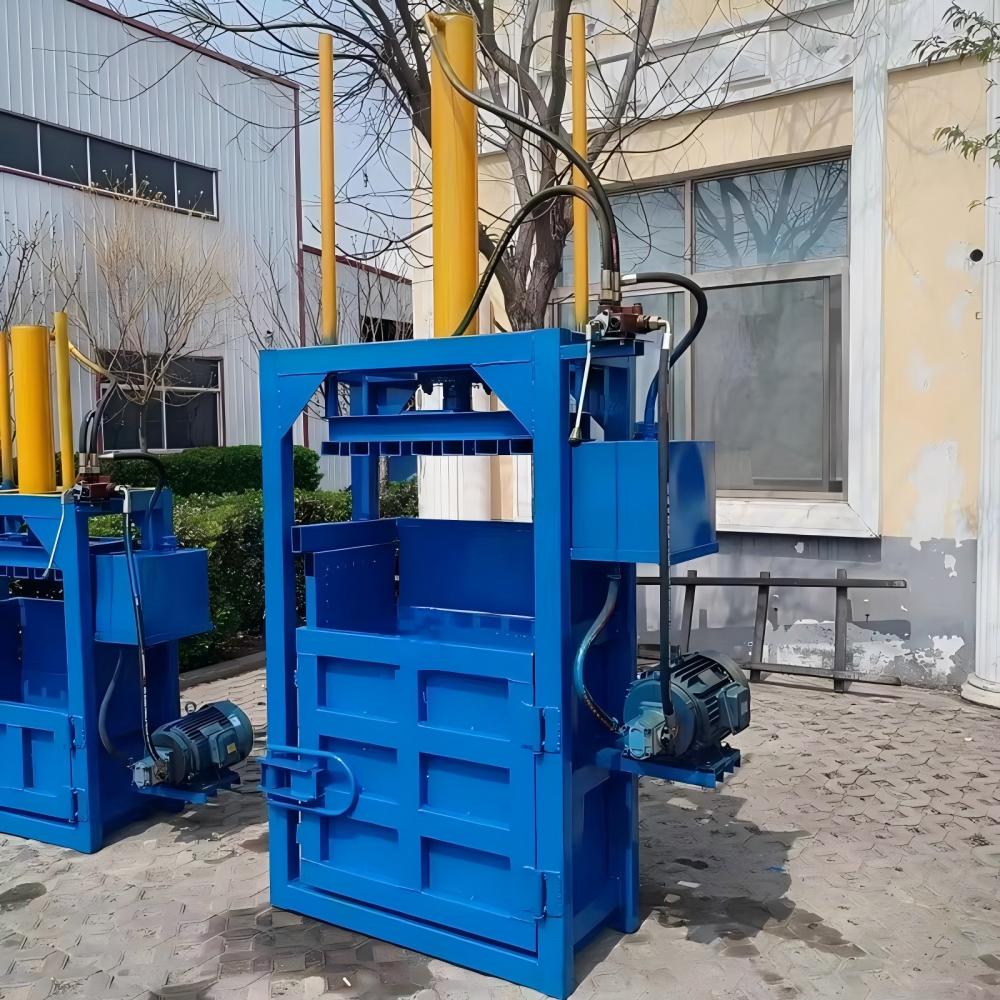
The ejection system is another critical technical component. Once a bale reaches the desired density, it must be securely tied and ejected. HARSLE balers utilize automated or semi-automated ejection systems that minimize physical strain on the operator. The tying process is designed to be ergonomic, allowing for quick securing of the bale before it is pushed out of the chamber. This streamlined process reduces downtime between cycles, allowing the fabrication line to maintain its momentum without being interrupted by waste management bottlenecks.
Maintenance of these machines is straightforward but essential. Regular inspection of hydraulic fluid levels, hose integrity, and structural welds ensures that the baler operates at peak efficiency. HARSLE provides comprehensive documentation and support, enabling maintenance teams to perform routine checks that prevent unexpected downtime. By adhering to a proactive maintenance schedule, fabricators can extend the lifespan of their equipment and ensure that their scrap management productivity remains consistently high.
Selection Advice for Metal Fabricators
Choosing the right vertical baler requires a balance between current needs and future growth. Fabricators should start by calculating their daily scrap output in both volume and weight. If the facility is planning to expand its production capacity, it is wise to invest in a baler with a slightly higher capacity than currently needed. This foresight prevents the need for a costly equipment upgrade in the near future and provides a buffer during peak production periods.
Consider the material type carefully. While some balers are universal, others are optimized for specific metals. For instance, aluminum scrap may require different pressure settings compared to stainless steel. Discussing these requirements with a HARSLE representative can help in selecting a model with the appropriate ram force and chamber size. Additionally, consider the bale size. Standard bale sizes are often preferred by recycling centers, as they fit easily into standard shipping containers and trucks, potentially fetching a better price.
Ease of operation is a key factor in staff adoption. A machine that is intuitive to use will be utilized more effectively by the team. Look for features like clear digital displays, simple push-button controls, and easy-to-follow loading instructions. HARSLE prioritizes user-centric design, ensuring that operators can be trained quickly and that the machine integrates seamlessly into the existing shop floor workflow. A well-designed machine reduces the learning curve and minimizes the risk of operator error.
Finally, evaluate the total cost of ownership, not just the purchase price. This includes energy consumption, maintenance costs, and the potential for increased scrap revenue. A high-quality HARSLE baler may have a higher initial cost than a budget alternative, but its durability, efficiency, and safety features often result in a lower total cost of ownership over the machine’s lifecycle. Investing in reliable equipment is a hallmark of successful industrial management and is a central theme in our Case Study: Boosting Scrap Management Productivity A Vertical Baler.
Часто задаваемые вопросы
- How does a vertical baler improve scrap management? It compresses loose, bulky scrap into dense, uniform bales, saving space, reducing transport costs, and increasing the resale value of the material.
- What types of metal can be baled? Most HARSLE vertical balers are suitable for aluminum, copper, brass, and thin-gauge steel offcuts. Always consult with our team regarding specific material hardness.
- Is a vertical baler difficult to maintain? No, HARSLE balers are designed for industrial durability. Routine maintenance involves checking hydraulic levels and ensuring the chamber is kept clean, which is well within the capabilities of standard maintenance staff.
- How much space does a vertical baler require? HARSLE offers various models with compact footprints, allowing them to fit into tight corners or near production lines without disrupting workflow.
- Can a vertical baler help with safety? Yes, by containing sharp metal scrap within a secure chamber, the baler significantly reduces the risk of cuts and injuries associated with manual handling of loose scrap.
Conclusion
The transition to an automated scrap management system is a significant step toward operational excellence. As demonstrated in this Case Study: Boosting Scrap Management Productivity A Vertical Baler, the integration of HARSLE machinery provides immediate benefits in space utilization, safety, and economic return. By moving away from inefficient manual handling and toward high-density baling, metal fabricators can transform their waste management from a logistical burden into a streamlined, profitable process.
HARSLE remains committed to supporting the metal fabrication industry with equipment that is as reliable as it is innovative. Our vertical balers are more than just machines; they are tools for growth, allowing facility managers to focus on what they do best: creating high-quality products. We invite you to evaluate your current scrap management practices and consider how a HARSLE solution can help you achieve your productivity goals. Whether you are a small workshop or a large-scale industrial plant, the right equipment makes all the difference in maintaining a competitive edge in today’s demanding market.
For further information on our range of vertical balers and to discuss your specific scrap management needs, please contact the HARSLE team. We are dedicated to providing tailored solutions that drive efficiency and success in every fabrication facility. Let us help you turn your scrap into a strategic asset today.