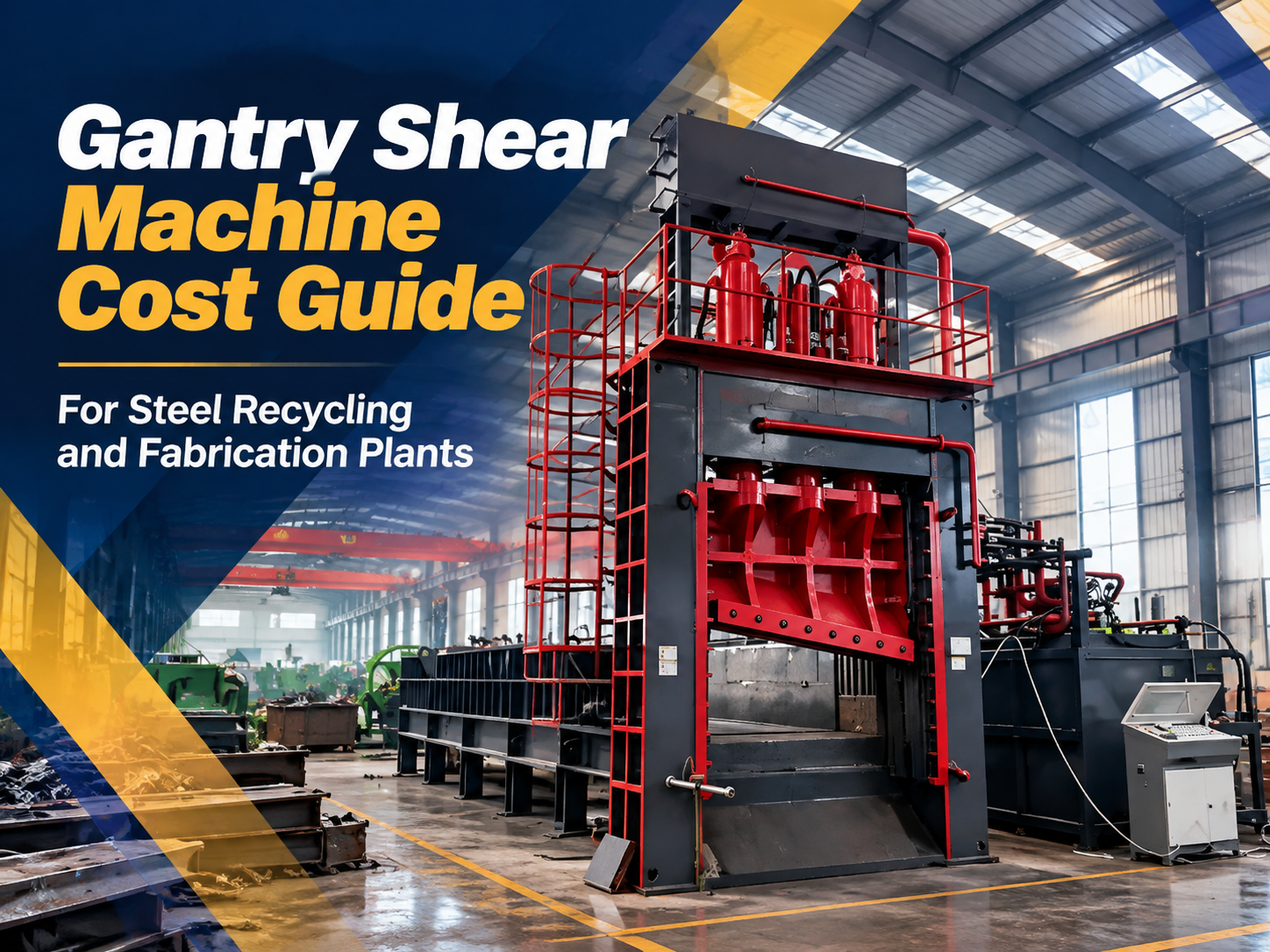
Gantry Shear Machine Cost Guide for Steel Recycling and Fabrication Plants

Price Range Overview
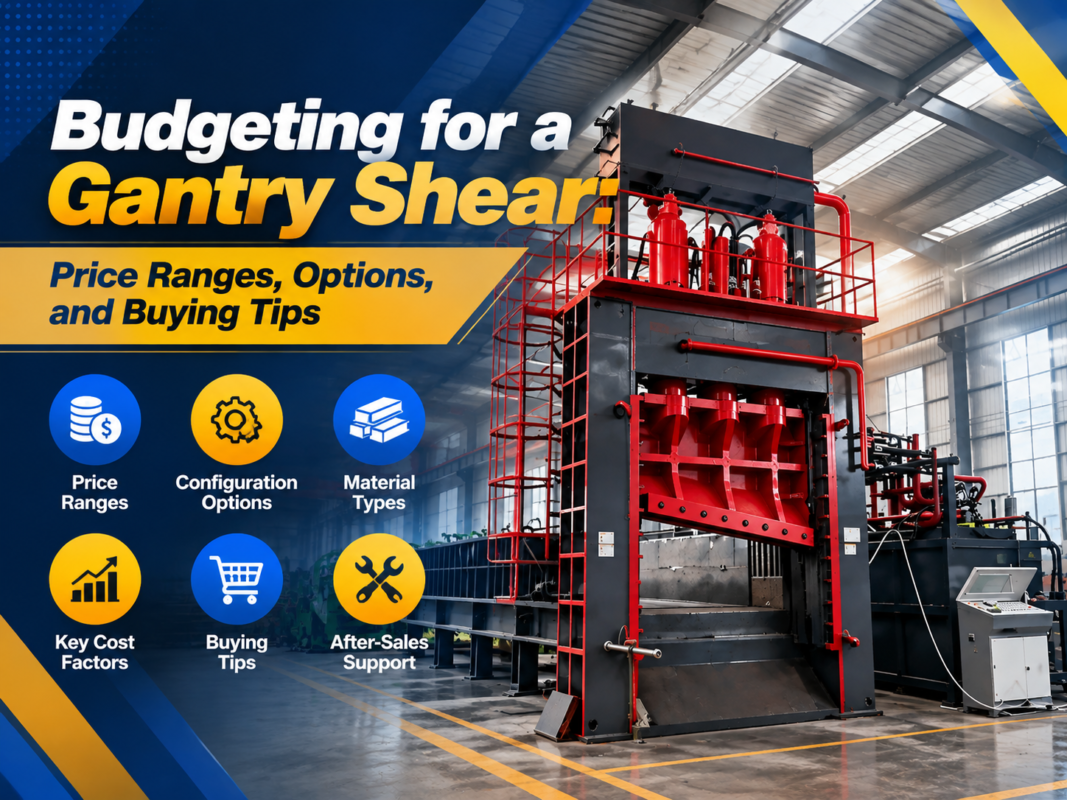
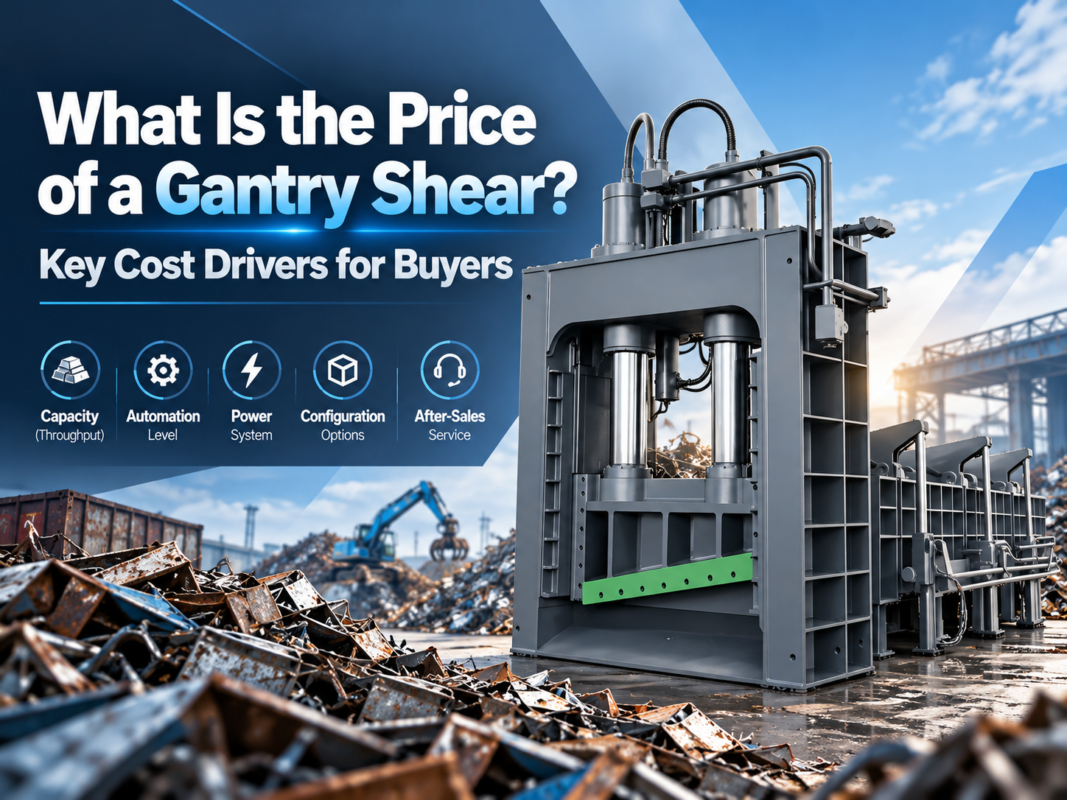
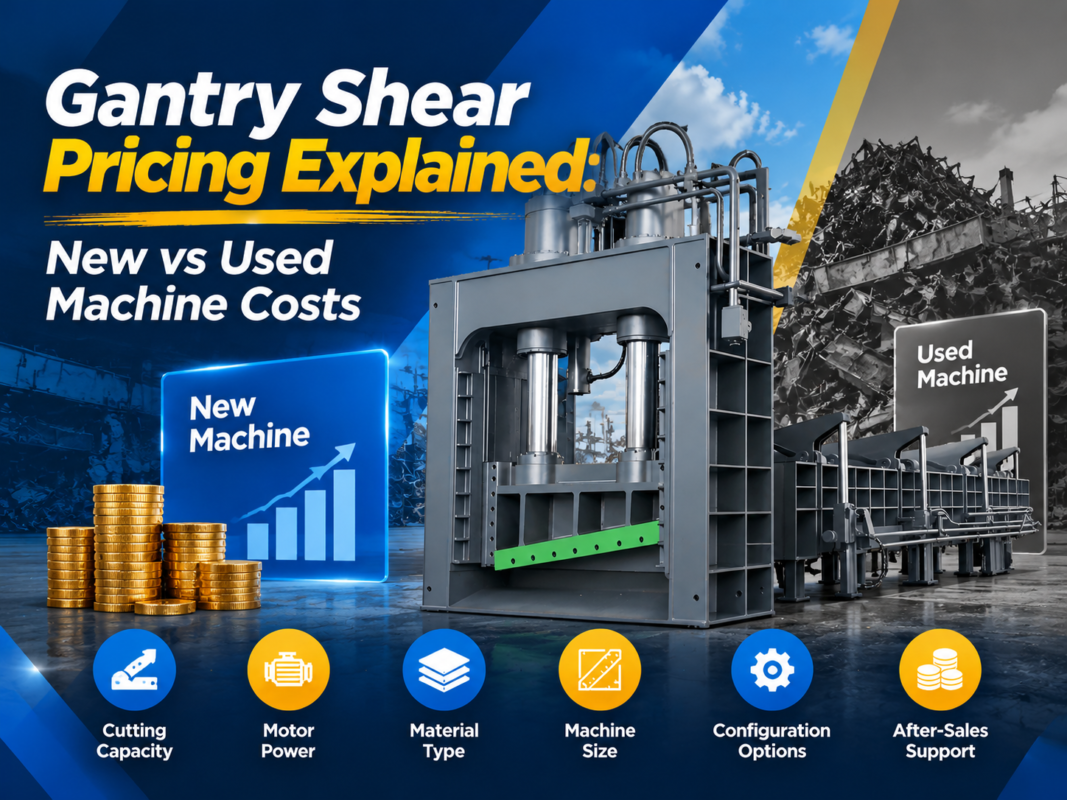
Investing in a gantry shear is a significant capital expenditure for any steel recycling or fabrication plant. Understanding the Gantry Shear Machine Cost Steel Recycling Fabrication Plants landscape requires looking at the market tiers. Generally, entry-level gantry shears designed for smaller scrap yards or light fabrication start in the range of $80,000 to $150,000. These machines typically offer lower cutting forces and smaller blade openings, suitable for processing light-gauge structural steel or non-ferrous metals.
Mid-range industrial gantry shears, which are the workhorses for most medium-sized recycling facilities, typically fall between $200,000 and $450,000. At this price point, buyers can expect robust hydraulic systems, automated feeding mechanisms, and higher shearing forces capable of handling heavy I-beams, pipes, and thick plate steel. These machines are engineered for continuous duty cycles and higher throughput requirements.
For large-scale industrial operations, high-capacity gantry shears can exceed $600,000 to over $1,000,000. These premium units are often custom-engineered to integrate into massive automated scrap processing lines. They feature advanced PLC controls, remote diagnostic capabilities, and specialized blade geometries designed to maximize the density of the processed scrap, which significantly improves logistics and transport efficiency for recycling plants.
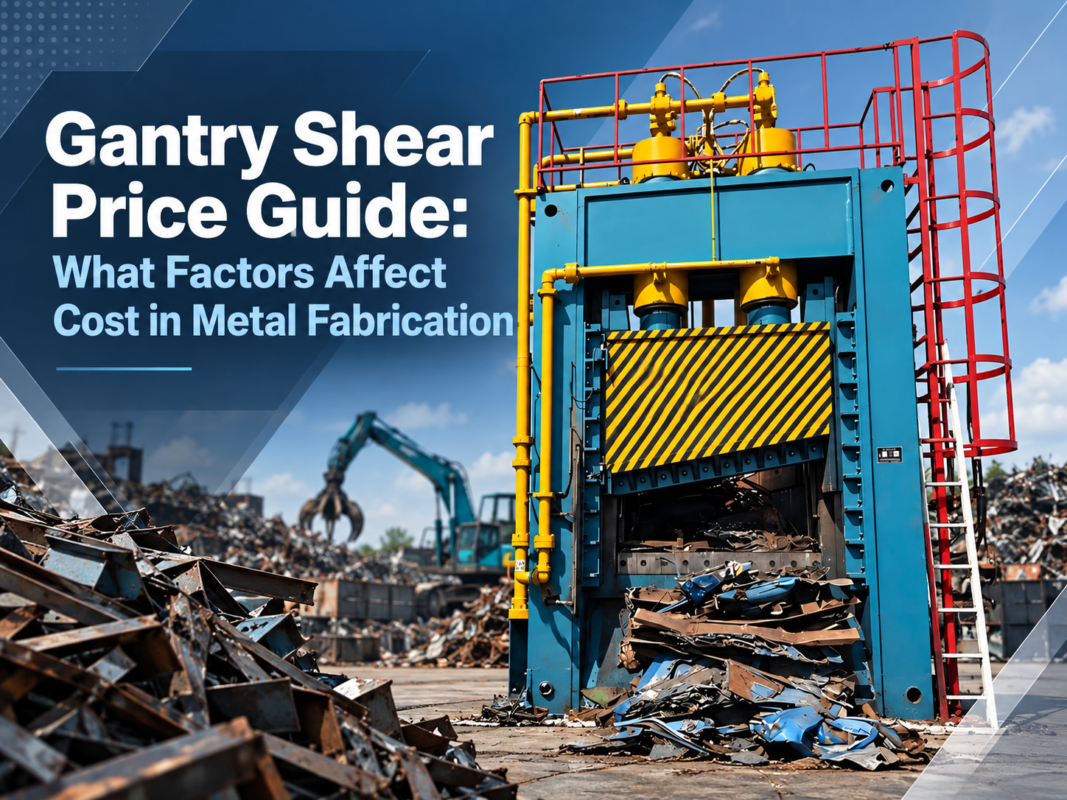
It is essential to note that these price ranges are estimates based on standard configurations. Market volatility in steel prices, hydraulic component availability, and international shipping logistics can influence the final quote. When evaluating the Gantry Shear Machine Cost Steel Recycling Fabrication Plants, always request a detailed breakdown that includes the base machine price, shipping, installation, and commissioning fees.
Main Cost Drivers
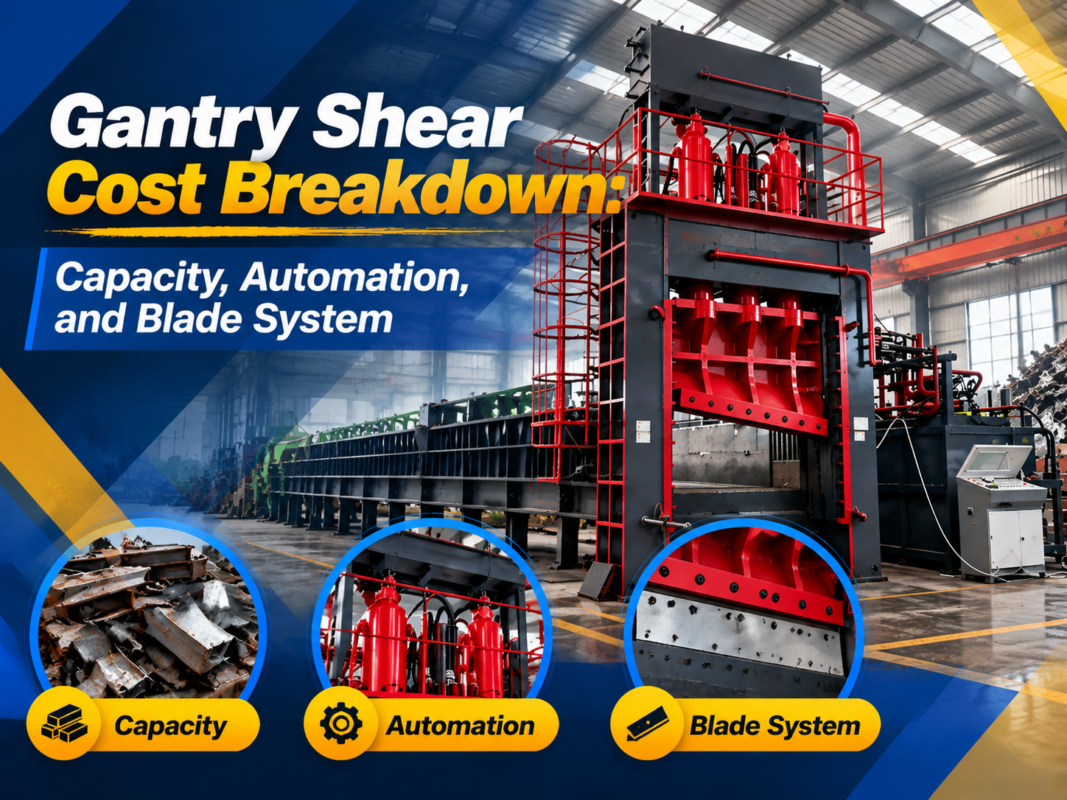
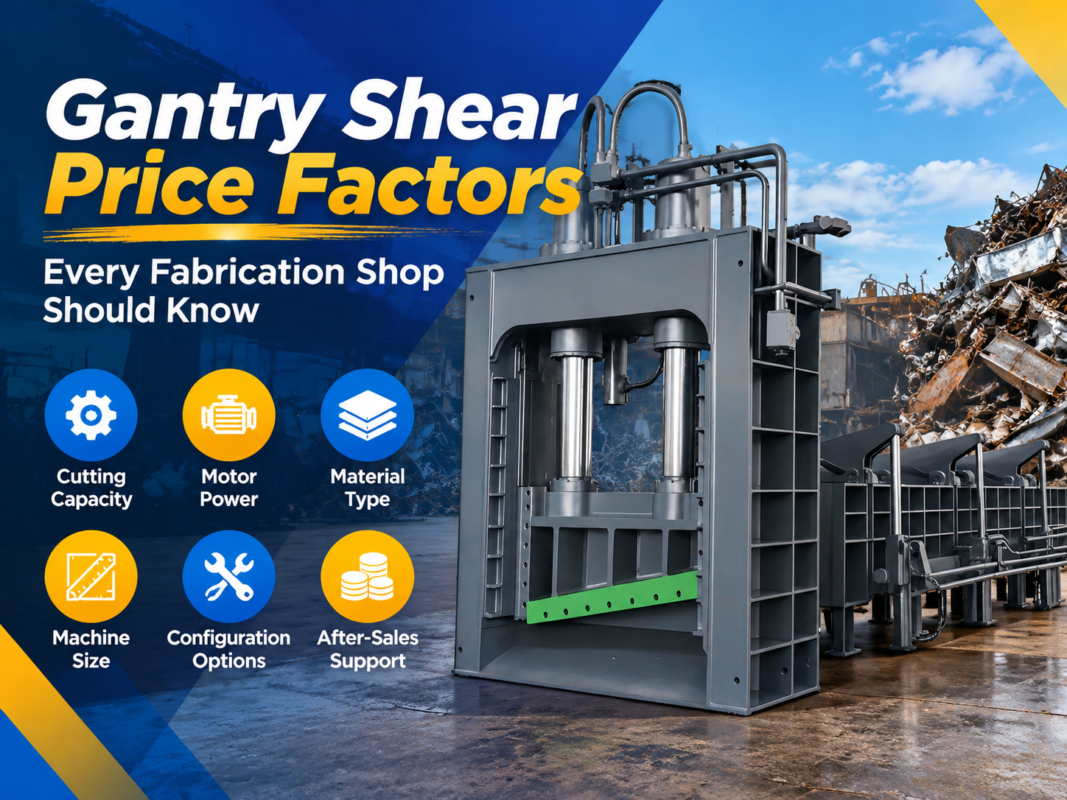
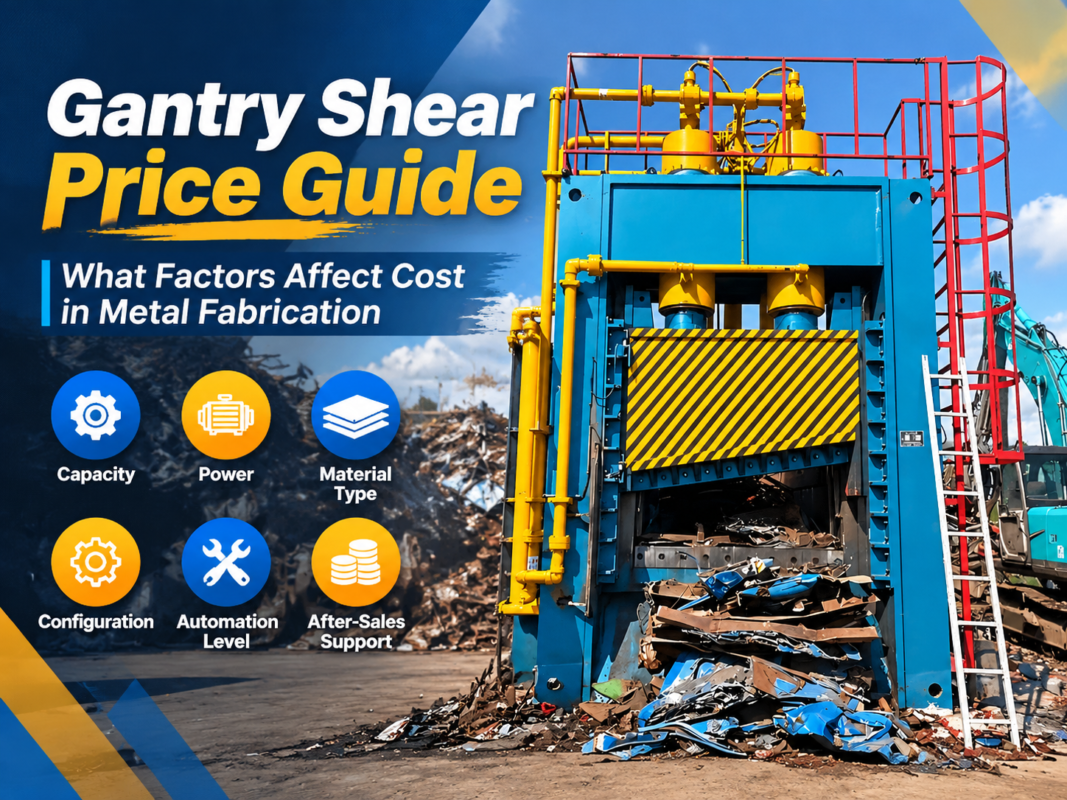
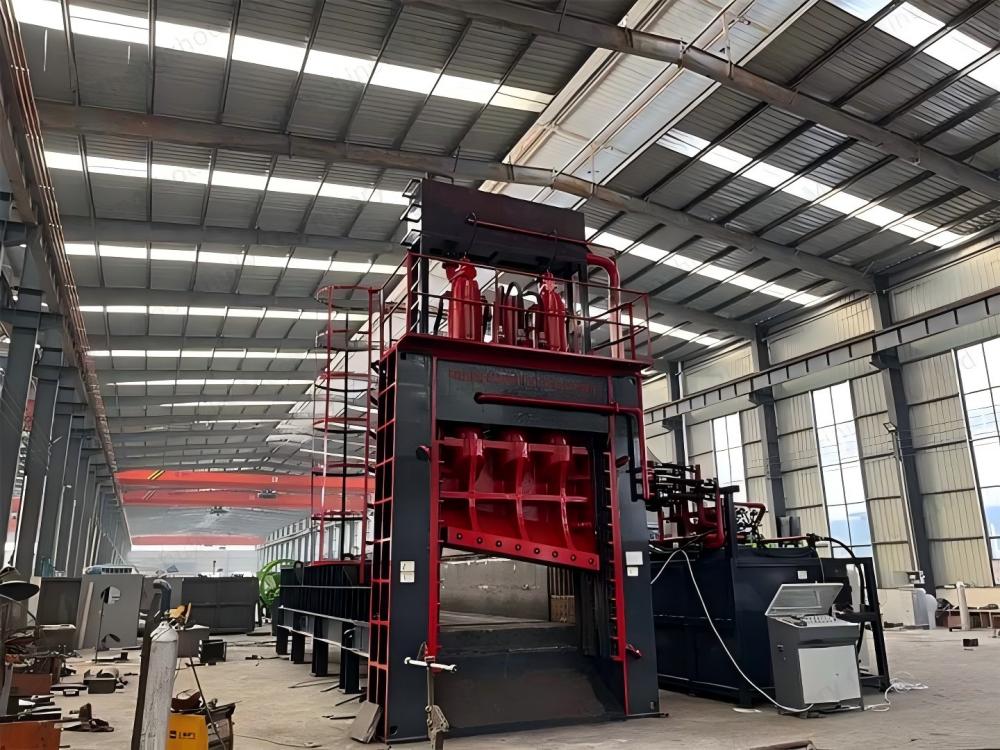
The primary driver of the Gantry Shear Machine Cost Steel Recycling Fabrication Plants is the shearing force, measured in tons. A machine with a 500-ton shearing capacity will naturally be significantly cheaper than a 1,200-ton unit. The force requirement is determined by the maximum thickness and tensile strength of the material you intend to process. Over-specifying force leads to unnecessary capital expenditure, while under-specifying leads to frequent machine downtime and blade damage.
Another critical cost factor is the blade length and opening size. A wider blade opening allows for the processing of larger, bulkier scrap items without the need for pre-cutting, which saves significant labor time. However, larger openings require more robust structural frames to withstand the increased stress, which drives up the manufacturing cost of the machine significantly.
The quality and origin of hydraulic components also play a major role. HARSLE and other top-tier manufacturers often utilize high-end hydraulic valves, pumps, and seals from reputable global brands. While these components increase the initial purchase price, they are vital for the longevity and reliability of the machine. Cheaper, generic hydraulic systems may lower the upfront cost but often result in higher maintenance costs and shorter service intervals.
Automation levels represent a growing segment of the cost structure. Modern gantry shears are no longer just manual machines; they feature sophisticated PLC-controlled feeding systems, automatic lubrication, and remote monitoring. While these features add to the initial investment, they drastically reduce the need for manual labor and increase the safety of the operation, providing a faster return on investment through increased efficiency.
Configuration Impact
Customization is a hallmark of high-end metal fabrication equipment. When analyzing the Gantry Shear Machine Cost Steel Recycling Fabrication Plants, you must consider the impact of specific configurations. For instance, a standard gantry shear might be sufficient for a fabrication shop, but a recycling plant might require a heavy-duty side-compression box. This box pre-compresses the scrap before it reaches the shear blade, ensuring a clean, dense cut that is easier to handle and transport.
The type of feeding system is another configuration choice that impacts cost. A simple conveyor belt system is the most affordable, but it may not be suitable for heavy, jagged scrap. A heavy-duty, reinforced steel slat conveyor or a hydraulic pusher system is more expensive but provides the durability required for high-volume recycling environments. Choosing the right feed system is critical to preventing bottlenecks in your production line.
Blade material and design also vary based on the application. For plants processing high-tensile steel or hardened alloys, specialized blade materials with advanced heat treatments are necessary. These blades are more expensive than standard carbon steel blades but offer significantly longer service life and better cut quality. Investing in high-quality blades reduces the frequency of sharpening and replacement, which is a major operational cost.
Finally, consider the integration of safety features. Light curtains, emergency stop systems, and enclosed cutting zones are standard in modern machines, but advanced safety configurations—such as automated material detection sensors—can add to the cost. These features are not just about compliance; they are about protecting your workforce and reducing the risk of catastrophic machine failure caused by feeding improper materials into the shear.
Hidden Costs
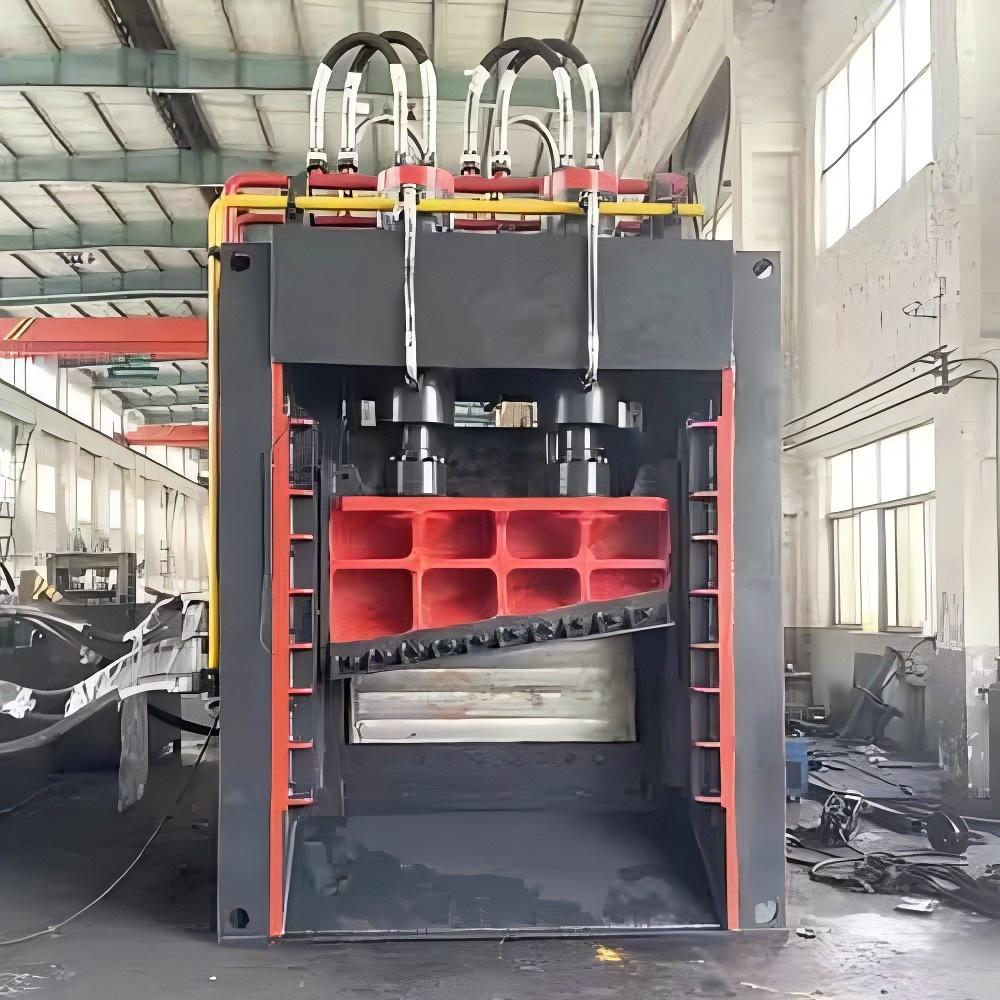
When budgeting for a gantry shear, many buyers focus solely on the sticker price, ignoring the hidden costs that can inflate the total cost of ownership. Installation is the first major hidden cost. These machines are massive and require a specialized concrete foundation designed to withstand the vibration and weight of the equipment. The cost of site preparation, including pouring a reinforced foundation, can range from $10,000 to $50,000 depending on soil conditions and local regulations.
Electrical infrastructure upgrades are another frequently overlooked expense. High-capacity gantry shears require significant power, often necessitating a dedicated transformer or an upgrade to your facility’s electrical panel. Additionally, the cost of cabling, switchgear, and professional electrical installation must be factored into your budget. Failing to account for these requirements can lead to significant delays during the commissioning phase.
Maintenance and spare parts represent ongoing hidden costs. A gantry shear is a high-stress machine. You will need to budget for regular hydraulic fluid changes, filter replacements, and blade sharpening services. It is advisable to keep a stock of critical spare parts, such as seals, sensors, and backup blades, on-site to minimize downtime. These parts can represent a significant annual expenditure, especially as the machine ages.
Training and labor costs should also be considered. Operating a high-capacity gantry shear requires skilled personnel. You may need to invest in professional training for your operators to ensure they understand the machine’s capabilities, safety protocols, and basic troubleshooting. Furthermore, the cost of insurance premiums may increase due to the addition of heavy machinery to your facility, which is a recurring annual expense that must be included in your financial planning.
ROI Calculation
Calculating the ROI for a gantry shear involves looking at both direct and indirect savings. The primary direct saving comes from the increased density of the processed scrap. In the recycling industry, shipping costs are often based on volume. By using a gantry shear to cut and compress scrap into dense, uniform bundles, you can fit significantly more weight into a single shipping container or truck, drastically reducing your logistics costs per ton.
Labor efficiency is another major ROI driver. A manual cutting process using torches is slow, labor-intensive, and poses significant safety risks. A gantry shear can process the same amount of material in a fraction of the time with a single operator. By calculating the cost of labor hours saved per ton of processed steel, you can quickly determine how long it will take for the machine to pay for itself through labor savings alone.
Increased scrap value is a third factor. Many scrap yards pay a premium for “prepared” scrap that meets specific size and density requirements. By using a gantry shear, you can transform low-value, bulky scrap into high-value, furnace-ready material. The price differential between unprepared and prepared scrap can be substantial, providing a clear path to profitability for your investment.
Finally, consider the reduction in downtime and maintenance costs compared to older, less efficient equipment. A modern, well-maintained gantry shear from a reputable manufacturer like HARSLE will have fewer breakdowns and higher uptime. When you combine the logistics savings, labor efficiency, increased scrap value, and reduced downtime, the ROI for a gantry shear is often achieved within 24 to 36 months, depending on the volume of material processed.
Buying Advice
When you are ready to purchase, start by conducting a thorough audit of your material stream. What is the maximum thickness, width, and length of the steel you process? What is the daily tonnage? Answering these questions will help you define the exact specifications required. Do not be tempted to buy a machine that is “too big” just in case; focus on the requirements of your current and projected workload for the next five years.
Always request a demonstration or visit a facility that is currently using the model you are considering. Seeing the machine in action allows you to evaluate its build quality, noise levels, and ease of operation. Ask the current owner about their experience with the manufacturer’s support, the availability of spare parts, and the frequency of maintenance. This real-world feedback is invaluable and often more reliable than marketing materials.
Evaluate the manufacturer’s after-sales support. A gantry shear is a long-term investment, and you need a partner who will support you throughout the machine’s lifecycle. Inquire about the availability of remote diagnostic support, the response time for on-site service technicians, and the ease of ordering spare parts. A manufacturer with a strong local presence or a robust global support network is always preferable.
Finally, negotiate the terms of the purchase carefully. Ensure that the quote includes shipping, installation, and comprehensive operator training. Ask for a detailed warranty that covers not just the machine, but also the critical hydraulic and electronic components. By taking a methodical approach to the purchase process, you can ensure that you get the best value for your investment and a machine that will serve your plant for many years to come.
Часто задаваемые вопросы
What is the typical lifespan of a gantry shear?
With proper maintenance, a high-quality gantry shear can last between 15 and 25 years. The lifespan is heavily dependent on the intensity of use and the quality of the maintenance program.
How often do the blades need to be sharpened?
Blade sharpening frequency depends on the type of material being cut and the volume. Generally, blades should be inspected weekly and sharpened or replaced every few months in a high-volume environment.
Can a gantry shear be used for non-ferrous metals?
Yes, gantry shears are highly effective for processing non-ferrous metals like aluminum and copper, provided the machine is configured with the correct blade clearance and shearing force.
What kind of foundation is required?
A reinforced concrete foundation is mandatory. The specific depth and reinforcement requirements will be provided by the manufacturer based on the weight and dynamic forces of the specific model you purchase.
Is remote monitoring available?
Yes, many modern HARSLE gantry shears come equipped with IoT capabilities that allow for remote monitoring of machine health, production data, and diagnostic alerts, which helps in proactive maintenance.