Container Shear Machine Prices By Capacity, Power, And Cutting Force: A Comprehensive Buyer’s Guide

Price Range Overview
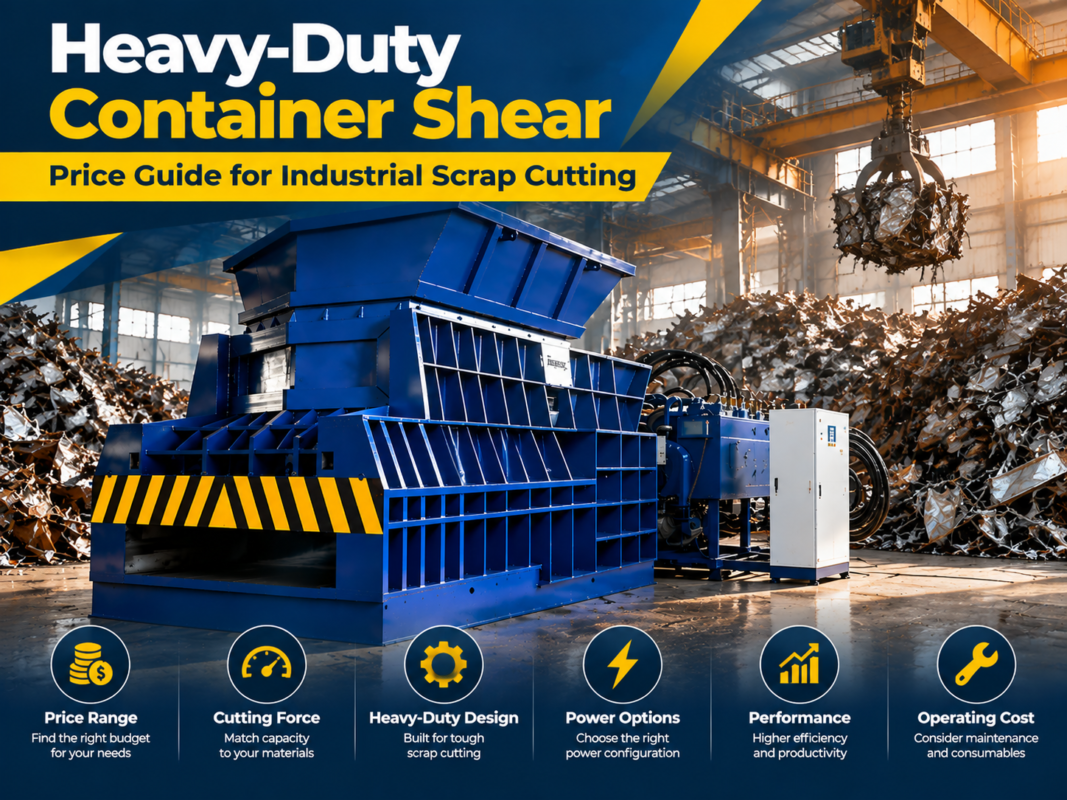
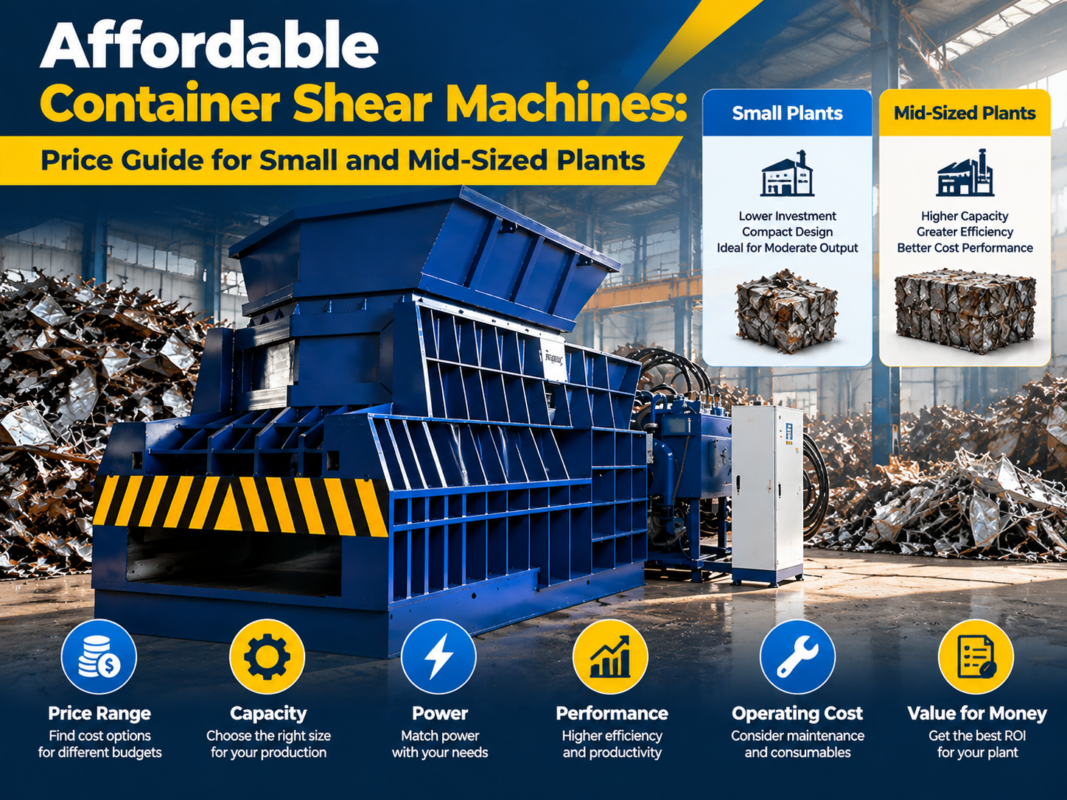
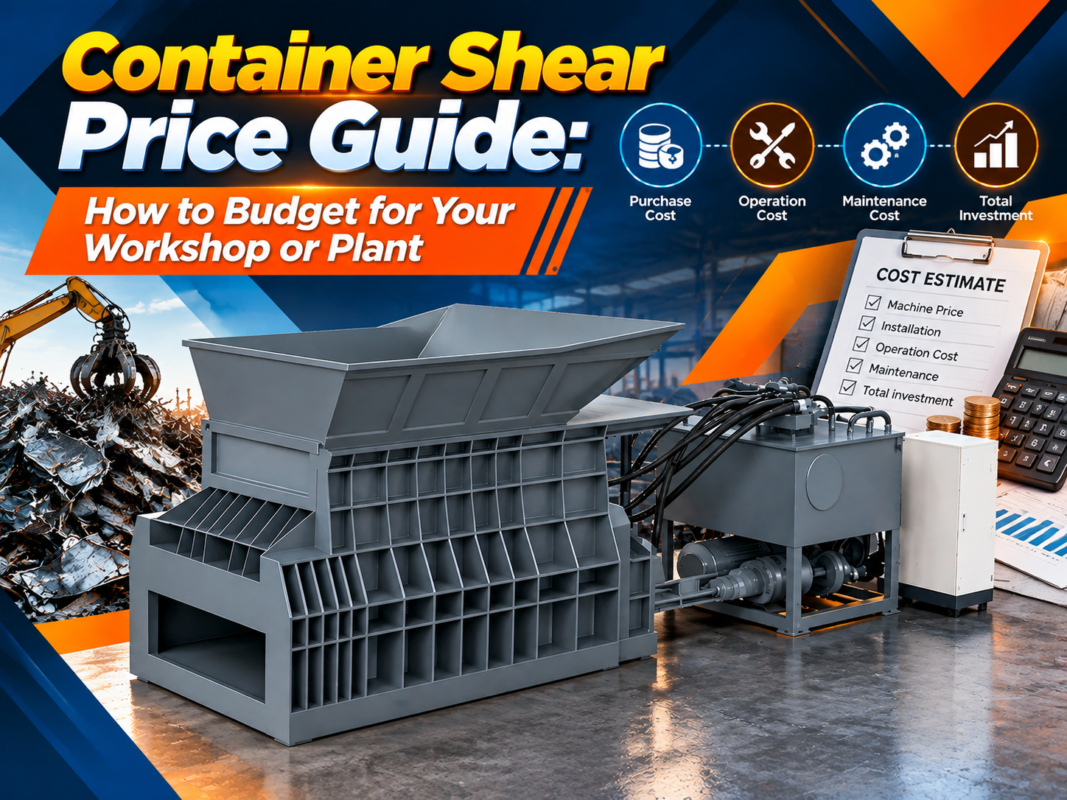
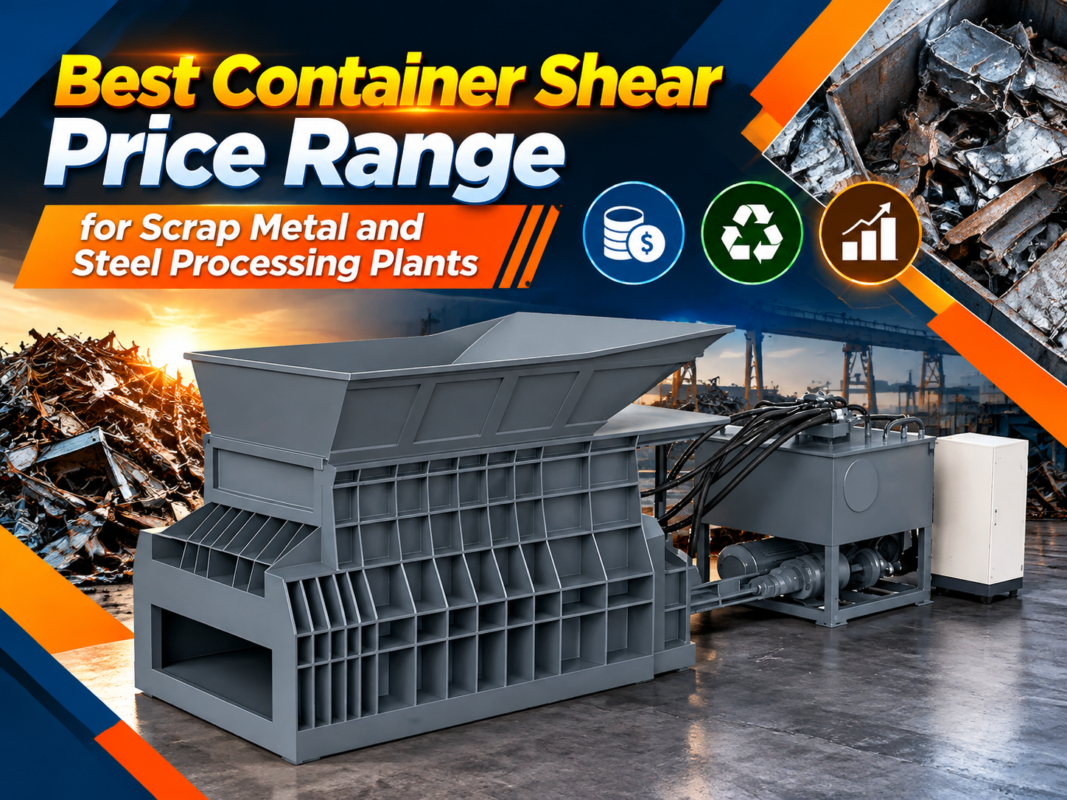
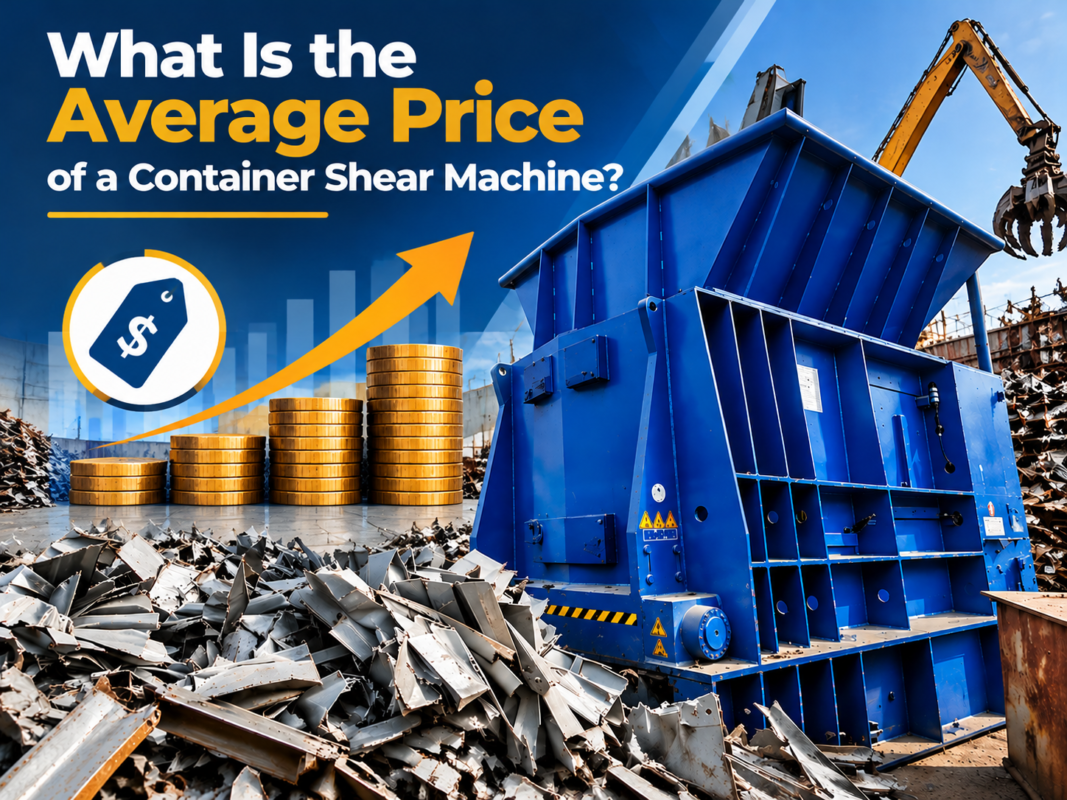
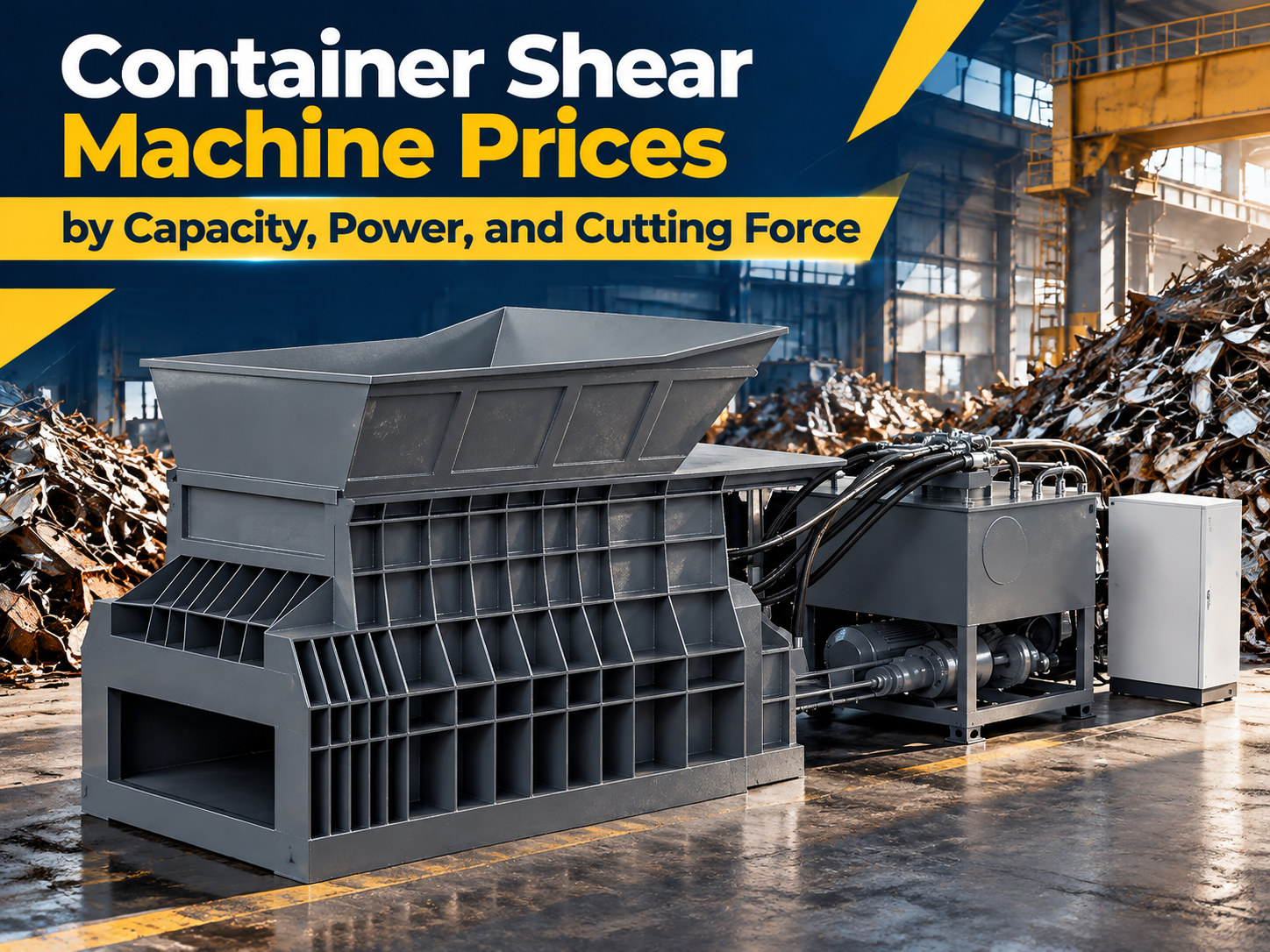
Investing in a container shear is a significant capital expenditure for any scrap metal processing facility. Understanding container shear machine prices by capacity, power, and cutting force is essential for making an informed procurement decision. Generally, entry-level container shears designed for light-gauge scrap start in the range of $80,000 to $120,000. These machines are typically suited for smaller recycling yards or facilities with lower throughput requirements.
As you move into mid-range industrial models, which offer higher cutting forces and more robust structural integrity, prices typically climb to between $150,000 and $300,000. These units are the workhorses of the industry, capable of processing mixed scrap, structural steel, and automotive components with consistent reliability. The price variation in this segment is largely driven by the automation level and the specific hydraulic system efficiency.
For high-capacity, heavy-duty container shears designed for continuous, 24/7 operation in large-scale scrap yards, the investment can exceed $500,000. These machines feature massive cutting forces, advanced PLC control systems, and reinforced shear heads designed to handle thick-walled steel and heavy industrial beams. When evaluating these price points, it is critical to look beyond the initial purchase price and consider the total cost of ownership over the machine’s lifecycle.
Market volatility in steel prices and hydraulic component costs often influences these ranges. HARSLE provides competitive pricing by leveraging streamlined manufacturing processes and high-quality global sourcing. Buyers should always request a customized quote based on their specific material density and daily tonnage requirements, as off-the-shelf pricing rarely accounts for the unique operational needs of a modern recycling plant.
Main Cost Drivers
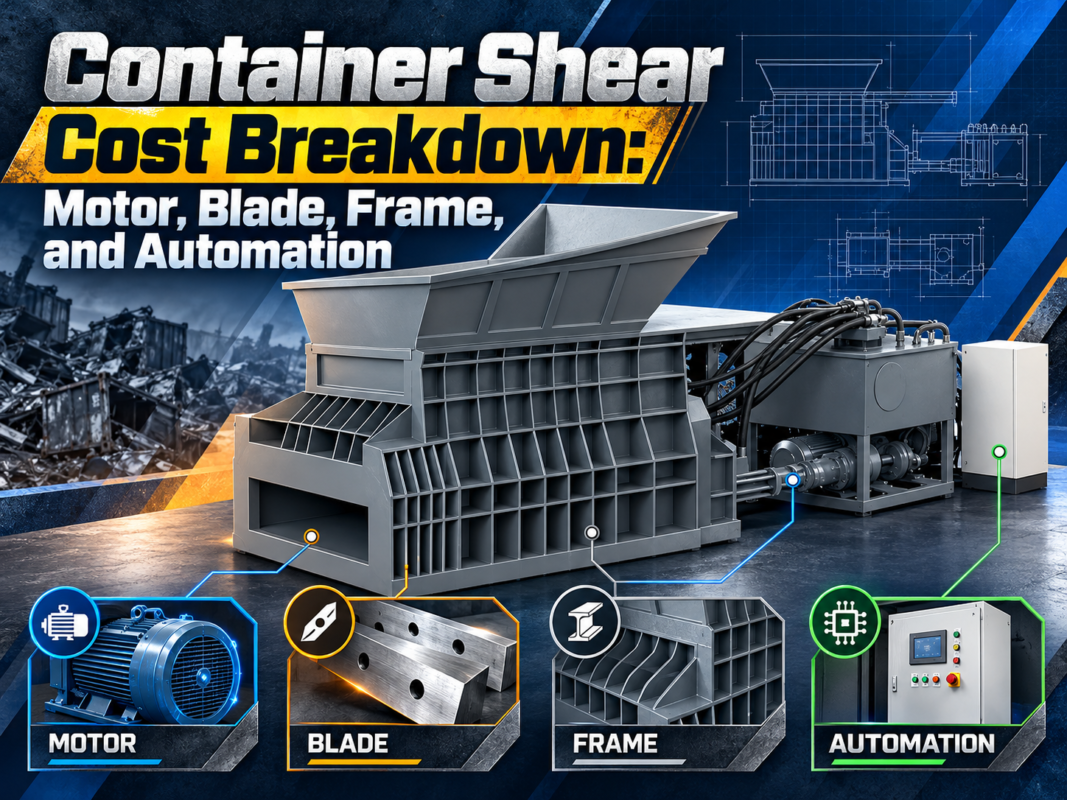
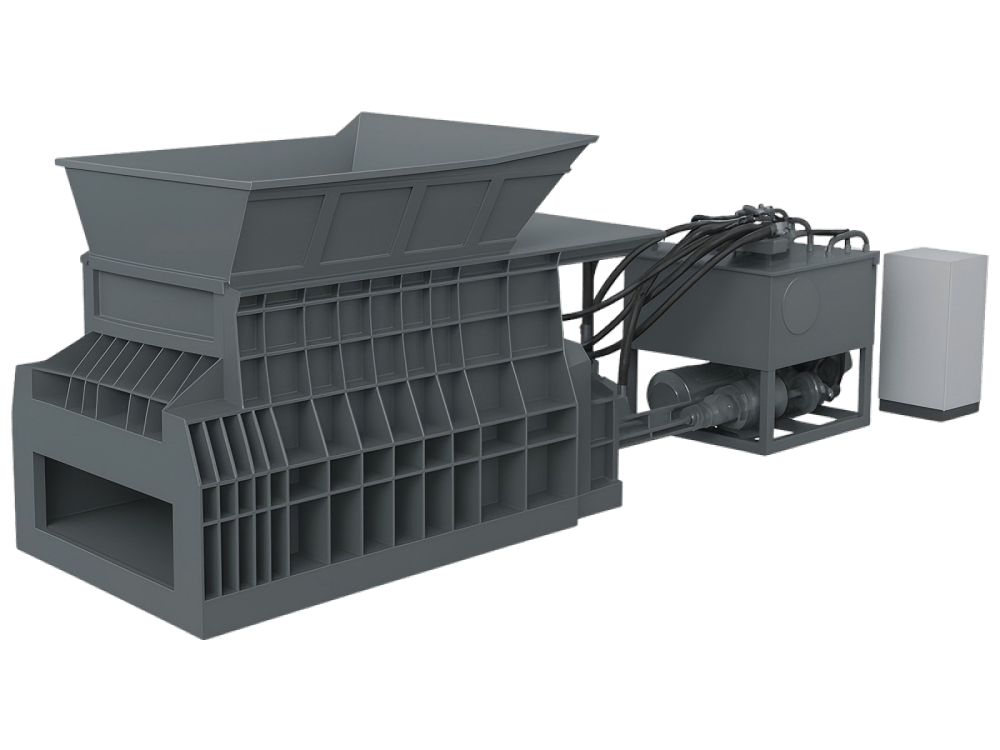
The primary driver of container shear machine prices by capacity, power, and cutting force is the shear force rating. Cutting force is measured in tons, and it dictates the thickness and hardness of the material the machine can process. A machine with a 600-ton cutting force will naturally command a higher price than a 400-ton model due to the increased steel thickness required in the frame and the larger hydraulic cylinders needed to generate that force.
Power consumption and motor specifications also play a pivotal role in the final cost. High-performance shears require powerful electric motors or diesel engines to drive the hydraulic pumps. The integration of energy-efficient variable frequency drives (VFDs) or advanced hydraulic load-sensing systems adds to the initial cost but significantly reduces long-term operational expenses. Buyers must balance the upfront cost of high-efficiency power systems against the projected energy savings over the machine’s lifespan.
Structural engineering and material quality are non-negotiable cost factors. A container shear is subjected to immense stress during every cycle. Manufacturers use high-tensile wear-resistant steel plates (such as Hardox or equivalent) for the shear blades and the internal lining of the cutting chamber. The quality of these materials directly impacts the machine’s longevity and maintenance frequency, making them a primary differentiator between budget-friendly and premium-grade equipment.
Automation and control systems represent the final major cost driver. Modern container shears are equipped with sophisticated PLC (Programmable Logic Controller) systems that manage the feeding, cutting, and discharging processes. Features like remote diagnostics, automated lubrication systems, and touch-screen interfaces increase the price but provide invaluable data on machine health and throughput, which are essential for optimizing industrial operations.
Configuration Impact
The configuration of the container shear significantly influences the price and operational efficiency. A standard container shear is designed for portability and ease of installation, but custom configurations can be added to meet specific site requirements. For instance, adding an extended feed hopper or a specialized pre-compression lid can increase the machine’s throughput by 20-30%, though these additions will naturally increase the total investment cost.
Hydraulic system configuration is another critical area. Some models utilize a single-stage hydraulic system, while more advanced versions use multi-stage systems that allow for faster cycle times during the approach phase and higher force during the actual cutting phase. This optimization requires more complex valve blocks and pump arrangements, which increases the manufacturing cost but provides a superior return on investment through increased production rates.
The discharge mechanism also impacts the price. A basic gravity discharge is the most cost-effective, but many facilities require conveyor systems or specialized chutes to move processed scrap directly into containers or onto sorting lines. Integrating these material handling systems requires additional engineering, structural support, and motor drives, all of which contribute to the final price tag of the container shear installation.
Finally, environmental and safety configurations are increasingly important. Noise reduction enclosures, dust suppression systems, and advanced safety light curtains are often optional add-ons. While these features increase the initial cost, they are essential for compliance with local environmental regulations and for creating a safer working environment for operators, which can prevent costly downtime and legal liabilities.
Hidden Costs
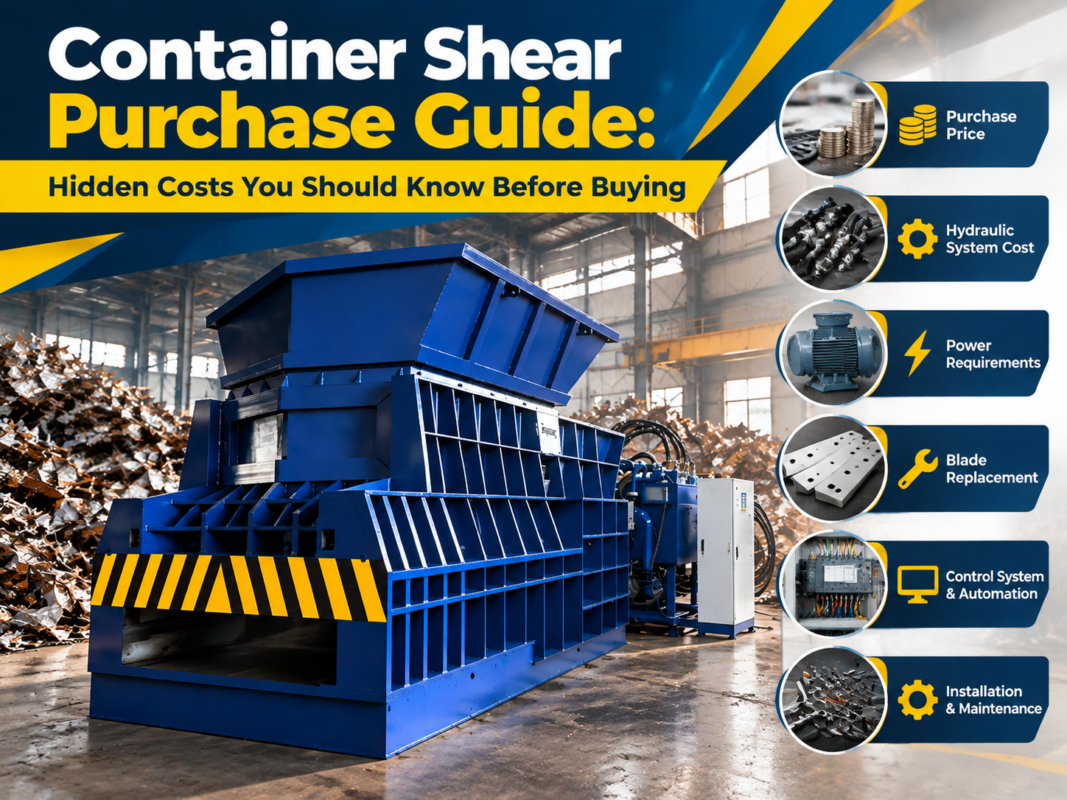
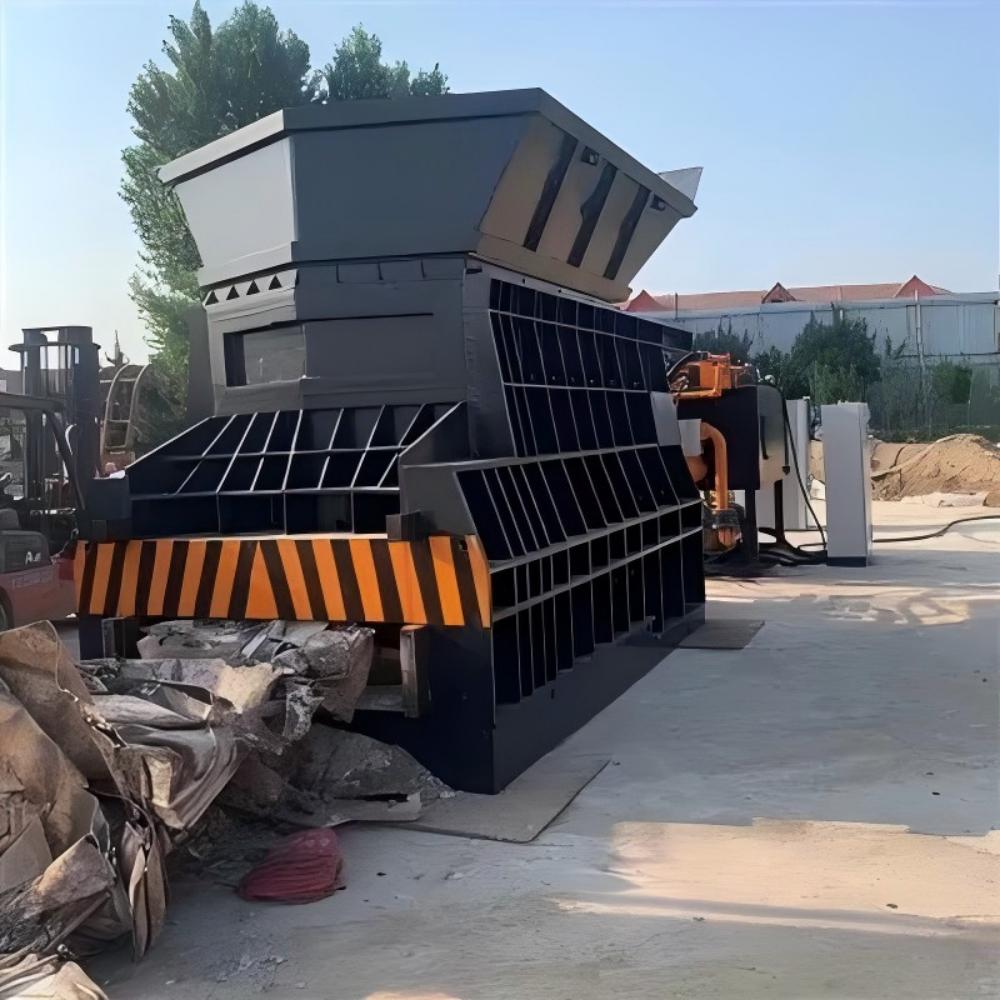
When budgeting for a container shear, many buyers overlook the hidden costs associated with installation and commissioning. Site preparation is a major factor; these machines are extremely heavy and require a reinforced concrete foundation to handle the dynamic loads and vibrations generated during the cutting process. The cost of excavating, pouring, and curing this foundation can be substantial and should be factored into the total project budget.
Logistics and transportation costs are often underestimated, especially for international shipments. Because container shears are large and heavy, they often require specialized flat-rack shipping or heavy-haul trucking. Additionally, the need for cranes and rigging services to offload and position the machine at your facility must be accounted for. These services can add thousands of dollars to the final installation cost.
Maintenance and spare parts inventory represent ongoing hidden costs. A container shear is a high-wear machine. Blades, hydraulic seals, filters, and wear plates will eventually need replacement. It is advisable to purchase a comprehensive spare parts kit along with the machine to minimize downtime. Furthermore, training your staff to operate and maintain the machine correctly is an investment that prevents premature wear and costly repairs.
Finally, consider the cost of utility upgrades. If your facility does not have the required electrical capacity to support the high-amperage motors of a large container shear, you may need to invest in transformer upgrades or electrical panel modifications. Similarly, if you are using a diesel-powered unit, the cost of fuel storage and environmental containment for fuel spills must be considered as part of the total operational cost structure.
ROI Calculation
Calculating the Return on Investment (ROI) for a container shear involves analyzing the increase in scrap density and the reduction in transportation costs. By shearing scrap into smaller, denser pieces, you can load significantly more weight into a standard shipping container or truck. This directly reduces the cost per ton for transporting your scrap to the end-user or smelter, which is often the largest expense in the recycling business.
Another factor in the ROI calculation is the value-add of the processed scrap. High-quality, sheared scrap is generally more desirable to steel mills and foundries than loose, bulky scrap. Many buyers are willing to pay a premium for processed material that is ready for the furnace. By upgrading your scrap quality, you can command higher market prices, which accelerates the payback period for your machine investment.
Operational efficiency gains also contribute to ROI. A modern container shear with automated controls can process material much faster than manual sorting or older, less efficient equipment. This increase in throughput allows your facility to handle more volume without necessarily increasing your labor force. When calculating ROI, compare the labor cost per ton before and after the installation of the new shear.
Finally, consider the reduction in maintenance and downtime costs. While a new machine requires an upfront investment, it is far more reliable than an aging, high-maintenance unit. By reducing the frequency of breakdowns and the cost of emergency repairs, you improve the overall profitability of your operation. A well-maintained HARSLE container shear can provide a stable, predictable production environment for many years, ensuring a solid long-term ROI.
Buying Advice
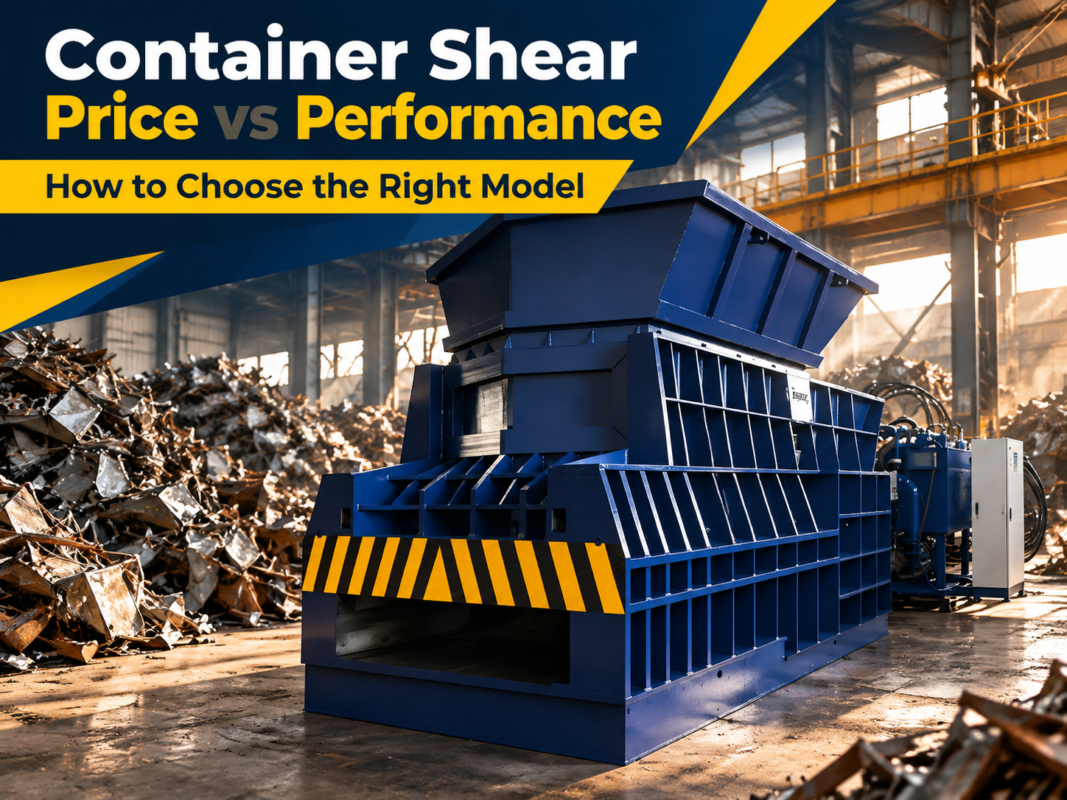
When searching for the right container shear, start by defining your material profile. Are you processing light automotive scrap, heavy structural beams, or a mix of both? The type of material dictates the required cutting force and the size of the shear opening. Do not over-specify your machine; buying a 1000-ton shear for light scrap is an inefficient use of capital, but buying an underpowered machine will lead to constant jams and mechanical failures.
Always request a demonstration or visit a facility where a similar model is in operation. Seeing the machine in action allows you to evaluate its cycle time, noise levels, and ease of operation. Ask the manufacturer for references from other customers in your industry. Speaking with current users provides unbiased insights into the machine’s reliability and the quality of the manufacturer’s after-sales support.
Evaluate the manufacturer’s service network. A container shear is a critical piece of equipment; if it goes down, your entire production line may stop. Ensure that the supplier has a local presence or a robust remote support system. Availability of spare parts is equally important. A machine that is waiting for a part to be shipped from halfway across the world is a liability, not an asset.
Finally, prioritize safety and compliance. Ensure that the machine meets all relevant international safety standards, such as CE certification. A machine that is not compliant can be a major liability and may be prohibited from operation in certain jurisdictions. By following these guidelines and focusing on the total value rather than just the lowest price, you will be well-positioned to select a container shear that meets your needs for years to come.
Часто задаваемые вопросы
What is the typical lifespan of a container shear?
With proper maintenance and regular replacement of wear parts, a high-quality container shear can last 15 to 20 years or more in a standard industrial environment.
How often should shear blades be sharpened or replaced?
This depends on the volume and type of material processed. Generally, blades should be inspected weekly. High-tensile steel will wear blades faster than mild steel, requiring more frequent maintenance.
Can a container shear process non-ferrous metals?
Yes, container shears are versatile and can process non-ferrous metals like aluminum and copper, though the settings may need adjustment to optimize the cut and prevent damage to the blades.
What is the most important factor when choosing a container shear?
The most important factor is matching the machine’s cutting force and chamber size to your specific material throughput requirements. An undersized machine will lead to bottlenecks and increased maintenance costs.
Does HARSLE provide installation support?
Yes, HARSLE offers comprehensive installation guidance and on-site commissioning support to ensure your machine is set up correctly and operating at peak efficiency from day one.