Horizontal Baler Purchase Guide: Affordable Solutions for Material Compression

Price Range Overview
When embarking on a horizontal baler purchase, understanding the market price landscape is the first step toward making a fiscally responsible decision. The cost of horizontal balers varies significantly based on automation levels, throughput capacity, and the specific materials they are designed to process. Entry-level semi-automatic horizontal balers typically start in the lower price brackets, making them accessible for small to medium-sized enterprises looking to streamline their waste management without a massive capital outlay.
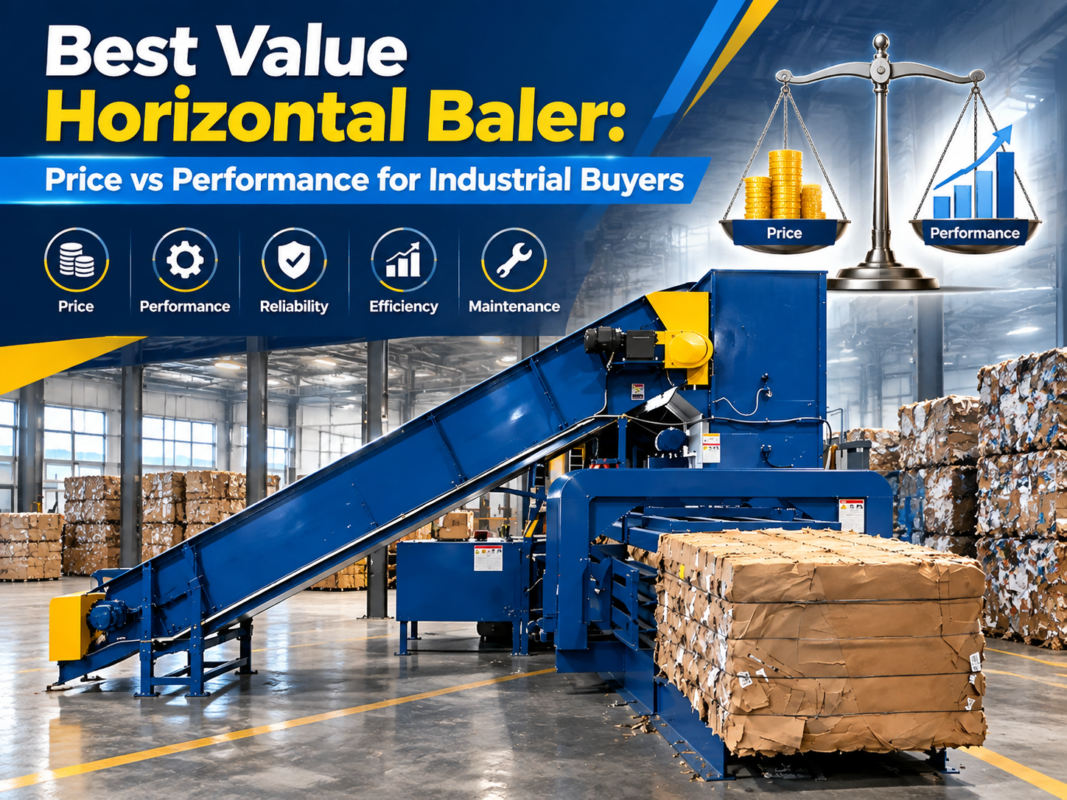
Mid-range models, which often feature enhanced hydraulic systems and faster cycle times, represent the sweet spot for many industrial facilities. These machines balance cost-efficiency with high-volume performance, providing a reliable solution for businesses that generate consistent streams of cardboard, plastic, or light metal scrap. Investing in this tier often yields the best balance between initial expenditure and long-term operational reliability.
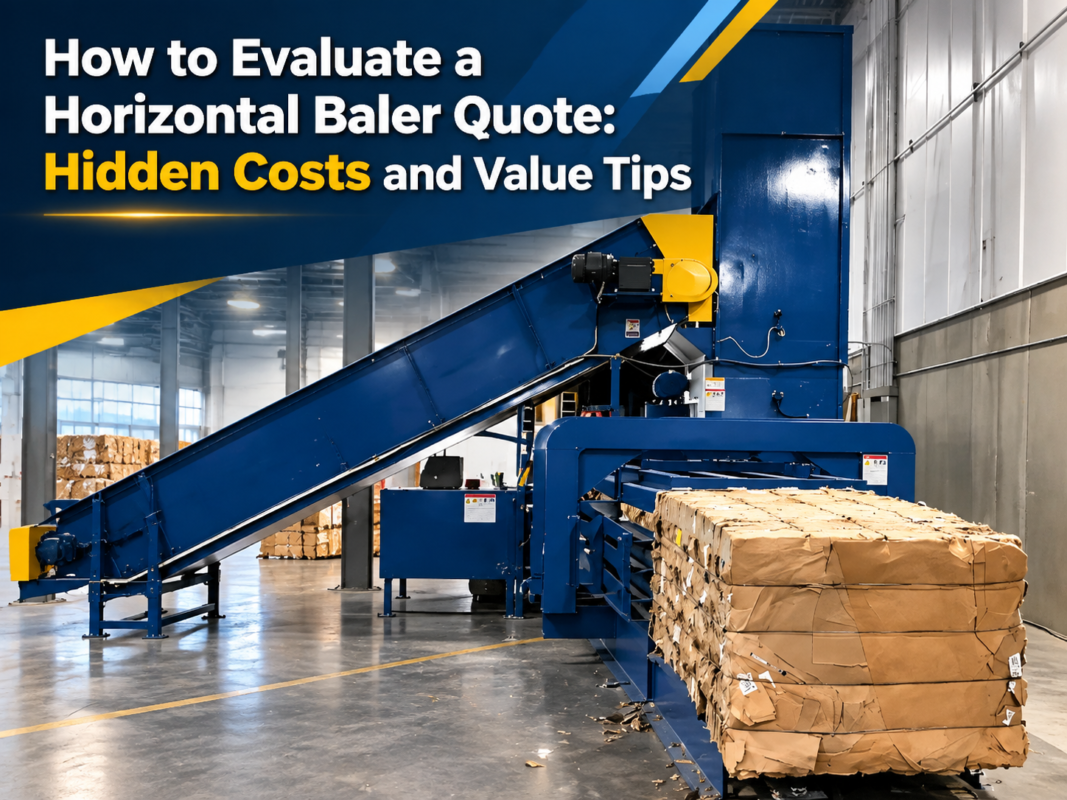
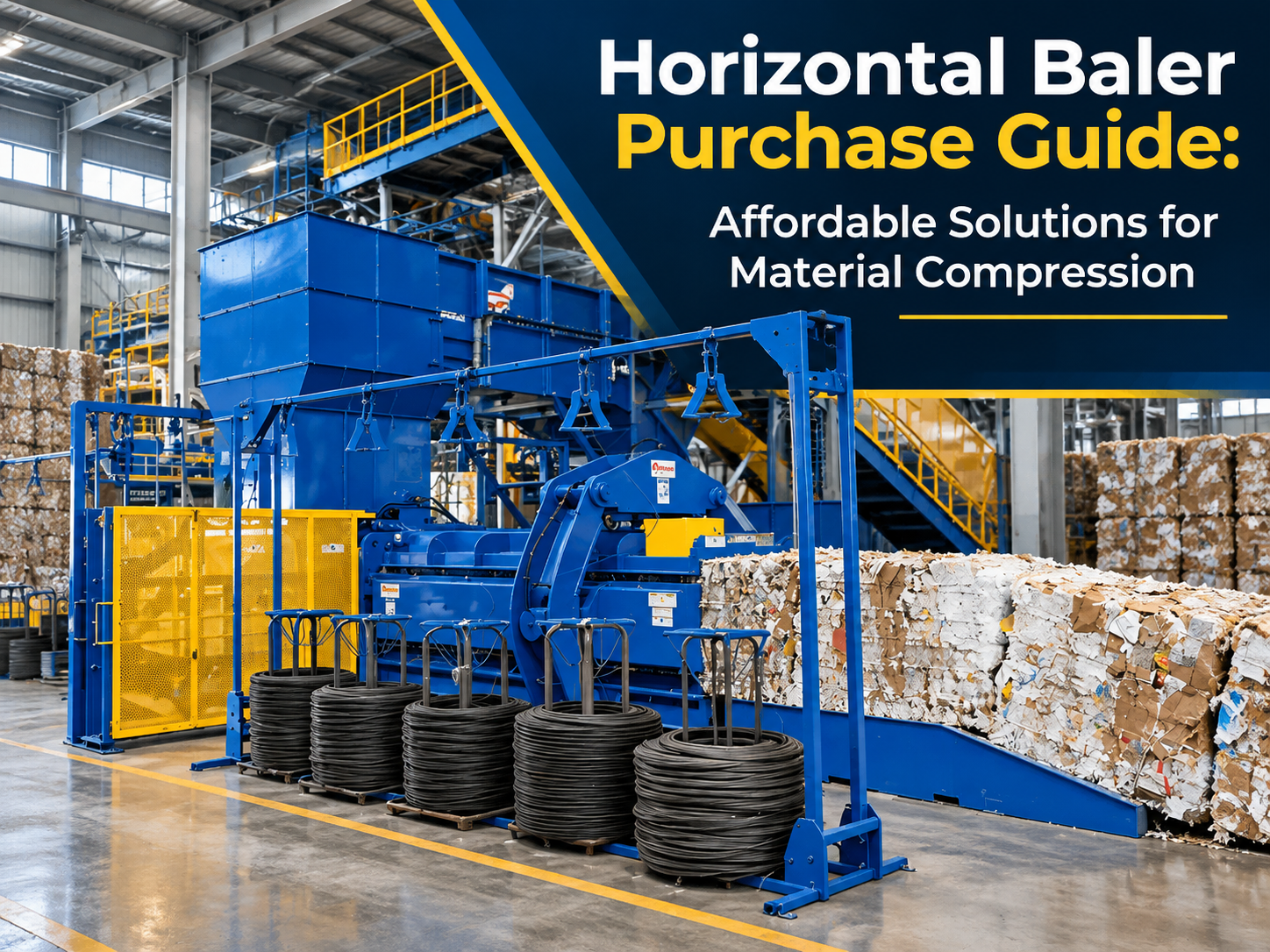
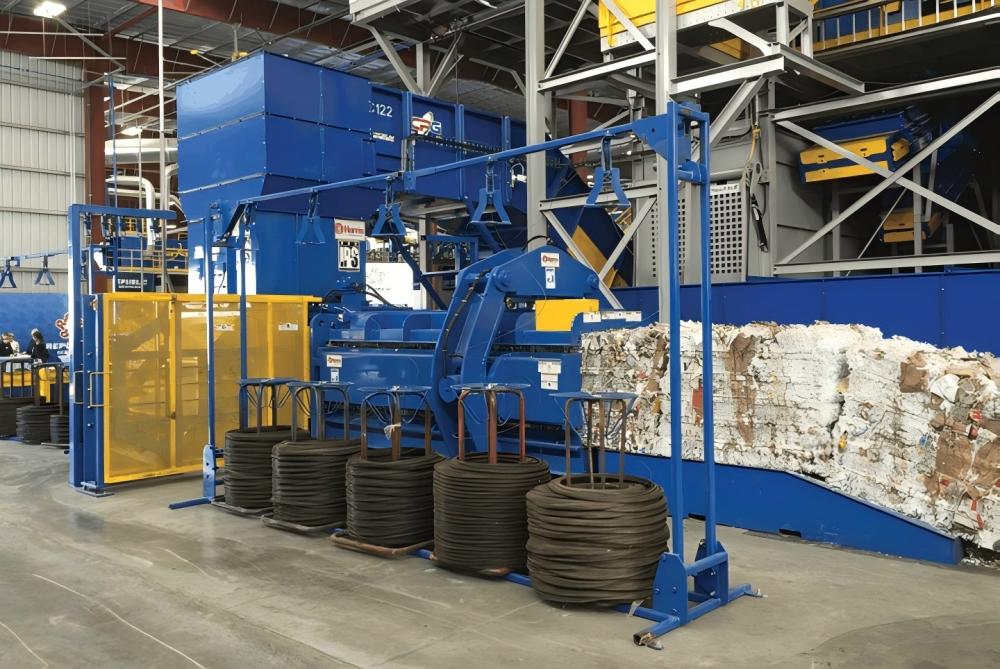
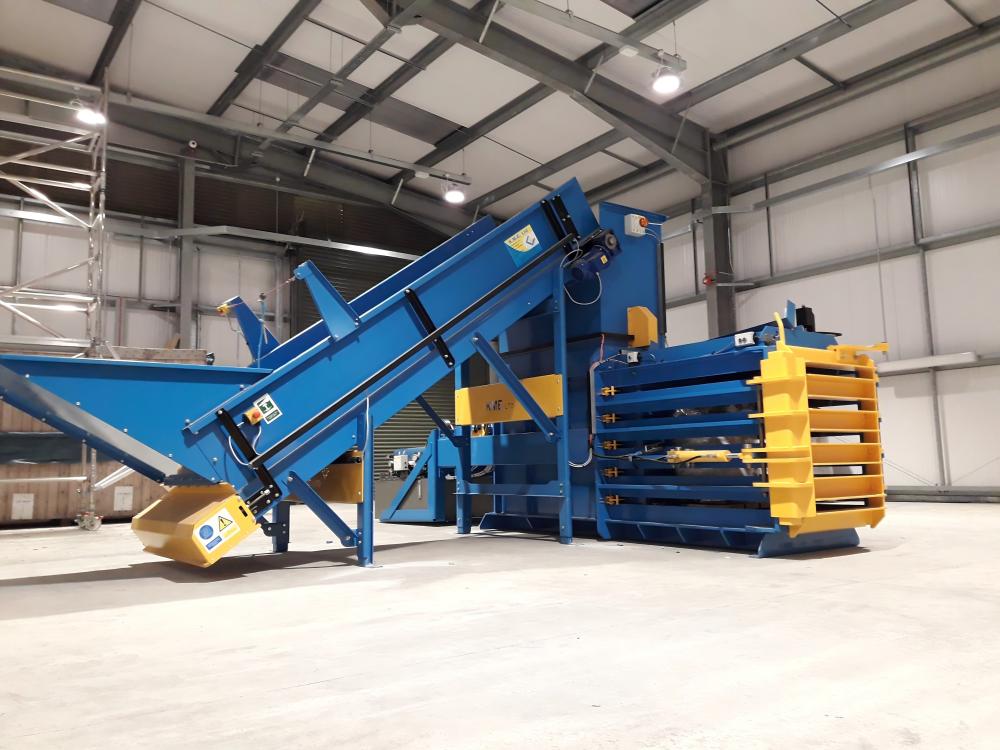
High-end, fully automatic horizontal balers occupy the premium segment of the market. These systems are engineered for continuous, heavy-duty operation, often integrating with conveyor belt systems and automated feeding mechanisms. While the upfront investment is substantially higher, the reduction in labor costs and the increased density of the resulting bales often justify the price for large-scale recycling centers and manufacturing plants.
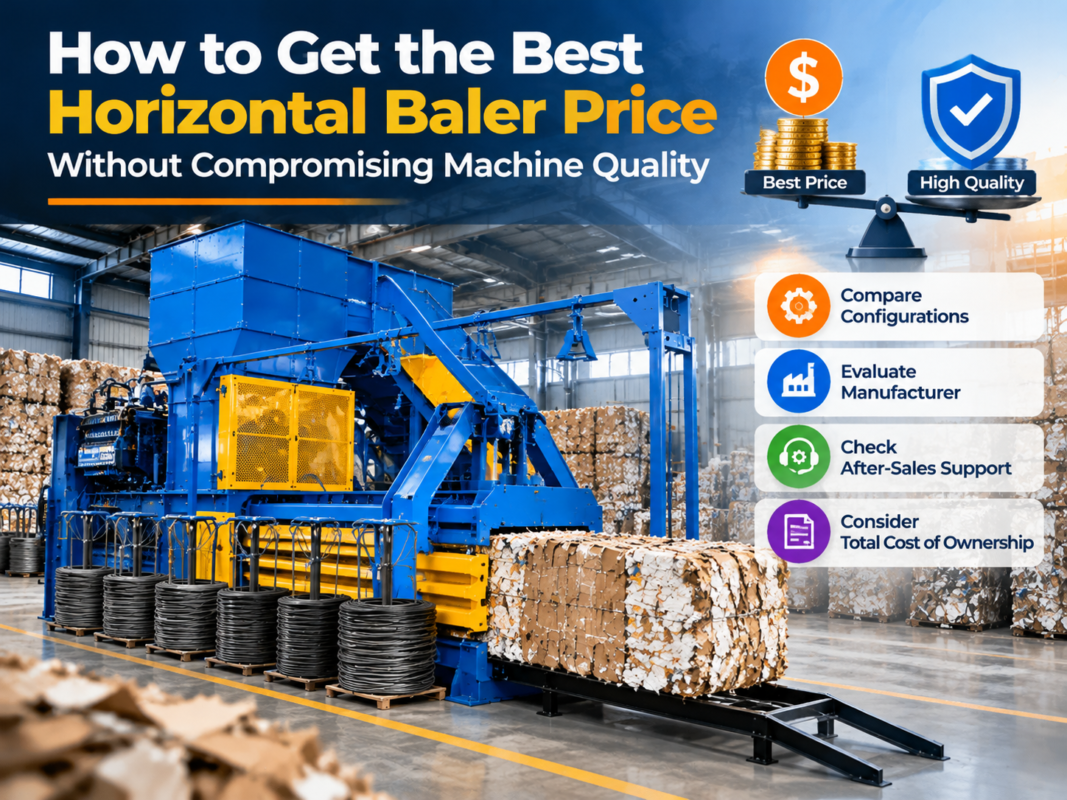
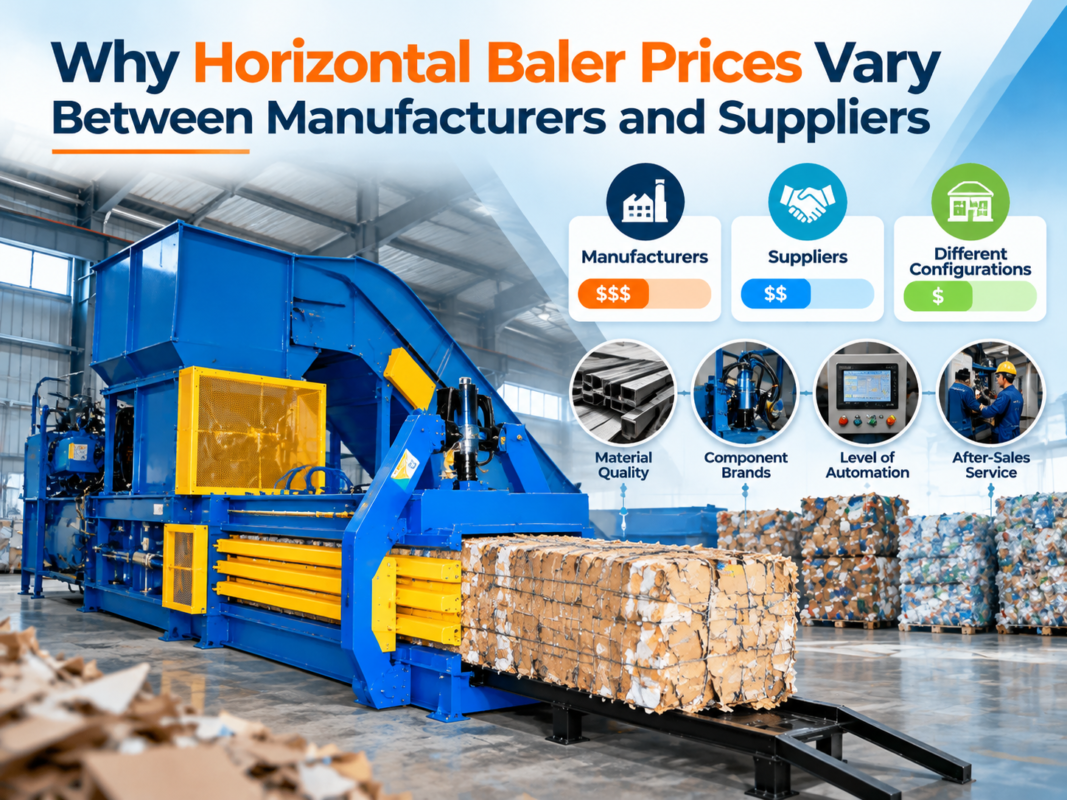
It is essential to view the price not just as a number on an invoice, but as a reflection of the machine’s engineering integrity. Cheap, low-quality imports may offer an attractive initial price tag, but they often lead to frequent downtime and expensive repairs. HARSLE emphasizes that a horizontal baler purchase should be viewed as a long-term asset that contributes to the bottom line through efficiency and material recovery.
Main Cost Drivers
Several technical factors dictate the final price of a horizontal baler. The primary driver is the hydraulic system’s power, measured in tonnage. A higher press force allows for the compression of denser, more challenging materials, but it also requires more robust structural steel, larger hydraulic cylinders, and more powerful motors, all of which drive up the manufacturing cost.
The level of automation is another critical cost driver. A manual-tie baler requires an operator to physically thread and tie the wire around the bale, which is labor-intensive but keeps the machine price lower. Conversely, an automatic-tie system uses complex mechanical arms to secure the bale, significantly increasing the machine’s complexity and cost, but drastically reducing the labor required per bale.
Throughput capacity—the amount of material a baler can process per hour—directly influences the design requirements. High-throughput machines need larger feed openings, faster hydraulic pumps, and more sophisticated control systems (PLCs) to manage the flow of material. These components are engineered for durability under high-stress conditions, which naturally commands a higher market price.
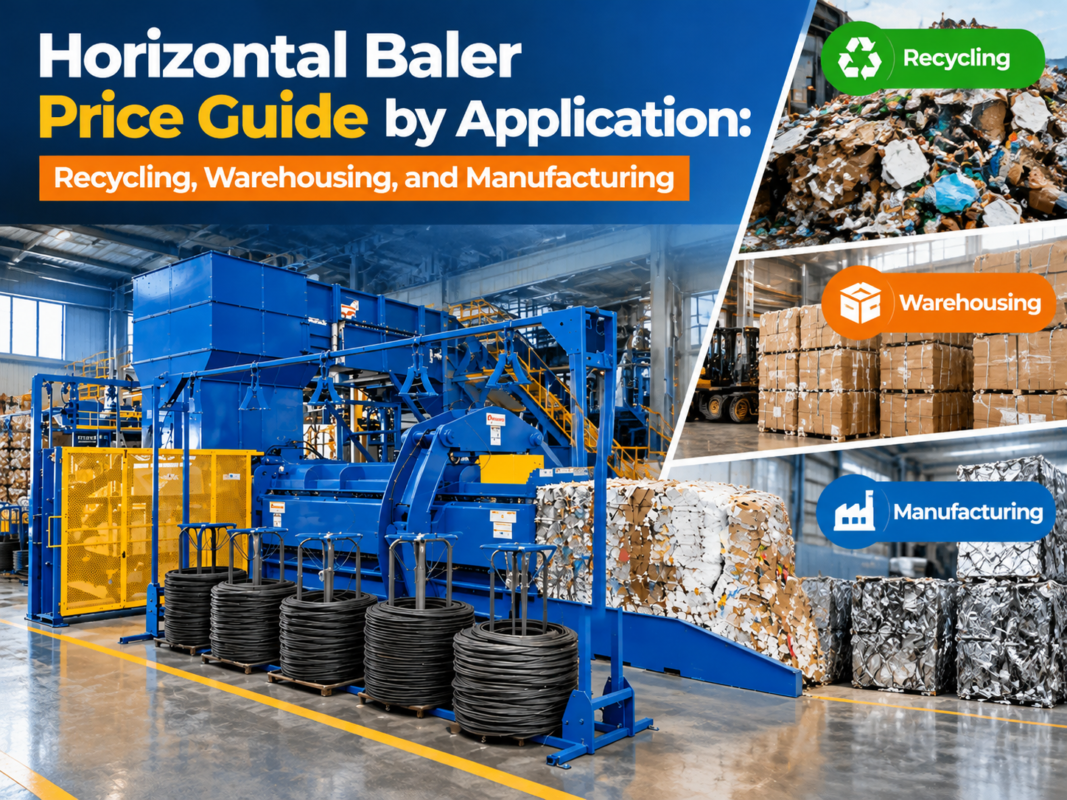
Material compatibility also plays a role in pricing. A baler designed specifically for light cardboard will be significantly cheaper than one engineered to handle heavy-gauge aluminum or steel scrap. The latter requires reinforced wear plates, heavy-duty shear blades, and specialized hydraulic seals to prevent premature failure. Choosing the right machine for your specific material stream is the most effective way to manage your horizontal baler purchase costs.
Configuration Impact
The configuration of your horizontal baler can either save you money or lead to unnecessary expenses. For instance, the choice between an open-end and a closed-end baler is fundamental. Closed-end balers are generally more affordable and suitable for lower volumes, while open-end balers are designed for continuous, high-volume production, offering better efficiency for large facilities.
Feeding systems are another major configuration consideration. A simple hopper fed by a forklift is the most cost-effective solution. However, if your facility generates a constant stream of waste, integrating a conveyor belt system can significantly increase throughput. While this adds to the initial investment, the labor savings and consistent material flow often result in a faster return on investment.
The bale size and density requirements also impact configuration. If your logistics provider requires specific bale dimensions to maximize shipping container space, you must select a baler that produces those exact dimensions. Customizing the chamber size or the bale ejection system can add to the cost, but it ensures that your operation remains compatible with your downstream logistics partners.
Finally, consider the control interface. Modern horizontal balers often come with advanced PLC systems that allow for remote monitoring, diagnostic alerts, and energy-saving modes. While these features increase the upfront cost, they provide invaluable data that can help optimize machine performance and prevent costly breakdowns. Selecting the right configuration is about matching the machine’s capabilities to your specific operational needs.
Hidden Costs
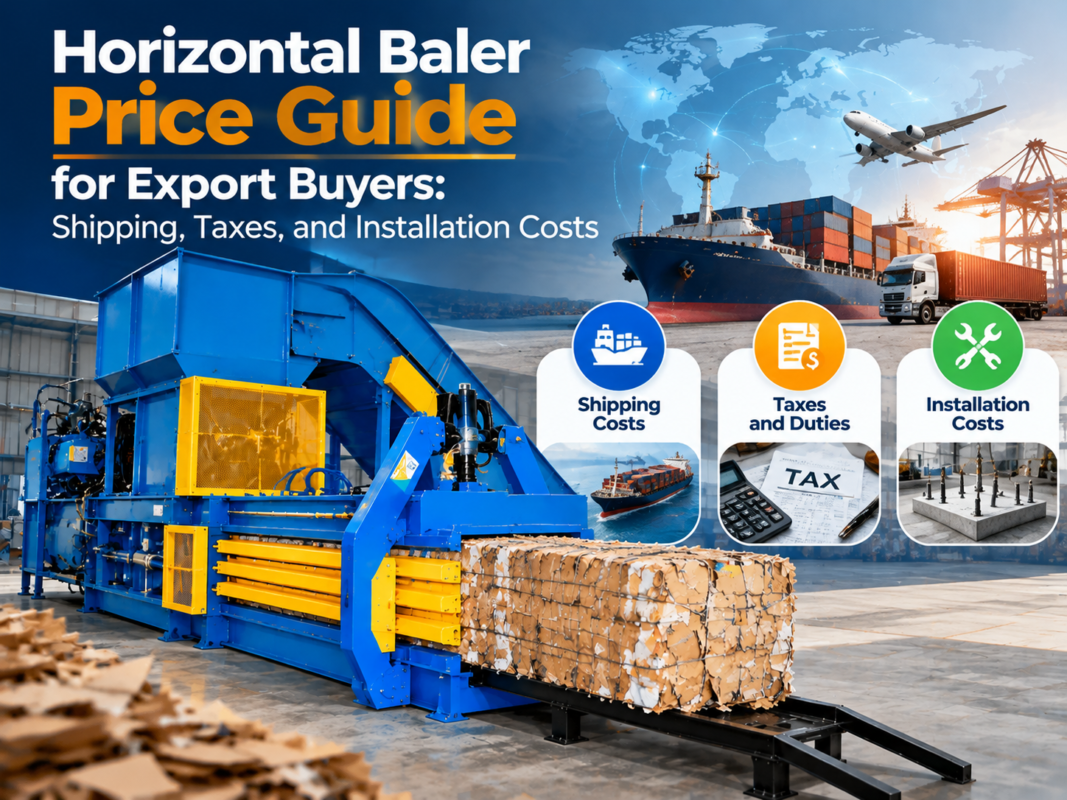
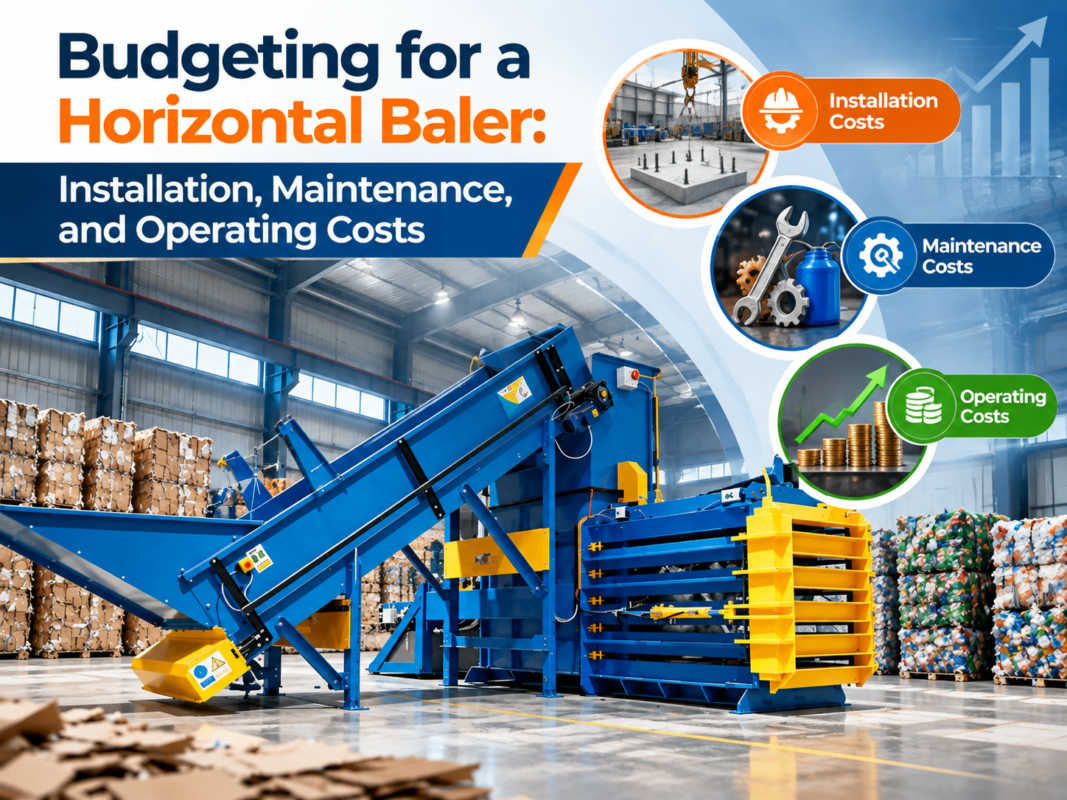
When planning your horizontal baler purchase, it is vital to account for costs beyond the sticker price. Installation is a significant factor; horizontal balers are heavy, industrial machines that often require professional rigging, specialized electrical connections, and sometimes even concrete foundation work to ensure stability during operation.
Maintenance and consumables represent ongoing costs that must be factored into your budget. Hydraulic oil, replacement shear blades, wire for tying, and electrical components will all require periodic attention. Choosing a machine with easily accessible parts and a reputable service network can help mitigate these costs over the machine’s lifespan.
Energy consumption is another often-overlooked cost. Older or poorly designed balers can be inefficient, leading to high electricity bills. Modern balers with variable frequency drives (VFDs) and energy-efficient motors can significantly reduce operational costs over time. It is worth calculating the total cost of ownership, including energy usage, rather than just focusing on the purchase price.
Training and safety compliance are also essential. Your staff must be properly trained to operate the machine safely and efficiently. Additionally, you may need to invest in safety equipment, such as light curtains or perimeter fencing, to comply with local industrial safety regulations. Ignoring these hidden costs can lead to budget overruns and operational liabilities.
ROI Calculation
Calculating the Return on Investment (ROI) for a horizontal baler involves looking at both direct and indirect savings. Direct savings come from reduced waste disposal fees. By compressing your waste into dense, uniform bales, you can significantly reduce the number of dumpster pickups required, as you are paying to transport material rather than air.
Another major source of ROI is the potential revenue from selling baled recyclables. Baled cardboard, plastic, and metal scrap are commodities. By producing high-density, clean bales, you can command a higher price from recycling centers compared to loose or poorly baled material. This transforms your waste stream from a cost center into a potential revenue stream.
Labor savings are perhaps the most significant, though sometimes the hardest to quantify. A well-configured horizontal baler can reduce the time employees spend handling waste by hours each day. This allows your team to focus on core production tasks, increasing overall facility productivity. When calculating ROI, be sure to factor in the hourly wage of the employees who would otherwise be managing the waste manually.
Finally, consider the space-saving benefits. A horizontal baler frees up valuable floor space that was previously occupied by loose waste. In a manufacturing environment, floor space is expensive; reclaiming it can allow for the installation of additional production equipment or improved workflow, providing an indirect but substantial boost to your facility’s profitability.
Buying Advice
Before finalizing your horizontal baler purchase, conduct a thorough audit of your waste stream. Determine the volume of material generated daily, the types of materials, and the required bale density. This data is the foundation of your decision-making process and will prevent you from buying a machine that is either underpowered or unnecessarily expensive.
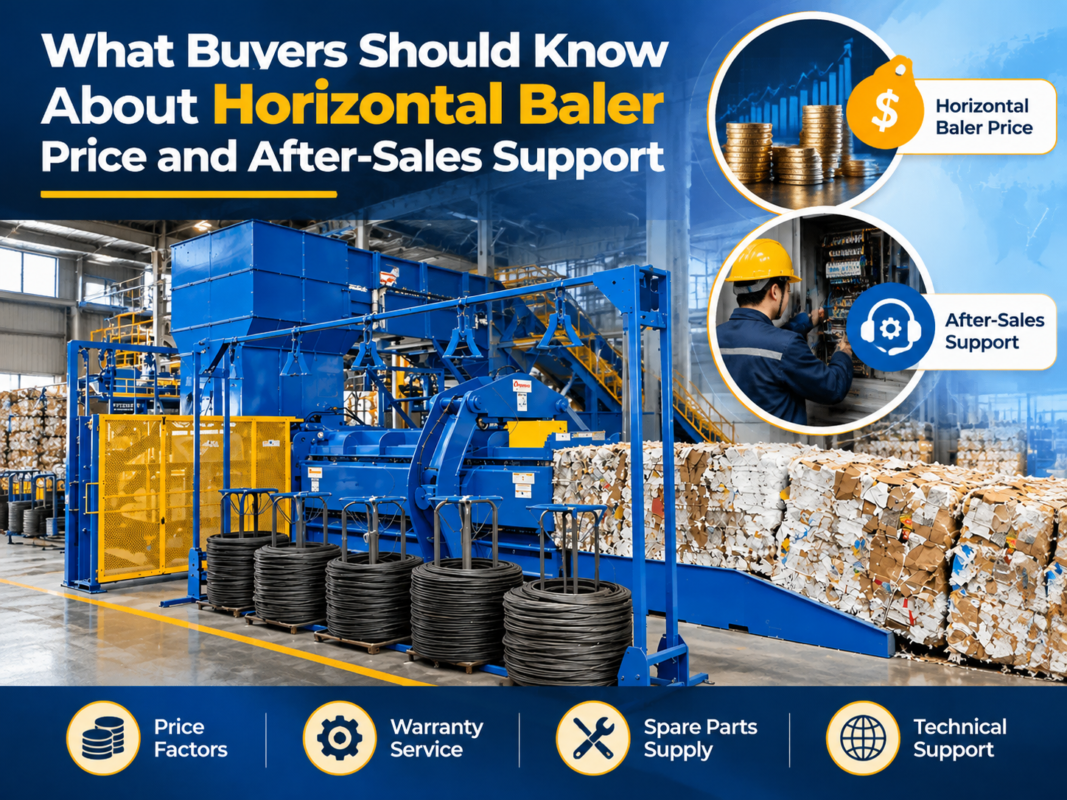
Always prioritize reliability and support. A horizontal baler is a critical piece of infrastructure; if it goes down, your waste management process stops. Research the manufacturer’s reputation, the availability of spare parts, and the quality of their technical support. HARSLE, for example, provides comprehensive documentation and support to ensure that your investment remains productive for years.
Request references and case studies from the manufacturer. Speaking with other businesses that use the same model can provide invaluable insights into real-world performance, maintenance requirements, and overall satisfaction. Don’t hesitate to ask about common issues and how the manufacturer handles service requests.
Finally, consider the long-term scalability of your operation. If you anticipate growth, it might be wise to invest in a machine with slightly more capacity than you currently need. While this increases the initial cost, it prevents the need for a costly upgrade in the near future. A strategic horizontal baler purchase is one that aligns with your company’s growth trajectory and long-term operational goals.
Часто задаваемые вопросы
- What is the typical lifespan of a horizontal baler? With proper maintenance, a high-quality horizontal baler can last 10 to 20 years or more.
- How much space do I need for a horizontal baler? Space requirements vary by model, but you must account for the machine footprint, the feeding area, and space for the operator and bale removal.
- Can one baler handle multiple types of materials? Yes, many horizontal balers are versatile, but you must ensure the hydraulic pressure and shear force are appropriate for the toughest material you intend to process.
- Is it better to buy new or used? New machines offer warranties, the latest technology, and reliability. Used machines can be cheaper but carry the risk of hidden mechanical issues and lack of manufacturer support.
- How often does a horizontal baler need maintenance? Routine maintenance should be performed according to the manufacturer’s schedule, typically involving hydraulic system checks, lubrication, and blade inspections.