Top Factors That Influence Horizontal Baler Machine Prices In Industrial Applications

Price Range Overview
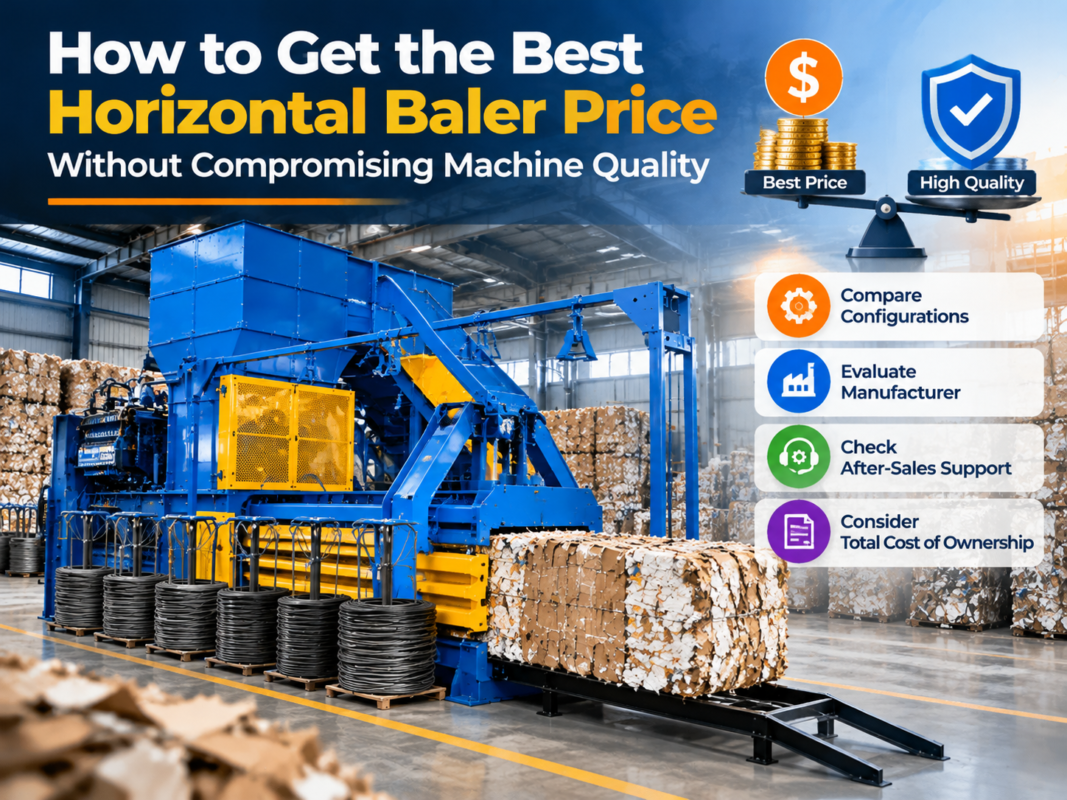
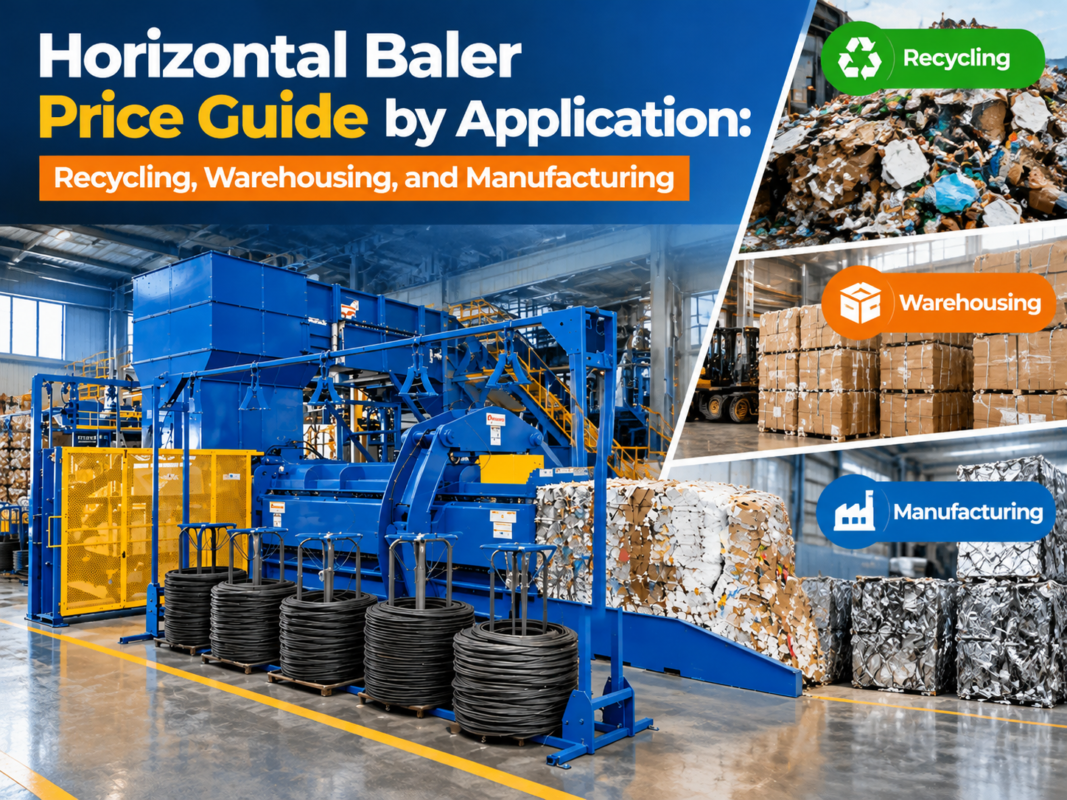
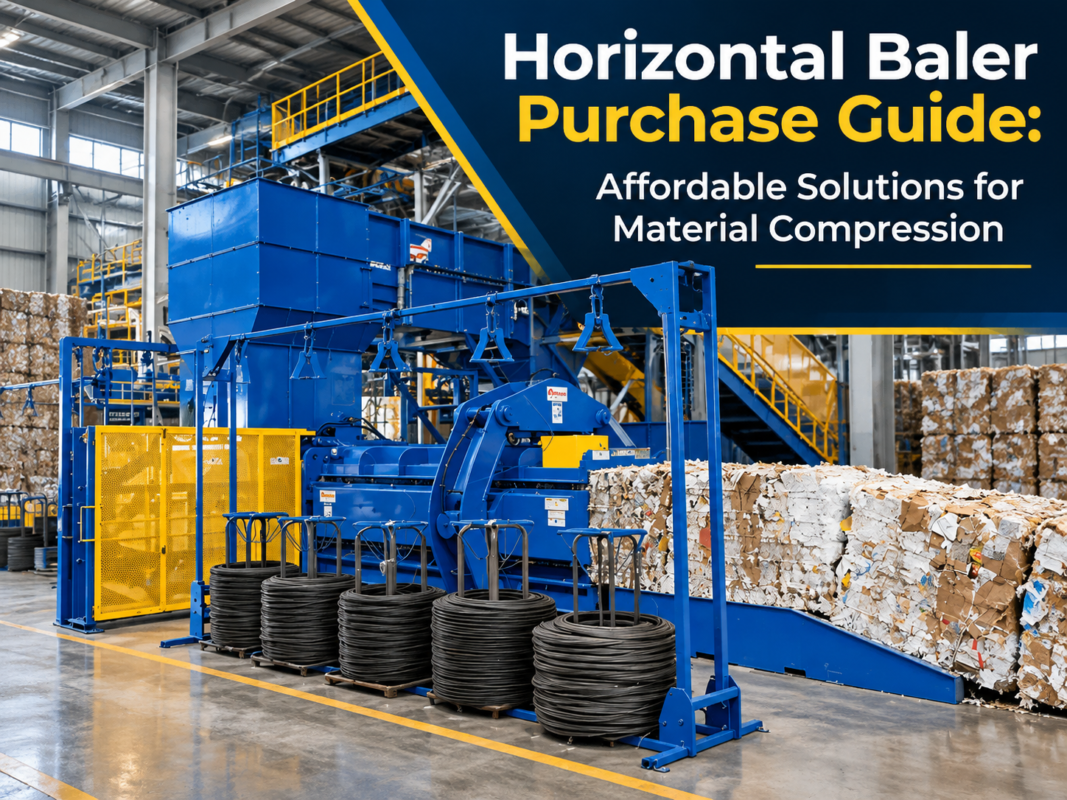
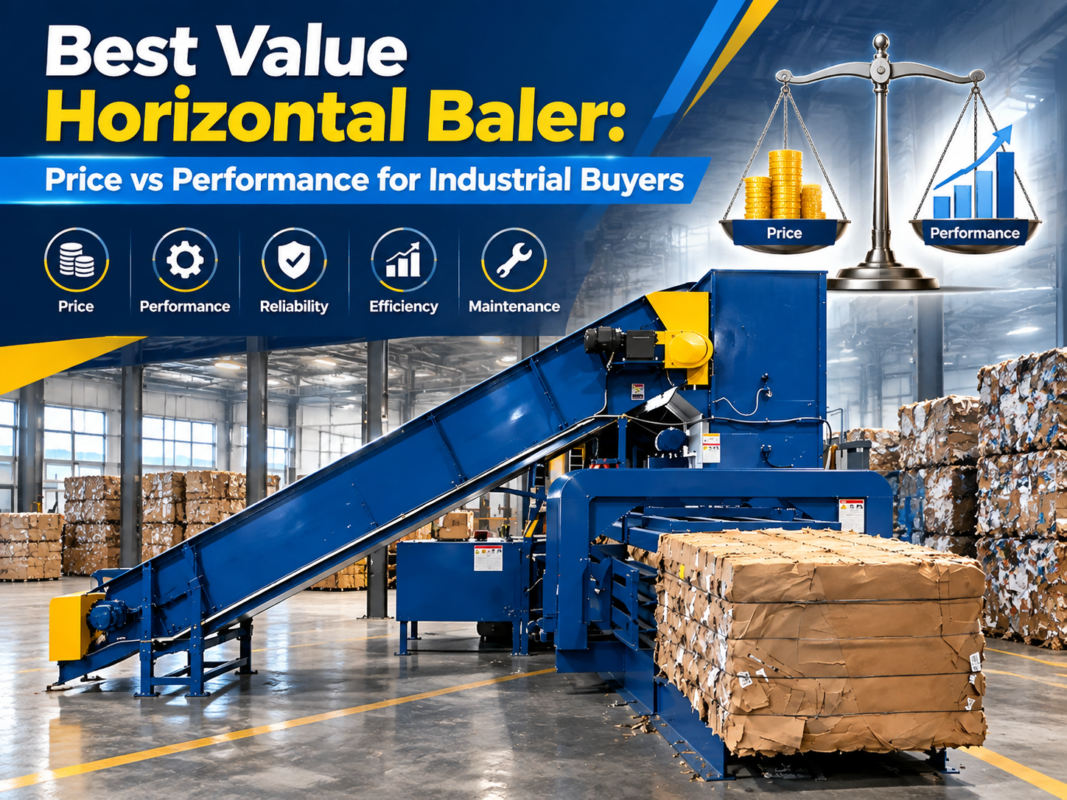
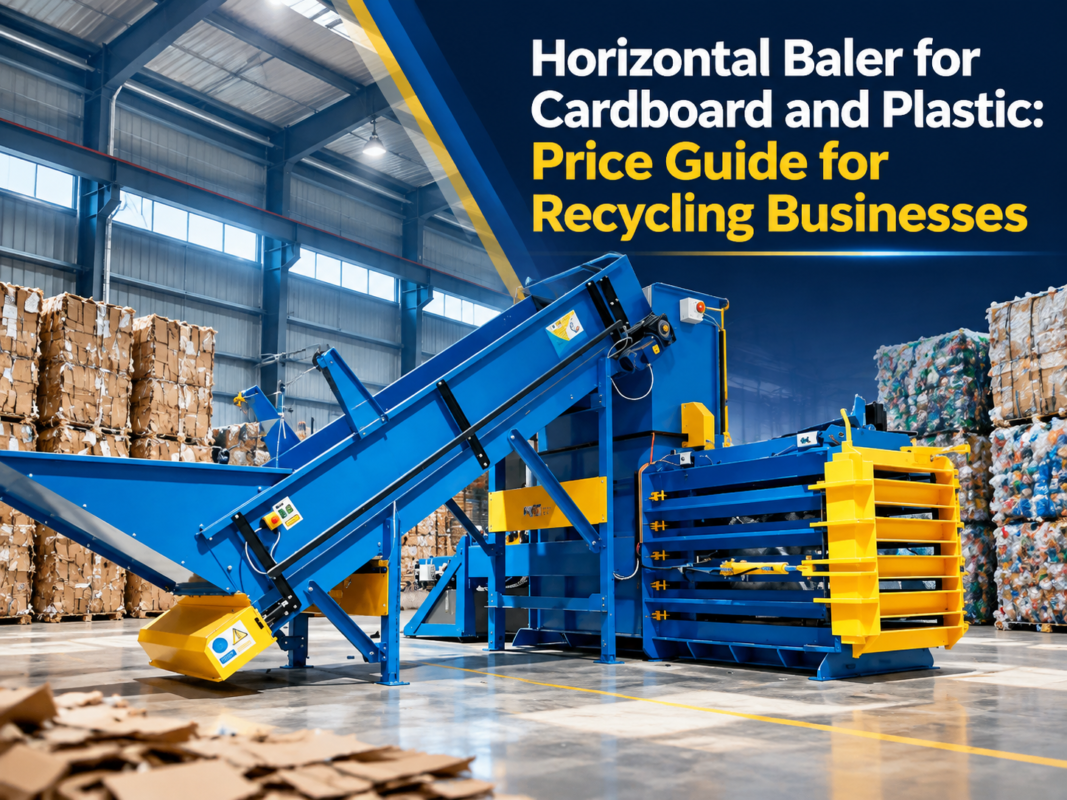
When investing in waste management and recycling infrastructure, understanding the price landscape for horizontal balers is the first step toward a successful procurement process. Horizontal balers are heavy-duty industrial machines designed to compress large volumes of waste—such as cardboard, plastic, paper, and non-ferrous metals—into dense, manageable bales. Because these machines are engineered for high-throughput environments, their price points vary significantly based on capacity, automation levels, and structural integrity.
Generally, entry-level semi-automatic horizontal balers for small-to-medium facilities may range from $25,000 to $50,000. These units are ideal for businesses with moderate waste streams that do not require 24/7 continuous operation. They often feature manual tie systems and smaller feed openings, which keeps the initial capital expenditure lower while still providing significant volume reduction compared to vertical balers.
Mid-range industrial horizontal balers, which are the workhorses for most distribution centers and manufacturing plants, typically fall between $60,000 and $120,000. These machines often include automatic wire-tying systems, programmable logic controllers (PLCs), and reinforced hydraulic systems capable of handling high-density materials. At this level, the focus shifts from basic functionality to operational efficiency and labor reduction.
For high-volume recycling centers and large-scale industrial applications, fully automated horizontal balers can exceed $150,000 to $300,000+. These systems are often integrated into conveyor-fed lines and feature advanced sensors, high-speed rams, and heavy-duty structural steel frames designed to withstand years of continuous, multi-shift operation. Understanding these tiers is essential for aligning your budget with your facility’s specific throughput requirements.
Main Cost Drivers
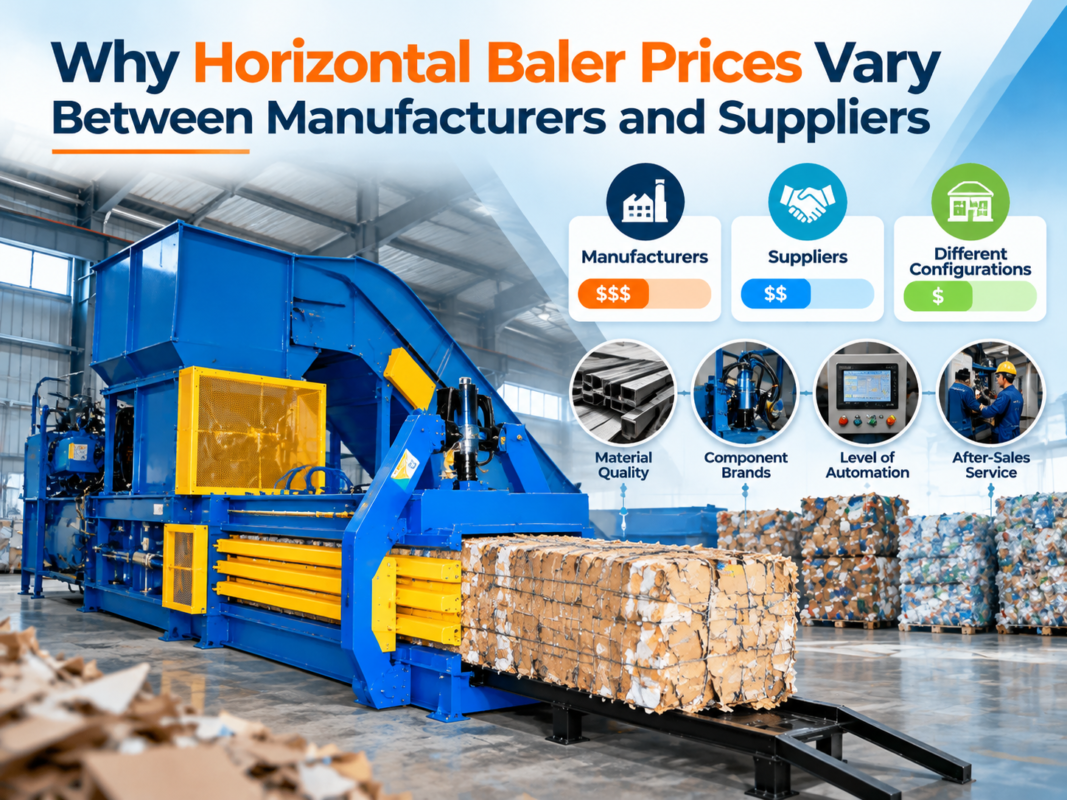
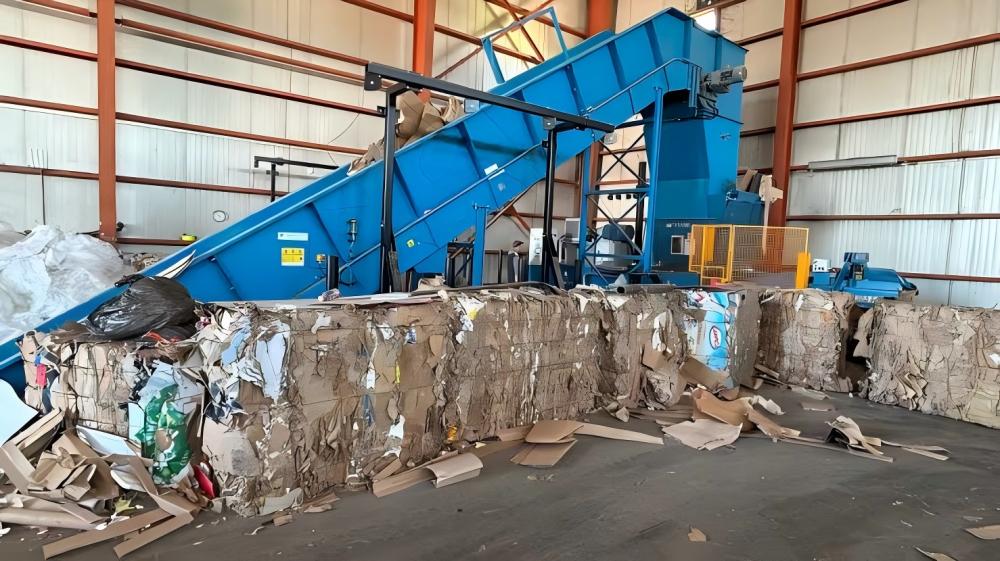
The primary cost driver for any horizontal baler is the hydraulic system’s power and the structural steel gauge used in the chamber. A baler is essentially a giant hydraulic press; therefore, the quality of the pump, the cylinder bore size, and the motor horsepower directly dictate the machine’s ability to compress materials effectively. Higher-grade steel prevents the chamber from bowing under the immense pressure required to create high-density bales, which is a common failure point in cheaper, under-engineered machines.
Automation level is another significant factor. A manual-tie baler requires an operator to physically thread wire through the bale, which increases labor costs and slows down the throughput. Conversely, an automatic-tie system uses sophisticated mechanical arms to wrap and knot the wire, allowing the machine to run continuously without operator intervention. While the upfront cost of an automatic-tie system is higher, the long-term labor savings often justify the investment for high-volume operations.
Feed system design also influences the price. Simple hopper-fed systems are less expensive but may require manual loading or a basic conveyor. Advanced systems include specialized feed-rate controls, shredder integration, or air-conveying systems that automatically feed the baler. These integrated systems require complex electrical engineering and PLC programming, which adds to the total cost of the equipment package.
Finally, the brand reputation and the quality of the control systems play a role. HARSLE and other top-tier manufacturers invest heavily in R&D to ensure that their PLCs are user-friendly, energy-efficient, and capable of remote diagnostics. Machines with proprietary, high-end control interfaces allow for better data tracking, such as bale counts, cycle times, and maintenance alerts, which adds value to the machine’s lifecycle but increases the initial purchase price.
Configuration Impact
Customization is often necessary to meet the specific demands of an industrial application, and each modification carries a price tag. For instance, the size of the feed opening is a critical configuration choice. A larger feed opening allows for the processing of bulky items like large cardboard boxes or plastic drums without pre-shredding. However, a larger opening requires a larger, more robust ram and a wider chamber, which increases the steel and hydraulic requirements, thereby raising the price.
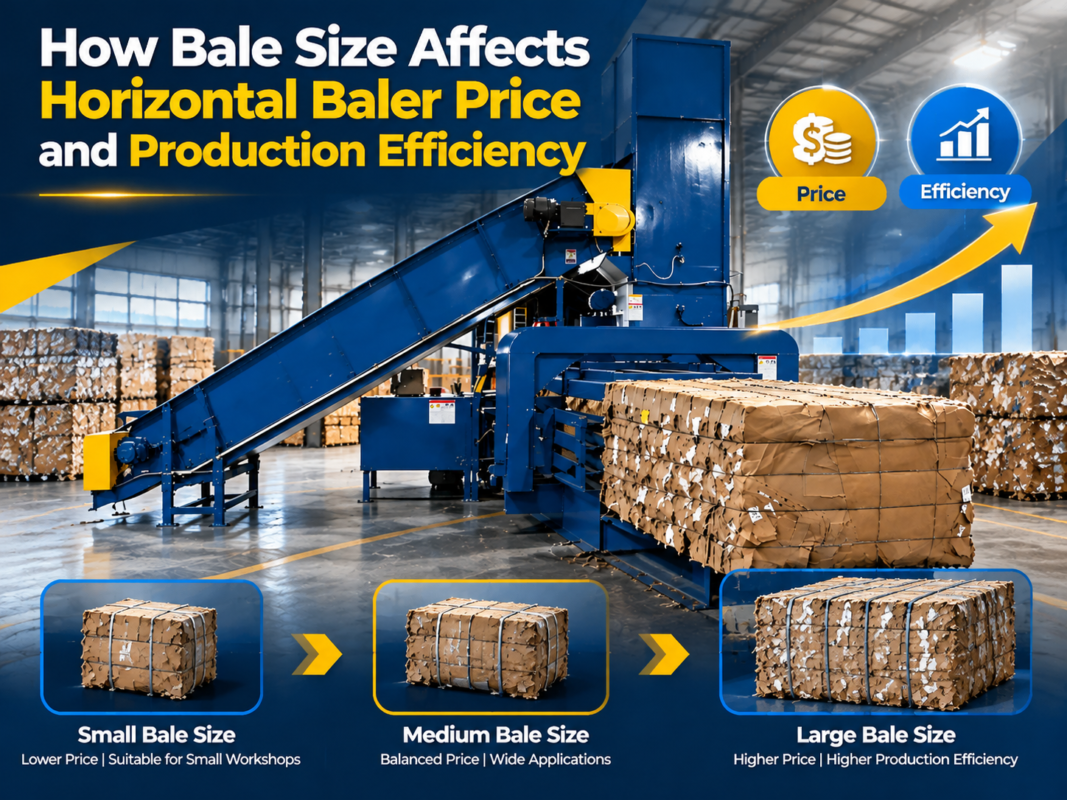
Another configuration factor is the bale size and density requirements. If your downstream buyer (the recycling mill) requires specific bale dimensions or high-density bales for shipping efficiency, the baler must be configured with a longer compression chamber and higher-pressure cylinders. Achieving higher density requires more hydraulic force, which necessitates larger motors and more robust structural reinforcement to prevent the machine from deforming under the increased load.
The type of material being baled also dictates the configuration. Baling non-ferrous metals requires significantly different wear-resistant liners and hydraulic pressures compared to baling office paper or PET plastic. Hardened steel liners, which protect the chamber walls from abrasion, are an essential add-on for metal fabrication facilities. These liners increase the machine’s longevity but add to the initial manufacturing cost.
Lastly, consider the integration of safety features and environmental controls. Modern industrial balers often come with light curtains, emergency stop systems, and noise-reduction enclosures. While these features are sometimes optional, they are increasingly becoming standard in regulated industrial environments. Investing in these safety configurations upfront is cheaper than retrofitting them later and ensures compliance with local occupational health and safety standards.
Hidden Costs
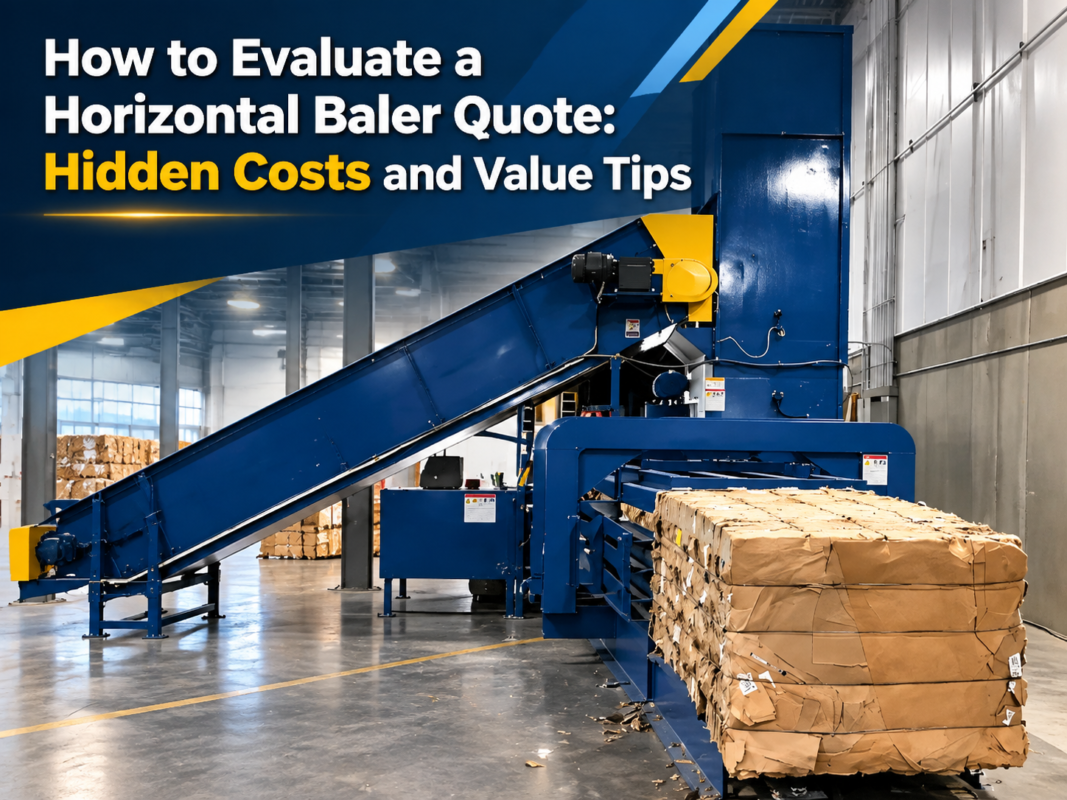
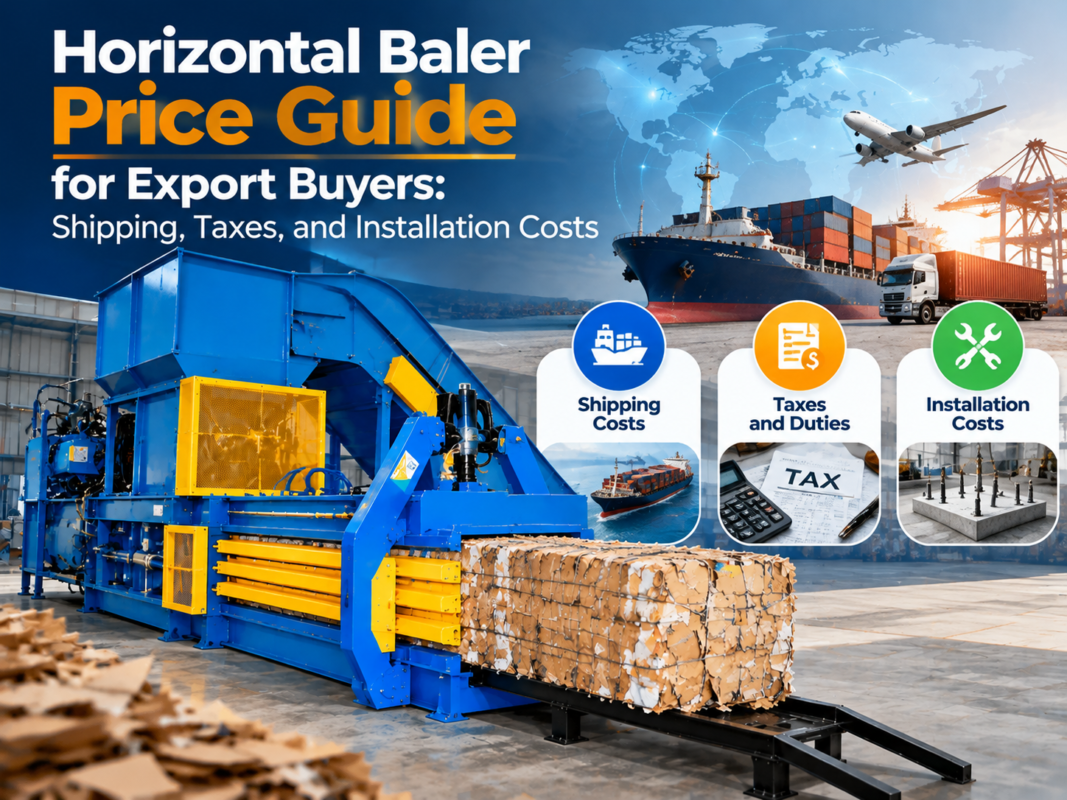
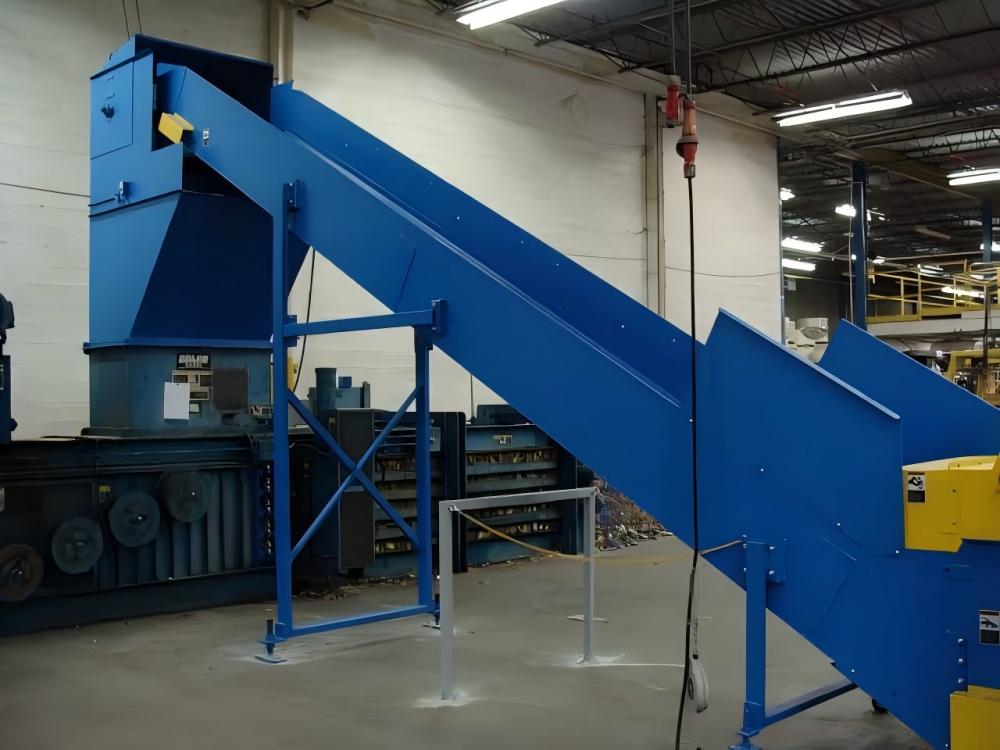
When budgeting for a horizontal baler, many buyers focus solely on the sticker price, forgetting the significant “hidden” costs associated with installation and commissioning. Shipping a massive piece of industrial equipment often requires specialized flatbed transport and crane services for offloading. Depending on the location of your facility, these logistics costs can add several thousand dollars to the total project budget.
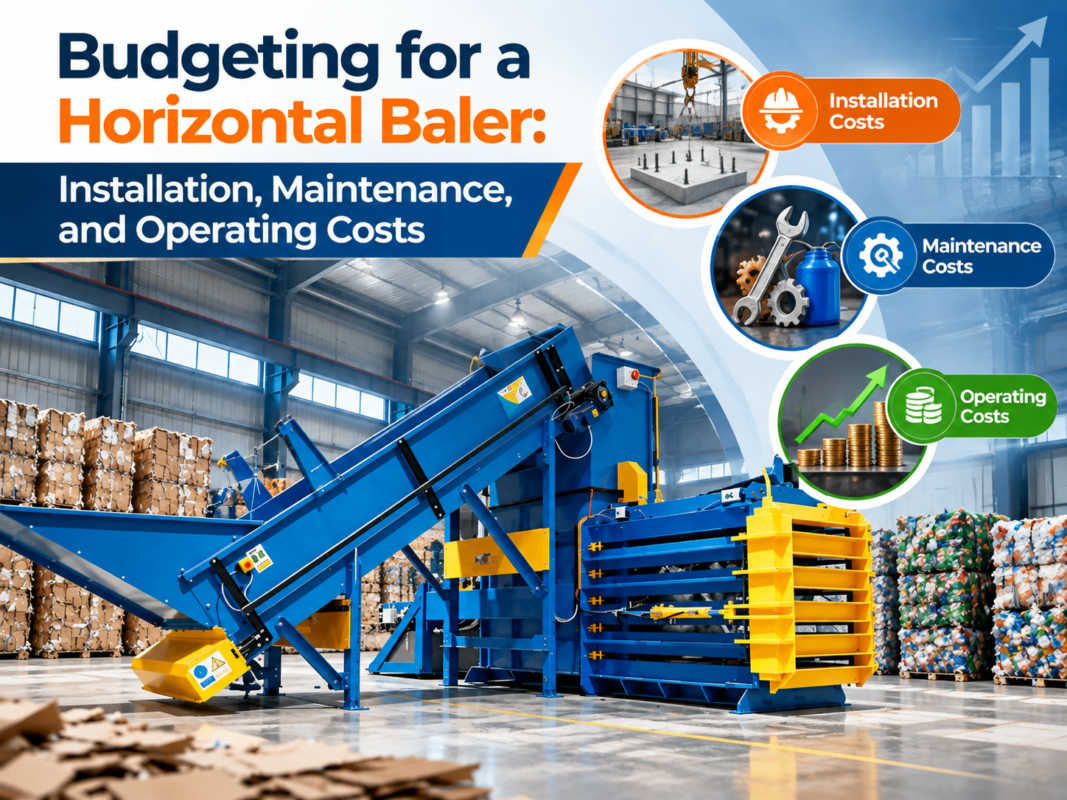
Site preparation is another frequently overlooked expense. A high-performance horizontal baler requires a reinforced concrete pad to handle the weight and the vibration of the machine during operation. If your facility floor is not rated for the load, you may need to pour a new foundation, which involves excavation, concrete, and curing time. Additionally, you must account for electrical upgrades, as these machines often require high-voltage, three-phase power connections that may necessitate a new transformer or panel upgrade.
Maintenance and spare parts should be factored into the total cost of ownership. While HARSLE machines are designed for durability, they are mechanical systems that require regular lubrication, hydraulic fluid changes, and wear-part replacements (such as shear blades and wire cutters). Budgeting for a service contract or keeping a stock of critical spare parts on-site is essential to avoid costly downtime during peak production periods.
Finally, consider the cost of training. Operating a sophisticated horizontal baler requires skilled personnel who understand the machine’s control interface and safety protocols. Investing in professional training from the manufacturer ensures that your team operates the machine efficiently, reducing the risk of operator error, which is a leading cause of premature machine failure and unnecessary repair costs.
ROI Calculation
Calculating the Return on Investment (ROI) for a horizontal baler involves looking at both direct revenue generation and cost avoidance. The most immediate financial benefit is the reduction in waste disposal fees. By baling your waste, you significantly reduce the number of dumpster pickups required, as baled material takes up far less space than loose waste. In many cases, the savings on hauling fees alone can pay for the machine within two to three years.
Furthermore, baled material is a commodity. Instead of paying a waste management company to haul away your cardboard or plastic, you can often sell these materials to recycling centers. High-density bales are highly sought after by mills, and the revenue generated from selling these bales can turn a waste stream into a profit center. To calculate your ROI, estimate the monthly revenue from bale sales and subtract the monthly operating costs, including electricity, wire, and maintenance.
Labor efficiency is another key component of the ROI calculation. If your current process involves manual labor to break down boxes or feed a vertical baler, a horizontal baler with a conveyor system can reduce labor hours by 50% or more. Assign a dollar value to the hours saved and factor this into your ROI model. When you combine reduced hauling fees, revenue from material sales, and lower labor costs, the financial case for a horizontal baler becomes very compelling.
Finally, consider the intangible benefits of improved facility safety and organization. A clean, clutter-free floor reduces the risk of workplace accidents and improves overall operational efficiency. While these benefits are harder to quantify, they contribute to a more productive work environment and lower insurance premiums, both of which should be considered when presenting the business case for the investment to stakeholders.
Buying Advice
When selecting a horizontal baler, start by conducting a thorough waste audit. Measure the volume and type of material you generate daily. Do not just look at your current output; consider your projected growth over the next five years. Buying a machine that is too small for your future needs is a common mistake that leads to early replacement costs. It is often better to invest in a slightly larger machine that can handle increased capacity as your business scales.
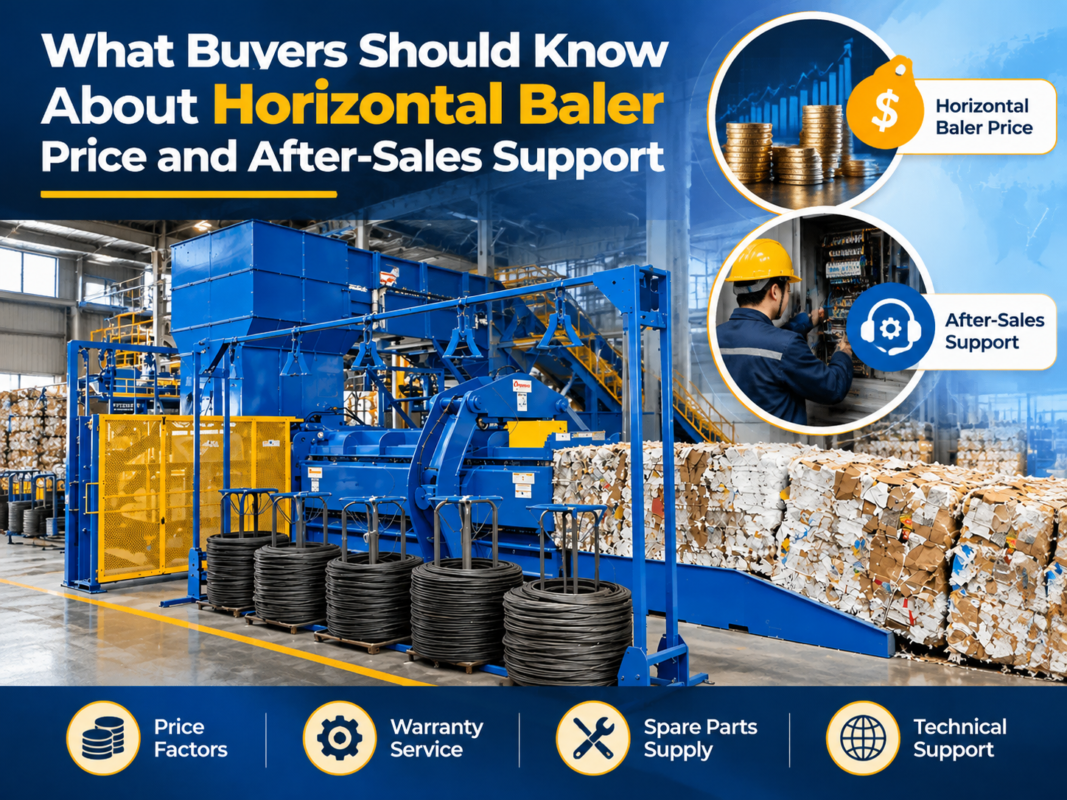
Always prioritize manufacturers that offer robust after-sales support. A horizontal baler is a critical piece of infrastructure; if it goes down, your waste management process stops. Ensure that the supplier has a reliable network of technicians, readily available spare parts, and a responsive customer service team. HARSLE, for example, provides comprehensive documentation and remote support to ensure that your machine remains operational with minimal downtime.
Request references from other companies in your industry that are using the same model of baler. Ask them about the machine’s reliability, the ease of use, and the quality of support they received from the manufacturer. Real-world feedback is invaluable and can help you avoid potential pitfalls that aren’t apparent in a sales brochure. Additionally, ask for a demonstration or a site visit to see the machine in action.
Finally, look closely at the warranty and service agreements. A comprehensive warranty that covers both parts and labor for the first year or two provides peace of mind and protects your initial investment. Negotiate a service package that includes periodic inspections to catch potential issues before they become major failures. By taking a long-term view of the purchase, you ensure that your horizontal baler remains a valuable asset for years to come.
Часто задаваемые вопросы
- What is the typical lifespan of a horizontal baler? With proper maintenance, a high-quality industrial horizontal baler can last 15 to 20 years or more.
- Can one baler handle multiple types of materials? Yes, but you must ensure the machine is configured with the correct pressure settings and wear-resistant components to handle the specific density of each material.
- How much space do I need for a horizontal baler? Space requirements vary by model, but you must account for the machine’s footprint, the conveyor feed system, and sufficient clearance for maintenance and forklift access.
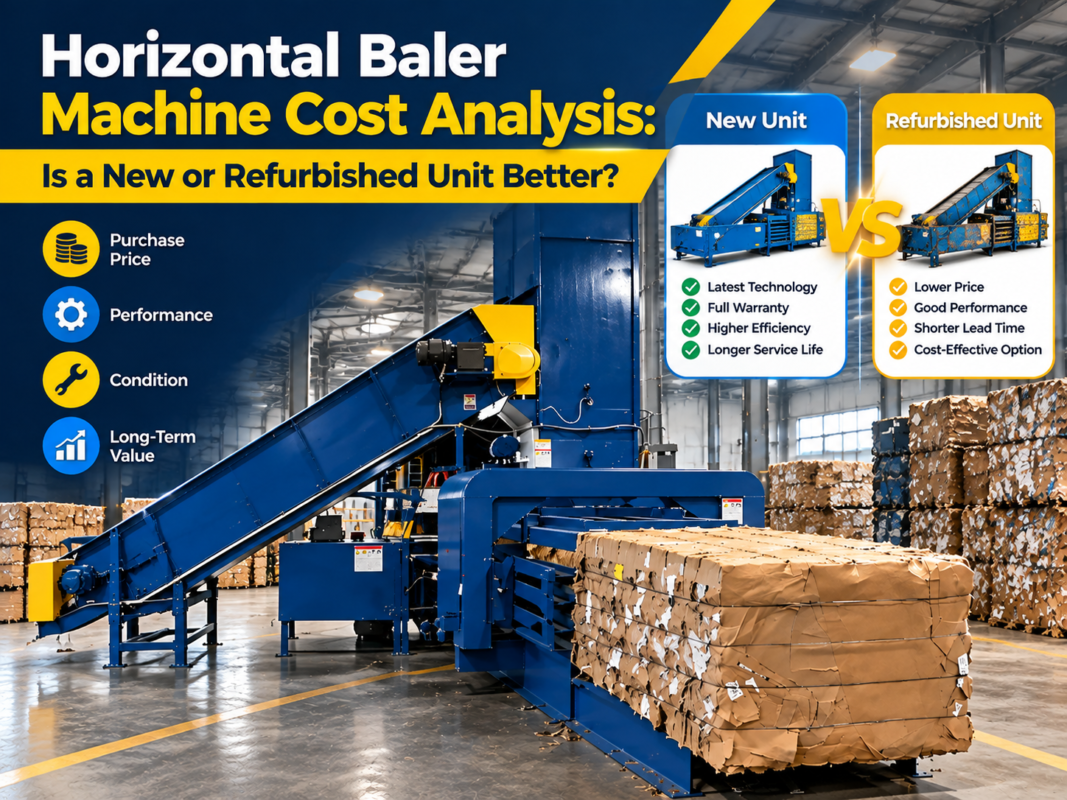
- Is it better to buy new or used? While used machines are cheaper, they often lack modern safety features and may have hidden mechanical issues. New machines come with warranties, the latest technology, and support, making them a safer long-term investment.
- How often does a horizontal baler need maintenance? Routine maintenance should be performed according to the manufacturer’s schedule, typically every 500 to 1,000 operating hours, to ensure peak performance.