Vertical Baler Maintenance Cost Guide: Long-Term Expenses Every Buyer Should Know

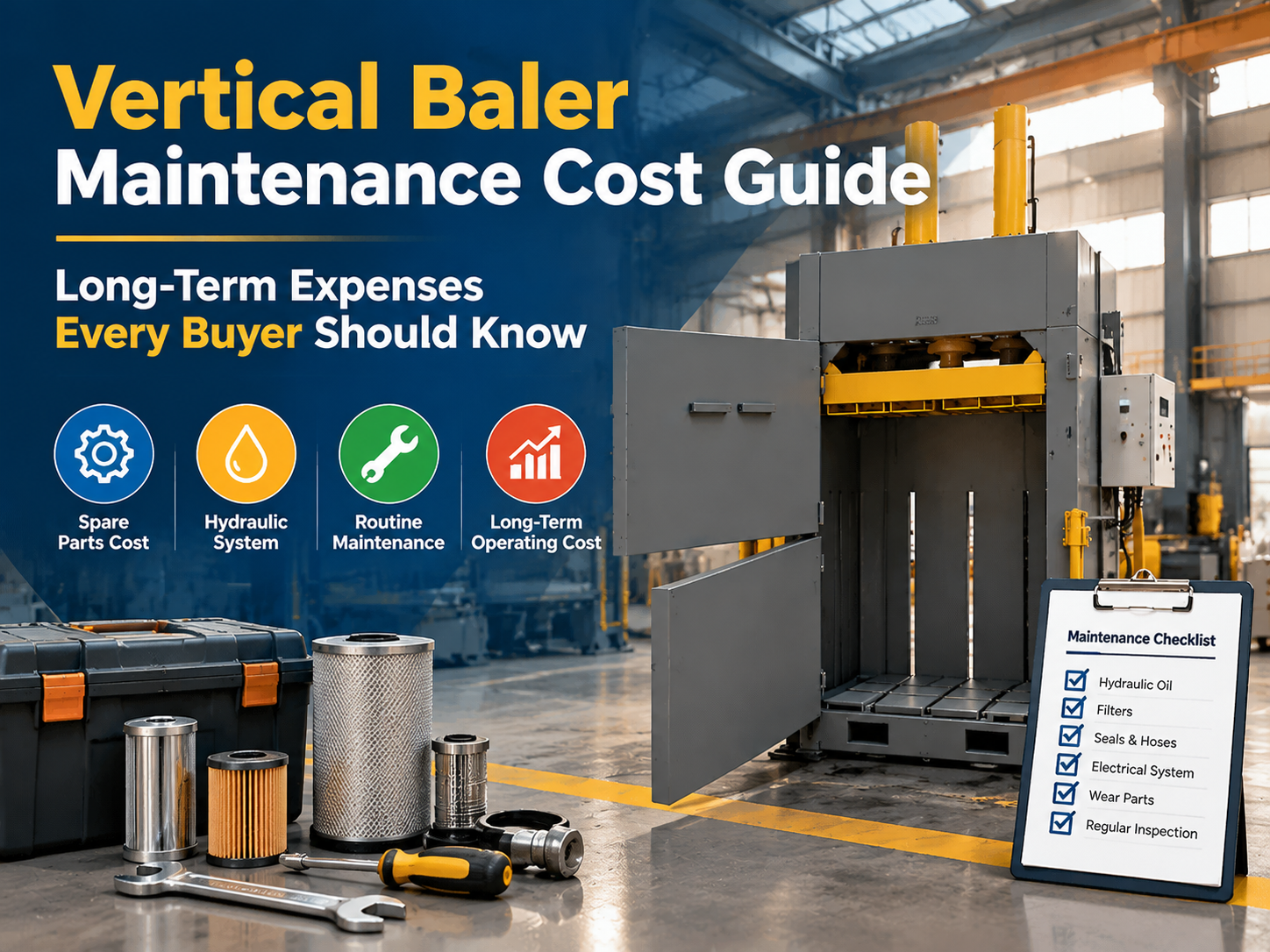
Understanding the Vertical Baler Maintenance Cost: Long-Term Expenses Every Buyer Should Know
When investing in industrial waste management solutions, the initial purchase price is only the tip of the iceberg. For facility managers and metal fabrication shop owners, understanding the Vertical Baler Maintenance Cost: Long-Term Expenses Every Buyer Should Know is essential for accurate budgeting and operational efficiency. A vertical baler is a workhorse, but like any hydraulic-driven piece of metal fabrication equipment, it requires consistent care to maintain peak performance.
At HARSLE, we emphasize that maintenance is not merely an expense; it is a strategic investment in the longevity of your machinery. Neglecting routine service can lead to catastrophic hydraulic failures, structural fatigue, and costly downtime that disrupts your entire production workflow. This guide breaks down the financial landscape of owning and operating a vertical baler over its 10-to-15-year lifecycle.
Price Range Overview: What to Expect
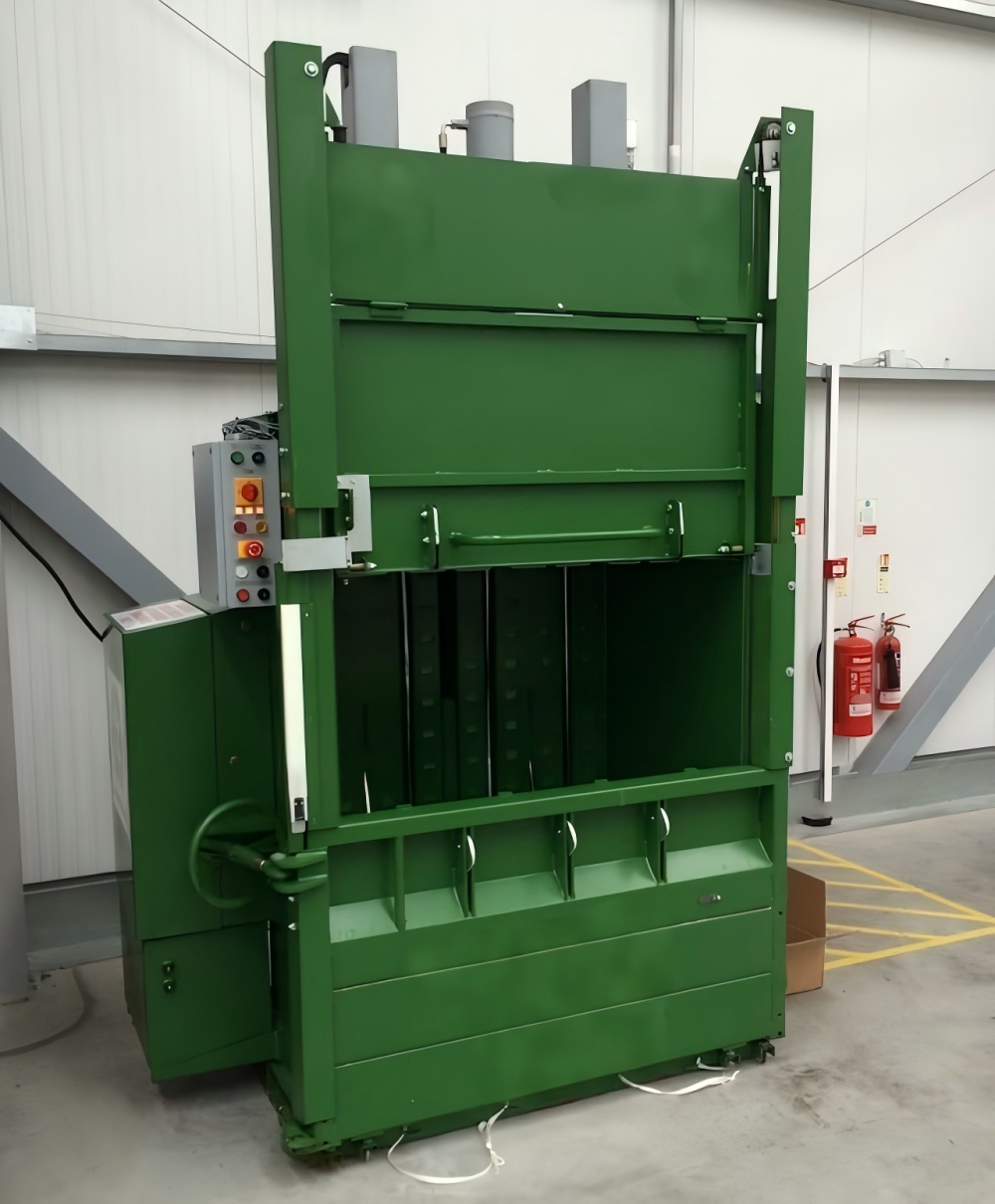
The cost of maintaining a vertical baler varies significantly based on the machine’s size, force capacity, and usage frequency. On average, annual maintenance costs typically range from $500 to $2,500 for standard units. However, high-volume industrial balers that operate multiple shifts per day may require a more robust service contract, pushing annual costs toward the $4,000 mark.
Entry-level balers, often used in retail or small workshops, have simpler hydraulic systems and fewer moving parts, keeping maintenance costs on the lower end of the spectrum. Conversely, heavy-duty industrial balers designed for high-density scrap metal or thick cardboard require specialized lubricants, high-pressure hose inspections, and frequent structural integrity checks. Understanding these tiers helps buyers align their purchase with their long-term operational budget.
It is also important to distinguish between ‘preventative’ and ‘corrective’ maintenance. Preventative maintenance is a predictable expense, usually involving scheduled inspections, oil changes, and filter replacements. Corrective maintenance, however, is reactive and often significantly more expensive due to emergency service call-out fees and the potential for expedited shipping on replacement parts.
Budgeting for the ‘total cost of ownership’ (TCO) is the hallmark of a savvy buyer. By setting aside a contingency fund equal to 10-15% of the machine’s purchase price annually, you can ensure that your facility remains operational without the stress of unexpected financial burdens. HARSLE recommends reviewing your maintenance logs quarterly to identify trends in wear and tear before they become critical failures.
Main Cost Drivers in Baler Maintenance
Several factors drive the long-term maintenance costs of vertical balers. The most significant is the hydraulic system. Hydraulic fluid degradation, seal wear, and pump fatigue are the primary culprits behind mechanical failure. Regularly testing the fluid for contamination and ensuring the system is free of leaks is the most effective way to control these costs.
Electrical components also represent a consistent cost driver. Modern vertical balers are equipped with sophisticated PLC (Programmable Logic Controller) systems, sensors, and safety interlocks. While these features enhance safety and efficiency, they are susceptible to dust, vibration, and power surges. Protecting the control panel from the harsh environment of a fabrication shop is a simple yet effective way to reduce long-term electrical repair costs.
Structural wear is another inevitable expense. The platen, guide rails, and door hinges endure immense pressure during the compression cycle. Over time, these components experience friction and metal fatigue. Regular lubrication of moving parts and tightening of structural bolts can prevent misalignment, which, if left unchecked, can lead to expensive welding repairs or component replacement.
Finally, the cost of labor and consumables cannot be overlooked. Consumables include baling wire, strapping, and specialized hydraulic fluids. While these are operational costs rather than maintenance costs, they are tied to the machine’s health. Using low-quality wire can cause excessive strain on the baler’s tying mechanism, leading to premature wear and increased service calls.
Configuration Impact on Maintenance
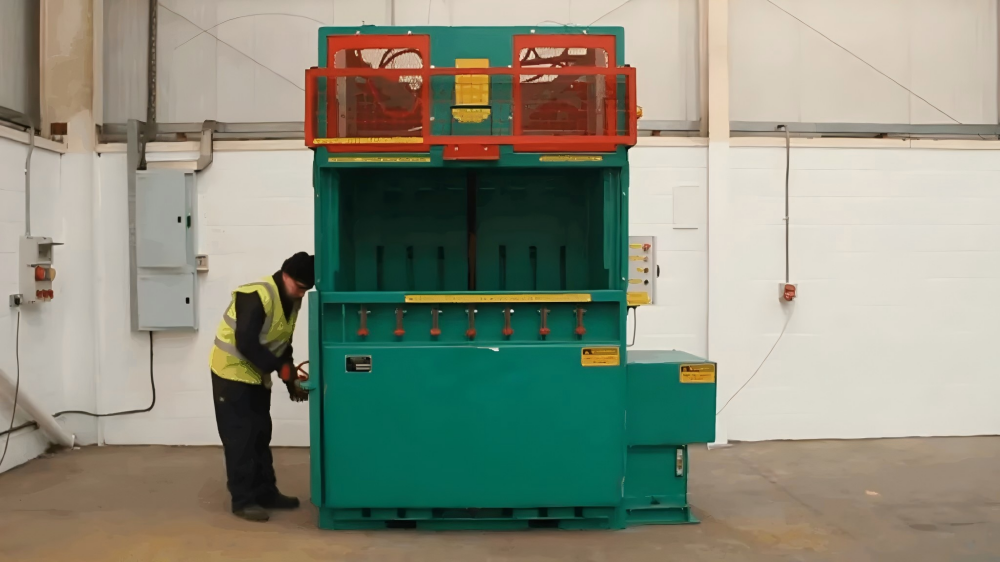
The configuration of your vertical baler directly influences its maintenance profile. For instance, a baler designed for high-density scrap metal will have a reinforced chamber and a more powerful hydraulic cylinder compared to a unit designed for light cardboard. The higher the force, the more stress is placed on the frame, necessitating more frequent structural inspections.
Automated features, such as automatic bale ejection or integrated conveyor systems, add layers of complexity. While these features significantly improve throughput, they introduce more points of failure. An automated tying system, for example, requires precise calibration and regular cleaning to prevent jams. Buyers must weigh the productivity gains of these features against the increased maintenance requirements.
The environment in which the baler operates also dictates its maintenance needs. A baler located outdoors or in an unconditioned warehouse will face challenges related to temperature fluctuations and moisture. Extreme cold can thicken hydraulic oil, putting strain on the pump during startup, while humidity can accelerate corrosion on electrical contacts. Investing in a climate-controlled enclosure or a weather-resistant model can mitigate these environmental costs.
Lastly, the duty cycle of the machine is a critical configuration factor. A machine running 24/7 will reach its service intervals much faster than one used intermittently. HARSLE advises buyers to choose a machine with a duty cycle rating that exceeds their actual requirements. This ‘over-engineering’ provides a buffer that extends the life of the components and reduces the frequency of major overhauls.
Hidden Costs of Baler Ownership
Beyond the obvious service fees, there are several hidden costs associated with vertical baler ownership. One of the most overlooked is the cost of downtime. If your baler is integral to your waste management process, a breakdown can lead to overflowing bins, safety hazards, and potential fines from local waste disposal authorities. The cost of lost productivity during a breakdown often far exceeds the cost of the repair itself.
Another hidden cost is the training of personnel. Improper operation is the leading cause of premature baler failure. Employees who do not understand how to properly load the chamber, clear jams, or perform basic daily checks can inadvertently cause significant damage. Investing in comprehensive operator training is a maintenance strategy that pays for itself by reducing human-error-related repairs.
Energy consumption is also a factor. Older or poorly maintained hydraulic systems often run inefficiently, drawing more power than necessary to complete a cycle. Regular maintenance, including checking for internal leaks and ensuring the motor is running at optimal capacity, can lead to significant energy savings over the life of the machine. This is an ‘invisible’ cost that directly impacts your bottom line.
Finally, consider the cost of compliance and safety inspections. Depending on your jurisdiction, industrial machinery may be subject to mandatory safety audits. Keeping your baler in top condition ensures that you pass these inspections without the need for expensive retrofits or upgrades to meet evolving safety standards. Proactive maintenance is the best way to ensure your equipment remains compliant with industry regulations.
ROI Calculation: Justifying the Investment
Calculating the Return on Investment (ROI) for a vertical baler involves more than just looking at the purchase price. You must factor in the savings from reduced waste disposal fees, the potential revenue from selling baled recyclables, and the labor savings achieved through efficient waste handling. When maintenance costs are factored in, the ROI remains positive for most industrial applications.
To calculate your ROI, start by determining your current waste disposal costs. Compare this to the cost of operating the baler, including electricity, baling wire, and the annual maintenance budget we discussed earlier. If the baler allows you to consolidate waste, you may also see a reduction in the number of dumpster pickups, which is a major recurring expense.
The resale value of the baler is another component of the ROI. A well-maintained HARSLE baler retains a significant portion of its value over time. By keeping meticulous maintenance records, you demonstrate to potential future buyers that the machine has been cared for, which can command a higher resale price when it comes time to upgrade your equipment.
Ultimately, the ROI of a vertical baler is realized through operational efficiency. A machine that is always ready to work allows your team to focus on production rather than waste management. When you view maintenance as a way to protect this efficiency, the costs become much easier to justify as a necessary component of a profitable business model.
Buying Advice for Long-Term Savings
When shopping for a vertical baler, prioritize build quality over the lowest initial price. A robust frame, high-quality hydraulic components, and accessible service points are indicators of a machine designed for longevity. HARSLE machines are engineered with these factors in mind, ensuring that maintenance is as straightforward as possible.
Ask the manufacturer about the availability of spare parts. A machine that requires proprietary parts that are difficult to source will lead to longer downtime and higher repair costs. Look for a manufacturer that provides a comprehensive manual, clear maintenance schedules, and responsive technical support. Being able to perform basic troubleshooting over the phone can save you a service call fee.
Consider the ease of access for maintenance tasks. Can the hydraulic pump be easily reached? Are the lubrication points clearly marked? A machine that is easy to service is a machine that will actually be serviced. If maintenance is difficult or time-consuming, it is more likely to be neglected by busy staff.
Finally, negotiate a service contract or a maintenance training package at the time of purchase. Many manufacturers offer bundled deals that include the first year of preventative maintenance or on-site training for your staff. These packages provide peace of mind and ensure that your machine is set up for success from day one.
Frequently Asked Questions (FAQ)
- How often should I perform preventative maintenance on my vertical baler?
Generally, a light inspection should be done weekly, with a comprehensive professional service performed every 6 to 12 months, depending on usage intensity. - What is the most common cause of vertical baler failure?
Hydraulic system issues, such as fluid contamination or seal leaks, are the most frequent causes of downtime. - Can I perform my own maintenance?
Basic tasks like cleaning and visual inspections can be done by trained staff, but hydraulic and electrical repairs should always be handled by qualified technicians to ensure safety and warranty compliance. - How do I know when it’s time to replace my baler instead of repairing it?
If the annual cost of repairs exceeds 20-30% of the value of a new machine, or if the machine is no longer meeting your production requirements, it is likely time to consider an upgrade. - Does HARSLE provide support for older models?
Yes, HARSLE is committed to supporting our equipment throughout its lifecycle, providing parts and technical guidance for our machines.