Industrial Scrap Metal Baler Price Guide: Compare Models, Specs, and Value

Price Range Overview
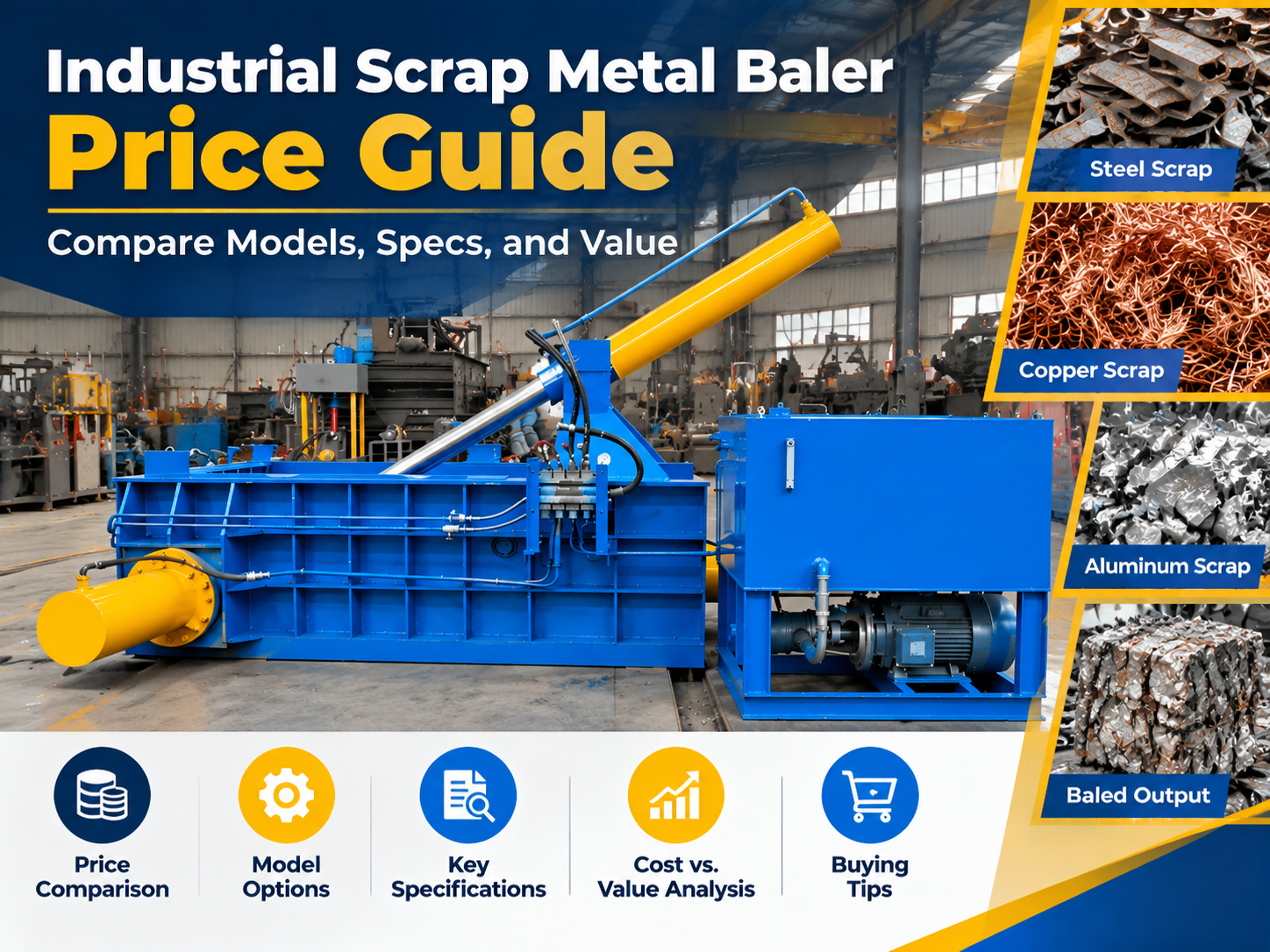
Investing in an industrial scrap metal baler is a significant capital expenditure that requires a deep understanding of the market. When researching the Industrial Scrap Metal Baler Price Compare Models Specs Value, it is essential to recognize that pricing is rarely a flat rate. Entry-level vertical balers designed for light-gauge aluminum or copper scrap may start in the $8,000 to $15,000 range. These units are typically manual or semi-automatic and are suited for smaller fabrication shops or workshops with lower throughput requirements.
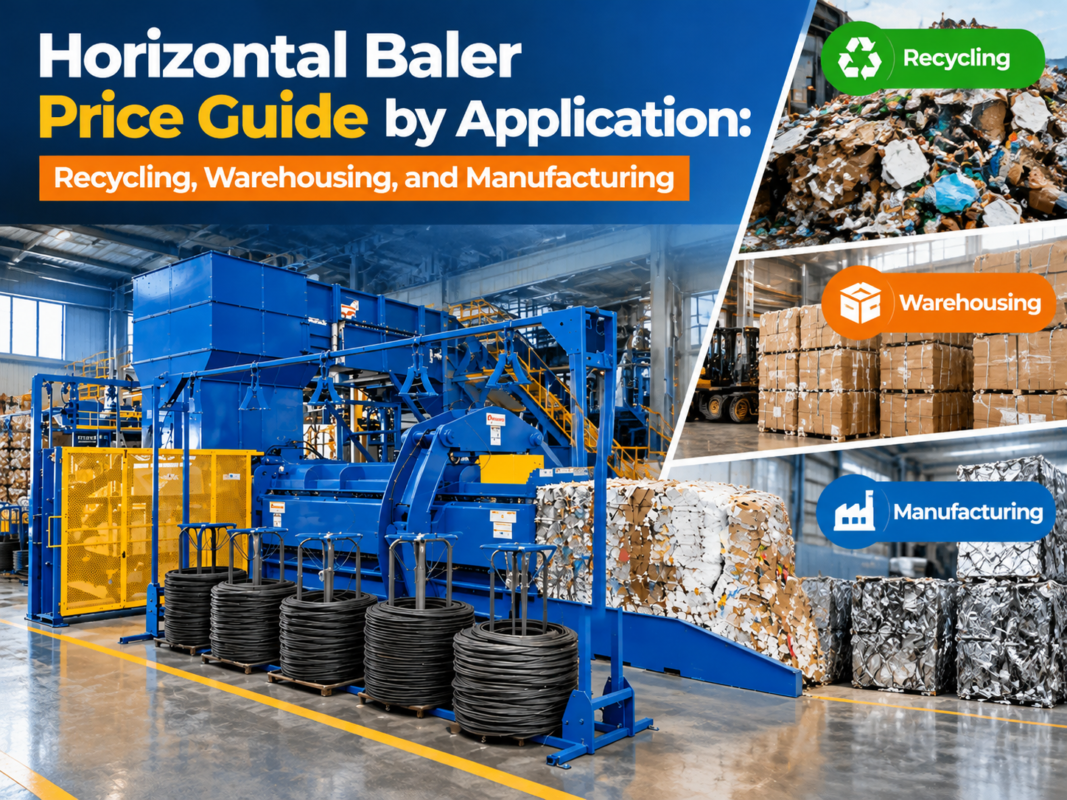
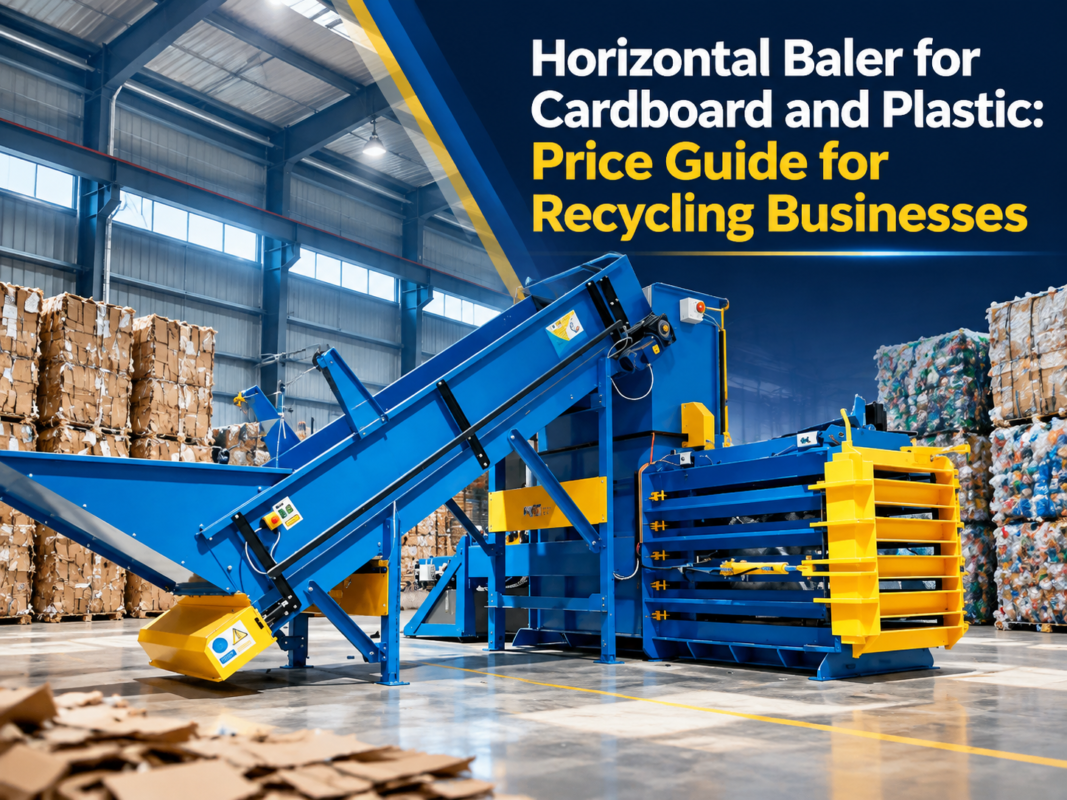
Moving into the mid-range category, horizontal balers capable of processing steel offcuts and larger volumes generally fall between $30,000 and $80,000. These machines offer higher automation levels, including conveyor feeding systems and automatic tying mechanisms. They are the workhorses of medium-sized recycling centers and manufacturing plants, providing a balance between initial investment and operational efficiency.
For high-capacity industrial operations, heavy-duty shear balers and multi-ram systems represent the premium tier. Prices for these sophisticated machines often exceed $150,000 and can reach upwards of $500,000 depending on the customization, force capacity, and integration requirements. These units are engineered for continuous, 24/7 operation in demanding environments where downtime is not an option.
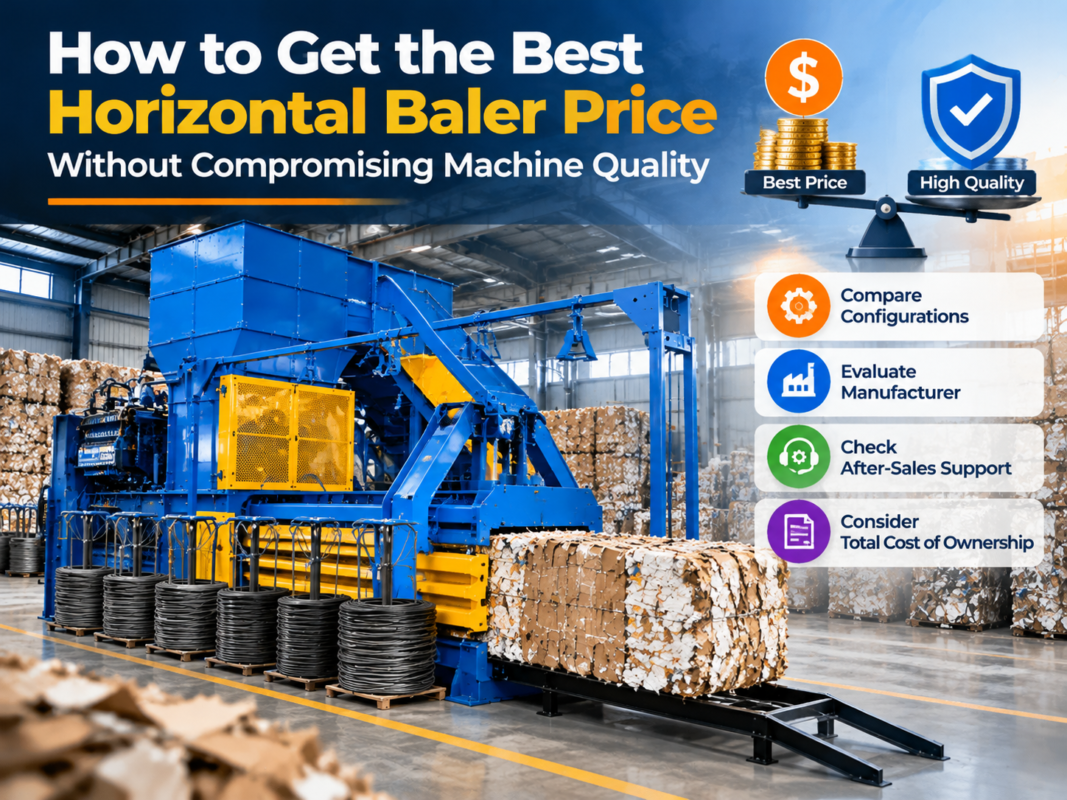
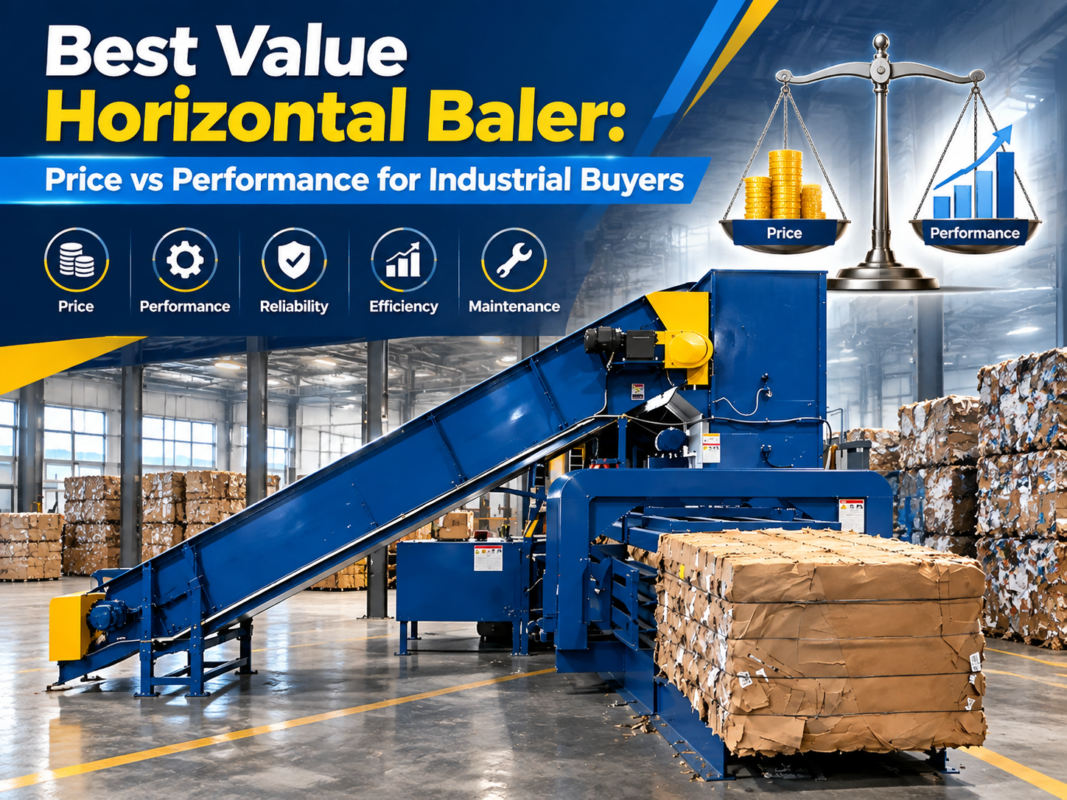
Understanding these tiers is the first step in your procurement journey. By aligning your specific volume needs with the appropriate machine class, you avoid the common pitfall of over-investing in capacity you don’t need or under-investing in a machine that will become a bottleneck. Always consider the total cost of ownership rather than just the sticker price when evaluating these tiers.
Market fluctuations in steel prices and the cost of hydraulic components also influence these ranges. As global demand for recycled metal increases, the demand for high-efficiency balers follows suit, which can impact lead times and pricing stability. Engaging with a reputable manufacturer like HARSLE early in the process allows you to lock in pricing and receive accurate quotes based on current market conditions.
Main Cost Drivers
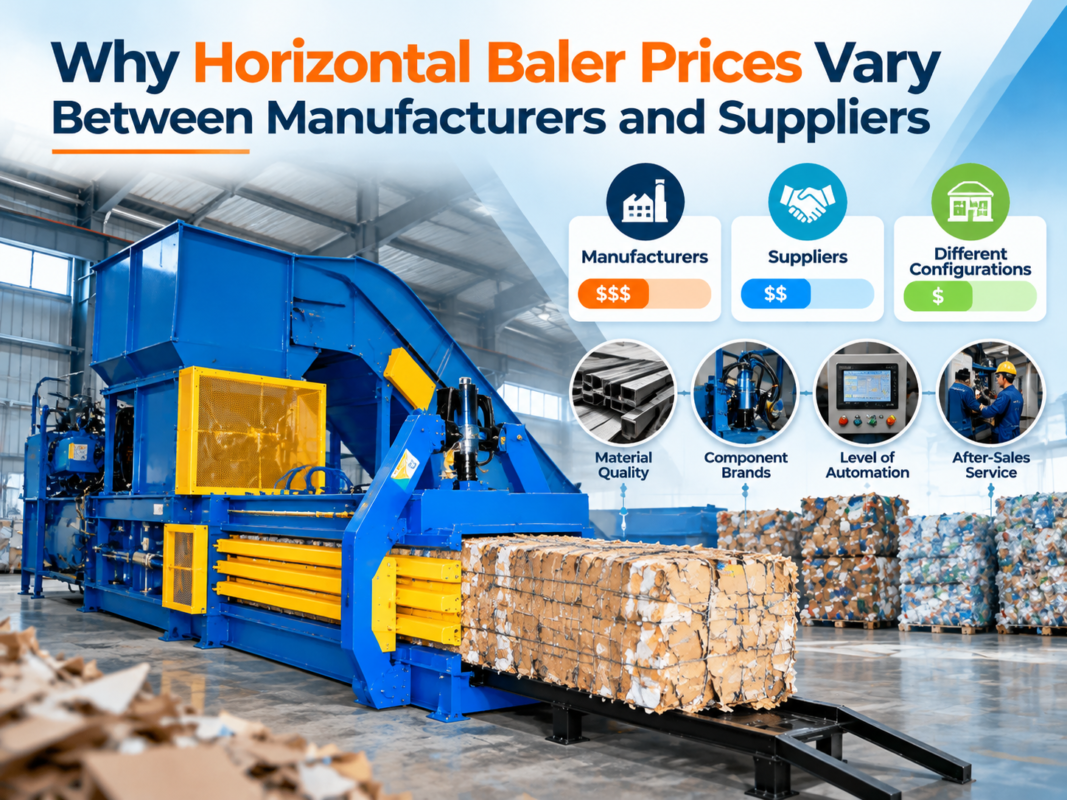
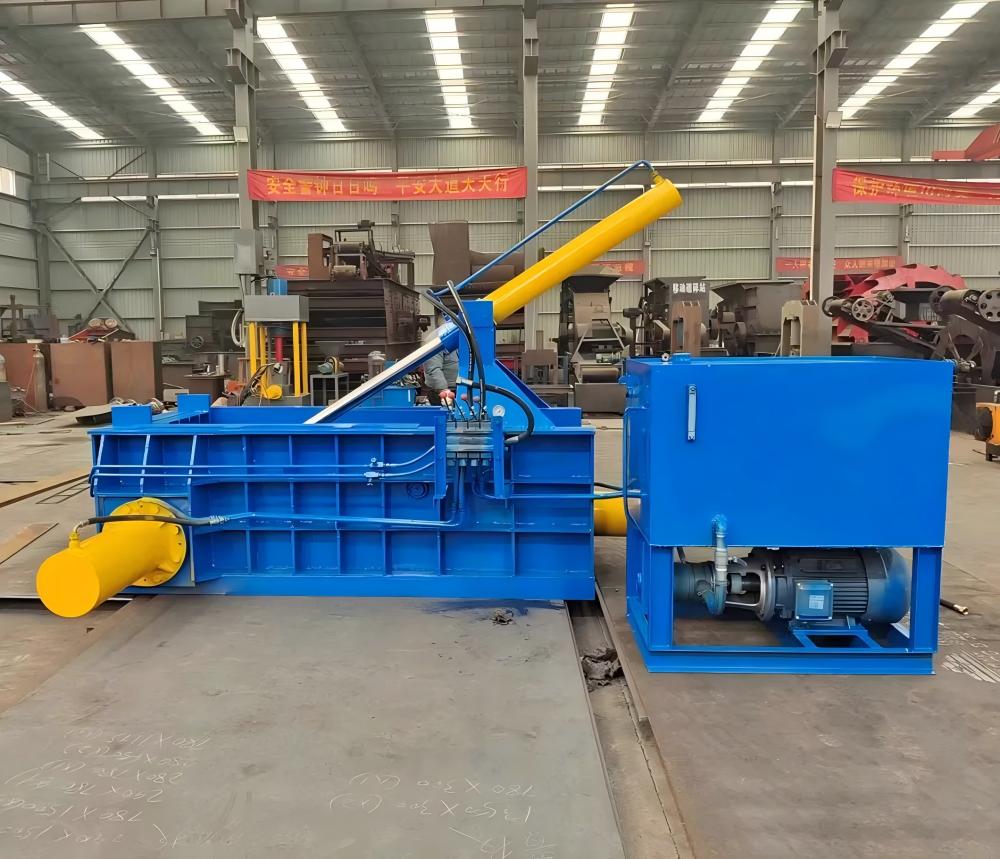
The primary factor influencing the Industrial Scrap Metal Baler Price is the total pressing force, measured in tons. Higher force is required to compress denser metals like steel or iron, which necessitates more robust hydraulic cylinders, thicker steel plate construction, and more powerful motors. Every increase in tonnage directly correlates to a higher manufacturing cost for the machine frame and power unit.
Automation level is the second major cost driver. A manual baler requires significant labor to load, cycle, and tie off the bales. Conversely, an automatic baler with integrated conveyors, photo-eye sensors, and automatic wire tying systems significantly reduces labor costs over time. While the upfront price is higher, the reduction in man-hours often justifies the premium for high-volume facilities.
Material handling and feeding systems also add to the final price tag. If your facility requires a specialized in-feed conveyor, a hopper with a shredder, or a customized discharge chute, these components are engineered to order. Customization is necessary for seamless integration into existing production lines, but it is important to account for these as distinct line items in your budget.
The quality of hydraulic and electrical components cannot be overlooked. Premium brands for pumps, valves, and PLC controllers (such as Siemens or Schneider) increase the reliability and longevity of the baler. While cheaper alternatives exist, they often lead to higher maintenance costs and increased downtime, which can quickly negate any initial savings on the machine purchase price.
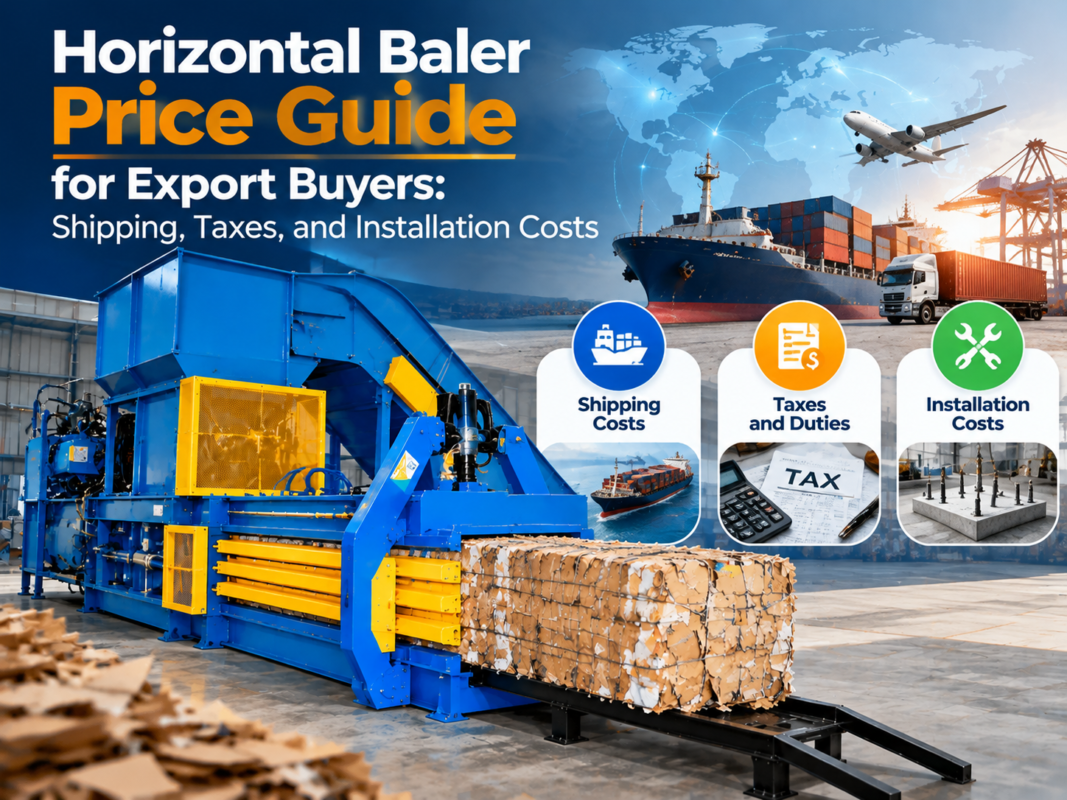
Finally, geographic location and logistics play a role. Shipping heavy industrial machinery requires specialized freight services. Depending on the distance from the manufacturing facility to your site, shipping, rigging, and installation costs can add a significant percentage to the total project budget. Always request a comprehensive quote that includes delivery and on-site commissioning to avoid hidden surprises.
Configuration Impact
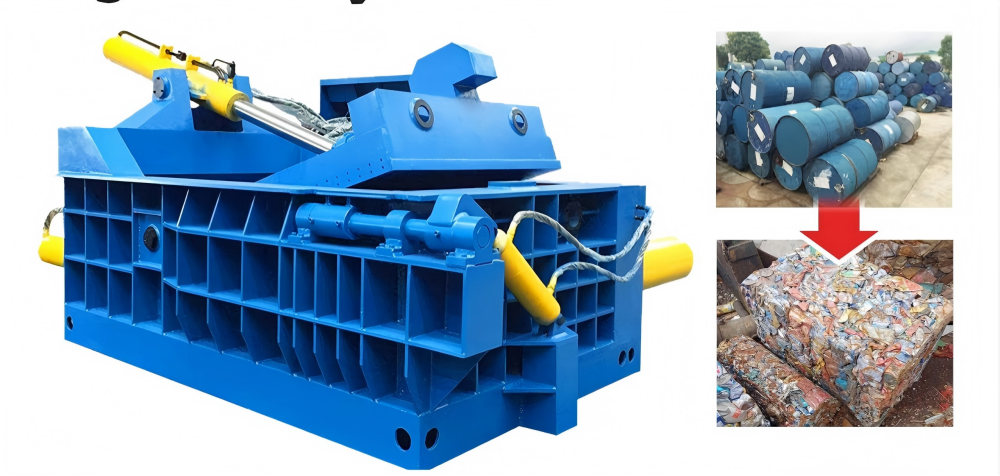
Configuration choices are critical when you compare models and specs. A vertical baler is space-efficient and ideal for facilities with limited floor space, but it is limited by its manual loading process. If your scrap volume is high, the time spent loading a vertical baler will quickly become a productivity drain, regardless of the machine’s initial price.
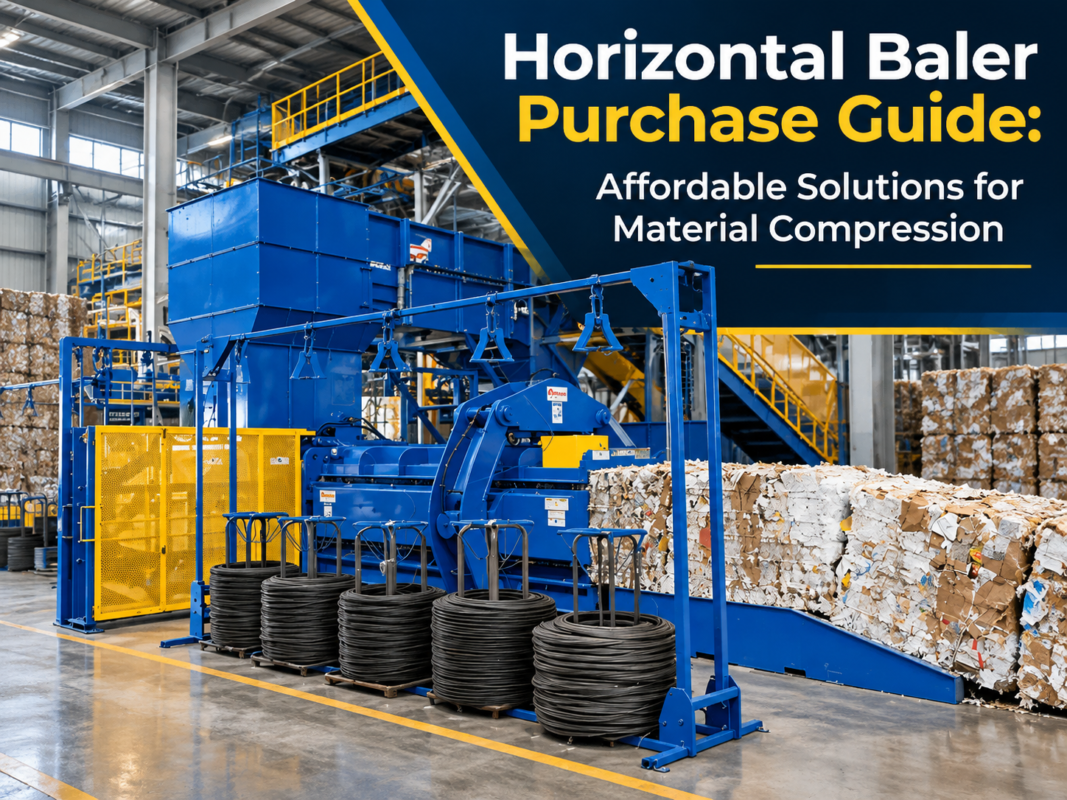
Horizontal balers offer a different configuration, typically featuring a large feed opening that can be serviced by a conveyor or a forklift. This configuration allows for continuous operation, as the machine can be fed while it is in the middle of a compression cycle. This is a vital consideration for high-output fabrication shops where scrap generation is constant.
The type of tying system—manual vs. automatic—is another configuration decision that impacts both price and throughput. Automatic tying systems use high-tensile wire to secure the bale, allowing for faster cycle times and safer operation. Manual tying requires an operator to stop the machine and physically thread wire, which is labor-intensive and slower. For high-volume scrap yards, the automatic option is almost always the better long-term investment.
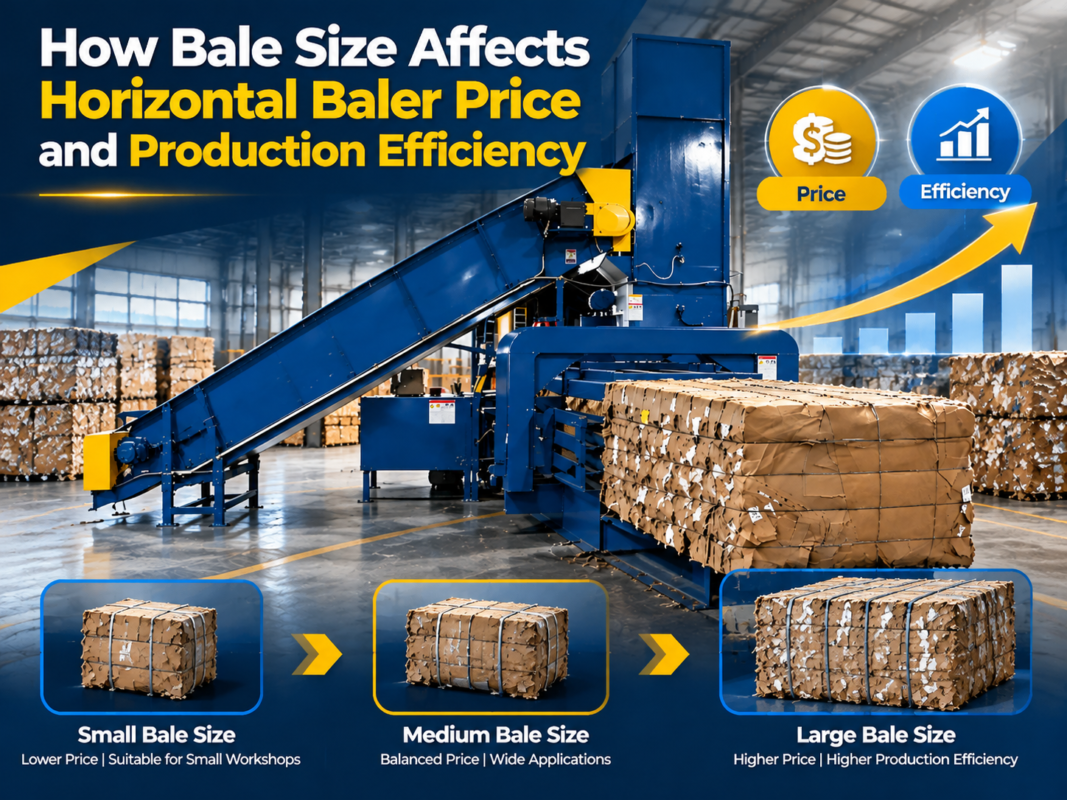
Consider the bale size and density requirements of your downstream buyers. Different mills have specific requirements for bale dimensions and weight. If your baler produces bales that are too large or too dense for your buyer’s equipment, you may face penalties or reduced scrap prices. Ensure the machine you select is configured to produce the specific bale size that maximizes your revenue per ton.
Integration with other equipment, such as shredders or magnetic separators, adds complexity to the configuration. If you are building a full recycling line, the baler must be able to communicate with upstream and downstream equipment via a centralized control system. This level of integration requires advanced PLC programming and sensor arrays, which are reflected in the final cost of the system.
Hidden Costs
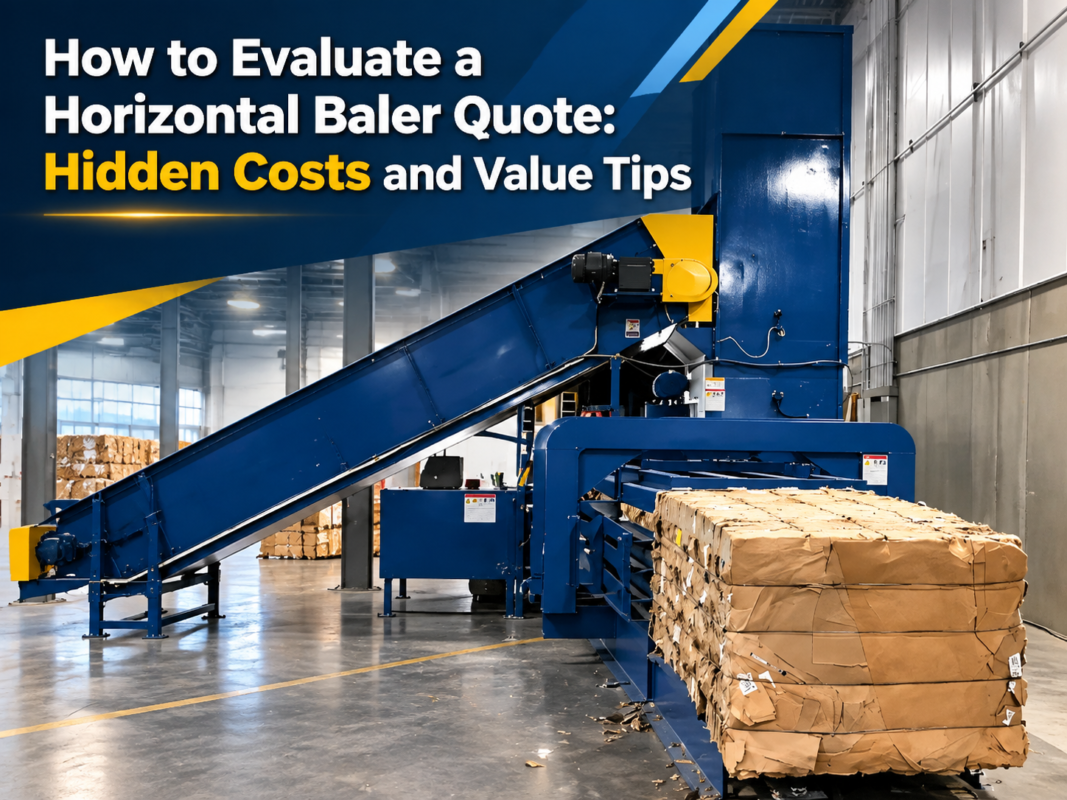
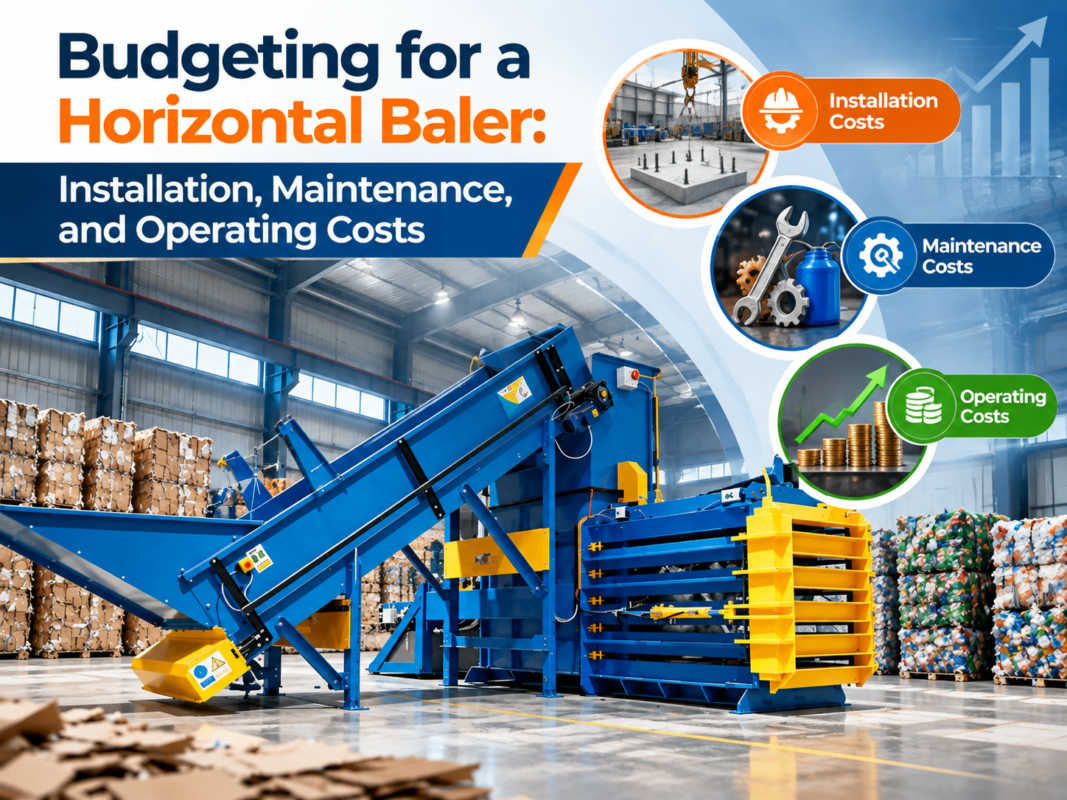
When evaluating the Industrial Scrap Metal Baler Price, many buyers focus solely on the invoice price of the machine. However, the total cost of ownership includes several hidden factors that can impact your budget. Installation is the most immediate hidden cost. This includes site preparation, such as pouring a reinforced concrete pad, electrical upgrades to accommodate high-voltage motors, and the cost of professional rigging services to position the machine.
Maintenance and spare parts represent ongoing operational costs. Hydraulic oil, filters, seals, and wire for the tying system are recurring expenses. It is prudent to ask the manufacturer for a list of recommended spare parts to keep on-site. Investing in a high-quality machine from a reliable manufacturer like HARSLE often means better access to parts and technical support, which reduces the risk of long-term maintenance headaches.
Energy consumption is another factor that is often overlooked. Older or less efficient balers can consume significant amounts of electricity. Modern balers with variable frequency drives (VFDs) and energy-efficient motors can drastically reduce power consumption. Over the lifespan of the machine, these energy savings can amount to thousands of dollars, making a more expensive, efficient machine a better value proposition.
Training and safety compliance are also costs to consider. Operating a powerful industrial baler requires trained personnel to ensure safety and machine longevity. You may need to budget for operator training programs or safety certifications to comply with local regulations. Neglecting these aspects can lead to accidents, equipment damage, and legal liabilities that far exceed the cost of proper training.
Finally, consider the cost of downtime. If your baler breaks down and you have no backup, your scrap will pile up, potentially creating a fire hazard or a logistical nightmare. The cost of lost productivity and the potential need to pay for external waste removal services should be factored into your risk assessment. Choosing a machine with a proven track record of reliability is a form of insurance against these hidden costs.
ROI Calculation
Calculating the Return on Investment (ROI) for a scrap metal baler involves comparing the cost of the machine against the increased revenue from processed scrap and the reduction in operational expenses. Processed, baled scrap is significantly more valuable than loose scrap. Mills and foundries pay a premium for high-density bales because they are easier to transport and melt down.
Start by calculating your current scrap volume and the price difference between loose and baled material. If you are currently paying for waste removal or receiving a low price for loose scrap, the transition to baling can turn a cost center into a revenue stream. Multiply the price premium per ton by your annual tonnage to estimate your annual revenue increase.
Next, factor in the reduction in logistics costs. Baled material has a much higher density, meaning you can fit more weight into a single truckload. This reduces the number of trips required to transport your scrap to the buyer, leading to significant savings in freight costs. For many facilities, the reduction in transportation expenses alone can justify the cost of the baler within a few years.
Labor savings are the third pillar of the ROI calculation. By automating the baling process, you can reallocate staff to more productive tasks within your fabrication facility. Calculate the hourly rate of the employees currently handling scrap and compare it to the labor required to operate an automated baler. The difference in man-hours is a direct financial benefit.
Finally, consider the tax benefits and depreciation. In many jurisdictions, industrial machinery is eligible for accelerated depreciation or tax credits, which can improve the cash flow impact of the purchase. Consult with your financial advisor to understand how the investment in a baler fits into your company’s tax strategy. By combining these factors, you can build a compelling business case for the purchase.
Buying Advice
When you are ready to purchase, start by defining your throughput requirements. Do not just look at your current volume; consider your projected growth over the next five to ten years. A machine that is perfect for your current needs may become a bottleneck if your production increases, so it is often wise to build in a 20-30% capacity buffer.
Request quotes from multiple reputable manufacturers and compare them based on the total cost of ownership, not just the purchase price. Ask for detailed specifications, including cycle times, bale dimensions, motor power, and warranty terms. A good manufacturer will be transparent about these specs and will be willing to provide references from other customers in your industry.
Site visits are invaluable. If possible, visit a facility that is already using the model you are considering. Seeing the machine in action will give you a much better understanding of its build quality, noise levels, and ease of operation. It also provides an opportunity to speak with the operators about their experience with the machine and the manufacturer’s support.
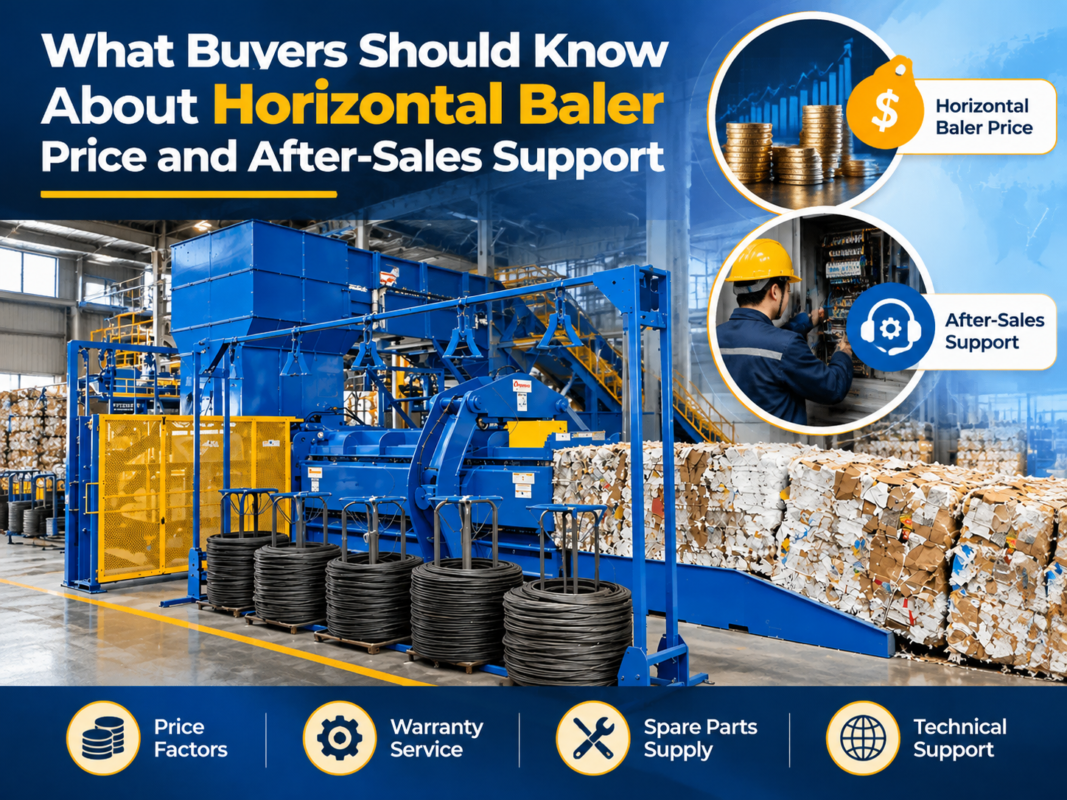
Pay close attention to the warranty and after-sales support. Industrial machinery requires regular maintenance, and having a responsive support team is crucial. Ask about the availability of local technicians, the typical response time for service calls, and the ease of ordering spare parts. A machine is only as good as the support behind it.
Finally, trust your gut and your research. If a deal seems too good to be true, it likely is. Low-cost machines often come with hidden compromises in material quality or engineering. Investing in a proven, high-quality industrial scrap metal baler from a trusted partner like HARSLE is the best way to ensure long-term success and maximize the value of your scrap processing operations.
Часто задаваемые вопросы
- What is the typical lifespan of an industrial scrap metal baler? With proper maintenance, a high-quality industrial baler can last 15 to 20 years or more.
- How do I choose the right tonnage for my scrap? The required tonnage depends on the type of metal (e.g., steel vs. aluminum) and the desired bale density. Consult with a HARSLE engineer to match the force to your specific material.
- Can I bale different types of metals in the same machine? Yes, but you must ensure the machine is rated for the hardest material you intend to process. Mixing metals can also affect the value of the bale.
- How often does a baler need maintenance? Routine maintenance should be performed according to the manufacturer’s schedule, typically every 500 to 1,000 operating hours.
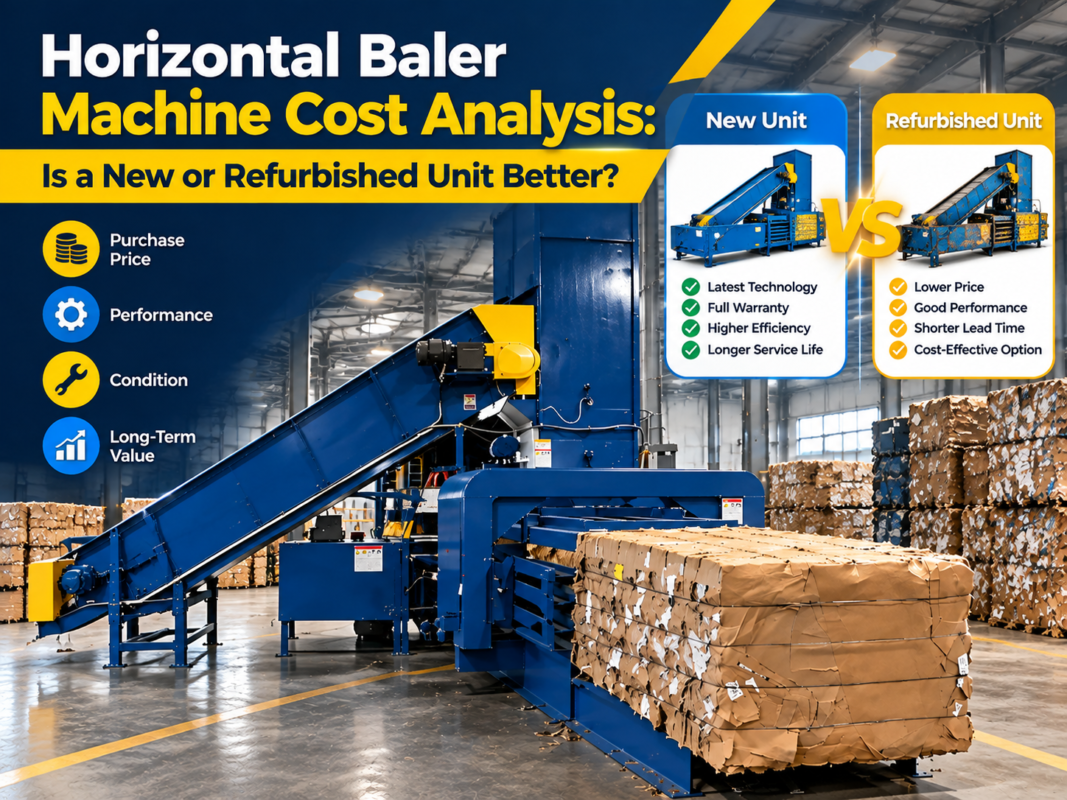
- Is it better to buy new or used? New machines offer warranties, the latest technology, and reliability. Used machines can be cheaper but carry higher risks of mechanical failure and lack of support.