How to Diagnose Uneven Baling Problems in a Scrap Metal Baler: A Comprehensive Maintenance Guide


Introduction to Scrap Metal Baler Performance
In the high-stakes world of metal recycling and fabrication, the efficiency of your scrap metal baler is directly tied to your operational profitability. A scrap metal baler is designed to compress loose, bulky metallic waste into dense, uniform blocks, facilitating easier transport and higher resale value. However, operators often encounter the frustrating issue of uneven bales—where the density, shape, or structural integrity of the output varies significantly. Learning how to diagnose uneven baling problems in a scrap metal baler is essential for maintaining throughput and preventing premature machine wear.
When a baler produces uneven bales, it is rarely a sign of a single catastrophic failure. Instead, it is usually a symptom of a systemic imbalance within the hydraulic, mechanical, or feeding processes. Whether you are operating a high-capacity HARSLE hydraulic baling press or a smaller unit, the principles of troubleshooting remain consistent. This guide provides a deep dive into the root causes of inconsistent baling and offers actionable steps to restore your equipment to peak performance.
Understanding the anatomy of a bale is the first step in the diagnostic process. A perfect bale should be rectangular, dense, and consistent in its dimensions. When you notice bulging sides, “banana” shapes, or loose corners, you are looking at a failure in the compression cycle. By systematically evaluating your machine, you can identify whether the issue lies in the hydraulic pressure distribution, the material feeding method, or the wear and tear of the internal chamber liners.
Key Considerations for Consistent Baling
Before diving into complex mechanical repairs, it is vital to consider the operational environment and the material being processed. Uneven baling is frequently caused by the nature of the scrap itself. If the material feed is inconsistent—for example, mixing light aluminum shavings with heavy steel offcuts—the baler will struggle to apply uniform pressure across the entire surface area of the ram. This leads to density pockets that cause the bale to deform once it is ejected from the chamber.
Another key consideration is the moisture and contamination level of the scrap. While scrap metal balers are robust, excessive oil, water, or non-metallic debris can interfere with the friction required to hold a bale together. If your scrap is heavily contaminated, the internal pressure distribution might be affected, leading to uneven compression. Always ensure that your feeding process is as homogenous as possible to allow the machine to work within its design parameters.
Operator technique also plays a significant role in the consistency of the final product. If the chamber is overfilled or underfilled, the ram may not travel through its full stroke effectively. Overfilling can cause the ram to jam or tilt, while underfilling prevents the material from reaching the necessary density to hold its shape. Establishing a standard operating procedure (SOP) for loading the hopper is a simple but effective way to eliminate human-induced unevenness.
Finally, consider the ambient temperature and hydraulic oil viscosity. Hydraulic systems are highly sensitive to temperature fluctuations. If the oil is too cold, the valves may respond sluggishly, leading to uneven pressure application during the initial compression phase. Conversely, if the oil is too hot, the viscosity drops, potentially causing internal leakage in the cylinders. Monitoring your hydraulic system’s health is a prerequisite for diagnosing any baling inconsistency.
Technical Details: Diagnosing Hydraulic and Mechanical Failures
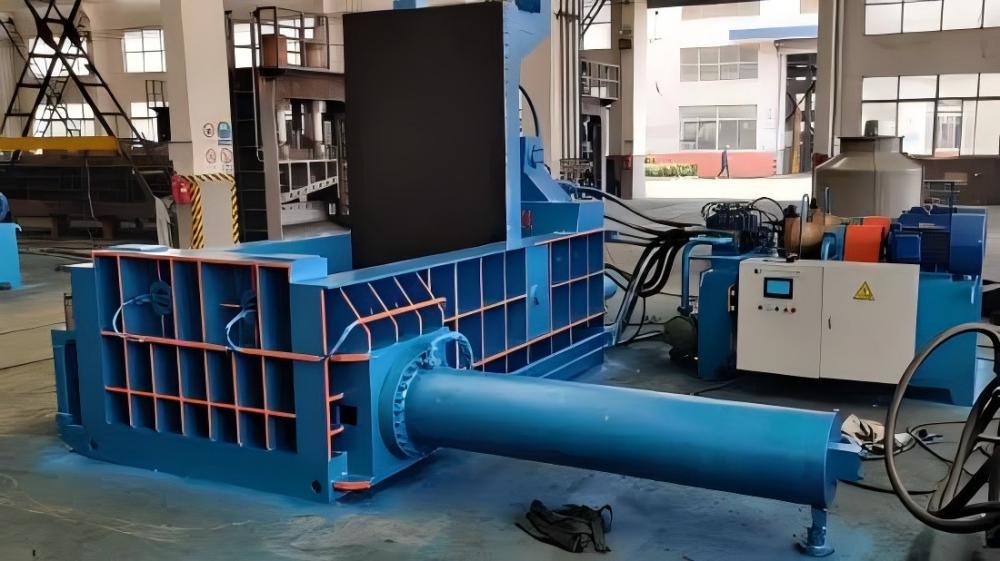
When you need to diagnose uneven baling problems in a scrap metal baler, the hydraulic system is the most common culprit. The primary compression ram and the side-compression rams must work in perfect synchronization. If one cylinder is lagging behind due to a faulty solenoid valve or a worn seal, the pressure will be applied unevenly to the material. Use a pressure gauge to monitor the output of each hydraulic circuit during the compression cycle to ensure that all rams are reaching their rated pressure simultaneously.
Mechanical wear within the baling chamber is another critical area to inspect. Over time, the internal liners of the baling chamber can become grooved or warped. If the liners are uneven, the material will catch on these imperfections, preventing it from being compressed into a smooth, uniform block. Inspect the chamber walls for signs of excessive wear or debris buildup. If the liners are damaged, they must be replaced or resurfaced to ensure the material can slide freely during the compression process.
The ram guide shoes are responsible for keeping the ram aligned as it travels through the chamber. If these shoes are worn, the ram may tilt slightly during the compression stroke. This tilt is a major cause of uneven bale density, as one side of the bale will be compressed significantly more than the other. Check the clearance between the ram and the chamber walls; if there is excessive play, the guide shoes likely need adjustment or replacement.
Furthermore, examine the hydraulic hoses and fittings for leaks or air entrainment. Air in the hydraulic system acts like a spring, causing the ram to “spongy” or move erratically. If you hear unusual noises, such as cavitation or chattering, it is a strong indicator that air is trapped in the system or that the hydraulic pump is struggling to maintain a steady flow. Bleeding the hydraulic system and checking for suction-side leaks should be part of your routine maintenance schedule.
Selection Advice: Choosing the Right Baler for Your Needs
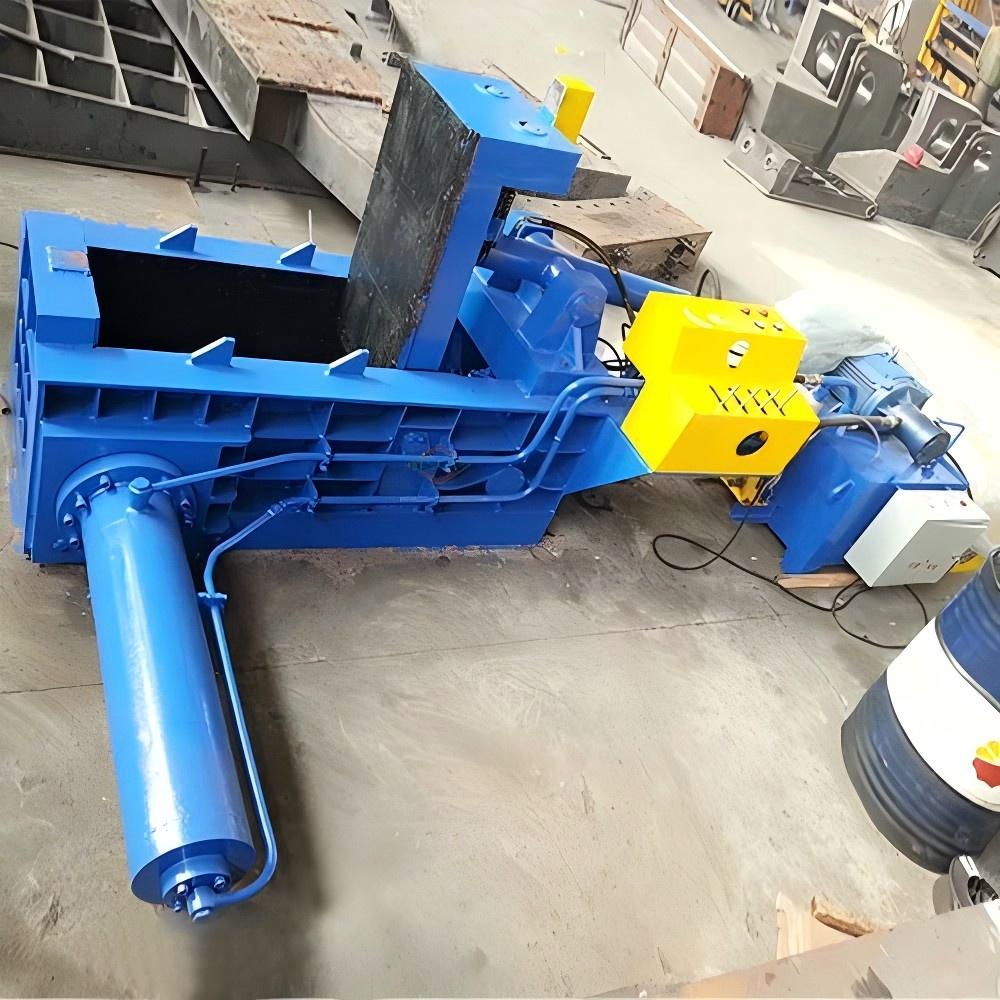
When selecting a scrap metal baler, the most effective way to avoid uneven baling problems is to choose a machine that is appropriately sized for your specific material throughput. A common mistake is purchasing a baler that is underpowered for the density of the scrap being processed. If you are regularly baling heavy steel, a light-duty baler will eventually suffer from structural fatigue, leading to the very unevenness you are trying to avoid. Always consult with HARSLE engineers to match the machine’s tonnage and chamber size to your specific material profile.
Look for machines that feature advanced PLC (Programmable Logic Controller) systems. Modern balers allow for precise control over the compression cycle, including dwell time and pressure settings. A machine with a sophisticated control system can automatically adjust for minor variations in material density, ensuring that every bale meets your quality standards. This level of automation significantly reduces the reliance on operator skill and minimizes the risk of human error.
Consider the ease of maintenance when evaluating potential equipment. A baler that is difficult to clean or inspect will inevitably be neglected, leading to the accumulation of scrap debris that causes uneven compression. Look for features like large access panels, centralized lubrication points, and modular wear plates. These design choices make it easier to perform the regular inspections required to diagnose and prevent baling problems before they escalate.
Finally, prioritize build quality and manufacturer support. A high-quality scrap metal baler is a long-term investment. Ensure that the manufacturer provides comprehensive documentation, spare parts availability, and technical support. When you encounter a complex issue that you cannot diagnose yourself, having access to expert guidance from the manufacturer can save you days of downtime and thousands of dollars in lost productivity.
FAQ: Common Questions About Baler Troubleshooting
- Q: Why does my bale have a “banana” shape?
A: A curved or “banana” bale is usually caused by uneven pressure distribution. Check the alignment of your rams and ensure that the material is being fed into the center of the chamber rather than to one side. - Q: How often should I check the hydraulic oil?
A: Hydraulic oil should be checked monthly for contamination and viscosity. If the oil appears milky, it indicates water contamination, which can cause internal corrosion and erratic valve performance. - Q: Can worn liners cause uneven bales?
A: Yes. If the internal liners of the baling chamber are worn or grooved, the material will catch on the walls, preventing uniform compression and resulting in deformed bales. - Q: What is the role of the PLC in preventing uneven bales?
A: The PLC manages the timing and pressure of the compression cycles. If the PLC settings are incorrect, the ram may not hold pressure long enough to “set” the bale, leading to expansion and uneven density. - Q: How do I know if my ram guide shoes are worn?
A: If you notice the ram wobbling or tilting during the stroke, or if there is excessive clearance between the ram and the chamber walls, the guide shoes are likely worn and require adjustment or replacement.
Conclusion
Diagnosing uneven baling problems in a scrap metal baler is a systematic process that requires a combination of operational observation and technical inspection. By focusing on the hydraulic system, mechanical alignment, and material feeding habits, you can identify the root cause of inconsistent output and implement effective solutions. Remember that regular maintenance is the best defense against performance degradation. By keeping your HARSLE baler clean, well-lubricated, and properly calibrated, you ensure that your operation remains efficient, profitable, and capable of producing high-quality, dense bales every single time.
If you find that your troubleshooting efforts are not yielding results, do not hesitate to contact professional service technicians. Industrial machinery is complex, and sometimes a subtle issue—such as a failing pressure relief valve or a micro-fracture in a structural weld—requires specialized diagnostic tools. Investing time in understanding your machine today will pay dividends in the longevity and reliability of your metal fabrication equipment for years to come.