How to Prevent and Fix Ram Seal Leakage in Aluminium Extrusion Press Systems


Introduction to Ram Seal Integrity in Aluminium Extrusion
In the high-pressure environment of aluminium extrusion, the hydraulic ram is the heart of the operation. Maintaining the integrity of the ram seal is not merely a matter of housekeeping; it is a critical operational requirement that dictates the efficiency, safety, and longevity of your aluminium extrusion press. When a seal begins to fail, the resulting leakage leads to pressure drops, inconsistent extrusion profiles, and significant environmental hazards. Understanding how to prevent and fix ram seal leakage in aluminium extrusion press systems is essential for any facility manager aiming to minimize downtime and maximize output.
HARSLE recognizes that the extrusion process involves immense force and thermal stress. The ram seal acts as the primary barrier between the high-pressure hydraulic fluid and the external environment. Over time, factors such as fluid contamination, thermal cycling, and mechanical misalignment can compromise this barrier. This guide provides a deep dive into the technical aspects of seal failure, offering actionable strategies to ensure your equipment remains in peak condition.
By implementing a proactive maintenance strategy, operators can identify the early warning signs of seal degradation before they escalate into catastrophic failures. This article explores the root causes of leakage, the technical specifications required for high-performance seals, and the step-by-step procedures for effective repair. Whether you are operating a heavy-duty industrial press or a specialized extrusion line, these insights will help you maintain operational excellence.
As we navigate the complexities of hydraulic systems, it is important to remember that prevention is always more cost-effective than emergency repair. By focusing on fluid cleanliness, proper installation techniques, and regular inspection intervals, you can significantly extend the service life of your ram seals. Let us examine the key considerations that every maintenance team must prioritize to keep their extrusion presses running smoothly.
Key Considerations for Hydraulic Ram Maintenance
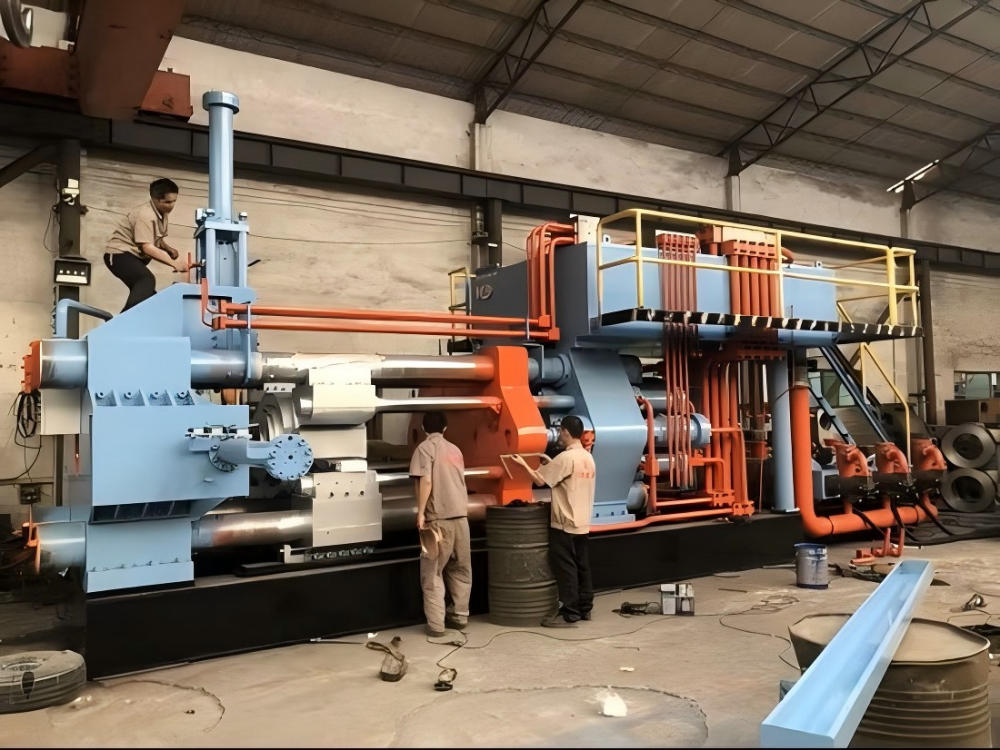
The first step in managing ram seal leakage is understanding the operating environment. Aluminium extrusion presses operate under extreme pressure, often exceeding 200 bar. This pressure places a tremendous load on the sealing elements. If the ram surface is not perfectly smooth or if the hydraulic fluid contains particulate matter, the seal will experience accelerated wear. Regular inspection of the ram surface for scoring, pitting, or corrosion is a non-negotiable task for maintenance crews.
Thermal management is another critical factor. The heat generated during the extrusion process can transfer to the hydraulic cylinder, affecting the viscosity of the oil and the elasticity of the seal material. If the seals are not rated for the specific temperature range of your operation, they will harden and crack prematurely. Always ensure that your seal material—whether it be Viton, Nitrile, or specialized polyurethane—is compatible with both the hydraulic fluid type and the operating temperature of your press.
Fluid cleanliness is perhaps the most overlooked aspect of seal longevity. Hydraulic oil acts as a lubricant for the seal. If the oil is contaminated with metal shavings, dust, or moisture, it acts as an abrasive, grinding away at the seal lip. Implementing a robust filtration system and performing regular oil analysis can prevent the microscopic damage that eventually leads to visible leaks. A clean system is a long-lasting system.
Finally, consider the mechanical alignment of the ram. If the ram is slightly misaligned due to wear in the guide bushings or a bent piston rod, the seal will be subjected to uneven pressure distribution. This uneven loading causes the seal to wear out on one side faster than the other, leading to persistent leakage that cannot be fixed by simply replacing the seal. Always check the mechanical tolerances of the ram assembly during every major maintenance cycle.
Technical Details: Identifying and Fixing Leakage
When you detect a leak, the first step is to categorize it. Is it a weeping leak, where a small amount of oil accumulates over time, or is it a high-pressure spray? A weeping leak might indicate a minor seal hardening or a small piece of debris trapped under the lip. A high-pressure spray, however, indicates a catastrophic seal failure or a damaged sealing surface. Never attempt to tighten a gland nut while the system is under pressure; this is a dangerous practice that can lead to severe injury.
To fix a ram seal leak, you must first perform a controlled shutdown and de-pressurize the hydraulic circuit. Once the system is safe, remove the gland or the cylinder head to access the seal. Inspect the seal carefully. If you see signs of ‘nibbling’ or extrusion, it means the clearance gap between the ram and the cylinder is too large, or the pressure is exceeding the seal’s rating. If the seal is charred, you have a thermal issue. If it is brittle, the material is incompatible with the fluid or heat.
Before installing the new seal, the ram surface must be polished. Use fine-grit emery cloth to remove any burrs or oxidation. If the ram has deep gouges, polishing will not be enough; you may need to have the ram hard-chrome plated or replaced entirely. Installing a new seal on a damaged ram surface is a waste of time, as the new seal will fail within hours or days.
When installing the new seal, ensure it is lubricated with clean hydraulic fluid. Use the correct installation tools to avoid stretching or twisting the seal during insertion. A twisted seal will fail immediately upon pressurization. Once installed, slowly cycle the press to bleed any trapped air from the system. Air in the hydraulic lines can cause ‘dieseling’—a phenomenon where air bubbles compress and ignite under high pressure, causing localized heat spikes that destroy seals.
Selection Advice: Choosing the Right Seal for Your Press
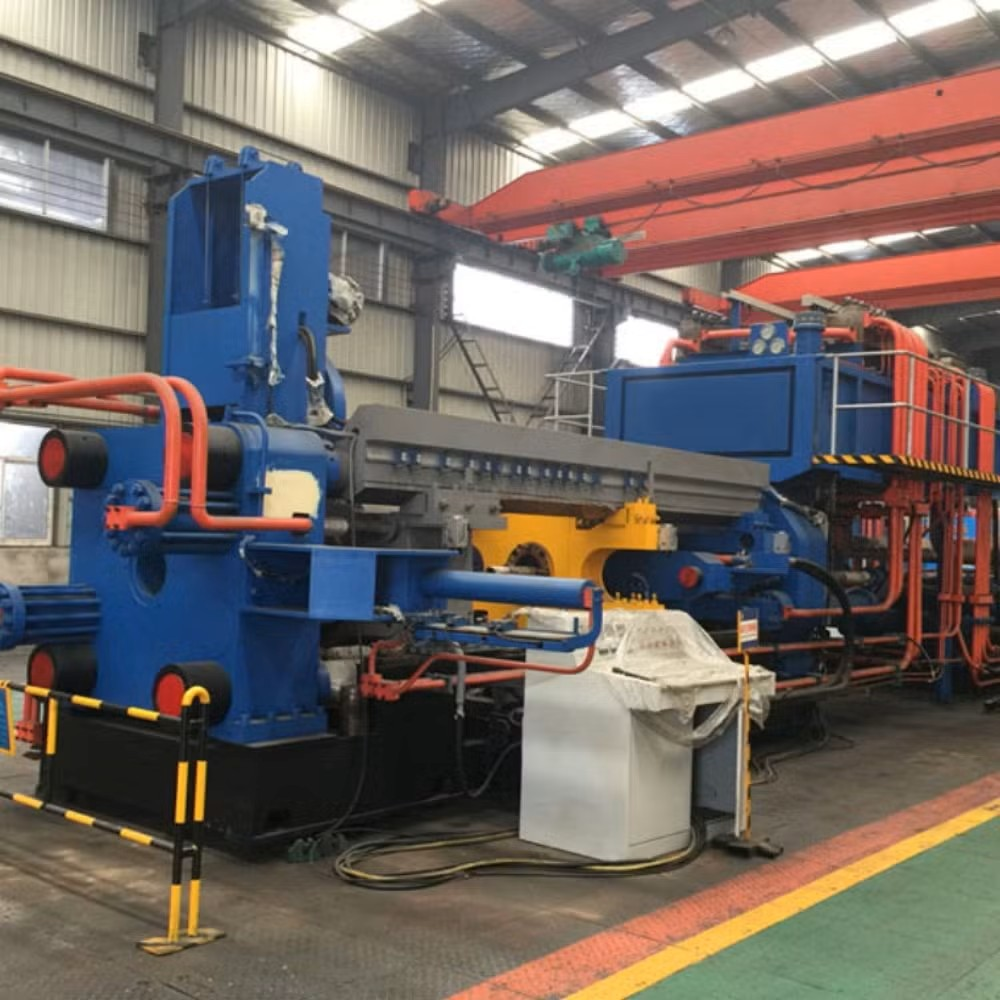
Not all seals are created equal. When selecting replacement seals for your aluminium extrusion press, you must consider the specific requirements of your machine. High-pressure applications require seals with anti-extrusion rings, often made of PTFE or reinforced fabric. These rings prevent the soft sealing material from being pushed into the gap between the ram and the cylinder wall under extreme pressure.
Consult the original equipment manufacturer (OEM) specifications provided by HARSLE. Using ‘generic’ seals that are not designed for the specific pressure and speed of your extrusion press is a common mistake. Look for seals that offer high resistance to hydrolysis and wear. If your press operates in a high-temperature environment, prioritize materials with high thermal stability.
Consider the seal profile as well. U-cup seals are common for their ability to self-energize under pressure, but for heavy-duty extrusion presses, multi-lip or chevron-style packing sets are often preferred. Chevron packing can be adjusted by tightening the gland, allowing for a longer service life as the seal wears down. However, this requires skilled maintenance personnel who know how to apply the correct amount of torque.
Finally, keep a documented inventory of your seal kits. Having the correct parts on hand reduces downtime significantly. Do not store seals in direct sunlight or near ozone-producing equipment, as these factors degrade rubber compounds over time. Keep them in their original packaging in a cool, dry place to ensure they are ready for use when needed.
Frequently Asked Questions (FAQ)
1. How often should I inspect the ram seals on my extrusion press?
We recommend a visual inspection during every shift change. A comprehensive maintenance check, including pressure testing and seal condition assessment, should be performed every 500 to 1,000 operating hours, depending on the intensity of your production cycle.
2. Can I use standard O-rings for high-pressure ram sealing?
No. Standard O-rings are generally not designed for the dynamic, high-pressure, and high-friction environment of an extrusion press ram. Always use seals specifically engineered for hydraulic cylinders, which include anti-extrusion features.
3. What causes a new seal to leak immediately after installation?
Immediate leakage is usually caused by improper installation (e.g., twisting the seal), damage to the seal lip during insertion, or a pre-existing scratch on the ram surface that was not polished out. Always inspect the ram surface before installing a new seal.
4. Is it necessary to replace the entire seal kit if only one seal is leaking?
Yes, it is highly recommended. If one seal has failed due to age or wear, the others in the assembly are likely in a similar condition. Replacing the entire kit ensures uniform performance and prevents the need for another teardown in the near future.
5. How does hydraulic oil contamination affect seal life?
Contaminants act as abrasives. When particles get trapped between the seal lip and the ram, they create microscopic scratches. Over time, these scratches become channels for oil to escape, leading to persistent leakage.
Conclusion
Preventing and fixing ram seal leakage in aluminium extrusion press systems is a fundamental aspect of industrial maintenance. By understanding the interplay between hydraulic pressure, thermal stress, and mechanical alignment, you can transform your maintenance approach from reactive to proactive. Remember that the longevity of your seals is directly tied to the cleanliness of your hydraulic system and the precision of your installation techniques.
HARSLE is committed to providing the high-quality metal fabrication equipment and technical support necessary to keep your operations running at peak efficiency. By following the guidelines outlined in this article, you can minimize the risk of unexpected downtime, reduce maintenance costs, and ensure the safety of your personnel. Invest in quality components, maintain a rigorous inspection schedule, and never compromise on the technical standards required for your extrusion press.
As you continue to optimize your production line, keep these best practices at the forefront of your maintenance strategy. Whether you are dealing with a minor weep or a major seal failure, the systematic approach described here will help you resolve the issue effectively and get your press back to producing high-quality aluminium profiles. For further assistance or to explore our range of extrusion press solutions, contact the HARSLE support team today.