How to Fix Poor Surface Finish on an Aluminium Extrusion Press Line: A Comprehensive HARSLE Guide


Introduction
Achieving a flawless surface finish is the hallmark of high-quality aluminium extrusion. For manufacturers, surface defects are not merely aesthetic issues; they represent wasted material, increased downtime, and potential rejection from high-end clients in the automotive, aerospace, and architectural sectors. When you need to fix poor surface finish on an aluminium extrusion press line, the solution often lies in a systematic audit of your mechanical parameters, thermal management, and material handling protocols.
At HARSLE, we understand that the extrusion process is a delicate balance of pressure, temperature, and speed. Even minor deviations in the extrusion press line can lead to tearing, pick-up, or die lines that compromise the integrity of the finished profile. This guide is designed to help production managers and maintenance engineers diagnose the root causes of surface degradation and implement long-term corrective actions.
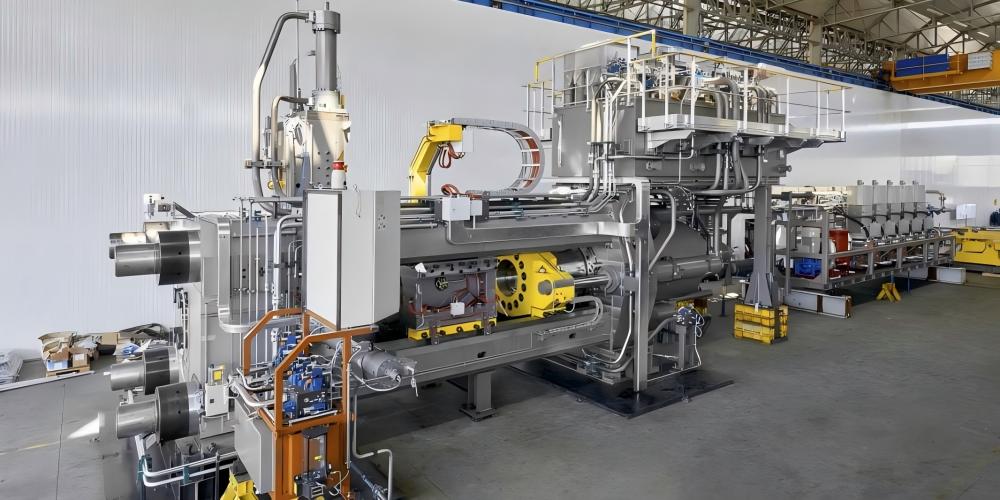
Whether you are operating a heavy-duty HARSLE aluminium extrusion press or integrating new automation into an existing line, understanding the physics of metal flow is essential. By addressing the variables that influence surface quality, you can significantly improve your yield rates and reduce the frequency of costly die maintenance. Let us explore the technical intricacies of maintaining a pristine surface finish.
Key Considerations for Surface Quality
The first step to fix poor surface finish on an aluminium extrusion press line is to identify the specific type of defect. Surface issues generally fall into three categories: mechanical damage, thermal-related defects, and material-related inconsistencies. Mechanical damage often stems from the handling system, while thermal defects are usually linked to the billet temperature or the extrusion speed.
Billet temperature management is perhaps the most critical factor. If the billet is too cold, the metal flow becomes sluggish, leading to high extrusion pressures and potential surface tearing. Conversely, if the billet is too hot, the aluminium may reach its solidus temperature, causing surface melting or “hot shortness.” Maintaining a consistent temperature gradient across the billet is vital for uniform surface texture. Operators should utilize multi-zone induction heaters to ensure the billet core and surface temperatures are perfectly aligned with the alloy’s specific flow stress requirements.
Die design and maintenance also play a pivotal role. The bearing surface of the die must be polished to a mirror finish. Any microscopic scratches or debris on the die land will be transferred directly to the aluminium profile. Regular inspection cycles and the use of high-quality nitriding processes can significantly extend the life of your dies and prevent surface streaking. Furthermore, the geometry of the die entry—specifically the transition angles—must be optimized to prevent stagnant zones where aluminium can accumulate and eventually break off, causing intermittent surface defects.
Lubrication practices must also be scrutinized. While lubrication is necessary for the dummy block and the container, excessive or improper application can lead to surface contamination. Ensuring that your lubrication system is calibrated to deliver the exact amount required—no more, no less—is a fundamental step in preventing surface blemishes that are often mistaken for die-related issues. Modern automated spray systems can help maintain consistency, reducing the human error associated with manual lubrication.
Technical Details: Diagnosing and Correcting Defects
To effectively fix poor surface finish on an aluminium extrusion press line, you must analyze the extrusion speed versus the exit temperature. As the profile exits the die, the friction between the metal and the die land generates significant heat. If the exit speed is too high, the surface temperature can exceed the threshold for optimal finish, resulting in a dull or “orange peel” appearance. This phenomenon is often exacerbated by poor die cooling; therefore, integrating die-face cooling systems can provide the necessary thermal buffer to maintain surface integrity at higher production speeds.
Another technical factor is the extrusion ratio. A high extrusion ratio requires higher pressure, which increases the stress on the die. If the die is not sufficiently supported or if the material flow is unbalanced, the resulting shear stress can cause surface tearing. Engineers should utilize simulation software to verify that the die design is optimized for the specific alloy being extruded, ensuring a laminar flow that minimizes surface friction. By adjusting the bearing lengths, you can control the flow velocity across the profile cross-section, preventing the differential stretching that leads to surface distortion.
The condition of the container liner is equally important. A worn or scored liner can cause aluminium to build up, which then breaks off and gets dragged along the surface of the profile. This leads to intermittent surface defects that are difficult to trace. Regular measurement of the liner diameter and surface integrity should be part of your preventative maintenance schedule. If the liner shows signs of scoring, it must be honed or replaced to prevent the introduction of contaminants into the extrusion chamber.
Finally, consider the cooling system. The quench rate must be carefully controlled to prevent thermal shock, which can manifest as surface cracking or warping. Using a water mist or air-cooling system that is synchronized with the press speed ensures that the profile cools uniformly, preserving the surface finish achieved at the die exit. Inadequate cooling can lead to grain growth, which negatively impacts the final surface appearance and mechanical properties of the aluminium.
Selection Advice: Choosing the Right Equipment
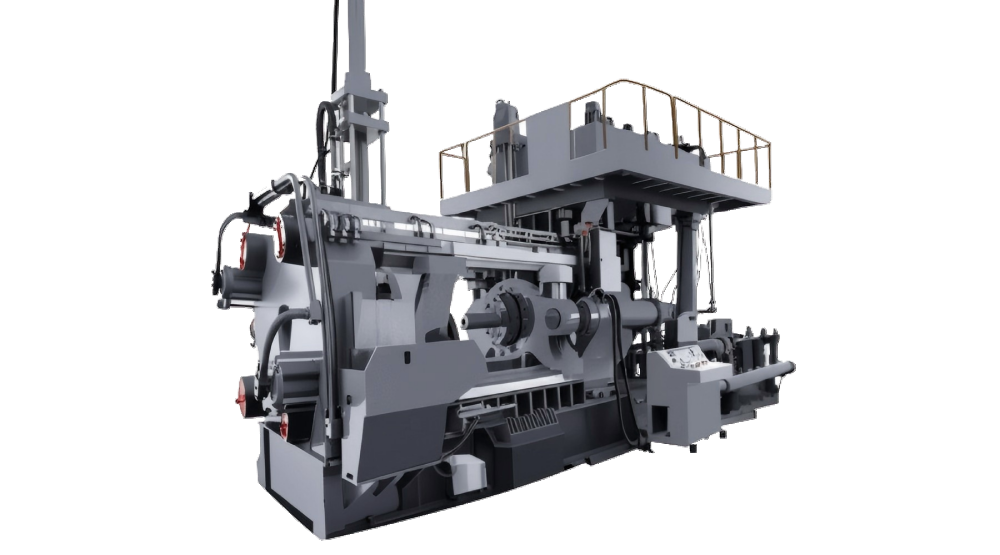
When selecting or upgrading your aluminium extrusion press, prioritize machines that offer advanced control systems. A HARSLE press equipped with real-time pressure and temperature monitoring allows operators to make micro-adjustments on the fly. This level of control is essential for maintaining surface quality across different alloy types and profile complexities. Look for PLC-based systems that offer closed-loop feedback, allowing the press to automatically adjust ram speed based on real-time exit temperature data.
Look for presses that feature automated billet heating systems with induction technology. Induction heating provides a more uniform temperature profile compared to traditional gas furnaces, reducing the risk of thermal-related surface defects. Furthermore, integrated data logging allows you to track the performance of every extrusion run, making it easier to identify the cause of surface issues when they occur. This data-driven approach is vital for ISO-certified facilities that require strict process repeatability.
Consider the rigidity of the press frame. A press that experiences excessive deflection under load will cause the die to shift slightly, leading to uneven wall thickness and surface defects. Investing in a robust, high-stiffness press frame is a long-term strategy for ensuring consistent surface quality and reducing maintenance costs over the life of the machine. High-tensile steel construction and precision-aligned tie rods are non-negotiable features for high-output lines.
Lastly, evaluate the automation level of the handling system. Many surface defects are introduced after the profile leaves the press, during the cooling or stretching phase. Automated handling systems that minimize physical contact and prevent the profiles from rubbing against each other are crucial for maintaining a high-quality finish from the press to the saw. Incorporating soft-touch belts and non-marking rollers can prevent the mechanical abrasion that often ruins an otherwise perfect extrusion.
FAQ: Frequently Asked Questions
Why does my aluminium profile have longitudinal streaks?
Longitudinal streaks are typically caused by debris or metal build-up on the die bearing surface. To fix this, the die must be removed, cleaned, and polished. Ensure that your nitriding process is up to date to prevent future build-up. Additionally, check for any contaminants in the billet itself, as inclusions can also cause streaking.
How does billet temperature affect surface finish?
If the billet is too cold, you may see surface tearing due to high friction. If it is too hot, the surface may become dull or exhibit “hot shortness.” Maintaining a precise temperature profile is key to a smooth finish. We recommend using a pyrometer at the die exit to monitor the actual metal temperature in real-time.
Can the extrusion speed cause surface defects?
Yes, excessive speed increases the exit temperature and friction at the die land. If you notice a decline in surface quality as you increase production speed, you may need to adjust your cooling system or lower the extrusion speed. Balancing speed with cooling capacity is the secret to high-speed, high-quality production.
What is the role of the dummy block in surface quality?
A worn or improperly sized dummy block can allow aluminium to flow backward, causing surface contamination. Regular inspection and replacement of the dummy block are essential for preventing these defects. A clean, well-lubricated dummy block ensures a clean seal against the container wall.
How often should I inspect my extrusion dies?
Dies should be inspected after every production run or at set intervals based on the total tonnage extruded. Early detection of wear is the best way to prevent poor surface finish on an aluminium extrusion press line. Keep a detailed log of die performance to predict when maintenance is required before defects appear.
Conclusion
Fixing poor surface finish on an aluminium extrusion press line is a multifaceted challenge that requires a combination of mechanical precision, thermal control, and rigorous maintenance. By focusing on the health of your dies, the accuracy of your billet heating, and the stability of your press operation, you can achieve the high-quality results that your customers demand. HARSLE remains committed to providing the industrial machinery and technical expertise necessary to keep your production line running at peak performance. Remember that consistent monitoring and proactive maintenance are the most effective tools in your arsenal to ensure that every profile leaving your press meets the highest standards of surface excellence. By investing in the right technology and adhering to strict operational protocols, you can transform your extrusion line into a model of efficiency and quality.