Hammer Shredder Won’t Start: Common Causes and Fast Troubleshooting Steps


Introduction
In the high-stakes environment of metal fabrication and recycling, downtime is the enemy of productivity. When your HARSLE hammer shredder won’t start, it can bring your entire processing line to a grinding halt. Understanding the root causes of startup failure is essential for maintenance teams and plant managers alike. This guide explores the Hammer Shredder Won’t Start: Common Causes Fast Troubleshooting Steps to help you diagnose issues quickly and restore operational efficiency.
A hammer shredder is a robust piece of industrial machinery designed to withstand immense forces. However, like any complex mechanical system, it relies on a delicate balance of electrical, mechanical, and safety components. When one of these systems fails, the machine’s control logic often prevents startup to protect the motor and the internal components from catastrophic damage.
By following a systematic approach to troubleshooting, you can often identify simple issues—such as tripped breakers or safety interlock failures—without needing to call in external technicians. This article provides a deep dive into the technical aspects of these machines, ensuring you have the knowledge to maintain your equipment at peak performance levels.
Whether you are dealing with a brand-new installation or a machine that has been in service for years, the troubleshooting steps outlined here are designed to be safe, logical, and effective. Let’s dive into the common culprits behind a shredder that refuses to engage.
Key Considerations for Shredder Startup
Before diving into the mechanical internals, it is vital to understand the safety protocols surrounding industrial shredders. HARSLE equipment is built with multiple layers of safety interlocks. These are not just suggestions; they are critical systems designed to prevent injury. If your machine won’t start, the first place to look is often the safety circuit.
Check the emergency stop (E-stop) buttons. It is surprisingly common for an E-stop to be partially depressed or for a latching mechanism to remain engaged after a previous shift. Ensure all E-stops are pulled out and reset. Furthermore, inspect the access doors and maintenance hatches. Most modern hammer shredders are equipped with limit switches that prevent the motor from starting if a door is even slightly ajar.
Power supply stability is another key consideration. Industrial shredders require significant inrush current to overcome the inertia of the heavy rotor. If your facility’s electrical grid experiences a voltage dip, or if the main circuit breaker is undersized, the machine may fail to initiate the startup sequence. Always verify that the input voltage matches the machine’s nameplate specifications.
Environmental factors also play a role. Dust accumulation in the control cabinet can lead to overheating or short circuits. If your shredder is located in a high-debris environment, ensure that the electrical enclosures are properly sealed and that cooling fans are operational. A machine that won’t start may simply be protecting itself from an internal thermal overload.
Technical Details: Diagnosing Electrical and Mechanical Faults
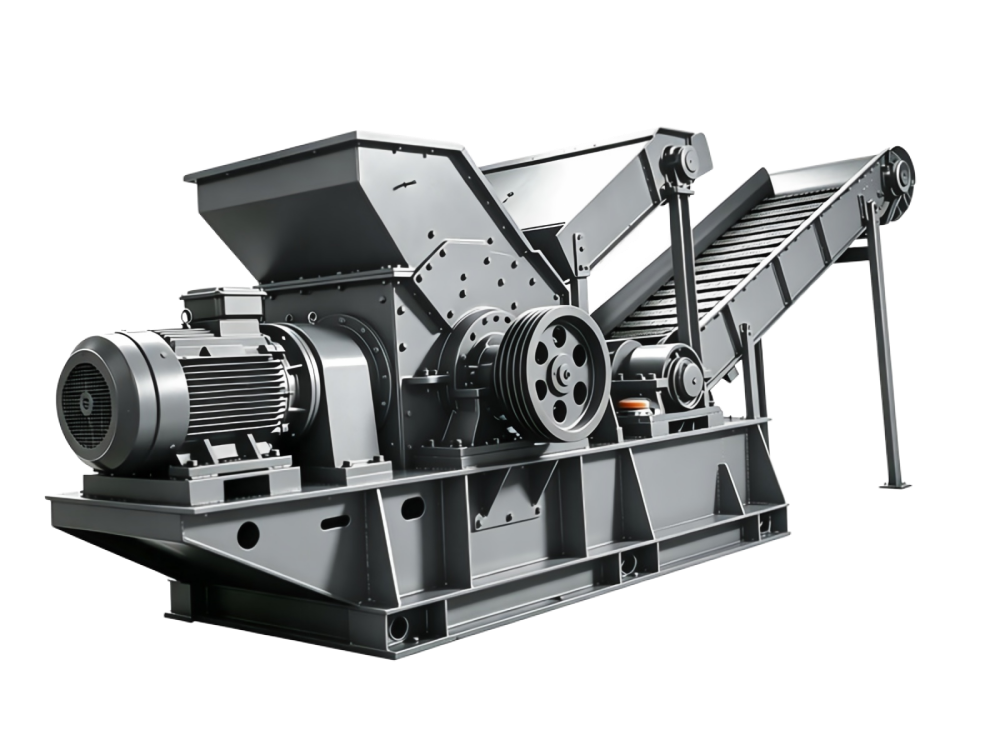
When the basic checks are complete and the machine still refuses to start, it is time to look at the electrical control system. The PLC (Programmable Logic Controller) is the brain of your HARSLE shredder. If the PLC detects a fault, it will prevent the motor starter from closing. Use the diagnostic interface on your HMI (Human Machine Interface) to check for active alarm codes.
Common electrical faults include phase loss or phase imbalance. If one of the three phases is missing, the motor will not be able to generate the necessary torque to spin the rotor. Use a multimeter to verify that all three phases are present at the motor starter terminals. If you detect an imbalance, contact a qualified electrician to inspect your facility’s power distribution.
Mechanical binding is another frequent cause of startup failure. If the shredder was shut down while still containing material, the rotor may be jammed. Attempting to start the machine under load can trip the thermal overload relay. In such cases, you may need to manually clear the shredding chamber. Always follow Lockout/Tagout (LOTO) procedures before reaching into the chamber.
Check the condition of the drive belts or the coupling between the motor and the rotor. If the belts are too loose, they may slip; if they are too tight, they can put excessive strain on the motor bearings, causing the motor to stall immediately upon startup. Inspect these components for signs of wear, glazing, or misalignment.
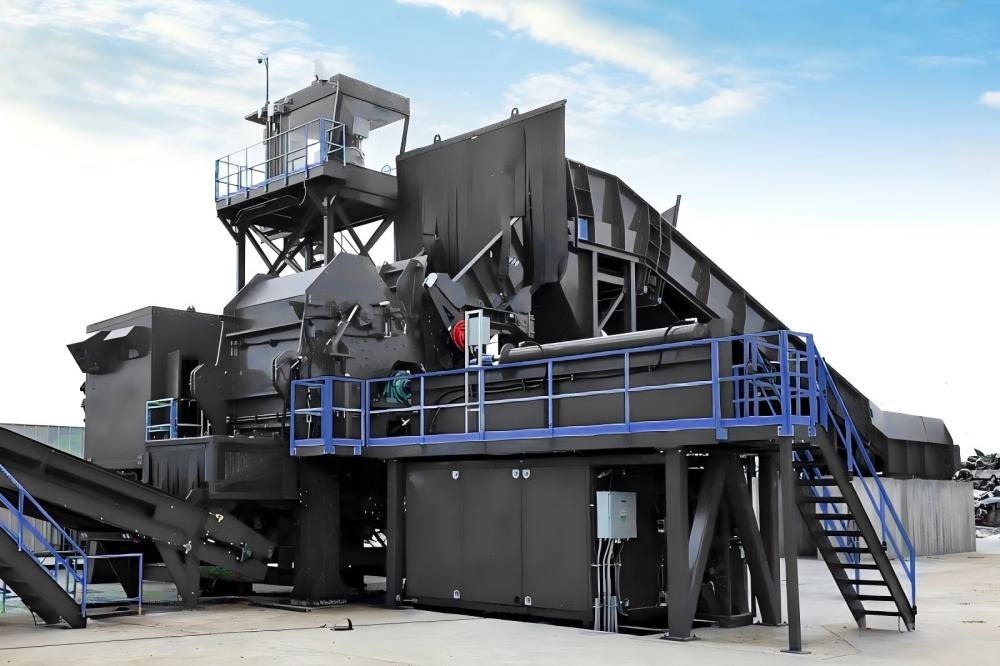
Selection Advice: Choosing the Right Shredder for Your Needs
Selecting the right hammer shredder is the first step in preventing startup issues. If you consistently overload your machine, you will face frequent downtime and premature component failure. When choosing a HARSLE shredder, consider the material density, throughput requirements, and the size of the input material. A machine that is undersized for the job will struggle to start, especially when the chamber is full.
Look for features like soft-start technology or variable frequency drives (VFDs). These systems allow the motor to ramp up to speed gradually, reducing the mechanical stress on the drive train and the electrical stress on your facility’s power grid. This is particularly important for heavy-duty applications where the rotor inertia is significant.
Consider the ease of maintenance when selecting your equipment. HARSLE designs its shredders with accessible maintenance hatches and modular hammer assemblies. This makes it easier to inspect the rotor and clear jams, which directly impacts your ability to troubleshoot startup issues quickly. A machine that is difficult to service will inevitably lead to longer periods of downtime.
Finally, ensure that you have a robust spare parts inventory. Having critical components like limit switches, contactors, and drive belts on hand can be the difference between a one-hour fix and a three-day wait for parts. Consult with your HARSLE representative to identify the most common wear items for your specific model.
FAQ: Common Troubleshooting Questions
- Q: Why does my shredder trip the breaker immediately upon startup?
A: This is usually caused by an overload condition or a short circuit in the motor windings. Check for jammed material in the chamber and verify that the motor is not drawing excessive current. - Q: Can a faulty sensor prevent the machine from starting?
A: Yes. If a limit switch on an access door is faulty or misaligned, the PLC will interpret this as an open door and disable the motor starter for safety reasons. - Q: How often should I inspect the hammer assembly?
A: We recommend a visual inspection of the hammers and the rotor every 100 operating hours. Worn hammers can cause vibration, which may trigger vibration sensors that prevent the machine from running. - Q: What should I do if the HMI shows a ‘Thermal Overload’ error?
A: Allow the motor to cool down for at least 30 minutes. If the error persists, check for mechanical binding or an electrical issue causing the motor to draw too much current. - Q: Is it safe to bypass safety interlocks to test the machine?
A: Absolutely not. Bypassing safety interlocks is extremely dangerous and can lead to severe injury or death. Always troubleshoot using safe, approved methods.
Conclusion
Troubleshooting a hammer shredder that won’t start requires a methodical approach that prioritizes safety and logical deduction. By focusing on the Hammer Shredder Won’t Start: Common Causes Fast Troubleshooting Steps, you can quickly isolate whether the issue is electrical, mechanical, or safety-related. Remember that HARSLE equipment is designed for reliability, and most startup issues are easily resolved with basic maintenance and a clear understanding of the machine’s control logic.
Regular preventative maintenance is the best way to avoid these issues in the first place. By keeping your shredder clean, ensuring that safety sensors are properly aligned, and monitoring the condition of your drive components, you can ensure that your metal fabrication line remains productive and efficient. When in doubt, always refer to your HARSLE operation manual or contact our technical support team for expert guidance.
Investing time in training your staff on these troubleshooting steps will pay dividends in reduced downtime and increased equipment longevity. Keep your shredder running smoothly, and your production goals will be well within reach.