Alligator Shear Won’t Start: Electrical and Mechanical Checks for Industrial Efficiency


Introduction: Understanding the Alligator Shear Startup Failure
In the high-stakes environment of metal recycling and fabrication, downtime is the enemy of profitability. When your HARSLE alligator shear won’t start, it halts production, disrupts workflows, and creates a backlog of scrap metal processing. Understanding the root cause of a startup failure requires a systematic approach, separating the complex electrical control systems from the robust mechanical components that define these powerful machines.
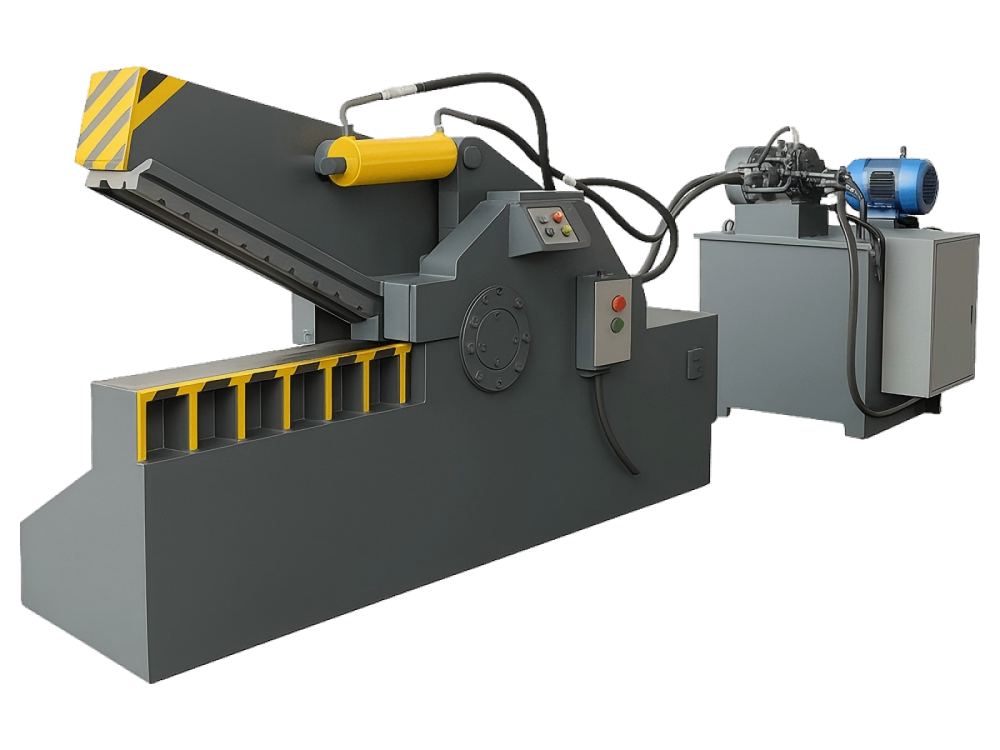
The alligator shear is a workhorse designed for high-force cutting of structural steel, rebar, and various metal profiles. Because these machines operate under immense pressure, they are equipped with sophisticated safety interlocks and heavy-duty hydraulic systems. When the machine fails to engage, it is often a protective measure triggered by a sensor or a simple power interruption rather than a catastrophic failure. This guide provides a deep dive into the diagnostic process for operators and maintenance technicians.
By following a structured troubleshooting protocol, you can identify whether the issue lies within the power supply, the control circuitry, or the mechanical linkage. This article serves as a comprehensive resource for HARSLE equipment owners, ensuring that you can perform safe, efficient, and accurate checks to get your machinery back online as quickly as possible. Always remember that safety is the priority; never bypass safety interlocks during the testing phase.
Key Considerations: Safety First in Troubleshooting
Before touching any electrical cabinet or mechanical linkage, you must adhere to strict Lockout/Tagout (LOTO) procedures. The alligator shear is a high-force machine; even if it is not starting, stored hydraulic pressure or residual electrical energy can pose significant risks. Ensure that all personnel are clear of the cutting head and that the main power disconnect is locked in the ‘off’ position before performing internal inspections.
Environmental factors play a significant role in machine reliability. Metal fabrication shops are often dusty, humid, or subject to extreme temperature fluctuations. These conditions can lead to corrosion on electrical contacts, moisture buildup in control panels, or hydraulic fluid degradation. When your alligator shear won’t start, consider the environment in which it has been operating. Has there been a recent power surge, or has the machine been exposed to excessive metal dust?
Documentation is your best friend during the troubleshooting process. Keep your HARSLE operation manual and electrical schematics readily available. These documents contain the specific voltage requirements, fuse ratings, and sensor locations unique to your model. Without these, you are essentially guessing. Always compare the current state of the machine against the manufacturer’s specifications to identify deviations that might be preventing the startup sequence.
Finally, consider the human element. Has there been a recent change in operators? Sometimes, a machine won’t start simply because a foot pedal is not fully depressed, an emergency stop button is still engaged, or a safety gate is not properly latched. Before diving into complex electrical diagnostics, perform a ‘sanity check’ on all user-interface points to ensure that the machine is receiving the correct input signals to initiate the cutting cycle.
Technical Details: Electrical Troubleshooting
The electrical system is the brain of the alligator shear. When the machine fails to start, the first step is to verify the power supply. Check the main breaker panel to ensure that the circuit has not tripped. Use a multimeter to verify that all three phases of power are present at the main disconnect. A single-phase loss can prevent the motor from starting or cause it to hum without rotating, which can lead to rapid overheating and motor damage.
Once power is confirmed, move to the control circuit. Most HARSLE alligator shears utilize a 24V DC control system for safety. Check the control transformer to ensure it is outputting the correct voltage. If the transformer is dead, the PLC (Programmable Logic Controller) or the contactors will not receive the signal to engage. Inspect the fuses on the control board; a blown fuse is often a symptom of a short circuit in a sensor or a solenoid coil.
The emergency stop (E-stop) circuit is a common culprit. These circuits are wired in series; if any E-stop button is depressed, or if a wire is broken anywhere in the loop, the machine will not start. Use your multimeter to check for continuity across the E-stop circuit. If you find an open circuit, trace the wiring to identify the faulty switch or the broken connection. Often, vibration in the shop can cause wire terminations to loosen over time.
Solenoid valves are the interface between the electrical and hydraulic systems. When you press the start button, you should hear a distinct ‘click’ from the contactors and potentially from the solenoid valves. If the contactor pulls in but the motor does not start, the issue may be the motor starter or the thermal overload relay. If the motor runs but the shear does not move, the issue is likely electrical control of the hydraulic directional valve.
Mechanical Checks: Identifying Physical Obstructions
If the electrical system is functioning correctly, the problem is likely mechanical. The alligator shear relies on a precise alignment of the cutting blade and the jaw linkage. If the machine is jammed, the motor may be unable to overcome the resistance, causing the thermal overload to trip immediately. Inspect the blade area for any scrap metal that may have become wedged between the upper and lower jaws.
Check the hydraulic oil level and the condition of the fluid. Low oil levels can cause the pump to cavitate, leading to a loss of pressure. If the oil is milky or contains metal shavings, it indicates internal pump wear or contamination. The hydraulic pump is the heart of the machine; if it fails to build pressure, the shear will remain stationary regardless of electrical input. Ensure the suction strainer is not clogged, as this is a frequent cause of pump failure.
Examine the pivot pin and the jaw linkage. These components are subject to extreme stress and require regular lubrication. If the pivot pin has seized due to lack of grease or debris accumulation, the motor will not have enough torque to move the jaw. Try to move the jaw manually (with the machine locked out) to check for excessive resistance. If the jaw is frozen, you may need to disassemble the pivot point, clean it, and apply high-pressure lubricant.
Finally, inspect the hydraulic hoses and fittings for leaks. A significant leak can cause a pressure drop that prevents the system from reaching the threshold required to initiate the cutting stroke. While a small leak might not stop the machine, a burst hose or a failed seal will result in a total loss of pressure. Always check the pressure gauge during a startup attempt; if the needle doesn’t move, you have a hydraulic delivery issue.
.jpg)
Selection Advice: Choosing the Right Shear for Your Needs
When selecting an alligator shear, consider the volume and type of material you process. A machine that is consistently pushed to its maximum capacity will experience more frequent mechanical failures. HARSLE offers various models tailored to different throughput requirements. Choosing a machine with a slightly higher capacity than your current needs provides a safety margin that reduces wear and tear on the motor and hydraulic components.
Consider the power source and the environment. If your facility has unstable power, look for machines with robust voltage regulation and surge protection. If you are processing heavy structural steel, prioritize a machine with a reinforced jaw design and a high-torque motor. The investment in a higher-quality machine often pays for itself through reduced downtime and lower maintenance costs over the equipment’s lifespan.
Evaluate the ease of maintenance. A well-designed alligator shear should have accessible grease points, easily replaceable blades, and a control panel that is protected from the elements but simple to open for diagnostics. HARSLE machines are engineered with the operator in mind, but you should still assess how easily your team can perform daily checks. A machine that is difficult to maintain will inevitably be neglected, leading to the very startup issues we are discussing.
Finally, look for manufacturer support. A reliable supplier like HARSLE provides not just the machine, but the technical documentation, spare parts availability, and expert guidance needed to keep the machine running. When buying, ask about the availability of common electrical components like contactors and sensors. Having these parts on hand can turn a multi-day shutdown into a one-hour repair.
FAQ: Common Questions About Alligator Shear Startup
- Q: Why does my alligator shear hum but not move?
A: This is usually an electrical issue, such as a single-phase power loss, or a mechanical jam. Check your power supply phases first, then inspect the jaw for obstructions. - Q: How often should I check the hydraulic oil?
A: You should check the oil level daily. Change the hydraulic fluid and filters according to the HARSLE maintenance schedule, typically every 1,000 to 2,000 operating hours. - Q: Can I bypass the safety interlock to start the machine?
A: Absolutely not. Bypassing safety interlocks is dangerous and illegal in many jurisdictions. If the interlock is preventing startup, it is likely doing its job to protect you from a fault. - Q: What should I do if the motor trips the thermal overload?
A: Allow the motor to cool down. Check for mechanical binding or an electrical short. If it trips repeatedly, have a technician check the motor current draw against the nameplate rating. - Q: Where can I find the electrical schematics for my HARSLE shear?
A: These are provided in the machine manual. If you have lost your manual, contact HARSLE support with your machine’s serial number to receive a digital copy.
Conclusion: Maintaining Your Alligator Shear for Long-Term Success
A HARSLE alligator shear is a significant investment in your metal fabrication capability. When the machine won’t start, it is rarely a mystery; it is a signal that one of the machine’s many protective systems has been triggered or that a component has reached the end of its service life. By systematically checking the electrical power, control circuits, and mechanical linkages, you can isolate the problem and implement a solution efficiently.
Remember that the best way to handle a startup failure is to prevent it through proactive maintenance. Regular lubrication, daily inspections of hydraulic levels, and keeping the electrical cabinet clean and dry will eliminate the vast majority of issues. Treat your alligator shear with the respect its power demands, and it will provide years of reliable service in your scrap processing or fabrication shop.
If you find that the troubleshooting steps outlined here do not resolve your issue, do not hesitate to contact professional support. Attempting to force a machine to start when there is a deep-seated electrical or hydraulic fault can lead to costly damage. With the right knowledge and a commitment to maintenance, your alligator shear will remain a cornerstone of your production line, ready to tackle the toughest metal cutting tasks day after day.