Why Your Alligator Shear Is Producing Burrs and Rough Edges: A Comprehensive Troubleshooting Guide


Introduction
In the high-stakes environment of scrap metal processing and heavy-duty metal fabrication, the alligator shear stands as a workhorse. Designed for speed and raw cutting power, these machines are essential for reducing bulky scrap into manageable sizes. However, when your alligator shear is producing burrs and rough edges, it signals a breakdown in the mechanical harmony required for clean cuts. This issue not only compromises the quality of your output but can also lead to accelerated wear on the machine’s internal components.
Understanding why your alligator shear is producing burrs and rough edges requires a deep dive into the physics of shearing. A clean cut is achieved when the upper and lower blades pass each other with the correct clearance, effectively fracturing the metal along the shear line. When this clearance is off, or the blades are compromised, the metal is essentially torn rather than sliced. This article explores the technical nuances of these failures and provides actionable maintenance strategies to restore your HARSLE equipment to peak performance.
For operators and maintenance managers, identifying the root cause of poor cut quality is the first step toward reducing downtime. Whether you are processing structural steel, rebar, or mixed scrap, the presence of burrs is a clear indicator that your machine is operating outside of its optimal parameters. By addressing these issues systematically, you can extend the lifespan of your blades, reduce energy consumption, and ensure that your final product meets the stringent requirements of downstream recycling or manufacturing processes.
This guide will walk you through the mechanical, hydraulic, and operational factors that contribute to edge quality. We will examine the importance of blade gap settings, the impact of material hardness, and the necessity of regular lubrication. By the end of this article, you will have a comprehensive understanding of how to troubleshoot and rectify the common causes of rough edges in alligator shearing operations.
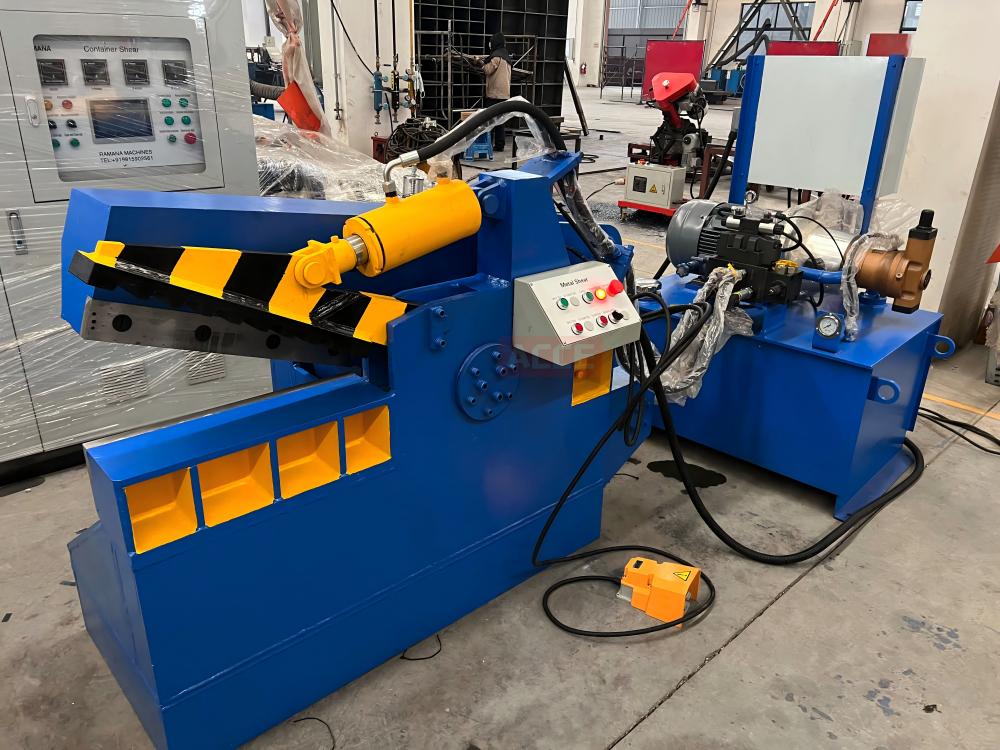
Key Considerations: The Mechanics of a Clean Cut
The primary reason an alligator shear is producing burrs and rough edges is almost always related to the clearance between the upper and lower blades. In the world of metal fabrication, this is often referred to as the ‘shear gap.’ If the gap is too wide, the metal is pulled into the space between the blades rather than being cleanly severed. This results in a jagged, deformed edge that is characteristic of a ‘tearing’ action rather than a shearing action.
Conversely, if the gap is too tight, the blades may rub against each other, leading to excessive friction, heat buildup, and premature dulling of the cutting edges. This friction can cause the blades to chip or gall, creating localized rough spots that transfer directly onto the workpiece. Maintaining the correct clearance is a delicate balance that must be adjusted based on the thickness and tensile strength of the material being processed.
Material consistency also plays a significant role. Alligator shears are often used for mixed scrap, which can include varying grades of steel, non-ferrous metals, and occasionally contaminated materials. If your machine is set for thin-gauge mild steel but you suddenly introduce high-carbon rebar, the shear force required changes drastically. The machine may struggle to maintain the necessary pressure, leading to deflection in the blade housing and, consequently, a poor-quality cut.
Finally, the structural integrity of the shear itself cannot be overlooked. Over time, the pivot pin and the main housing of the alligator shear can experience wear. If there is lateral play in the jaw, the blades will not maintain a consistent parallel alignment throughout the cutting stroke. This ‘wobble’ is a common culprit for inconsistent edge quality, as the blades may start the cut correctly but drift as the jaw closes, resulting in a burr that grows larger toward the end of the cut.
Technical Details: Troubleshooting Blade and Housing Issues
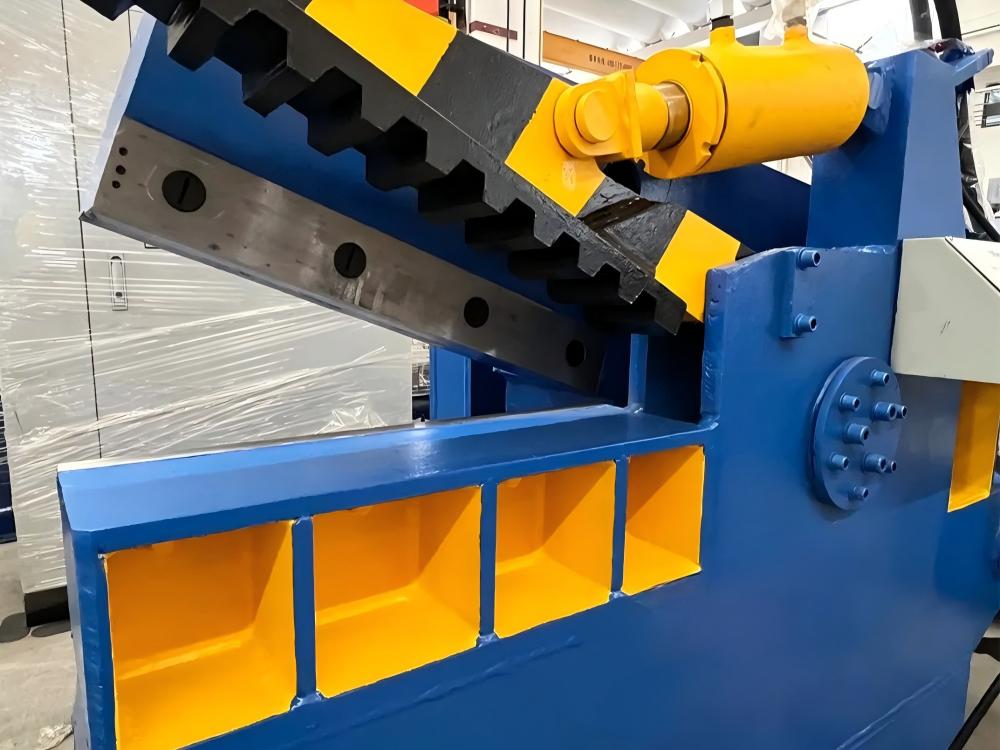
When you notice your alligator shear is producing burrs and rough edges, the first technical component to inspect is the blade condition. Blades are the heart of the shear, and they are subject to extreme stress. Inspect the cutting edges for signs of ’rounding’ or ‘chipping.’ A dull blade requires significantly more force to penetrate the metal, which increases the likelihood of the material bending or deforming before it is actually cut.
To check for blade wear, use a straight edge or a precision feeler gauge to assess the sharpness and the flatness of the blade face. If the edges are rounded, they must be reground or replaced. It is important to note that when regrinding blades, you must maintain the original bevel angle specified by the manufacturer. Altering this angle can change the cutting geometry and lead to further performance issues.
Another technical factor is the hydraulic system pressure. Alligator shears rely on hydraulic cylinders to provide the force necessary for the cut. If your hydraulic system is not delivering consistent pressure, the jaw may slow down or lose force mid-cut. This fluctuation in speed and pressure can cause the metal to ‘hang’ on the blade, resulting in a rough, burred edge. Check your hydraulic fluid levels, filter condition, and pump performance to ensure the system is operating at the rated PSI.
The pivot pin assembly is another critical area. The pivot pin acts as the fulcrum for the alligator jaw. If the bushings are worn or the pin is loose, the jaw will exhibit lateral movement. This movement prevents the blades from shearing the metal cleanly. Regularly greasing the pivot point is essential, but if the wear is advanced, the bushings must be replaced to restore the rigidity of the cutting head. A stable jaw is non-negotiable for high-quality shearing.
Selection Advice: Choosing the Right Equipment for Your Needs
Preventing burrs and rough edges often starts long before the machine is installed on your shop floor. Selecting the right alligator shear for your specific application is the most effective way to ensure long-term cut quality. If you are processing heavy structural steel, you need a machine with a robust frame and a high-tonnage hydraulic system. Using an undersized shear for heavy-duty tasks will inevitably lead to frame deflection and poor cut quality.
Consider the blade length and the opening size of the shear. A machine that is too small for your material will require you to force the metal into the throat, which can lead to uneven cutting angles. HARSLE offers a range of alligator shears designed for different capacities; consulting with a technical representative to match the machine to your average material thickness and volume is a critical step in the procurement process.
Look for features such as adjustable blade clearance and high-quality alloy steel blades. Machines that allow for quick and precise adjustments to the blade gap are far superior for facilities that process a variety of materials. Additionally, consider the ease of maintenance. A machine that is difficult to lubricate or adjust will likely be neglected, leading to the very problems you are trying to avoid.
Finally, evaluate the build quality of the machine’s housing. A heavy-duty, stress-relieved steel frame is essential for maintaining alignment under load. When comparing models, look for the weight of the machine and the thickness of the steel used in the construction. A heavier, more rigid machine will provide more consistent cuts and produce fewer burrs over its operational lifespan compared to lighter, less durable alternatives.
Maintenance Best Practices for Alligator Shears
To keep your alligator shear performing at its best, establish a rigorous maintenance schedule. Daily checks should include inspecting the blades for debris, checking the hydraulic fluid level, and ensuring that all safety guards are in place. A clean machine is easier to inspect, so make it a habit to remove scrap buildup from the cutting area at the end of every shift.
Weekly maintenance should focus on lubrication. The pivot pin, the main cylinder pins, and any sliding surfaces must be greased according to the manufacturer’s specifications. Use high-quality, extreme-pressure grease to ensure that these high-load areas are protected from friction and wear. If you notice any unusual noises or vibrations during operation, investigate them immediately; these are often the first signs of a mechanical issue that could lead to poor cut quality.
Monthly inspections should involve checking the blade gap and the tightness of the blade bolts. Over time, the vibration of the shear can cause bolts to loosen, which will immediately affect the blade alignment. Use a torque wrench to ensure all fasteners are tightened to the manufacturer’s recommended specifications. If you find that the blades are consistently dulling, review your material handling procedures to ensure that you are not cutting materials that exceed the machine’s hardness rating.
Finally, keep a detailed maintenance log. Tracking when blades were last sharpened, when the hydraulic fluid was changed, and when the pivot bushings were replaced will help you identify patterns. If you notice that your alligator shear is producing burrs and rough edges more frequently, your log might reveal that it is time for a scheduled blade regrind or a replacement of a worn component before it causes a total machine failure.
FAQ: Common Questions About Alligator Shear Performance
- Q: How often should I sharpen my alligator shear blades?
A: The frequency of sharpening depends on the volume of material processed and the hardness of the metal. As a general rule, if you notice a degradation in cut quality or an increase in burrs, it is time to inspect the blades. Regular maintenance logs will help you establish a predictable sharpening interval. - Q: Can I use the same blades for all types of metal?
A: While high-quality alloy blades are versatile, they are optimized for specific hardness ranges. Cutting hardened steel with blades intended for mild steel will cause them to dull rapidly. Always consult the machine manual for material compatibility. - Q: Why does the burr get worse as the cut progresses?
A: This is usually a sign of blade deflection or a loose pivot pin. As the jaw closes, the lateral force increases; if the jaw is not rigid, the blades will move apart, causing the metal to tear rather than shear. - Q: Is it possible to adjust the blade gap on all alligator shears?
A: Most industrial-grade alligator shears, like those from HARSLE, feature adjustable blade clearance. However, the method of adjustment varies by model. Refer to your specific machine manual for the correct procedure. - Q: What is the most common cause of rough edges?
A: The most common cause is incorrect blade clearance. If the gap is too wide, the material is pulled into the gap, creating a burr. If the gap is too tight, the blades rub and dull quickly, also resulting in poor edge quality.
Conclusion
When your alligator shear is producing burrs and rough edges, it is a clear signal that the machine requires attention. By understanding the relationship between blade clearance, hydraulic pressure, and structural rigidity, you can effectively troubleshoot and resolve these issues. Whether it is a simple adjustment of the blade gap, a sharpening of the cutting edges, or a more involved replacement of worn pivot bushings, proactive maintenance is the key to consistent performance.
HARSLE is committed to providing high-performance metal fabrication equipment that stands the test of time. By following the guidelines outlined in this article, you can ensure that your alligator shear remains a reliable asset in your production line. Remember that the quality of your output is a direct reflection of the care you put into your machinery. Keep your blades sharp, your pivot points greased, and your maintenance logs updated to avoid the frustration of poor-quality cuts and unnecessary downtime.
Investing time in understanding your equipment not only improves your current operations but also helps you make informed decisions for future equipment upgrades. As you continue to refine your maintenance processes, you will find that the precision and efficiency of your metal shearing operations will improve, leading to higher productivity and better overall results for your business. For further technical support or to explore our latest range of alligator shears, contact the HARSLE team today.