What Changed After Installing an Alligator Shear in a Steel Scrap Yard: A Comprehensive Analysis

Introduction
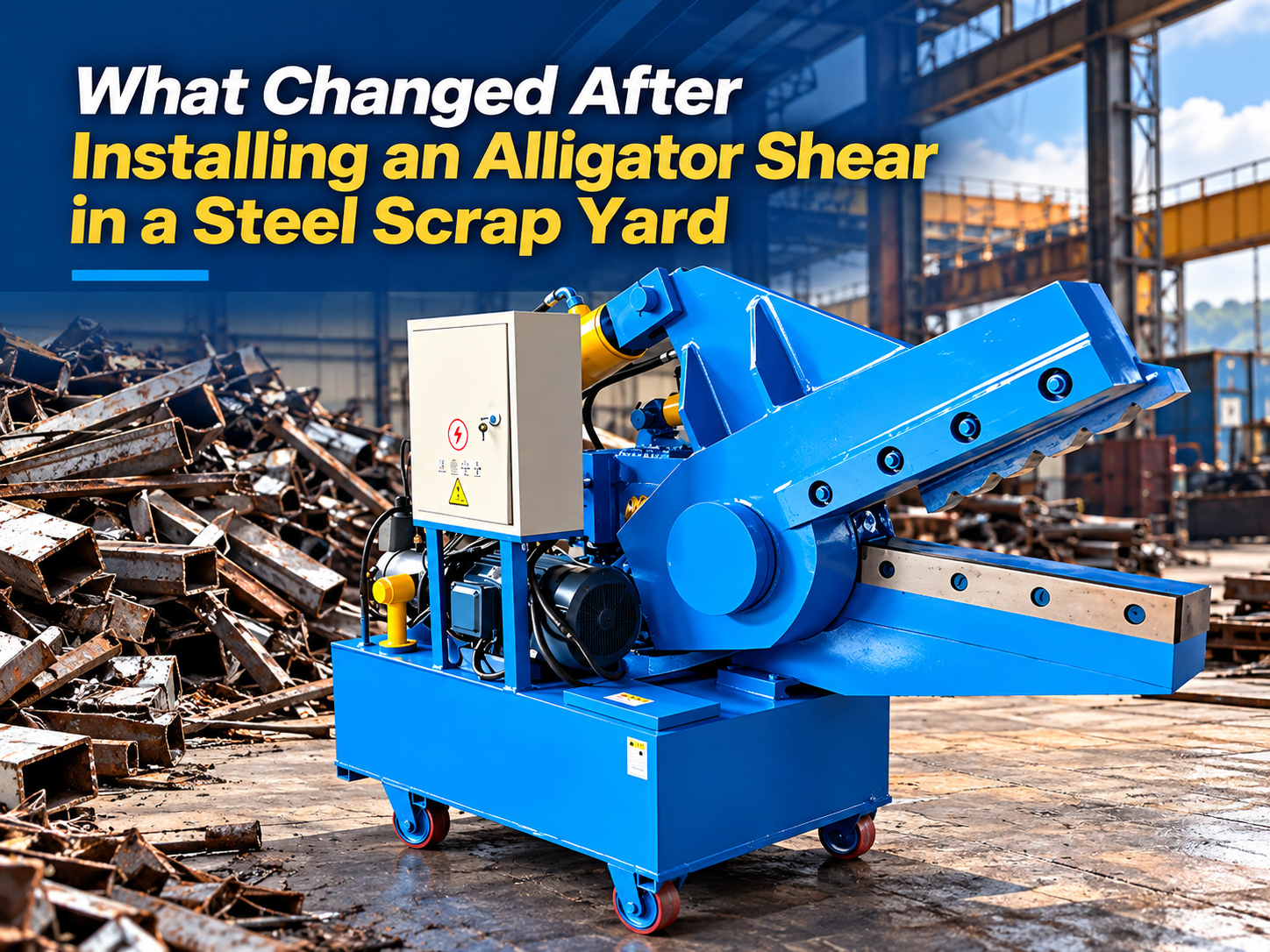
In the fast-paced world of metal recycling and scrap management, the difference between a profitable operation and one struggling with overhead costs often comes down to the efficiency of the primary processing equipment. For many facility managers, the question of what changed after installing an alligator shear in a steel scrap yard is not just a matter of curiosity, but a benchmark for operational success. HARSLE has observed that the transition from manual cutting or inefficient torching to automated alligator shearing represents a fundamental shift in how scrap yards handle volume, safety, and material grading.
The alligator shear, named for its distinct jaw-like cutting action, is a cornerstone of modern metal recycling. By utilizing high-pressure hydraulics to drive a hardened blade through various steel profiles, these machines transform bulky, unmanageable scrap into uniform, high-value commodities. This article explores the transformative impact of integrating this equipment into a scrap yard, detailing the technical, financial, and safety improvements that follow.
When a facility decides to upgrade its processing capabilities, the immediate impact is usually seen in the throughput rate. Manual labor, while flexible, is inherently slow and prone to fatigue. By contrast, an industrial-grade alligator shear provides consistent, repeatable force, allowing operators to process tons of material per hour with minimal downtime. This shift is the primary driver for the increased profitability that scrap yard owners report within the first quarter of installation.
Beyond raw speed, the integration of an alligator shear changes the internal culture of a scrap yard. It moves the facility away from hazardous, labor-intensive practices toward a streamlined, mechanized workflow. As we delve into the technical details and operational benefits, it becomes clear that this piece of equipment is not merely an expense, but a strategic investment in the future of the recycling business.
Key Considerations for Scrap Yard Upgrades
Before installing an alligator shear, facility managers must evaluate their specific material stream. Not all scrap is created equal; the density, thickness, and alloy composition of the steel dictate the required shear force and blade length. Understanding these variables is the first step in ensuring that the machine you choose will actually deliver the promised efficiency gains.
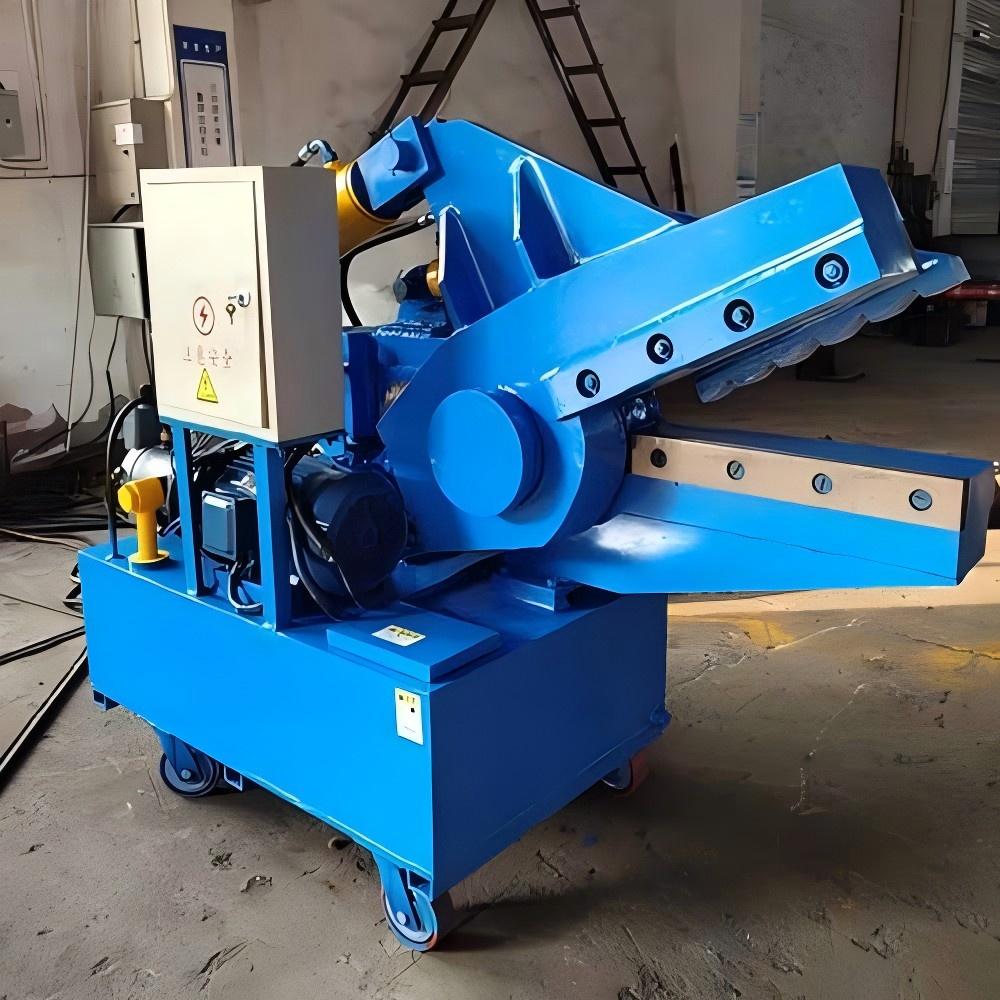
Space optimization is another critical consideration. Unlike large-scale guillotine shears that require massive foundations and extensive conveyor systems, alligator shears are relatively compact. They can be positioned strategically near the intake area or at the sorting station to minimize material handling. This flexibility allows scrap yards to reconfigure their floor plans to reduce the distance between the raw scrap pile and the processed commodity bin.
Power supply and maintenance infrastructure must also be assessed. Hydraulic systems require clean, consistent power and regular fluid maintenance to operate at peak efficiency. Scrap yards that fail to plan for the maintenance of their hydraulic units often find that the initial gains in productivity are quickly eroded by downtime. Establishing a preventative maintenance schedule is essential for long-term success.
Finally, operator training cannot be overlooked. While alligator shears are designed for ease of use, the safety protocols required to operate them effectively are rigorous. Training staff on proper material feeding techniques, blade clearance adjustments, and emergency stop procedures is vital. When operators are well-trained, the machine becomes an extension of their skill set, leading to higher quality cuts and less wear on the shear blades.
Technical Details of Alligator Shears
The core of the alligator shear is its hydraulic power unit (HPU). This system converts electrical energy into mechanical force, driving the moving jaw against a fixed lower blade. HARSLE alligator shears utilize high-performance hydraulic cylinders designed to withstand the shock loads associated with cutting heavy steel sections, such as I-beams, rebar, and pipes. The precision of the blade gap is what determines the quality of the cut; a tighter gap ensures a clean shear, while a wider gap can lead to material bending or jamming.
Blade material and geometry are equally important. High-carbon, high-chromium tool steel is typically used for the blades to ensure longevity and resistance to impact. The geometry of the blade—often featuring a specific rake angle—is engineered to minimize the force required to initiate the cut. This reduces the stress on the hydraulic system and extends the life of the machine components, which is a significant factor in what changed after installing an alligator shear in a steel scrap yard.
Control systems have also evolved significantly. Modern alligator shears feature PLC-based controls that allow for adjustable stroke lengths and cycle times. This is particularly useful when processing mixed scrap, as the operator can shorten the stroke for smaller pieces to increase the number of cuts per minute, or extend it for larger, thicker sections. This level of control is a major upgrade over older, fixed-cycle machines.
Safety features are integrated into the machine design to protect the operator and the equipment. These include foot-pedal controls that allow for hands-free operation, light curtains or physical guards to prevent accidental contact with the blades, and pressure relief valves that prevent the system from overloading. These technical advancements ensure that the machine remains a reliable asset for years to come.
Selection Advice for Scrap Yard Owners
Choosing the right alligator shear requires a balance between current needs and future growth. Start by analyzing your average daily tonnage and the maximum thickness of the material you process. If your yard primarily handles light-gauge sheet metal, a smaller, faster machine may be more efficient. Conversely, if you are processing heavy structural steel, you will need a machine with a larger jaw opening and higher shearing force.
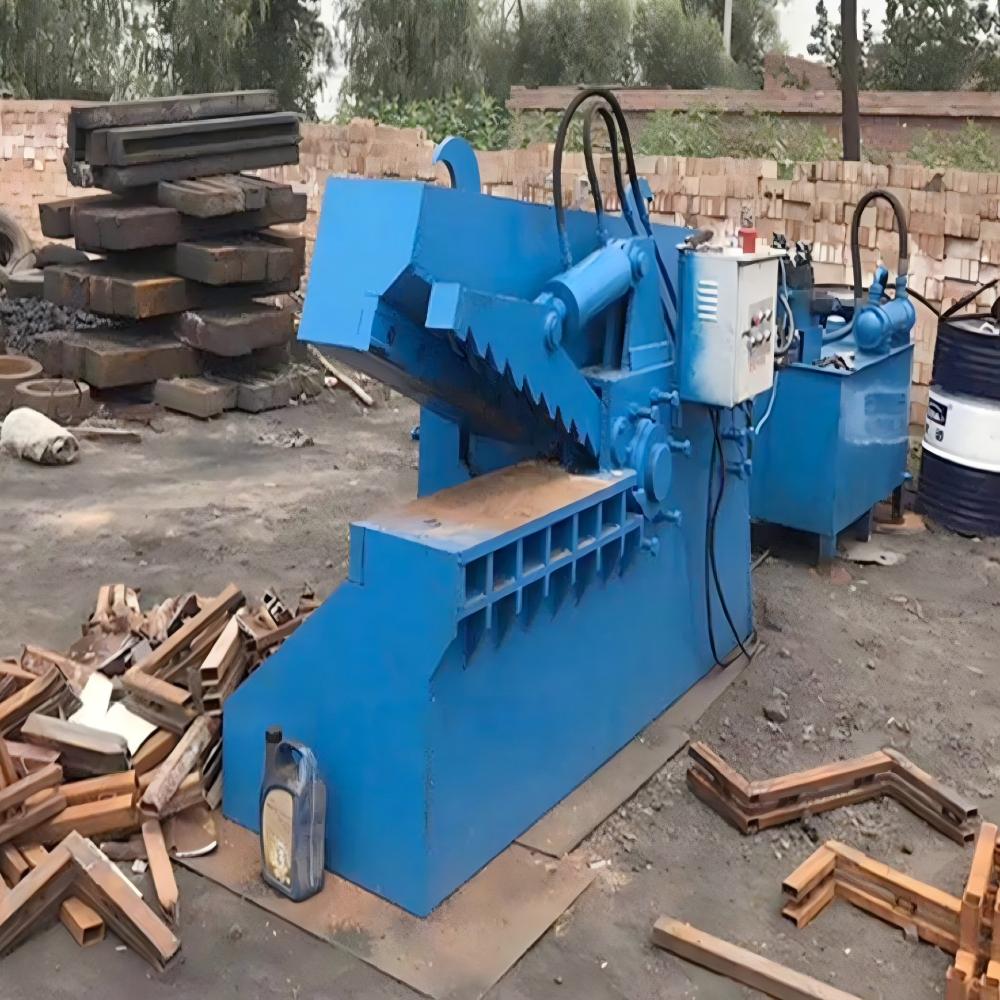
Consider the portability of the unit. Some scrap yards benefit from mobile alligator shears that can be moved to different areas of the yard, while others require a stationary, high-output unit. HARSLE offers a range of models that cater to both requirements, ensuring that your investment aligns with your operational layout. Always prioritize build quality over initial cost; a machine that breaks down frequently will cost more in lost production than the savings gained from a cheaper, lower-quality unit.
Look for manufacturers that provide comprehensive after-sales support. This includes access to spare parts, technical documentation, and remote troubleshooting assistance. In the scrap industry, time is money, and having a partner who can provide quick solutions to technical issues is invaluable. Ask about the availability of replacement blades and the ease of the blade-changing process, as this is the most common maintenance task.
Finally, evaluate the total cost of ownership. This includes energy consumption, hydraulic fluid costs, and the frequency of blade sharpening. A machine that is slightly more expensive upfront but features energy-efficient motors and longer-lasting blades will almost always provide a better return on investment over its lifecycle. Use this checklist to compare quotes from different suppliers and ensure you are getting the best value for your facility.
FAQ: Frequently Asked Questions
What is the primary benefit of an alligator shear?
The primary benefit is the dramatic increase in processing speed and material density. By cutting bulky scrap into uniform pieces, you can fit more material into transport containers, significantly reducing shipping costs and increasing the value of your scrap.
How often do I need to sharpen the blades?
Blade life depends on the type of material being cut and the volume of throughput. Generally, blades should be inspected weekly. With proper use, a set of high-quality blades can last for several months before requiring professional sharpening or replacement.
Can an alligator shear handle non-ferrous metals?
Yes, alligator shears are excellent for processing non-ferrous metals like copper, aluminum, and brass. However, you must ensure the machine is set up correctly to avoid damaging the blades or the material, especially with softer metals.
What safety measures are standard on HARSLE shears?
Standard safety features include emergency stop buttons, protective blade guards, foot-pedal operation to keep hands away from the cutting zone, and hydraulic pressure relief systems to prevent mechanical failure.
Is it difficult to train staff to use these machines?
No, HARSLE machines are designed with user-friendly interfaces. Most operators can become proficient with the basic controls within a few hours, though comprehensive safety training is mandatory for all personnel.
Conclusion
The transition to mechanized processing is a defining moment for any scrap yard. When asking what changed after installing an alligator shear in a steel scrap yard, the answer is clear: the facility becomes more efficient, safer, and significantly more profitable. By replacing manual labor with the consistent, high-force performance of an alligator shear, yard owners can maximize their material value and streamline their operations.
HARSLE remains committed to providing the metal fabrication equipment necessary to drive this industry forward. Whether you are looking to upgrade your existing processing line or are setting up a new facility, our range of alligator shears offers the reliability and performance required to meet the demands of modern recycling. Investing in the right machinery is not just about keeping up with the competition; it is about setting the standard for quality and efficiency in the scrap metal market.
As you move forward with your equipment selection, remember that the true value of an alligator shear lies in its ability to transform raw, unmanageable waste into a high-value commodity. With the right machine, the right maintenance, and a focus on safety, your scrap yard will be well-positioned for long-term growth and success in an ever-evolving global market.