What Causes Double-Shaft Shredder Shafts to Stall Under Load? A Comprehensive Technical Guide


Introduction
In the demanding world of industrial waste management and metal fabrication, the double-shaft shredder stands as a cornerstone of efficiency. These machines are engineered to handle high-volume, high-density materials, ranging from scrap metal and electronic waste to bulky industrial plastics. However, even the most robust equipment can encounter operational hurdles. One of the most frustrating and potentially damaging issues operators face is the sudden stalling of the shredder shafts under load.
Understanding what causes double-shaft shredder shafts to stall under load is critical for facility managers and maintenance teams. When a machine stops mid-cycle, it not only halts production but can also lead to mechanical fatigue, motor burnout, or damage to the cutting blades. By identifying the root causes—whether they are mechanical, electrical, or operational—you can implement preventative measures that extend the lifespan of your HARSLE machinery and ensure consistent throughput.
This guide explores the technical intricacies of shredder performance. We will examine the relationship between torque, material density, and motor capacity, providing you with the knowledge required to troubleshoot effectively. Whether you are operating a high-capacity metal shredder or a specialized recycling unit, recognizing the warning signs of a stall is the first step toward operational excellence.
Key Considerations: Why Shredders Stall
The primary reason for a stall is a mismatch between the input material’s resistance and the machine’s available torque. A double-shaft shredder relies on low-speed, high-torque operation to shear materials. When the material being fed into the chamber exceeds the shear strength of the blades or the torque capacity of the motor, the shafts will inevitably stop. This is often a safety mechanism designed to prevent catastrophic failure of the drive train.
Material composition is a significant factor. For instance, feeding high-tensile steel into a shredder designed for aluminum or plastic will cause an immediate stall. Operators must be aware of the specific material limitations of their equipment. Even if the material is within the machine’s scope, the size and geometry of the feed can create “bridging” or “clumping,” where the material becomes wedged between the shafts and the housing, creating a physical blockage that the motor cannot overcome.
Electrical and control system issues also play a role. Modern shredders are equipped with PLC (Programmable Logic Controller) systems that monitor motor amperage. If the current spikes beyond a pre-set threshold, the system may trigger an automatic stop to protect the motor windings. While this is a protective feature, frequent tripping suggests that the machine is being pushed beyond its operational envelope, or that the electrical components are suffering from voltage drops or phase imbalances.
Finally, mechanical wear and tear cannot be ignored. Dull cutting blades require significantly more force to penetrate material than sharp ones. As blades wear down, the friction increases, and the efficiency of the shearing action decreases. This creates a compounding effect: the motor works harder, generates more heat, and eventually stalls under loads that the machine previously handled with ease.
Technical Details: The Mechanics of Torque and Resistance
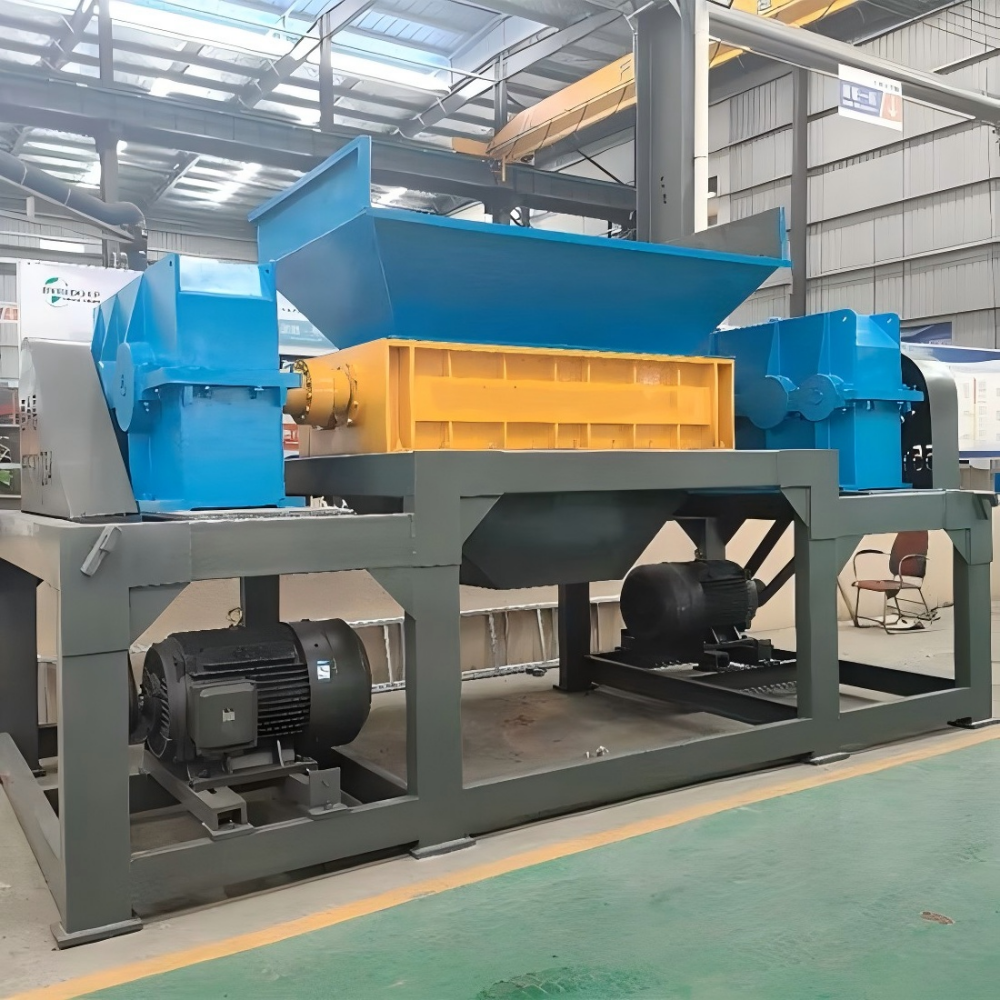
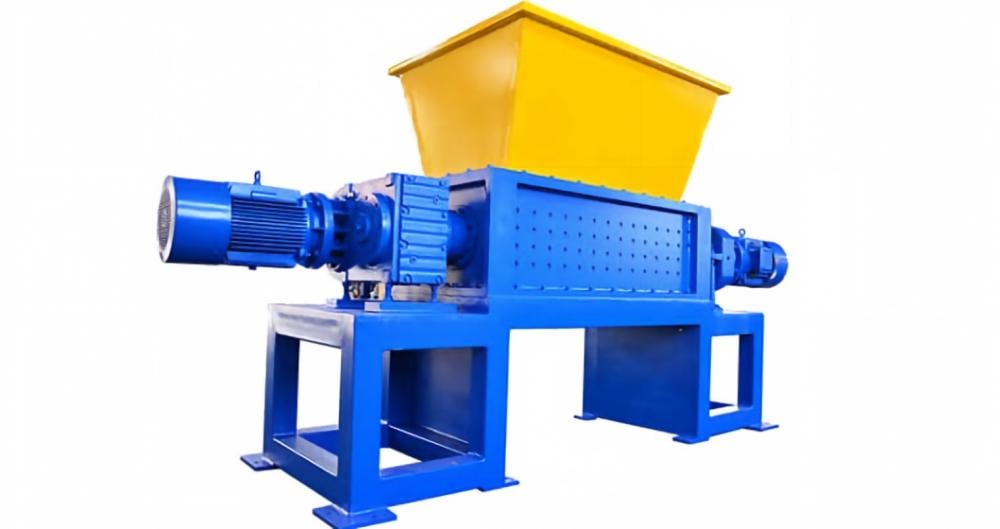
To understand the causes of stalling, one must look at the drivetrain. The motor, gearbox, and shafts form a power transmission chain. The gearbox is responsible for multiplying the torque of the motor while reducing the rotational speed. If the gearbox oil is degraded or the internal gears are worn, the power transmission efficiency drops, leading to a loss of torque at the shafts.
The interaction between the two shafts is also vital. In a double-shaft shredder, the shafts rotate in opposite directions, creating a shearing action. If the gap between the blades or the shafts themselves has widened due to bearing wear, the material may pass through without being properly shredded, or it may get caught in the gaps, causing a jam. Proper clearance settings are essential for maintaining the shearing force required for tough materials.
Electrical load management is another technical area of concern. When a shredder starts, it draws a high inrush current. If the power supply is unstable, the motor may not reach its rated torque, making it susceptible to stalling as soon as it hits the first piece of material. Furthermore, if the thermal overload relays are set too low, they may trip prematurely, giving the false impression of a mechanical stall when it is actually an electrical sensitivity issue.
Lubrication and cooling systems are often overlooked. A shredder operating under heavy load generates significant heat. If the cooling system for the motor or the hydraulic system (in hydraulic-driven shredders) is failing, the viscosity of the lubricants changes, and the electrical resistance in the motor windings increases. This leads to a decrease in performance and a higher likelihood of stalling under load. Regular maintenance of these auxiliary systems is just as important as the maintenance of the blades themselves.
Selection Advice: Matching the Machine to the Load
Preventing stalls begins long before the machine is installed. Choosing the right HARSLE double-shaft shredder for your specific application is the most effective way to avoid operational downtime. When selecting a machine, consider the maximum tensile strength of the materials you intend to process. A shredder rated for light-gauge sheet metal will not be suitable for heavy-duty structural steel or thick-walled pipes.
Consider the throughput requirements. If your facility requires high-volume processing, you need a machine with a motor and gearbox configuration that provides a high service factor. A service factor indicates the machine’s ability to handle intermittent overloads. Investing in a machine with a higher service factor provides a buffer, allowing the shredder to handle occasional spikes in material density without stalling.
Automation features are also worth the investment. Modern HARSLE shredders come with intelligent control systems that feature auto-reverse functions. When the PLC detects a spike in amperage indicating a potential stall, the shafts automatically reverse for a few seconds to clear the obstruction before resuming forward rotation. This feature significantly reduces the frequency of manual interventions and prevents the machine from stalling completely.
Consulting with HARSLE technical experts during the procurement phase is highly recommended. Provide detailed information about your material stream, including size, density, and potential contaminants. By tailoring the blade configuration—such as the number of hooks, blade thickness, and material hardness—to your specific waste stream, you can optimize the shredding process and minimize the risk of stalling under load.
Maintenance Best Practices
- Blade Inspection: Regularly check the cutting edges for signs of rounding or chipping. Sharpen or replace blades according to the manufacturer’s schedule to maintain optimal shearing force.
- Lubrication Schedules: Ensure that all bearings and gearboxes are lubricated with the correct grade of oil. Contaminated or low-level oil increases friction and heat, leading to premature stalls.
- Electrical Checks: Periodically inspect the motor connections and thermal relays. Ensure that the power supply is stable and that there are no loose connections causing voltage drops.
- Gap Calibration: Periodically measure the distance between the shafts and the blade clearances. Adjust the spacers or replace worn components to ensure the shredding action remains tight and efficient.
- Material Sorting: Implement a strict pre-sorting process to remove non-shreddable items like large concrete chunks, heavy steel bars, or tramp metal that could cause an immediate jam.
FAQ: Common Questions About Shredder Stalling
Why does my shredder stall only when processing specific materials?
Stalling on specific materials usually indicates that the material’s hardness or size exceeds the machine’s design parameters. It may also indicate that the blade configuration is not optimized for that specific material type.
Can a dull blade cause a motor to stall?
Yes. Dull blades require significantly more force to penetrate material. This increased resistance forces the motor to draw more current, which can lead to thermal tripping or a mechanical stall.
How often should I perform maintenance to prevent stalls?
Maintenance intervals depend on usage intensity. For high-volume industrial applications, daily visual inspections and weekly lubrication checks are recommended. A comprehensive service should be performed every 500 to 1,000 operating hours.
What should I do if the shredder stalls repeatedly?
First, clear the material from the chamber safely. Then, inspect the blades for damage and check the motor amperage logs. If the issue persists, contact HARSLE technical support to evaluate the drive train and electrical settings.
Conclusion
Understanding what causes double-shaft shredder shafts to stall under load is essential for maintaining a productive and safe metal fabrication environment. By focusing on proper material handling, regular maintenance of the cutting components, and ensuring the electrical and mechanical systems are optimized, you can significantly reduce the occurrence of stalls. HARSLE machinery is built for durability, but like any high-performance equipment, it requires a proactive approach to operation and care.
Remember that a stall is often a symptom of a larger issue, whether it is an overloaded motor, worn blades, or an improper feed rate. By treating these stalls as diagnostic opportunities rather than mere inconveniences, you can refine your processes and ensure that your shredder continues to deliver the high-quality performance your business demands. For further assistance with your specific shredder model, always refer to your HARSLE operation manual or reach out to our dedicated support team for expert guidance.