How to Troubleshoot Gearbox Failure in a Double-Shaft Shredder: A Comprehensive HARSLE Guide


Introduction to Double-Shaft Shredder Gearbox Reliability
In the demanding world of industrial waste management and metal fabrication, the double-shaft shredder stands as a cornerstone of productivity. These machines are engineered to handle high-torque applications, processing everything from scrap metal to bulky industrial waste. At the heart of this power lies the gearbox, a complex assembly responsible for transferring motor energy into the high-torque, low-speed rotation required for effective shredding. When you need to troubleshoot gearbox failure in a double-shaft shredder, understanding the interplay between mechanical load and lubrication is paramount.
HARSLE recognizes that downtime is the enemy of profitability. A gearbox failure does not just stop a single machine; it creates a bottleneck that ripples through your entire production line. Whether you are dealing with unusual vibrations, excessive heat, or catastrophic gear tooth failure, identifying the root cause early can save thousands of dollars in replacement costs and lost operational hours. This guide provides a deep dive into the diagnostic processes required to maintain your shredder’s longevity.
The gearbox in a double-shaft shredder is subjected to extreme shock loads. Unlike standard industrial gearboxes, these units must endure the sudden resistance of dense materials being torn apart. This cyclic stress makes them particularly susceptible to fatigue. By mastering the art of troubleshooting, maintenance teams can transition from reactive repairs to proactive asset management, ensuring that your HARSLE equipment continues to perform at peak efficiency for years to come.
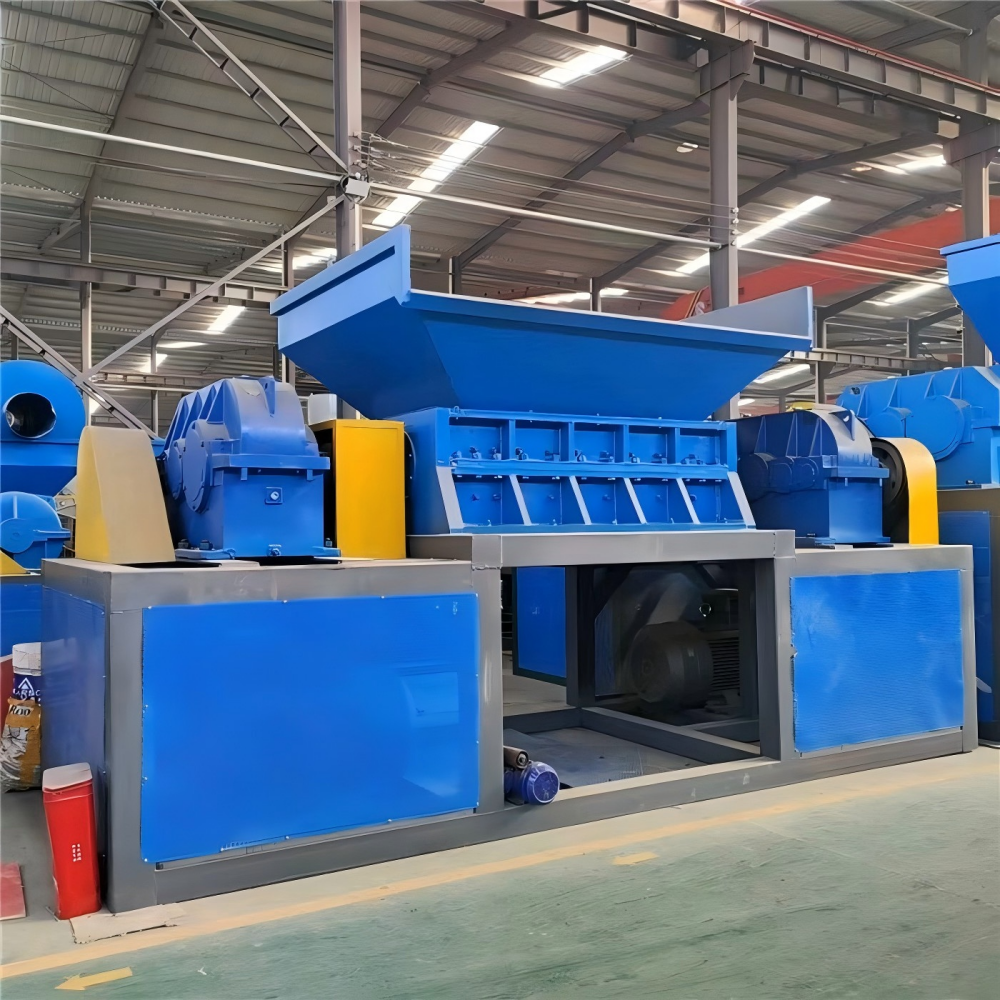
Key Considerations for Gearbox Health
Before diving into technical diagnostics, it is essential to establish a baseline for gearbox health. The most common precursor to failure is the neglect of the lubrication system. Gearboxes in double-shaft shredders operate under high pressure, and the oil serves as both a lubricant and a coolant. If the oil viscosity breaks down due to thermal stress or contamination, the metal-on-metal contact will lead to rapid wear of the gear teeth and bearings.
Environmental factors also play a significant role. Shredders are often located in dusty, outdoor, or high-humidity environments. Contaminants such as metal fines, dust, and moisture can infiltrate the gearbox seals. Once inside, these particles act as abrasives, accelerating the degradation of internal components. Establishing a strict schedule for oil analysis and seal inspection is the first line of defense in preventing premature failure.
Load management is another critical consideration. Every HARSLE double-shaft shredder is rated for specific material types and throughput capacities. Overloading the machine—attempting to shred materials that exceed the hardness or density specifications—places immense strain on the gearbox output shafts. This strain often manifests as micro-cracks in the gear teeth, which eventually propagate into full-scale fractures. Operators must be trained to recognize the signs of machine strain, such as audible laboring or fluctuating motor amperage.
Finally, consider the alignment of the drive train. The connection between the motor, the coupling, and the gearbox input shaft must be perfectly aligned. Even a slight misalignment can introduce radial loads that the gearbox bearings were not designed to handle. Over time, this misalignment leads to uneven wear patterns on the gears, resulting in increased noise and vibration. Regular laser alignment checks are a small investment that yields significant dividends in machine uptime.
Technical Details: How to Troubleshoot Gearbox Failure in a Double-Shaft Shredder
When you begin to troubleshoot gearbox failure in a double-shaft shredder, start with a systematic sensory inspection. Listen for grinding, clicking, or high-pitched whining sounds. These are often indicative of bearing failure or gear tooth damage. Use a vibration analyzer to quantify these sounds; a sudden spike in vibration frequency is a clear indicator that a component is failing internally. If the noise is rhythmic, it often points to a specific tooth on a gear that has been chipped or deformed.
Next, perform a thorough oil analysis. Drain a sample of the lubricant and inspect it for metallic particles. The presence of fine, shiny metallic dust suggests normal wear, but larger chips or flakes are a warning sign of structural failure. Use a magnet to determine if the particles are ferrous. If you find significant metal debris, the gearbox must be opened for a visual inspection of the gear teeth and bearing races. Do not attempt to run the machine further, as the debris will continue to circulate and cause secondary damage.
Check the operating temperature of the gearbox housing. While gearboxes naturally run warm, an excessive temperature rise—especially under normal load—indicates internal friction or a failing cooling system. Use an infrared thermometer to monitor the temperature at the bearing housings and the gear mesh area. If the temperature exceeds the manufacturer’s recommended operating range, investigate the oil level, the cooling fan, or the internal oil pump if the unit is equipped with one.
Examine the output shafts for excessive play. With the machine powered down and locked out, attempt to move the shafts manually. Any perceptible “wobble” or axial movement suggests that the bearings have worn beyond their tolerances. This play allows the gears to mesh improperly, leading to uneven contact patterns and eventual tooth breakage. If you detect play, the bearings must be replaced immediately to prevent the gears from being destroyed by the misalignment.
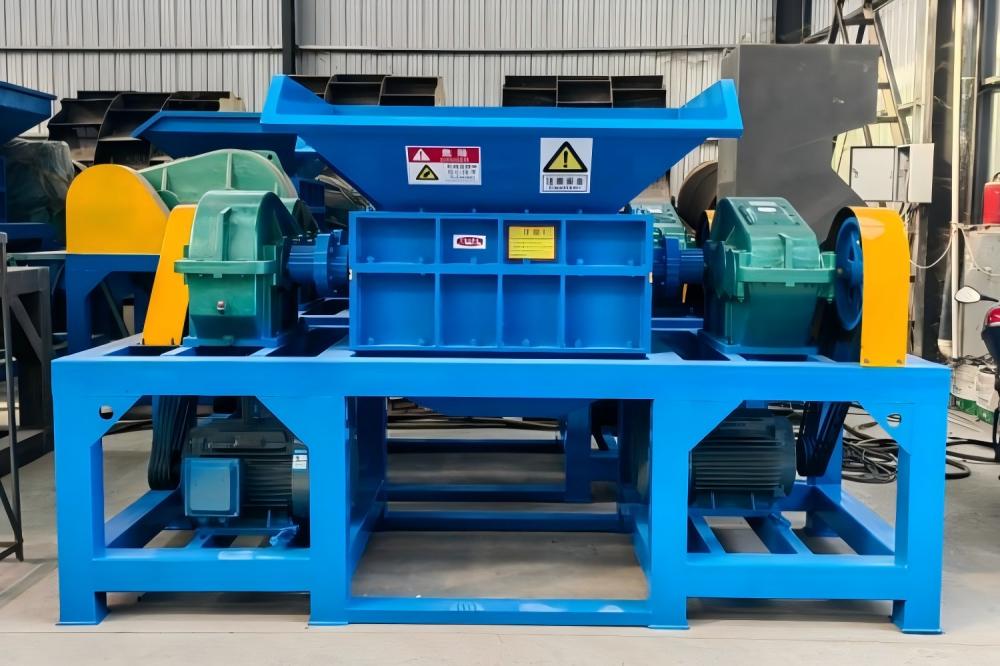
Advanced Diagnostic Procedures
For more complex issues, utilize borescope inspection. By removing the inspection port or the oil fill plug, you can insert a flexible camera to visually inspect the gear teeth without disassembling the entire unit. Look for signs of pitting, spalling, or scoring on the gear surfaces. Pitting is often caused by surface fatigue, while scoring indicates a breakdown in the lubrication film. These visual cues allow you to determine if the gearbox can be repaired or if a full replacement is necessary.
Analyze the motor current draw. A double-shaft shredder’s motor current is directly proportional to the torque being applied to the gearbox. If the current draw is consistently high even when the shredder is empty or lightly loaded, the gearbox is likely experiencing high internal resistance. This could be due to seized bearings, damaged gear teeth, or internal debris. Comparing current draw logs over time can help you predict failure before it happens, allowing for scheduled maintenance rather than emergency repairs.
Check the integrity of the seals and gaskets. Oil leaks are not just a housekeeping issue; they are a sign that the gearbox is losing its protective barrier. If oil is leaking out, contaminants are likely getting in. Inspect the input and output shaft seals for signs of hardening or cracking. If the seals are compromised, replace them immediately and flush the gearbox to remove any contaminants that may have entered the system.
Finally, review the history of the machine’s operation. Have there been any recent jams or sudden stops? A sudden jam can cause a shock load that exceeds the gearbox’s design limits. Even if the machine seems to operate normally after a jam, the internal components may have sustained damage that will manifest as a failure weeks or months later. Keep a detailed log of all jams and maintenance events to help narrow down the cause of any future issues.
Selection Advice: Choosing the Right Gearbox for Your Shredder
When replacing a gearbox or selecting a new double-shaft shredder, the gearbox specification is the most critical factor. Not all gearboxes are created equal. For heavy-duty metal shredding, you require a gearbox with a high service factor. The service factor accounts for the intensity of the application; a higher service factor means the gearbox is designed to handle loads significantly higher than the nominal rating, providing a buffer against shock loads.
Consider the gear type. Planetary gearboxes are often preferred for their high torque density and compact size, making them ideal for double-shaft shredders where space is limited. However, helical or spur gearboxes may offer better durability in specific high-impact scenarios. Consult with HARSLE engineers to determine which gear configuration best suits your specific material processing needs. The goal is to match the gearbox’s torque capacity to the maximum torque output of the motor, with a safety margin that accounts for the toughest materials you intend to process.
Material quality is non-negotiable. Ensure that the gears are made from high-grade alloy steel, case-hardened to provide a hard, wear-resistant surface while maintaining a tough, ductile core. This combination is essential for resisting the shock loads inherent in shredding. Ask for the heat treatment specifications and the hardness ratings of the gears. A reputable manufacturer like HARSLE will provide detailed documentation on the materials and manufacturing processes used in their gearboxes.
Think about the maintenance accessibility of the gearbox. A well-designed machine will have easy access to oil fill and drain ports, inspection windows, and cooling systems. If the gearbox is buried deep within the machine frame, maintenance will be neglected. Choose a design that prioritizes serviceability, as this will directly impact the long-term reliability of your shredder. Investing in a high-quality, accessible gearbox is the best way to avoid the need to constantly troubleshoot gearbox failure in a double-shaft shredder.
Frequently Asked Questions (FAQ)
- How often should I change the oil in my shredder gearbox?
Typically, the first oil change should occur after the initial 500 hours of operation to remove any break-in debris. Thereafter, follow the manufacturer’s recommendations, usually every 2,000 to 5,000 hours, depending on the intensity of use and the environmental conditions. - What are the signs of a failing gearbox bearing?
Common signs include increased noise (growling or rumbling), elevated operating temperatures, and increased vibration levels. If you notice any of these, perform a vibration analysis or check for shaft play immediately. - Can I repair a chipped gear tooth?
In most industrial shredder applications, repairing a chipped tooth via welding is not recommended. The heat from welding can compromise the gear’s heat treatment and structural integrity. It is almost always safer and more cost-effective to replace the damaged gear. - Why does my gearbox overheat?
Overheating can be caused by low oil levels, the wrong viscosity of oil, internal mechanical friction, or a failing cooling system. Check the oil level and quality first, then inspect the cooling fan or heat exchanger. - How does a jam affect the gearbox?
A sudden jam creates a massive torque spike. This shock load can cause gear teeth to crack or deform, or it can cause the shaft to deflect, leading to bearing damage. Always ensure your shredder has a reliable torque limiter or overload protection system.
Conclusion
Maintaining the gearbox of a double-shaft shredder is a critical task that directly impacts the operational efficiency of your metal fabrication facility. By understanding the mechanics of the system and knowing how to troubleshoot gearbox failure in a double-shaft shredder, you can prevent costly downtime and extend the life of your equipment. Remember that the key to success lies in proactive maintenance: regular oil analysis, vibration monitoring, and strict adherence to load specifications.
HARSLE is committed to providing high-performance industrial machinery and the support necessary to keep your operations running smoothly. When you invest in our equipment, you are investing in reliability, durability, and expert engineering. If you encounter issues that go beyond routine maintenance, do not hesitate to reach out to our technical support team. We are here to help you navigate the complexities of industrial shredder maintenance and ensure that your production line remains productive and profitable.
Ultimately, the health of your gearbox is a reflection of your maintenance culture. By prioritizing the care of these vital components, you ensure that your double-shaft shredder remains a powerful asset rather than a maintenance burden. Use the strategies outlined in this guide to build a robust maintenance program, and you will find that the need for emergency troubleshooting becomes a rare exception rather than the rule.