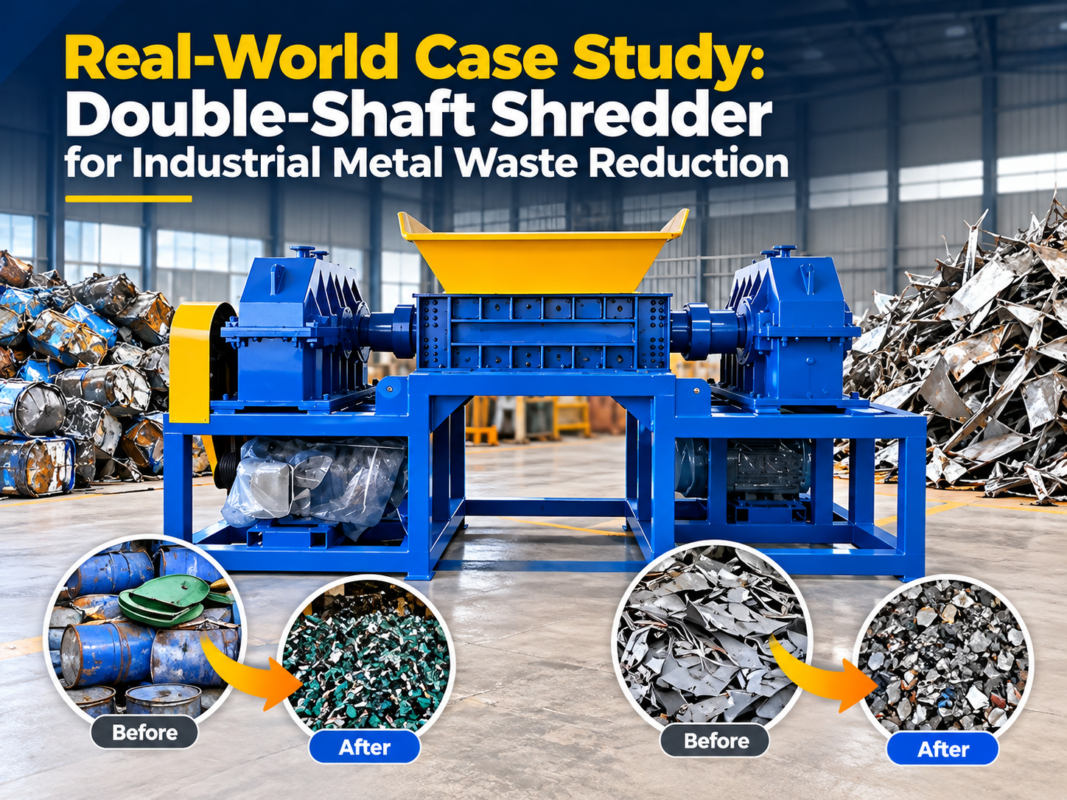
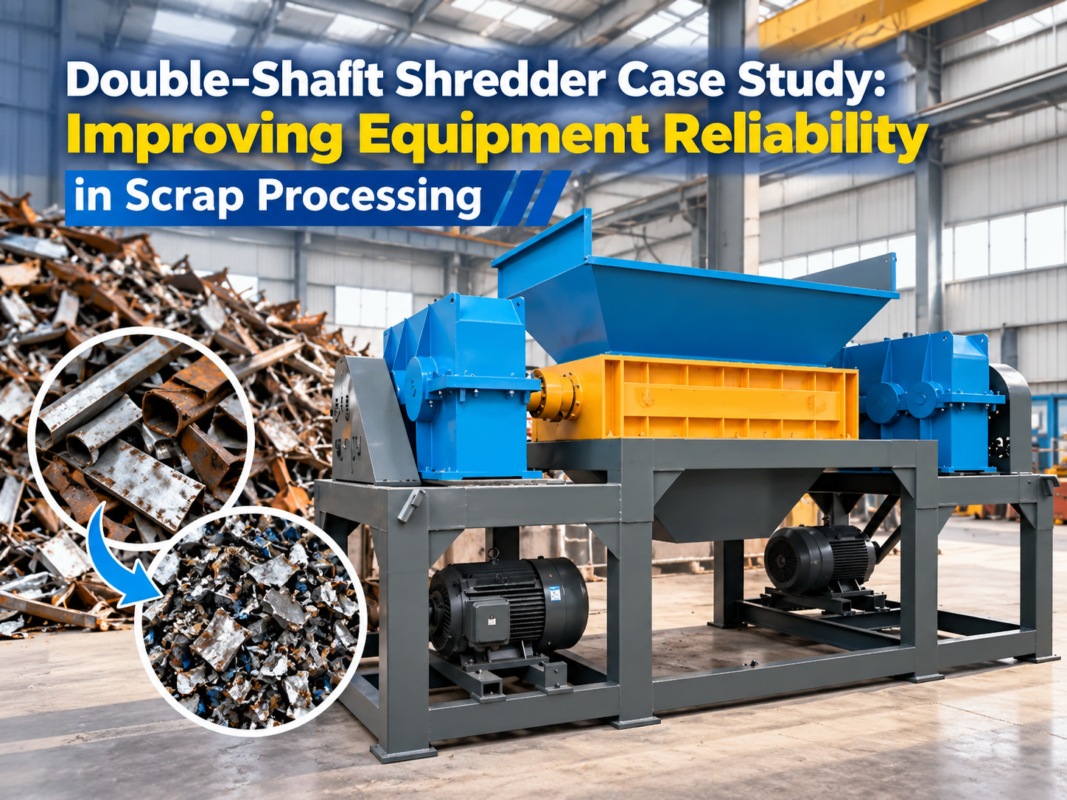
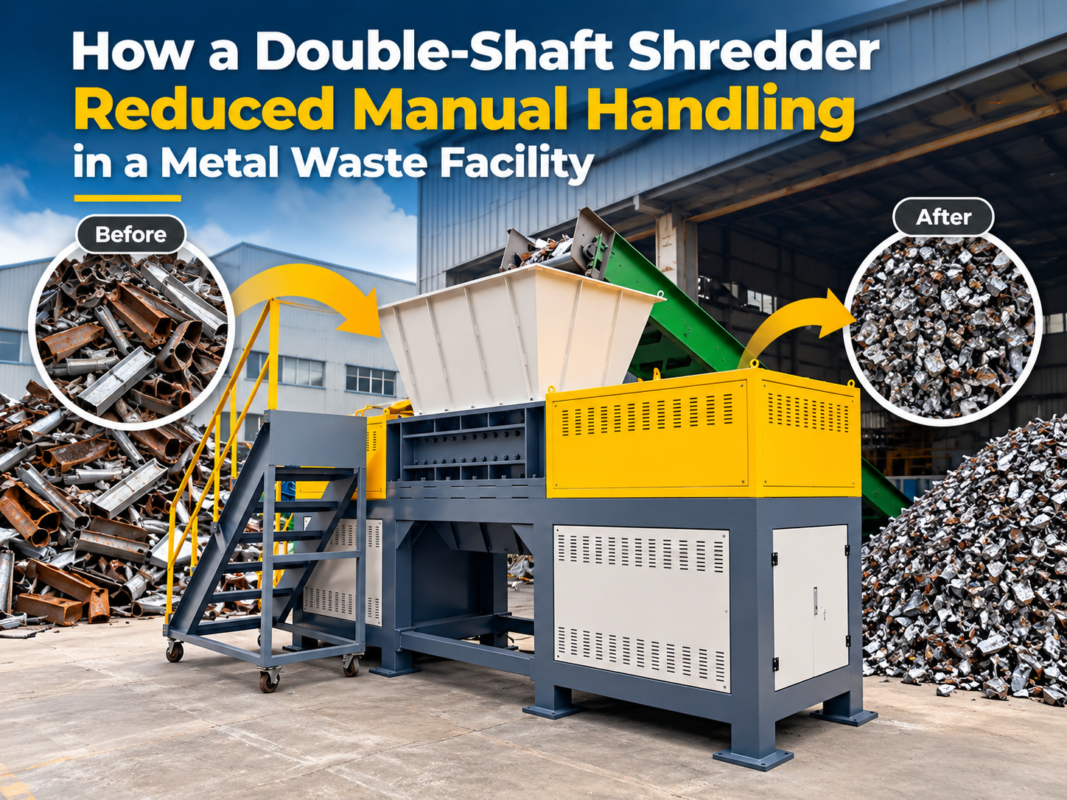
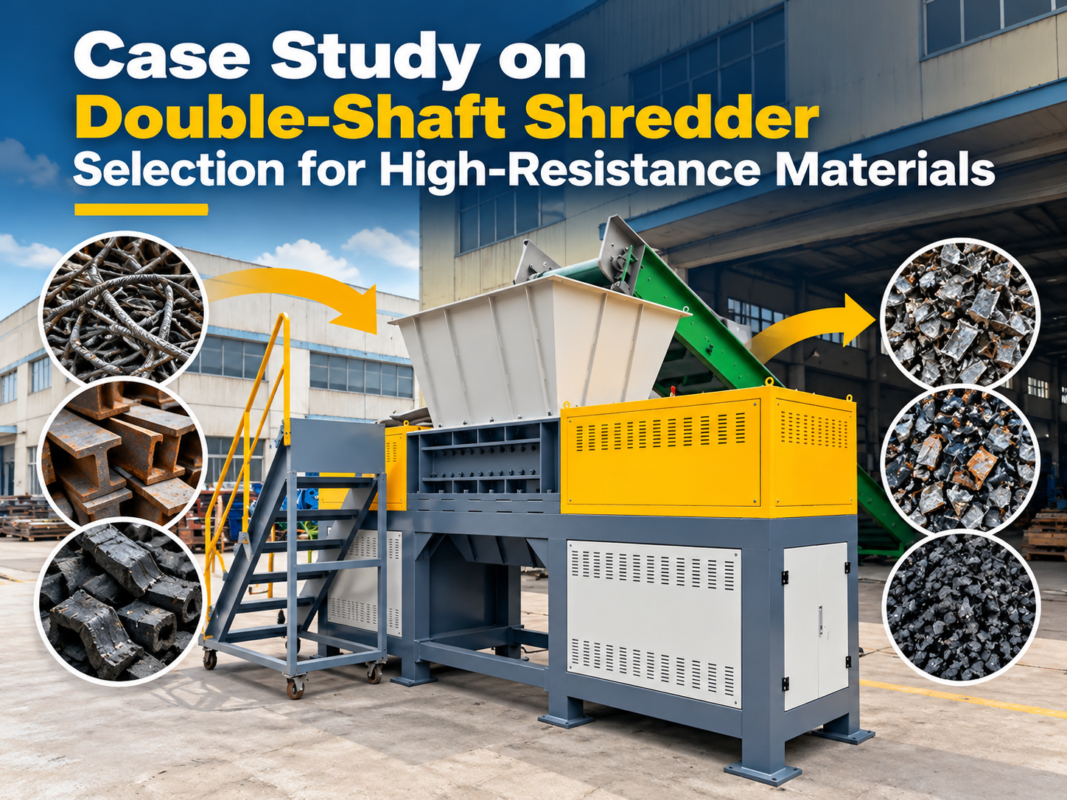
Single-Shaft Shredder In A Waste-To-Resource Project: A Plant-Level Case Study

Introduction
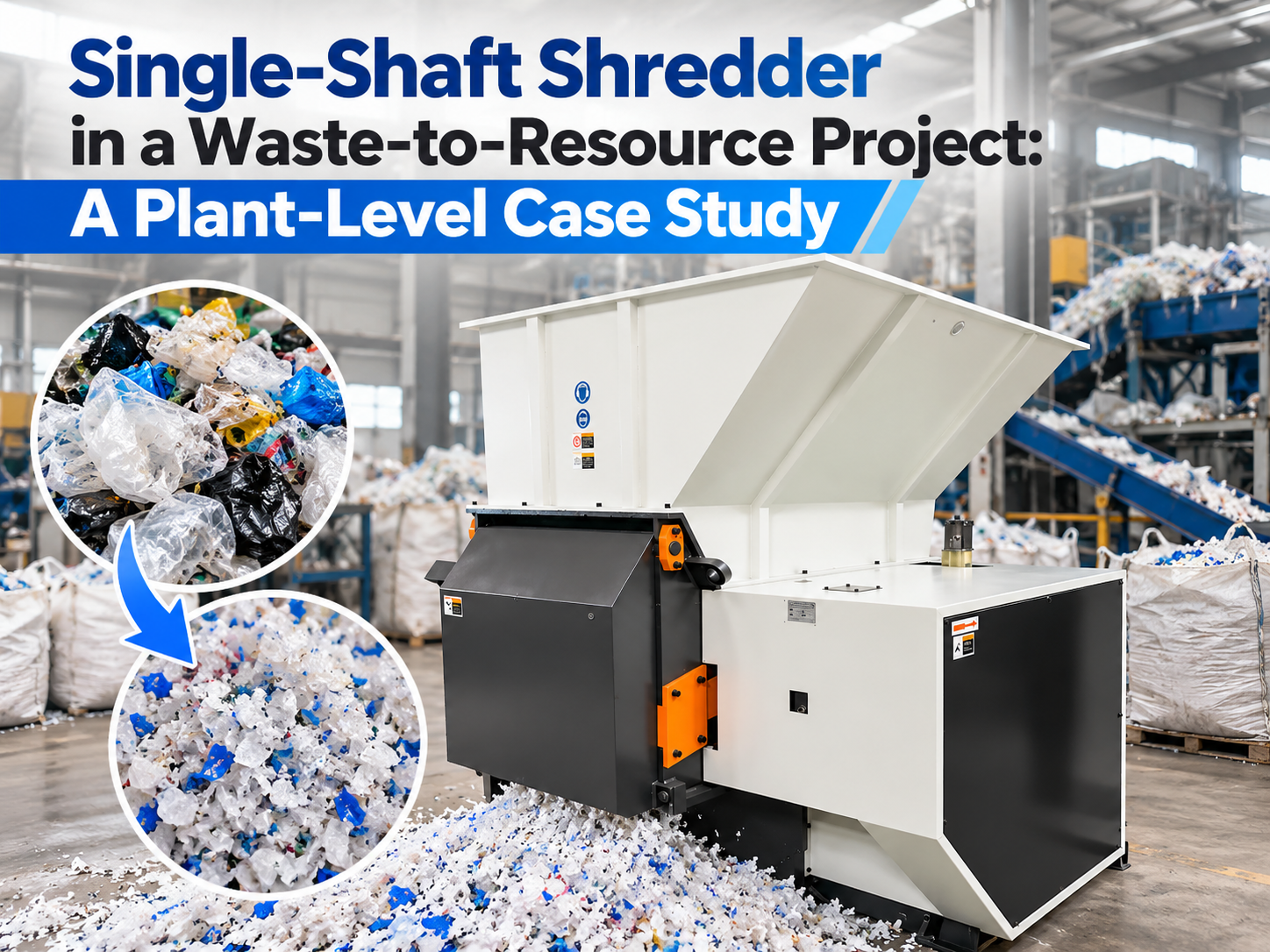
In the modern era of circular economy and sustainable manufacturing, the role of high-performance size reduction equipment has never been more critical. The Single-Shaft Shredder In A Waste-To-Resource Project: A Plant-Level Case Study serves as a blueprint for facilities looking to transform bulky waste streams into valuable secondary raw materials. As industrial waste volumes grow, the ability to process heterogeneous materials efficiently is the difference between a cost-heavy disposal operation and a profitable resource recovery center.
HARSLE has been at the forefront of engineering robust shredding solutions designed to handle the rigors of continuous, high-capacity plant environments. By integrating advanced cutting technology with intelligent control systems, our single-shaft shredders provide the precision required for downstream processing, such as pelletizing, incineration, or material separation. This article explores the operational dynamics of implementing such technology within a large-scale waste-to-resource facility.
The transition from traditional landfill-bound waste management to sophisticated resource recovery requires machinery that is both versatile and durable. A single-shaft shredder acts as the primary gatekeeper in this process, ensuring that input materials are reduced to a uniform particle size. This uniformity is essential for optimizing the efficiency of subsequent sorting, cleaning, and refining stages, ultimately maximizing the purity and market value of the recovered resources.
Through this plant-level case study, we will examine the technical requirements, operational challenges, and strategic advantages of deploying HARSLE shredding technology. We aim to provide plant managers and engineers with a comprehensive understanding of how to leverage these machines to achieve superior throughput, reduced energy consumption, and long-term operational reliability in demanding industrial settings.

Key Considerations for Waste-to-Resource Integration
When integrating a single-shaft shredder into a waste-to-resource project, the first consideration is material characterization. Waste streams are rarely homogeneous; they often contain a mix of plastics, wood, textiles, and light metals. A shredder must be capable of handling this variability without frequent jamming or excessive wear. The HARSLE design philosophy focuses on high-torque, low-speed operation, which allows for consistent processing of tough materials while minimizing the risk of mechanical failure.
Throughput requirements dictate the physical footprint and power specifications of the shredder. In a plant-level environment, the shredder must be synchronized with the upstream feeding system and downstream conveyor lines. Bottlenecks at the shredding stage can cascade through the entire facility, leading to idle time and increased operational costs. Therefore, selecting a machine with a buffer capacity and a robust hydraulic pusher system is essential for maintaining a steady flow of material.
Environmental and safety compliance is another critical pillar. Modern waste-to-resource plants must adhere to strict noise, dust, and vibration standards. HARSLE shredders are engineered with sound-dampening enclosures and dust-suppression interfaces, ensuring that the plant environment remains safe for operators and compliant with local regulations. Furthermore, the integration of emergency stop systems and automated overload protection is non-negotiable in high-speed industrial settings.
Finally, the long-term total cost of ownership (TCO) must be evaluated. This includes not just the initial capital expenditure, but also the cost of replacement parts, energy consumption, and maintenance labor. A high-quality shredder with easily accessible wear parts and a modular design will significantly reduce downtime. By prioritizing durability and ease of maintenance, plant operators can ensure that their investment continues to yield high returns throughout its operational lifecycle.
Technical Details of HARSLE Shredding Technology
The core of the HARSLE single-shaft shredder lies in its advanced rotor design. The rotor is equipped with high-grade, heat-treated alloy steel cutters that are engineered for maximum shear force. These cutters are typically arranged in a specific pattern to ensure optimal material engagement and uniform particle size distribution. The rotor speed is carefully calibrated to balance throughput with energy efficiency, preventing the overheating of materials that could otherwise compromise the quality of the output.
The hydraulic pusher system is a defining feature that distinguishes industrial-grade shredders from lighter alternatives. This system uses a PLC-controlled ram to feed material into the rotor at a rate determined by the load on the motor. By monitoring the motor current, the shredder automatically adjusts the pusher speed, preventing the rotor from stalling and ensuring that the machine operates at its peak efficiency regardless of the material density or volume.
Screen technology plays a vital role in determining the final output size. HARSLE shredders utilize interchangeable screen meshes that allow operators to customize the particle size based on the specific requirements of the downstream process. Whether the goal is to produce a coarse shred for fuel-derived waste or a fine shred for plastic recycling, the screen can be swapped quickly, minimizing downtime during product changeovers.
The drive system, typically featuring a heavy-duty gearbox and high-efficiency motor, is designed to handle the high-torque demands of shredding dense materials. The gearbox is engineered for longevity, with advanced lubrication systems that reduce friction and heat buildup. This robust drive train ensures that the shredder can operate continuously for multiple shifts, providing the reliability required for large-scale waste-to-resource operations.

Selection Advice for Plant Managers
Selecting the right single-shaft shredder requires a thorough audit of your facility’s specific needs. Start by analyzing the composition of your waste stream. If your facility processes high volumes of abrasive materials, you will need cutters with specialized hard-facing or specific metallurgical properties to resist wear. Conversely, if the waste is primarily light plastic or paper, a standard cutter configuration may suffice, allowing for lower initial investment.
Consider the required output size and throughput capacity. It is often beneficial to choose a shredder that is slightly oversized for your current needs to accommodate future growth or fluctuations in waste volume. A machine running at 70% capacity will generally have a longer lifespan and require less maintenance than one constantly pushed to its 100% limit. Consult with HARSLE engineers to perform a capacity analysis based on your expected material density and feed rates.
Evaluate the ease of maintenance and the availability of spare parts. In a plant-level project, every hour of downtime represents lost revenue. Look for features such as a swing-out screen cradle, easy-access rotor maintenance ports, and a modular cutter design that allows for individual blade replacement rather than replacing the entire rotor assembly. HARSLE provides comprehensive support and a readily available inventory of wear parts to ensure your operations remain uninterrupted.
Finally, do not overlook the importance of control systems. A modern shredder should be equipped with an intuitive HMI (Human-Machine Interface) that provides real-time data on motor load, temperature, and system status. This data is invaluable for predictive maintenance, allowing you to identify potential issues before they lead to catastrophic failure. Investing in a machine with advanced diagnostic capabilities is a strategic move that pays dividends in operational efficiency.
FAQ: Common Questions About Industrial Shredding
What is the primary difference between a single-shaft and a double-shaft shredder?
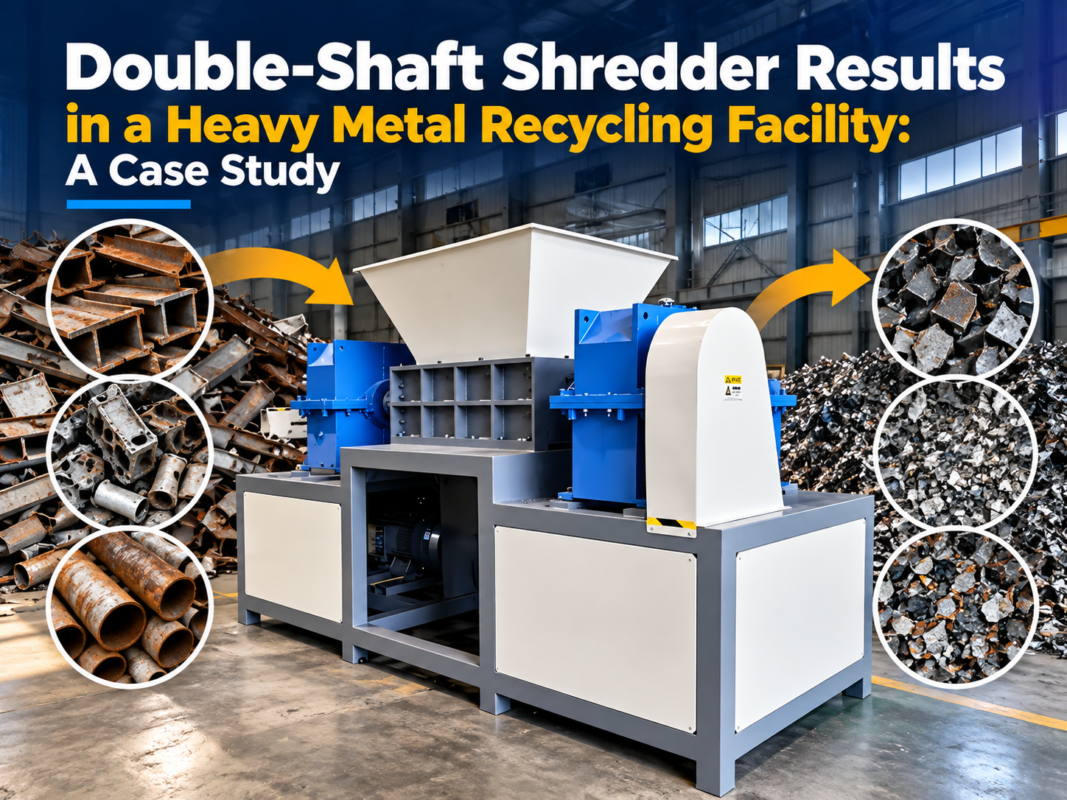
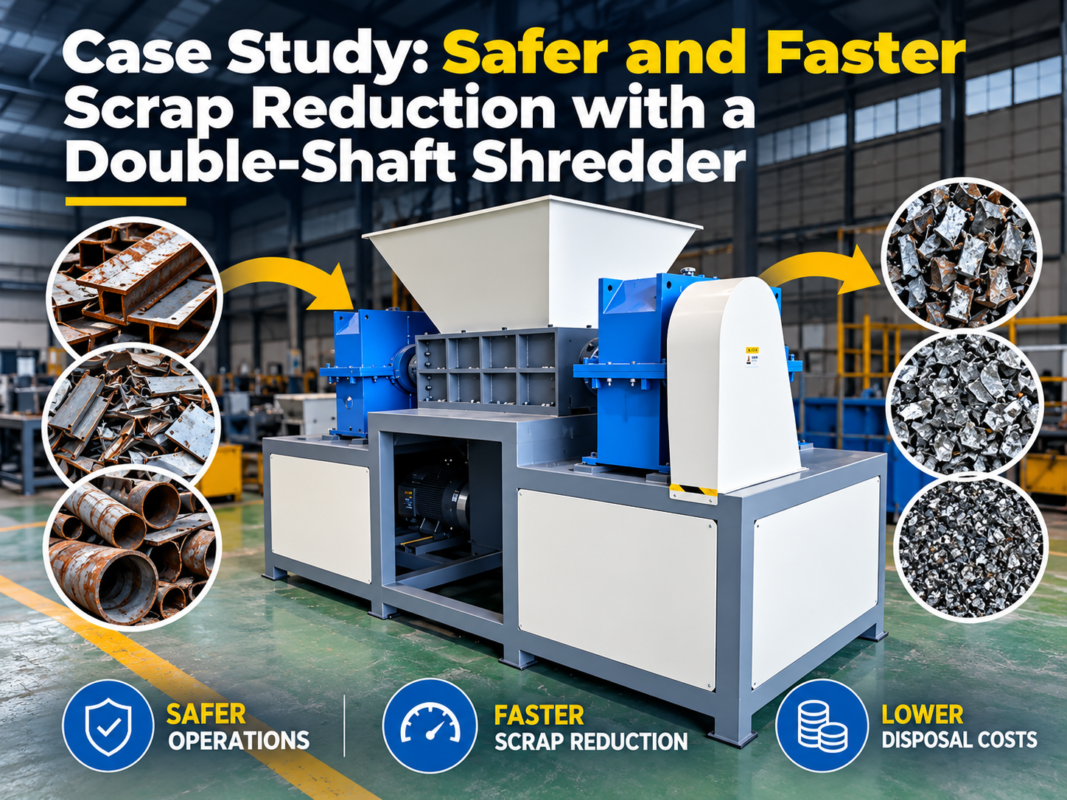
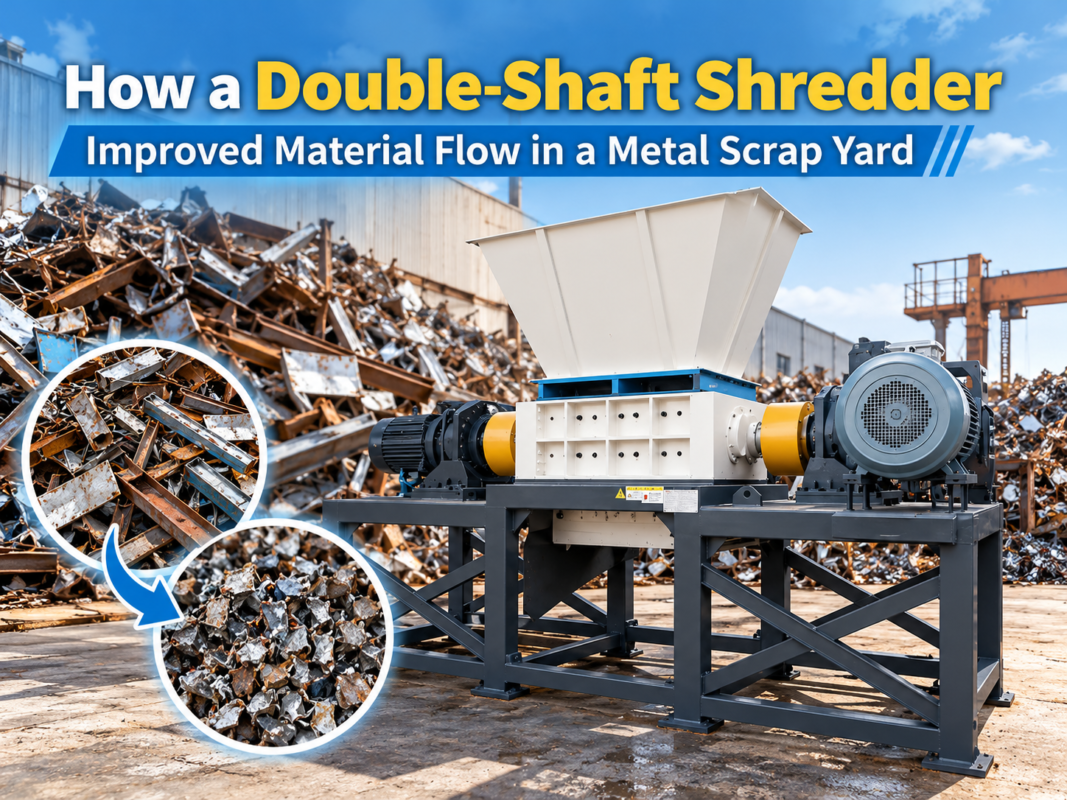
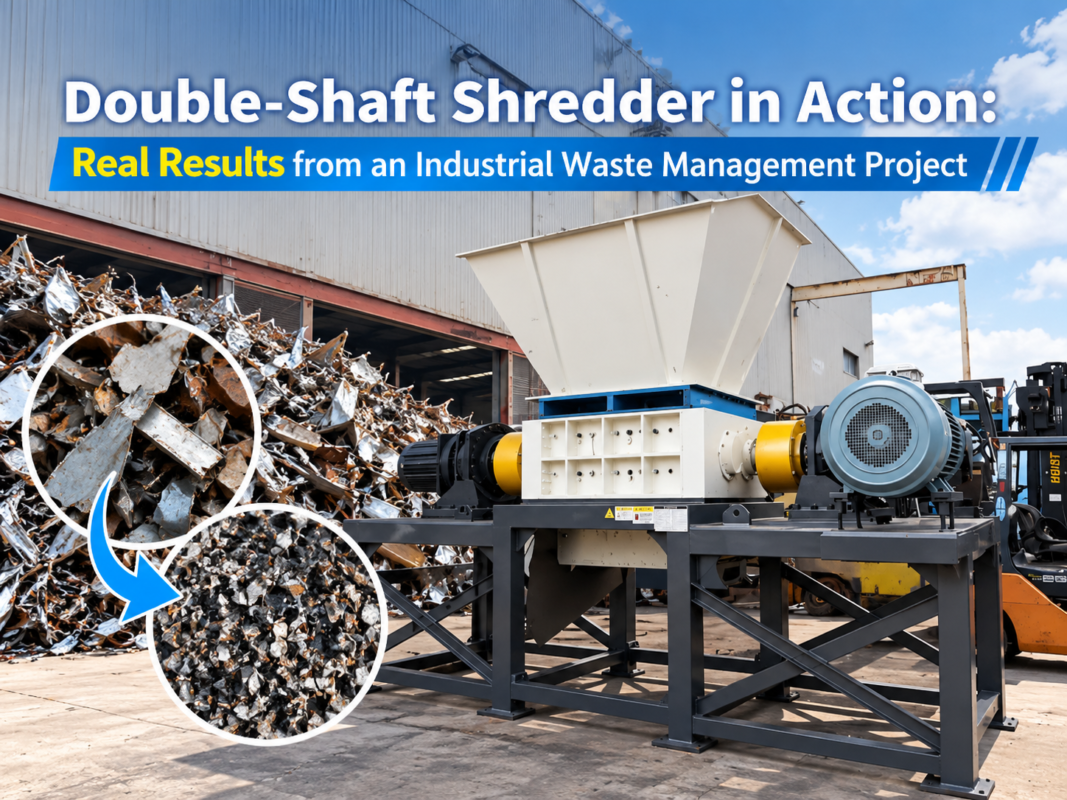
A single-shaft shredder uses a rotor and a hydraulic pusher to force material against a screen, resulting in a uniform, controlled particle size. A double-shaft shredder uses two counter-rotating shafts to tear material apart, which is better for high-volume, bulky items but generally produces a less uniform output. For waste-to-resource projects requiring specific sizing, the single-shaft design is usually preferred.
How often should the cutters be replaced?
The lifespan of the cutters depends heavily on the material being shredded. Abrasive materials like glass or contaminated plastics will wear cutters faster than clean wood or paper. HARSLE recommends a regular inspection schedule and the use of hard-faced cutters for high-wear applications to extend the interval between replacements.
Can a single-shaft shredder handle metal contaminants?
While single-shaft shredders are designed for a variety of materials, large metal objects can damage the blades. It is highly recommended to install a magnetic separator upstream of the shredder to remove ferrous metals before they enter the cutting chamber. If occasional metal contamination is expected, HARSLE offers heavy-duty rotor options designed to withstand minor impacts.
What is the typical energy consumption of a HARSLE shredder?
Energy consumption is proportional to the throughput and the hardness of the material. HARSLE shredders are designed with high-efficiency motors and optimized gear ratios to minimize power draw. Our technical team can provide a power consumption estimate based on your specific material profile and throughput requirements.
Conclusion
The implementation of a single-shaft shredder in a waste-to-resource project is a transformative step for any industrial facility. By focusing on material uniformity, operational reliability, and intelligent control, plant managers can turn waste streams into valuable assets. As demonstrated in this case study, the HARSLE single-shaft shredder provides the necessary technical performance to meet the rigorous demands of modern recycling and resource recovery.
Choosing the right equipment is a long-term commitment to efficiency and sustainability. By considering the specific material characteristics, throughput needs, and maintenance requirements outlined in this guide, you can ensure that your investment in HARSLE technology delivers consistent results. We invite you to contact our engineering team to discuss your specific project requirements and discover how our shredding solutions can optimize your waste-to-resource operations.
In conclusion, the path to a successful waste-to-resource project is paved with high-quality machinery. With the right shredder at the heart of your process, you can achieve higher purity in your recovered materials, lower your operational costs, and contribute to a more sustainable industrial future. HARSLE remains dedicated to providing the innovation and support necessary to help your plant reach its full potential.