Reducing Downtime In Scrap Handling An Automated Horizontal Baler: A Comprehensive Guide

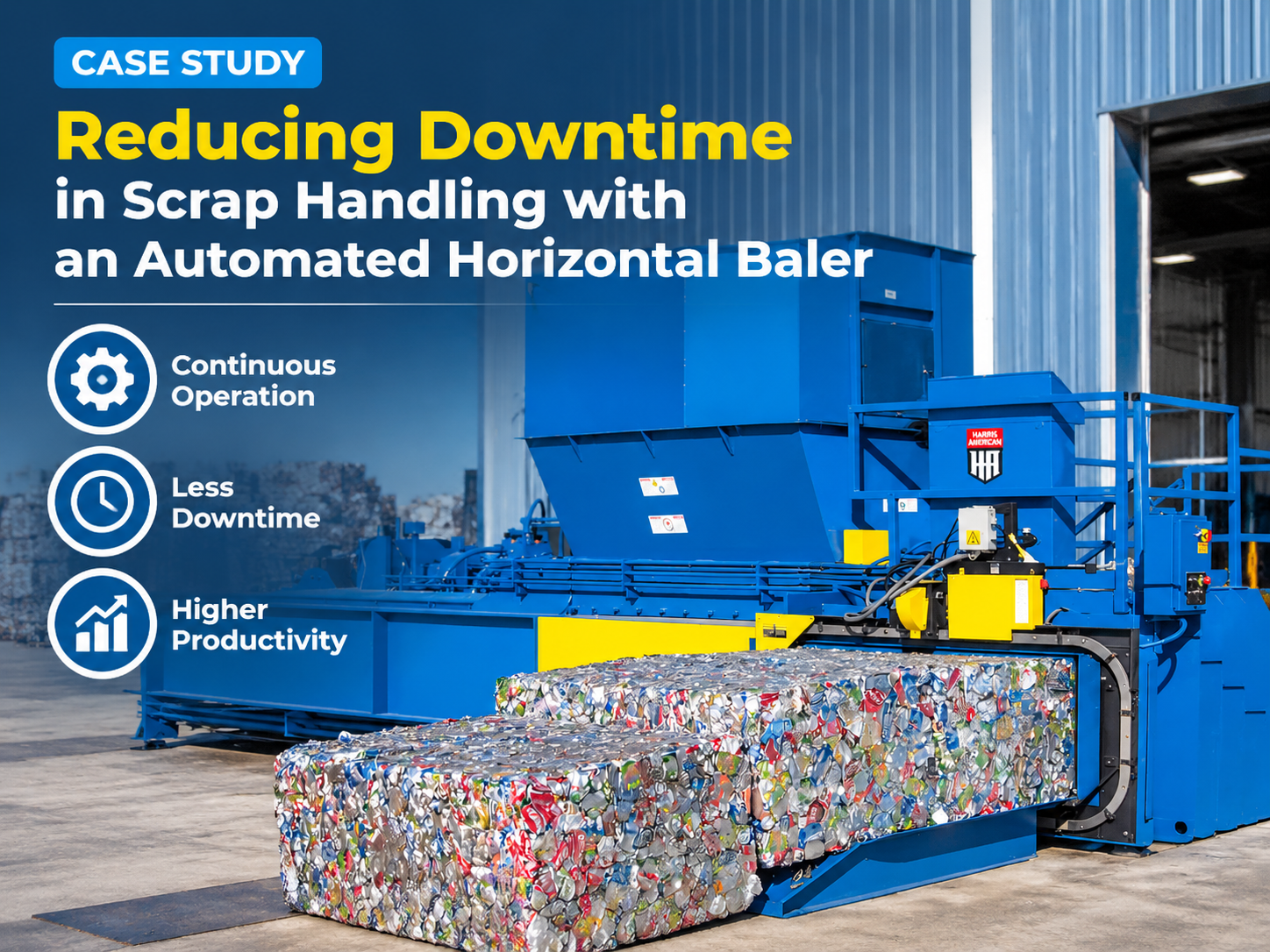
Introduction to Scrap Management Efficiency
In the modern metal fabrication industry, the efficiency of your scrap management process is just as critical as the precision of your cutting or bending operations. Many facilities overlook the hidden costs associated with manual scrap handling, which often leads to significant bottlenecks and operational delays. Reducing downtime in scrap handling an automated horizontal baler is not merely an upgrade; it is a strategic necessity for high-volume fabrication shops looking to optimize their floor space and labor allocation.
HARSLE understands that every minute a machine sits idle due to scrap accumulation is a minute of lost revenue. By integrating an automated horizontal baler into your production line, you transition from a reactive scrap management model to a proactive, streamlined workflow. This article explores the technical advantages, operational benefits, and strategic considerations for implementing these robust systems in your facility.
The transition to automation allows for continuous production cycles. When scrap is automatically conveyed and compressed, the need for manual intervention—such as clearing bins or waiting for manual baling cycles—is virtually eliminated. This shift directly addresses the core challenge of reducing downtime in scrap handling an automated horizontal baler, ensuring that your primary metal fabrication equipment remains focused on value-added tasks.
Furthermore, the environmental and economic impact of efficient scrap handling cannot be overstated. Properly baled scrap commands higher market prices from recyclers because it is easier to transport and process. By investing in HARSLE’s advanced baling technology, you are not just reducing downtime; you are turning a waste management problem into a consistent revenue stream.
Key Considerations for Scrap Handling Optimization
When evaluating the need for an automated system, facility managers must first analyze their current scrap volume and material types. Not all scrap is created equal; light-gauge aluminum offcuts require different compression forces compared to heavy steel plate remnants. Understanding your specific material profile is the first step in reducing downtime in scrap handling an automated horizontal baler effectively.
Space utilization is another critical factor. A horizontal baler requires a dedicated footprint, but it also eliminates the need for multiple bulky scrap bins scattered across the production floor. By centralizing your scrap handling, you improve safety, reduce traffic congestion, and create a cleaner, more organized working environment. This organizational shift is a major contributor to overall plant efficiency.
Labor safety and ergonomics play a significant role in downtime reduction. Manual handling of sharp, heavy metal scrap is a leading cause of workplace injuries, which inevitably lead to production halts and increased insurance costs. An automated system removes the human element from the dangerous parts of the process, allowing your workforce to focus on operating press brakes, laser cutters, and other high-value machinery.
Maintenance schedules must be integrated into your operational strategy. While automated balers are designed for high duty cycles, they require consistent preventative maintenance to avoid unexpected failures. HARSLE provides comprehensive documentation and support to ensure that your baler remains a reliable asset rather than a maintenance burden. Proactive care is the best way to ensure that your investment continues to pay dividends in reduced downtime.
Technical Details of HARSLE Horizontal Balers
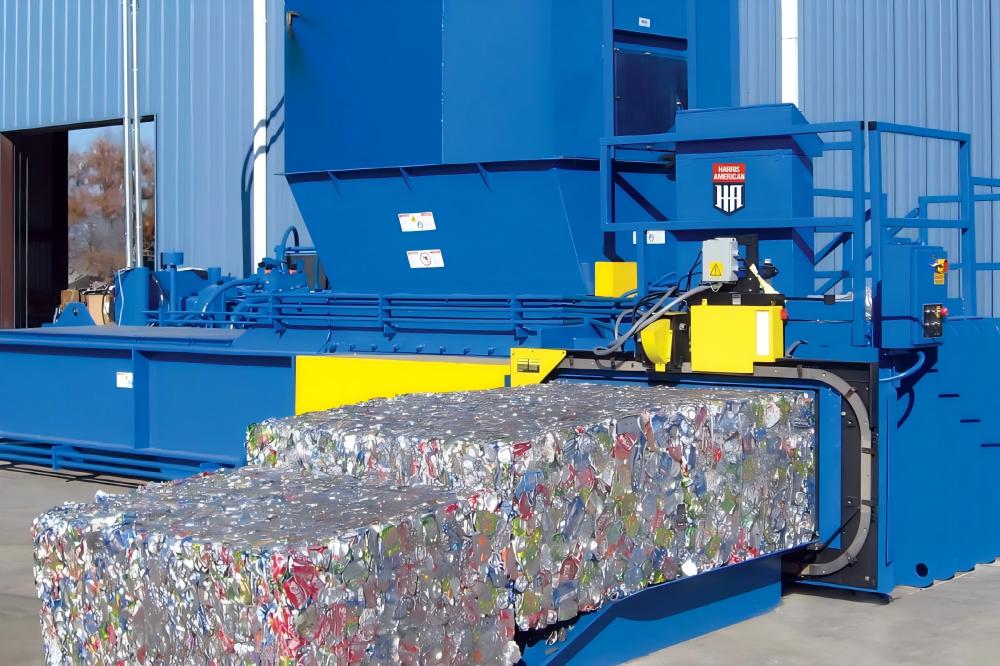
HARSLE horizontal balers are engineered with high-grade hydraulic systems that provide consistent, powerful compression. The core of the system is the hydraulic ram, which is designed to withstand the abrasive nature of metal scrap. By utilizing high-pressure cylinders, these machines ensure that every bale meets the density requirements of modern recycling facilities, maximizing the weight per shipment.
The automation logic within our balers is controlled by advanced PLC (Programmable Logic Controller) systems. These controllers monitor the feed rate, ram pressure, and bale length in real-time. If a jam occurs or if the material density exceeds safety parameters, the system automatically adjusts or pauses to prevent damage. This intelligent feedback loop is essential for reducing downtime in scrap handling an automated horizontal baler, as it prevents catastrophic mechanical failures.
Material feeding mechanisms are customizable based on your facility’s layout. Whether you require a conveyor belt system, a pneumatic suction system, or a simple hopper feed, HARSLE offers modular solutions that integrate seamlessly with your existing production line. The ability to customize the feed mechanism ensures that there are no bottlenecks at the point of entry, keeping the scrap moving continuously.
Energy efficiency is a hallmark of HARSLE design. Our balers utilize variable frequency drives (VFDs) to optimize motor performance based on the load. This not only reduces electricity consumption but also minimizes wear and tear on the hydraulic pump and motor, extending the service life of the machine. By reducing the frequency of component replacements, you further minimize the downtime associated with repairs.

Selection Advice: Choosing the Right Baler
Selecting the right horizontal baler involves a careful assessment of your daily throughput. If your facility produces several tons of scrap per day, a fully automated, continuous-feed baler is the most logical choice. For smaller operations, a semi-automatic model might suffice, though it may not offer the same level of downtime reduction as a fully automated system.
Consider the bale size and weight requirements of your local scrap metal buyers. Different recyclers have different equipment for unloading and processing. By aligning your baler’s output with the preferences of your buyers, you can streamline the logistics of scrap removal, which is another often-overlooked area where downtime can occur. HARSLE consultants are available to help you match your output to industry standards.
Evaluate the ease of maintenance and the availability of spare parts. A machine is only as good as the support behind it. HARSLE prides itself on a global supply chain and responsive technical support, ensuring that if a part does need replacing, the downtime is kept to an absolute minimum. Always prioritize manufacturers who offer remote diagnostic capabilities, as this can often resolve minor software issues without the need for an on-site technician.
Finally, look at the build quality and material specifications. The thickness of the steel plating, the quality of the hydraulic seals, and the robustness of the shear blades are all indicators of how long the machine will last under heavy industrial use. Investing in a higher-quality machine initially is almost always more cost-effective than dealing with the frequent repairs and downtime associated with cheaper, lighter-duty alternatives.
Case Study: Transforming Scrap Management
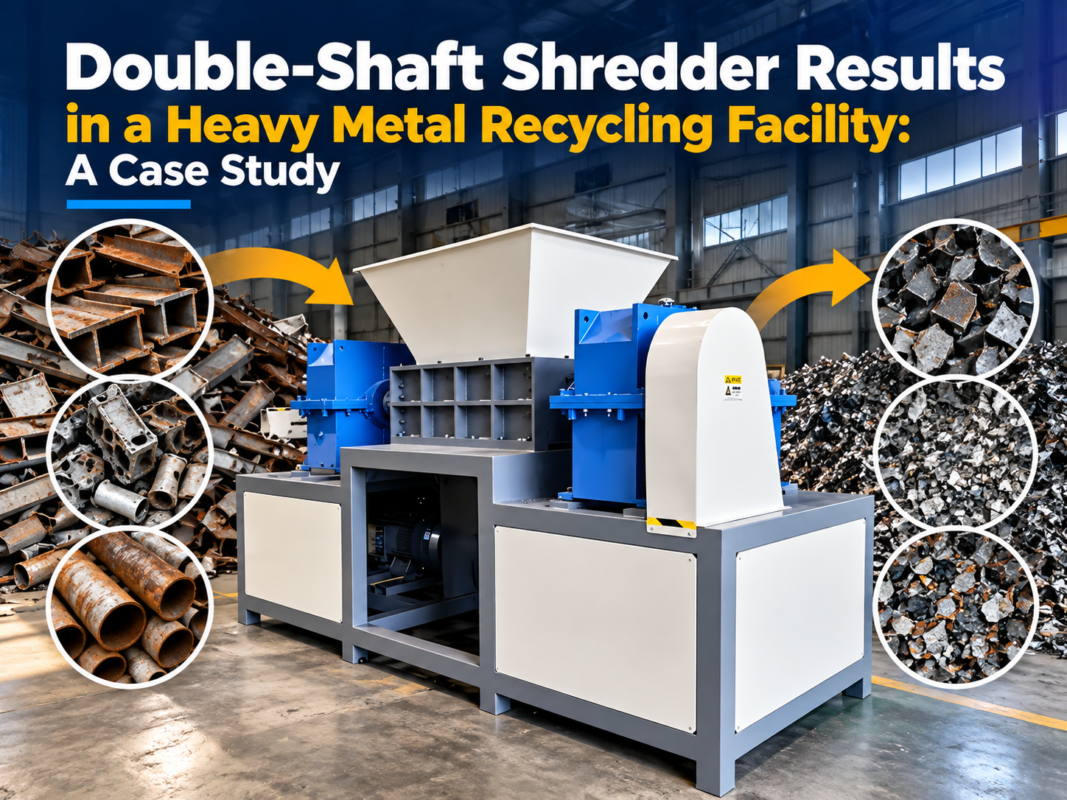
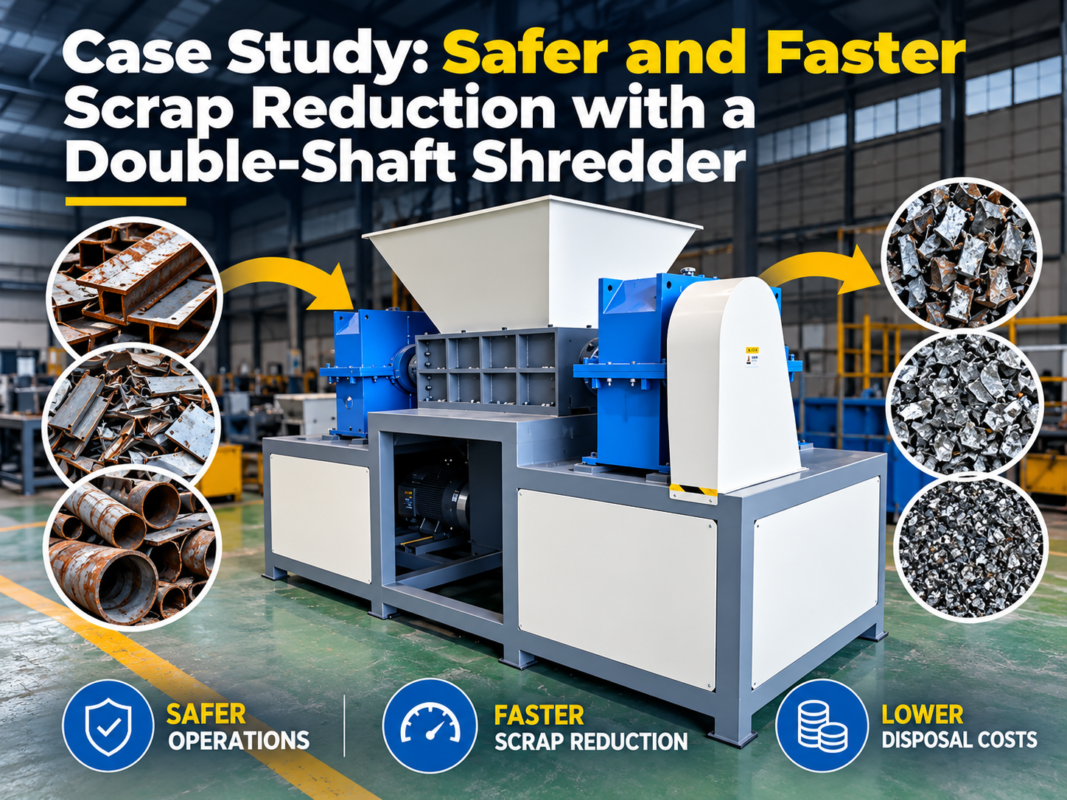
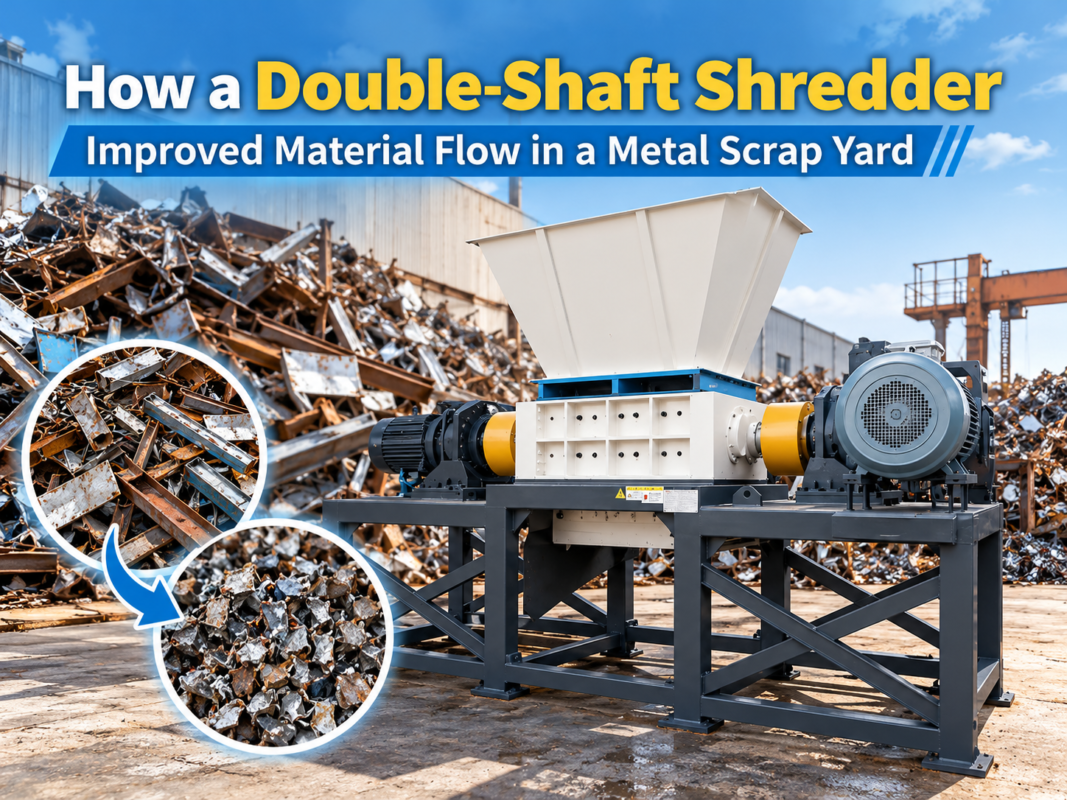
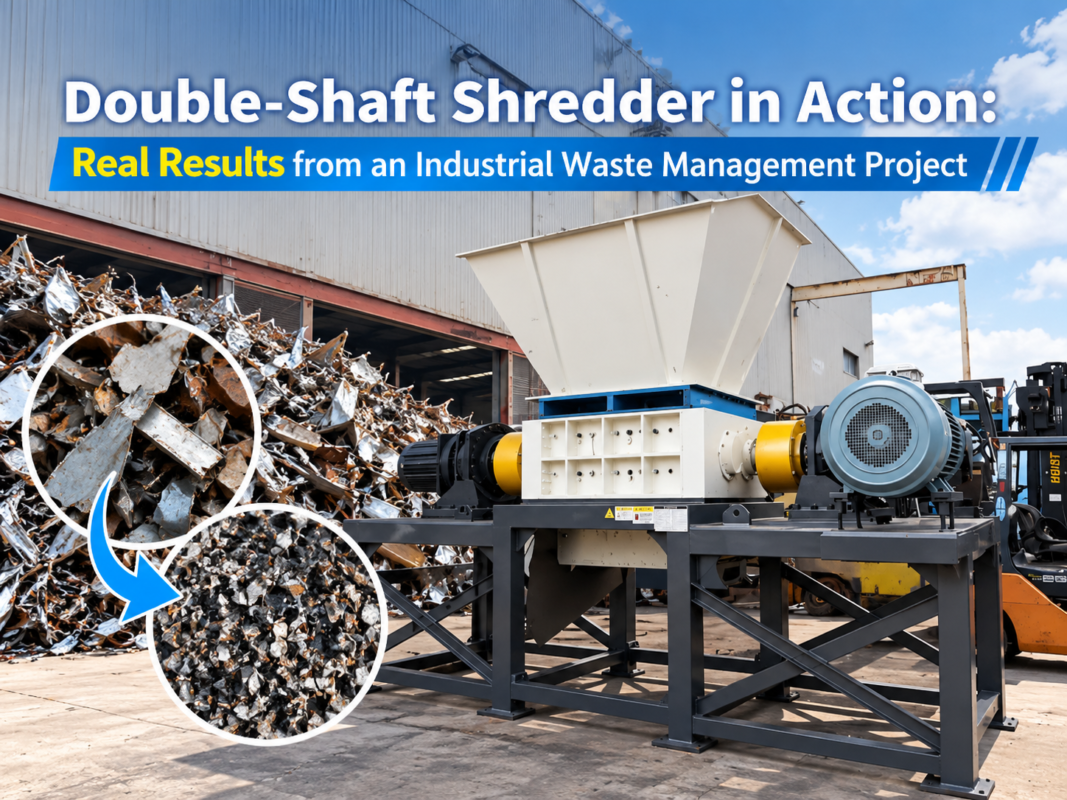
A recent case study involving a mid-sized metal fabrication plant in the automotive sector highlights the impact of this technology. Before implementing a HARSLE automated horizontal baler, the facility relied on manual scrap bins that were emptied by forklift operators. This process caused frequent traffic jams in the aisles and required operators to stop their primary machines to manage the scrap overflow.
After installing a HARSLE horizontal baler with an integrated conveyor system, the facility saw a 40% reduction in scrap-related downtime within the first three months. The automated system allowed for a “set it and forget it” approach, where scrap was moved directly from the cutting machines to the baler. The forklift traffic in the production area was reduced by 70%, significantly improving workplace safety and flow.
The financial results were equally impressive. By producing high-density, uniform bales, the facility was able to negotiate better rates with their scrap metal recycler, increasing their monthly scrap revenue by 15%. The combination of reduced labor costs, increased scrap value, and improved production uptime resulted in a full return on investment in less than 18 months.
This case study demonstrates that reducing downtime in scrap handling an automated horizontal baler is a multifaceted benefit. It touches on safety, logistics, production efficiency, and profitability. For any fabrication shop looking to scale, the transition to automated baling is a proven pathway to operational excellence.
Frequently Asked Questions
- How does an automated horizontal baler reduce downtime? It eliminates the need for manual scrap removal, prevents production bottlenecks caused by scrap accumulation, and reduces the frequency of machine maintenance through optimized hydraulic performance.
- What materials can be processed in a HARSLE baler? Our balers are designed for a wide range of metal scraps, including steel, aluminum, copper, and brass offcuts, as well as various industrial waste materials.
- Is the installation process complex? HARSLE provides detailed installation guides and can coordinate with your facility team to ensure a smooth integration with your existing production lines.
- How often does the baler require maintenance? We recommend a quarterly preventative maintenance check to inspect hydraulic fluid levels, seal integrity, and shear blade sharpness to ensure peak performance.
- Can the baler be customized for my specific floor layout? Yes, HARSLE offers modular feed systems and custom conveyor configurations to fit the unique spatial constraints of your fabrication facility.
Conclusion
Reducing downtime in scrap handling an automated horizontal baler is a critical step for any metal fabrication business aiming for long-term growth and efficiency. By automating the most labor-intensive and hazardous part of your scrap management process, you create a safer, more productive, and more profitable work environment. HARSLE remains committed to providing the high-quality machinery and technical support necessary to make this transition seamless.
As the industry continues to evolve, the demand for efficiency will only increase. Facilities that embrace automation today will be the ones that lead the market tomorrow. Whether you are looking to optimize your current workflow or planning a new facility layout, HARSLE’s range of horizontal balers offers the reliability and performance you need to succeed. Contact our team today to discuss how we can help you streamline your scrap handling operations and minimize your operational downtime.