How an Alligator Shear Increased Safety in a Metal Recycling Workshop: A Comprehensive Guide

Introduction
In the high-stakes environment of a metal recycling workshop, safety is not merely a regulatory requirement; it is the cornerstone of operational longevity and employee well-being. For decades, manual cutting methods and outdated machinery have posed significant risks to workers, ranging from repetitive strain injuries to severe lacerations and crush hazards. The industry has seen a transformative shift with the adoption of modern hydraulic machinery, specifically the alligator shear. Understanding how an alligator shear increased safety in a metal recycling workshop provides a blueprint for facility managers looking to modernize their operations while prioritizing human capital.
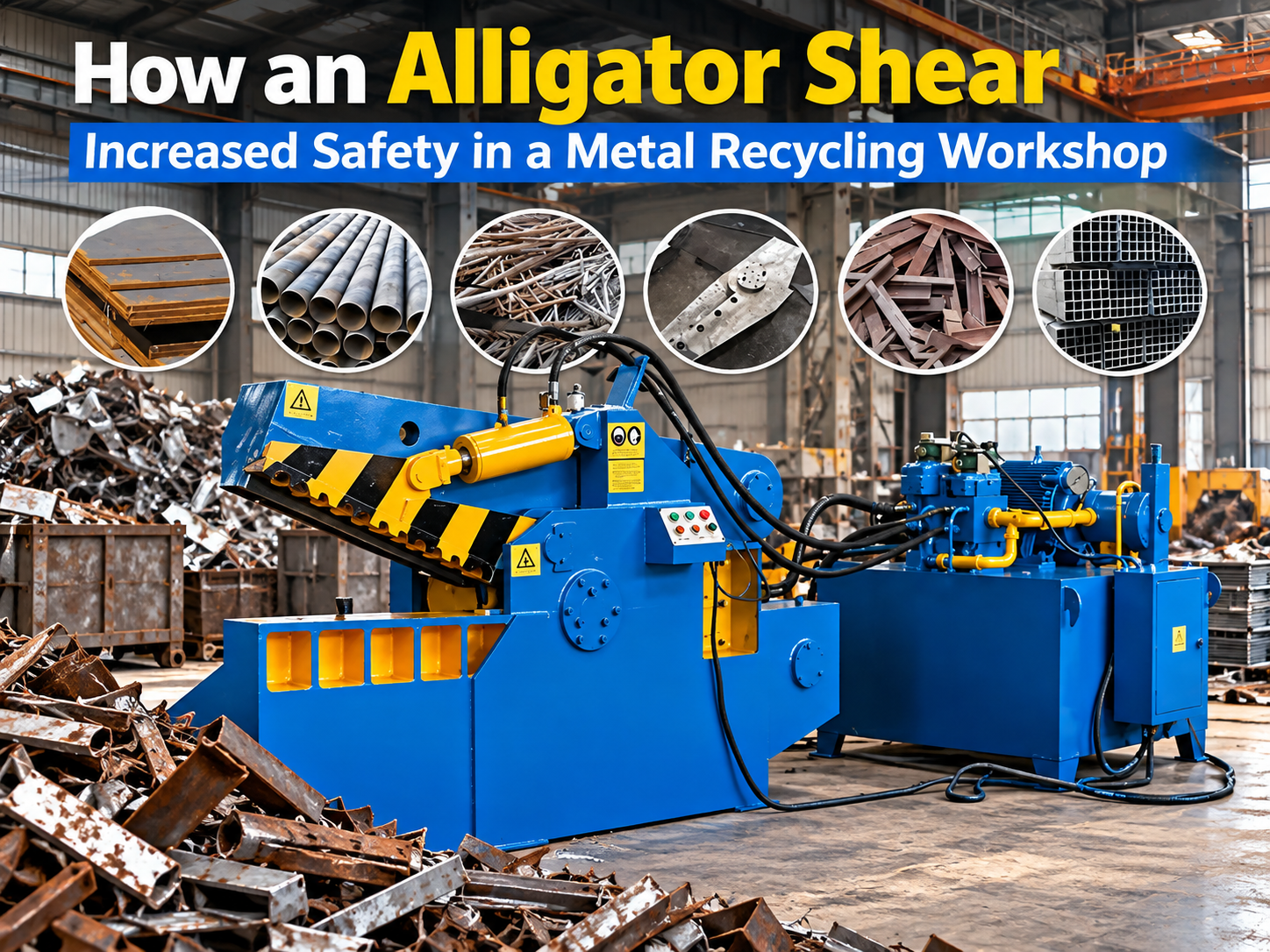
The alligator shear, named for its distinct jaw-like cutting action, has become a staple in scrap yards and recycling centers worldwide. Unlike traditional torches or manual bolt cutters, which require significant physical exertion and expose workers to open flames or flying debris, the alligator shear offers a controlled, automated, and highly efficient cutting process. By centralizing the cutting force and shielding the operator from the immediate point of impact, these machines have fundamentally altered the safety landscape of the metal recycling industry.
At HARSLE, we have observed firsthand how the transition from manual labor to automated shearing technology reduces workplace accidents. This article explores the technical, operational, and safety-related benefits of implementing this equipment. We will delve into why safety-conscious workshop managers are moving away from legacy cutting methods and how the strategic deployment of an alligator shear can lead to a safer, more productive, and more profitable recycling business.
As we examine the transition, it is important to recognize that safety improvements are often synonymous with efficiency gains. When a machine handles the heavy lifting and the dangerous cutting, the operator is elevated to a supervisory role, monitoring the process rather than being physically engaged in the high-risk zone. This shift is the primary driver behind the narrative of how an alligator shear increased safety in a metal recycling workshop.
Key Considerations for Workshop Safety
The primary hazard in any metal recycling facility is the unpredictable nature of scrap. Jagged edges, heavy loads, and the potential for materials to shift during processing create a volatile environment. Before the introduction of hydraulic shears, workers often relied on oxy-fuel torches to cut through oversized scrap. This method introduced fire hazards, toxic fumes, and the risk of gas cylinder explosions, making it one of the most dangerous tasks in the yard. Replacing this with a cold-cutting process is the first step toward a safer facility.
Ergonomics play a critical role in long-term safety. Manual cutting or handling of scrap metal leads to musculoskeletal disorders, including back injuries and tendonitis. An alligator shear allows for the processing of heavy materials at a comfortable working height, often integrated with conveyor systems that minimize the need for manual lifting. By reducing the physical burden on employees, workshops see a decrease in workers’ compensation claims and an increase in overall morale and retention.
Another key consideration is the containment of debris. When cutting metal manually, shards and sparks can fly in unpredictable directions, endangering nearby personnel. Alligator shears are designed with protective guards and, in many cases, hold-down devices that secure the material during the cut. This containment ensures that the cutting action remains localized, significantly reducing the risk of projectile-related injuries to the operator and bystanders.
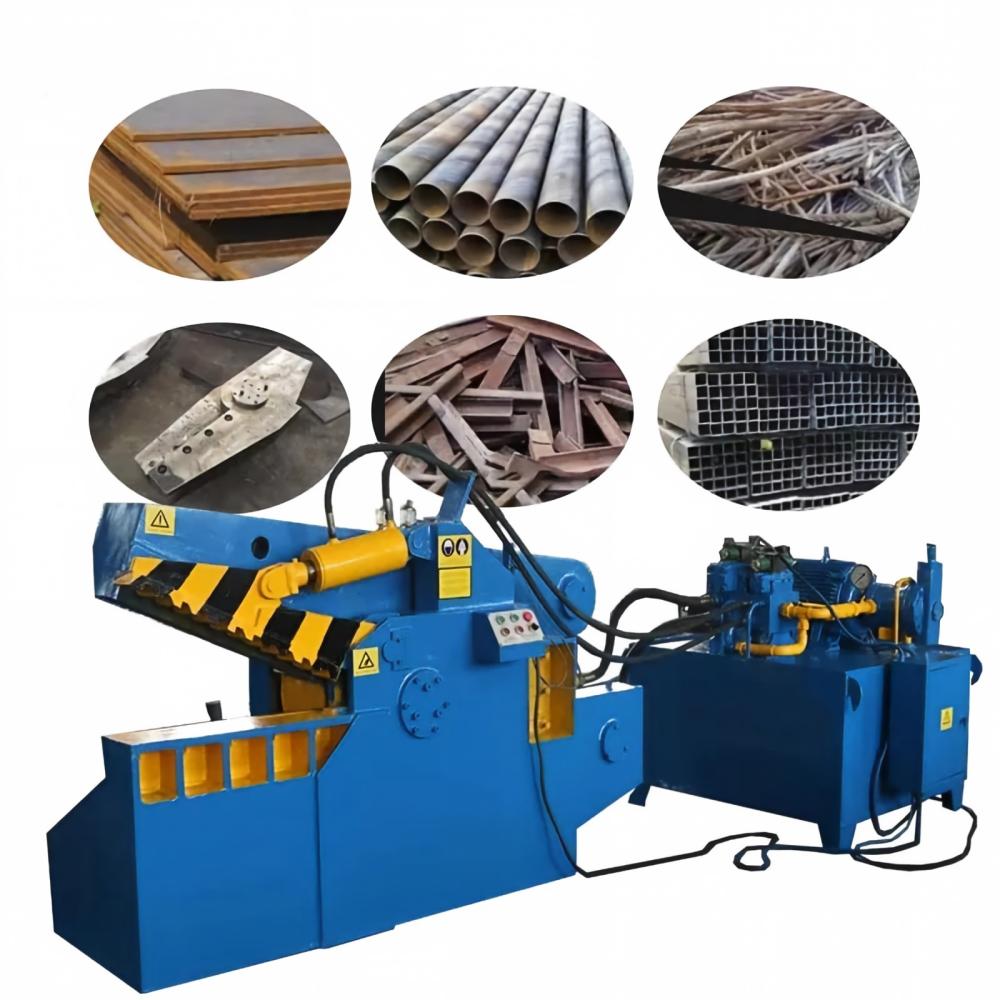
Training and operational oversight are also simplified with modern machinery. Unlike manual tools that require years of experience to master safely, modern alligator shears come equipped with intuitive control panels, emergency stop buttons, and light curtains. These features provide a safety net that manual tools simply cannot offer. By standardizing the cutting process, managers can ensure that every operator, regardless of their tenure, is working within a safe and controlled framework.
Technical Details and Operational Mechanics
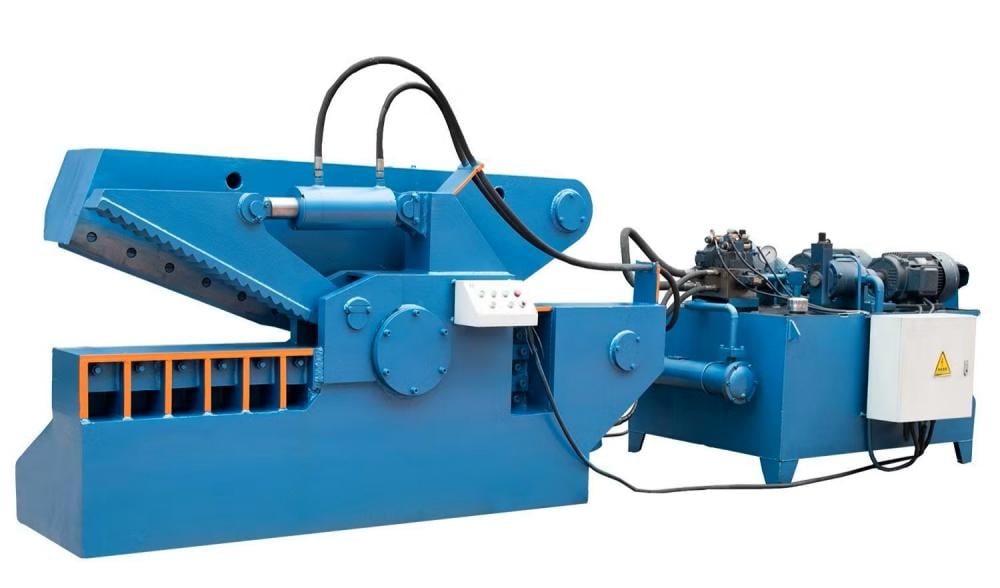
The alligator shear operates on a simple yet powerful hydraulic principle. A hydraulic cylinder drives the upper blade, which pivots on a heavy-duty pin, mimicking the jaw of an alligator. This design allows for a high concentration of force at the cutting edge, enabling the machine to slice through thick steel beams, pipes, and rebar with minimal effort. The technical superiority of this design is what makes it a cornerstone of modern metal fabrication equipment.
One of the most important technical aspects of these machines is the hold-down clamp. This feature is crucial for safety; it prevents the material from kicking up or shifting during the cutting cycle. Without a hold-down, the energy released during the cut can cause the metal to whip or jump, posing a severe threat to the operator. HARSLE alligator shears are engineered with robust hydraulic hold-downs that ensure the material remains stationary throughout the entire shearing process.
The hydraulic system itself is designed for reliability and safety. Modern units feature pressure relief valves that prevent the machine from overloading, which protects the structural integrity of the shear and prevents catastrophic failure. Furthermore, the use of high-quality seals and hoses minimizes the risk of hydraulic leaks, which can create slip hazards on the workshop floor. Regular maintenance of these hydraulic components is a non-negotiable aspect of maintaining a safe working environment.
Blade geometry and material composition are also technical factors that influence safety. Using the correct blade for the specific type of scrap—whether it is stainless steel, copper, or aluminum—prevents the machine from jamming. A jammed shear is a dangerous shear, as it often requires manual intervention to clear. By selecting blades designed for the specific hardness and thickness of the material being processed, operators can avoid the risks associated with clearing stuck scrap.
Selection Advice for Recycling Facilities
When selecting an alligator shear, the first step is to conduct a thorough audit of the scrap materials processed in your workshop. The machine’s cutting capacity must exceed the maximum thickness and hardness of the materials you handle daily. Attempting to cut material that is beyond the machine’s rated capacity is a leading cause of equipment failure and operator injury. Always aim for a machine with a safety margin, ensuring that your most common tasks are well within the shear’s operational limits.
Consider the power source and the environment. Electric-hydraulic shears are generally quieter and cleaner than diesel-powered units, making them ideal for indoor or semi-enclosed workshops. Noise pollution is an often-overlooked safety factor; excessive noise can lead to fatigue and communication breakdowns, which are precursors to accidents. Investing in a machine with a low-noise hydraulic pump can contribute to a more focused and alert workforce.
Ease of maintenance is another vital selection criterion. A machine that is difficult to maintain will eventually be neglected, leading to safety hazards. Look for models with accessible lubrication points, easy-to-change blades, and clear diagnostic indicators. HARSLE provides comprehensive documentation and support, ensuring that your team can perform routine maintenance safely and effectively, keeping the machine in peak condition for years to come.
Finally, evaluate the safety features integrated into the machine’s design. Does it have a foot pedal with a guard? Is there an emergency stop button within easy reach of the operator? Are there light curtains or safety cages that prevent access to the blade area during operation? These features are not just “add-ons”; they are essential components of a safe metal recycling workflow. Prioritize manufacturers who treat safety as a standard, not an option.
FAQ: Frequently Asked Questions
How does an alligator shear compare to a torch for safety?
An alligator shear is significantly safer than a torch. It eliminates fire hazards, toxic fumes, and the risks associated with pressurized gas cylinders. Furthermore, it provides a clean, cold cut that does not create sparks or molten metal splatter.
What maintenance is required to keep an alligator shear safe?
Regular maintenance includes checking hydraulic fluid levels, inspecting hoses for leaks, sharpening or replacing blades, and ensuring all safety guards and emergency stops are fully functional. A scheduled maintenance program is essential for long-term safety.
Can an alligator shear handle all types of metal?
While alligator shears are versatile, they are designed for specific material thicknesses and hardness levels. Always consult the manufacturer’s specifications to ensure the material you are cutting is compatible with the machine’s capacity.
What training is required for operators?
Operators should be trained on the specific machine’s controls, emergency procedures, and proper material handling techniques. HARSLE provides operational manuals and guidance to ensure your team is fully prepared to use the equipment safely.
Conclusion
The narrative of how an alligator shear increased safety in a metal recycling workshop is one of progress and professionalization. By replacing dangerous manual methods with reliable, automated hydraulic technology, recycling facilities can drastically reduce the risk of injury while simultaneously boosting productivity. The alligator shear is more than just a piece of metal fabrication equipment; it is a commitment to the safety of the workforce and the efficiency of the business.
At HARSLE, we believe that the right machinery empowers workers to perform their jobs with confidence and precision. When you invest in high-quality shearing technology, you are investing in the future of your workshop. We encourage all facility managers to evaluate their current processes and consider how modernizing their equipment can lead to a safer, more sustainable, and more profitable operation. Safety is a continuous journey, and the alligator shear is a vital companion on that path.