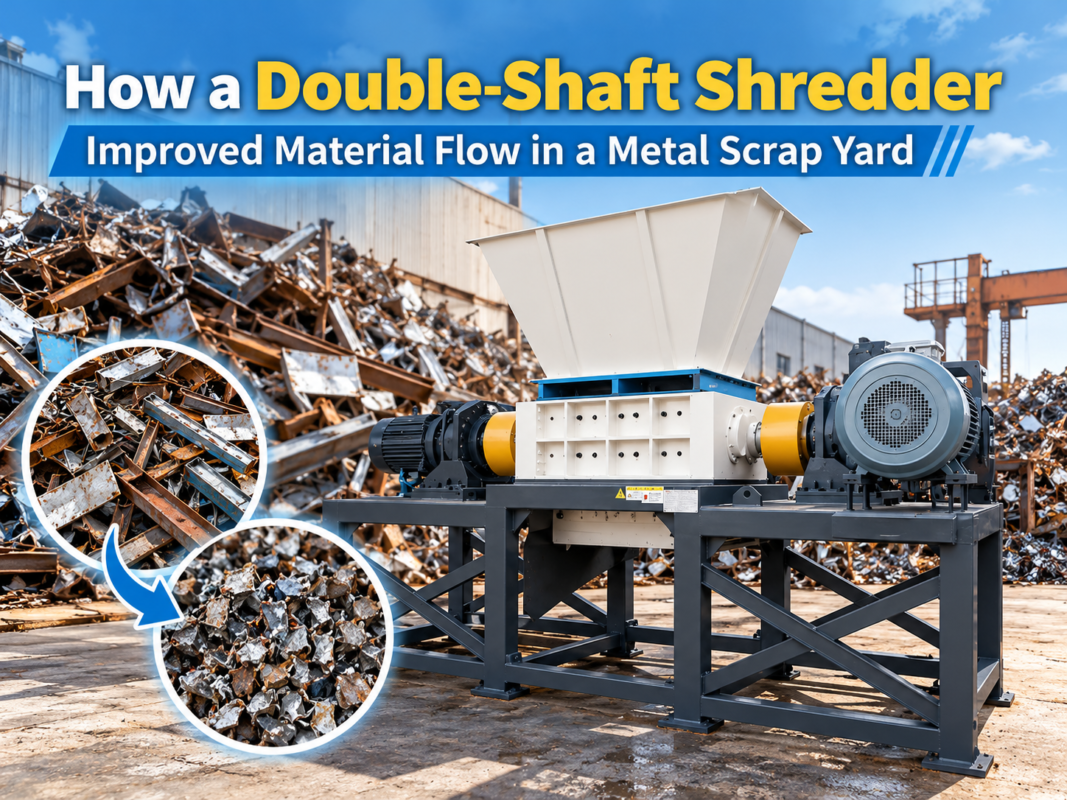
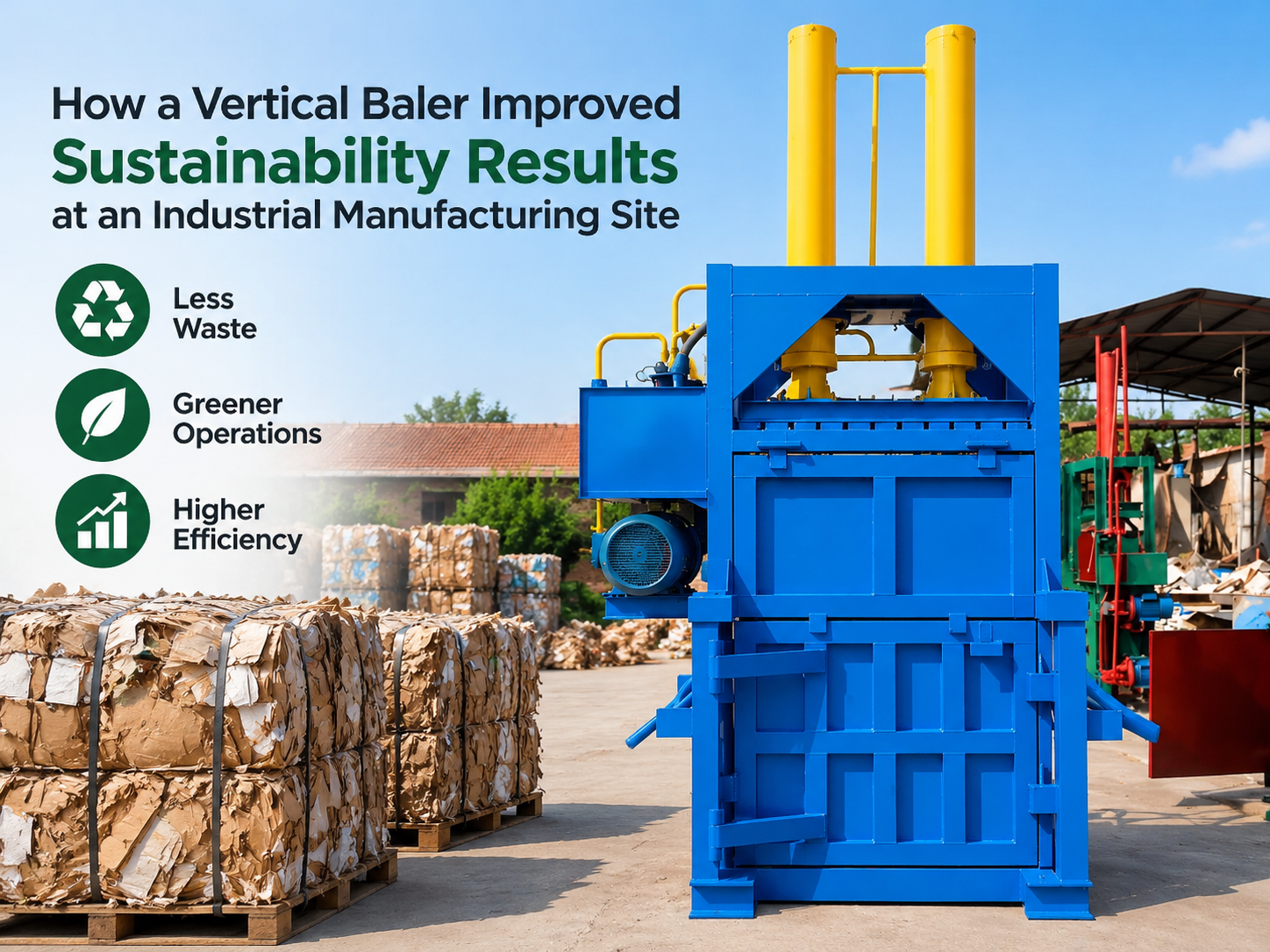
How a Vertical Baler Improved Sustainability Results at an Industrial Manufacturing Site

Introduction
In the modern era of industrial manufacturing, the pressure to adopt sustainable practices has moved from a corporate social responsibility initiative to a core operational necessity. As manufacturing sites strive to reduce their carbon footprint and optimize logistics, waste management has emerged as a critical bottleneck. For many facilities, the sheer volume of cardboard, plastic, and light metal scrap creates logistical nightmares, safety hazards, and unnecessary overhead costs. This is where the implementation of specialized equipment becomes a game-changer.
The narrative of how a vertical baler improved sustainability results at an industrial manufacturing site is one that resonates across the global metal fabrication and assembly sectors. By transitioning from loose waste disposal to a compressed, baled system, manufacturers are finding that they can turn a waste-management liability into a streamlined, revenue-generating asset. This article explores the technical, operational, and environmental advantages of integrating HARSLE vertical balers into your production floor.
Sustainability is no longer just about energy consumption; it is about the holistic management of resources. When a facility produces tons of scrap material, the frequency of waste collection trips increases, leading to higher fuel consumption and carbon emissions from transport vehicles. By densifying this waste, a vertical baler significantly reduces the number of trips required, directly contributing to a lower environmental impact. This article serves as a comprehensive guide to understanding why this equipment is essential for modern industrial sites.
Throughout this guide, we will examine the technical specifications that make HARSLE equipment a leader in the field, the selection criteria for choosing the right machine for your facility, and the long-term maintenance strategies that ensure peak performance. Whether you are a plant manager looking to optimize floor space or a sustainability officer aiming to hit zero-waste targets, the following sections provide the insights needed to make an informed investment.
Key Considerations for Waste Management Efficiency
Before investing in a vertical baler, it is vital to understand the current state of your waste stream. Many manufacturing sites suffer from “hidden waste,” where loose materials occupy valuable square footage that could be better utilized for production machinery or inventory storage. A vertical baler acts as a catalyst for space optimization, allowing teams to consolidate waste into neat, stackable bales that occupy a fraction of the original volume.
Safety is another paramount consideration. Loose piles of cardboard and scrap metal are significant fire hazards and can lead to slips, trips, and falls. By implementing a baling system, the manufacturing floor remains clear of debris, fostering a safer work environment. This transition not only improves employee morale but also ensures compliance with stringent health and safety regulations, which can often lead to reduced insurance premiums for the facility.
Operational costs are frequently overlooked when calculating the ROI of a baler. When waste is not baled, companies often pay for the transport of “air”—the empty space between loose materials in a dumpster. By densifying waste, you maximize the weight per load, which means fewer pickups by waste management services. Over the course of a year, these savings in logistics costs alone can often cover the initial capital expenditure of the machinery.
Finally, the potential for revenue generation through recycling cannot be ignored. Many industrial sites produce high-quality scrap, such as clean cardboard or specific metal alloys. When these materials are baled and sorted correctly, they become a commodity that recycling centers are willing to purchase. A vertical baler allows your facility to transform a cost center into a revenue stream, fundamentally changing the financial outlook of your waste management department.
Technical Details of HARSLE Vertical Balers
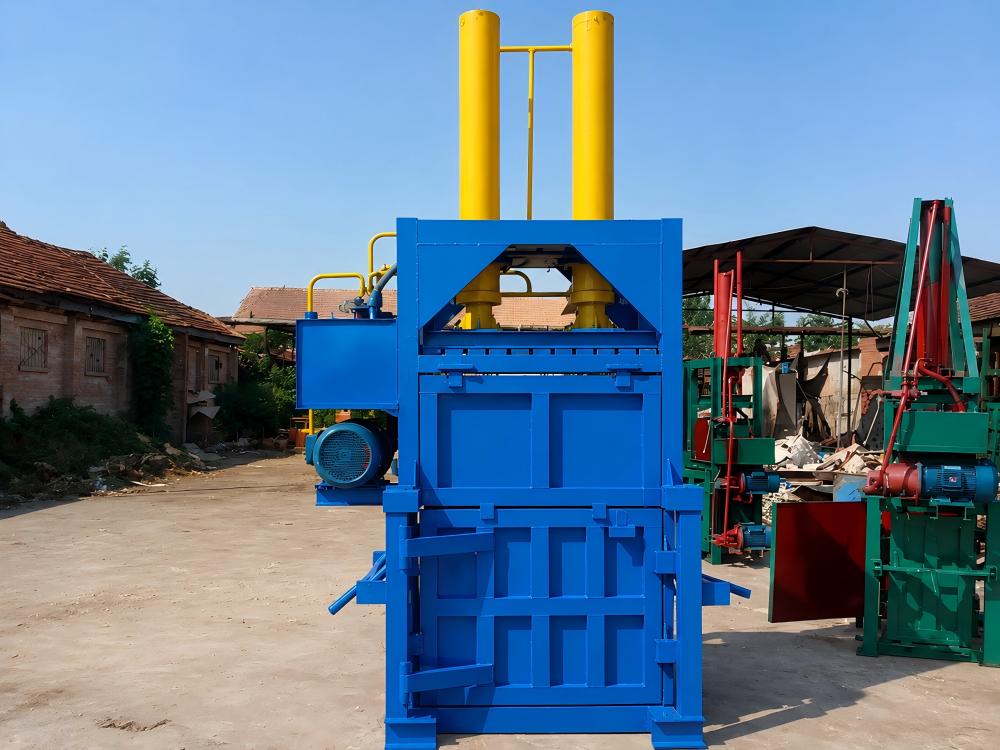
HARSLE vertical balers are engineered with precision to handle the rigorous demands of industrial manufacturing. At the heart of these machines is a high-pressure hydraulic system designed to provide consistent force, ensuring that even the most resilient materials are compressed into dense, stable bales. The structural integrity of the frame is built to withstand years of continuous operation, utilizing high-grade steel that prevents deformation under extreme pressure.
The user interface of a HARSLE baler is designed for ease of use and safety. With intuitive controls, operators can quickly learn to cycle the machine, adjust compression settings, and eject finished bales without extensive training. Safety features, such as dual-hand operation controls and emergency stop buttons, are integrated to protect the workforce, ensuring that the machine meets international safety standards for industrial equipment.
Efficiency is further enhanced by the cycle time of the hydraulic ram. HARSLE machines are optimized for rapid compression, allowing for high throughput even during peak production hours. This ensures that the baling process does not become a bottleneck in the overall manufacturing workflow. Furthermore, the machines are designed with energy-efficient motors that consume power only when the ram is in motion, minimizing the electrical footprint of the equipment.
Maintenance is simplified through modular design. HARSLE provides clear access points for hydraulic fluid checks, filter replacements, and structural inspections. This proactive approach to maintenance ensures that the machine remains operational for its entire lifecycle. By choosing HARSLE, manufacturers are not just buying a piece of equipment; they are investing in a robust, reliable solution that has been tested in diverse industrial environments across the globe.
Selection Advice: Choosing the Right Baler
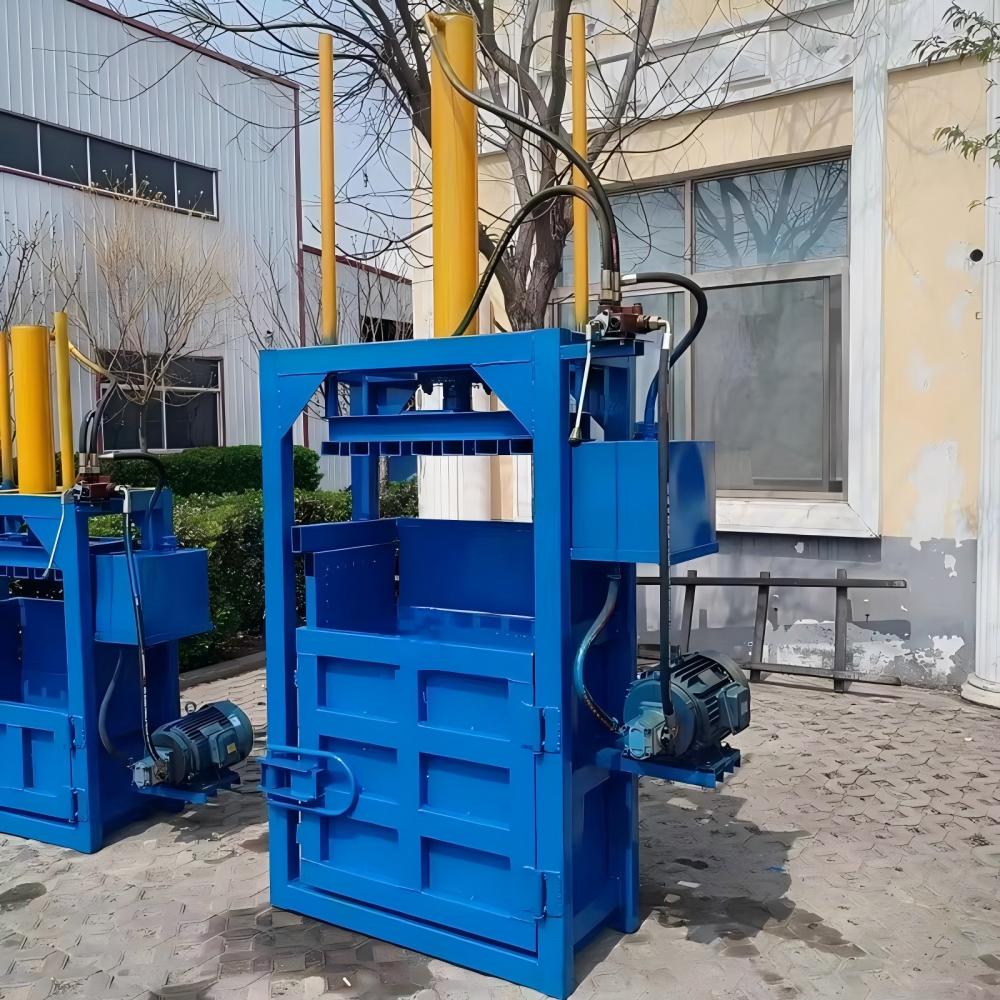
Selecting the right vertical baler requires a thorough assessment of your facility’s specific needs. The first factor to consider is the type of material you are processing. Cardboard requires different compression force and platen design compared to light metal scrap or plastic film. HARSLE offers a range of models, each tailored to specific material densities and throughput requirements, ensuring that you do not over-invest in unnecessary capacity or under-invest in a machine that cannot handle your volume.
Space constraints are another critical factor. Vertical balers are favored for their small footprint, but you must ensure that there is adequate clearance for the loading door, the ejection mechanism, and the movement of finished bales via pallet jack or forklift. Measuring your available floor space and planning the workflow around the baler’s location is essential for maximizing efficiency. Consider the proximity of the baler to the primary waste generation points to minimize the distance staff must transport loose materials.
Throughput volume is the third pillar of selection. If your facility generates waste continuously throughout the day, a machine with a faster cycle time and a larger feed opening is necessary. Conversely, if waste generation is intermittent, a smaller, more compact model may suffice. It is always wise to account for future growth; choosing a machine with slightly more capacity than your current needs can prevent the need for an upgrade as your production scales.
Finally, consider the support and service network. A baler is a long-term investment, and having access to spare parts and technical support is vital. HARSLE provides comprehensive documentation and a global support network, ensuring that your equipment remains operational. When evaluating options, look for manufacturers that offer clear maintenance schedules and responsive customer service, as these factors are just as important as the machine’s technical specifications.
Maintenance and Operational Best Practices
To ensure that your vertical baler continues to deliver the sustainability results you expect, a rigorous maintenance schedule is required. Daily inspections should include checking for any hydraulic leaks, ensuring the safety gates are functioning correctly, and clearing any debris from the track of the platen. These simple checks can prevent minor issues from escalating into costly repairs.
Monthly maintenance should involve a more thorough review, including checking the oil levels in the hydraulic reservoir, inspecting the condition of the wire or strapping used for baling, and tightening any bolts that may have loosened due to vibration. Keeping the machine clean is also essential; dust and debris can accumulate in the hydraulic components, leading to overheating or premature wear. A clean machine is a reliable machine.
Training your staff is equally important. Operators should be well-versed in the correct loading procedures to ensure that bales are uniform and stable. Overloading the chamber or attempting to bale materials that are not suitable for the machine can damage the platen or the hydraulic cylinders. By fostering a culture of proper equipment usage, you extend the lifespan of the baler and ensure the safety of your team.
Finally, keep detailed records of your waste management data. Tracking the number of bales produced, the weight of the waste diverted from landfills, and the frequency of pickups provides the metrics needed to demonstrate the success of your sustainability initiatives. This data is invaluable for corporate reporting and can help you identify further opportunities for waste reduction and process optimization within your manufacturing site.
FAQ: Common Questions About Vertical Balers
- How much space does a vertical baler typically require? Most vertical balers have a footprint of approximately 1.5 to 2.5 square meters, making them ideal for facilities with limited floor space.
- Can a vertical baler handle metal scrap? Yes, specific models are designed with reinforced platens and higher hydraulic pressure to handle light metal scrap, such as aluminum cans or thin-gauge sheet metal.
- How does a baler improve sustainability? It reduces the volume of waste, which decreases the number of transport trips required, lowers carbon emissions, and facilitates the recycling of materials that would otherwise go to a landfill.
- What is the typical lifespan of a HARSLE vertical baler? With proper maintenance and regular service, HARSLE balers are designed to provide 10 to 15 years of reliable service in industrial environments.
- Is special training required to operate the machine? While the machines are user-friendly, basic training on safety protocols, loading techniques, and emergency procedures is essential for all operators.
Conclusion
The journey toward a more sustainable manufacturing site is paved with small, strategic improvements. As demonstrated, the implementation of a vertical baler is a highly effective way to manage industrial waste, reduce operational costs, and contribute to a healthier environment. By densifying waste, improving workplace safety, and creating new revenue streams through recycling, manufacturers can achieve significant sustainability results that align with modern corporate goals.
HARSLE remains committed to providing the industrial machinery necessary to drive this transition. Our vertical balers are built to withstand the demands of the modern factory floor, offering the reliability, efficiency, and performance that industry leaders expect. By choosing the right equipment and adhering to best practices in maintenance and operation, your facility can turn the challenge of waste management into a competitive advantage.
As you evaluate your current waste management processes, consider the long-term benefits of investing in a professional-grade baling solution. The impact on your bottom line, your operational efficiency, and your environmental footprint will be immediate and lasting. For more information on how HARSLE can support your sustainability goals, explore our range of metal fabrication equipment and discover the difference that quality engineering makes.