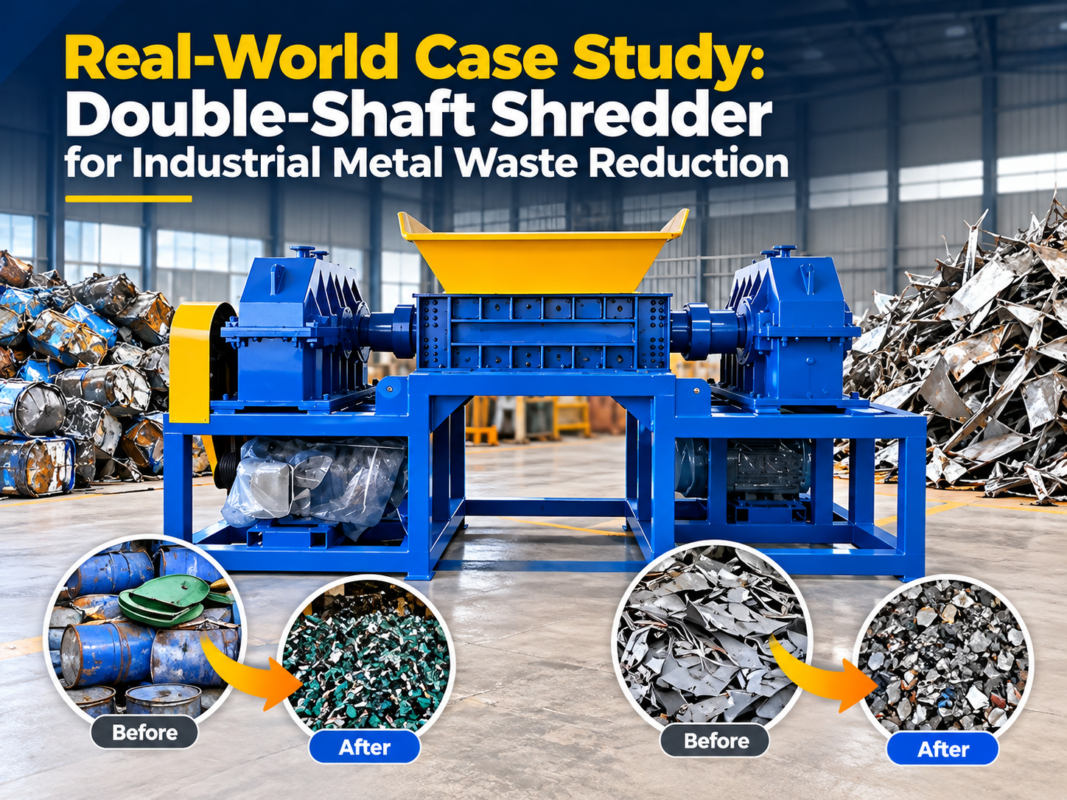
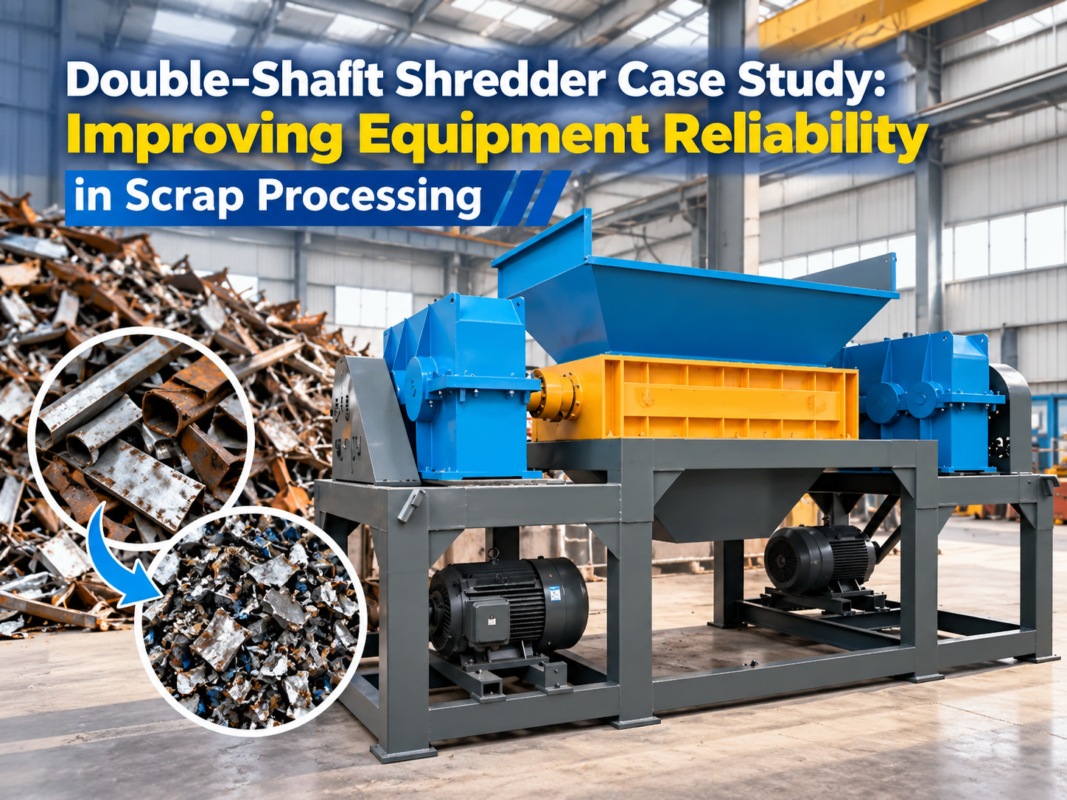
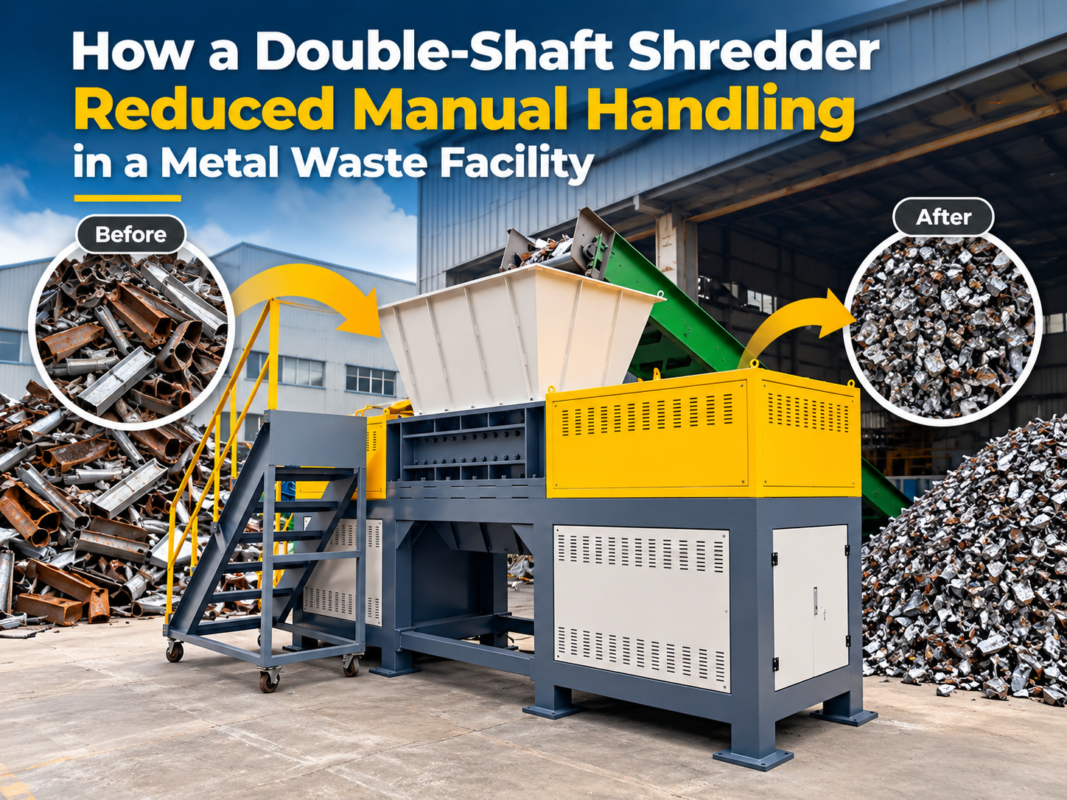
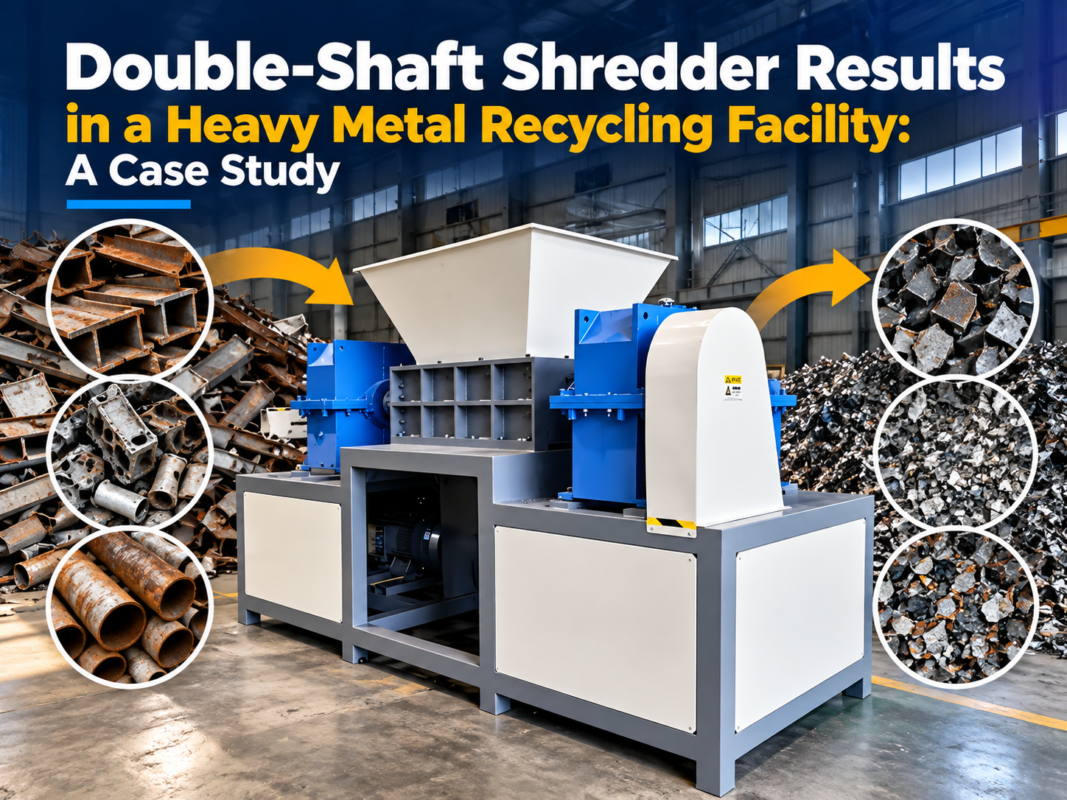
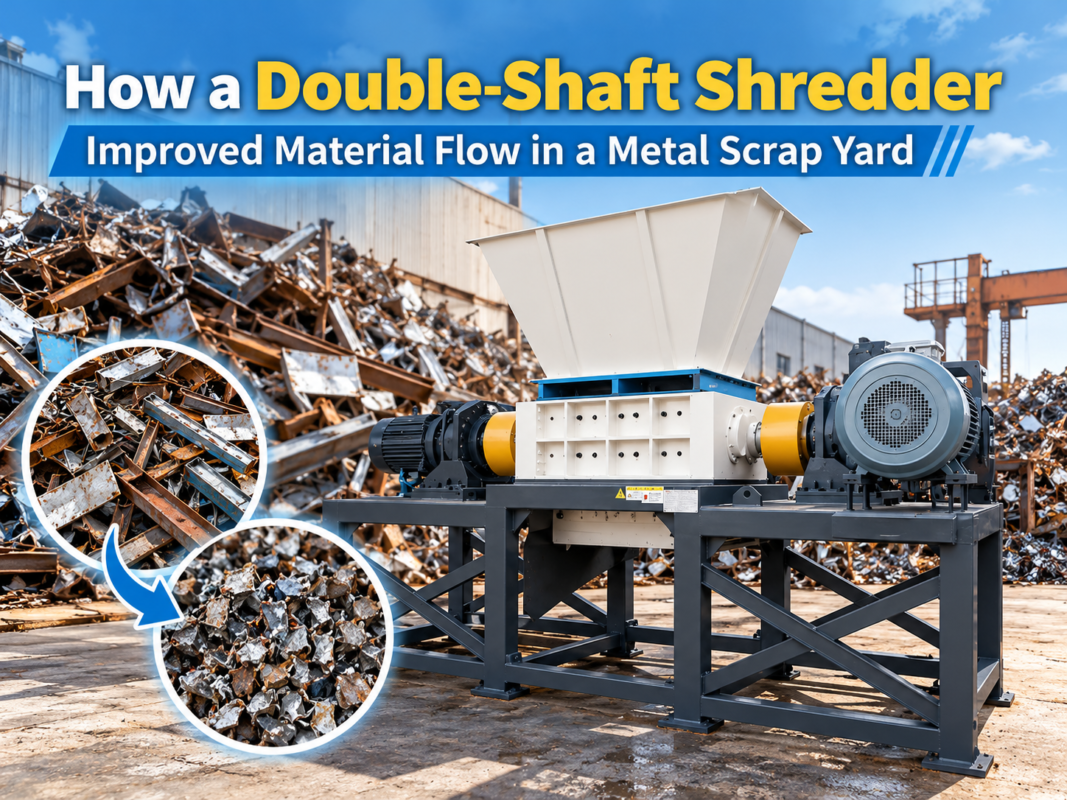
How a Single-Shaft Shredder Helped a Recycling Plant Achieve Consistent Particle Size

Introduction
In the modern landscape of industrial waste management and metal fabrication, the ability to process raw materials into uniform, manageable outputs is the cornerstone of profitability. For many recycling facilities, the primary bottleneck is not the volume of material, but the inconsistency of the shredded output. When a facility struggles with irregular particle sizes, downstream processes—such as sorting, melting, or pelletizing—become inefficient and costly. This is where the implementation of advanced technology changes the game.
We recently observed a significant operational shift at a mid-sized recycling plant that was struggling with inconsistent output quality. By integrating a high-performance HARSLE industrial shredder, the facility was able to streamline its production line. This article explores the journey of how a single-shaft shredder helped a recycling plant achieve consistent particle size, providing a blueprint for other facilities looking to optimize their material recovery processes.
The challenge of achieving a uniform output is often underestimated. Without precise control over the shredding mechanism, materials can exit the chamber in jagged, oversized chunks that jam conveyor belts or cause uneven heating in furnaces. By focusing on the mechanical precision of single-shaft technology, plant managers can ensure that every batch meets strict industry specifications, thereby increasing the market value of their recycled commodities.
Throughout this guide, we will delve into the technical specifications, the operational logic, and the strategic advantages of utilizing single-shaft shredders. Whether you are managing a scrap metal yard or a plastic recycling center, understanding the relationship between rotor speed, screen size, and torque is essential for maintaining a competitive edge in the circular economy.
Key Considerations for Particle Size Control
Achieving consistent particle size is not merely about the power of the motor; it is about the synergy between the cutting geometry and the discharge screen. In the case study of our partner recycling plant, the initial problem was the use of outdated, multi-shaft systems that lacked the fine-tuning capabilities required for their specific material stream. They needed a solution that offered a predictable, repeatable output.
The first consideration is the screen aperture. The screen acts as the final gatekeeper in the shredding process. If the screen is too large, oversized material passes through; if it is too small, the machine may struggle with throughput. A single-shaft shredder allows for the rapid swapping of screen sizes, enabling the plant to adjust its output based on the specific requirements of the end-user, whether they are selling to a smelter or a plastic extrusion facility.
Another critical factor is the rotor design. The rotor must be engineered to pull material into the cutting zone with consistent force. Inconsistent feeding leads to “bridging,” where material gets stuck above the rotor, resulting in intermittent shredding and varying particle sizes. By utilizing a hydraulic ram system, the HARSLE single-shaft shredder ensures that material is pushed against the rotor at a constant pressure, regardless of the density of the input material.
Material hardness and ductility also play a role. When shredding mixed metals, the machine must be robust enough to handle high-tensile materials without stalling. The integration of intelligent PLC controls allows the shredder to reverse automatically if it detects a jam, preventing the machine from forcing through material that would otherwise cause uneven shredding or mechanical stress. This automation is vital for maintaining a steady, uniform flow of material.
Finally, the maintenance of the cutting knives is paramount. Dull blades do not cut; they tear. Tearing results in jagged edges and inconsistent particle shapes. By implementing a strict maintenance schedule for blade sharpening and replacement, the recycling plant was able to maintain the sharp, clean cuts necessary for high-quality, uniform particle output. This attention to detail is what separates a high-performing plant from one that is constantly battling equipment downtime.
Technical Details of the HARSLE Single-Shaft Shredder
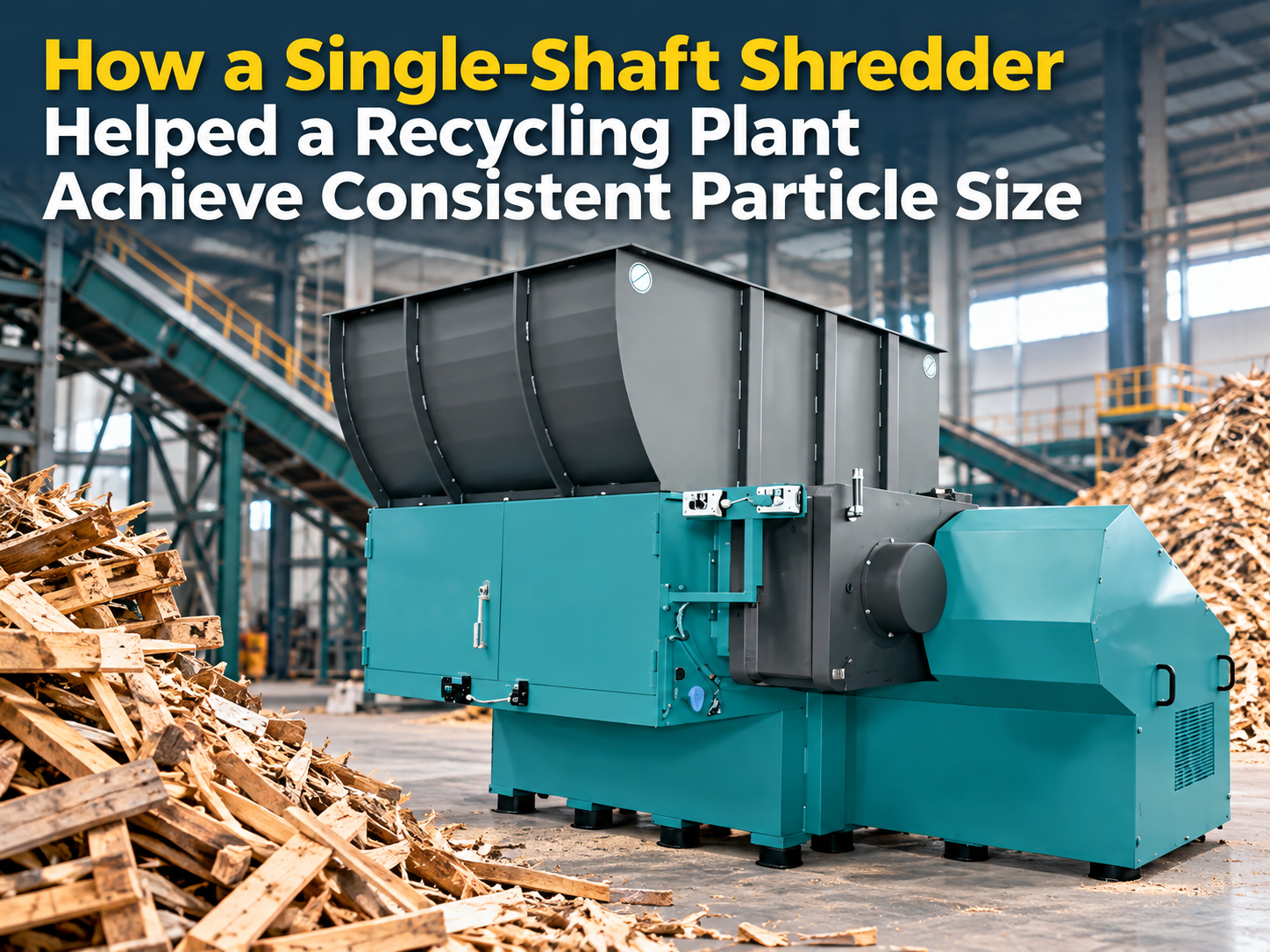
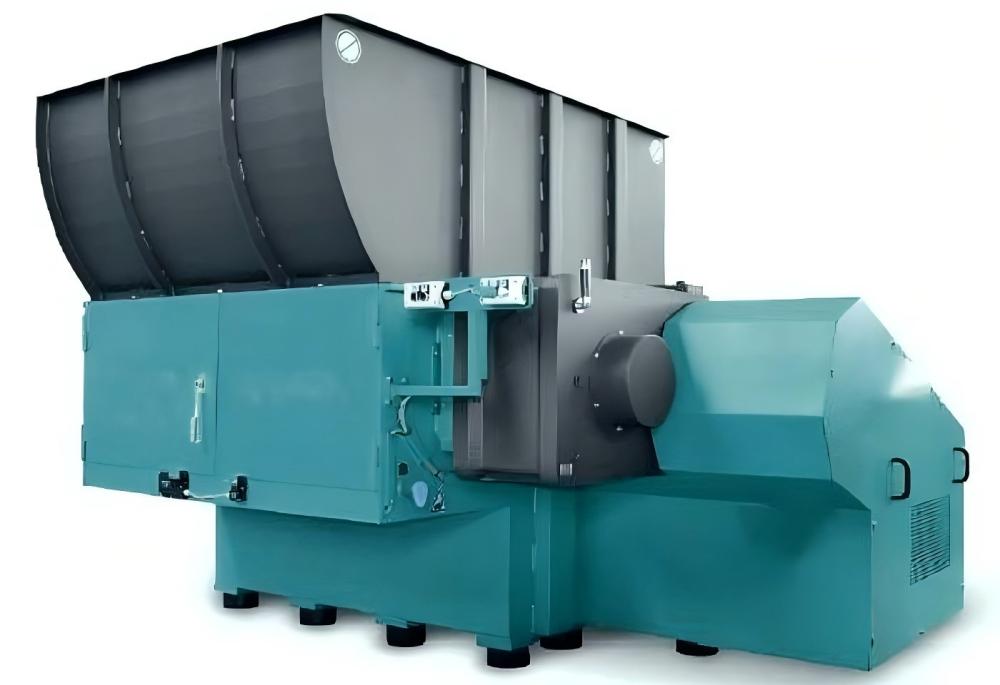
The HARSLE single-shaft shredder is engineered for versatility and durability. At its core, the machine features a heavy-duty rotor equipped with high-grade alloy steel knives. These knives are arranged in a specific pattern to maximize the cutting surface area while minimizing the energy required to shear the material. This design is the primary reason why a single-shaft shredder helped a recycling plant achieve consistent particle size so effectively.
The drive system is another technical highlight. Utilizing a high-torque gearbox, the shredder can process dense materials at lower RPMs. This is crucial for particle control because high-speed shredding often leads to excessive heat and material deformation. By maintaining a lower, controlled speed, the HARSLE shredder ensures that the material is sheared cleanly rather than shredded chaotically. This results in a much tighter distribution of particle sizes, which is highly desirable for downstream sorting equipment.
The hydraulic ram system is the “brain” of the shredder’s feeding mechanism. It operates on a load-sensing principle, meaning it adjusts the pressure applied to the material based on the current draw of the main motor. If the motor is under light load, the ram pushes faster; if the motor is under heavy load, the ram slows down. This dynamic adjustment prevents the shredder from being overwhelmed, ensuring that the material is processed at a constant rate, which is the secret to achieving a consistent output.
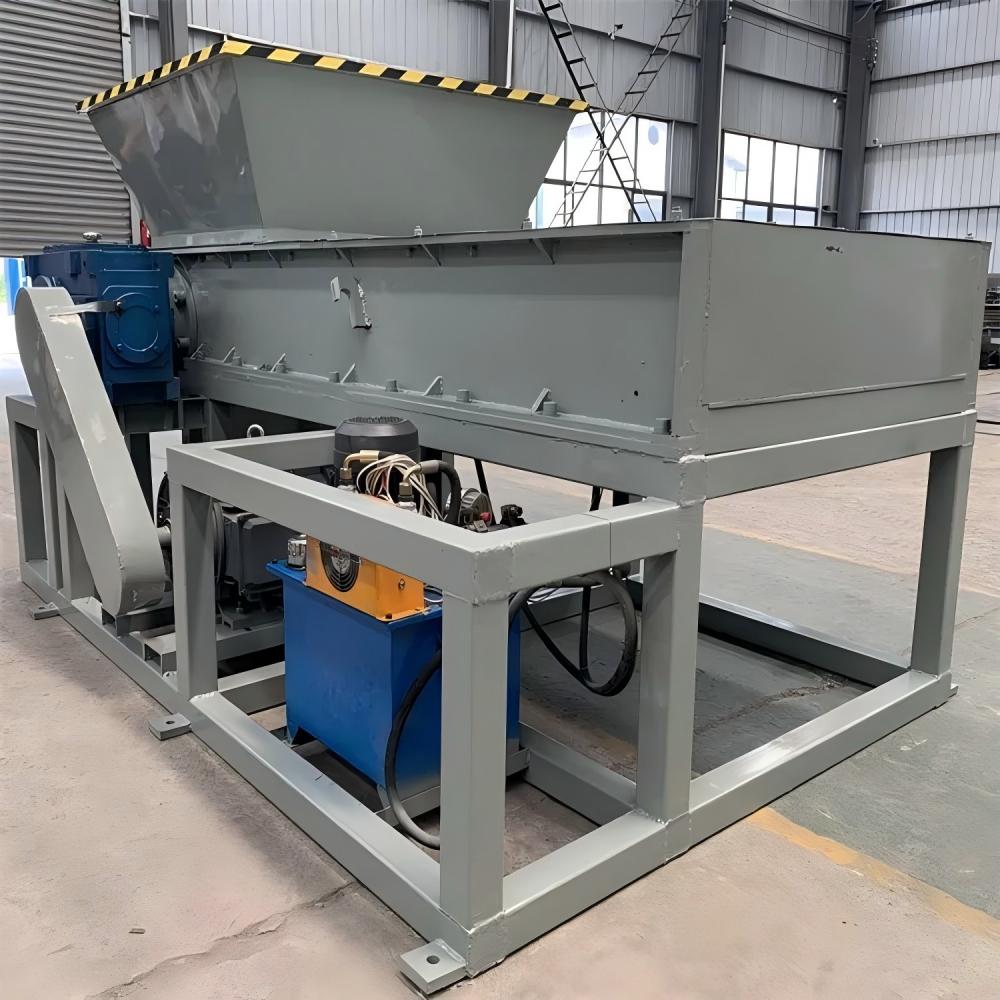
Furthermore, the discharge system is designed for seamless integration into existing plant layouts. Whether the output is destined for a conveyor belt, a magnetic separator, or a storage bin, the HARSLE shredder provides a clean, predictable discharge. The internal geometry of the shredding chamber is optimized to prevent material buildup, ensuring that the output is not contaminated by previously shredded, oversized material that might have been trapped in dead zones.
Safety and control systems are integrated into a user-friendly interface. Operators can monitor the rotor speed, motor temperature, and hydraulic pressure in real-time. This level of visibility allows for proactive adjustments. If the plant switches from processing aluminum cans to copper wire, the operator can adjust the shredding parameters via the touchscreen control panel, ensuring that the particle size remains consistent regardless of the material change.
Selection Advice: Choosing the Right Shredder for Your Plant
Selecting the right shredder is a significant capital investment. To ensure that your facility achieves the same success as our case study, you must evaluate your specific needs before purchasing. The first step is a thorough material analysis. Are you shredding e-waste, scrap metal, plastic, or wood? Each material has different shear strength and density, which dictates the required motor power and knife configuration.
Consider the throughput requirements. It is common for plants to overestimate their needs, leading to the purchase of an oversized machine that is inefficient at lower volumes. Conversely, undersizing leads to constant maintenance issues and premature wear. Work with your supplier to calculate the required tons-per-hour (TPH) and ensure the shredder’s capacity aligns with your peak production goals.
The screen size is perhaps the most important selection criterion for particle consistency. If your downstream process requires a specific particle size (e.g., 20mm for a granulation line), ensure that the shredder you choose can accommodate that screen size without compromising the structural integrity of the machine. Some shredders are designed for primary shredding (large output), while others are designed for secondary shredding (fine output). A single-shaft shredder is often the best middle-ground solution.
- Assess the material stream: Identify the most common materials you process and their maximum dimensions.
- Evaluate the power requirements: Ensure your electrical infrastructure can support the motor’s starting and running current.
- Check for modularity: Can the knives be easily replaced? Is the screen accessible for quick changes?
- Review the support network: Choose a manufacturer like HARSLE that offers robust technical support and readily available spare parts.
- Consider the footprint: Ensure the machine fits within your existing floor plan without disrupting the flow of other equipment.
Finally, do not overlook the importance of the manufacturer’s reputation. A shredder is a long-term asset. You need a partner who understands the nuances of metal fabrication equipment and can provide guidance on maintenance, troubleshooting, and process optimization. A cheap machine with no support will eventually cost more in downtime than a premium machine that comes with a comprehensive service package.
Frequently Asked Questions
How does a single-shaft shredder differ from a double-shaft shredder?
A single-shaft shredder uses a rotor and a stationary counter-knife to shear material against a screen, which provides a very consistent particle size. A double-shaft shredder uses two interlocking rotors to tear material, which is better for high-volume, primary shredding but often results in a less uniform output.
Can a single-shaft shredder handle mixed metal scrap?
Yes, HARSLE single-shaft shredders are designed to handle a variety of materials, including mixed metals. However, it is important to remove large, non-shreddable items like solid steel blocks or heavy concrete to prevent damage to the blades.
How often should the blades be sharpened?
The frequency depends on the abrasiveness of the material being shredded. For high-volume recycling plants, we recommend a visual inspection every 100-200 operating hours. Regular sharpening extends the life of the rotor and ensures consistent particle size.
What is the role of the hydraulic ram?
The hydraulic ram pushes the material into the rotor. It ensures that the material is consistently fed into the cutting zone, which prevents bridging and ensures that the material is shredded at a uniform rate.
Is it possible to change the particle size output?
Yes, by changing the discharge screen, you can control the maximum size of the output. Smaller screens produce smaller particles, while larger screens allow for higher throughput with larger particle sizes.
Conclusion
The transition to a more efficient recycling process is often hindered by the limitations of legacy equipment. As demonstrated by our case study, the implementation of a HARSLE single-shaft shredder was the turning point for a plant struggling with inconsistent output. By focusing on the mechanical precision of the rotor, the intelligence of the hydraulic feed system, and the versatility of the discharge screens, the plant was able to achieve a level of consistency that opened new revenue streams and improved operational efficiency.
Achieving consistent particle size is not just about meeting a specification; it is about optimizing the entire value chain. When your output is uniform, your downstream processes run faster, your energy consumption per ton decreases, and your final product commands a higher price in the market. Investing in the right industrial machinery is an investment in the long-term viability of your business.
If you are facing similar challenges in your recycling or metal fabrication facility, it is time to evaluate your shredding technology. HARSLE offers a range of industrial shredders designed to meet the rigorous demands of modern recycling. By choosing equipment that prioritizes precision and durability, you can ensure that your plant remains a leader in the industry, turning waste into high-quality, consistent resources for years to come.