Heavy-Duty Container Shear Price Guide for Industrial Scrap Cutting: A Comprehensive Investment Analysis

Price Range Overview: Understanding the Investment
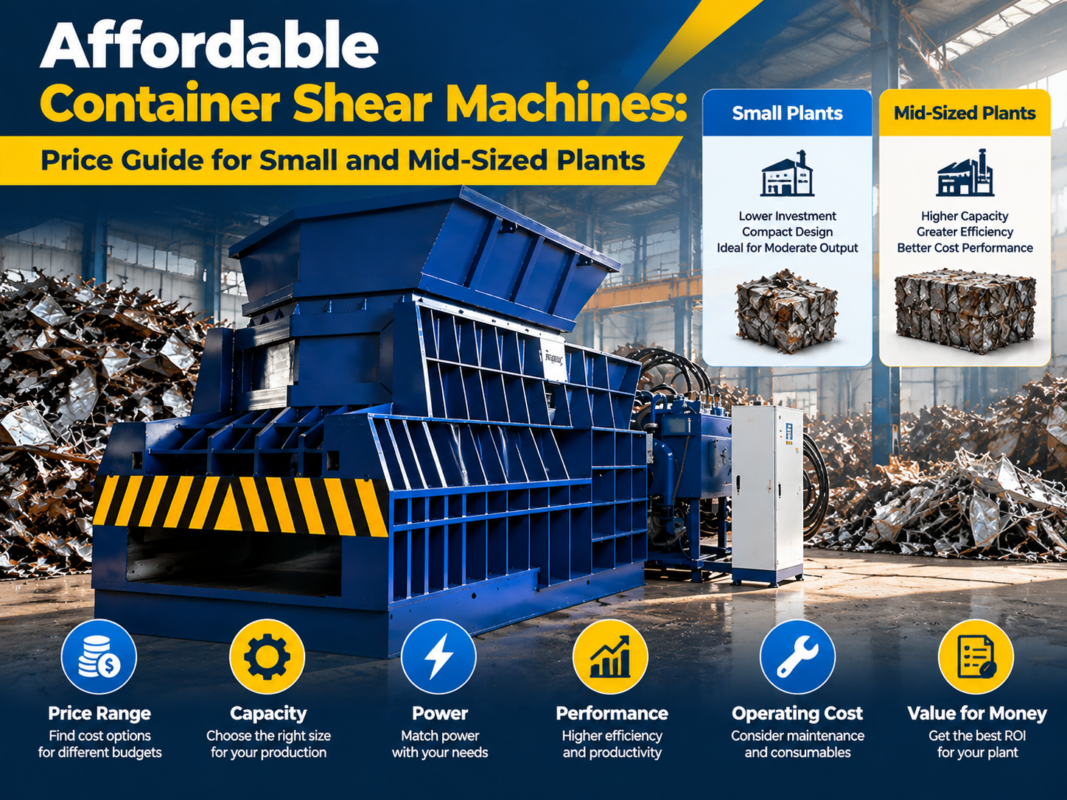
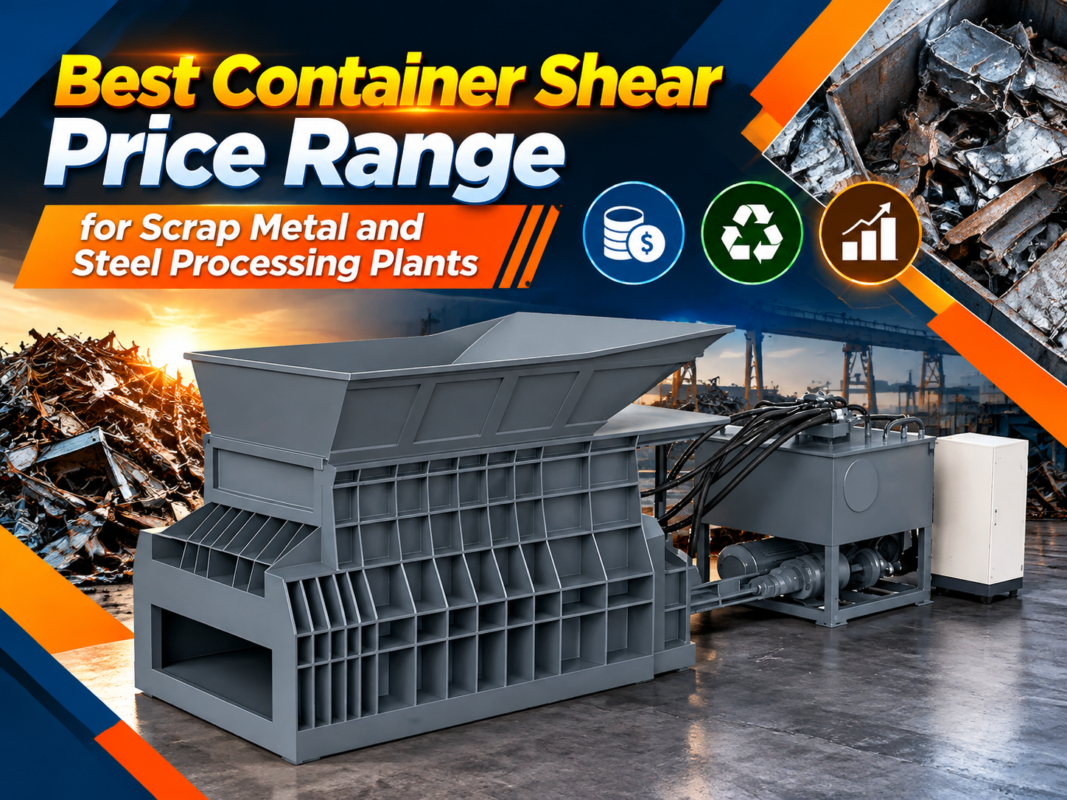
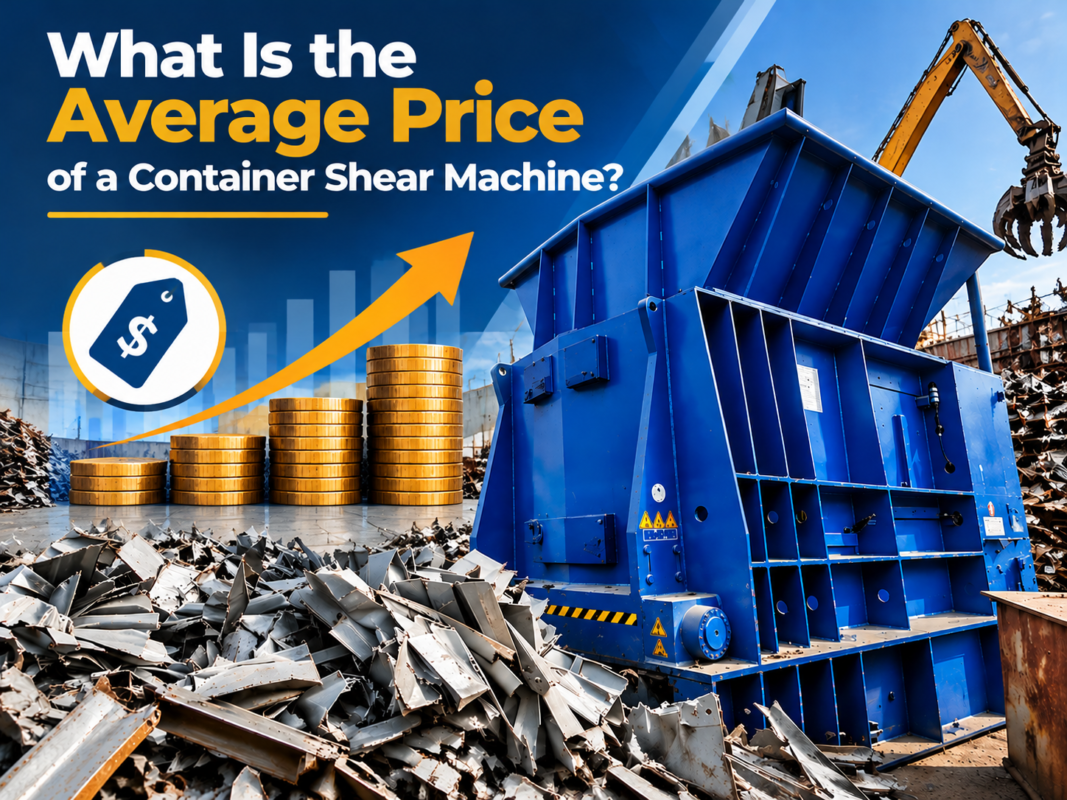
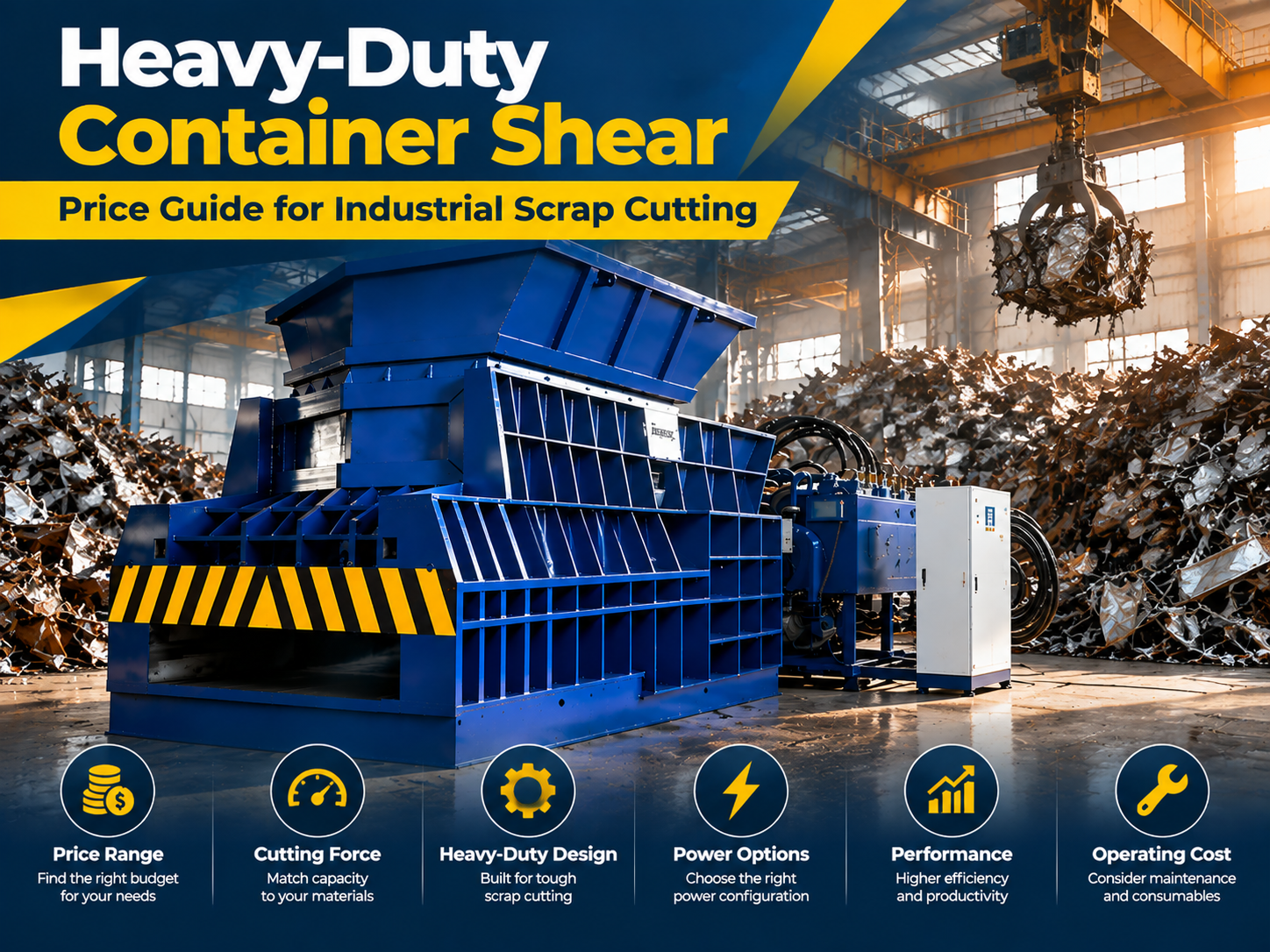
Investing in a heavy-duty container shear is a significant capital expenditure for any scrap metal processing facility. When researching the heavy-duty container shear price industrial scrap cutting market, buyers will find that costs vary drastically based on throughput capacity, cutting force, and automation levels. Generally, entry-level container shears designed for smaller scrap yards start in the range of $80,000 to $150,000. These machines are typically suited for light-to-medium gauge materials and lower daily volumes.
For mid-sized industrial operations, the price range shifts to between $180,000 and $350,000. These units offer enhanced hydraulic systems, reinforced cutting blades, and more robust structural integrity to handle mixed metal streams. At this price point, you are paying for reliability, faster cycle times, and the ability to process more complex scrap geometries without frequent downtime.
High-capacity, industrial-grade container shears designed for 24/7 heavy-duty operations often exceed $400,000 and can reach upwards of $800,000 or more for fully customized, integrated systems. These machines are the workhorses of large-scale recycling centers, featuring advanced PLC controls, high-torque motors, and specialized wear-resistant liners. Understanding these tiers is the first step in aligning your budget with your operational requirements.
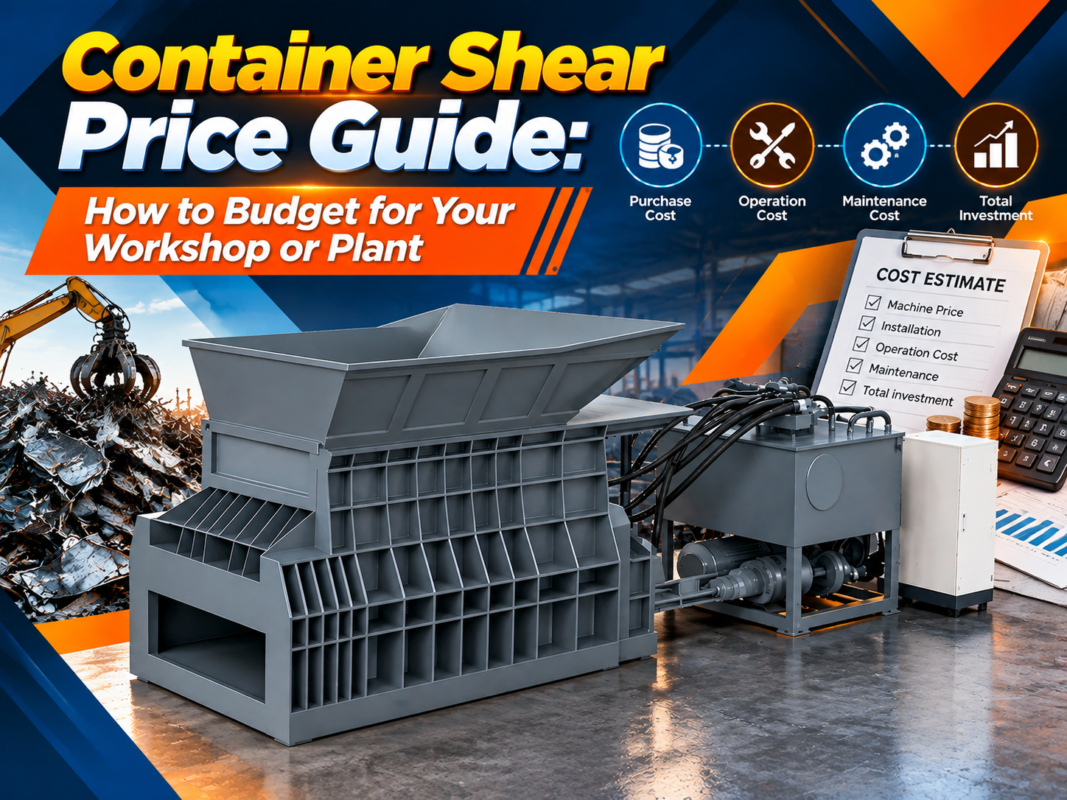
It is essential to view these prices not just as a purchase cost, but as a long-term asset investment. A cheaper machine may seem attractive initially, but if it lacks the structural rigidity to handle high-density scrap, the maintenance costs and lost production time will quickly eclipse the initial savings. HARSLE emphasizes that the true cost of a container shear is measured over its entire service life, factoring in energy efficiency, blade longevity, and operator safety.

Main Cost Drivers in Industrial Scrap Cutting
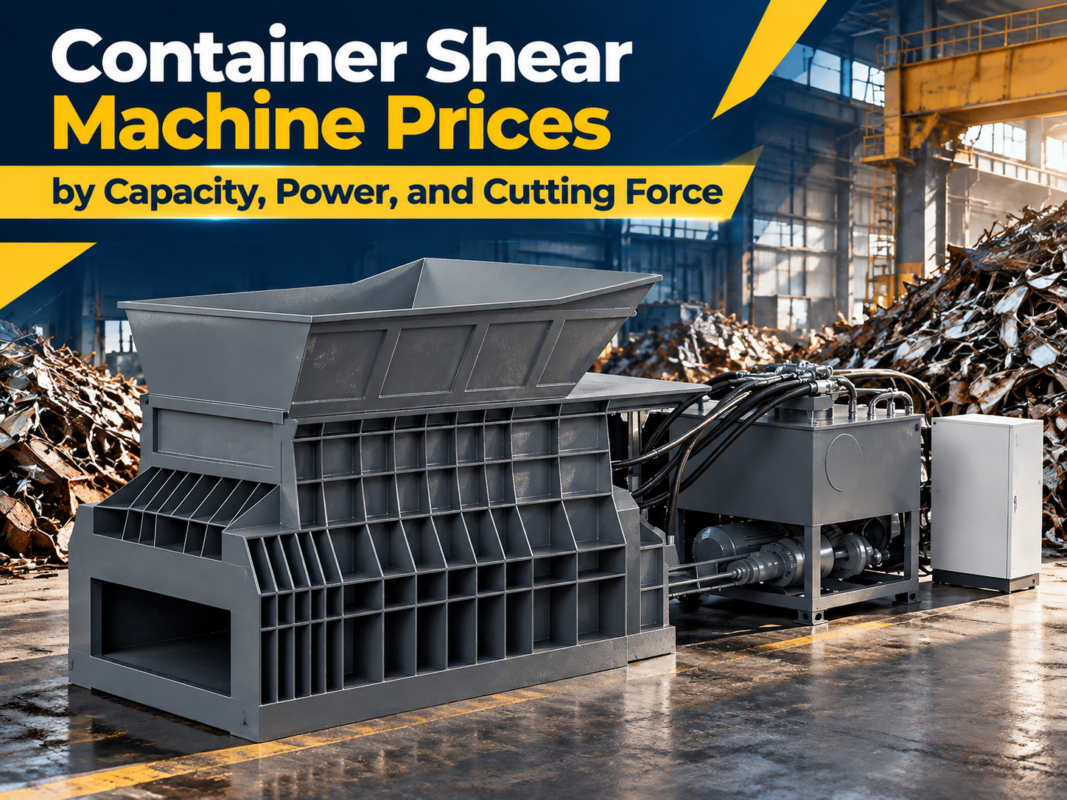
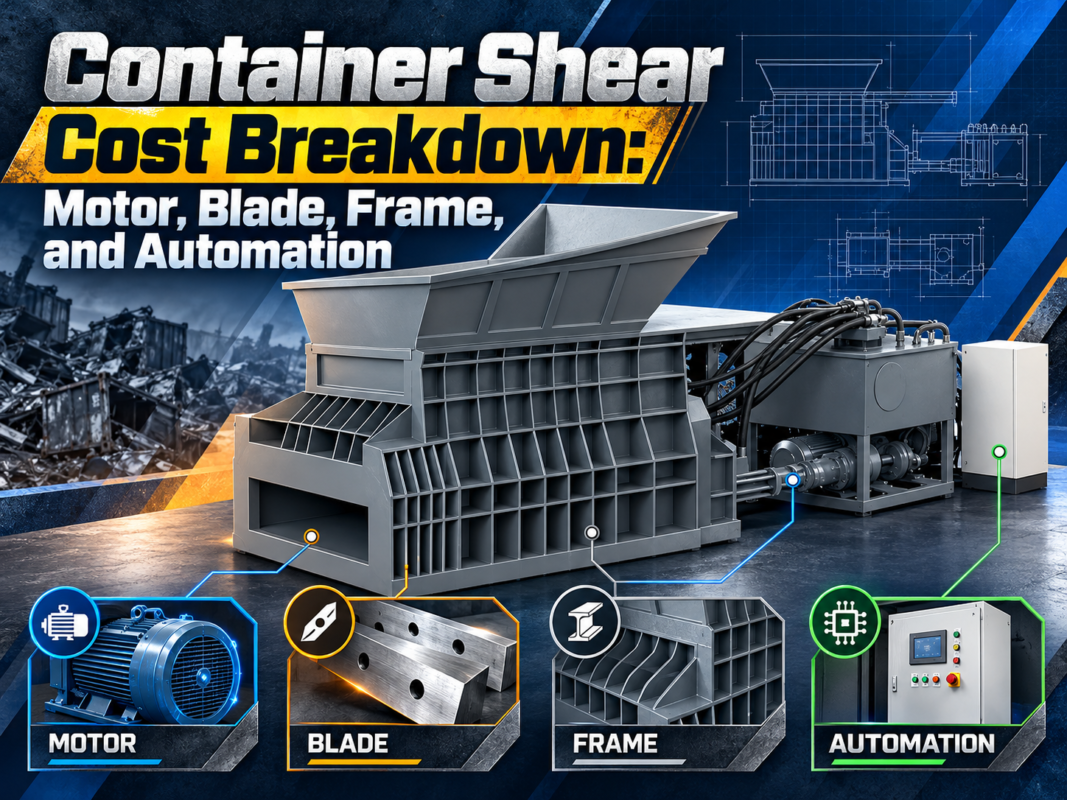
Several technical specifications act as primary cost drivers for container shears. The most significant factor is the cutting force, measured in tons. A machine capable of exerting 600 to 1,000 tons of force requires a much larger hydraulic pump, thicker steel plate construction, and a more robust frame than a 300-ton unit. As the force requirement increases, so does the cost of the raw materials and the engineering complexity required to manage that stress.
The quality of the cutting blades and the wear-resistant liners inside the shear box also contribute significantly to the price. Premium-grade, heat-treated alloy steels are necessary to prevent premature wear when cutting abrasive or high-tensile materials like stainless steel or heavy structural beams. Investing in high-quality metallurgy upfront reduces the frequency of blade changes, which is a major operational expense in the scrap industry.
Hydraulic system sophistication is another major driver. Modern container shears utilize variable displacement pumps and proportional valve technology to optimize energy consumption. While these systems increase the initial heavy-duty container shear price industrial scrap cutting, they provide substantial savings in electricity costs over the machine’s lifespan. Furthermore, advanced cooling systems are required to maintain hydraulic fluid viscosity during continuous operation, adding to the complexity and cost of the build.
Finally, the level of automation and control integration affects the price. Machines equipped with remote monitoring, diagnostic sensors, and automated feeding cycles allow for higher throughput with fewer manual interventions. These smart features require sophisticated PLC programming and sensor arrays, which add to the total cost but provide invaluable data for predictive maintenance and operational efficiency.
Configuration Impact on Total Cost
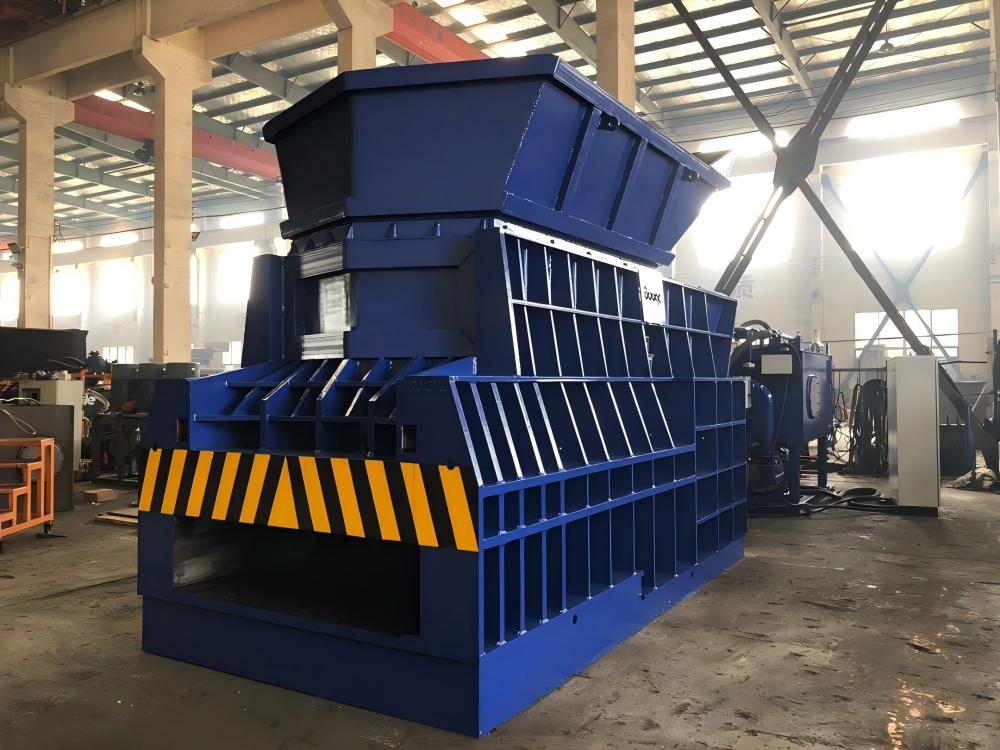
The configuration of your container shear—specifically the box size and the feeding mechanism—will dictate the final price. A standard container shear is designed to fit within a shipping container footprint for easy transport, but custom box dimensions can be engineered to accommodate specific scrap types, such as long structural profiles or bulky automotive components. Custom engineering adds to the design and fabrication time, reflecting in the final quote.
Feeding systems are another critical configuration choice. A simple manual loading system is the most cost-effective, but it limits the machine’s throughput. Conversely, automated pre-compression systems or side-compression wings significantly increase the density of the scrap before it reaches the shear blade. These systems require additional hydraulic cylinders and structural reinforcement, which can add tens of thousands of dollars to the base price of the machine.
The discharge method also impacts the cost. Whether the machine is configured for a conveyor discharge, a direct drop into a hopper, or a specialized sorting system, the integration of these peripherals must be accounted for. HARSLE recommends evaluating your site layout early in the buying process to ensure that the chosen configuration minimizes material handling steps, as every extra movement of scrap adds to your operational overhead.
Lastly, consider the power source configuration. While electric motors are standard, some regions or specific site requirements may necessitate diesel-powered hydraulic power units (HPUs) for off-grid operations. Diesel-powered units are generally more expensive due to the cost of the engine, fuel management systems, and the need for more complex emission control compliance. Always discuss your power availability with your supplier to avoid unnecessary configuration costs.
Hidden Costs: Beyond the Purchase Price
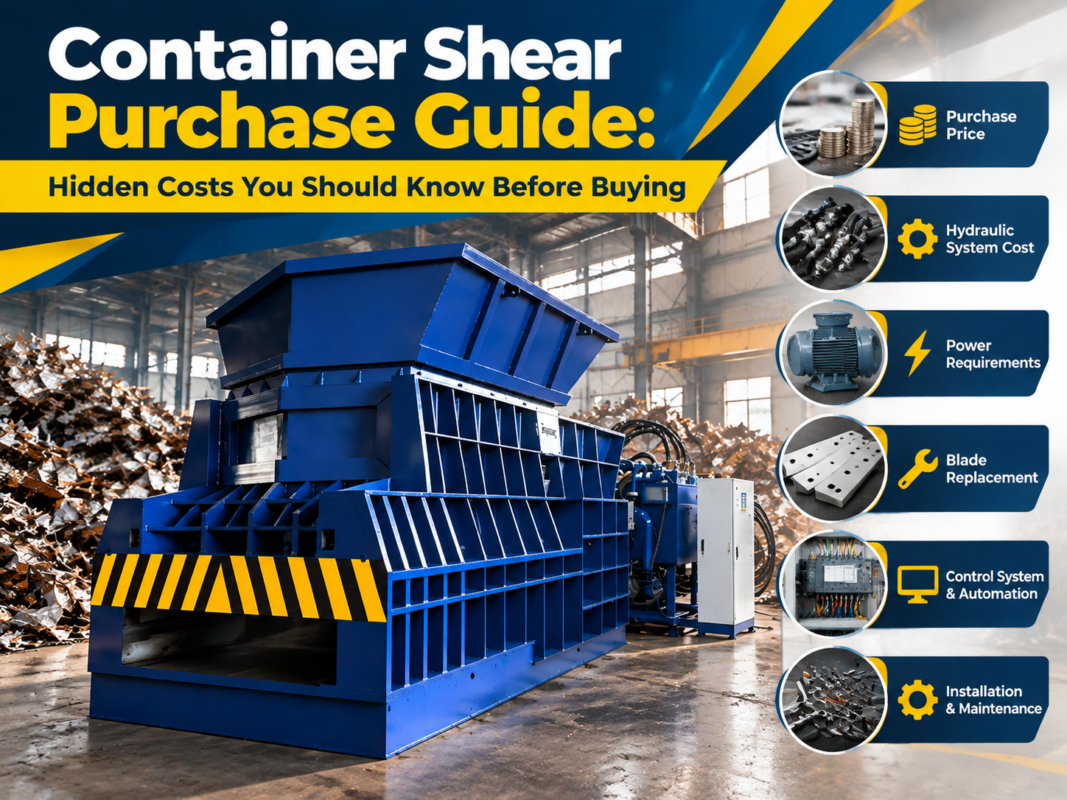
When budgeting for a heavy-duty container shear, many buyers overlook the “hidden” costs associated with installation and site preparation. A machine of this magnitude requires a reinforced concrete foundation capable of handling both the static weight of the shear and the dynamic forces generated during the cutting cycle. Depending on your soil conditions and local building codes, foundation work can cost anywhere from $10,000 to $50,000.
Electrical infrastructure upgrades are another common hidden expense. These machines often require high-voltage, high-amperage power connections. If your facility’s current electrical panel cannot support the peak load of the shear, you may need to install a new transformer or upgrade your main service lines. Additionally, the cost of specialized hydraulic fluids, lubricants, and initial spare parts kits should be factored into your first-year budget.
Shipping and logistics for heavy industrial machinery are significant. Because these shears are often oversized or overweight, specialized transport and crane services for offloading are required. Depending on the distance from the manufacturer to your site, freight costs can add a substantial percentage to the total investment. It is crucial to get a clear, itemized quote that includes delivery to your specific site, including any necessary permits for heavy haulage.
Finally, do not underestimate the cost of training and safety compliance. Operating a heavy-duty shear requires skilled personnel. You must budget for comprehensive operator training to ensure the machine is used correctly and safely. Furthermore, depending on your jurisdiction, you may need to invest in additional safety fencing, light curtains, or emergency stop systems to comply with local occupational health and safety regulations.
ROI Calculation for Scrap Processing
Calculating the Return on Investment (ROI) for a container shear involves analyzing the increase in scrap density and the reduction in processing time. By shearing scrap into uniform, high-density pieces, you can significantly reduce your logistics costs. Shipping costs are often based on volume; by increasing the density of your scrap, you can fit more weight into a single truck or container, effectively lowering your cost per ton for transportation.
Another key ROI factor is the premium paid by steel mills for processed scrap. Mills prefer high-density, clean-cut scrap because it is easier to charge into their furnaces and results in more predictable melt chemistry. By producing high-quality, sheared scrap, you can often negotiate better pricing with your buyers. Over time, the price premium for processed scrap can pay for the machine itself.
Maintenance efficiency also plays a role in ROI. A high-quality HARSLE machine is designed for ease of maintenance, with accessible components and modular parts. By reducing the time required for routine maintenance and minimizing unexpected breakdowns, you maximize your uptime. Every hour the machine is running is an hour of revenue generation. Use the following formula to estimate your basic ROI: (Annual Revenue Increase + Annual Cost Savings) / Total Investment Cost = ROI Percentage.
Consider the labor savings as well. A manual cutting process using torches is slow, labor-intensive, and hazardous. A container shear automates this process, allowing one operator to do the work of several manual cutters. The reduction in labor costs, combined with the improved safety profile of the facility, creates a compelling financial argument for the transition to automated shearing technology.
Buying Advice: Selecting the Right HARSLE Equipment
When selecting a heavy-duty container shear, start by conducting a thorough audit of your scrap stream. What is the maximum thickness of the material you process? What is the average volume per day? If you primarily process light sheet metal, a massive 1,000-ton shear is overkill. Conversely, if you are processing heavy structural steel, a smaller machine will suffer from constant jams and excessive wear.
Always prioritize manufacturers that offer robust after-sales support. A container shear is a long-term commitment, and you need a partner who can provide spare parts, technical guidance, and remote troubleshooting. HARSLE prides itself on providing comprehensive documentation and responsive support, ensuring that your machine remains operational throughout its lifecycle. Ask for references from other scrap yards that have used the equipment for several years.
Request a demonstration or visit a site where the machine is currently in operation. Seeing the machine in a real-world environment is the best way to gauge its performance, noise levels, and ease of use. Pay attention to how the operator interacts with the control panel and how the machine handles different types of scrap. This hands-on experience will provide insights that no brochure or spec sheet can offer.
Finally, look for modularity and future-proofing. As your business grows, your needs may change. Can the machine be upgraded with additional sensors? Is the hydraulic system capable of handling future throughput increases? Choosing a machine that can evolve with your business is a hallmark of a smart investment. Always ensure that the machine complies with international safety standards, as this protects your employees and your business from liability.
FAQ: Frequently Asked Questions
- What is the typical lifespan of a heavy-duty container shear? With proper maintenance and regular blade changes, a high-quality industrial shear can last 15 to 20 years or more.
- How often do the shear blades need to be sharpened or replaced? This depends on the hardness and volume of the scrap. Generally, blades should be inspected weekly and sharpened or rotated every 3 to 6 months.
- Can a container shear process non-ferrous metals? Yes, but the machine must be calibrated correctly. Processing non-ferrous metals often requires different blade clearances to ensure a clean cut without tearing.
- What kind of maintenance is required for the hydraulic system? Regular oil analysis, filter changes, and monitoring for leaks are essential. Keeping the hydraulic fluid clean and at the correct temperature is the most important factor in system longevity.
- Is it better to buy a new or used container shear? While used machines are cheaper, they often come with hidden wear and lack modern safety features. For critical industrial operations, a new machine with a warranty is almost always the better long-term investment.