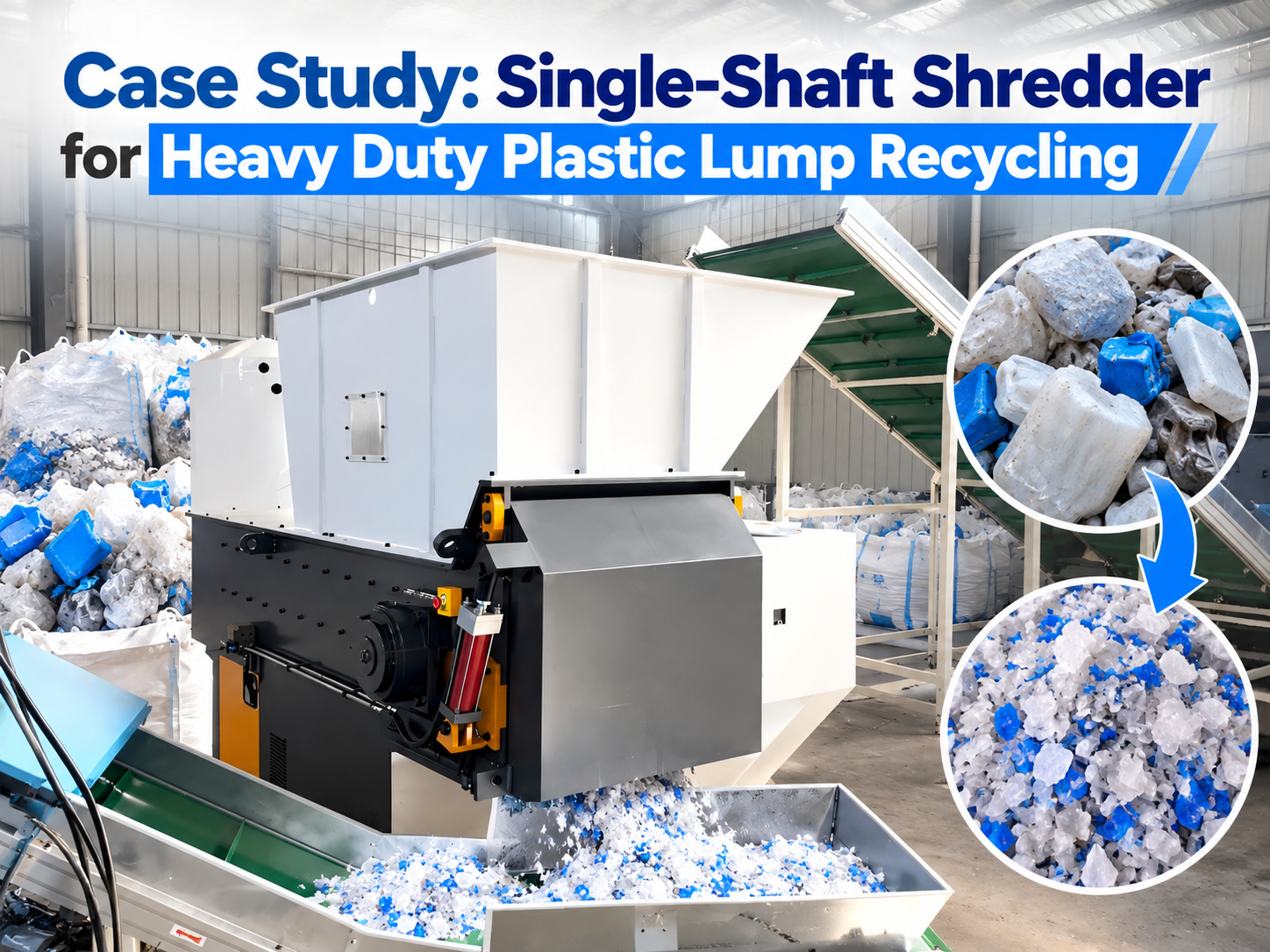
Case Study: Single-Shaft Shredder for Heavy Duty Plastic Lump Recycling

Introduction to Industrial Plastic Recycling Challenges
In the modern manufacturing landscape, the efficient management of plastic waste has transitioned from a logistical necessity to a core operational strategy. For companies dealing with heavy-duty plastic lumps—often the byproduct of injection molding failures, purge materials, or thick-walled industrial components—standard shredding equipment frequently falls short. This Case Study: Single-Shaft Shredder for Heavy Duty Plastic Lump Recycling explores how HARSLE engineering solutions address these specific high-torque requirements, ensuring that waste is transformed into valuable raw material rather than landfill liability.
The challenge of recycling heavy-duty plastic lumps lies in their density and structural integrity. Unlike thin films or lightweight containers, plastic lumps are solid masses that require immense force to penetrate and shear. Traditional shredders often experience motor stalls, blade damage, or excessive heat buildup when faced with these materials. HARSLE has developed specialized single-shaft shredding technology designed to tackle these high-density challenges through precision engineering and robust mechanical design.
By implementing a dedicated single-shaft shredder, facilities can achieve a consistent output size, which is critical for downstream processes like granulation or extrusion. This article provides an in-depth look at the technical specifications, operational considerations, and strategic advantages of deploying HARSLE equipment in a high-volume recycling environment. We will examine how the integration of advanced hydraulic systems and hardened alloy steel blades creates a sustainable loop for industrial plastic waste.
Furthermore, the economic implications of recycling plastic lumps in-house are significant. By reducing the volume of waste through efficient shredding, companies can drastically lower their disposal costs and transportation fees. Additionally, the ability to reintroduce high-quality regrind into the production cycle reduces the reliance on virgin plastic resins, directly impacting the bottom line and supporting corporate sustainability goals.

Key Considerations for Heavy-Duty Plastic Shredding
When selecting a shredder for heavy-duty plastic lumps, the first consideration must be the torque-to-speed ratio. Plastic lumps are notoriously difficult to process because they do not yield easily under pressure. A high-torque, low-speed shredder is essential to ensure that the rotor can maintain momentum while cutting through dense material. HARSLE systems utilize planetary gearboxes that provide the necessary force to prevent stalling, even when processing high-density polyethylene (HDPE) or polycarbonate lumps.
Another critical factor is the design of the cutting chamber and the hydraulic pusher system. In a single-shaft shredder, the hydraulic pusher is responsible for feeding the material into the rotor. For heavy-duty lumps, this pusher must be equipped with a sophisticated control system that senses the load on the motor. If the rotor encounters a particularly stubborn lump, the pusher should automatically retract to prevent motor overload, then re-engage once the rotor has cleared the obstruction.
Material hardness and abrasiveness also play a significant role in equipment longevity. Many industrial plastics contain fillers like glass fibers or mineral additives, which can rapidly dull standard blades. HARSLE utilizes specialized heat-treated alloy steels for its rotor knives and counter-knives. These materials are selected for their high wear resistance and toughness, ensuring that the shredder maintains its cutting efficiency over thousands of operating hours without requiring frequent sharpening or replacement.
Finally, the integration of a screen system is vital for achieving the desired output size. The screen acts as a final gatekeeper, ensuring that only material of a specific size passes through to the discharge conveyor. For heavy-duty lumps, the screen must be robust enough to withstand the impact of large pieces of plastic being forced against it. HARSLE offers customizable screen apertures, allowing operators to fine-tune the output to match the requirements of their specific granulation or extrusion equipment.
Technical Details of HARSLE Shredding Solutions
The core of the HARSLE single-shaft shredder is its high-inertia rotor, which is engineered to provide a consistent cutting force across the entire width of the chamber. This rotor is typically fitted with indexable, four-sided cutting inserts. This design is a game-changer for maintenance; when one edge of the insert becomes dull, the operator can simply rotate it to a fresh edge, effectively quadrupling the lifespan of the cutting tool before it requires professional sharpening.
The hydraulic system is the “brain” of the shredder. HARSLE integrates PLC-controlled hydraulic power units that monitor the amperage of the main motor in real-time. This feedback loop allows the machine to operate autonomously, adjusting the feed rate based on the difficulty of the material being processed. This not only protects the machine from mechanical failure but also optimizes energy consumption, ensuring that the shredder is only drawing maximum power when absolutely necessary.
In terms of structural integrity, the frame of the shredder is constructed from heavy-gauge, stress-relieved steel plates. This rigidity is essential to minimize vibration and noise during operation. Because heavy-duty plastic lumps can create significant impact forces, the machine is mounted on vibration-dampening pads that protect the concrete floor and reduce the transmission of mechanical noise throughout the facility. This attention to structural detail is a hallmark of HARSLE’s approach to industrial machinery design.
The discharge system is equally important for maintaining a clean and efficient workflow. HARSLE shredders can be configured with various discharge options, including screw conveyors, belt conveyors, or pneumatic extraction systems. For heavy-duty applications, a robust belt conveyor with magnetic separation is often recommended to remove any stray metal contaminants that might have been embedded in the plastic lumps, thereby protecting downstream equipment from damage.
Selection Advice: Choosing the Right Shredder
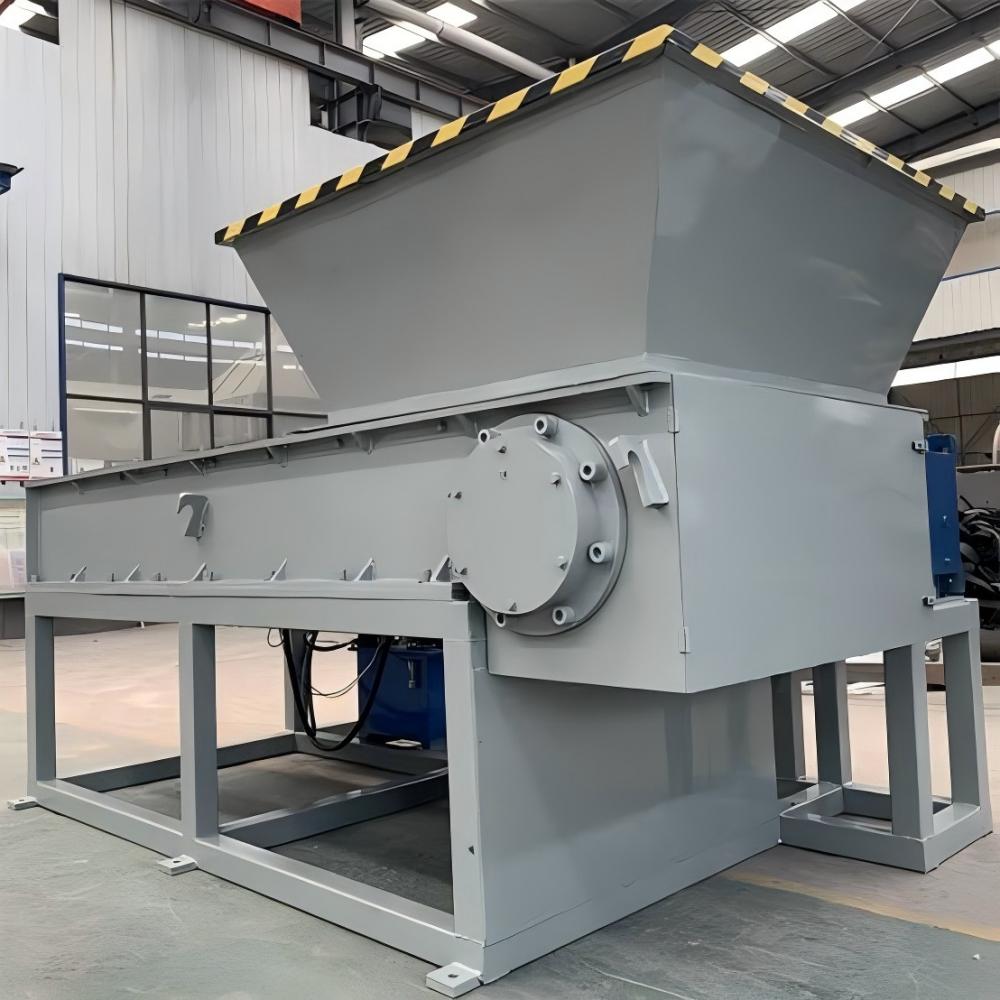
When embarking on the purchase of a Case Study: Single-Shaft Shredder Heavy Duty Plastic Lump Recycling solution, the first step is a thorough material analysis. Not all plastic lumps are created equal. You must consider the melting point, the hardness (Shore D scale), and the potential for contamination. Providing samples of your specific waste material to the HARSLE engineering team allows for a tailored configuration of rotor speed, blade geometry, and screen size.
Capacity requirements should be calculated based on your peak production volume, not just the average. It is always advisable to select a shredder with a 20-30% capacity buffer to account for future growth or surges in waste generation. Over-specifying the machine slightly is a cost-effective strategy, as it reduces the wear and tear on the motor and drivetrain, leading to a lower total cost of ownership over the life of the machine.
Consider the ease of maintenance when evaluating different models. A shredder that is difficult to clean or service will inevitably lead to downtime. HARSLE designs its machines with large access panels and quick-release screen systems, ensuring that routine inspections and blade rotations can be performed by a single operator in a minimal amount of time. Ask for a demonstration of the blade change process before finalizing your purchase.
Finally, look for a partner, not just a supplier. The implementation of a heavy-duty shredder is a significant capital investment. You need a manufacturer that provides comprehensive after-sales support, including readily available spare parts, remote technical assistance, and on-site training for your maintenance staff. HARSLE prides itself on a global support network that ensures your recycling operations remain uninterrupted, regardless of your geographic location.
Frequently Asked Questions (FAQ)
- What is the primary advantage of a single-shaft shredder over a double-shaft shredder for plastic lumps? Single-shaft shredders offer a more uniform output size due to the screen system, which is critical for consistent recycling results. They are generally more efficient for high-density lumps.
- How often should the blades be rotated or replaced? This depends on the abrasiveness of the plastic. With standard industrial plastics, rotating the four-sided inserts every 200-500 operating hours is typical.
- Can this shredder handle metal contaminants? While designed for plastic, HARSLE shredders are robust. However, we strongly recommend a magnetic separator to prevent metal from damaging the blades or downstream equipment.
- What is the power consumption of a heavy-duty shredder? Power consumption varies by model and load. HARSLE’s PLC-controlled systems are designed to be energy-efficient, drawing power only in proportion to the resistance encountered.
- Is specialized training required to operate the HARSLE shredder? While the interface is user-friendly, we provide comprehensive training manuals and on-site or remote guidance to ensure your team operates the equipment safely and efficiently.
Conclusion
The transition to an efficient, in-house plastic recycling process is a vital step for any modern manufacturing facility. By utilizing a high-performance single-shaft shredder, companies can effectively manage heavy-duty plastic lumps, reduce waste disposal costs, and create a sustainable supply of regrind material. As demonstrated in this Case Study: Single-Shaft Shredder for Heavy Duty Plastic Lump Recycling, the combination of HARSLE’s robust engineering, intelligent control systems, and durable components provides a reliable solution for the most demanding industrial environments.
Investing in the right machinery is not merely about solving a waste problem; it is about optimizing your entire production value chain. With the right equipment, plastic waste ceases to be a burden and becomes a valuable resource. HARSLE remains committed to advancing the capabilities of metal fabrication equipment and industrial shredding technology, ensuring that our clients stay ahead of the curve in an increasingly competitive and environmentally conscious global market.
If you are ready to streamline your plastic recycling operations, we invite you to contact our technical team for a consultation. We can analyze your specific waste stream and recommend the ideal shredder configuration to meet your production goals. Let HARSLE help you turn your industrial waste into your next competitive advantage.