Case Study on Replacing Manual Plate Cutting with an Industrial Gantry Shear: A HARSLE Efficiency Analysis

Introduction: The Evolution of Metal Fabrication
In the competitive landscape of modern metal fabrication, the transition from manual labor to automated precision is not merely a luxury—it is a necessity for survival. Many small-to-medium enterprises (SMEs) begin their journey relying on manual plate cutting methods, such as handheld plasma torches, angle grinders, or basic mechanical shears. While these methods may suffice for low-volume, artisanal work, they quickly become a bottleneck as production demands scale. This article presents a comprehensive Case Study on Replacing Manual Plate Cutting with an Industrial Gantry Shear, illustrating how HARSLE technology redefines operational efficiency.
The shift toward automated gantry shearing represents a fundamental change in how a workshop handles raw material. Manual cutting is inherently inconsistent, labor-intensive, and prone to human error, often resulting in significant material waste and secondary finishing requirements. By integrating an industrial gantry shear, fabricators can achieve high-speed, clean-cut edges that require little to no post-processing. This transition is not just about speed; it is about elevating the quality of the final product and ensuring the long-term profitability of the fabrication facility.
HARSLE has observed countless clients struggling with the limitations of manual cutting. The primary pain points often include inconsistent edge quality, high operator fatigue, and safety risks associated with handling heavy, sharp metal plates. As we delve into this case study, we will explore the technical, financial, and operational benefits of upgrading to a robust hydraulic gantry shear. We will examine the specific challenges faced by a mid-sized structural steel fabricator and how the implementation of a HARSLE gantry shear transformed their production cycle.
Ultimately, this guide serves as a roadmap for business owners and production managers who are considering the leap from manual processes to industrial automation. By understanding the mechanics, the ROI, and the strategic advantages of gantry shearing, you can make an informed decision that positions your company for sustainable growth in an increasingly demanding market.
Key Considerations for Transitioning to Automated Shearing
When evaluating the need for a Case Study on Replacing Manual Plate Cutting An Industrial Gantry Shear, the first step is identifying the hidden costs of your current manual process. Manual cutting is rarely as cheap as it appears on the surface. When you factor in the hourly wage of a skilled operator, the cost of consumables like grinding discs or plasma tips, and the time spent cleaning up jagged edges, the true cost per cut is significantly higher than most managers realize. Furthermore, manual cutting often leads to material distortion due to heat input, which can ruin expensive raw stock.
Safety is another critical consideration. Manual plate handling and cutting expose workers to sharp edges, flying sparks, and ergonomic strain. An industrial gantry shear automates the cutting process, keeping the operator at a safe distance and utilizing hydraulic hold-downs to secure the material firmly. This reduction in workplace hazards not only protects your team but also lowers insurance premiums and reduces downtime caused by workplace injuries. The transition to a gantry shear is an investment in human capital as much as it is in machinery.
Production throughput is the third pillar of this transition. Manual cutting is limited by the physical stamina and speed of the operator. In contrast, a gantry shear can process multiple plates in the time it takes a manual operator to set up a single cut. This increased capacity allows fabricators to take on larger contracts, meet tighter deadlines, and improve their overall market competitiveness. When you replace manual cutting, you are essentially removing the ceiling on your production potential.
Finally, consider the precision and repeatability requirements of your clients. Modern engineering projects demand tight tolerances that are virtually impossible to achieve consistently with manual tools. A gantry shear provides a straight, clean cut every single time, ensuring that subsequent processes like welding or assembly are faster and more accurate. This level of quality control is what separates industry leaders from the rest of the pack, allowing for higher margins and better client retention.
Technical Details: How HARSLE Gantry Shears Operate
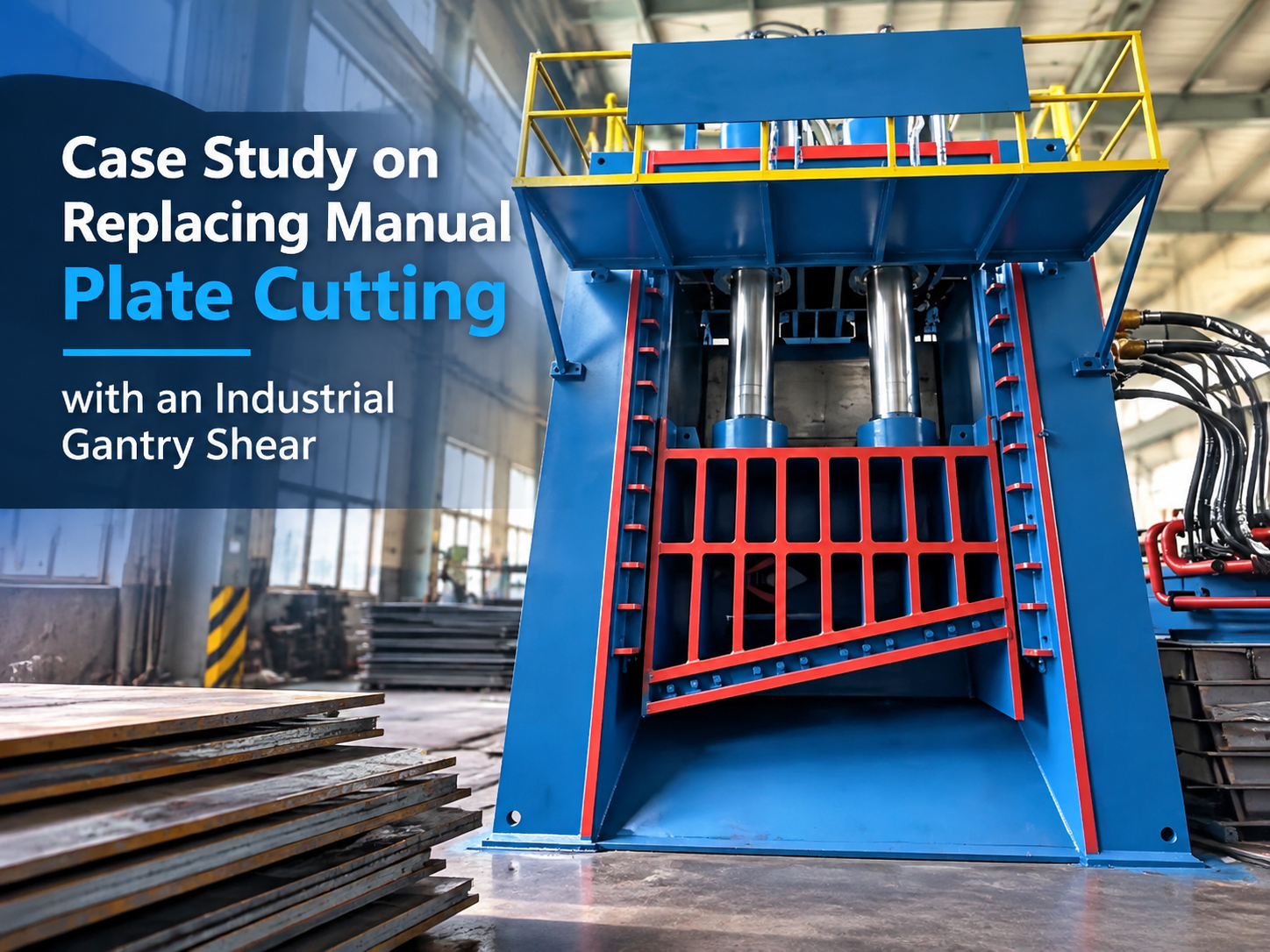
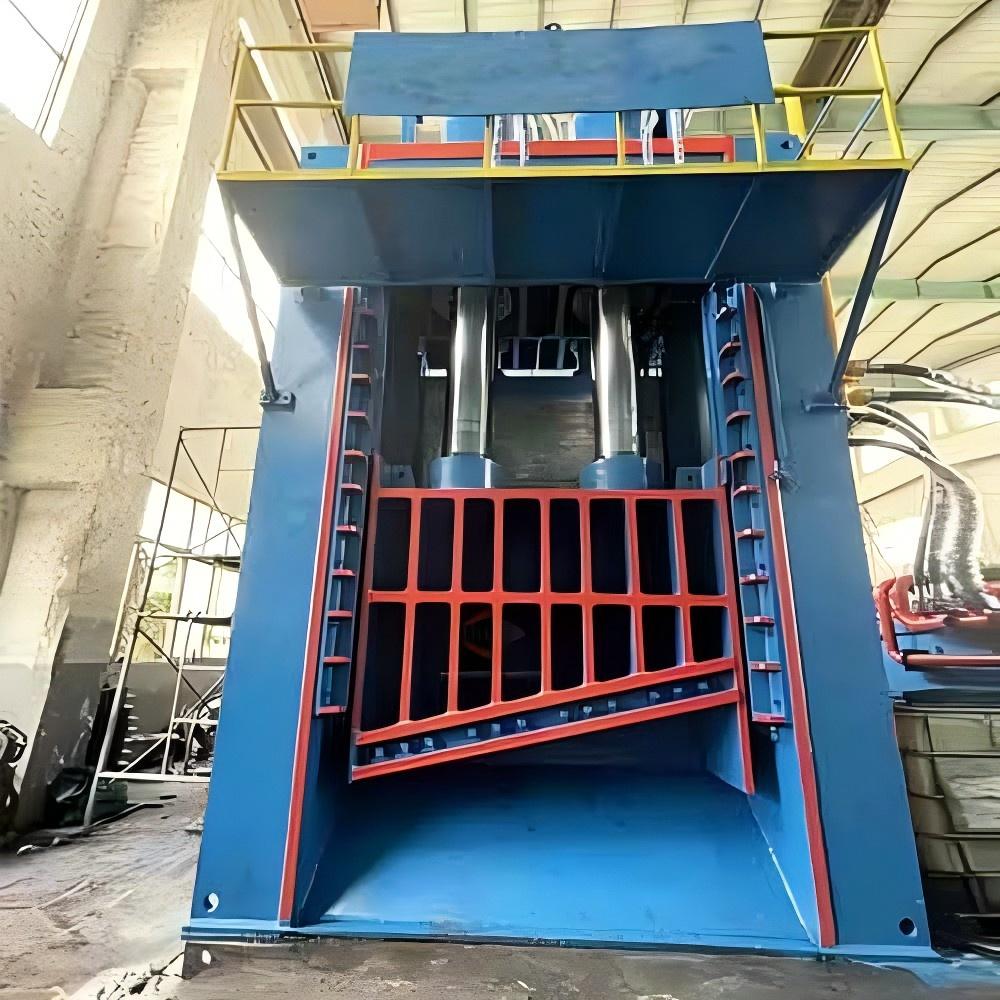
The core of the HARSLE gantry shear lies in its robust hydraulic system and precision-engineered blade geometry. Unlike manual shears that rely on leverage and physical force, a hydraulic gantry shear uses high-pressure fluid power to drive the upper blade through the material. This ensures a consistent cutting force across the entire length of the blade, allowing for the shearing of thick, high-tensile steel plates that would be impossible to cut manually. The hydraulic system is designed for longevity, featuring high-quality seals and valves that minimize maintenance requirements.
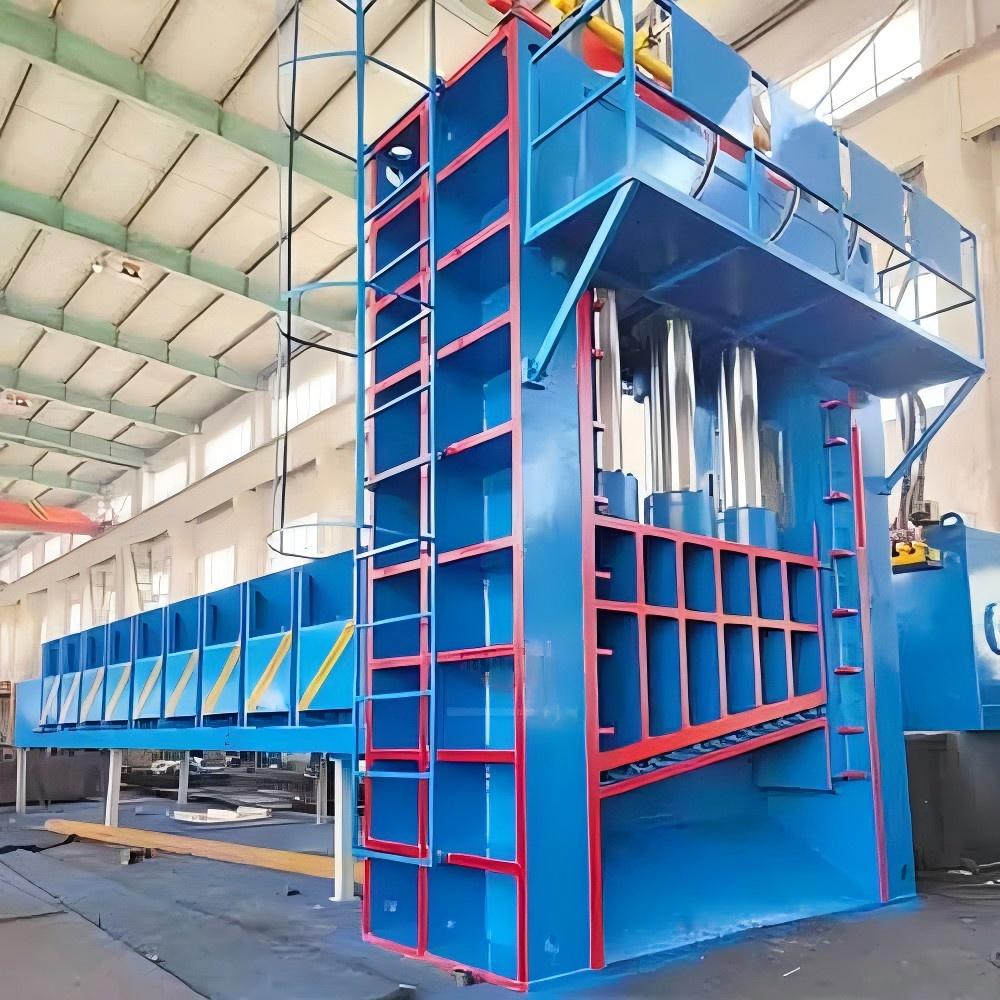
The gantry design itself is a marvel of structural engineering. By supporting the blade across a wide frame, the machine eliminates the deflection issues common in smaller, cantilevered shears. This structural rigidity is essential for maintaining the blade gap—the distance between the upper and lower blades. Proper blade gap adjustment is the secret to a clean, burr-free cut. HARSLE machines feature motorized or manual gap adjustment systems that allow operators to fine-tune the machine based on the thickness and hardness of the material being processed.
Another technical advantage is the programmable backgauge system. In a manual setup, the operator must measure and mark every single line, which is a slow and error-prone process. A HARSLE gantry shear is equipped with a CNC-controlled backgauge that automatically positions the plate to the exact dimension required. This automation ensures that every piece is cut to the same length, eliminating the need for manual measuring and reducing scrap rates to near zero. The integration of digital controllers allows for the storage of cutting programs, making repeat jobs a matter of seconds rather than hours.
Furthermore, the material handling features, such as front support arms and ball transfer tables, significantly reduce the physical effort required to move heavy plates. These features allow a single operator to manage large, heavy sheets of metal with ease. By minimizing the friction between the plate and the machine table, the operator can position the material accurately and safely, further increasing the overall efficiency of the fabrication process. The combination of hydraulic power, rigid construction, and CNC precision makes the gantry shear an indispensable tool for modern metal fabrication.
Selection Advice: Choosing the Right Equipment for Your Shop
Selecting the right gantry shear is a significant capital investment that requires careful analysis of your current and future needs. The first factor to consider is the maximum plate thickness and length you intend to process. It is tempting to buy a machine that just meets your current requirements, but it is often wiser to select a model with a 15-20% capacity buffer. This ensures that your machine can handle occasional thicker jobs and won’t be pushed to its absolute limit, which extends the lifespan of the hydraulic components and blades.
Another crucial aspect is the type of material you are cutting. Stainless steel, for example, requires more cutting force and different blade materials compared to mild steel. Ensure that the shear you select is compatible with the tensile strength of your most common materials. HARSLE offers a variety of blade configurations and material support options tailored to specific industrial applications, so consulting with a technical representative is highly recommended to ensure the machine matches your specific workflow.
Consider the footprint of the machine and the layout of your workshop. A gantry shear is a large piece of equipment that requires adequate space for material loading and unloading. You should also account for the electrical requirements and the need for a stable, level foundation. HARSLE provides detailed installation guides and foundation drawings to help you prepare your facility for the arrival of your new equipment. Proper planning at this stage prevents costly delays and ensures a smooth integration into your production line.
Finally, look at the after-sales support and availability of spare parts. A machine is only as good as the support behind it. HARSLE is known for its comprehensive service network, providing training for your operators and quick access to essential parts like blades and hydraulic seals. When choosing a supplier, prioritize those who offer remote diagnostics, regular maintenance schedules, and a proven track record of reliability. Investing in a high-quality machine from a reputable manufacturer is the best way to ensure a high return on investment over the long term.
FAQ: Common Questions About Gantry Shears
- What is the main advantage of a gantry shear over a manual cutter? The primary advantage is the combination of speed, precision, and safety. A gantry shear can cut thick plates in seconds with perfect repeatability, whereas manual cutting is slow, inconsistent, and physically demanding.
- How often do the blades need to be sharpened? Blade life depends on the material type, thickness, and volume of cuts. Generally, with proper maintenance and correct blade gap settings, HARSLE blades provide thousands of cuts before needing sharpening.
- Can a gantry shear handle different types of metal? Yes, hydraulic gantry shears are versatile and can cut mild steel, stainless steel, aluminum, and other alloys, provided the machine is configured with the correct blade clearance and cutting force.
- Is special training required to operate a HARSLE gantry shear? While the machines are designed for user-friendly operation, we recommend professional training for your staff to ensure they understand safety protocols, CNC programming, and routine maintenance tasks.
- How does the backgauge improve efficiency? The CNC backgauge eliminates manual measuring and marking. It automatically moves to the programmed position, ensuring every cut is accurate and reducing the time spent on setup for each job.
Conclusion: The Path to Fabrication Excellence
O Case Study on Replacing Manual Plate Cutting with an Industrial Gantry Shear demonstrates that the transition to automation is a transformative step for any metal fabrication business. By moving away from the limitations of manual labor, companies can unlock new levels of productivity, precision, and safety. The HARSLE gantry shear serves as the engine for this growth, providing the power and reliability needed to tackle complex projects with ease.
As we have explored, the benefits extend far beyond simple speed. The reduction in material waste, the improvement in edge quality, and the enhanced safety of the workplace contribute to a healthier bottom line and a more sustainable business model. While the initial investment in industrial machinery is significant, the long-term ROI—driven by increased capacity and reduced labor costs—makes it a strategic necessity in today’s competitive market.
If your workshop is still relying on manual cutting methods, now is the time to evaluate your processes. Assess your current bottlenecks, calculate the cost of your manual operations, and consider how an automated solution could redefine your production capabilities. HARSLE is committed to supporting fabricators through this transition, providing not just the machinery, but the expertise and service required to succeed.
In conclusion, the shift to an industrial gantry shear is more than just an equipment upgrade; it is a commitment to quality and efficiency. By embracing modern technology, you position your business to meet the demands of the future, ensuring that you remain a leader in the metal fabrication industry for years to come. Contact HARSLE today to discuss how we can help you optimize your plate cutting operations and take your production to the next level.