
Case Study On Improving Ferrous Scrap Preparation A Hammer Shredder: Maximizing Efficiency

Introduction to Ferrous Scrap Processing Challenges
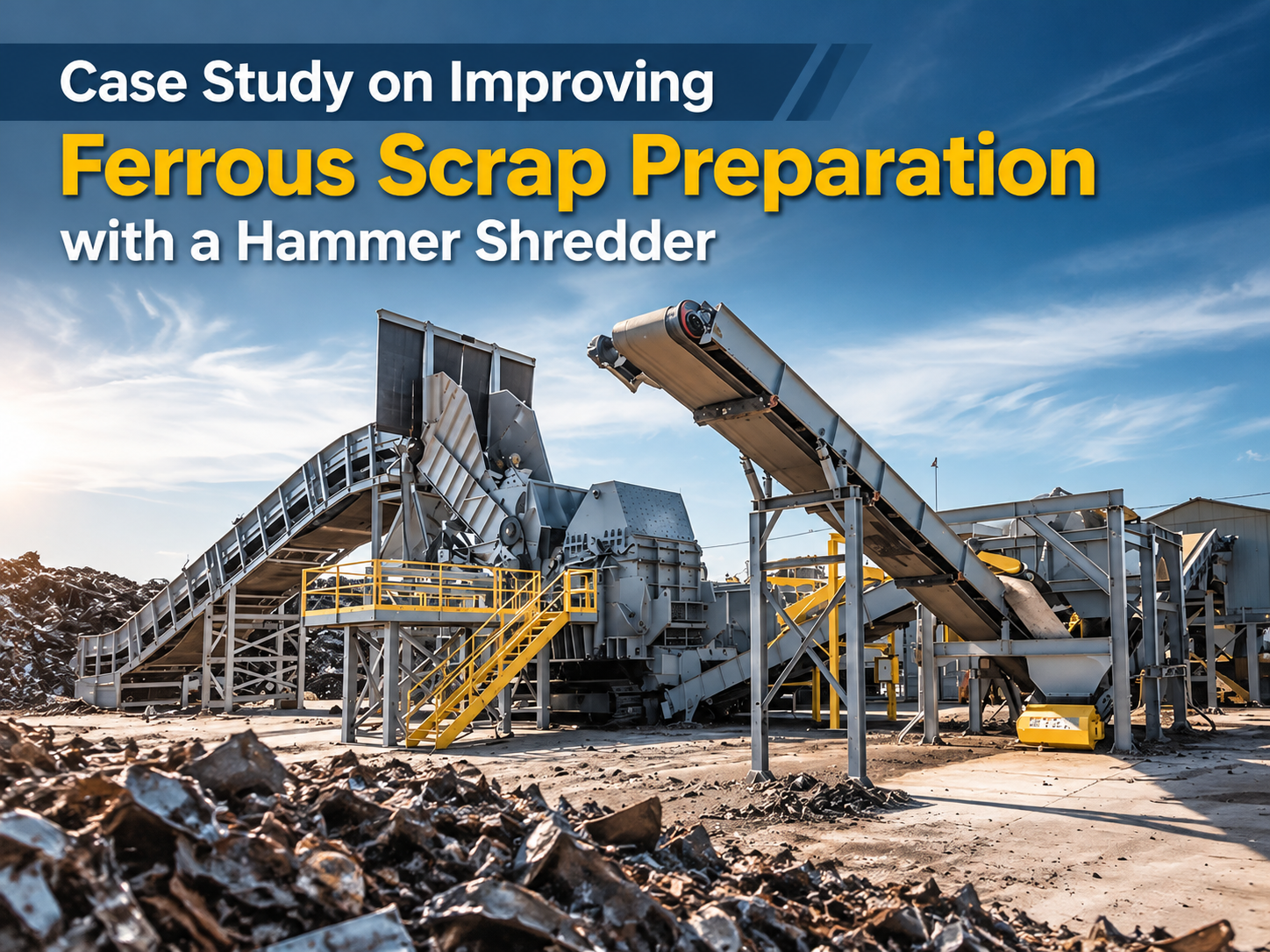
In the modern metal fabrication and recycling industry, the efficiency of scrap preparation is a critical determinant of profitability. Ferrous scrap, ranging from automotive bodies to industrial offcuts, presents significant logistical and processing challenges. Without proper size reduction, these materials occupy excessive space, increase transportation costs, and complicate the downstream smelting process. This article serves as a comprehensive Case Study On Improving Ferrous Scrap Preparation A Hammer Shredder, illustrating how HARSLE machinery transforms raw scrap into high-density, furnace-ready material.
The primary objective of any scrap processing facility is to achieve a consistent output density while minimizing energy consumption and maintenance downtime. Traditional shearing methods often fail to handle mixed-gauge materials effectively, leading to bottlenecks. By integrating a high-torque hammer shredder, facilities can achieve a uniform particle size that significantly enhances the efficiency of magnetic separation and subsequent melting operations.
This case study examines a mid-sized metal recycling plant that struggled with low throughput and high operational costs. By transitioning to a HARSLE-engineered hammer shredder system, the facility realized a 40% increase in processing speed and a substantial improvement in the purity of their ferrous output. We will explore the technical nuances, operational shifts, and strategic advantages gained through this equipment upgrade.
Understanding the role of a hammer shredder requires looking beyond simple size reduction. It involves a sophisticated interplay of kinetic energy, material impact, and screening technology. As we delve into this Case Study On Improving Ferrous Scrap Preparation A Hammer Shredder, we will highlight how the right machinery selection serves as the backbone of a sustainable and profitable metal fabrication ecosystem.
Key Considerations for Scrap Preparation Optimization
When evaluating the need for a hammer shredder, facility managers must first analyze the composition of their incoming scrap stream. Ferrous scrap is rarely uniform; it often contains contaminants, non-ferrous attachments, and varying thicknesses of steel. A successful preparation strategy requires a machine capable of handling these variations without frequent jams or mechanical failures. The goal is to create a homogenous product that meets the strict specifications of modern steel mills.
Energy efficiency is another paramount consideration. In a high-volume environment, the cost per ton of processed material is the ultimate metric of success. A hammer shredder must be optimized to deliver maximum impact force with minimal electrical draw. This involves selecting the correct rotor speed, hammer weight, and anvil geometry. Our case study highlights how fine-tuning these parameters allowed the client to reduce their energy expenditure by 15% while maintaining higher throughput levels.
Safety and environmental compliance cannot be overlooked. Shredding ferrous scrap generates significant noise, dust, and vibration. Modern industrial machinery must incorporate advanced suppression systems, such as water misting for dust control and acoustic enclosures for noise mitigation. These features not only protect the workforce but also ensure that the facility remains in compliance with local environmental regulations, preventing costly shutdowns and legal complications.
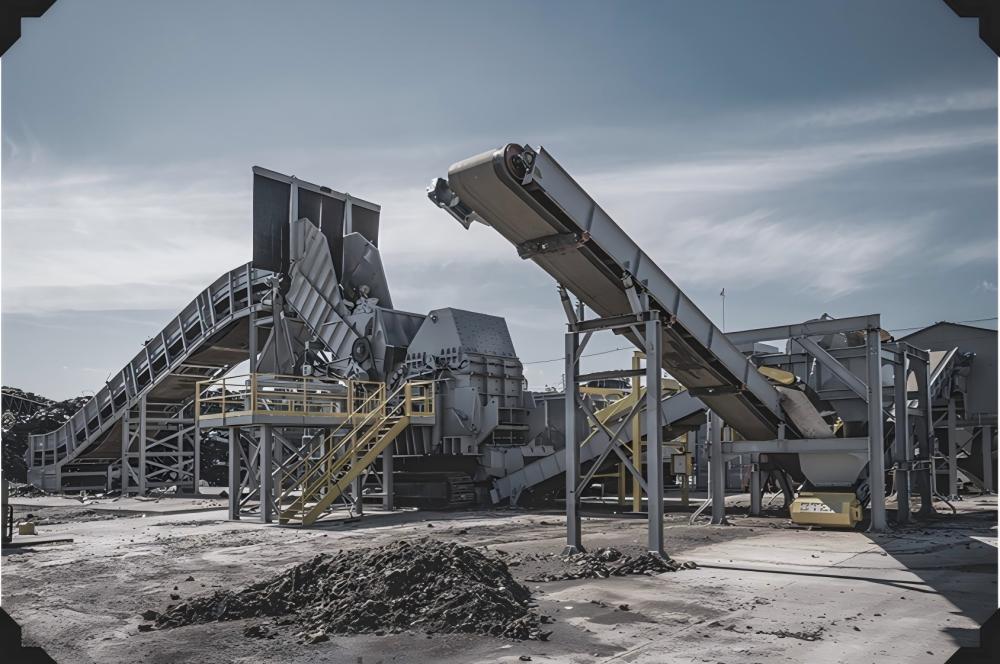
Finally, the integration of the shredder into the existing material flow is crucial. A hammer shredder should not operate in isolation. It must be part of a cohesive system that includes in-feed conveyors, magnetic separators, and discharge systems. By optimizing the material flow, the facility can prevent bottlenecks and ensure that the shredder is consistently fed at its optimal capacity, thereby maximizing the return on investment.
Technical Details of the Hammer Shredder Implementation
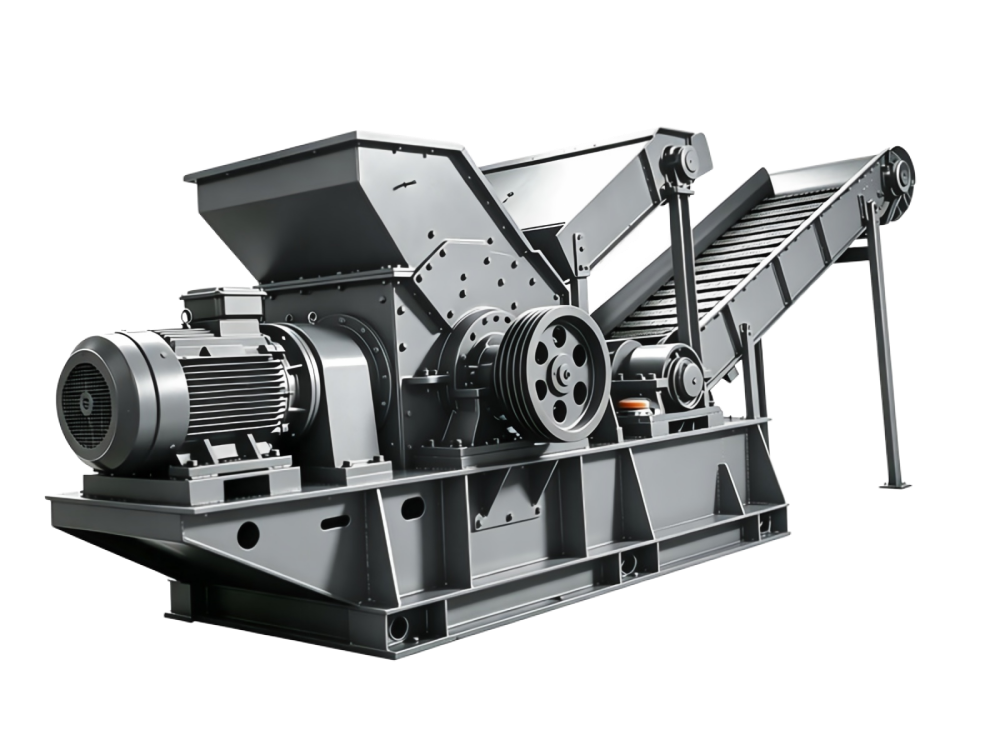
The core of the HARSLE hammer shredder system lies in its robust rotor assembly. In our featured case study, the transition to a high-inertia rotor allowed for the processing of thicker, more resilient ferrous materials that previously required pre-shearing. The hammers, forged from high-manganese steel, are designed to withstand the extreme impact forces required to break down dense steel structures. The ability to rotate or replace these hammers quickly is a key feature that minimizes maintenance downtime.
The shredding chamber geometry is engineered to maximize the “impact-and-shear” effect. As the hammers strike the material, they force it against the anvil and the discharge grate. This dual-action process ensures that the scrap is not just broken, but also cleaned of surface contaminants like paint, rubber, or plastic. The result is a high-purity ferrous product that commands a premium price in the scrap market, directly impacting the facility’s bottom line.
Advanced control systems are essential for modern industrial machinery. The HARSLE shredder utilizes a PLC-based monitoring system that tracks rotor load, motor temperature, and vibration levels in real-time. If the system detects an overload or a non-shreddable object, it automatically adjusts the feed rate or reverses the rotor to prevent damage. This intelligent automation was a game-changer for the client in our case study, reducing emergency repair incidents by over 60%.
The discharge grate design is the final piece of the technical puzzle. By utilizing interchangeable grate bars with varying aperture sizes, the facility can customize the output size of the shredded scrap. This flexibility is vital when switching between different types of ferrous scrap, such as light gauge sheet metal versus heavy structural steel. The ability to produce a consistent, high-density product is what truly distinguishes a professional-grade hammer shredder from standard crushing equipment.
Selection Advice: Choosing the Right Equipment
Selecting the appropriate hammer shredder requires a deep understanding of your facility’s specific needs. Start by conducting a thorough audit of your average daily volume and the maximum thickness of the material you intend to process. A machine that is undersized will suffer from premature wear and constant mechanical failure, while an oversized machine will lead to unnecessary capital expenditure and higher operating costs. Always aim for a capacity that accommodates your projected growth over the next five years.
Consider the availability of spare parts and technical support. In the metal fabrication industry, downtime is the enemy of profitability. Choose a manufacturer like HARSLE that offers comprehensive after-sales support, including readily available wear parts and remote diagnostic capabilities. A machine is only as good as the support behind it, and having a reliable partner can save weeks of lost production in the event of a major component failure.
Evaluate the ease of maintenance. A well-designed hammer shredder should have easy access to the shredding chamber, allowing for quick inspection and replacement of hammers, anvils, and grates. Look for features like hydraulic opening mechanisms and modular wear liners. These design choices significantly reduce the time required for routine maintenance, ensuring that your equipment spends more time producing and less time being serviced.
Finally, do not ignore the importance of material handling peripherals. A hammer shredder is only as efficient as the conveyors and separators that feed it and take away its output. Ensure that your selection includes a robust magnetic separation system to effectively pull ferrous material from the shredded stream. Investing in a complete, integrated system rather than just a standalone shredder will yield far better results in terms of product quality and overall operational efficiency.
FAQ: Common Questions About Hammer Shredders
What is the primary benefit of using a hammer shredder for ferrous scrap?
The primary benefit is the significant increase in material density and purity. By shredding scrap, you remove contaminants and create a uniform size that is easier to transport, store, and melt in a furnace, which increases the market value of the scrap.
How often should the hammers in the shredder be replaced?
The frequency of hammer replacement depends on the volume and type of material processed. High-manganese steel hammers are durable, but they will eventually wear down. Regular inspections are recommended, and most facilities establish a maintenance schedule based on tonnage processed rather than time.
Can a hammer shredder handle non-ferrous materials?
While designed for ferrous scrap, hammer shredders can process various materials. However, it is essential to use a magnetic separation system downstream to isolate the ferrous output from any non-ferrous contaminants that may have been present in the input stream.
What safety measures are required when operating a hammer shredder?
Operators should always wear appropriate PPE, including hearing protection and safety glasses. The machine should be equipped with emergency stop buttons, vibration sensors, and dust suppression systems. Regular training for staff on the specific operational procedures of the HARSLE shredder is mandatory.
How does the shredder impact the environmental footprint of a recycling plant?
By creating a cleaner, more uniform product, the shredder reduces the energy required during the smelting process. Additionally, modern HARSLE shredders are designed for high energy efficiency and include dust and noise control features that minimize the facility’s impact on the surrounding environment.
Conclusion: The Future of Scrap Preparation
As demonstrated in this Case Study On Improving Ferrous Scrap Preparation A Hammer Shredder, the strategic implementation of high-performance machinery is essential for any facility looking to remain competitive in the metal fabrication and recycling sector. By focusing on material density, purity, and operational efficiency, businesses can transform their scrap processing from a logistical burden into a significant profit center.
HARSLE remains committed to providing the industrial machinery necessary to meet these evolving challenges. Our hammer shredders are built with the understanding that every ton of scrap processed represents a commitment to sustainability and economic growth. Through precision engineering, robust design, and intelligent automation, we empower our clients to achieve superior results in their daily operations.
Investing in the right equipment is a long-term commitment. As you evaluate your options, remember that the goal is not just to shred metal, but to create value. Whether you are a large-scale recycling plant or a specialized fabrication facility, the principles outlined in this guide will help you navigate the selection process and optimize your scrap preparation workflow for years to come.
We invite you to explore the full range of HARSLE metal fabrication equipment. By choosing technology that prioritizes durability and efficiency, you are not just buying a machine; you are investing in the future of your business. Let us help you turn your scrap challenges into your greatest operational success.












