Case Study Of Briquetting Machine Use In A Machining Center Waste Reduction Project

Introduction: The Challenge of Metal Waste in Modern Machining
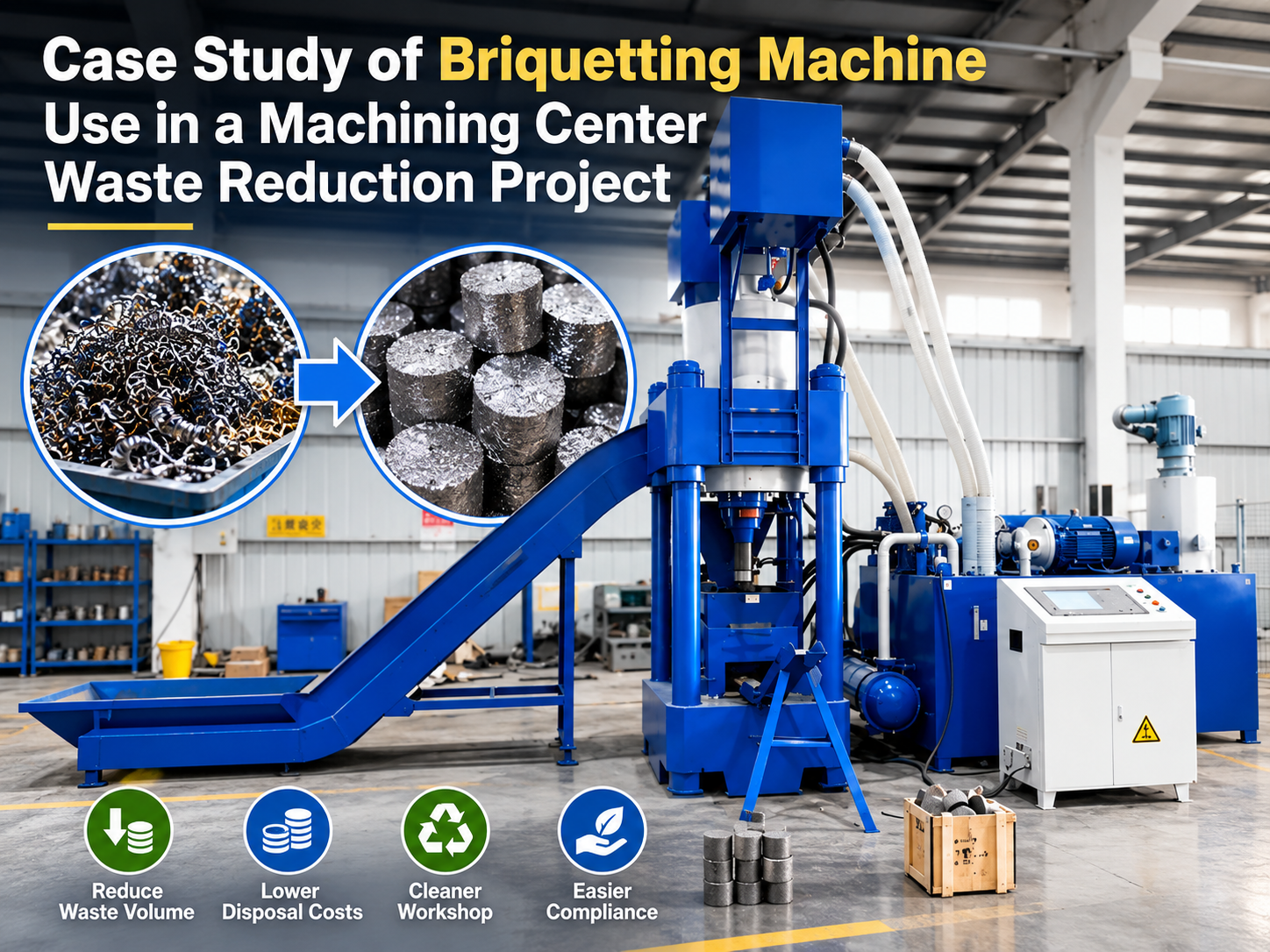
In the contemporary landscape of high-precision metal fabrication, the management of swarf, chips, and turnings represents a significant operational challenge. Machining centers often generate vast quantities of metal waste, which, if left unmanaged, can lead to increased logistical costs, environmental hazards, and lost revenue opportunities. This article explores a comprehensive Case Study Of Briquetting Machine Use In A Machining Center Waste Reduction Project, highlighting how HARSLE technology transforms industrial waste into a valuable asset.
For many facilities, the primary issue is the sheer volume of loose metal chips. These chips are not only bulky, making them expensive to transport, but they are also saturated with expensive cutting fluids. When chips are sold in their raw, loose state, scrap yards offer significantly lower prices due to the contamination and the high volume-to-weight ratio. By implementing a briquetting solution, machining centers can fundamentally alter their waste stream economics.
HARSLE has observed that the transition from traditional waste disposal to a briquetting-based system is a pivotal moment for manufacturing sustainability. This case study examines a mid-sized machining facility that struggled with high disposal fees and environmental compliance issues. By integrating a HARSLE briquetting machine, the facility was able to reclaim over 90% of its cutting fluid and increase the market value of its scrap metal by nearly 40%.
The following sections will delve into the technical requirements, strategic considerations, and operational benefits of adopting this technology. Whether you are managing a small workshop or a large-scale production plant, understanding the mechanics of briquetting is essential for modernizing your waste reduction strategy.
Key Considerations for Implementing a Briquetting System
When initiating a waste reduction project, the first step is to conduct a thorough audit of the current waste stream. Not all chips are created equal; the material composition—whether aluminum, steel, brass, or cast iron—dictates the pressure requirements and the type of briquetting equipment needed. A successful Case Study Of Briquetting Machine Use In A Machining Center Waste Reduction Project begins with understanding the physical properties of the scrap being generated.
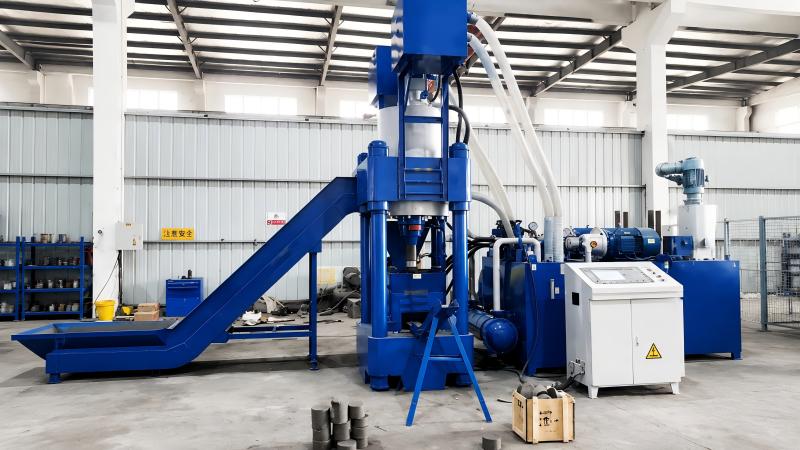
Space constraints within the machining center are another critical factor. Briquetting machines require a dedicated footprint, often near the chip collection point to minimize manual handling. HARSLE engineers emphasize the importance of workflow integration, ensuring that the briquetting process does not disrupt the primary production line. Proper layout planning can significantly reduce labor costs associated with moving loose chips to the processing area.
Environmental and safety regulations play a major role in the decision-making process. Loose, oil-soaked chips are a fire hazard and can lead to slippery, dangerous floor conditions. By compressing these chips into dense briquettes, the facility reduces the risk of oil spills and creates a cleaner, safer environment for employees. Furthermore, the recovery of cutting fluid reduces the need for frequent chemical disposal, aligning the facility with ISO 14001 environmental standards.
Finally, the return on investment (ROI) must be calculated based on three primary pillars: reduced disposal costs, increased scrap value, and recovered fluid savings. Most HARSLE clients find that the equipment pays for itself within 12 to 18 months. This financial justification is the cornerstone of any successful industrial machinery investment, proving that sustainability and profitability are not mutually exclusive.
Technical Details: How Briquetting Transforms Waste
The core of the briquetting process lies in high-pressure mechanical compaction. A HARSLE briquetting machine utilizes a hydraulic system to exert immense force on the loose metal chips, forcing them into a solid, cylindrical, or rectangular shape. This process eliminates the air pockets present in loose swarf, resulting in a density that is often 10 to 20 times higher than the original volume.
One of the most significant technical advantages is the extraction of cutting fluids. During the compression cycle, the machine forces the coolant out of the chips. This fluid is then channeled into a filtration system, cleaned, and returned to the machining center’s coolant tanks. This closed-loop system significantly extends the life of the coolant, reducing procurement costs and minimizing the environmental impact of hazardous waste disposal.
The structural integrity of the briquettes is vital for downstream processing. High-quality briquettes are easy to transport, store, and melt in a furnace. Because they are dense and free of excess moisture, they provide a higher yield during the smelting process. Foundries prefer briquetted scrap because it is easier to handle and provides a more predictable chemical composition compared to loose, contaminated chips.
HARSLE machines are equipped with advanced PLC controls that allow for precise adjustments in pressure and cycle time. This flexibility ensures that the machine can handle a wide variety of materials, from brittle cast iron to ductile aluminum. The automation features also allow for continuous operation, meaning the machine can run alongside the machining center, processing chips in real-time without requiring constant operator supervision.
Selection Advice: Choosing the Right Equipment
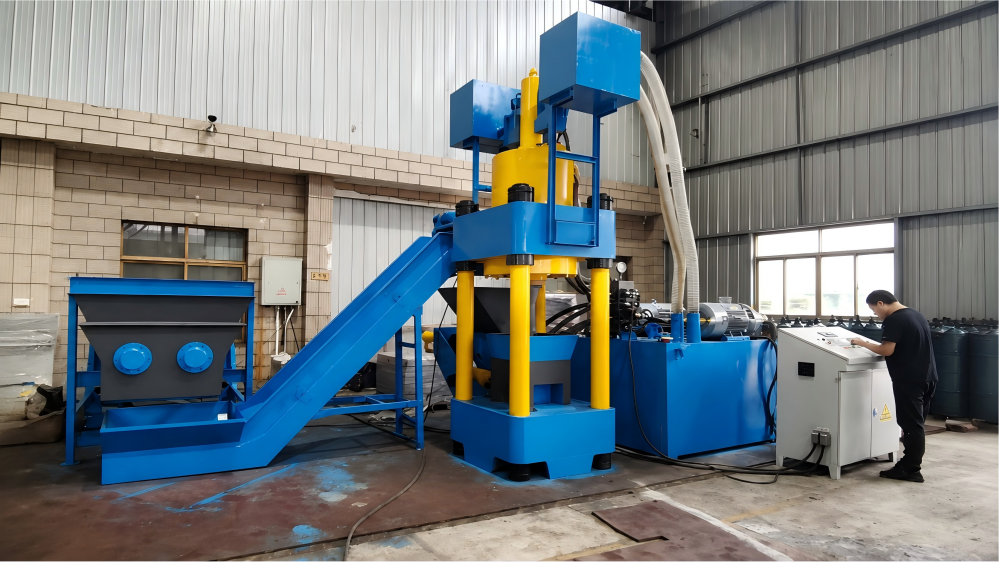
Selecting the right briquetting machine requires a deep understanding of your facility’s specific needs. The first metric to consider is throughput capacity. A machine that is too small will create a bottleneck, while an oversized machine represents an unnecessary capital expenditure. HARSLE recommends analyzing the daily volume of chips generated during peak production hours to determine the optimal capacity.
Material compatibility is equally important. Some metals require higher pressures to achieve the desired density. For example, steel chips are harder to compress than aluminum and may require a more robust hydraulic system. Always consult with HARSLE technical experts to ensure the machine’s specifications align with the hardness and volume of your specific metal waste.
Maintenance requirements should also be a primary consideration. Look for machines that offer easy access to hydraulic components and wear parts. A machine with a modular design allows for faster repairs and less downtime. HARSLE provides comprehensive maintenance manuals and support, ensuring that your briquetting machine remains operational for years to come.
Finally, consider the integration capabilities. Does the machine need to be fed by a conveyor system, or will it be manually loaded? Does it need to interface with existing chip management software? Modern HARSLE briquetting machines are designed with Industry 4.0 connectivity in mind, allowing for remote monitoring and data collection, which is essential for tracking the success of your waste reduction project.
Buyer Checklist for Briquetting Machines
- Throughput Rate: Ensure the machine can handle the peak output of your machining center.
- Material Type: Confirm the machine is rated for your specific metal alloys.
- Fluid Recovery: Check the efficiency of the integrated coolant drainage system.
- Footprint: Measure the available floor space and consider the loading mechanism.
- Automation: Evaluate the level of PLC control and remote monitoring features.
- Support: Verify the availability of spare parts and technical service in your region.
Frequently Asked Questions (FAQ)
What is the primary benefit of using a briquetting machine?
The primary benefit is the significant reduction in waste volume, which lowers transportation costs and increases the market value of scrap metal. Additionally, the recovery of cutting fluids provides substantial savings on fluid procurement and disposal costs.
Can a HARSLE briquetting machine handle different types of metals?
Yes, HARSLE briquetting machines are versatile and can be configured to process various metals, including aluminum, steel, brass, copper, and cast iron. It is important to consult with our team to ensure the pressure settings are optimized for your specific material.
How much space does a briquetting machine require?
The footprint varies depending on the model and capacity. HARSLE offers compact units for smaller workshops and larger, high-capacity systems for industrial plants. We provide detailed layout planning to ensure the machine fits seamlessly into your existing workflow.
How often does the machine require maintenance?
Routine maintenance, such as checking hydraulic fluid levels and inspecting wear parts, is typically required on a monthly or quarterly basis depending on usage. HARSLE provides a detailed maintenance schedule with every machine to ensure long-term reliability.
Is the briquetting process environmentally friendly?
Absolutely. By recycling cutting fluids and reducing the volume of waste sent to landfills, briquetting is a key component of sustainable manufacturing. It helps facilities meet environmental compliance standards and reduces their overall carbon footprint.
Conclusion: The Future of Sustainable Machining
O Case Study Of Briquetting Machine Use In A Machining Center Waste Reduction Project clearly demonstrates that investing in briquetting technology is a strategic move for any modern machining facility. By converting loose, oil-laden chips into high-density briquettes, manufacturers can unlock hidden value, reduce operational costs, and contribute to a more sustainable industrial ecosystem.
HARSLE remains committed to providing high-quality metal fabrication equipment that empowers businesses to optimize their processes. As the industry continues to evolve, the focus on efficiency and waste reduction will only intensify. Implementing a briquetting solution is not just a response to current challenges; it is a proactive step toward future-proofing your operations.
If you are ready to transform your waste management strategy, we invite you to contact the HARSLE team. Our experts are prepared to analyze your specific requirements and guide you through the selection process, ensuring that your investment delivers maximum returns. Join the growing number of manufacturers who are turning their scrap into profit with HARSLE technology.