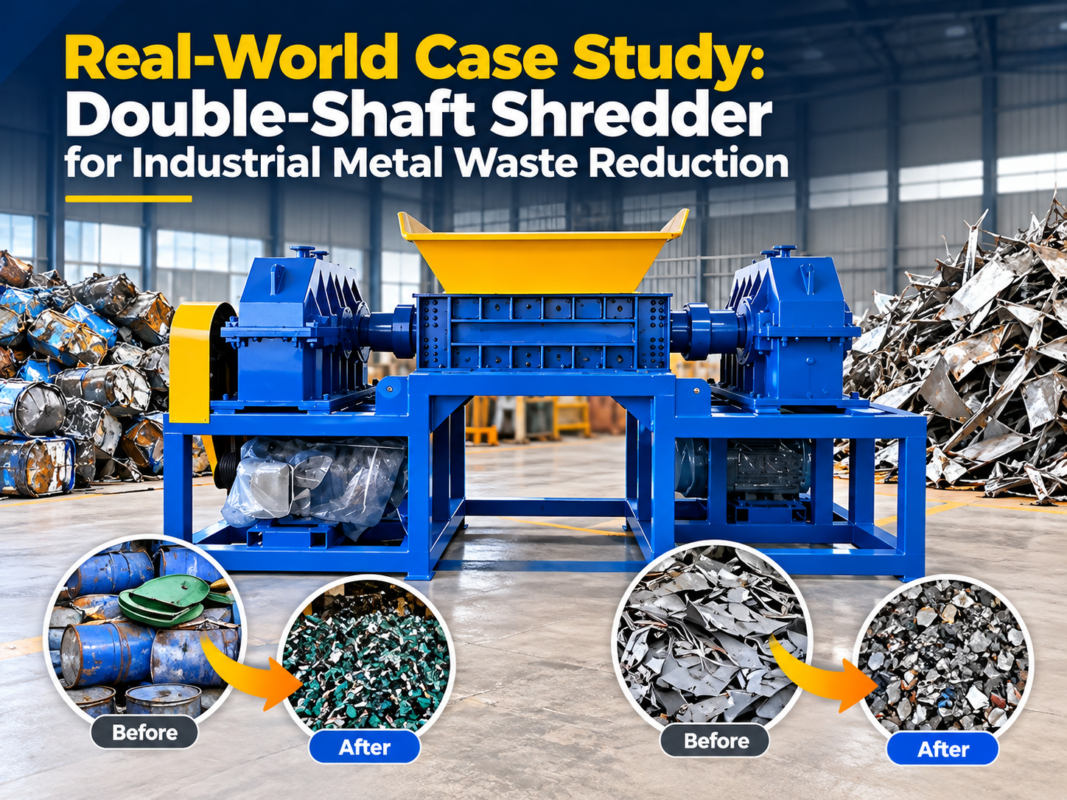
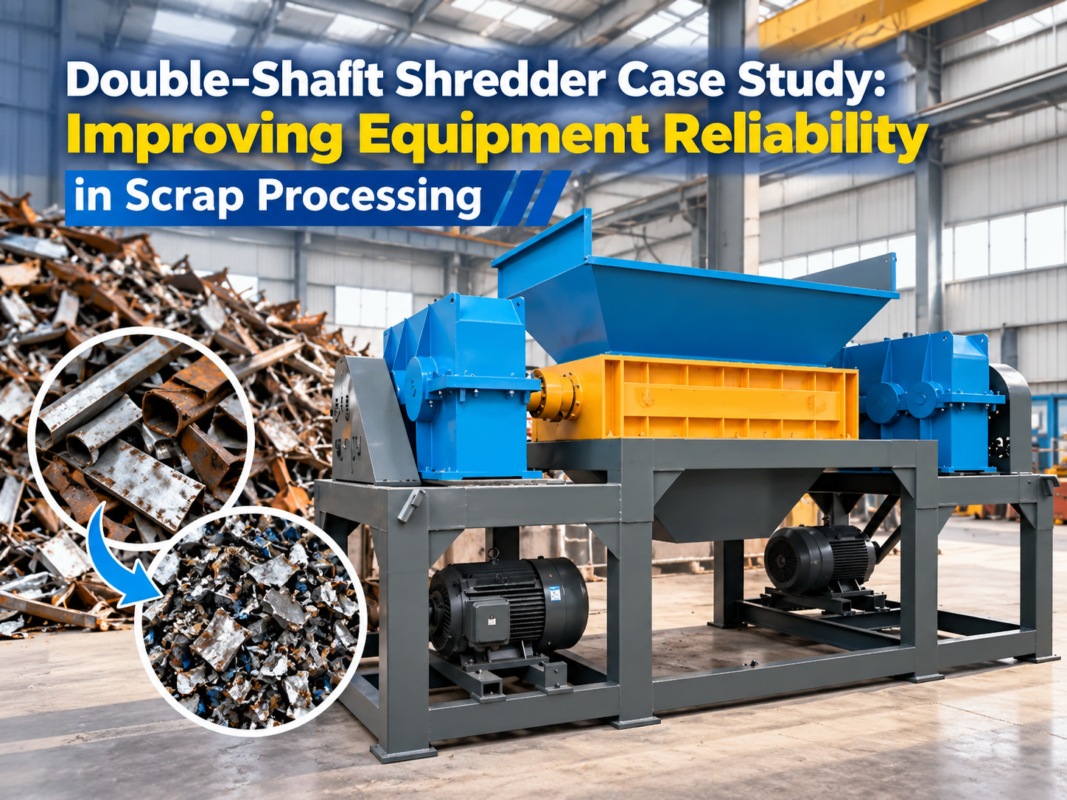
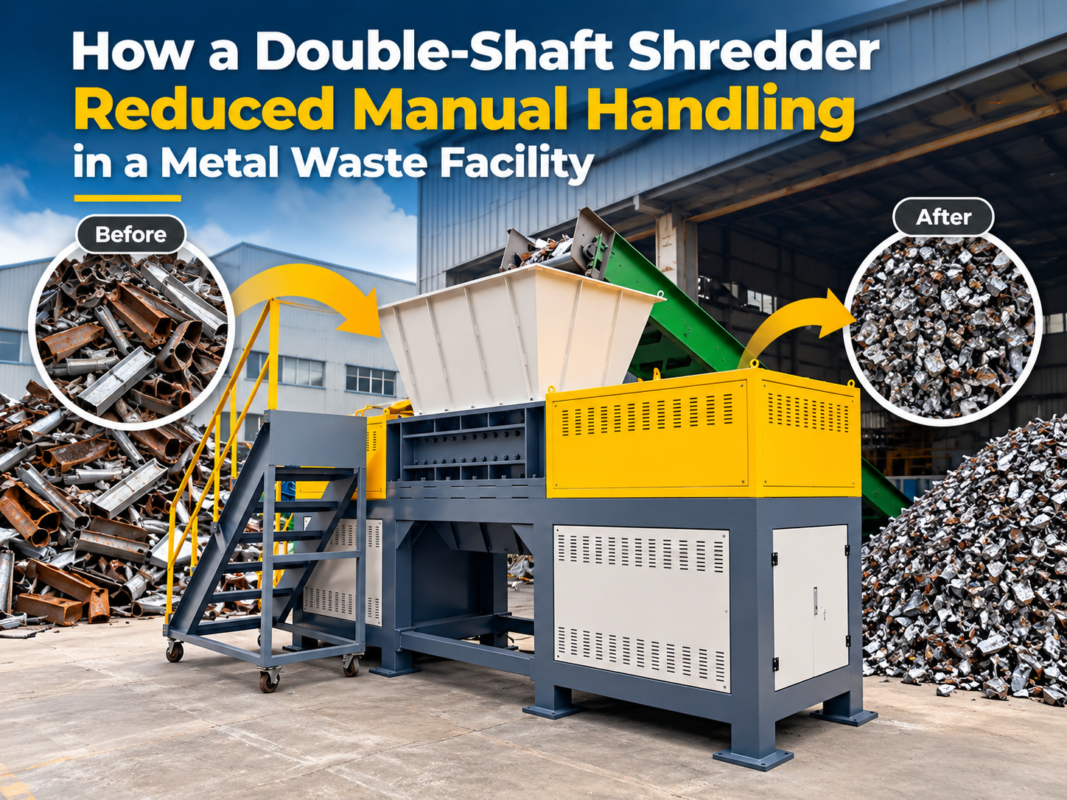
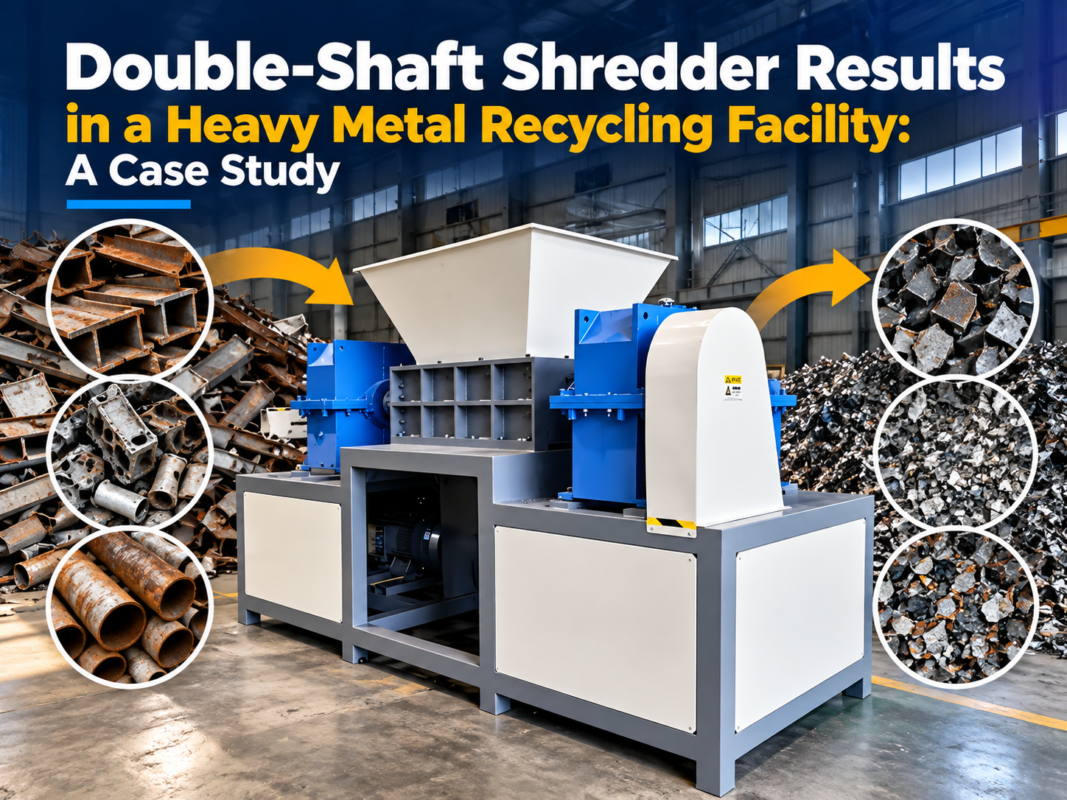
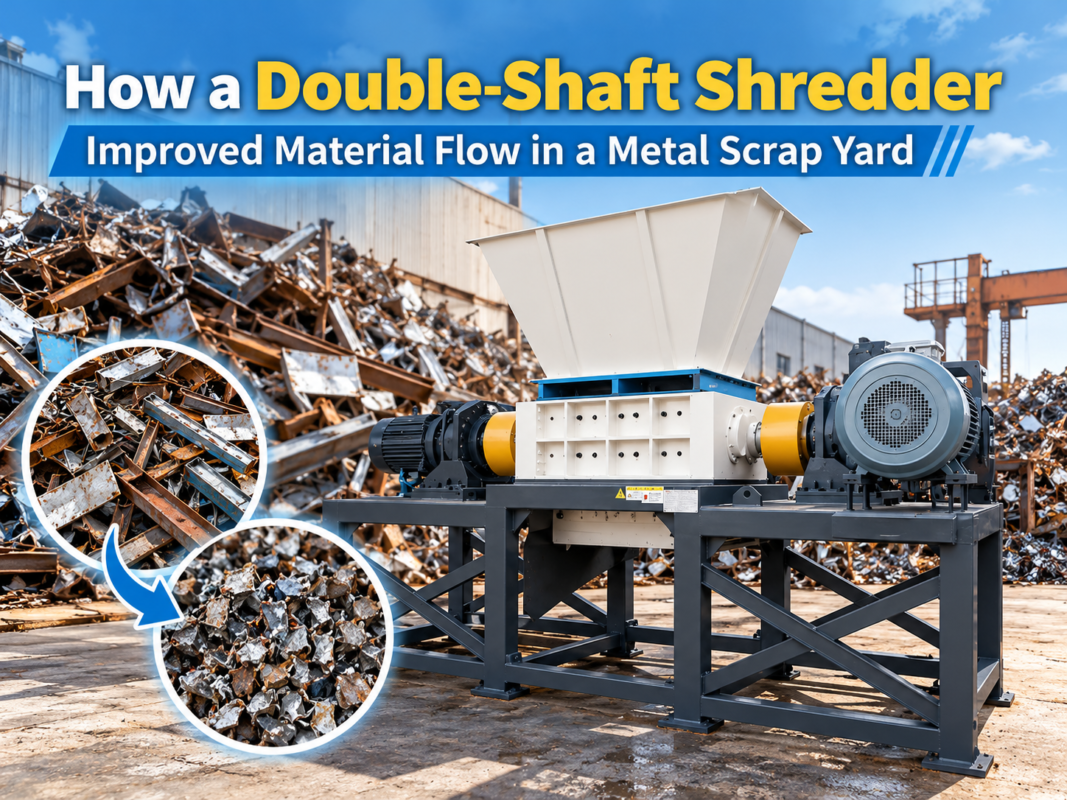
Single-Shaft Shredder for Municipal Solid Waste Pre-Processing: A Practical Case Study

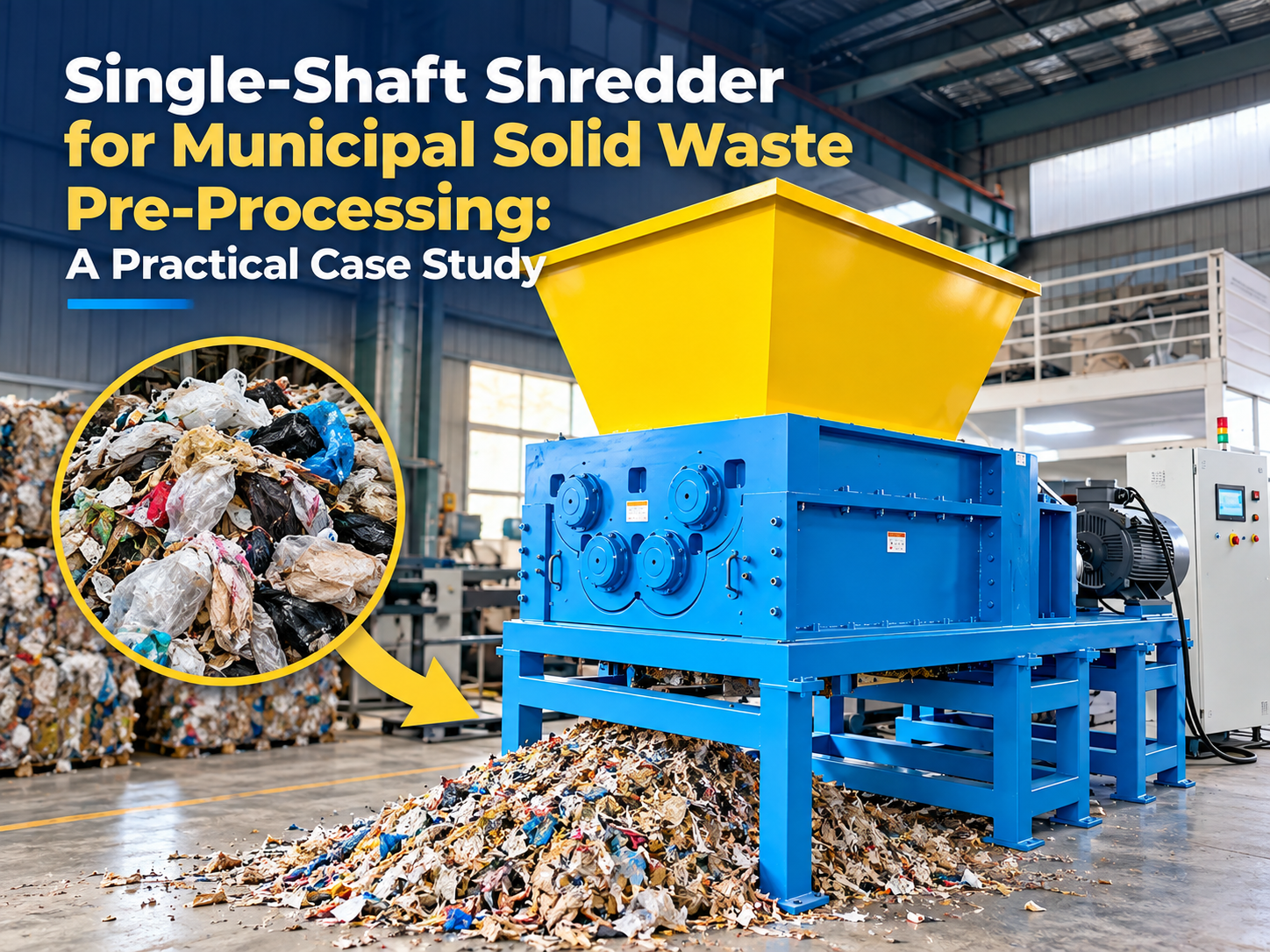
Introduction to Municipal Solid Waste Pre-Processing
The global challenge of municipal solid waste (MSW) management has reached a critical juncture. As urban populations expand, the volume of waste generated daily necessitates advanced, high-efficiency processing solutions. At the heart of modern waste-to-energy and recycling facilities lies the pre-processing stage, where raw, heterogeneous waste must be reduced to a uniform size for downstream sorting, incineration, or anaerobic digestion. This is where the Single-Shaft Shredder for Municipal Solid Waste Pre-Processing: A Practical Case Study becomes essential for facility managers and industrial engineers.
HARSLE has long been at the forefront of industrial machinery, providing robust solutions for metal fabrication and material processing. Our single-shaft shredders are engineered to handle the unpredictable nature of MSW, which often contains a mix of plastics, wood, textiles, and light metals. By implementing a high-torque, low-speed shredding mechanism, these machines ensure that waste is processed with minimal noise and dust, while maximizing the throughput required for large-scale municipal operations.
In this article, we will explore the technical nuances of single-shaft shredders, examine a real-world case study of their implementation, and provide a comprehensive guide for selecting the right equipment for your facility. Understanding the mechanics of size reduction is the first step toward achieving a circular economy and reducing the environmental footprint of urban waste streams.
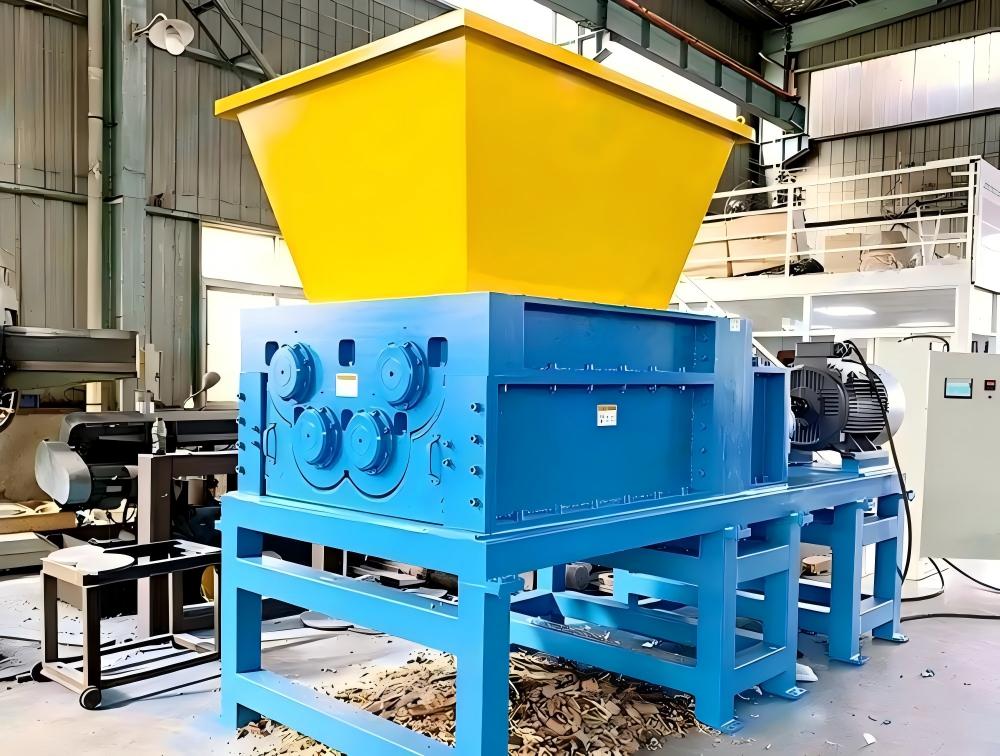
Key Considerations for MSW Pre-Processing
When designing a pre-processing line for municipal solid waste, the primary challenge is the heterogeneity of the input material. Unlike industrial scrap, which is often consistent, MSW contains everything from household packaging to bulky furniture. A single-shaft shredder must be versatile enough to handle this variability without frequent jamming or mechanical failure. The first key consideration is the cutting geometry. HARSLE shredders utilize a specialized rotor design that pulls material toward the cutting edge, ensuring consistent particle size regardless of the material’s density or shape.
Another critical factor is the throughput capacity. Municipal facilities operate on tight schedules, often processing hundreds of tons of waste per day. Downtime is not just an inconvenience; it is a significant operational cost. Therefore, the shredder must be equipped with an intelligent control system that monitors motor load and automatically reverses the rotor if a non-shreddable object, such as a large piece of steel or concrete, is detected. This feature protects the drive train and significantly extends the lifespan of the cutting tools.
Energy efficiency is also paramount in modern waste management. As electricity costs rise, facilities are looking for equipment that delivers high torque at lower power consumption levels. HARSLE’s drive systems are optimized to provide high-efficiency torque transfer, ensuring that the machine consumes power only when necessary. By integrating variable frequency drives (VFDs), operators can adjust the rotor speed based on the specific waste stream, further optimizing energy usage and reducing wear on mechanical components.
Finally, maintenance accessibility must be considered during the planning phase. MSW is abrasive and corrosive, leading to faster wear on blades and screens. A well-designed shredder should allow for quick access to the cutting chamber, enabling maintenance teams to replace blades or adjust the screen gap with minimal downtime. HARSLE’s modular design philosophy ensures that critical components are easily reachable, reducing the total cost of ownership over the machine’s lifecycle.
Technical Details: The HARSLE Advantage
The technical superiority of a HARSLE single-shaft shredder lies in its robust construction and precision engineering. The rotor is the heart of the machine, manufactured from high-grade, heat-treated alloy steel to withstand the impact of diverse waste materials. Each rotor is balanced to minimize vibration, which is essential for maintaining the structural integrity of the machine frame over years of heavy-duty operation. The cutting blades are designed with a specific profile that promotes a clean, shearing action rather than a tearing action, which reduces energy consumption and produces a more uniform output.
The screen system is another vital technical component. The screen determines the final particle size of the shredded material. HARSLE offers a variety of screen hole sizes, allowing facilities to customize the output based on their specific downstream requirements—whether it be for RDF (Refuse Derived Fuel) production or composting. The screen is mounted on a hydraulic or manual swing-out frame, making it easy to change or clean. This flexibility is what makes the Single-Shaft Shredder Municipal Solid Waste Pre-Processing A Practical Case Study so relevant for diverse industrial applications.
The hydraulic ram pusher is what differentiates a single-shaft shredder from other types of shredders. This system pushes the material against the rotating shaft at a controlled pressure. HARSLE’s hydraulic system is designed to be load-sensing, meaning it only applies the necessary force to keep the material in contact with the blades. This prevents the machine from over-working and ensures that even light, bulky materials are shredded effectively. The hydraulic unit is housed in a protected cabinet, shielded from the dust and debris common in waste processing environments.
Safety and automation are integrated into the core of the machine’s PLC (Programmable Logic Controller). The HARSLE control panel provides real-time data on motor temperature, hydraulic pressure, and rotor speed. It also includes emergency stop protocols and interlocks that prevent the machine from starting if the maintenance doors are open. This level of automation allows for remote monitoring, enabling facility managers to track performance metrics and schedule preventive maintenance before a failure occurs.
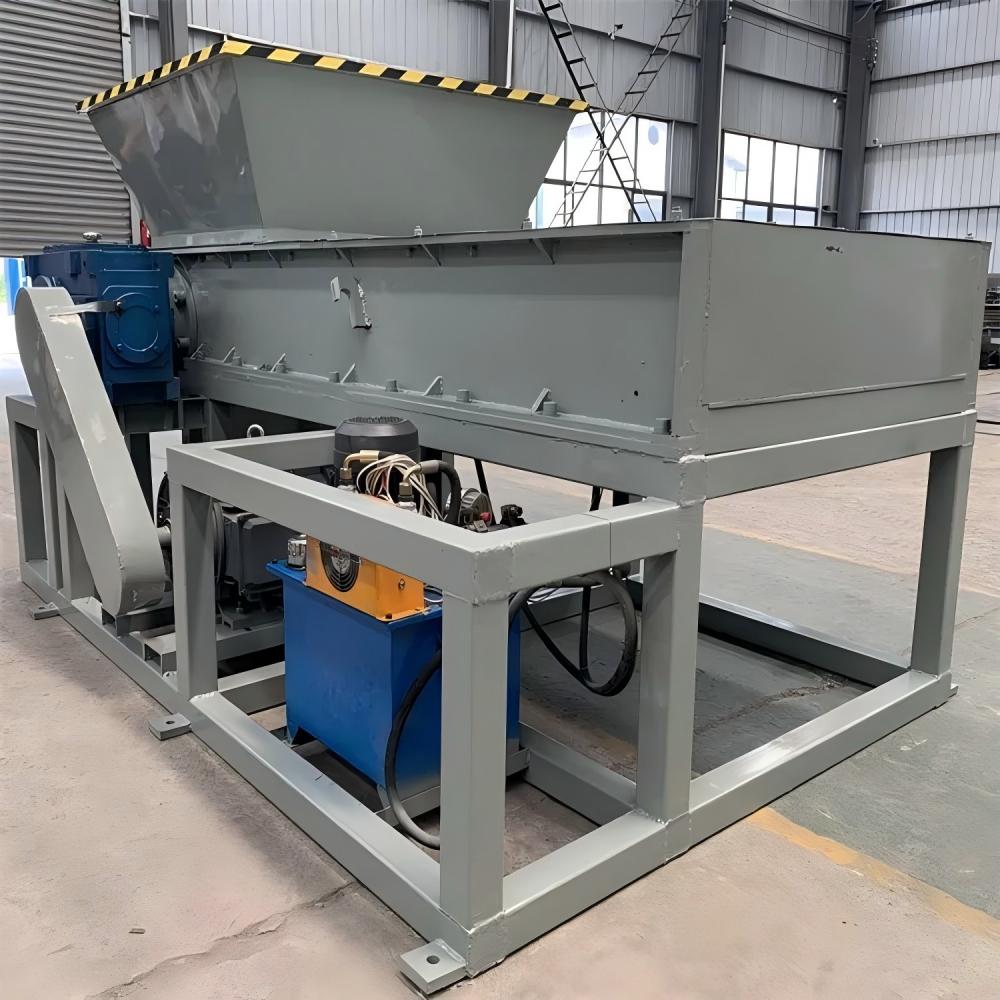
Case Study: Optimizing a Municipal Waste Facility
In a recent project, a municipal waste processing plant in a mid-sized city faced significant bottlenecks in their RDF production line. Their existing shredding equipment was prone to frequent jams caused by large plastic film bundles and occasional metal contaminants. This resulted in an average of 15% downtime per week, severely impacting their contractual obligations to the local power plant. The facility management decided to replace their legacy system with a HARSLE high-torque single-shaft shredder.
The implementation process began with a thorough analysis of the waste stream. HARSLE engineers recommended a specific blade configuration and a 50mm screen size to achieve the desired particle size for the RDF boiler. Upon installation, the facility saw an immediate improvement in throughput. The intelligent reverse-cycle feature of the HARSLE shredder successfully managed the occasional non-shreddable contaminants without requiring manual intervention, reducing downtime by over 80%.
Beyond throughput, the quality of the output material improved significantly. The uniform size of the shredded waste allowed for better combustion efficiency in the boiler, leading to a 10% increase in energy recovery. Furthermore, the reduced noise levels of the HARSLE unit improved the working environment for the plant staff, meeting local noise pollution regulations that the previous equipment had struggled to comply with. This case study demonstrates that investing in high-quality industrial machinery is not just about replacing a machine; it is about optimizing the entire process flow.
The long-term results were equally impressive. After 18 months of continuous operation, the wear on the cutting blades was well within the expected parameters, thanks to the high-quality materials used in the HARSLE manufacturing process. The facility reported that the ease of maintenance allowed their internal team to perform routine inspections and blade rotations during scheduled shifts, eliminating the need for expensive external service calls. This project serves as a benchmark for how modern shredding technology can transform waste management operations.
Selection Advice for Industrial Buyers
Selecting the right single-shaft shredder requires a deep understanding of your specific waste stream. Before making a purchase, conduct a waste audit to determine the composition, moisture content, and volume of the material you intend to process. If your waste contains a high percentage of metals, you may need a shredder with a more robust rotor and specialized blade materials. Conversely, if you are processing primarily plastics or paper, a high-speed, high-throughput model may be more appropriate.
Consider the total cost of ownership, not just the initial purchase price. A cheaper machine may seem attractive, but if it requires frequent blade replacements or has high energy consumption, it will quickly become more expensive than a premium unit. Look for manufacturers like HARSLE that offer comprehensive support, spare parts availability, and clear maintenance documentation. A machine is only as good as the support behind it, especially in a 24/7 industrial environment.
Evaluate the integration capabilities of the shredder. Does it need to fit into an existing conveyor system? Does it require a specific feed hopper design to accommodate your loading equipment? HARSLE provides custom engineering services to ensure that our shredders integrate seamlessly into your existing facility layout. We work closely with your engineering team to design the feed and discharge systems, ensuring a smooth material flow that prevents bottlenecks.
Finally, prioritize safety and compliance. Ensure that the shredder meets all local and international safety standards, including CE certification. A machine that is safe for operators and compliant with environmental regulations will protect your business from legal liabilities and insurance issues. Always ask for references and case studies from similar facilities to verify the performance claims of the manufacturer. When you choose HARSLE, you are choosing a partner dedicated to the success of your waste processing operations.
FAQ: Common Questions About Single-Shaft Shredders
- What is the main difference between a single-shaft and a double-shaft shredder? A single-shaft shredder uses a rotor and a screen to produce a uniform particle size, making it ideal for RDF and recycling. A double-shaft shredder is typically used for primary shredding of bulky items where particle size is less critical.
- How often should the blades be sharpened or replaced? This depends on the abrasiveness of the waste. In a typical MSW application, blades should be inspected every 500-1000 operating hours. HARSLE blades are designed for multiple regrinds to extend their life.
- Can the shredder handle metal contaminants? Yes, HARSLE shredders are designed to handle occasional metal contaminants. However, for high-volume metal processing, we recommend a pre-sorting magnetic separator to protect the shredder and improve the quality of the final product.
- What is the typical power consumption? Power consumption varies based on the motor size and the material being shredded. Our intelligent control systems ensure that the motor only draws the power required for the current load, optimizing efficiency.
- Is training provided for operators? Yes, HARSLE provides comprehensive training for your staff, covering operation, daily maintenance, and safety protocols to ensure your team can manage the equipment effectively.
Conclusion
The implementation of a Single-Shaft Shredder for Municipal Solid Waste Pre-Processing: A Practical Case Study highlights the transformative power of the right industrial machinery. By focusing on durability, intelligent control, and precise engineering, HARSLE provides solutions that not only solve immediate waste processing challenges but also contribute to long-term operational efficiency and sustainability. As the demand for effective waste management continues to grow, the role of high-performance shredding equipment will only become more critical.
Whether you are upgrading an existing facility or designing a new waste-to-energy plant, the choice of shredder is a foundational decision. HARSLE is committed to supporting our clients with the technical expertise, high-quality equipment, and dedicated service required to succeed in the competitive waste management industry. We invite you to contact our engineering team to discuss your specific requirements and learn how our shredding solutions can optimize your municipal solid waste pre-processing operations.
Investing in HARSLE equipment means investing in reliability, performance, and the future of your facility. With our proven track record in metal fabrication and industrial machinery, we are uniquely positioned to help you navigate the complexities of modern waste processing. Let us help you turn your waste management challenges into opportunities for growth and efficiency.