What Causes Extrusion Press Ram Misalignment and How to Correct It: A Comprehensive Guide


Introduction
In the high-stakes world of metal fabrication, the precision of an aluminium extrusion press is paramount. The ram, which exerts the force required to push heated billets through a die, must maintain perfect axial alignment throughout its stroke. When this alignment is compromised, the consequences range from poor surface finish and dimensional inaccuracies to catastrophic mechanical failure. Understanding what causes extrusion press ram misalignment and how to correct it is essential for any facility manager or maintenance engineer looking to maximize uptime and product quality.
At HARSLE, we recognize that even a fraction of a millimeter of deviation can lead to significant production losses. Ram misalignment is often a silent killer of productivity, manifesting initially as subtle variations in wall thickness or profile geometry before escalating into severe component wear. This guide explores the mechanical, hydraulic, and operational factors that contribute to this issue and provides a structured approach to restoring your equipment to factory-standard performance.
The complexity of modern extrusion presses means that misalignment rarely has a single, isolated cause. Instead, it is frequently the result of cumulative wear, thermal expansion, or improper setup procedures. By examining the structural integrity of the press frame, the condition of the guide ways, and the synchronization of the hydraulic cylinders, operators can identify the root cause of the problem and implement effective corrective measures.
This article serves as a technical roadmap for identifying, diagnosing, and rectifying ram misalignment. Whether you are operating a heavy-duty industrial press or a specialized extrusion line, the principles of alignment remain consistent. We will delve into the technical nuances of press geometry, the importance of regular calibration, and the selection criteria for replacement components that ensure long-term stability.
Key Considerations for Extrusion Press Integrity
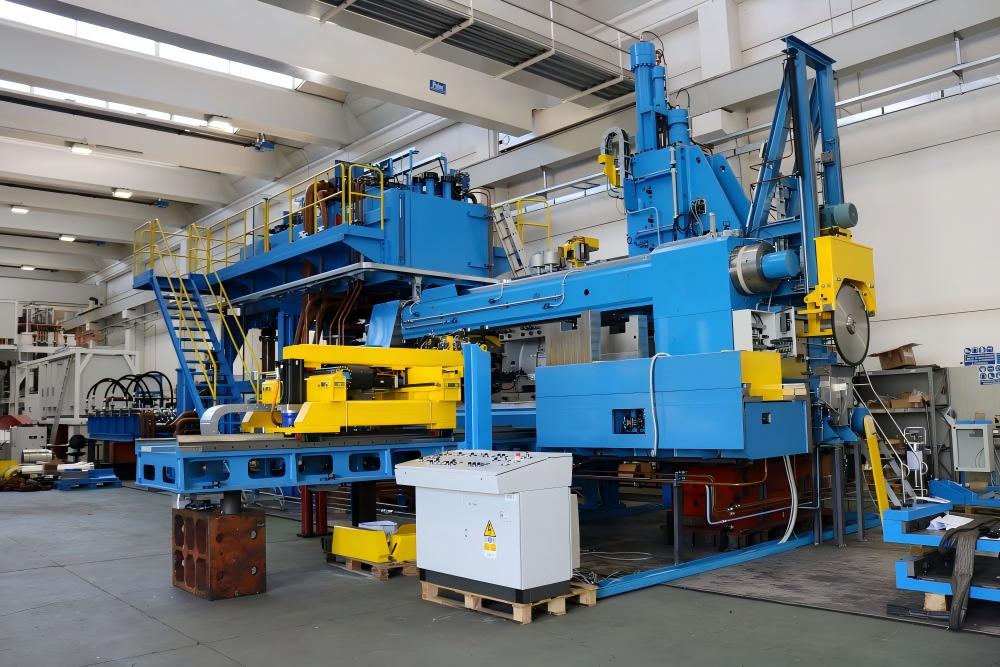
Before diving into specific causes, it is vital to understand the structural environment of the extrusion press. The press frame acts as the backbone of the entire operation. If the tie rods are not tensioned correctly, or if the main housing has suffered from fatigue, the ram will naturally deviate from its intended path. Regular structural audits are the first line of defense against misalignment.
Thermal management is another critical consideration. Aluminium extrusion involves extreme temperatures, and the press components are subject to significant thermal expansion. If the cooling systems are inadequate or if the press is operated outside of its designed temperature range, the differential expansion of the ram and the container can lead to binding or misalignment. Operators must ensure that the press reaches a stable thermal equilibrium before commencing high-precision production runs.
The lubrication system plays a dual role in both reducing friction and maintaining alignment. If the guide ways are not properly lubricated, the resulting friction can cause the ram to ‘stick-slip,’ leading to erratic movement and potential misalignment. Furthermore, contaminated lubricant can act as an abrasive, wearing down the guide surfaces and creating ‘slop’ that allows the ram to shift during the extrusion cycle.
Finally, consider the human element. Improper die setup or the use of off-center billets can exert uneven forces on the ram. Even the most robust press will eventually succumb to misalignment if the loading procedures are not strictly followed. Training operators to recognize the early warning signs—such as unusual vibration or inconsistent extrusion pressure—is just as important as the mechanical maintenance of the machine itself.
What Causes Extrusion Press Ram Misalignment and How to Correct It: Technical Details
The primary cause of ram misalignment is often the degradation of the guide ways and wear pads. Over thousands of cycles, the constant contact between the moving ram and the stationary frame leads to material loss. When this wear is uneven, the ram loses its central axis. To correct this, maintenance teams must perform a precision measurement of the guide clearances. If the wear exceeds the manufacturer’s tolerances, the guide pads must be shimmed or replaced, and the guide ways may require re-grinding or laser cladding to restore the original geometry.
Hydraulic synchronization issues are another frequent culprit. In presses utilizing multiple cylinders, if the flow rate or pressure is not perfectly balanced between the cylinders, the ram will tilt. This is often caused by faulty proportional valves, air trapped in the hydraulic lines, or internal leakage in one of the cylinder seals. Correction involves a comprehensive hydraulic system flush, recalibration of the valve control software, and potentially rebuilding the hydraulic cylinders to ensure uniform force distribution.
Tie rod tensioning is a fundamental aspect of press alignment. If the tie rods are not tightened to the exact specifications, the press frame can ‘breathe’ or flex under load. This flexing causes the ram to lose its perpendicularity to the container. Using hydraulic tensioning tools, maintenance engineers should verify the torque on every tie rod. It is essential to follow a cross-pattern tightening sequence to ensure that the frame remains square and that the stress is distributed evenly across the entire structure.
The ram head itself can also become deformed or damaged. If the ram head is not perfectly flat or if it has been impacted by a hardened billet, it will exert uneven pressure on the die, causing the ram to deflect. Regular inspection of the ram face is necessary. If damage is detected, the ram head must be machined flat or replaced. Additionally, checking the alignment of the container holder is crucial, as any misalignment here will be transferred directly to the ram during the extrusion process.
Selection Advice for Maintenance and Replacement
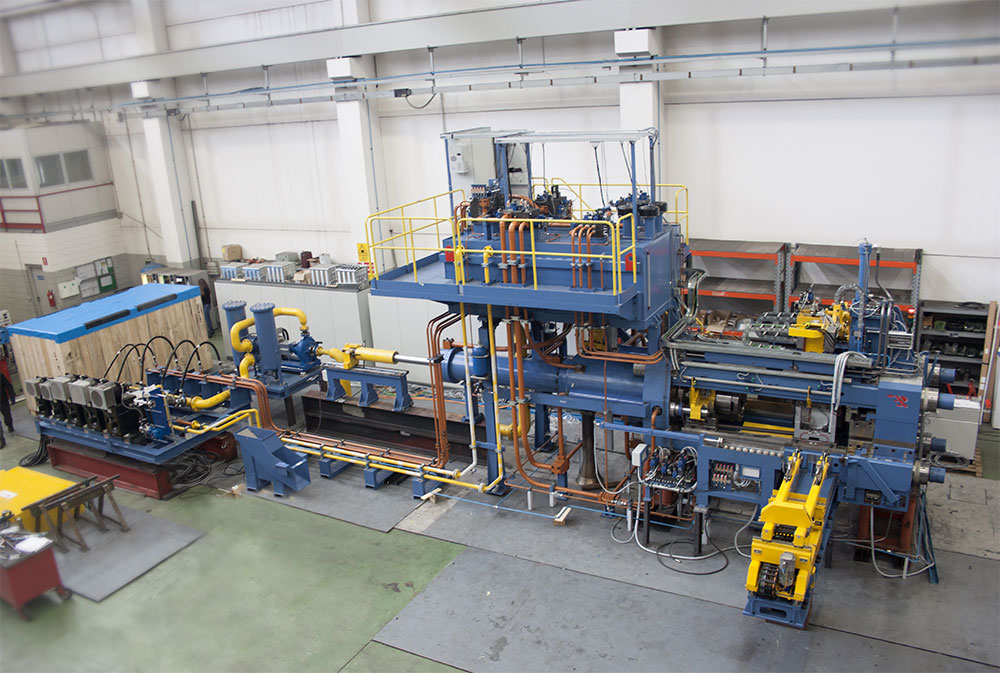
When selecting replacement parts for an aluminium extrusion press, quality should never be sacrificed for cost. The guide pads, seals, and hydraulic components are the components that maintain the alignment of your machine. Using ‘will-fit’ parts that do not meet the original equipment manufacturer (OEM) specifications is a common cause of recurring misalignment. Always source components from reputable suppliers who understand the specific stresses of metal fabrication equipment.
Consider the material composition of your wear components. Modern advancements in materials science have produced self-lubricating bronze alloys and high-strength polymer composites that offer superior wear resistance compared to traditional materials. Upgrading to these materials can significantly extend the interval between maintenance cycles and reduce the likelihood of the ram shifting due to guide wear.
When choosing diagnostic tools, invest in high-precision laser alignment systems. Traditional mechanical dial indicators are useful, but they can be cumbersome and prone to human error. Laser systems provide real-time, digital feedback on the ram’s position throughout its entire stroke, allowing for much more accurate adjustments. This technology is indispensable for facilities that prioritize high-tolerance extrusions.
Finally, establish a long-term partnership with a service provider or the original manufacturer. HARSLE provides comprehensive support, including remote diagnostics and on-site calibration services. Having a team of experts who are familiar with your specific press model can drastically reduce the time required to diagnose and correct misalignment issues, ensuring that your production line remains profitable and efficient.
FAQ
- How often should I check my extrusion press for ram misalignment?
We recommend a full alignment audit every 6 to 12 months, depending on the volume of production and the intensity of the extrusion cycles. - Can I fix ram misalignment without professional help?
Minor adjustments to guide pads can often be performed by in-house maintenance teams, but major structural realignments should be handled by certified technicians to avoid damaging the press frame. - What are the signs that my ram is misaligned?
Common signs include uneven wall thickness in the extruded profile, increased vibration, unusual noises during the stroke, and premature wear on the die or container. - Does the type of aluminium alloy affect ram alignment?
Yes, harder alloys require higher extrusion pressures, which place more stress on the press frame and can accelerate the wear that leads to misalignment. - What is the most common cause of sudden ram misalignment?
A sudden misalignment is usually caused by a mechanical failure, such as a broken tie rod or a catastrophic seal failure in one of the hydraulic cylinders.
Wniosek
Maintaining the alignment of your extrusion press ram is not merely a maintenance task; it is a strategic necessity for any metal fabrication business. By understanding what causes extrusion press ram misalignment and how to correct it, you can prevent costly downtime, reduce scrap rates, and extend the lifespan of your industrial machinery. Whether through regular structural audits, precise hydraulic calibration, or the use of high-quality replacement parts, proactive management of your press’s geometry will pay dividends in product quality and operational efficiency.
At HARSLE, we are committed to providing the tools and knowledge necessary to keep your aluminium extrusion press performing at its peak. Remember that the health of your machine is directly linked to the quality of your output. By staying vigilant and addressing alignment issues as soon as they are detected, you ensure that your facility remains at the forefront of the metal fabrication industry. For further technical support or to explore our range of high-precision extrusion equipment, contact our expert team today.