Vertical Baler Cost Guide for Recycling Businesses: Features That Save Money

Price Range Overview: Understanding the Investment
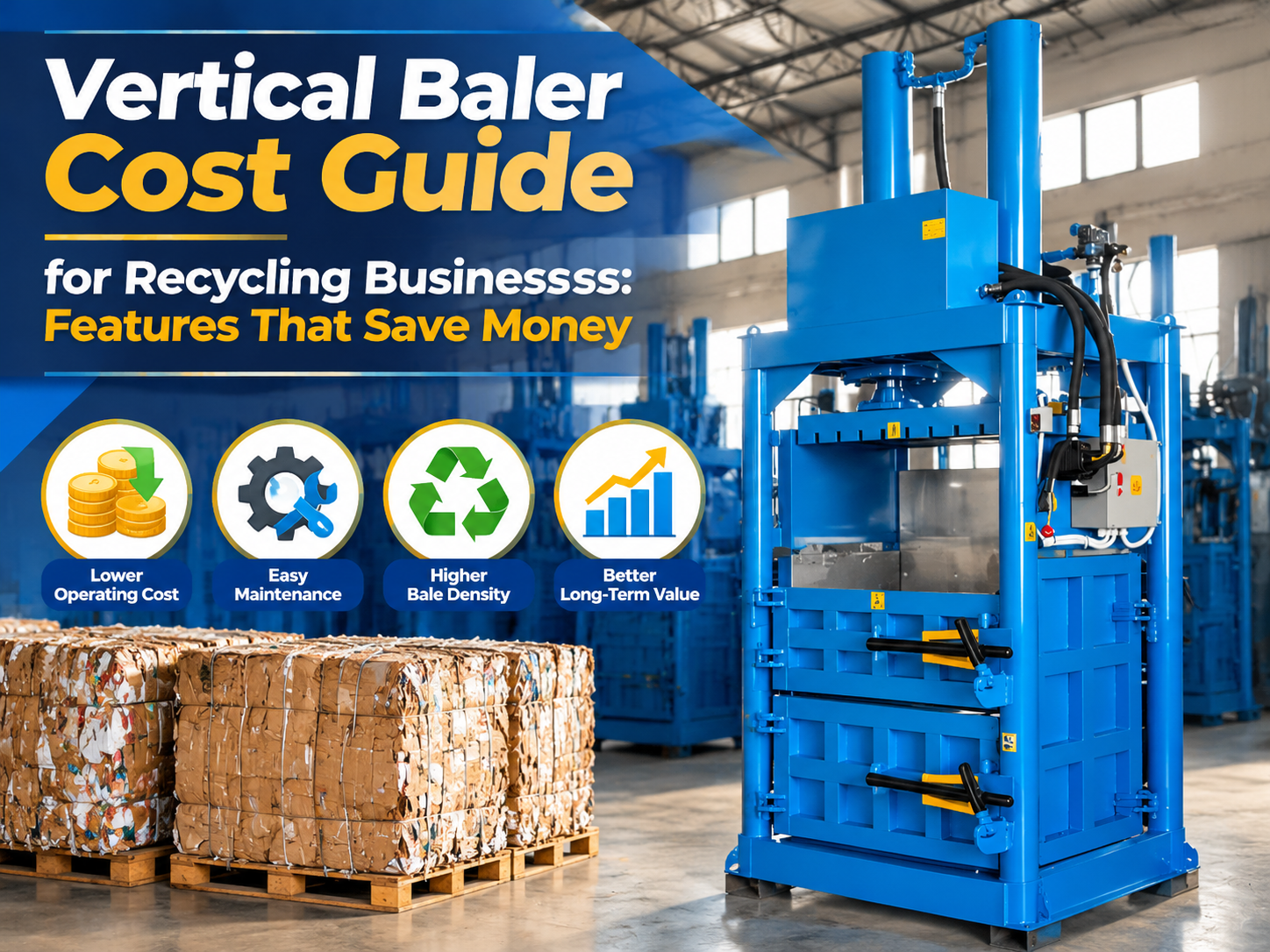
For recycling businesses, the decision to invest in a vertical baler is a pivotal step toward operational efficiency. When researching the Vertical Baler Cost Recycling Businesses: Features That Save Money, it is essential to understand that pricing is not a one-size-fits-all metric. Generally, entry-level vertical balers designed for small retail environments or low-volume cardboard processing can range from $5,000 to $10,000. These machines are typically manual or semi-automatic and serve businesses with limited space and moderate waste output.
Moving into the mid-range category, professional-grade vertical balers for medium-sized recycling facilities typically fall between $12,000 and $25,000. These units offer higher compaction forces, faster cycle times, and more robust structural integrity. They are designed to handle consistent daily throughput and are often equipped with safety features that meet stringent industrial standards, ensuring that the initial capital expenditure translates into long-term reliability.
At the high end of the spectrum, heavy-duty industrial vertical balers can cost upwards of $30,000 to $50,000+. These machines are engineered for high-volume operations, featuring automated bale ejection, programmable logic controllers (PLCs), and specialized hydraulic systems capable of processing dense materials like plastics, textiles, and non-ferrous metals. The investment here is justified by the significant reduction in labor hours and the increased market value of the high-density bales produced.
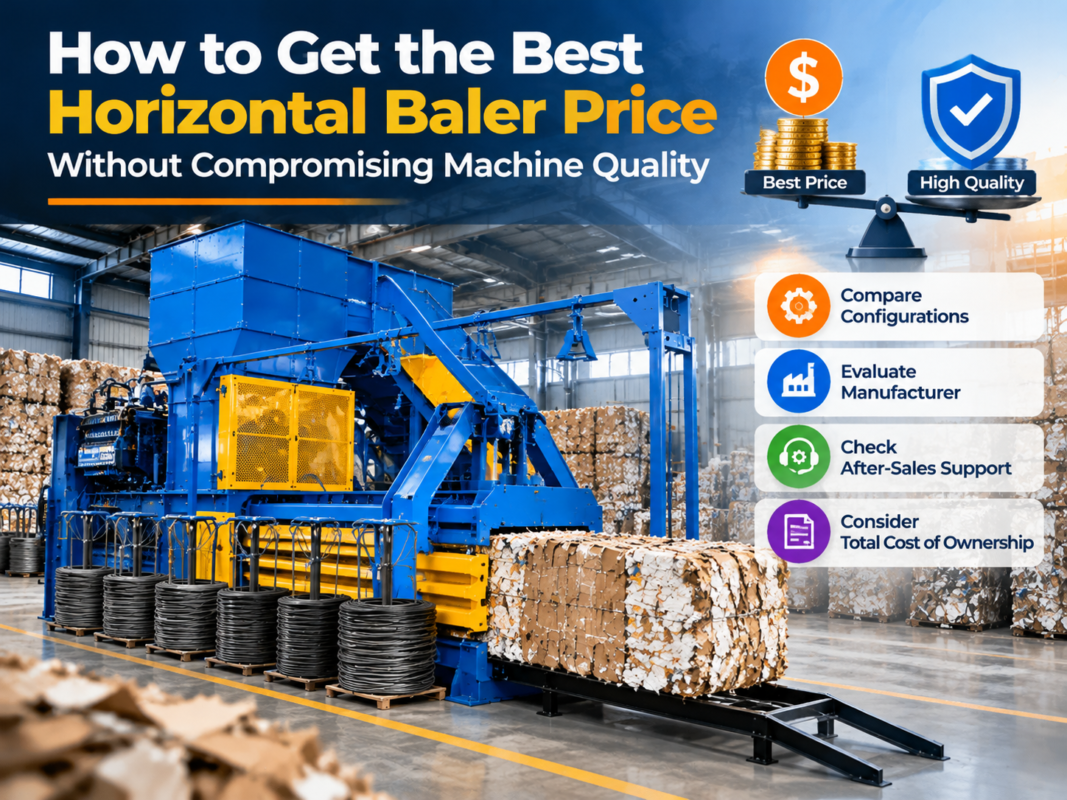
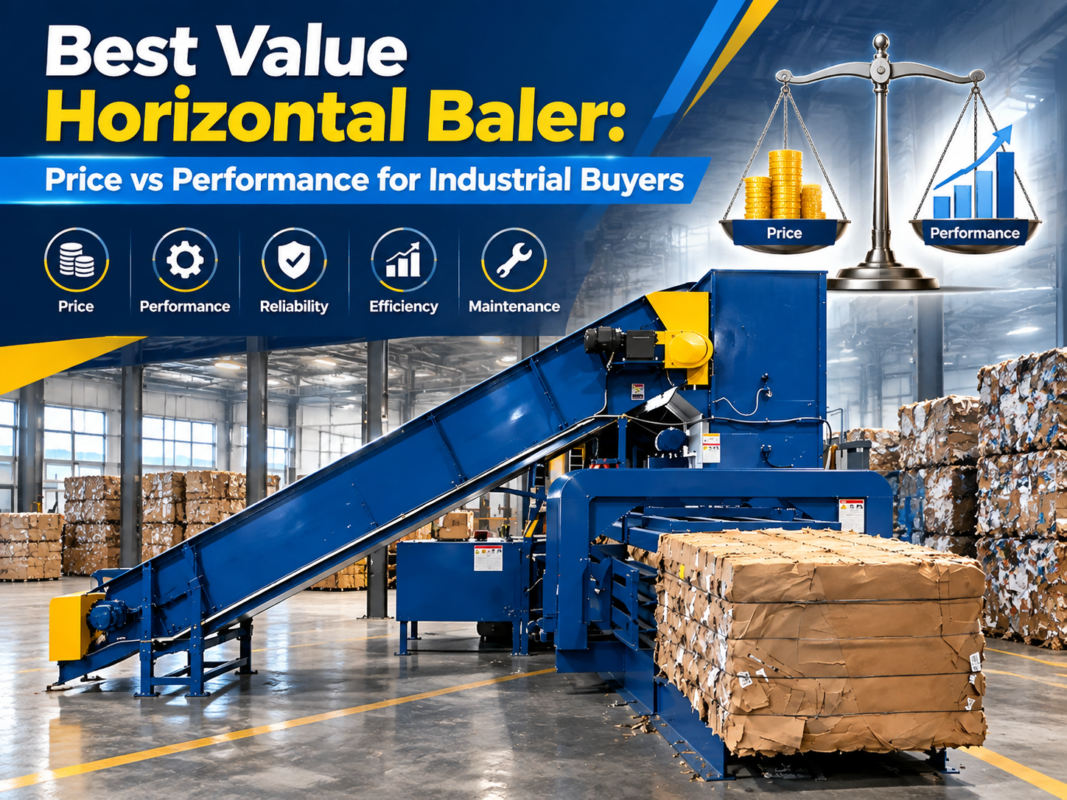
It is important to note that the “sticker price” is only the beginning of the financial conversation. When evaluating HARSLE vertical balers, businesses must consider the total cost of ownership, which includes installation, site preparation, and ongoing utility consumption. By focusing on the features that save money, businesses can often justify a higher upfront cost through lower operational expenses and increased revenue from recycled materials.
Main Cost Drivers: What Influences the Price Tag?
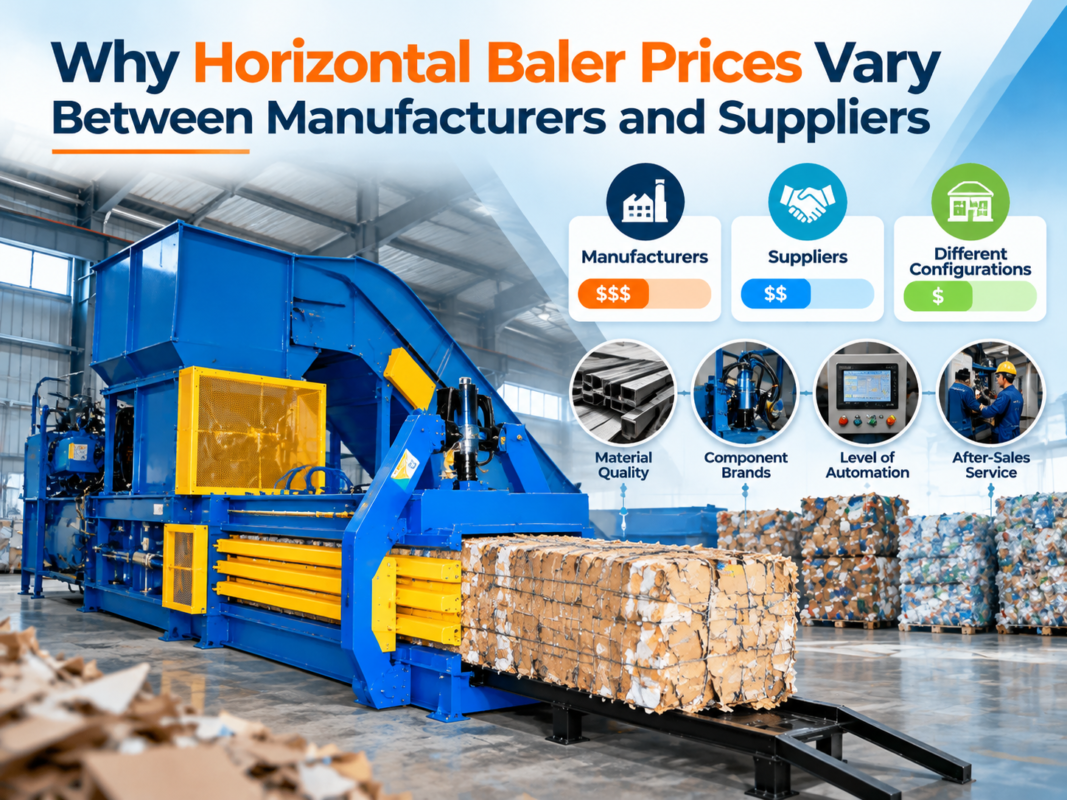
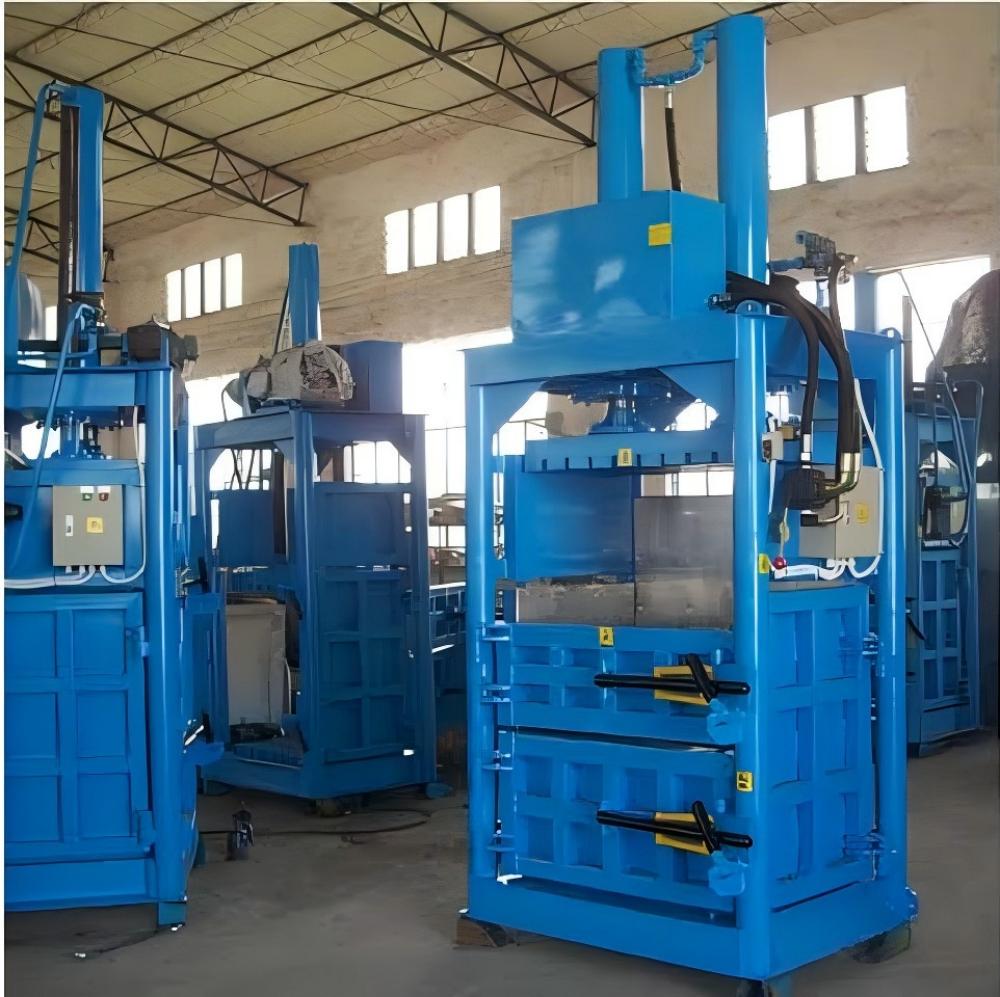
Several technical factors dictate the cost of a vertical baler. The primary driver is the compaction force, measured in tons. A machine with a higher compaction force requires a more powerful hydraulic pump, thicker steel plating, and a more robust frame to prevent structural fatigue. Consequently, as the tonnage requirement increases to handle tougher materials, the manufacturing cost and the final price tag rise accordingly.
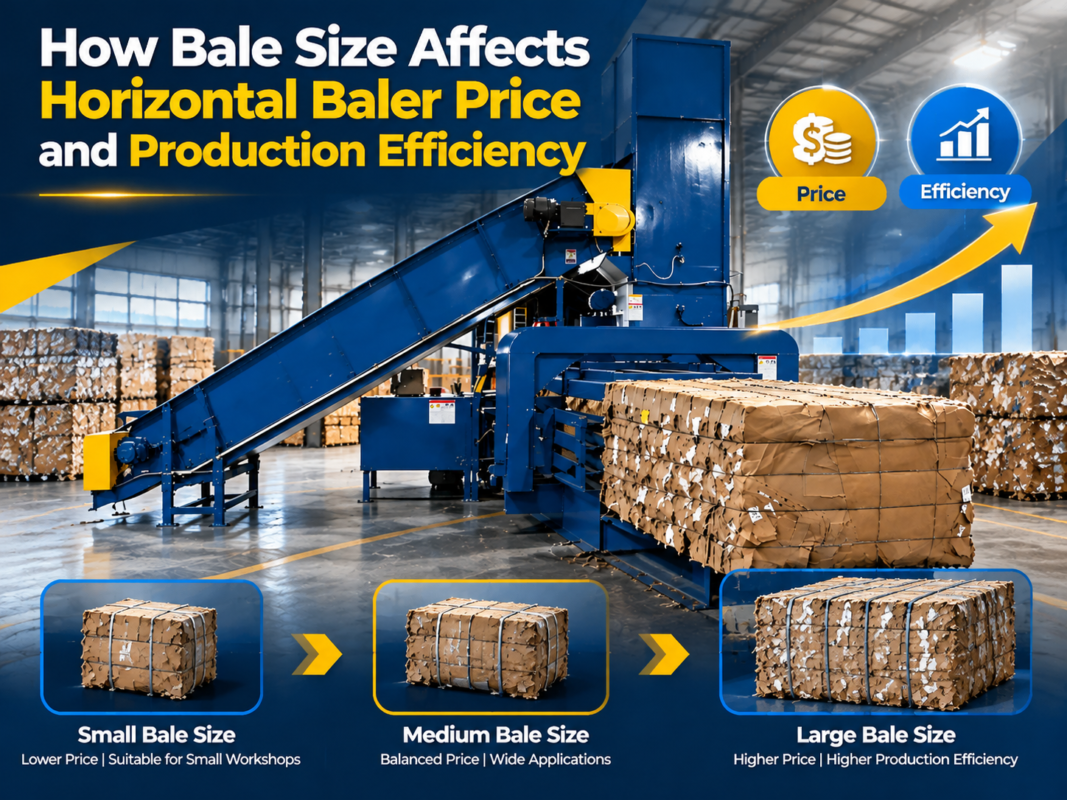
Another significant cost driver is the bale size and weight capacity. Larger chambers require more material and more complex engineering to ensure the door mechanisms and locking systems can withstand the intense pressure of a full bale. If your recycling business needs to produce bales that meet specific shipping dimensions for logistics optimization, you will likely need a custom-sized chamber, which adds to the engineering and fabrication costs.
The level of automation also plays a critical role. Basic models require manual operation for every stage of the cycle, which is labor-intensive. Advanced models feature automated bale ejection, automatic tie-off systems, and sensor-based cycle initiation. While these features increase the initial purchase price, they drastically reduce the time an operator spends at the machine, allowing them to focus on other value-added tasks within the facility.
Finally, the quality of components—such as hydraulic cylinders, electrical panels, and safety sensors—impacts the price. HARSLE prioritizes industrial-grade components that offer longevity. Cheaper alternatives might save money at the point of sale but often lead to frequent downtime and expensive repairs. Investing in high-quality components is a strategic move to ensure the machine remains a productive asset rather than a maintenance liability.
Configuration Impact: Features That Save Money
When analyzing the Vertical Baler Cost Recycling Businesses: Features That Save Money, it is vital to identify which configurations offer the best return. One of the most effective money-saving features is an automatic bale ejection system. Manual ejection is not only physically demanding for staff but also consumes significant time. An automated system allows for a quick, safe, and efficient transition between cycles, increasing the total number of bales produced per shift.
Energy-efficient hydraulic systems are another major cost-saver. Modern vertical balers from HARSLE utilize variable frequency drives (VFDs) or energy-saving hydraulic pumps that only draw power when the ram is in motion. In a facility running multiple shifts, this can lead to substantial savings on monthly electricity bills. Over the lifespan of a machine, these energy savings can offset a significant portion of the initial investment.
Consider the impact of a “bale full” indicator light or an automated notification system. These features prevent the machine from being overfilled, which can cause damage to the door hinges and locking mechanisms. By ensuring the machine is operated within its design parameters, you extend the life of the equipment and avoid costly emergency repairs. This is a classic example of how smart engineering features protect your capital investment.
Furthermore, look for machines with user-friendly control interfaces. A PLC-based control system allows for precise adjustments to cycle times and pressure settings based on the material being processed. Whether you are baling cardboard, PET plastic, or aluminum cans, the ability to optimize the machine’s performance for each material type ensures that you are getting the highest possible density, which in turn maximizes the revenue you receive from recycling centers.
Hidden Costs: Beyond the Purchase Price
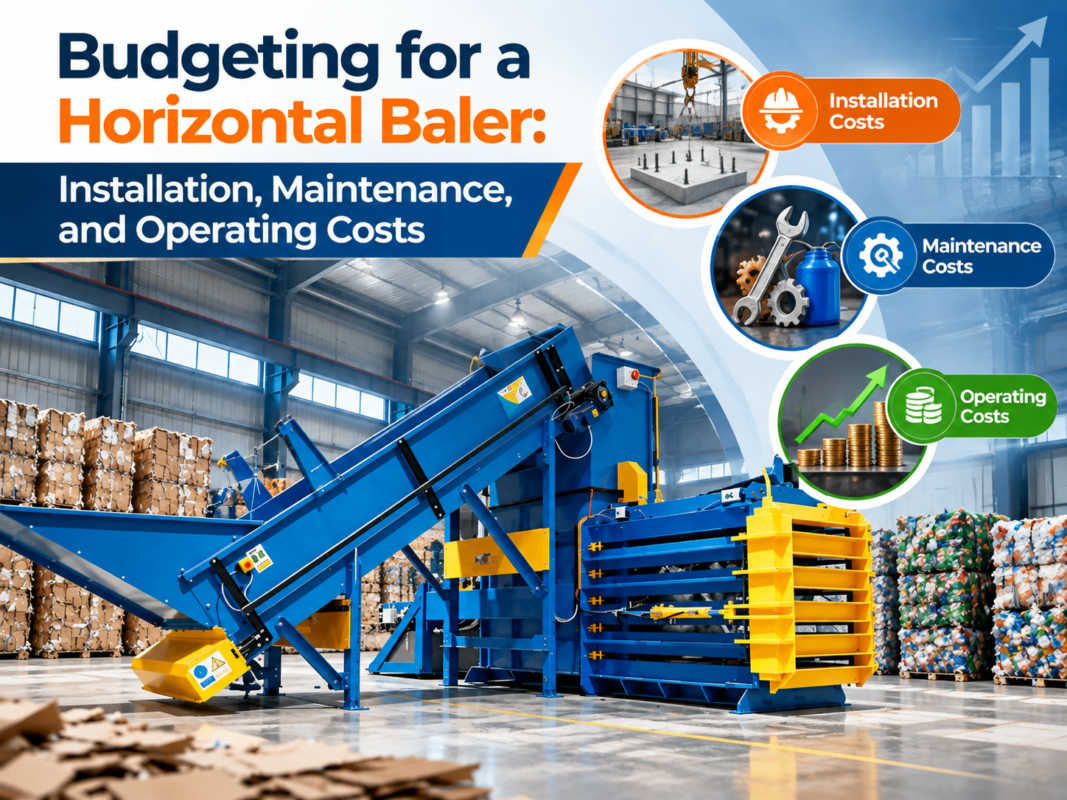
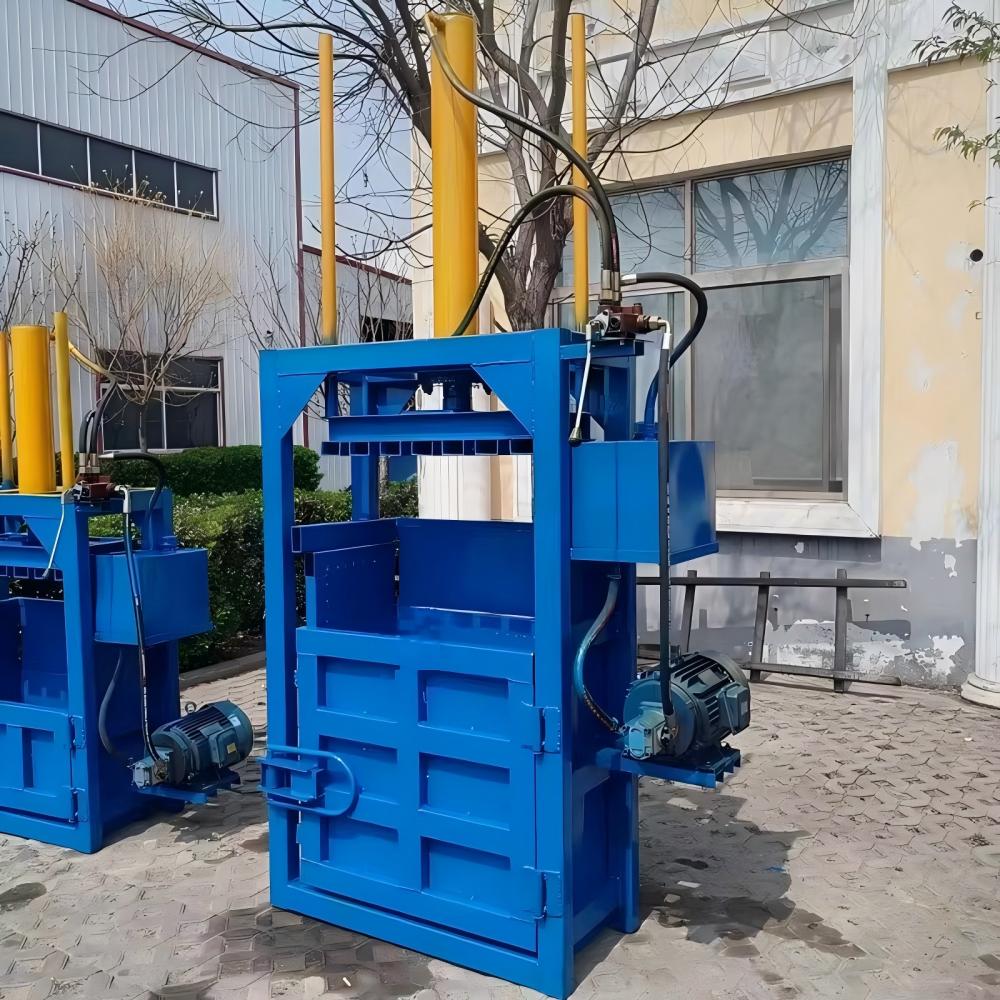
Many businesses fail to account for the hidden costs associated with vertical balers. Installation is the first hurdle; if your facility requires electrical upgrades or concrete floor reinforcement to support the weight and vibration of the baler, these costs must be factored into your budget. It is always recommended to consult with a HARSLE representative to understand the specific site requirements before finalizing your purchase.
Maintenance and consumables are ongoing expenses that are often overlooked. Hydraulic oil, filters, and baling wire or strapping are recurring costs. Choosing a machine that uses standard, easily sourced consumables can save you money in the long run. Additionally, regular preventative maintenance is non-negotiable. Neglecting the lubrication of moving parts or failing to inspect hydraulic hoses can lead to catastrophic failure, resulting in downtime that costs far more than a scheduled service visit.
Training costs should also be considered. While vertical balers are designed to be intuitive, proper training is essential for safety and efficiency. An untrained operator is more likely to cause damage to the machine or, worse, suffer an injury. Investing in comprehensive training programs for your staff ensures that the machine is used correctly, reducing the likelihood of accidents and equipment misuse.
Finally, consider the cost of disposal or relocation. If your business grows and you need to upgrade to a larger baler, the ability to resell your current machine is a factor. High-quality, well-maintained industrial machinery retains its value much better than low-end equipment. By keeping detailed maintenance records and choosing reputable brands like HARSLE, you ensure that your equipment remains a liquid asset that can be traded or sold when your business needs evolve.
ROI Calculation: Making the Business Case
To calculate the ROI of a vertical baler, you must first quantify the current costs of waste management. This includes dumpster rental fees, waste hauling charges, and the labor cost associated with breaking down boxes and managing loose waste. By switching to a vertical baler, you eliminate the need for frequent waste pickups, as baled material is much denser and easier to transport, often allowing you to sell the bales directly to recyclers.
The revenue side of the equation is equally important. Many recycling centers pay a premium for high-density, clean bales of cardboard or plastic. By producing a consistent, high-quality bale, your business can turn a waste stream into a revenue stream. Calculate the potential monthly income from bale sales and subtract the operational costs (electricity, wire, maintenance) to determine your net monthly gain.
The payback period is typically calculated by dividing the total investment cost by the monthly savings and revenue generated. For many businesses, a well-chosen vertical baler pays for itself within 18 to 36 months. When you consider that a high-quality HARSLE baler can last for over a decade with proper care, the long-term profitability becomes clear.
Don’t forget to factor in the “soft” ROI, such as improved facility cleanliness, reduced fire hazards, and increased floor space. A cluttered warehouse is a safety risk and an efficiency killer. By consolidating waste into compact bales, you reclaim valuable square footage that can be used for inventory or production, further enhancing the overall productivity of your business.
Buying Advice: Selecting the Right HARSLE Baler
When selecting a vertical baler, start by conducting a waste audit. Measure the volume and type of waste your facility generates daily. If you are primarily dealing with cardboard, a standard vertical baler will suffice. However, if you are processing mixed materials or high-density plastics, you may need a machine with higher compaction force and specialized features like cross-tying capabilities.
Space constraints are another critical factor. Measure your available floor space and ceiling height. Remember to account for the clearance needed to open the doors and for the operator to safely load the material. HARSLE offers various models with different footprints, and our team can assist in selecting a unit that fits your facility layout without compromising on performance.
Always prioritize safety. Ensure that the baler you choose complies with local and national safety regulations. Features like dual-hand controls, emergency stop buttons, and safety interlocks on the doors are non-negotiable. A safe machine is a reliable machine, and it protects your most valuable asset: your employees.
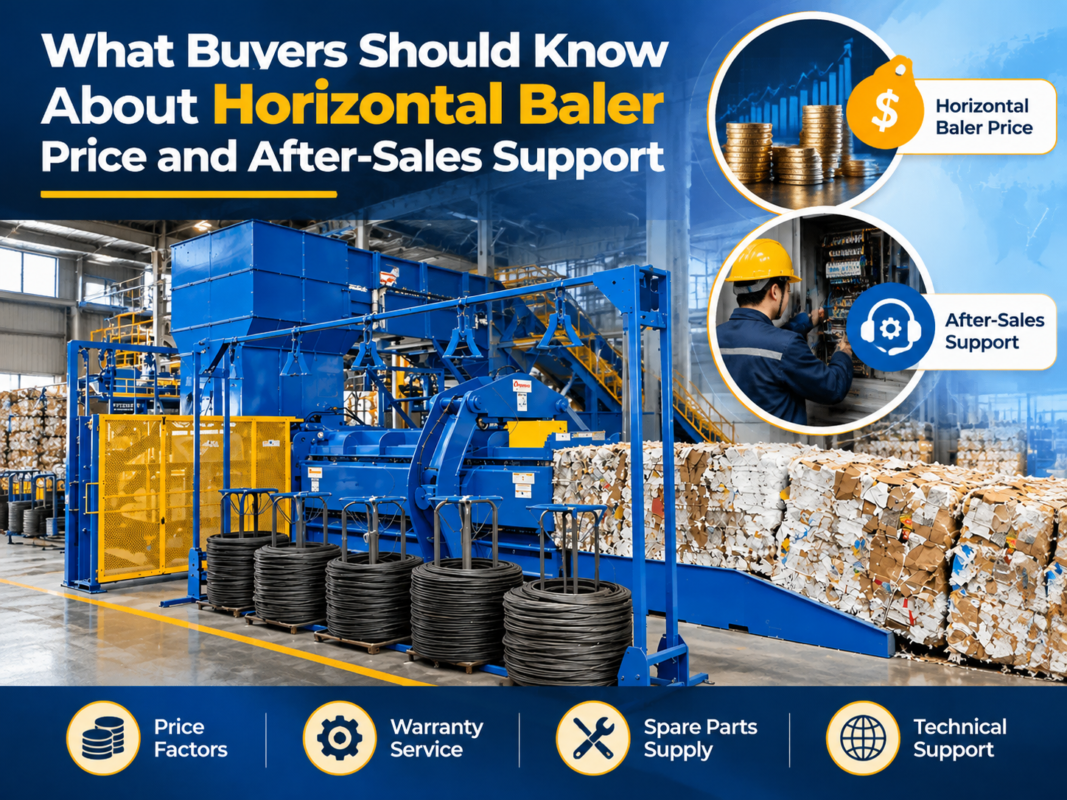
Finally, partner with a reputable manufacturer. HARSLE provides not just the machinery, but also the technical support, spare parts availability, and expertise to help you succeed. When you buy from a trusted source, you are buying peace of mind. Reach out to our sales team to discuss your specific requirements, and let us help you find the perfect vertical baler to streamline your recycling operations and boost your bottom line.
FAQ: Frequently Asked Questions
- How often does a vertical baler require maintenance? Generally, a professional inspection should be conducted every 6 to 12 months, depending on the volume of use. Daily checks of hydraulic levels and safety sensors are recommended.
- Can one baler handle different types of materials? Yes, most vertical balers are versatile, but you must ensure the pressure settings are adjusted correctly for each material to avoid damaging the machine.
- What is the average lifespan of a HARSLE vertical baler? With proper maintenance and regular service, our industrial balers are designed to provide 10 to 15 years of reliable service.
- Do I need special electrical requirements? Most industrial balers require a 3-phase power supply. It is essential to verify your facility’s electrical capacity before installation.
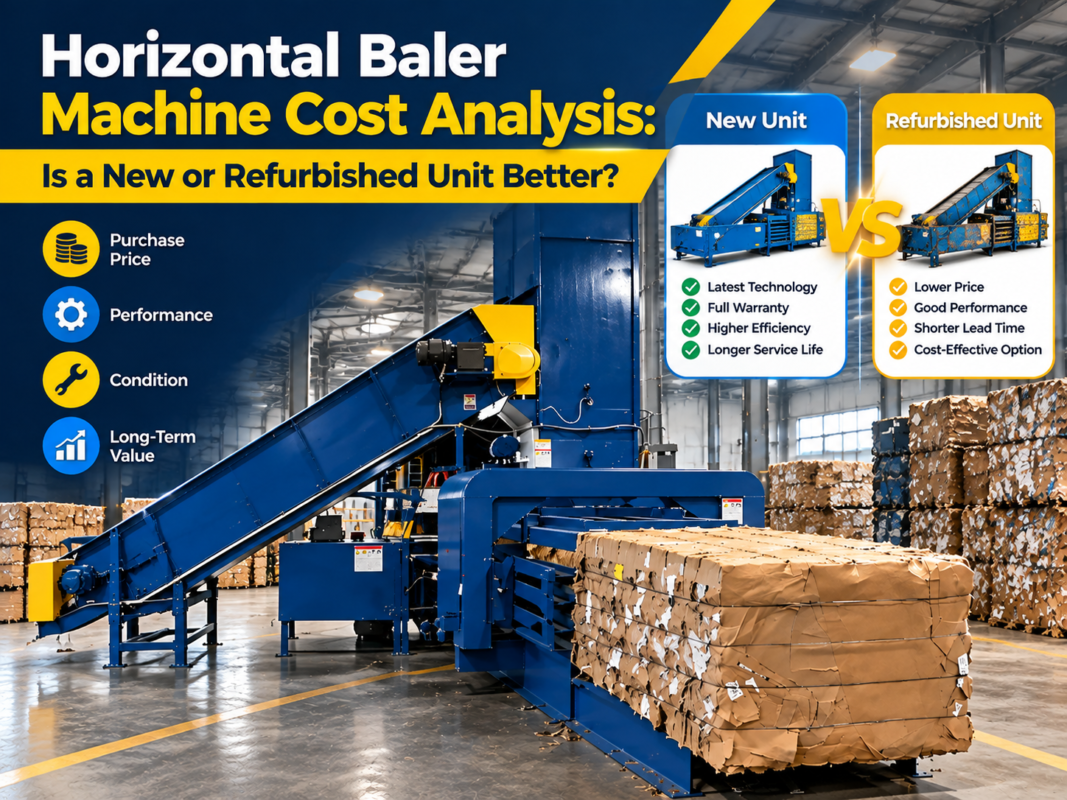
- Is it better to buy new or used? While used machines may have a lower upfront cost, they often come with hidden maintenance issues. A new HARSLE baler offers a warranty, the latest technology, and guaranteed performance.