How to Solve Uneven Cutting Performance in a Double-Shaft Shredder: A Comprehensive Guide


How to Solve Uneven Cutting Performance in a Double-Shaft Shredder
In the world of industrial waste management and metal fabrication, the double-shaft shredder stands as a cornerstone of efficiency. However, even the most robust machinery can encounter operational hurdles. When you notice that your output size is inconsistent or the machine is struggling to process material uniformly, it is time to address the issue. Learning how to solve uneven cutting performance in a double-shaft shredder is essential for maintaining high throughput, reducing energy consumption, and extending the lifespan of your equipment. This guide explores the root causes of performance degradation and provides actionable solutions for operators and maintenance teams.
Key Considerations for Shredder Performance
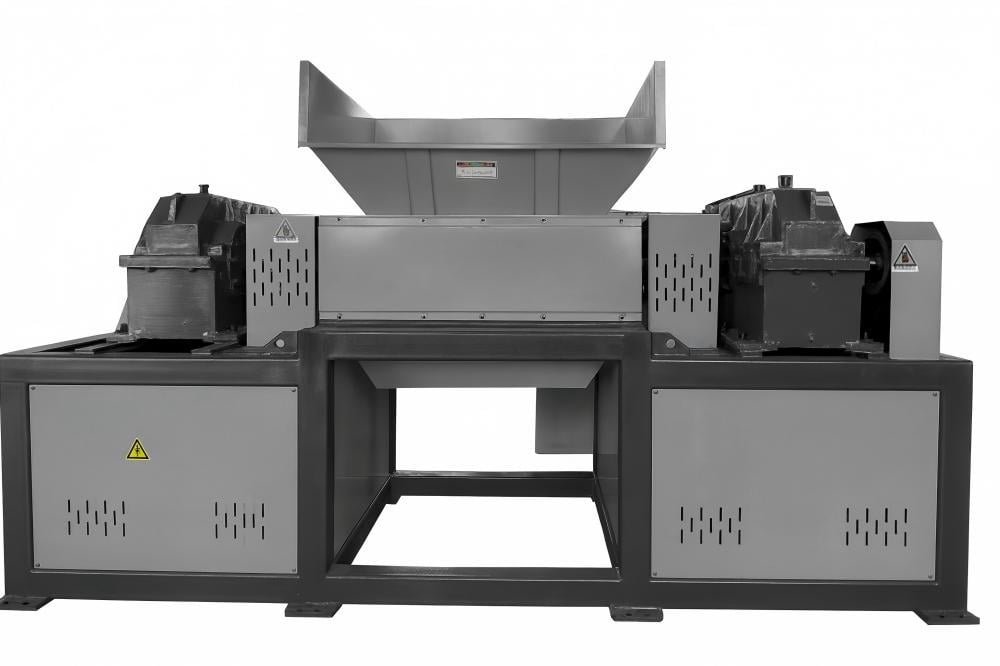
The primary reason for uneven cutting often stems from the interaction between the cutting blades and the material being fed into the chamber. A double-shaft shredder relies on the synchronized rotation of two shafts equipped with interlocking blades. If the material is not being gripped or sheared correctly, the shredding process becomes erratic. Operators must first evaluate the feed rate; overloading the hopper can lead to material bridging, which prevents the blades from engaging with the waste effectively. When material bridges, it creates “dead zones” where the blades spin without contact, followed by sudden, heavy impacts when the bridge collapses, leading to inconsistent particle sizes.
Another critical consideration is the material composition. Double-shaft shredders are versatile, but they are not universal. If you are attempting to process materials that exceed the hardness or thickness ratings of your specific model, the blades will deflect or dull prematurely. This deflection creates gaps between the cutting edges, leading to larger, un-shredded pieces passing through the system. Always verify that your input material matches the machine’s design specifications, including tensile strength and density limits.
Environmental factors also play a role in performance consistency. If the shredder is operating in a facility with extreme temperature fluctuations or high humidity, the lubrication of the drive system can be compromised. Proper maintenance of the gearboxes and bearings is vital, as any play or vibration in the shafts will manifest as uneven cutting. A stable, vibration-free machine is the first step toward achieving a uniform output size. Furthermore, ensure that the electrical supply is stable; voltage drops can cause the motor to lose torque, leading to inconsistent shaft speeds.
Finally, consider the role of the control system. Modern shredders, such as those provided by HARSLE, utilize advanced PLC systems to monitor motor load. If the system is not calibrated correctly, it may not trigger the auto-reverse function when a jam occurs, leading to localized wear on specific sections of the blades. Ensuring that your software settings are optimized for the specific density of your material is a key step in troubleshooting performance issues.
Technical Details: Diagnosing Blade Wear and Alignment
The heart of the double-shaft shredder is its cutting assembly. When performance drops, the blades are usually the first point of inspection. Over time, the edges of the blades become rounded due to friction and impact. A dull blade does not cut; it tears. This tearing action results in jagged, uneven output and significantly increases the power consumption of the motor. Regular sharpening or replacement of the blade segments is non-negotiable for consistent performance. In many cases, operators can perform a “re-profiling” of the teeth to restore the original bite angle.
Blade alignment is equally important. The interlocking teeth must maintain a precise clearance to ensure a clean shear. If the shafts have developed axial play due to worn-out bearings, the blades may shift, causing them to rub against each other or create gaps where material can slip through. Checking the shaft clearance using feeler gauges during scheduled maintenance intervals will help you identify if the mechanical assembly needs tightening or if the spacers need to be replaced. If the clearance exceeds the manufacturer’s recommended tolerance, the shredder will effectively act as a crusher rather than a shearer, resulting in poor output quality.
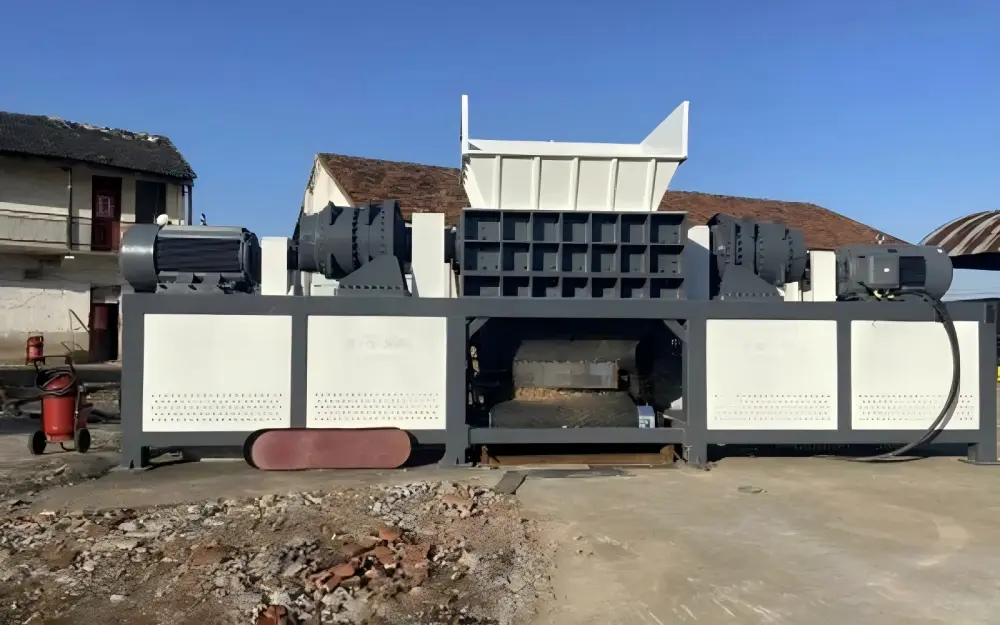
The spacer configuration also dictates the final particle size. If you are experiencing uneven output, verify that the spacers are correctly positioned between the blades. If a spacer has cracked or shifted, the blades may become misaligned, leading to irregular shredding patterns. Always consult the HARSLE technical manual for the specific spacer arrangement required for your desired output size. Additionally, inspect the shaft keys and splines; if these have worn down, the blades may experience “rotational lag,” where one blade is slightly out of phase with its counterpart, destroying the shearing action.
Furthermore, the drive mechanism—specifically the chain or gear drive—must be inspected for tension. If one shaft is rotating slightly slower than the other due to a loose chain or a slipping clutch, the synchronization is lost. This lack of synchronization prevents the blades from interlocking properly, which is a common cause of uneven cutting. Ensure that the drive system is properly tensioned and that all lubrication points are serviced according to the manufacturer’s schedule. A lack of lubrication in the gearbox can lead to micro-vibrations that propagate through the shafts, causing the blades to chatter against the material.
Selection Advice for Optimal Shredding
When selecting a double-shaft shredder, the most common mistake is underestimating the required torque. If your application involves heavy-duty metal scrap or thick plastic blocks, a low-torque machine will struggle to maintain a constant speed under load. This fluctuation in speed is a primary driver of uneven cutting. Always opt for a machine with a high-torque, low-speed motor configuration to ensure consistent processing power. High-torque systems are more forgiving of material density variations, ensuring that the blades continue to rotate even when encountering tough, non-uniform waste.
Consider the blade material and geometry. Different materials require different blade hardness levels and tooth profiles. For example, shredding e-waste requires a different blade configuration than shredding bulky metal drums. HARSLE offers customized blade profiles that are engineered to grip and shear specific material types. Investing in the right blade geometry from the start will save you significant time and money on troubleshooting performance issues later. For instance, hook-shaped blades are excellent for grabbing bulky items, while flat-edged blades are better for precision shearing of thin sheets.
The hopper design should also be evaluated based on your feeding method. If you are using a conveyor belt or a forklift to feed the shredder, the hopper must be designed to prevent material bridging. A well-designed hopper ensures a steady, gravity-fed flow of material into the cutting chamber, which is essential for maintaining a consistent load on the shafts. If the material is fed in surges, the shredder will experience uneven cutting performance. Consider installing a hydraulic ram or a pusher device if you are processing low-density materials that tend to float on top of the blades.
Lastly, prioritize machines that offer easy access for maintenance. A shredder that is difficult to clean or inspect will inevitably suffer from neglect. Look for features like hydraulic opening mechanisms for the cutting chamber or modular blade designs that allow for quick replacement. When maintenance is easy to perform, it is more likely to be done, which is the best way to prevent uneven cutting before it starts. Always keep a spare set of blades and spacers on hand to minimize downtime during critical repairs.
Często zadawane pytania (FAQ)
Why does my shredder produce different sized pieces?
Uneven output size is usually caused by dull blades, incorrect blade clearance, or worn-out spacers. Inspect the cutting chamber for any damaged teeth and ensure the shafts are properly synchronized. If the material is too soft, it may also be bending around the blades rather than being sheared.
How often should I sharpen the blades?
The frequency depends on the material being shredded. For abrasive materials like metal scrap, inspection should occur every 200-500 operating hours. Regular sharpening prevents the blades from becoming rounded and losing their cutting efficiency. If you notice a 15% increase in motor amperage, it is likely time to sharpen the blades.
Can I use the same blades for different materials?
While some blades are versatile, using the wrong blade profile for a specific material can lead to poor performance and premature wear. It is best to consult with HARSLE technical support to ensure your blade configuration matches your primary waste stream. Using hardened steel blades for soft plastics is overkill, while using standard steel for metal will result in rapid dulling.
What should I do if the shredder is vibrating excessively?
Excessive vibration is often a sign of bearing failure or an unbalanced shaft. Stop the machine immediately, inspect the bearings for play, and check if any blades have broken teeth that might be causing an imbalance. Also, check the mounting bolts of the shredder to ensure they haven’t loosened over time.
How does the PLC setting affect cutting performance?
The PLC controls the auto-reverse and torque limits. If the settings are too sensitive, the machine will reverse too often, preventing material from being fully shredded. If they are too loose, the machine may stall under heavy loads. Fine-tuning these parameters based on your material density is crucial for consistent performance.
Wniosek
Solving uneven cutting performance in a double-shaft shredder is a process of systematic inspection and maintenance. By focusing on blade integrity, shaft synchronization, and proper material feeding, you can ensure that your HARSLE machinery continues to deliver the high-quality output your operations demand. Remember that proactive maintenance is always more cost-effective than reactive repairs. Keep your blades sharp, your drive system tensioned, and your feed rates consistent to maximize the efficiency of your metal fabrication equipment. By following these technical guidelines, you can transform a struggling shredder into a high-performance asset that drives your business forward.