How to Prevent and Troubleshoot Material Rebound in a Double-Shaft Shredder: A Comprehensive Industrial Guide


Introduction to Material Rebound in Industrial Shredding
In the demanding world of metal fabrication and waste management, the double-shaft shredder stands as a cornerstone of efficiency. However, operators often encounter a frustrating phenomenon known as material rebound. When we discuss how to prevent and troubleshoot material rebound in a double-shaft shredder, we are addressing a critical operational challenge that can lead to decreased throughput, increased wear on components, and potential safety hazards. Rebound occurs when materials, particularly elastic or high-tensile metals, are ejected back out of the cutting chamber rather than being pulled through the blades.
Understanding the physics behind this issue is the first step toward operational excellence. A double-shaft shredder relies on the interlocking action of two counter-rotating shafts equipped with specialized blades. When the material’s structural integrity or shape causes it to resist the initial bite of the blades, the kinetic energy stored in the material can cause it to ‘bounce’ off the cutting teeth. This not only halts the production line but also places undue stress on the drive motors and gearboxes.
At HARSLE, we emphasize that preventing this issue requires a holistic approach, combining proper material preparation, machine configuration, and routine maintenance. By mastering the techniques to prevent and troubleshoot material rebound in a double-shaft shredder, facility managers can significantly extend the lifespan of their equipment while maintaining a consistent output of high-quality shredded material. This guide serves as your definitive resource for optimizing your shredding operations.
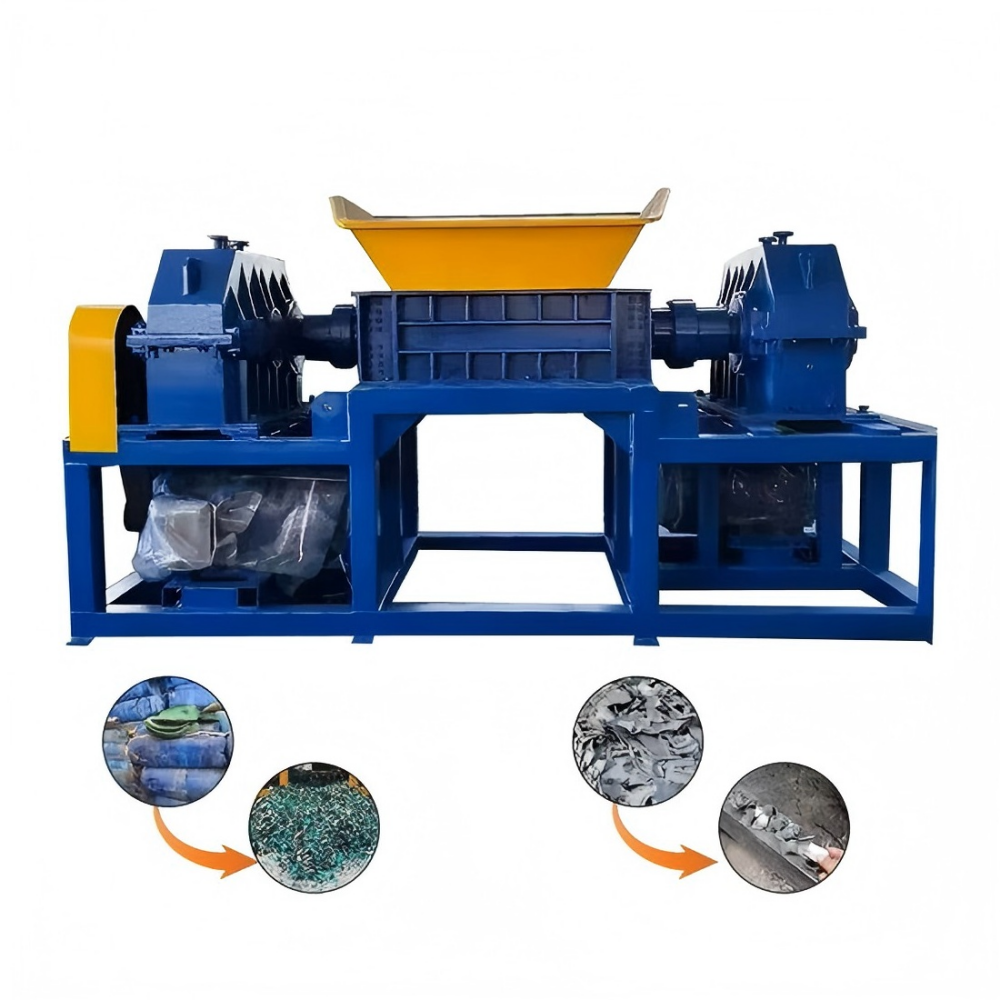
Key Considerations for Shredder Stability
The primary factor in managing rebound is the interaction between the material’s physical properties and the shredder’s design. Not all scrap is created equal; high-tensile steel, for instance, behaves very differently under pressure than thin-gauge aluminum. When evaluating how to prevent and troubleshoot material rebound in a double-shaft shredder, operators must first analyze the feed material. If the material is too bulky or rigid, the blades may struggle to gain a purchase, leading to the rebound effect.
Another key consideration is the feed rate. Overloading the shredder is a common mistake that leads to material accumulation at the top of the cutting chamber. When the chamber is packed too tightly, the material has nowhere to go but up, resulting in frequent ejections. Maintaining a steady, controlled feed rate ensures that the blades have sufficient space to engage with the material, pull it into the cutting zone, and process it efficiently without creating a backup.
The orientation of the material also plays a significant role. Long, linear pieces of metal, such as pipes or rebar, are notorious for causing rebound if fed incorrectly. These items can bridge across the shafts, preventing the blades from grabbing them effectively. By pre-cutting or orienting these materials before they enter the hopper, you can drastically reduce the likelihood of rebound. This proactive preparation is a hallmark of efficient metal fabrication equipment management.
Finally, consider the environmental factors within your facility. Vibrations caused by uneven floor surfaces or loose mounting bolts can exacerbate the rebound effect. A stable, level foundation is non-negotiable for high-torque industrial machinery. Regularly checking the structural integrity of the shredder frame and its mounting points ensures that the machine can absorb the forces generated during the shredding process without transferring excessive energy back into the material being processed.
Technical Details: Troubleshooting the Cutting Mechanism
When rebound occurs, the first technical area to investigate is the condition of the blades. Worn or dull blades lose their ability to ‘bite’ into the material. Instead of slicing or tearing, they push against the material, which increases the chance of the material being ejected. Troubleshooting involves a thorough inspection of the blade hooks and teeth. If the edges are rounded or chipped, they must be sharpened or replaced immediately to restore the shredder’s cutting efficiency.
The gap between the shafts and the clearance between the blades and the spacer are also critical technical parameters. If these clearances are too wide, the material can slip through the gaps without being properly shredded, leading to jamming or rebound. Adjusting these clearances according to the manufacturer’s specifications is a vital step in how to prevent and troubleshoot material rebound in a double-shaft shredder. This requires precision measurement and, in some cases, the use of shims to ensure the blades are perfectly aligned.
The hydraulic or electric drive system must also be monitored. If the motor is struggling to maintain torque, the shafts may slow down or stall upon contact with tough material. This loss of momentum is a major contributor to rebound. Ensure that your power supply is stable and that the drive system is receiving the correct voltage or hydraulic pressure. Modern HARSLE shredders are equipped with intelligent control systems that monitor torque and can automatically reverse the shafts if a jam is detected, which is a key feature in preventing rebound-related damage.
Furthermore, the software settings within the PLC (Programmable Logic Controller) can be optimized to handle different material types. By adjusting the ‘reverse time’ and ‘reverse duration’ settings, you can create a more responsive machine that clears blockages before they escalate into full-blown rebound events. These technical adjustments allow the machine to ‘nudge’ the material into a better position, ensuring that the shredding process remains continuous and efficient.
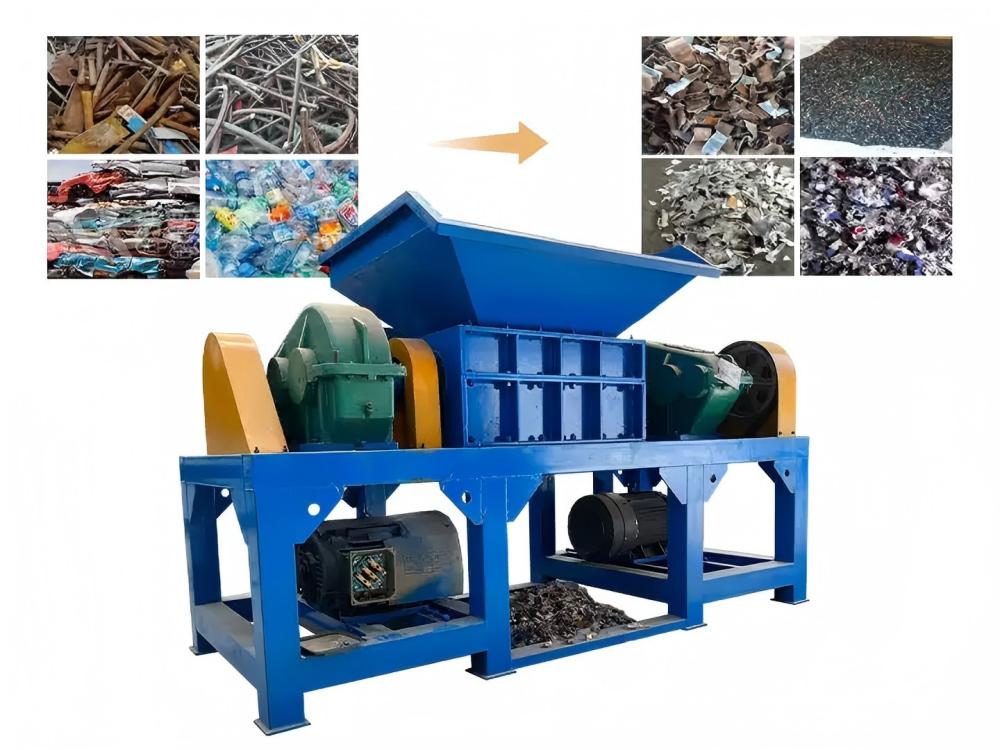
Selection Advice: Choosing the Right Equipment
Selecting the right double-shaft shredder is the most effective way to prevent rebound before it even starts. When browsing metal fabrication equipment, look for machines that offer customizable blade configurations. Different materials require different hook profiles; for example, a shredder designed for electronic waste will have a different blade geometry than one designed for heavy-duty scrap metal. Choosing a machine tailored to your specific waste stream is the best investment you can make.
Consider the torque-to-speed ratio. High-torque, low-speed shredders are generally superior for preventing rebound because they provide the raw force necessary to process tough materials without the high-velocity impacts that cause material to bounce. While high-speed shredders have their place, they are often more prone to rebound when dealing with dense, metallic objects. HARSLE’s range of shredders is engineered to balance these factors, providing the torque needed for heavy-duty applications.
Look for features like an integrated hopper design that includes anti-rebound flaps or curtains. These physical barriers are simple yet highly effective at containing material within the cutting chamber. When selecting a machine, ask the manufacturer about the safety features included in the hopper design. A well-designed hopper acts as the first line of defense, keeping the operator safe and the workspace clean by preventing debris from flying out.
Finally, evaluate the after-sales support and availability of spare parts. Even the best-maintained machines will eventually require blade replacements or gearbox servicing. Choosing a reputable supplier like HARSLE ensures that you have access to genuine parts and expert technical advice. When you know how to prevent and troubleshoot material rebound in a double-shaft shredder, you also know that having a reliable partner for maintenance is just as important as the machine itself.
FAQ: Common Questions on Shredder Performance
Why does my shredder keep ejecting material?
Material ejection, or rebound, is usually caused by dull blades, incorrect feed rates, or material that is too large for the shredder’s intake. Check your blade sharpness and ensure you are not overfeeding the hopper.
How often should I inspect the blades?
We recommend a visual inspection every 40 hours of operation. For high-volume facilities, a weekly deep-clean and measurement of blade wear is standard practice to prevent and troubleshoot material rebound in a double-shaft shredder.
Can I shred any type of metal?
While double-shaft shredders are versatile, they are not designed for hardened tool steels or materials that exceed the machine’s rated torque capacity. Always consult the machine’s manual for material limitations.
What should I do if the machine stalls?
If the machine stalls, the automatic reverse function should trigger. If it does not, stop the machine, lock out the power, and manually clear the obstruction. Never attempt to clear a jam while the machine is powered on.
How do anti-rebound flaps work?
Anti-rebound flaps are heavy-duty rubber or steel curtains installed at the hopper entrance. They allow material to enter the shredder but prevent it from flying back out if it bounces off the blades.
Conclusion: Mastering Shredder Efficiency
Preventing and troubleshooting material rebound in a double-shaft shredder is an ongoing process that combines mechanical maintenance, operational discipline, and smart equipment selection. By understanding the root causes—whether they be dull blades, improper feed rates, or inadequate machine configuration—you can take control of your production environment. The goal is to create a seamless flow of material that maximizes output while minimizing downtime and wear.
As you implement these strategies, remember that consistency is key. Regular maintenance schedules, operator training, and the use of high-quality, genuine replacement parts will keep your HARSLE shredder performing at its peak. When you prioritize these elements, you are not just fixing a problem; you are optimizing your entire metal fabrication workflow for long-term success.
We hope this guide has provided you with the clarity needed to address rebound issues effectively. Whether you are a seasoned operator or new to industrial shredding, the principles outlined here will serve as a foundation for safer, more efficient operations. For further technical support or to explore our latest range of shredding solutions, reach out to the HARSLE team today. Together, we can ensure your machinery remains a reliable asset in your facility for years to come.