Double-Shaft Shredder Blade Replacement Problems and Installation Troubleshooting: A Comprehensive Guide


Introduction to Double-Shaft Shredder Maintenance
The double-shaft shredder is a cornerstone of modern recycling and waste management facilities, designed to handle everything from bulky scrap metal to complex industrial plastics. However, the efficiency of these machines relies heavily on the integrity of their cutting components. Understanding Double-Shaft Shredder Blade Replacement Problems and Installation Troubleshooting is essential for any facility manager or maintenance technician looking to minimize downtime and maximize throughput.
When blades wear down or suffer from impact damage, the shredder’s performance drops significantly. This leads to increased energy consumption, higher motor stress, and inconsistent output sizes. Replacing these blades is not merely a maintenance task; it is a precision engineering operation that requires strict adherence to technical specifications. Improper installation can lead to catastrophic machine failure, damaging the shafts, gearboxes, and even the main drive motor.
At HARSLE, we emphasize that proactive maintenance is the key to longevity. By identifying the early signs of blade degradation and mastering the installation process, operators can extend the lifespan of their equipment by thousands of hours. This guide serves as a technical manual for addressing the common hurdles encountered during the lifecycle of shredder blades, ensuring your operations remain safe and productive.
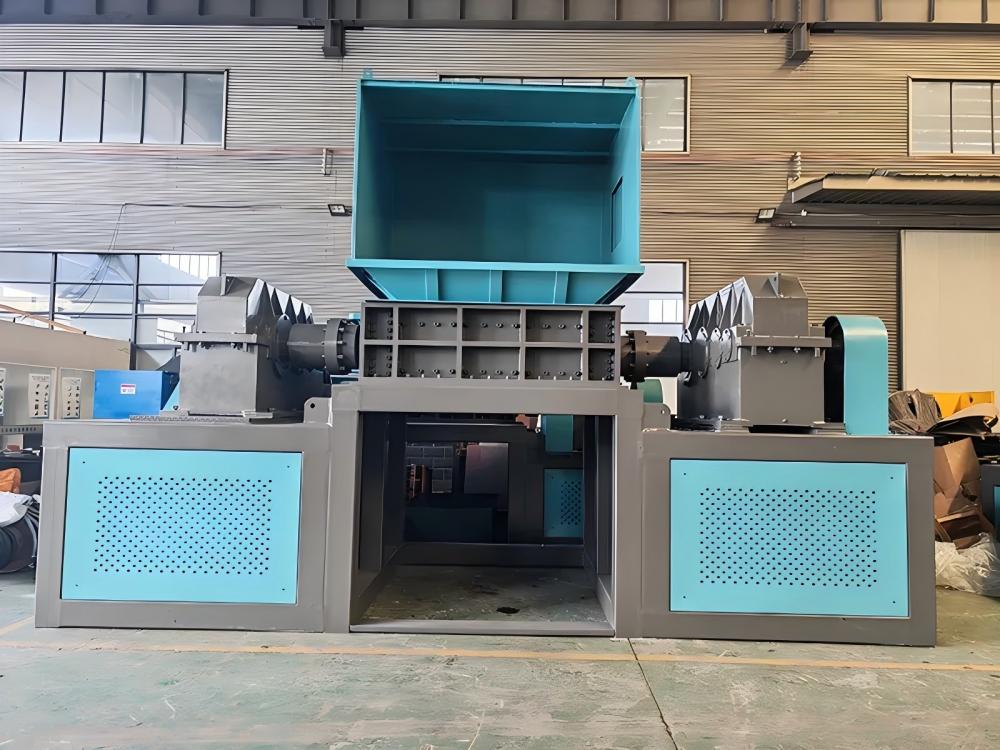
Key Considerations for Blade Replacement
Before initiating any replacement procedure, it is critical to perform a comprehensive safety assessment. Double-shaft shredders contain heavy, sharp components that pose significant risks. Always ensure the machine is locked out and tagged out (LOTO) according to industrial safety standards. Never attempt to replace blades while the hydraulic or electrical systems are energized, as accidental activation can result in severe injury.
Another key consideration is the material composition of the blades. Different shredding applications require specific steel alloys. For instance, shredding high-tensile steel requires blades with higher hardness and toughness compared to those used for wood or plastic. Using the wrong blade material will result in premature failure, regardless of how perfectly the installation is performed. Always consult the HARSLE technical manual to ensure the replacement blades match the original specifications or the intended application requirements.
Environmental factors also play a role in the replacement process. The workspace must be clean and free of debris to prevent contaminants from entering the shaft assembly during reassembly. Even a small piece of grit or metal shaving trapped between the blade and the spacer can cause misalignment, leading to uneven wear patterns and vibration. Maintaining a clean environment is a fundamental aspect of professional industrial maintenance.
Finally, document the wear patterns of the blades being removed. If the blades show uneven wear, it might indicate an issue with the shaft alignment or the feeding mechanism. Simply replacing the blades without investigating the root cause of the wear will lead to the same problem recurring in a short timeframe. Use the replacement process as an opportunity to inspect the entire cutting chamber for signs of fatigue or structural damage.
Technical Details: Addressing Replacement Problems
One of the most common Double-Shaft Shredder Blade Replacement Problems is the difficulty in removing seized or rusted blades. Over time, the constant pressure and exposure to moisture or corrosive materials can cause the blades to bond to the hexagonal or splined shafts. To address this, technicians should use high-quality penetrating oils and, if necessary, hydraulic pullers designed specifically for industrial shredder shafts. Avoid using excessive force with hammers, as this can damage the shaft’s precision tolerances.
Misalignment during installation is another frequent issue. The blades must be indexed correctly to ensure the cutting teeth overlap or intermesh as designed. If the blades are installed out of sequence, the shredder will fail to pull material into the cutting chamber, causing the machine to stall or reverse frequently. Always mark the position of each blade and spacer before removal to ensure they are returned to their exact original configuration.
The torque settings for the shaft locking nuts are critical. If the nuts are not tightened to the manufacturer’s specified torque, the blades may shift during operation. This shifting creates gaps that allow material to wrap around the shaft, leading to motor overload. Conversely, over-tightening can stress the threads of the shaft, making future maintenance nearly impossible. Always use a calibrated torque wrench and follow the specific tightening sequence provided in your machine’s service manual.
Furthermore, the condition of the spacers is often overlooked. Spacers maintain the necessary distance between blades to prevent them from colliding. If spacers are worn, deformed, or cracked, they must be replaced alongside the blades. Reusing damaged spacers is a common mistake that leads to blade-to-blade contact, which can shatter the hardened steel edges of the new blades within minutes of operation.
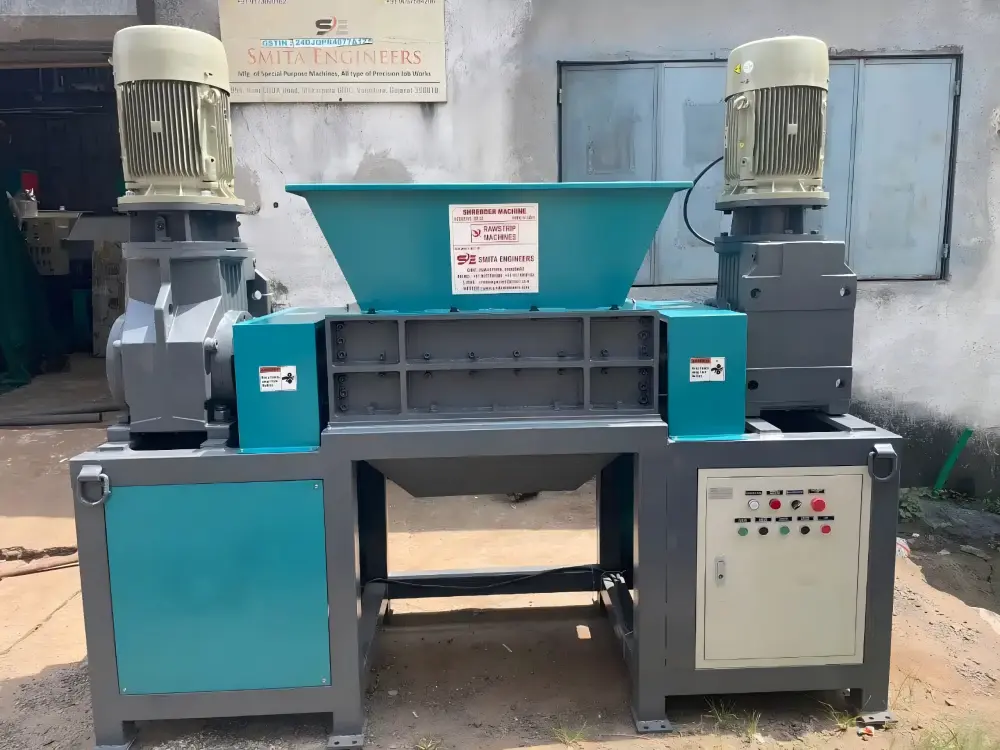
Installation Troubleshooting and Best Practices
When troubleshooting installation issues, the first step is to check for rotational clearance. After the blades are installed and the locking nuts are tightened, the shafts should be rotated manually. If there is any resistance or audible scraping, the installation is incorrect. This usually points to a spacer that is not seated correctly or a blade that has been installed backward. Never rely on the motor to “break in” the blades; this will only cause damage to the cutting edges.
Vibration is another indicator of installation problems. If the machine vibrates excessively upon startup, it is likely that the blade assembly is unbalanced. This can happen if blades of different weights are mixed or if the spacing is inconsistent. Ensure that all blades are of the same weight class and that the assembly is perfectly centered on the shaft. If vibration persists, check the shaft bearings for wear, as the stress of operating with dull blades may have compromised them.
Temperature monitoring during the first few hours of operation is a vital troubleshooting step. If the gearbox or the shaft bearings run hot, it suggests that the blades are creating too much friction or that the shaft alignment is putting undue pressure on the bearing housings. Use an infrared thermometer to monitor these components during the initial test run. If temperatures exceed the manufacturer’s recommended limits, shut down the machine immediately and re-verify the installation.
Finally, consider the feeding mechanism. Often, what appears to be a blade installation problem is actually a feeding issue. If the shredder is not pulling material, check the hopper and the pusher ram. If the pusher ram is not applying consistent pressure, the blades will not be able to engage the material effectively, leading to the perception that the blades are not cutting properly. Troubleshooting must be holistic, looking at the entire shredding system rather than just the blades themselves.
Selection Advice for Shredder Blades
Choosing the right blades is the first step in preventing future replacement problems. When selecting blades for your HARSLE shredder, consider the hardness (HRC) of the material. For general-purpose shredding, a medium-hardness blade offers a good balance between wear resistance and impact toughness. For high-abrasion applications, such as shredding tires or electronic waste, specialized wear-resistant alloys are necessary.
Consider the tooth profile as well. A single-hook blade is excellent for grabbing large, bulky items, while a multi-hook blade provides a finer output size. Mixing and matching blade profiles on the same shaft can sometimes improve throughput, but this should only be done under the guidance of a HARSLE engineer. Incorrect combinations can lead to uneven shaft loading and premature gearbox failure.
Always source your blades from reputable manufacturers. While aftermarket blades may seem cheaper, they often lack the metallurgical consistency of OEM parts. Poorly manufactured blades can have internal stress fractures that lead to sudden, catastrophic failure under load. Investing in high-quality, heat-treated blades is a cost-effective strategy that reduces the frequency of replacement and protects the rest of your machinery.
Keep a maintenance log for your blades. Record the date of installation, the type of material shredded, and the total operating hours. This data will help you predict when the blades will reach the end of their service life, allowing you to schedule maintenance during planned downtime rather than reacting to a sudden failure. This proactive approach is the hallmark of a well-managed industrial facility.
FAQ: Common Questions
- How often should I inspect my shredder blades?
Inspection should be part of your daily pre-start checklist. Look for chipped teeth, excessive rounding of the cutting edges, and any signs of material wrapping around the shafts. - Can I sharpen my shredder blades?
Yes, many blades can be sharpened, but only by a professional facility with the correct grinding equipment. Improper sharpening can remove too much material or ruin the heat treatment of the steel. - Why does my shredder stall frequently?
Stalling is often caused by dull blades, incorrect blade spacing, or an overloaded hopper. Check the blades for wear and ensure the material being fed is within the machine’s rated capacity. - What is the most common cause of blade breakage?
The most common cause is the introduction of non-shreddable materials, such as large pieces of hardened steel or concrete, into the cutting chamber. Always use a pre-sorting system to remove contaminants. - How do I know if my spacers need replacing?
If the spacers show signs of deformation, cracking, or if they no longer provide a tight fit between the blades, they must be replaced. Never reuse damaged spacers.
Wniosek
Mastering Double-Shaft Shredder Blade Replacement Problems and Installation Troubleshooting is a vital skill for maintaining the efficiency and safety of your metal fabrication equipment. By following the technical guidelines outlined in this article, you can ensure that your HARSLE shredder operates at peak performance, reducing downtime and extending the lifespan of your investment. Remember that precision, cleanliness, and adherence to manufacturer specifications are the three pillars of successful shredder maintenance. When in doubt, always consult your HARSLE service manual or contact our technical support team for guidance. Proper care today prevents costly repairs tomorrow.