Container Shear Price Guide for Metal Fabrication Buyers: A Comprehensive Investment Analysis

Price Range Overview: Understanding the Investment Landscape
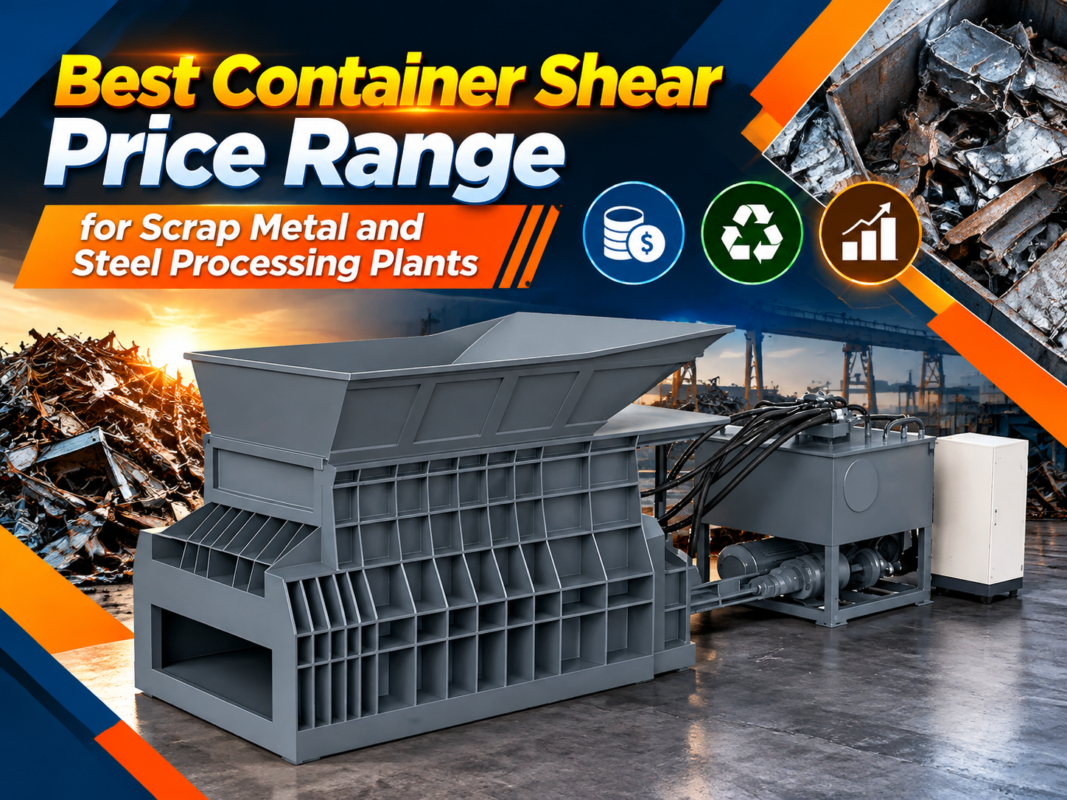
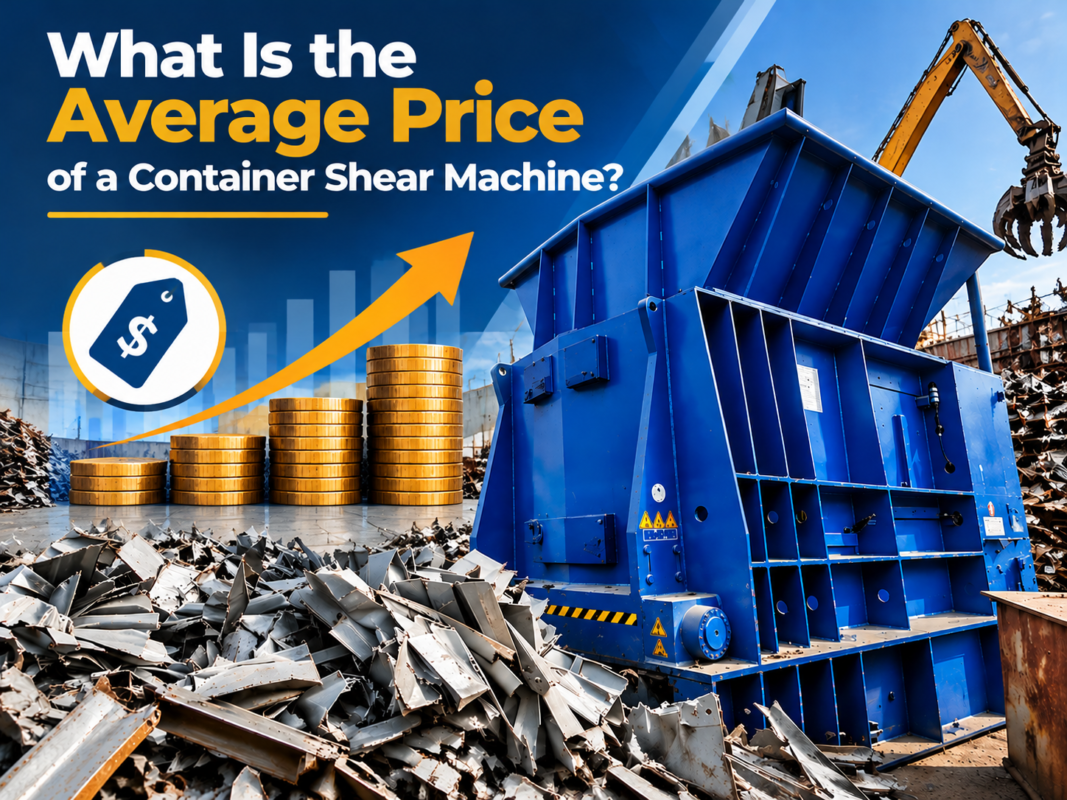
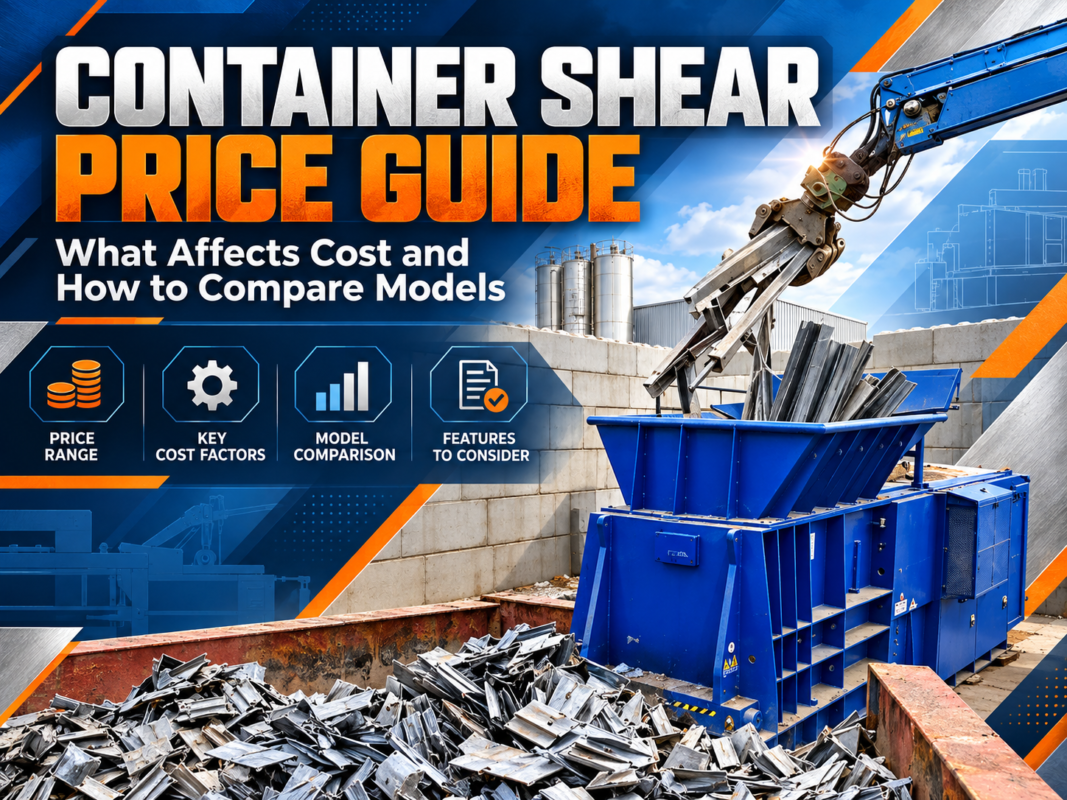
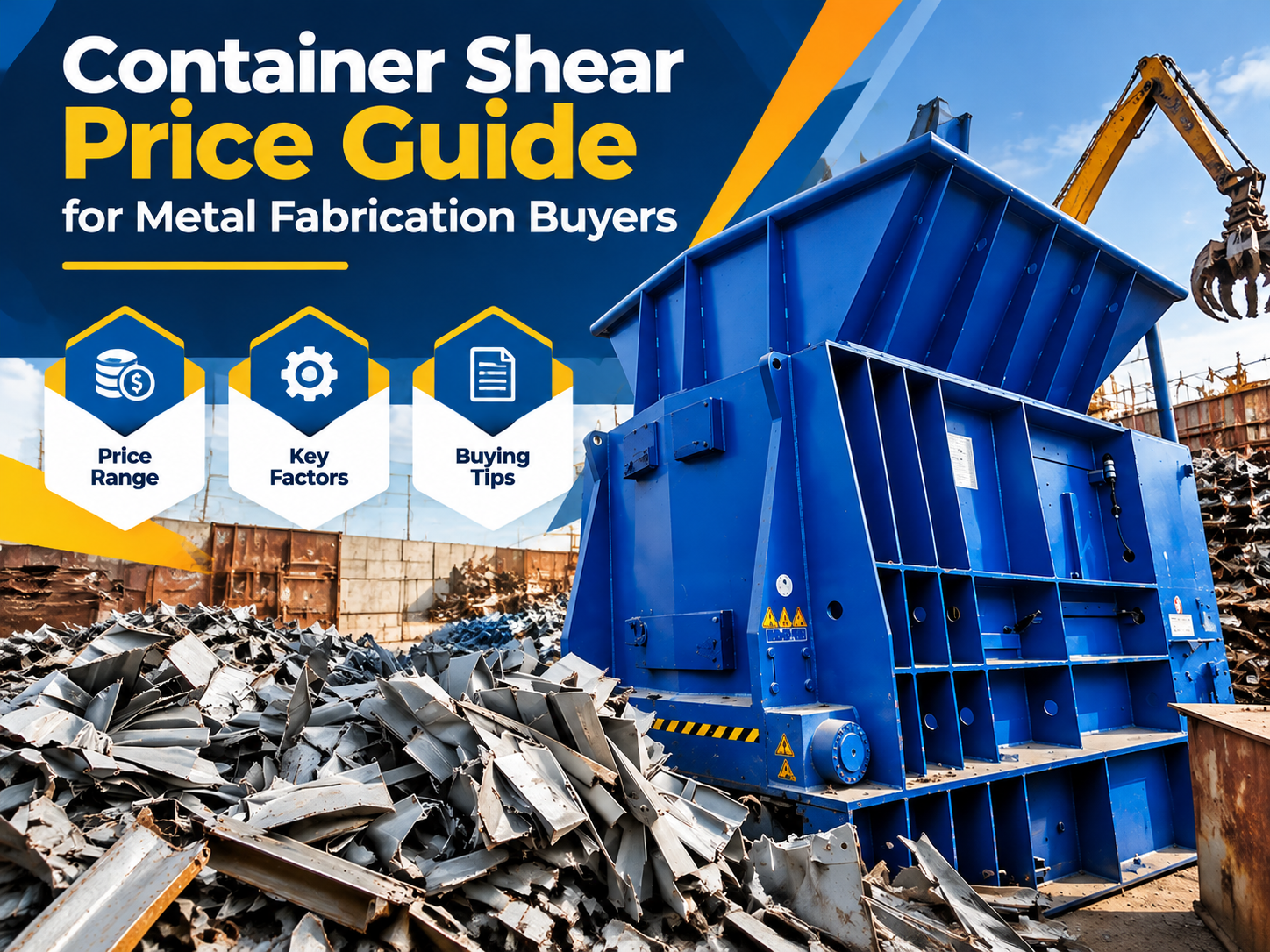
For metal fabrication buyers and scrap processing facilities, the container shear represents a significant capital expenditure. Understanding the market pricing is the first step toward making an informed procurement decision. Generally, the price range for industrial-grade container shears spans from $80,000 for entry-level, mobile units to upwards of $450,000 for high-capacity, stationary, fully automated systems. This wide variance is not arbitrary; it reflects the engineering complexity, material quality, and throughput capabilities of the machine.
When researching the container shear price metal fabrication buyers should expect to pay, it is essential to categorize equipment by its operational capacity. Small-scale, portable container shears designed for light-gauge scrap typically sit at the lower end of the spectrum. These machines are ideal for smaller fabrication shops or localized recycling centers that do not require continuous, 24/7 operation. They offer a balance of mobility and cutting force, making them a versatile asset for diverse site requirements.
Mid-range container shears, often priced between $150,000 and $280,000, are the workhorses of the industry. These units are designed for medium-to-high volume scrap processing, featuring robust hydraulic systems and reinforced cutting blades capable of handling structural steel, pipes, and heavy profiles. Buyers in this segment are usually looking for a machine that can handle consistent daily workloads without significant downtime, prioritizing durability and ease of maintenance.
At the top tier, high-end container shears represent a major industrial investment. These systems are often custom-engineered to integrate into larger material handling lines. With advanced PLC controls, automated feeding mechanisms, and high-pressure hydraulic circuits, these machines are built for maximum throughput. While the initial investment is substantial, the cost-per-ton processed is often the lowest in this category, providing long-term value for large-scale metal recycling operations.
It is also important to note that the container shear price guide for metal fabrication buyers is heavily influenced by the global supply chain for high-grade steel and hydraulic components. Fluctuations in the cost of raw materials, such as specialized wear-resistant alloys for the shear blades, directly impact the final retail price. Buyers should request quotes that are valid for a specific period to account for these market volatilities.
Main Cost Drivers: What You Are Really Paying For
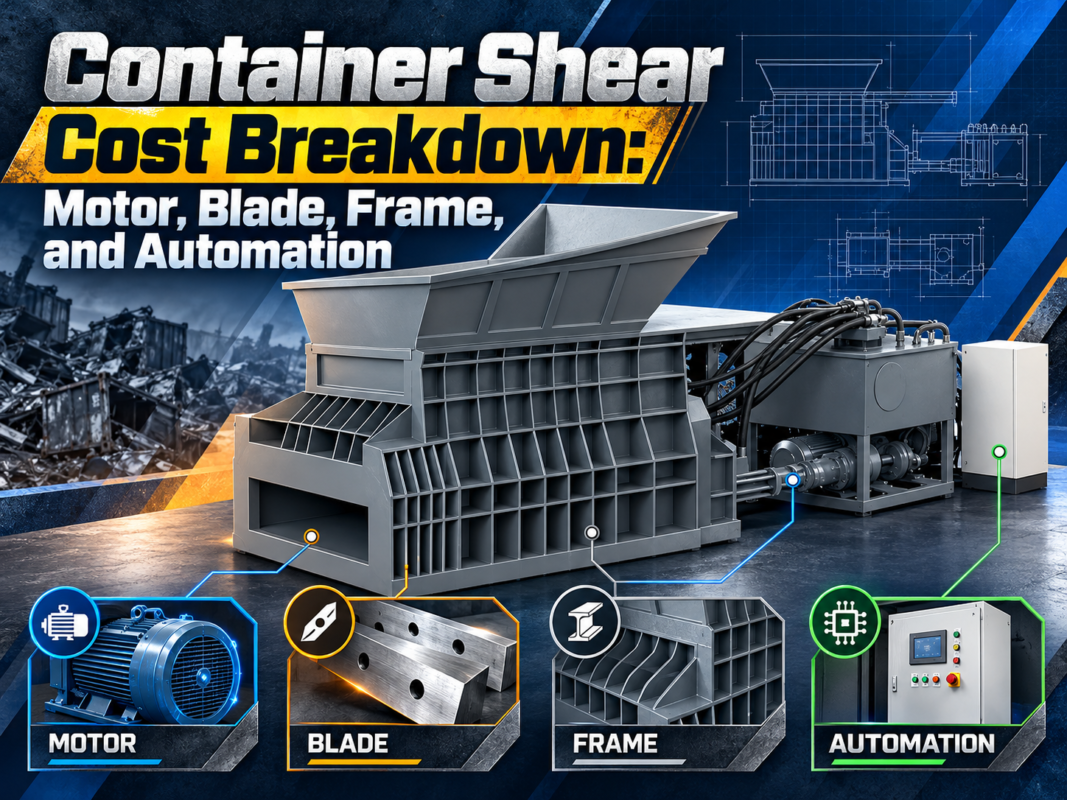
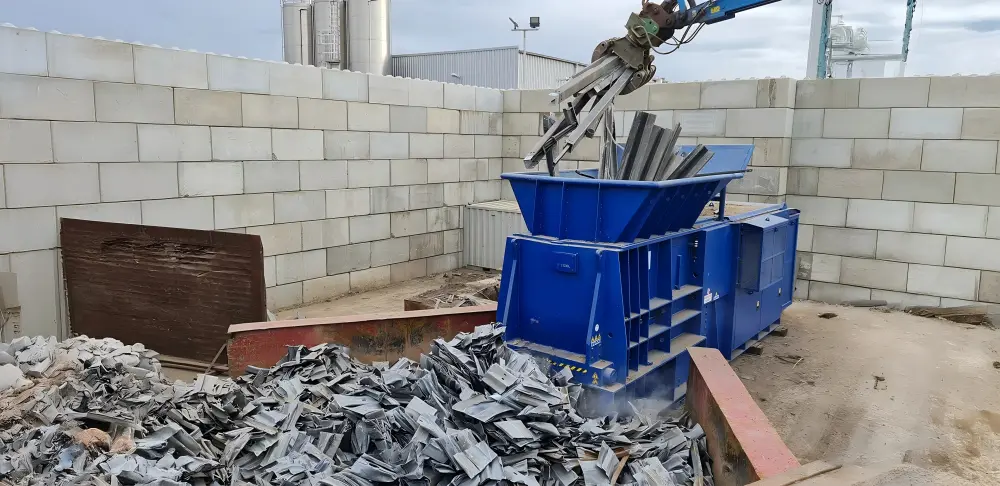
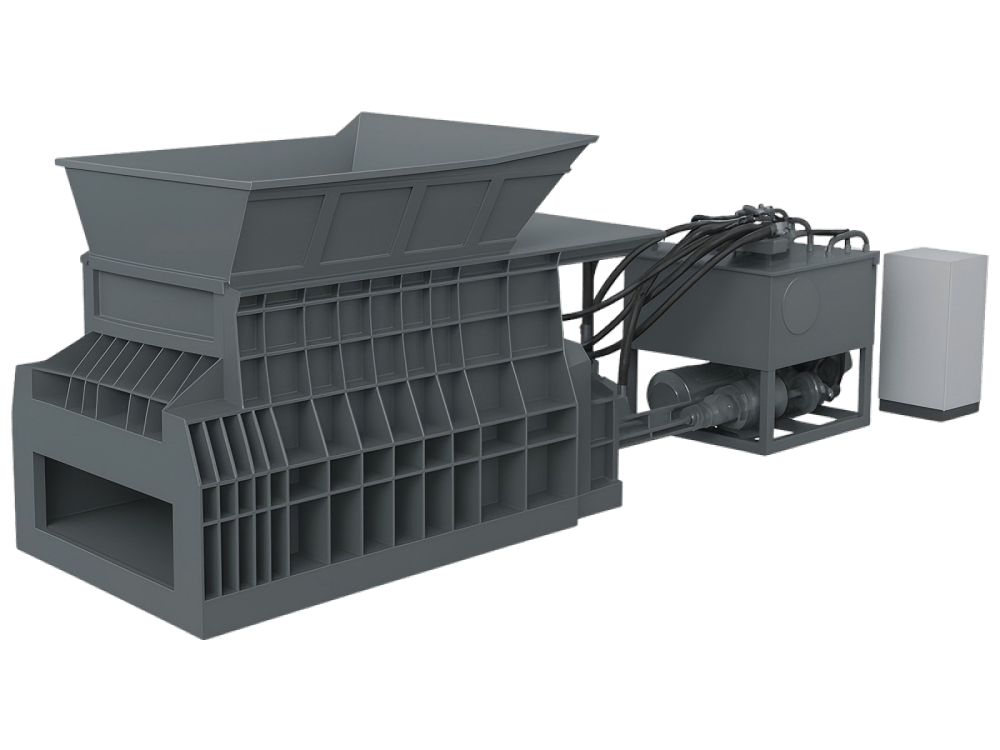
The primary cost driver in any container shear is the hydraulic system. The force exerted by the shear is directly proportional to the size and quality of the hydraulic cylinders, pumps, and valves. High-pressure systems that allow for faster cycle times and cleaner cuts require premium-grade components that can withstand extreme stress over thousands of cycles. When comparing prices, always look at the hydraulic pressure rating (measured in MPa or PSI) as a key indicator of the machine’s true capability.
Another critical cost factor is the construction of the shear head and the quality of the blades. The shear head must be engineered to resist the massive torsional forces generated during the cutting process. Manufacturers like HARSLE utilize high-tensile steel frames and precision-machined guide ways to ensure the blades remain perfectly aligned. If the blade alignment is compromised, the shear will suffer from poor cut quality and accelerated wear, leading to increased operational costs over the life of the machine.
The control system and automation level also play a significant role in the total cost. Modern container shears are increasingly equipped with sophisticated PLC (Programmable Logic Controller) systems that allow for remote diagnostics, automated cycle optimization, and safety monitoring. While these features add to the upfront cost, they significantly reduce the need for manual intervention and minimize the risk of operator error, which can lead to costly machine damage.
Structural integrity and wear resistance are non-negotiable. The interior of the container, where the scrap is compressed and sheared, is subjected to constant abrasion. The use of Hardox or similar wear-resistant liners significantly extends the service life of the container. While a machine with premium liners will have a higher initial price tag, the reduction in repair frequency and downtime makes it a more economical choice for high-volume users.
Finally, the brand reputation and after-sales support infrastructure contribute to the price. A reputable manufacturer provides not just a machine, but a comprehensive service package, including spare parts availability, technical training, and warranty support. Investing in a machine from an established manufacturer ensures that you have access to the expertise required to keep your equipment running at peak efficiency for years to come.
Configuration Impact: Customization vs. Standard Models
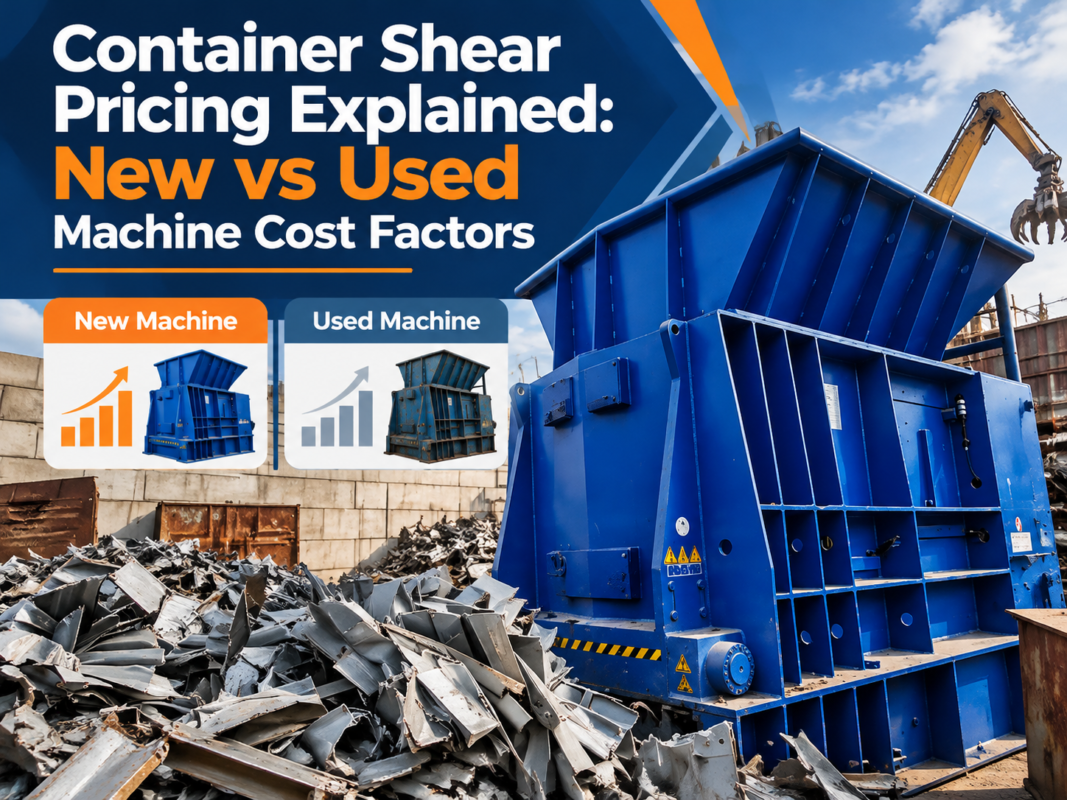
When evaluating the container shear price metal fabrication buyers should consider, it is vital to distinguish between standard “off-the-shelf” models and custom-configured solutions. Standard models are mass-produced to meet common industry requirements, offering a lower price point and shorter lead times. These are excellent for businesses with predictable, standard scrap processing needs who want to minimize capital expenditure.
However, many fabrication shops have unique requirements that necessitate customization. For instance, if your facility processes specific types of long, awkward scrap, you may require a larger feed opening or a specialized pre-compression chamber. Customizing the feed hopper or the hydraulic cycle sequence can significantly increase the efficiency of your operation, but it will also increase the initial purchase price due to the engineering and fabrication time required.
Power source configuration is another area where costs can vary. While most container shears are electric-powered, some mobile units are equipped with diesel engines for use in remote locations or sites without adequate electrical infrastructure. Diesel-powered units often carry a premium due to the complexity of the engine integration and the need for specialized cooling and exhaust systems. Buyers must weigh the operational flexibility of a diesel unit against the higher maintenance and fuel costs.
Integration with existing material handling systems is another factor. If you need your container shear to interface with conveyor belts, magnetic separators, or automated sorting lines, you will need a machine with advanced communication protocols and custom mounting interfaces. This level of system integration is a significant value-add that justifies a higher price, as it transforms the shear from a standalone tool into a core component of a larger, more efficient production line.
Lastly, consider the environmental and safety configurations. Some regions have strict noise and emission regulations. Investing in sound-dampening enclosures or specialized hydraulic fluid filtration systems can add to the cost but may be necessary to comply with local laws and maintain a safe working environment. Always consult with the manufacturer regarding the regulatory requirements of your specific location during the quoting process.
Hidden Costs: Beyond the Sticker Price
The purchase price is only the beginning of the financial commitment. Buyers must account for installation and commissioning costs, which can be substantial for large-scale equipment. This includes the cost of preparing a reinforced concrete foundation, electrical wiring, and potentially the rental of heavy lifting equipment to position the machine. Always request a detailed installation manual and a scope-of-work document from the manufacturer to avoid unexpected site preparation expenses.
Maintenance and wear parts represent a recurring cost that must be factored into the total cost of ownership. Shear blades, hydraulic seals, and filters are consumable items that will need regular replacement. A comprehensive container shear price guide for metal fabrication buyers should emphasize the importance of asking for a “first-year spare parts kit” as part of the initial purchase. This ensures you have the necessary components on hand to prevent downtime during the critical break-in period.
Training costs are often overlooked. Operating a high-capacity container shear requires skilled personnel who understand both the mechanical operation and the safety protocols. If your team is not properly trained, the risk of machine damage and workplace accidents increases significantly. Factor in the cost of professional training sessions, either on-site or at the manufacturer’s facility, as a necessary investment in your operational safety and efficiency.
Energy consumption is a significant operational expense. When comparing different models, look at the motor efficiency ratings and the hydraulic system’s energy management features. A machine that is slightly more expensive upfront but uses 20% less electricity per ton of processed scrap will often pay for itself within a few years through lower utility bills. This is particularly important for facilities operating multiple shifts per day.
Finally, consider the cost of downtime. If your production line depends on the container shear, a machine failure can halt your entire operation. Evaluate the manufacturer’s response time for technical support and the availability of local service technicians. A cheaper machine with poor support can end up being far more expensive than a premium unit that comes with a robust service network and a guaranteed response time for critical repairs.
ROI Calculation: Justifying the Investment
Calculating the Return on Investment (ROI) for a container shear requires a clear understanding of your current processing costs versus the projected costs with the new equipment. Start by calculating your current cost per ton of scrap processing, including labor, fuel for transport, and the time spent manually cutting or sorting materials. Compare this to the projected cost per ton with the new container shear, accounting for increased throughput and reduced labor requirements.
Labor savings are often the most significant contributor to ROI. A container shear can replace several manual labor positions, allowing you to reallocate your workforce to more value-added tasks. Calculate the annual salary and benefit savings from reduced manual labor and compare this against the annual depreciation and maintenance costs of the new machine. In many cases, the labor savings alone can justify the investment within 24 to 36 months.
Increased scrap value is another key ROI driver. By using a container shear to properly size and densify your scrap, you can often command a higher price from recycling facilities. Clean, uniform, and dense scrap is easier to transport and process, making it more desirable to buyers. Calculate the potential increase in the selling price of your processed scrap and factor this into your revenue projections.
Consider the reduction in logistics costs. If you are currently paying to transport bulky, un-sheared scrap, you are essentially paying to transport air. A container shear allows you to maximize the payload of every truckload, significantly reducing the number of trips required to move the same volume of material. This reduction in transportation costs can be a major contributor to the overall profitability of your scrap processing operation.
Finally, use a simple payback period formula: (Total Investment Cost) / (Annual Net Savings + Annual Revenue Increase). While this is a simplified approach, it provides a clear baseline for decision-making. For a more accurate analysis, consult with your financial team to account for tax incentives, depreciation schedules, and the cost of capital. A well-planned investment in a container shear is not just an expense; it is a strategic move to increase the efficiency and competitiveness of your metal fabrication business.
Buying Advice: A Checklist for Success
Before finalizing your purchase, conduct a thorough site assessment. Ensure that your facility has the necessary floor space, power supply, and access for the delivery and installation of the machine. If you are planning to move the machine in the future, consider the benefits of a mobile or semi-mobile container shear, which can be relocated with minimal effort compared to a fixed, concrete-anchored system.
Request references from the manufacturer. Speak to other metal fabrication buyers who have purchased the same model. Ask them about their experience with the machine’s reliability, the ease of maintenance, and the quality of the manufacturer’s support. Real-world feedback from peers is often the most valuable information you can gather during the buying process.
Review the warranty terms in detail. A standard warranty should cover major components like the hydraulic pump and the main cylinder for at least 12 to 24 months. Be wary of manufacturers who offer very short warranty periods, as this may indicate a lack of confidence in their product’s durability. Ensure that the warranty includes clear instructions on how to file a claim and what is required to maintain the warranty’s validity.
Evaluate the ease of maintenance. Look for features like accessible lubrication points, modular hydraulic components, and a user-friendly control interface that provides clear error codes. A machine that is easy to maintain will be maintained more frequently, leading to a longer service life and fewer unexpected breakdowns. Ask the manufacturer for a maintenance schedule and a list of recommended spare parts to keep on hand.
Finally, trust your intuition regarding the manufacturer’s communication. The buying process is a preview of the support you will receive after the sale. If the manufacturer is responsive, transparent, and willing to answer your technical questions during the sales process, they are likely to be a reliable partner in the long term. Choose a partner who understands your business goals and is committed to your success.
FAQ: Common Questions from Buyers
- What is the typical lead time for a container shear? Lead times vary based on the model and level of customization. Standard units may be available in 4-8 weeks, while custom-engineered systems can take 12-20 weeks or more.
- Can a container shear be used for materials other than steel? While primarily designed for steel, many container shears can process other metals like aluminum and copper. Always consult the manufacturer regarding the specific material hardness and thickness limits.
- How often do the shear blades need to be sharpened or replaced? This depends on the volume and type of material processed. High-quality blades typically last for several hundred hours of operation before requiring sharpening or replacement.
- Is specialized training required for operators? Yes, proper training is essential for safe and efficient operation. Most manufacturers provide training manuals and can offer on-site or remote training sessions.
- What kind of power supply is required? Most industrial container shears require a 3-phase electrical connection. Check the specific voltage and amperage requirements for the model you are considering.
- Does HARSLE offer financing options? Many industrial machinery manufacturers offer financing or leasing options to help manage the capital expenditure. Contact the sales team to discuss available financial solutions.