China Scrap Metal Baler Price Guide for Global Buyers: A Comprehensive HARSLE Analysis

Price Range Overview: Understanding the Market Landscape
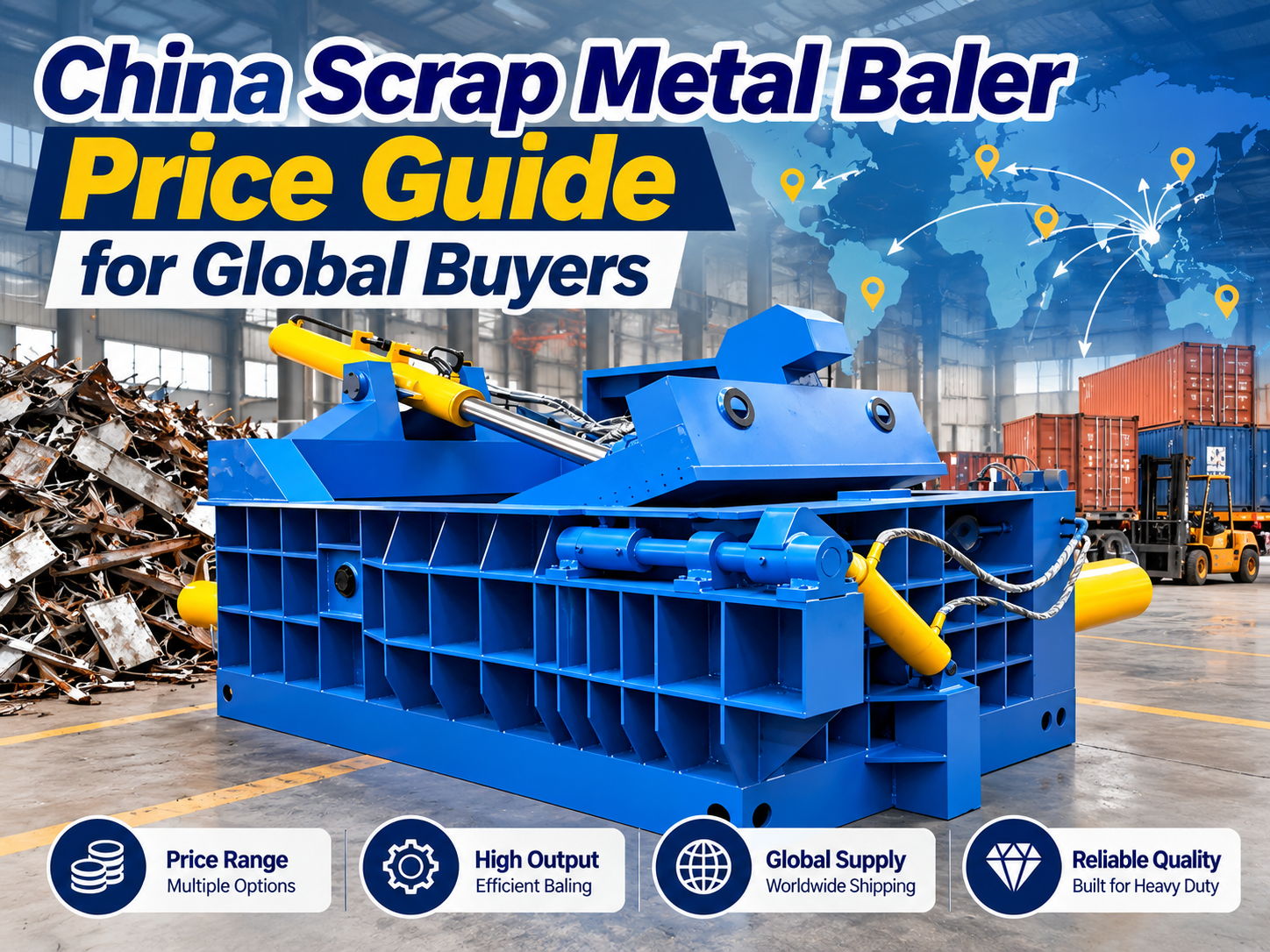
For global buyers, the China scrap metal baler market offers a vast spectrum of pricing, ranging from entry-level manual units to fully automated, high-capacity industrial systems. Generally, small-scale vertical balers can start as low as $3,000 to $8,000, while large-scale horizontal hydraulic balers designed for high-volume recycling centers can range from $25,000 to over $150,000. Understanding these price brackets is the first step in aligning your budget with your operational requirements.
The price of a scrap metal baler is not merely a reflection of its size, but rather its engineering complexity and throughput capacity. Entry-level machines are often used for light-gauge aluminum or copper scrap in smaller workshops. These machines prioritize simplicity and ease of maintenance over high-speed automation. As you move up the price ladder, you encounter machines with advanced PLC controls, automated bale ejection systems, and reinforced structural steel designed to withstand the crushing forces required for heavy steel scrap.
Global buyers must also account for the volatility in raw material costs, particularly high-grade steel and hydraulic components. When HARSLE quotes a price, it reflects the current market value of these essential components. It is important to note that the cheapest option is rarely the most cost-effective in the long run. A machine priced significantly below the market average may lack the necessary structural integrity, leading to frequent downtime and expensive repairs that quickly negate any initial savings.
Furthermore, the geographic location of the manufacturer and the logistical infrastructure play a role in the final landed cost. While the ex-factory price is a standard starting point, global buyers should always request a CIF (Cost, Insurance, and Freight) quote to understand the total investment. HARSLE provides transparent pricing structures, ensuring that international clients can accurately forecast their capital expenditure without hidden surprises.
Main Cost Drivers: What Influences the Price Tag?
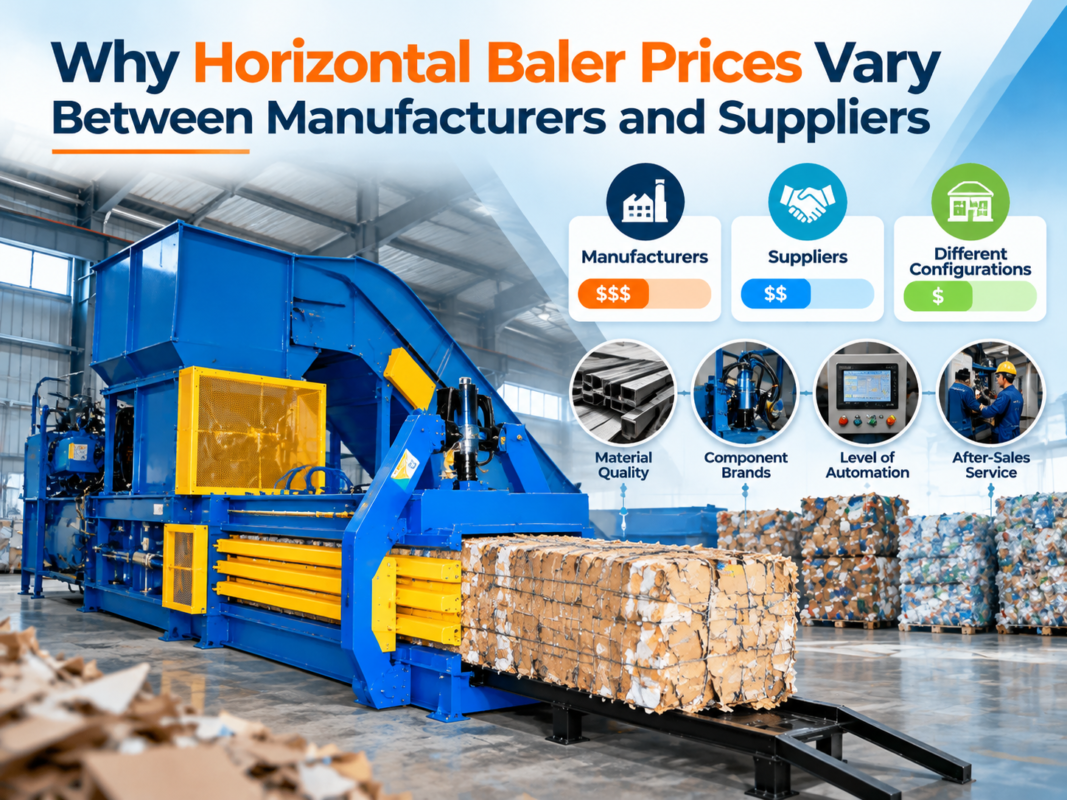
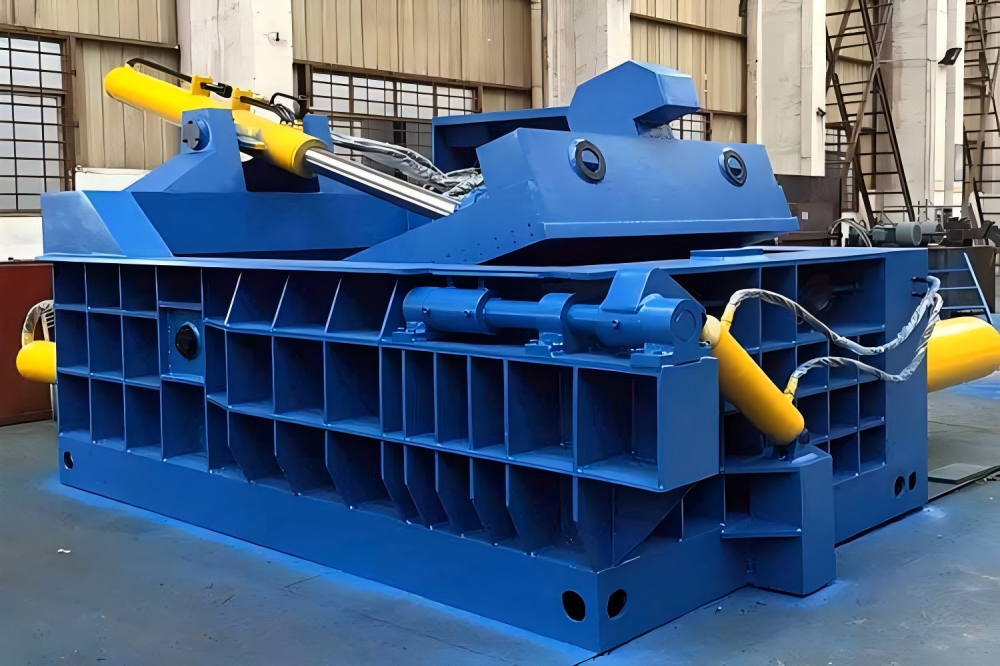
Several technical factors dictate the price of a scrap metal baler. The primary driver is the hydraulic system’s power and the force capacity of the cylinder. A baler that exerts 100 tons of force requires a significantly more robust frame, larger hydraulic pumps, and high-pressure hoses compared to a 20-ton unit. The quality of these hydraulic components—often sourced from premium global brands—directly impacts the machine’s longevity and reliability.
The structural steel thickness is another critical cost factor. Scrap metal is abrasive and heavy; therefore, the compression chamber must be lined with wear-resistant plates, such as Hardox or equivalent high-tensile steel. Manufacturers who cut corners by using thinner, lower-grade steel will offer lower prices, but these machines will suffer from rapid deformation and structural fatigue under the stress of daily operation. HARSLE emphasizes the use of heavy-duty, reinforced steel to ensure long-term performance.
Automation levels also drive the price. A basic baler requires manual intervention for loading, tying, and ejecting the bale. Conversely, an automated baler features conveyor belt integration, automatic wire-tying systems, and touch-screen PLC interfaces. While these features increase the initial investment, they drastically reduce labor costs and increase the consistency of the bale density, which is a crucial factor for selling scrap to smelters.
Finally, the brand reputation and after-sales support infrastructure contribute to the total cost of ownership. A reputable manufacturer like HARSLE invests heavily in R&D, quality control, and a global service network. When you purchase from an established brand, you are paying for the assurance that spare parts will be available years down the line and that technical support is just a phone call away, which is invaluable for global buyers operating in remote locations.
Configuration Impact: Tailoring the Machine to Your Needs
The configuration of your scrap metal baler should be dictated by the type of scrap you process. If you are handling light aluminum cans, a vertical baler with a lower force rating is sufficient. However, if your facility processes heavy steel offcuts, car bodies, or thick metal plates, you will require a horizontal baler with a shear blade configuration. The addition of a shear blade significantly increases the machine’s price but is essential for cutting oversized scrap to fit into the compression chamber.
Another configuration choice is the power source. While most industrial balers are electric, some regions with unstable power grids may require specialized motor configurations or even diesel-powered units. Customizing the electrical system to meet local voltage and safety standards (such as CE or UL compliance) adds to the manufacturing cost but is non-negotiable for international compliance and safety.
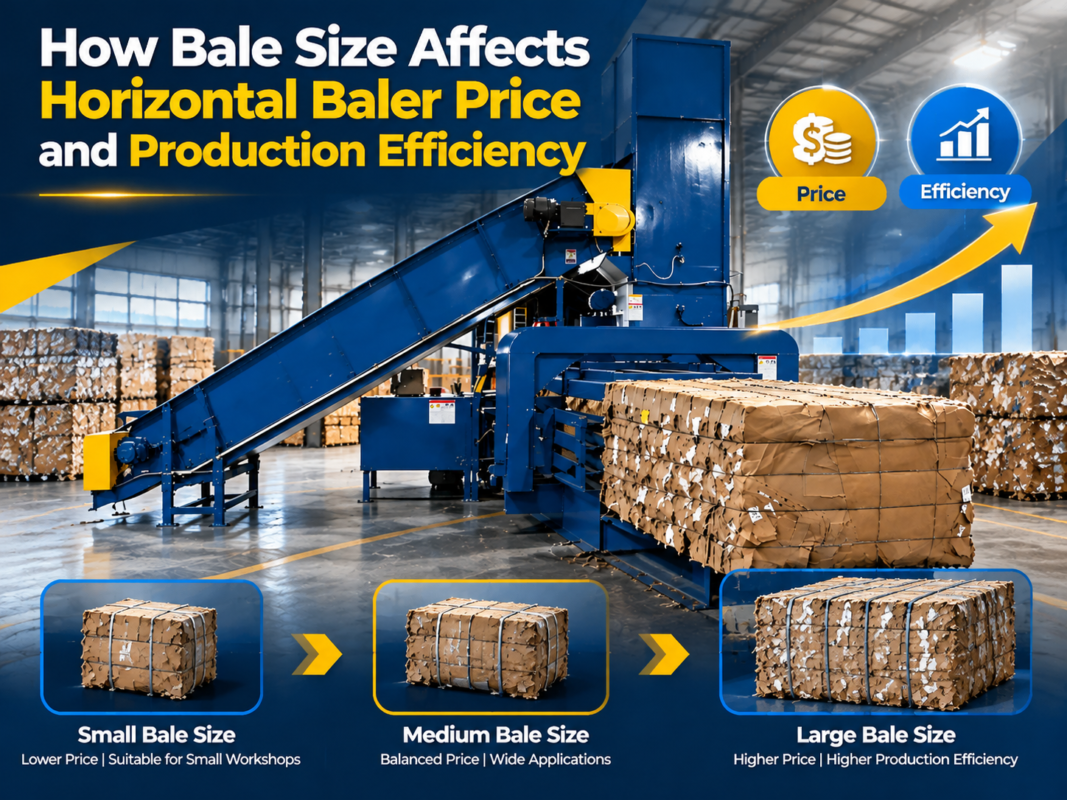
The bale size and density requirements are also key. Smelters often pay a premium for high-density bales because they are easier to transport and melt. Achieving high density requires a more powerful hydraulic system and a longer compression stroke. Buyers should discuss their target bale dimensions and weight with the manufacturer to ensure the machine configuration is optimized for their specific end-market requirements.
Lastly, consider the loading method. Will you be using a forklift, a conveyor belt, or a grapple crane? Integrating a custom hopper or a specialized conveyor system into the baler’s design will increase the upfront cost but will significantly improve the efficiency of your loading process. HARSLE works closely with clients to design bespoke loading solutions that integrate seamlessly with existing facility layouts.
Hidden Costs: Beyond the Purchase Price
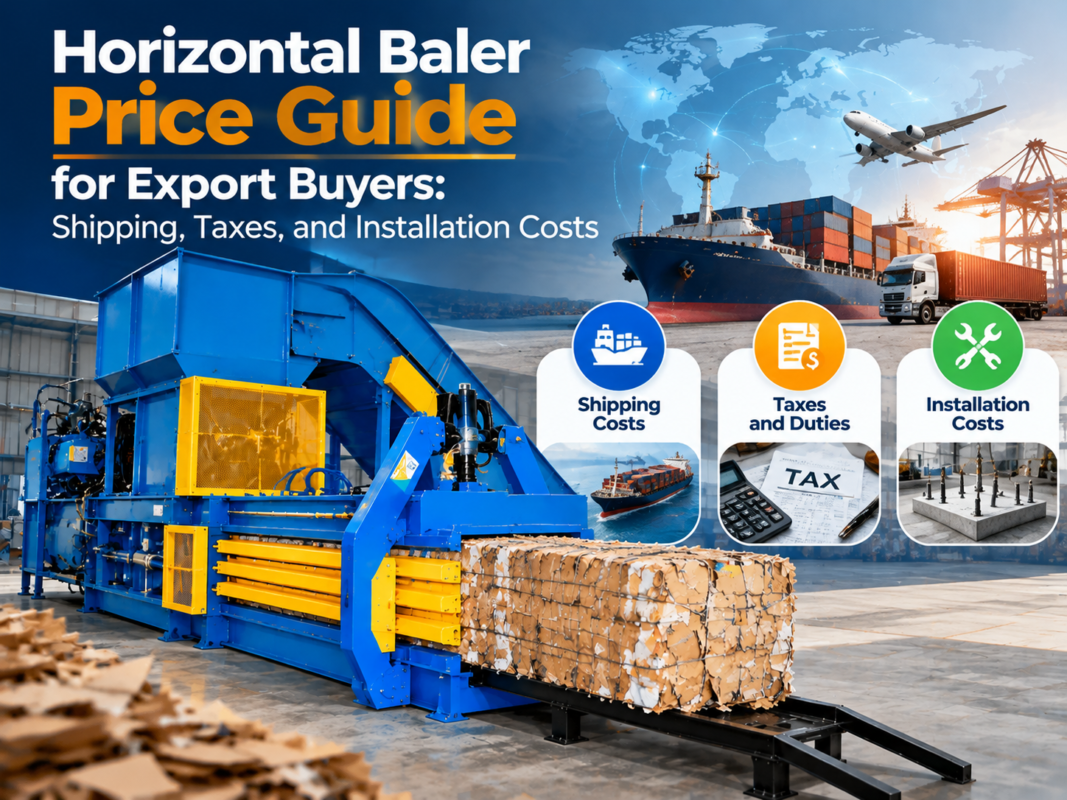
Global buyers often overlook the “hidden” costs associated with importing industrial machinery. Shipping and logistics are the most obvious, but they can vary wildly depending on the machine’s weight and dimensions. A large horizontal baler may require multiple containers or specialized flat-rack shipping, which can significantly inflate the landed cost. Always verify the shipping dimensions and weight before finalizing your purchase.
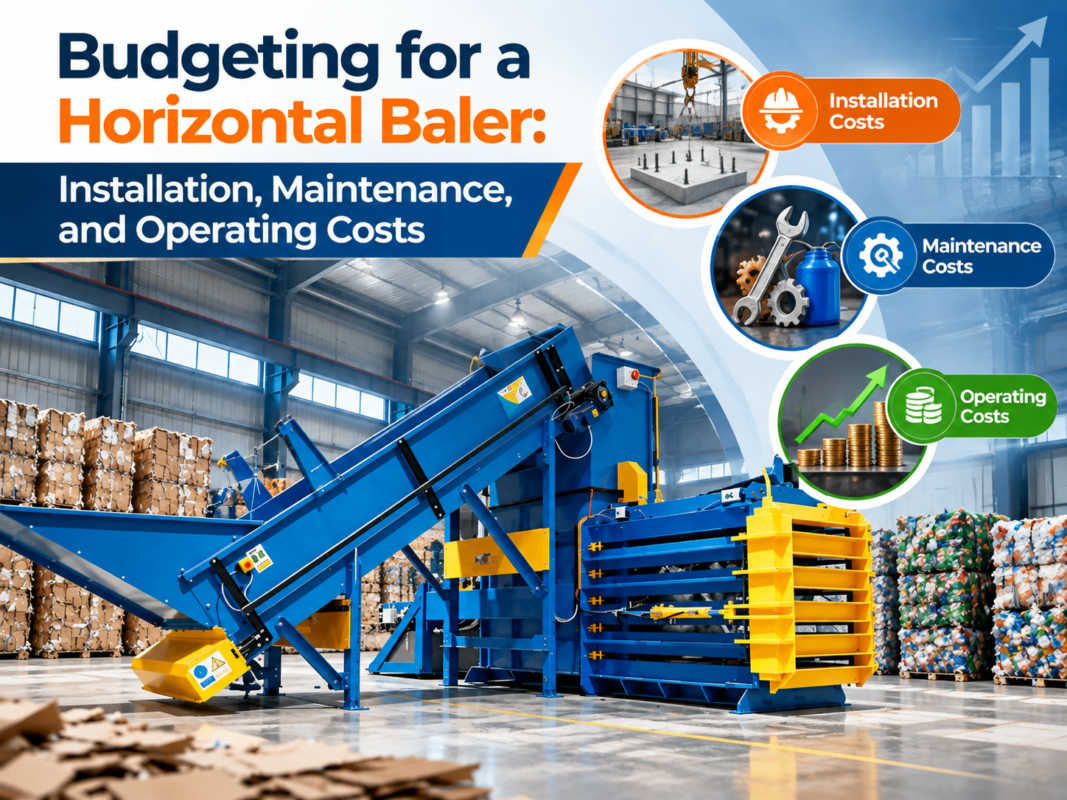
Installation and commissioning are another area where costs can accumulate. While many manufacturers provide remote support, complex machines may require an on-site technician for installation and operator training. If you do not have a skilled maintenance team in-house, you must budget for these professional services. HARSLE provides comprehensive installation manuals and video tutorials, but on-site support remains an option for those who prefer a turnkey solution.
Maintenance and spare parts are ongoing expenses that should be factored into your budget. Hydraulic oil, seals, filters, and wear plates are consumables that will need replacement over time. It is highly recommended to purchase a “starter kit” of essential spare parts along with the machine to avoid downtime caused by waiting for international shipping of small components.
Finally, consider the cost of energy and local labor. An inefficient motor or a machine that requires constant manual supervision will cost more in the long run than a slightly more expensive, energy-efficient, and automated model. Calculate the total cost of ownership over a five-year period, including energy consumption, labor, and maintenance, rather than focusing solely on the initial purchase price.
ROI Calculation: Justifying the Investment
To calculate the Return on Investment (ROI) for a scrap metal baler, you must first determine the value-add of the baled material. Baled scrap is significantly more valuable than loose scrap because it is easier to transport, store, and melt. By comparing the market price of loose scrap versus the price of baled scrap, you can estimate your monthly revenue increase.
Next, subtract the operational costs, including electricity, labor, wire/strapping materials, and routine maintenance. The difference between your increased revenue and your operational costs represents your monthly savings or profit increase. Divide the total cost of the machine by this monthly profit figure to determine the payback period. For most industrial operations, a well-chosen baler should pay for itself within 18 to 36 months.
Consider the logistical savings as well. If you are currently paying to transport loose scrap, you are essentially paying to transport air. Baling allows you to maximize the payload of every truck or container, drastically reducing your logistics costs per ton. This is often the most significant, yet overlooked, factor in the ROI calculation for global recycling operations.
Finally, factor in the potential for increased scrap volume. As your business grows, a high-quality baler will be able to handle increased throughput without requiring a replacement. A machine that is built to last for 10+ years provides a much better long-term ROI than a cheaper, lower-quality machine that needs to be replaced every three years.
Buying Advice: A Checklist for Global Buyers
When searching for a China scrap metal baler, start by defining your specific needs. What is the maximum volume of scrap you process per day? What is the physical size and type of the scrap? Having these answers ready will allow HARSLE to provide an accurate recommendation and quote. Do not be afraid to ask for case studies or references from other international clients who have purchased similar equipment.
Always verify the manufacturer’s quality certifications. ISO 9001, CE, and other international standards are indicators of a commitment to quality. Ask about the origin of the hydraulic components and the PLC system. Using globally recognized brands for these critical parts ensures that you can source replacements locally if necessary, rather than being dependent on the original manufacturer for every small part.
Request a detailed technical specification sheet and compare it across multiple suppliers. Look for details like cycle time, bale dimensions, motor power, and the type of steel used in the chamber. If a supplier is hesitant to provide these details, it is a red flag. HARSLE prides itself on full transparency, providing all technical data upfront to help you make an informed decision.
Finally, negotiate the terms of the sale, including payment terms, lead times, and warranty coverage. A standard warranty should cover major structural and hydraulic components for at least 12 months. Ensure that the contract clearly states the responsibilities of both parties regarding shipping, customs clearance, and installation support. A clear, written agreement is the best protection for any global buyer.
FAQ: Common Questions from Global Buyers
- How long does it take to ship a baler from China? Shipping times vary based on the machine size and destination. Typically, production takes 4-8 weeks, and sea freight can take an additional 3-6 weeks depending on your location.
- Can I use my own hydraulic oil? Yes, but it must meet the viscosity and quality specifications outlined in the machine manual to ensure the longevity of the hydraulic system.
- Is it difficult to install a scrap metal baler? Most of our balers are designed for easy installation. We provide detailed manuals and video support. For larger, more complex systems, we can arrange for an engineer to assist with the commissioning.
- What happens if a part breaks? We maintain a comprehensive inventory of spare parts. If a part is needed, we can ship it via express courier to ensure minimal downtime.
- Do you provide training for operators? Yes, we provide comprehensive training materials and can conduct remote training sessions to ensure your team is comfortable operating the equipment safely and efficiently.
- Can the baler handle mixed metals? While the baler can compress mixed metals, it is generally better to sort your scrap to maximize the value of the baled material.