Case Study On Metal Briquetting Better Scrap Separation Storage Control: A HARSLE Industrial Guide

Introduction: The Challenge of Metal Scrap Management
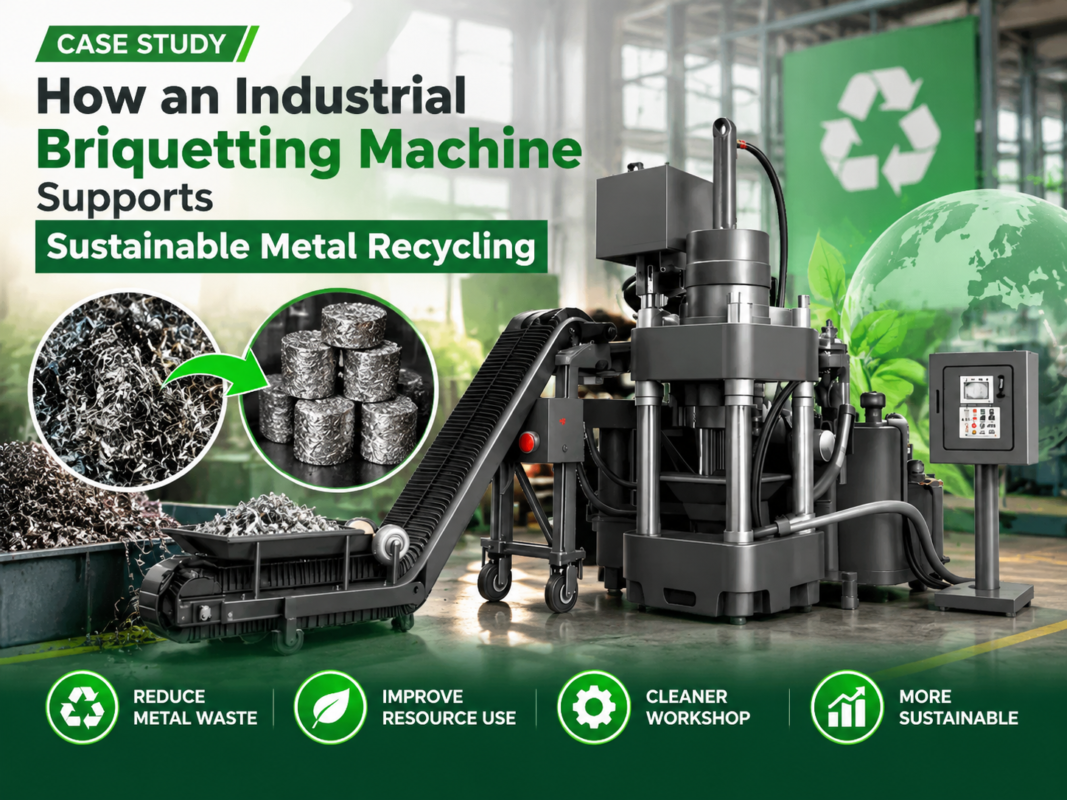
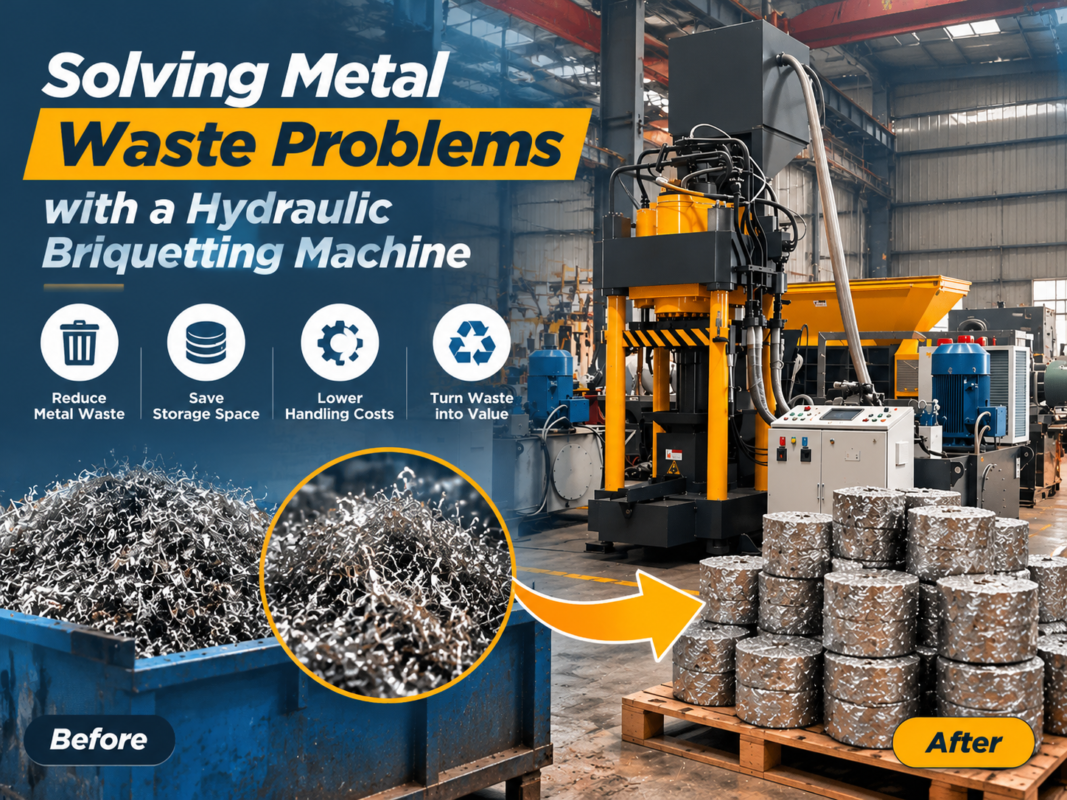
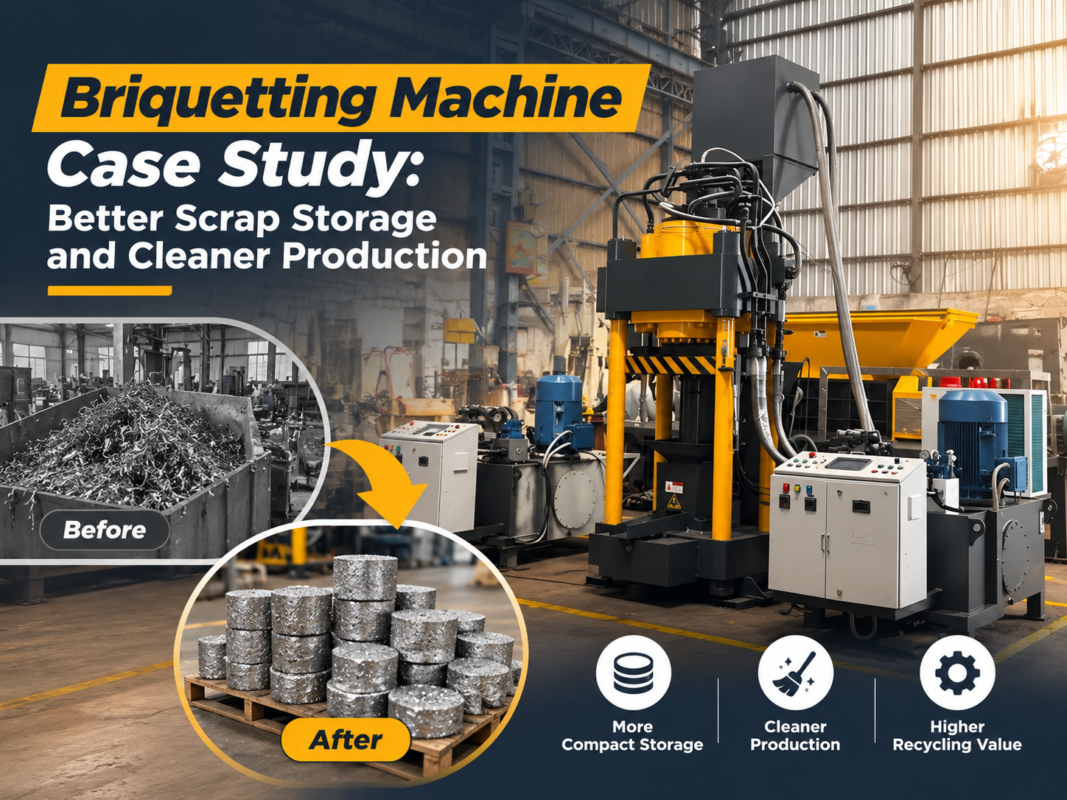
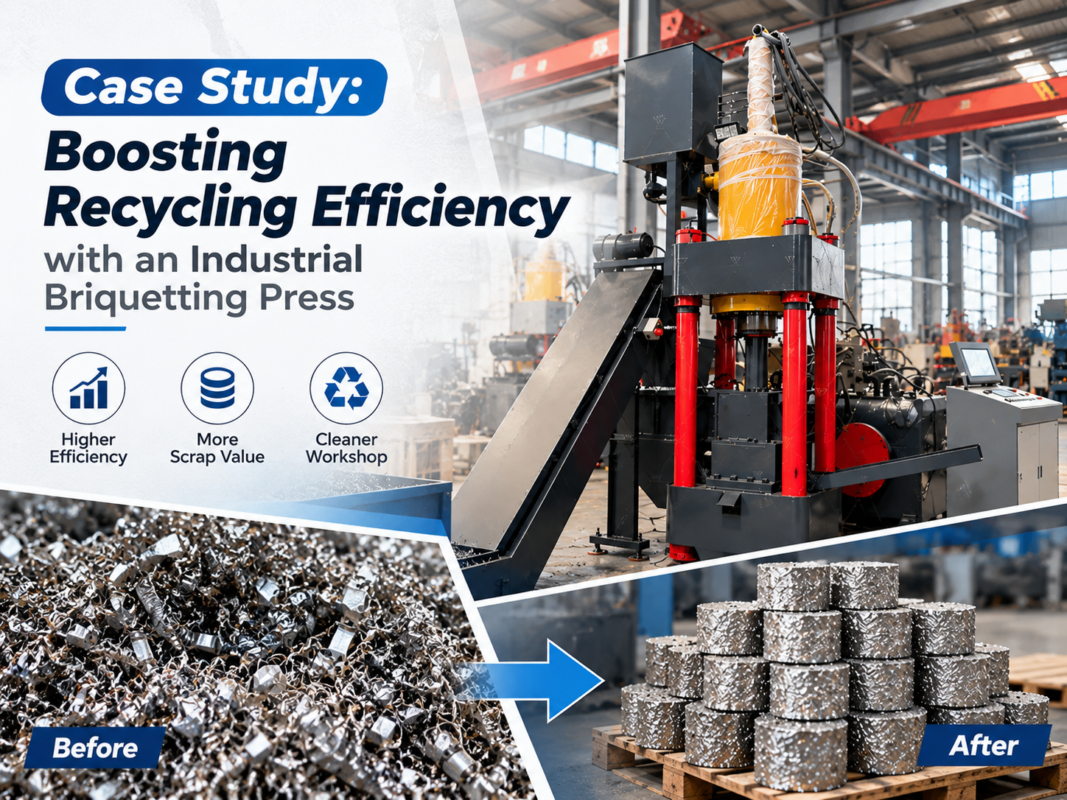
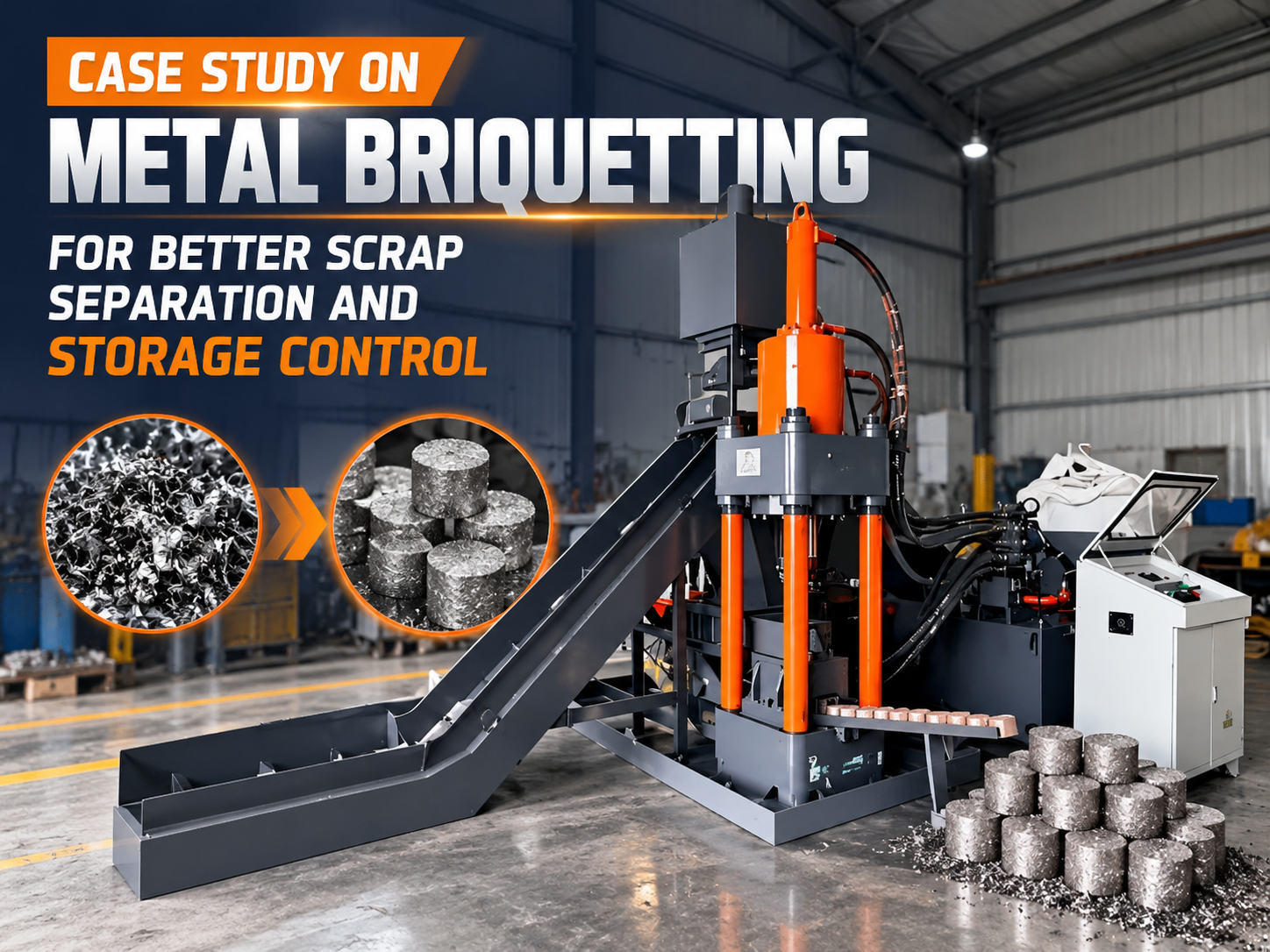
In the modern metal fabrication industry, the management of scrap metal is often overlooked, yet it remains one of the most significant factors influencing operational profitability. As manufacturing facilities scale, the volume of loose, bulky metal chips, turnings, and shavings grows exponentially. This creates a logistical nightmare: high storage costs, complex transportation requirements, and significant environmental hazards due to residual cutting fluids. This article serves as a comprehensive Case Study On Metal Briquetting Better Scrap Separation Storage Control, illustrating how HARSLE technology transforms waste into a valuable asset.
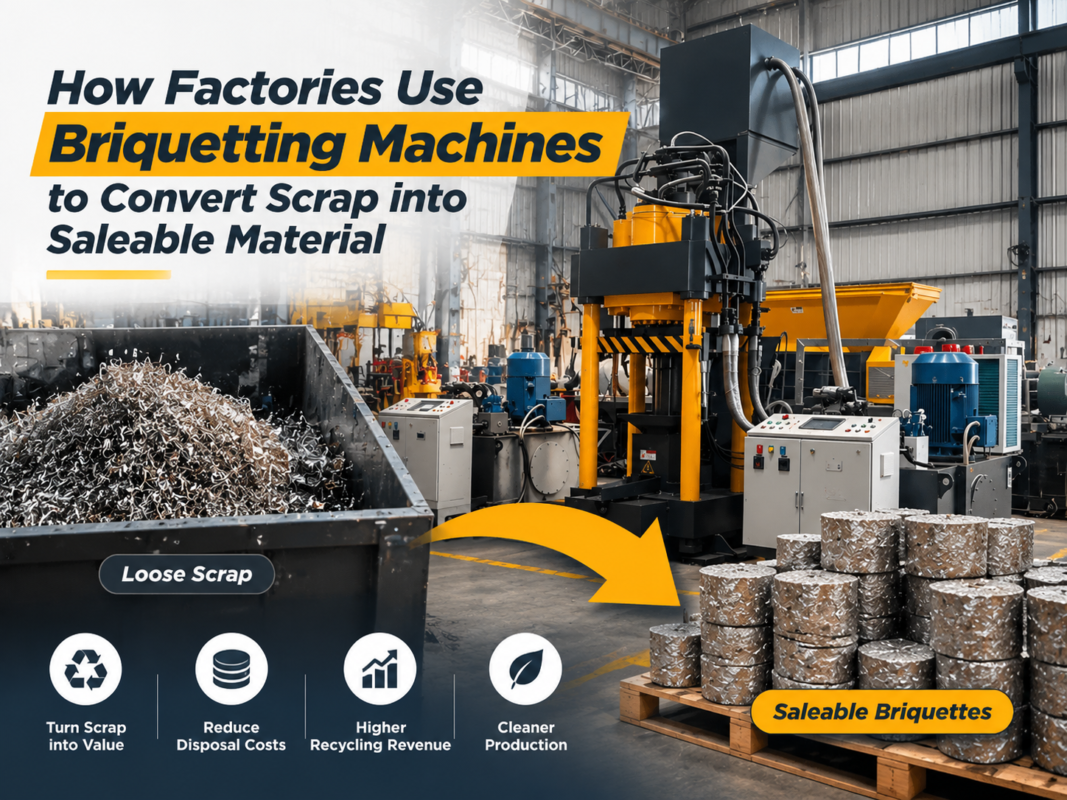
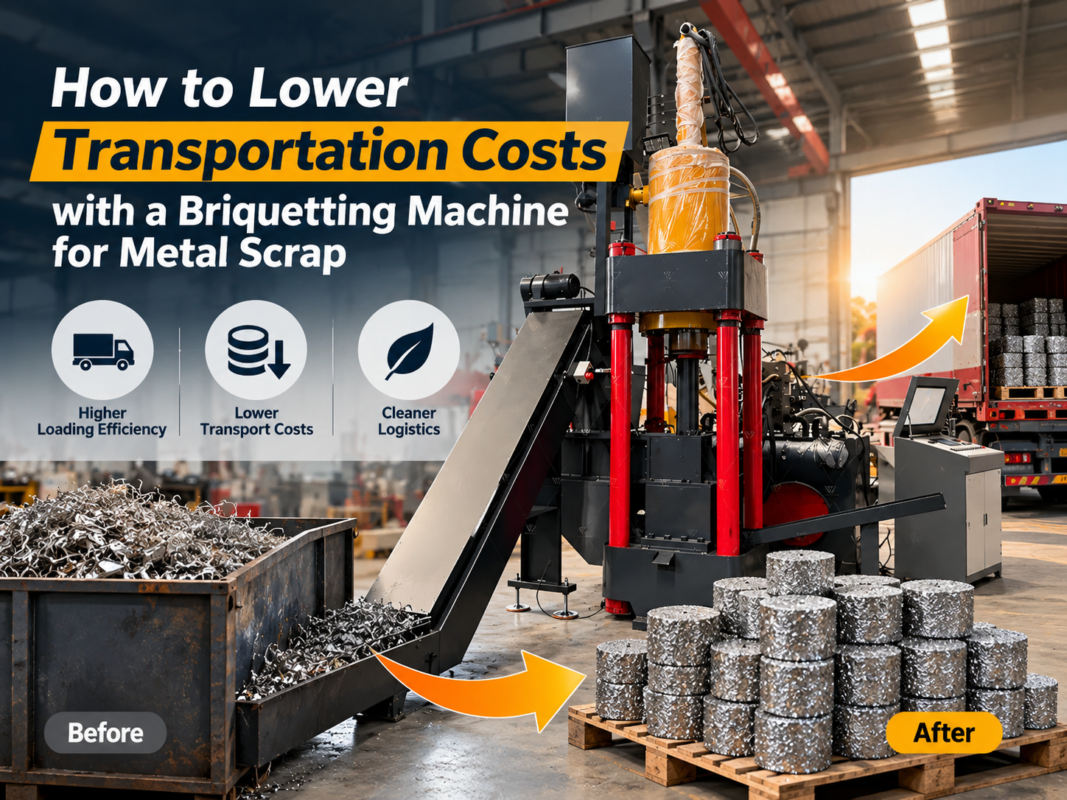
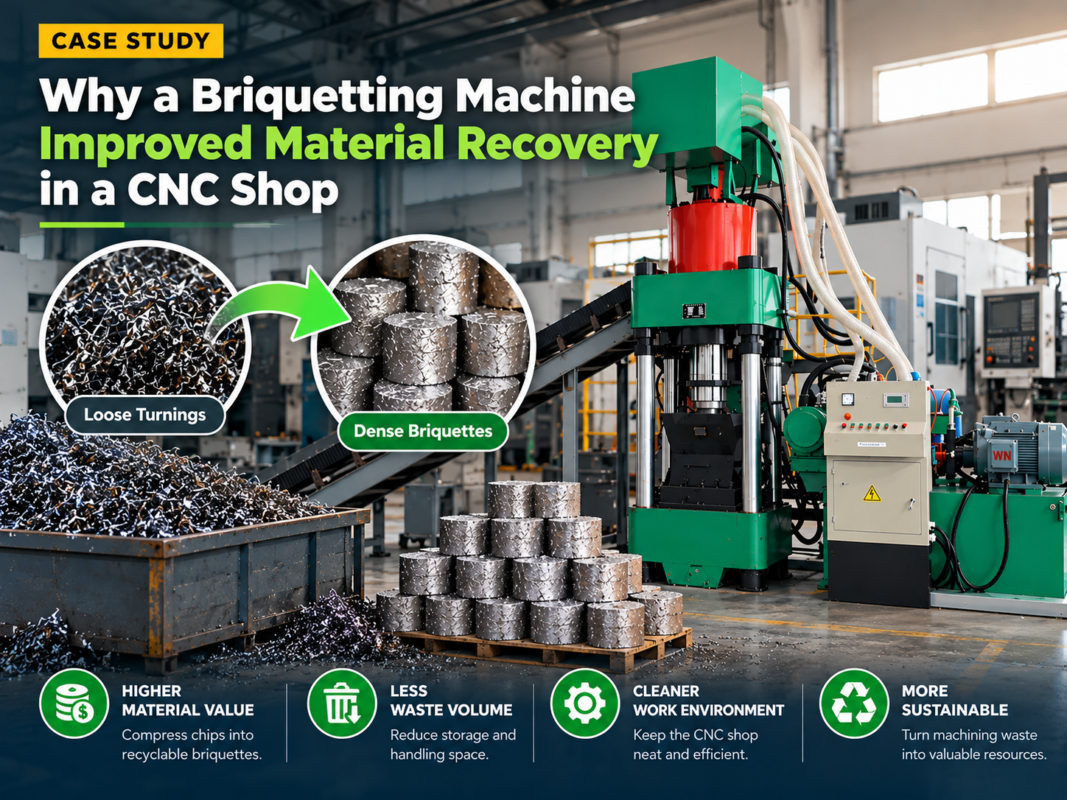
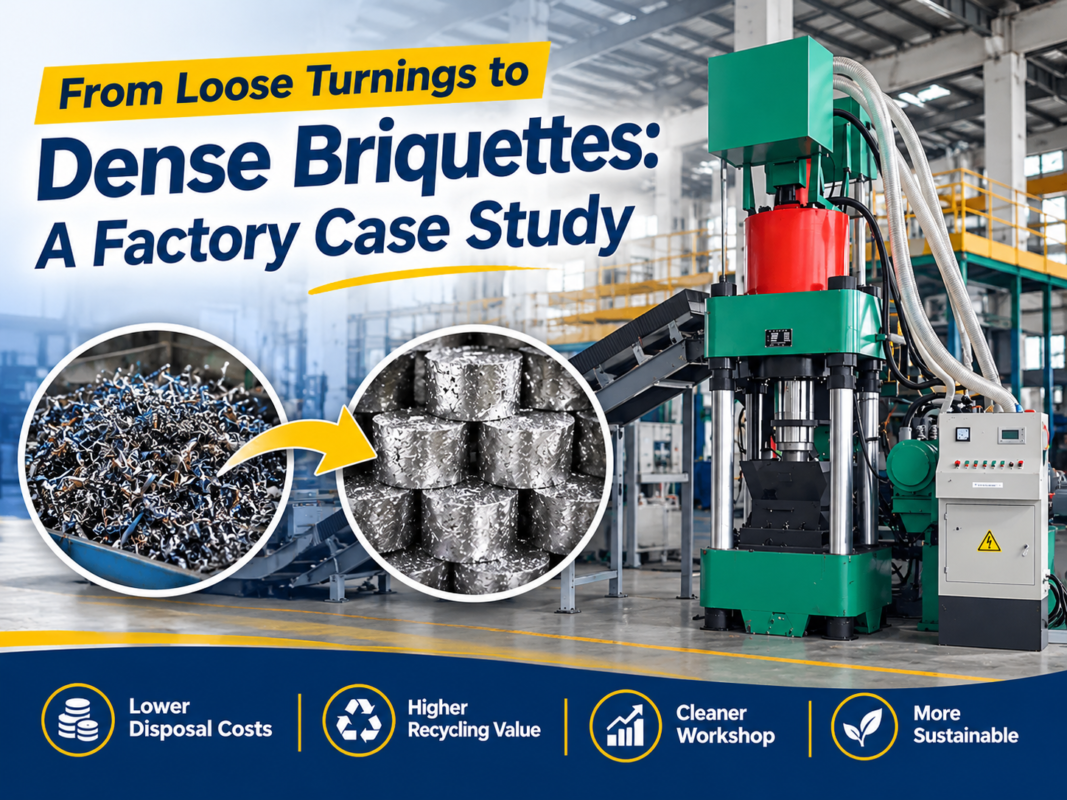
For many fabrication shops, the primary issue is the sheer volume of loose scrap. Loose turnings occupy vast amounts of floor space, which could otherwise be utilized for high-value production machinery. Furthermore, the lack of density in loose scrap makes it difficult to transport, leading to increased logistics costs. By implementing a briquetting solution, manufacturers can compress these materials into dense, manageable pucks, effectively solving the storage and handling dilemma.
HARSLE has worked with numerous clients to address these specific pain points. Our experience shows that the transition from loose scrap to briquetted material is not just about waste reduction; it is about process optimization. Through this Case Study On Metal Briquetting Better Scrap Separation Storage Control, we will explore the technical, economic, and operational benefits of integrating a high-performance briquetting machine into your production line.
The following sections will delve into the technical nuances of hydraulic briquetting, the criteria for selecting the right equipment, and the long-term ROI that facilities can expect. Whether you are dealing with aluminum, steel, copper, or brass, understanding the mechanics of densification is the first step toward a more efficient and sustainable manufacturing environment.
Key Considerations for Scrap Management
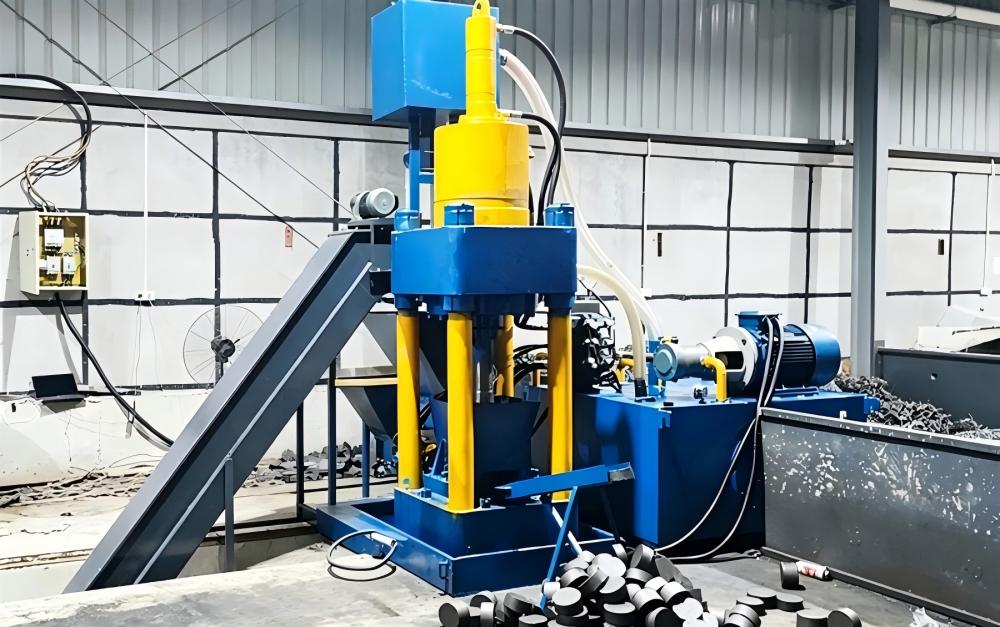
Effective scrap management begins with a clear understanding of the material flow within your facility. Before investing in a briquetting machine, it is essential to analyze the composition of your scrap. Different metals have varying levels of ductility and hardness, which directly impact the pressure requirements of the briquetting press. For instance, aluminum chips require different compression ratios compared to hardened steel turnings.
Another critical consideration is the presence of cutting fluids or coolants. Loose scrap is often saturated with these liquids, which are not only an environmental concern but also a financial loss. A professional-grade briquetting system, such as those offered by HARSLE, includes integrated fluid recovery systems. This allows manufacturers to reclaim expensive coolants, which can then be filtered and reused, significantly lowering operational costs over time.
Storage control is the third pillar of this strategy. Loose scrap is notoriously difficult to store safely. It can harbor sharp edges, pose fire risks if oil-soaked, and create messy, unorganized shop floors. By converting this waste into uniform briquettes, you can stack materials neatly, utilize vertical storage space, and simplify the inventory tracking process. This leads to a cleaner, safer, and more organized workspace.
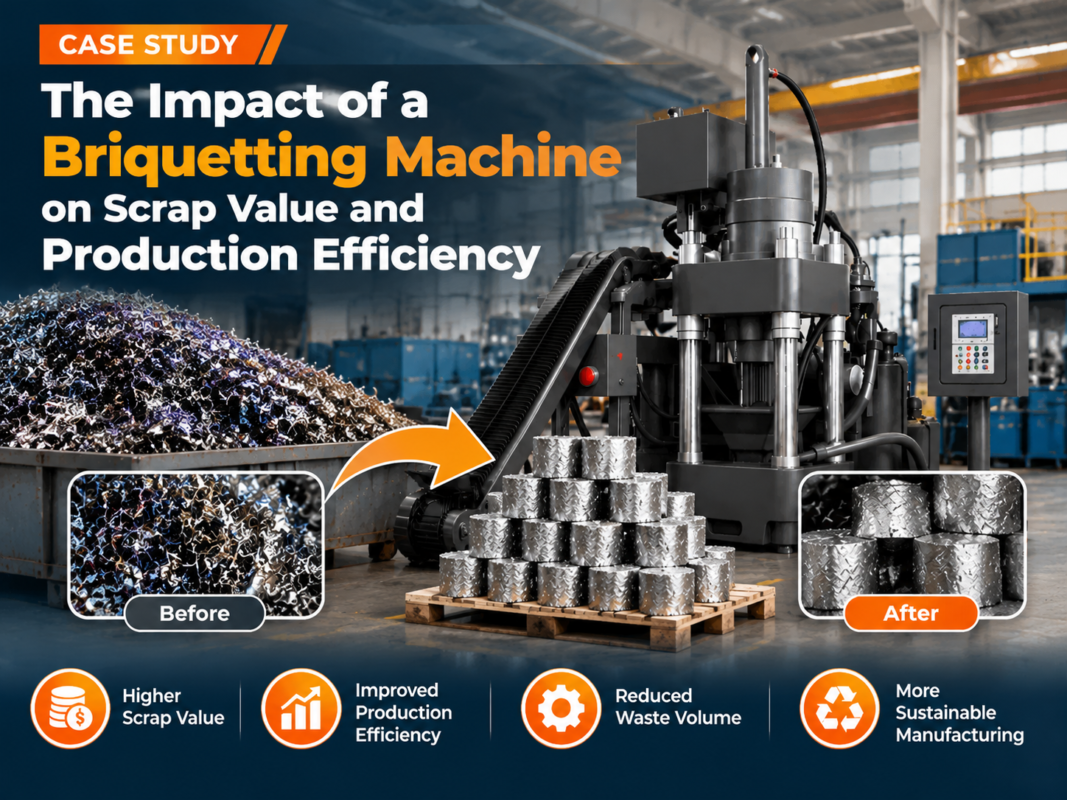
Finally, consider the downstream value of your scrap. Recyclers pay a premium for clean, dense, and uniform briquettes compared to loose, contaminated turnings. The purity of the briquette—achieved through effective separation and compression—ensures that you get the highest possible market price for your scrap. This shift from viewing scrap as a disposal cost to viewing it as a revenue stream is the hallmark of a modern, efficient fabrication plant.
Technical Details: How Briquetting Machines Work
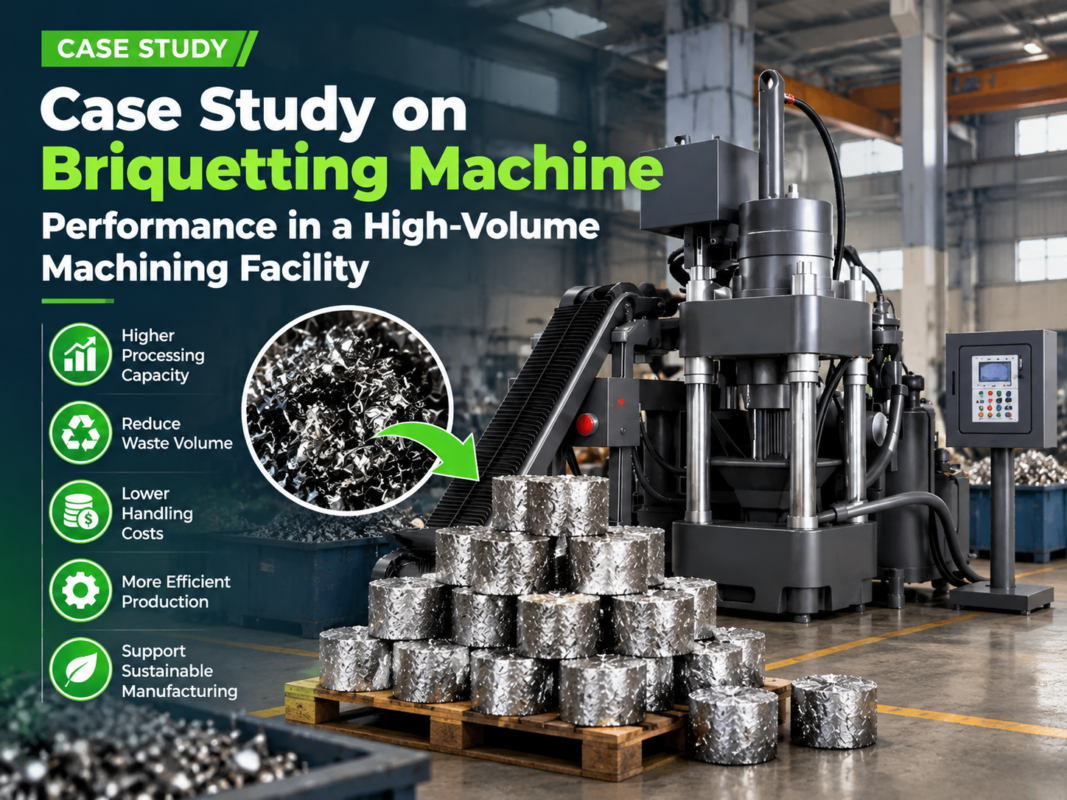
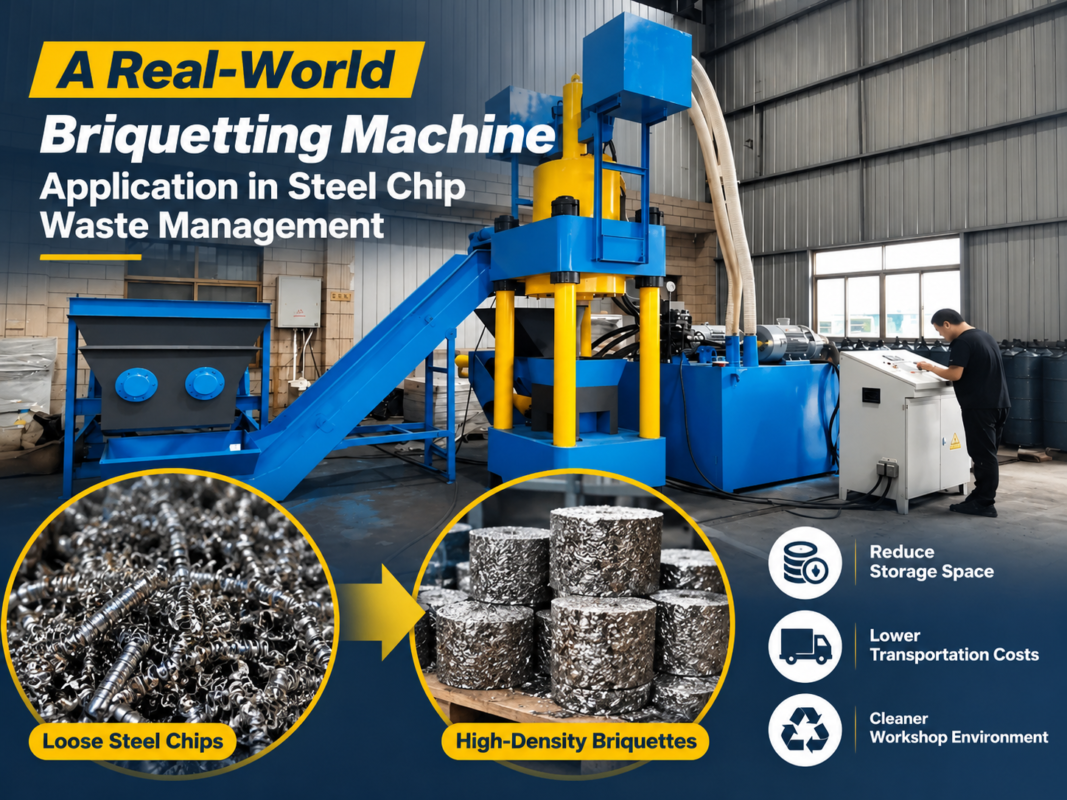
The core of the briquetting process is the application of high-pressure hydraulic force. A HARSLE briquetting machine utilizes a robust hydraulic cylinder to push loose metal chips into a compression chamber. As the ram advances, the air is expelled, and the metal particles are mechanically bonded together. This process creates a solid, high-density briquette that retains its shape during handling and transport.
The hydraulic system is designed for continuous operation, ensuring that the machine can keep pace with the output of your CNC machines or lathes. The pressure exerted is adjustable, allowing operators to fine-tune the density based on the specific metal alloy being processed. This flexibility is crucial for facilities that handle a diverse range of materials, from soft aluminum to tough stainless steel alloys.
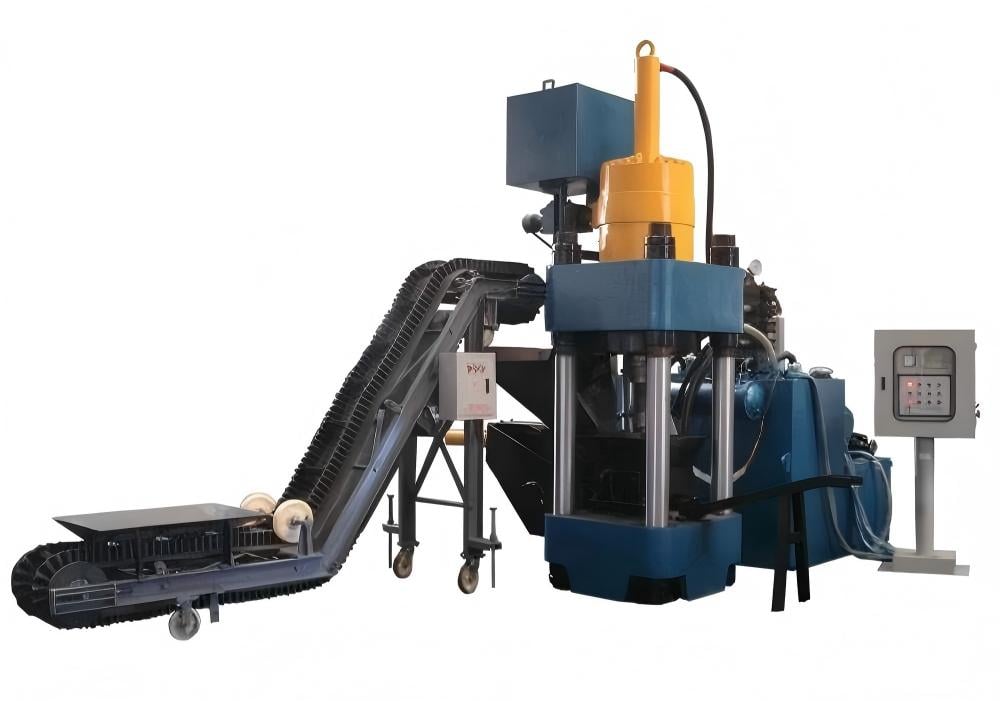
Fluid separation is another technical highlight. During the compression phase, the machine forces out the trapped coolants and oils. These fluids are collected in a dedicated sump, filtered, and returned to the production cycle. This not only saves money on fluid procurement but also ensures that the resulting briquettes are dry and clean, which is a requirement for many high-end recycling facilities.
Automation plays a significant role in modern briquetting. HARSLE machines are equipped with advanced PLC controls that monitor the entire process. Sensors detect the level of scrap in the hopper, the pressure levels during compression, and any potential blockages. This automated monitoring ensures consistent quality and reduces the need for constant manual oversight, allowing your team to focus on core production tasks.
Durability is engineered into every component. Because metal chips are abrasive, the compression chamber and the ram face are constructed from hardened, wear-resistant alloys. This ensures that the machine maintains its performance over thousands of cycles, minimizing downtime and maintenance costs. The robust frame design further stabilizes the machine, reducing vibrations and noise in the factory environment.
Selection Advice: Choosing the Right Equipment
When selecting a briquetting machine, the first step is to perform a thorough audit of your scrap output. Calculate the daily volume of chips in cubic meters and identify the primary material types. This data will dictate the required throughput capacity of the machine. A machine that is too small will create a bottleneck, while one that is too large may be an unnecessary capital expenditure.
Consider the footprint of the machine. In many fabrication shops, floor space is at a premium. HARSLE offers compact designs that can be integrated directly under or near the discharge point of your CNC machines. This “point-of-source” briquetting minimizes the need for manual transport of loose scrap, further reducing labor costs and the risk of spills or accidents on the shop floor.
Look for ease of maintenance. A machine that is difficult to clean or service will eventually be neglected. Choose a system that provides easy access to the hydraulic unit, the filtration system, and the compression chamber. HARSLE provides comprehensive documentation and support, ensuring that your maintenance team can perform routine checks efficiently. Always prioritize machines with modular designs, as these are easier to repair and upgrade as your business grows.
Evaluate the manufacturer’s support network. Investing in industrial machinery is a long-term commitment. You need a partner who understands the nuances of metal fabrication and can provide technical assistance, spare parts, and training. HARSLE prides itself on its global support network, ensuring that our clients receive the help they need, when they need it, to keep their operations running smoothly.
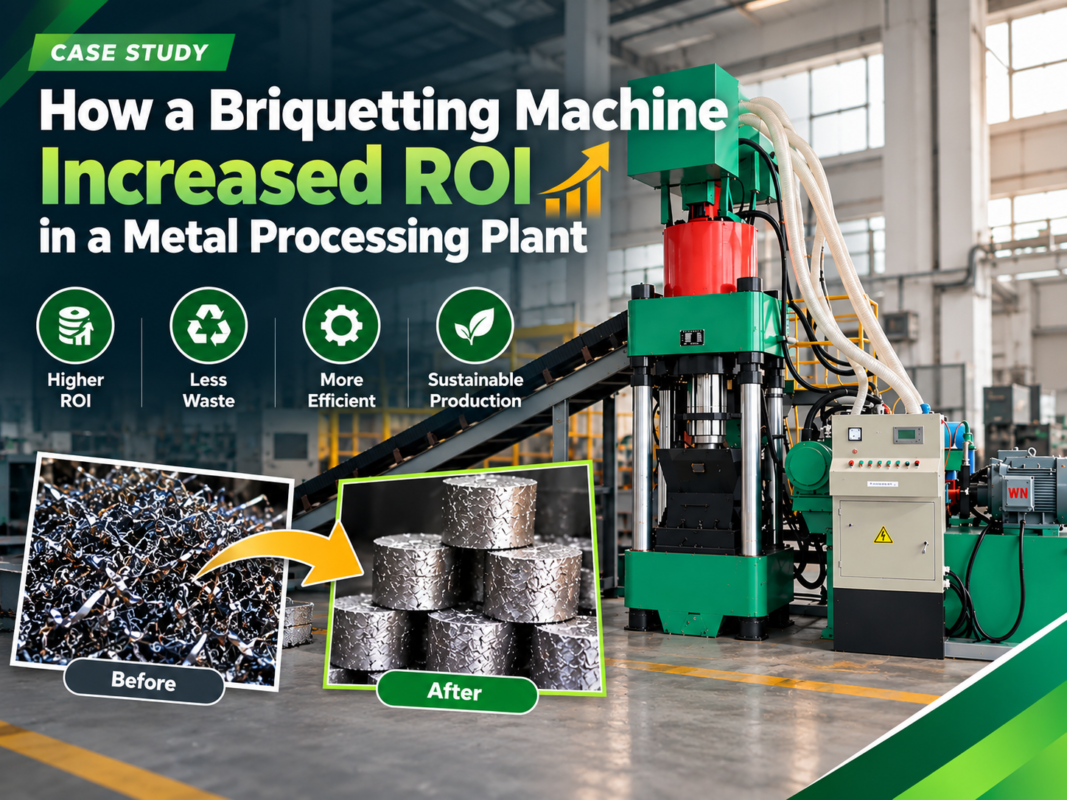
Finally, consider the total cost of ownership. While the initial purchase price is important, the real value lies in the operational savings. Calculate the potential revenue from selling high-density briquettes, the savings from reduced fluid consumption, and the labor savings from automated scrap handling. Often, the payback period for a high-quality briquetting machine is surprisingly short, making it one of the most effective investments a fabrication shop can make.
FAQ: Common Questions About Metal Briquetting
What types of metals can be processed in a briquetting machine?
Most industrial briquetting machines are designed to handle a wide range of ductile and non-ductile metals, including aluminum, steel, copper, brass, and cast iron. However, it is important to ensure the machine is configured for the specific hardness and chip size of your material.
How much space does a briquetting machine save?
By compressing loose chips into dense briquettes, you can typically reduce the volume of your scrap by a factor of 10 to 20. This allows you to reclaim significant floor space and reduce the number of storage containers required.
Is the fluid recovery process effective?
Yes, modern briquetting presses are highly efficient at extracting cutting fluids. Depending on the material and the initial saturation level, you can recover up to 95% of the coolants, which can then be filtered and reused in your CNC machines.
How often does the machine require maintenance?
Routine maintenance is essential for longevity. This typically involves checking hydraulic fluid levels, inspecting the compression chamber for wear, and cleaning the filtration system. HARSLE provides a detailed maintenance schedule with every machine to ensure optimal performance.
Can a briquetting machine be integrated into an existing production line?
Absolutely. HARSLE machines are designed with modularity in mind. They can be placed at the end of a conveyor system or directly beneath a CNC machine, allowing for a seamless, automated flow of scrap from the cutting process to the briquetting stage.
Conclusion: Transforming Scrap into Value
The Case Study On Metal Briquetting Better Scrap Separation Storage Control demonstrates that effective scrap management is a critical component of a successful metal fabrication business. By moving away from the traditional, inefficient methods of handling loose turnings, manufacturers can unlock significant operational and financial benefits. From reclaiming valuable floor space and reducing logistics costs to recovering expensive cutting fluids and commanding higher prices for scrap, the advantages are clear.
HARSLE remains committed to providing the industry with the most advanced, reliable, and efficient briquetting solutions. Our machines are built to withstand the rigors of daily industrial use, ensuring that your investment pays dividends for years to come. As the manufacturing landscape becomes increasingly competitive, those who optimize their internal processes—including scrap management—will be the ones who thrive.
If you are ready to take control of your scrap management, we invite you to explore our range of hydraulic briquetting presses. Our team of experts is ready to help you analyze your specific needs and recommend the perfect solution for your facility. Let us help you turn your scrap metal waste into a streamlined, profitable part of your production cycle. Contact HARSLE today to learn more about how our technology can revolutionize your shop floor.