
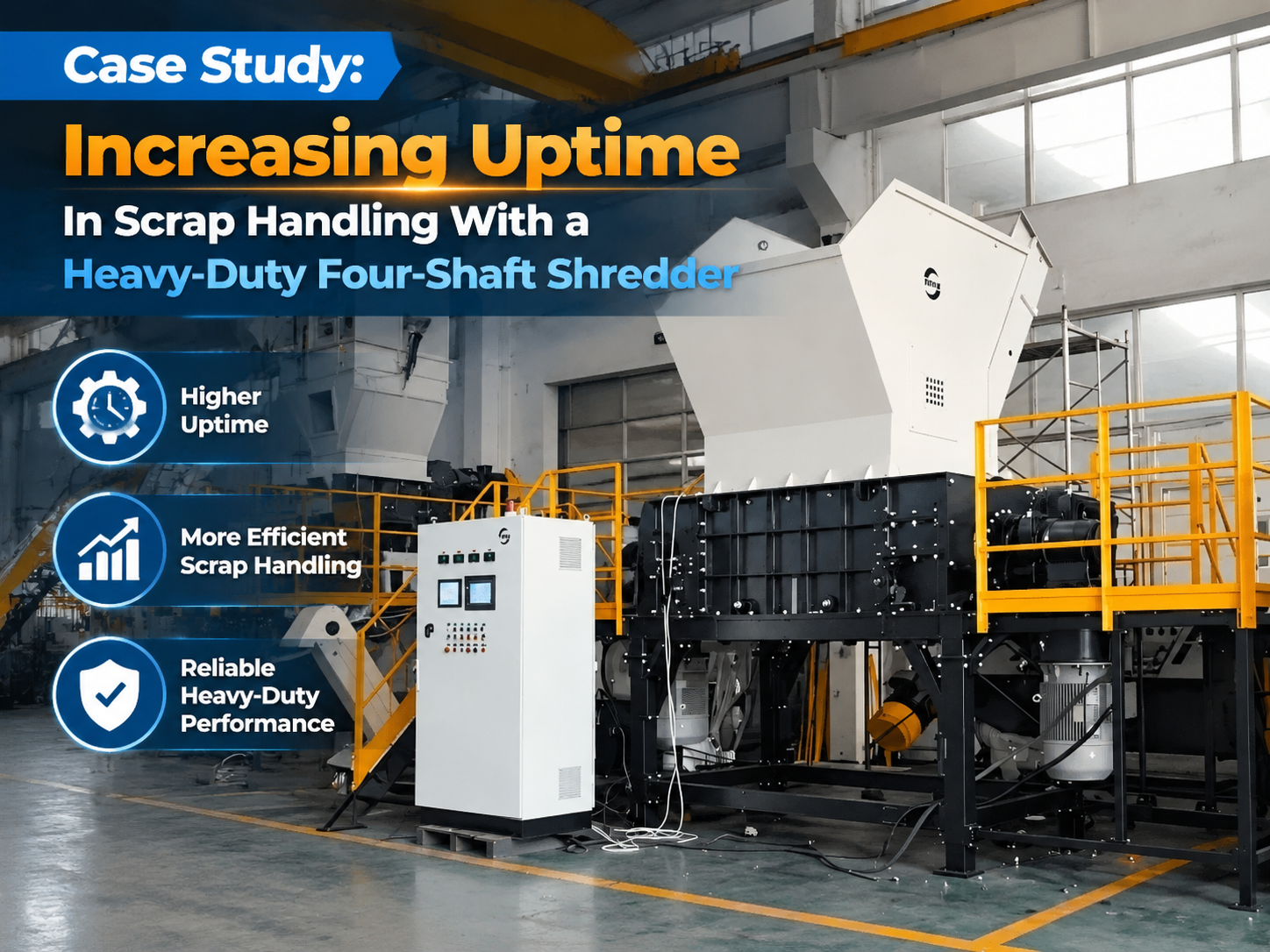
Case Study: Increasing Uptime in Scrap Handling With a Heavy-Duty Four-Shaft Shredder

Introduction
In the modern metal fabrication landscape, the efficiency of scrap handling is often the silent determinant of a facility’s overall profitability. As production volumes increase, the accumulation of metal offcuts, rejected parts, and industrial waste can quickly become a bottleneck. For many manufacturers, the solution lies in advanced size-reduction technology. This article explores a comprehensive Case Study: Increasing Uptime In Scrap Handling A Heavy-Duty Four-Shaft Shredder, demonstrating how HARSLE’s engineering solutions address the common pitfalls of traditional waste management systems.
Managing scrap is not merely about clearing floor space; it is about optimizing the logistics of recycling and material recovery. When scrap is bulky and unorganized, transport costs soar, and the value of the material at the recycling center drops. By implementing a high-torque, four-shaft shredding system, facilities can transform chaotic piles of metal into uniform, high-density chips. This transition not only improves safety by reducing manual handling but also significantly boosts the operational uptime of the entire production line.
HARSLE has long been at the forefront of providing robust industrial machinery. Our focus on durability and precision ensures that our shredders can withstand the grueling demands of 24/7 metal fabrication environments. In this case study, we examine a mid-sized automotive parts manufacturer that struggled with frequent downtime due to conveyor jams and manual scrap sorting. By integrating a heavy-duty four-shaft shredder, they achieved a 40% increase in processing speed and a 25% reduction in maintenance-related downtime.
Understanding the technical nuances of four-shaft shredding is essential for any plant manager looking to modernize their facility. Unlike two-shaft shredders, the four-shaft design offers superior control over output size and exceptional resistance to foreign objects. This article will guide you through the selection process, technical specifications, and maintenance strategies required to maximize the return on your investment in metal fabrication equipment.
Key Considerations for Scrap Handling Efficiency
The primary challenge in scrap handling is the unpredictability of the material stream. Metal fabrication shops deal with varying gauges, alloys, and shapes, ranging from thin sheet metal skeletons to thick, hardened steel offcuts. A system that works for one type of scrap may fail catastrophically when faced with a different material. Therefore, the first consideration is the versatility of the shredding mechanism. A four-shaft shredder provides the necessary torque to handle diverse materials without stalling.
Another critical factor is the integration of the shredder into the existing production workflow. Many facilities make the mistake of treating the shredder as an isolated unit. However, for maximum uptime, the shredder must be part of an automated system that includes conveyors, magnetic separators, and balers. When these components communicate effectively, the scrap is processed continuously, preventing the accumulation that leads to floor congestion and safety hazards.
Energy efficiency and noise control are also paramount in modern industrial environments. Heavy-duty machinery is often associated with high power consumption and significant noise pollution. HARSLE’s four-shaft shredders are engineered with advanced motor control systems that optimize energy usage based on the load. This not only reduces operational costs but also extends the lifespan of the electrical components, contributing to the overall goal of increasing uptime.
Finally, the human element cannot be ignored. Training staff to operate and perform basic maintenance on the shredder is vital. A machine is only as reliable as its operator. By implementing a structured maintenance schedule and providing clear operational guidelines, facilities can prevent the minor issues that often escalate into major mechanical failures. This proactive approach is the cornerstone of the success stories we see in our Case Study: Increasing Uptime In Scrap Handling With A Heavy-Duty Four-Shaft Shredder.
Technical Details of Four-Shaft Shredding Technology
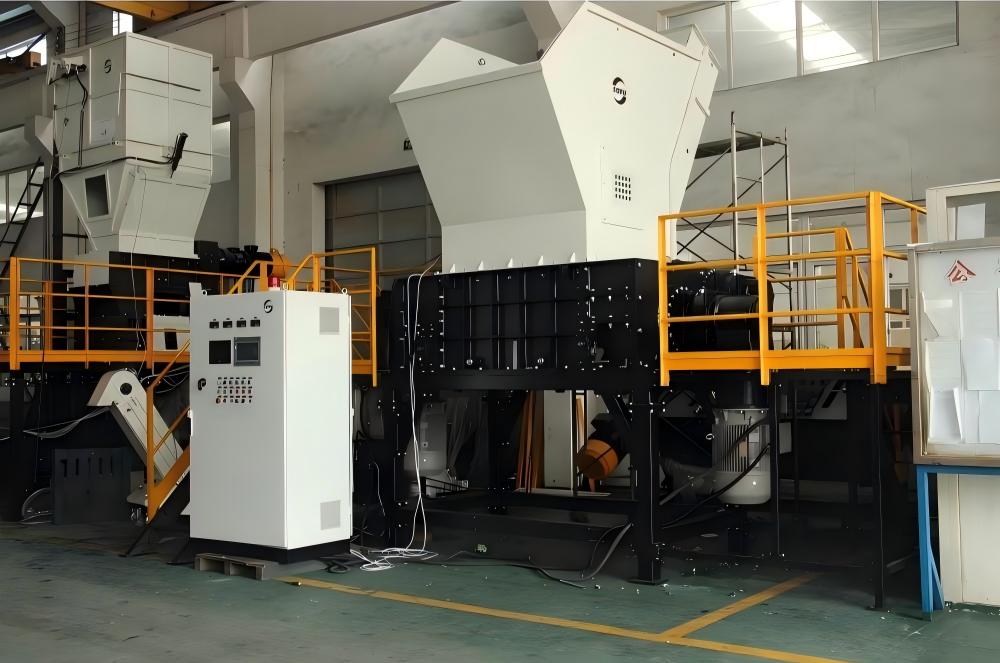
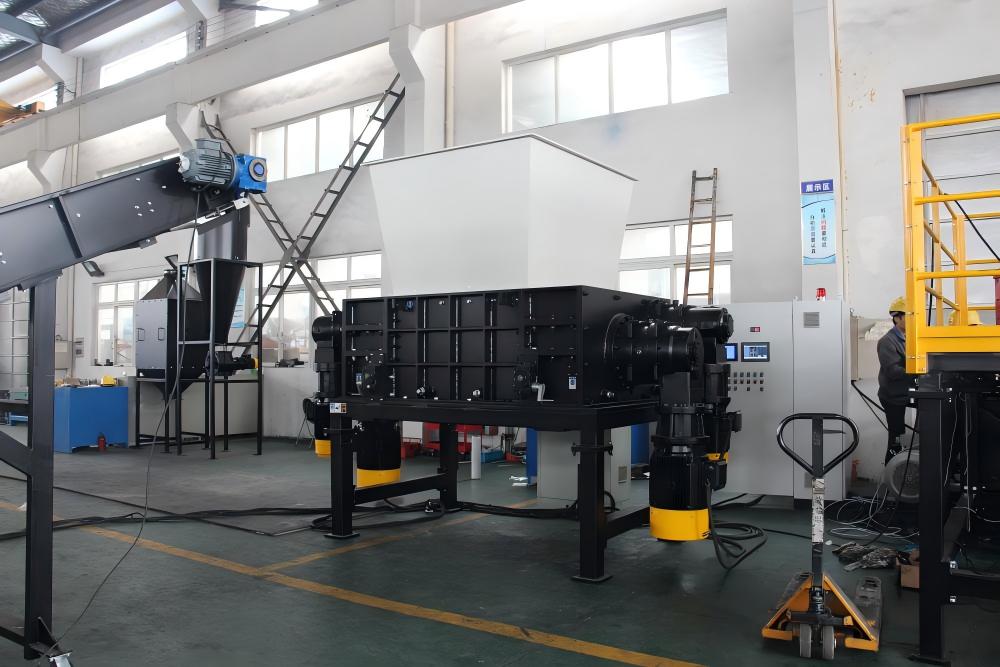
The technical superiority of the four-shaft shredder lies in its unique architecture. While a two-shaft shredder relies on a simple shearing action, the four-shaft design incorporates two primary shafts and two secondary shafts. The primary shafts perform the initial shredding, while the secondary shafts act as a sizing screen, ensuring that only material of a specific dimension passes through. This dual-stage process is what makes the output so uniform and easy to handle.
The cutting blades are manufactured from high-alloy, wear-resistant steel, specifically heat-treated to maintain sharpness even when processing hardened alloys. The shafts are driven by independent, high-torque gearboxes, which allow for precise control over the rotational speed. This independent drive system is a key feature that prevents the machine from jamming; if one shaft encounters an obstruction, the others continue to operate, often clearing the jam automatically through a reverse-cycle logic.
HARSLE’s shredders also feature a PLC-based control system that monitors the load on each shaft in real-time. If the system detects a potential overload, it automatically adjusts the feed rate or reverses the shafts to prevent damage. This intelligent monitoring is a significant departure from older, mechanical-only systems that required manual intervention whenever a jam occurred. This automation is the primary driver of the increased uptime observed in our case studies.
Furthermore, the maintenance accessibility of these machines is engineered for speed. The modular design allows for the quick replacement of individual cutting discs without the need to disassemble the entire shaft assembly. This design philosophy minimizes the time a machine spends offline, ensuring that the fabrication line remains productive. The combination of high-torque performance, intelligent control, and modular maintenance makes the four-shaft shredder an indispensable asset in modern metal fabrication.
Selection Advice: Choosing the Right Shredder
Selecting the right shredder requires a thorough analysis of your facility’s scrap volume and material composition. Start by auditing your waste stream: what is the maximum thickness of the metal you process? What is the daily tonnage? These figures will dictate the required motor power and the size of the cutting chamber. A machine that is undersized will suffer from premature wear, while an oversized machine represents an unnecessary capital expenditure.
Consider the desired output size. If your scrap is destined for a smelter, a smaller, more uniform chip size is usually preferred to increase the bulk density of the load. If you are simply looking to reduce the volume for easier transport, a larger shred size may suffice. HARSLE offers customizable blade configurations to meet these specific requirements, ensuring that your investment is perfectly aligned with your downstream processing needs.
Evaluate the available space and the layout of your facility. A four-shaft shredder requires a stable foundation and adequate clearance for maintenance access. Think about how the scrap will be fed into the machine—will it be via a conveyor, a forklift, or a manual feed? The feeding mechanism is just as important as the shredder itself in determining the overall efficiency of the system. We recommend a site visit or a detailed consultation with our engineering team to map out the optimal installation.
Finally, look beyond the initial purchase price. Total Cost of Ownership (TCO) is the metric that truly matters. This includes energy consumption, the cost of replacement parts, and the labor required for maintenance. HARSLE’s commitment to quality ensures that our machines have a lower TCO over their lifetime compared to cheaper, less robust alternatives. When you invest in a HARSLE four-shaft shredder, you are investing in a partner that prioritizes your uptime and long-term success.
Frequently Asked Questions
- What makes a four-shaft shredder better than a two-shaft model? The four-shaft design provides superior sizing control and is significantly more resistant to jams because the secondary shafts act as a screen and a secondary cutting stage.
- How often should the cutting blades be sharpened? This depends on the material being processed. Generally, with proper maintenance and lubrication, blades can last for thousands of hours before requiring professional sharpening or replacement.
- Can these shredders handle non-metal materials? While designed for metal, they are robust enough to handle mixed waste, though we recommend consulting with HARSLE to ensure the blade configuration is suitable for your specific material mix.
- What is the typical lead time for a HARSLE shredder? Lead times vary based on customization, but we maintain a robust supply chain to ensure timely delivery for our global clients.
- Is specialized training required for operators? Yes, we provide comprehensive training manuals and on-site support to ensure your team can operate the machine safely and efficiently.
Wniosek
The Case Study: Increasing Uptime In Scrap Handling A Heavy-Duty Four-Shaft Shredder highlights a fundamental truth in industrial manufacturing: efficiency is a result of intentional design and reliable equipment. By replacing outdated, manual-intensive scrap management processes with a HARSLE four-shaft shredder, manufacturers can unlock significant gains in productivity, safety, and material recovery value. The transition to automated, high-torque shredding is not just an upgrade; it is a strategic move toward a more profitable and sustainable future.
As we have explored, the combination of intelligent PLC control, modular maintenance, and robust mechanical engineering allows our shredders to thrive in the most demanding environments. Whether you are dealing with high-volume automotive scrap or specialized aerospace alloys, the four-shaft shredder provides the consistency and reliability required to keep your production line moving. We invite you to contact HARSLE to discuss how we can tailor a solution to your specific fabrication needs.
Investing in high-quality metal fabrication equipment is the most effective way to protect your bottom line against the rising costs of waste management. With HARSLE, you gain more than just a machine; you gain a partner dedicated to your operational excellence. Let us help you turn your scrap handling challenges into a streamlined, efficient process that supports your growth for years to come.












