Briquetting Machine Case Study: Boosting Productivity In A High-Volume CNC Shop

Introduction: The Hidden Cost of Metal Chips
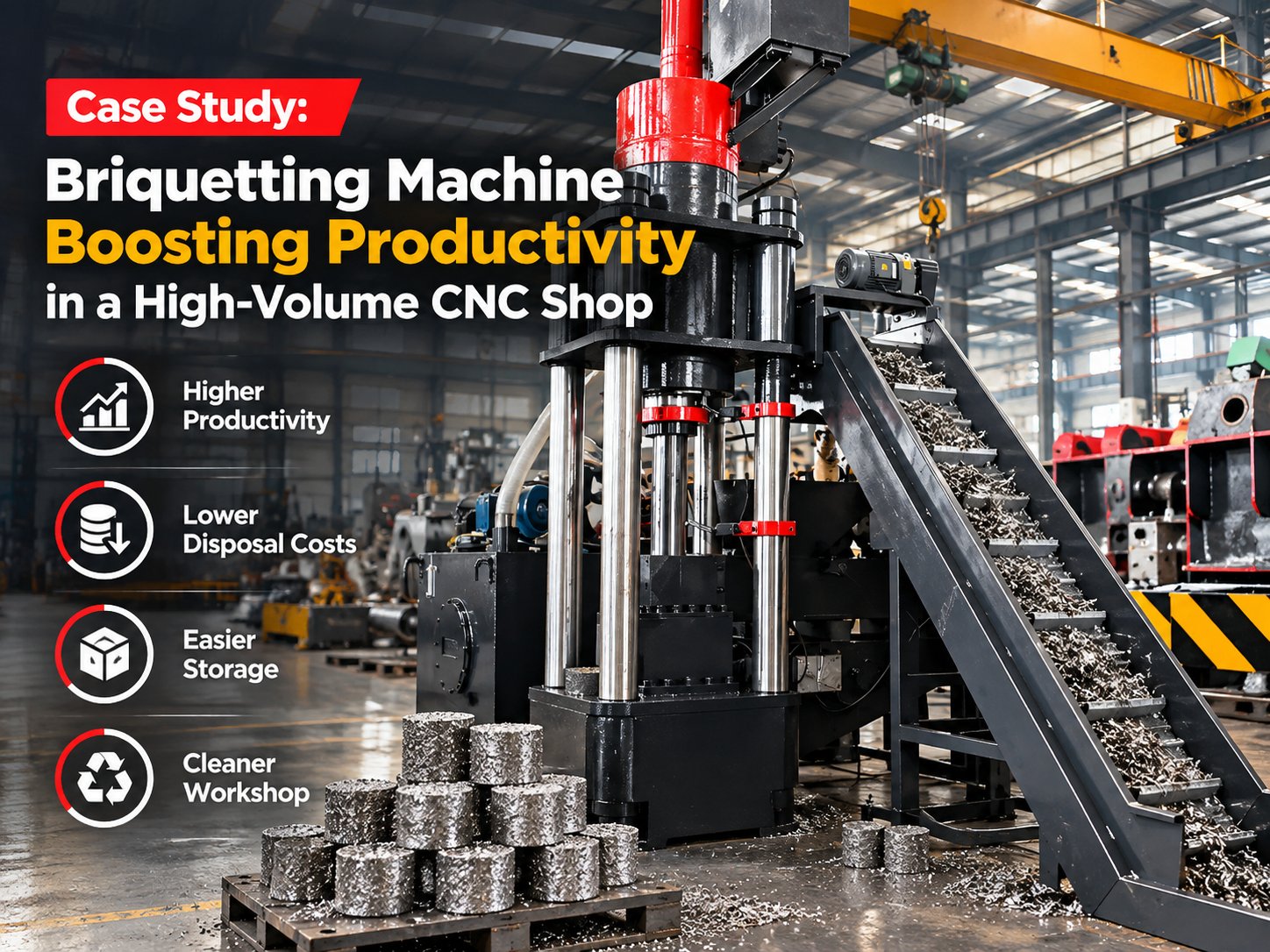
In the competitive landscape of modern metal fabrication, high-volume CNC shops often overlook one of their most significant operational drains: metal scrap management. Every day, thousands of kilograms of aluminum, steel, and brass chips are generated, occupying valuable floor space and creating logistical nightmares. For many shop owners, these chips are viewed merely as waste, but they represent a massive opportunity for cost recovery and efficiency gains. This Briquetting Machine Case Study: Boosting Productivity In A High-Volume CNC Shop explores how integrating advanced HARSLE technology can turn a liability into a revenue stream.
The traditional approach to chip management involves collecting loose, oily swarf in large bins, which are then hauled away by scrap dealers at low market rates. This method is not only inefficient but also environmentally hazardous due to coolant leakage and high transportation costs. By implementing a high-performance briquetting machine, shops can compress these loose chips into dense, manageable pucks. This process not only recovers expensive cutting fluids but also significantly increases the scrap value of the metal, fundamentally changing the shop’s bottom line.
HARSLE has worked with numerous high-volume CNC facilities to streamline their waste processing workflows. In this article, we analyze a specific case study of a mid-sized CNC machining center that faced mounting pressure from rising disposal costs and limited floor space. By transitioning to an automated briquetting system, the facility achieved a 40% reduction in waste volume and a 25% increase in scrap metal revenue within the first six months of operation.
Understanding the technical and economic benefits of briquetting is essential for any shop manager looking to optimize their production environment. This guide will walk you through the selection criteria, technical specifications, and operational advantages that make briquetting machines an indispensable asset in modern metal fabrication equipment portfolios.
Key Considerations for High-Volume CNC Shops
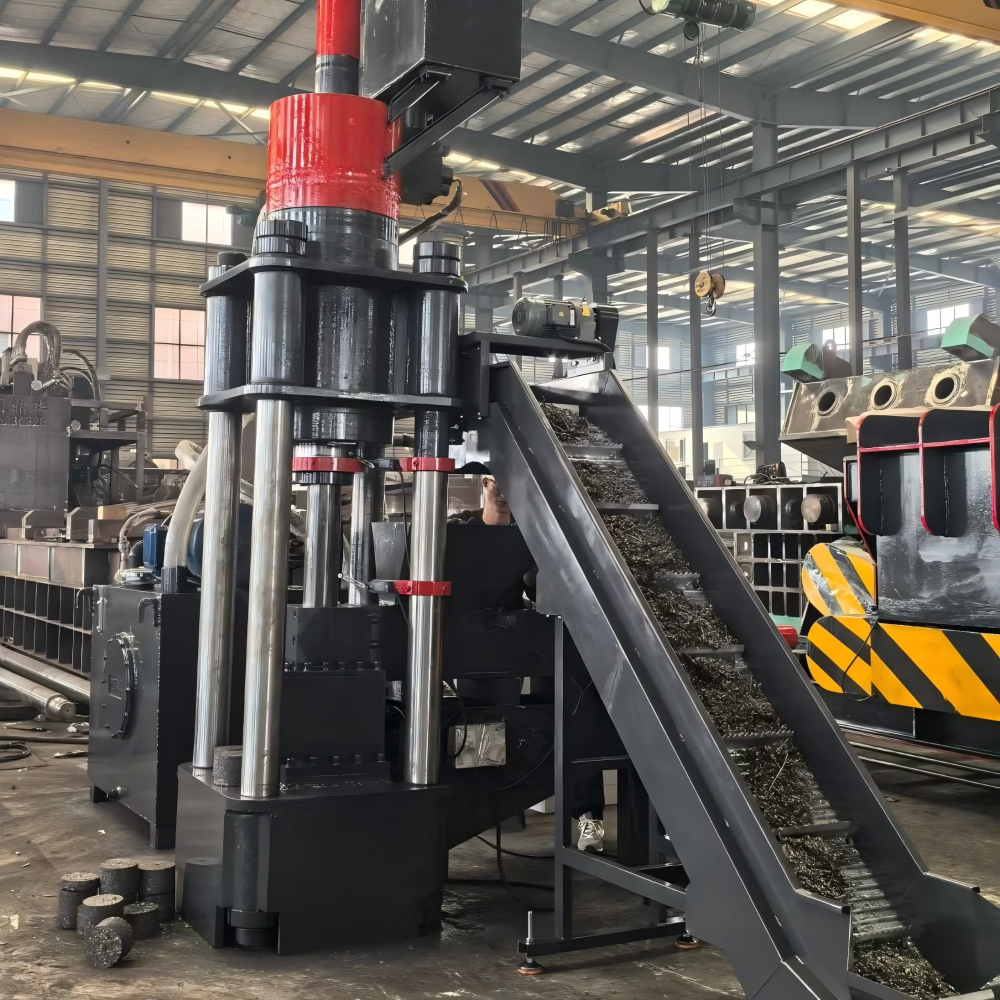
When evaluating the necessity of a briquetting machine, shop managers must first assess their current waste handling logistics. High-volume CNC shops often struggle with the sheer volume of swarf, which is bulky, difficult to transport, and prone to leaking coolant. The primary consideration is the ‘volume-to-value’ ratio. Loose chips have a very low density, meaning you are essentially paying to transport air and oil. A briquetting machine solves this by densifying the material, allowing for more efficient storage and higher-value scrap sales.
Another critical factor is the recovery of cutting fluids. In many CNC operations, the cost of coolant is a significant portion of the total tooling budget. Loose chips are saturated with coolant, which is often lost during the disposal process. A HARSLE briquetting machine utilizes high-pressure hydraulic force to extract up to 95% of the coolant from the metal chips. This reclaimed fluid can be filtered and reused, leading to substantial savings on chemical purchases and waste disposal fees.
Floor space optimization is a constant challenge in high-volume manufacturing. When chips are stored in loose bins, they consume valuable square footage that could be used for additional CNC machines or assembly stations. Briquetting compresses these chips into compact, uniform pucks that can be stacked easily. This transformation allows for a cleaner, more organized shop floor, which improves overall safety and workflow efficiency for operators.
Finally, environmental compliance and sustainability goals are increasingly important for modern manufacturers. Many regions now have strict regulations regarding the disposal of oily metal waste. By processing chips into dry, dense briquettes, shops can significantly reduce their environmental footprint and ensure compliance with local waste management laws. This proactive approach not only avoids potential fines but also enhances the company’s reputation as a sustainable manufacturer.
Technical Details: How HARSLE Briquetting Systems Work
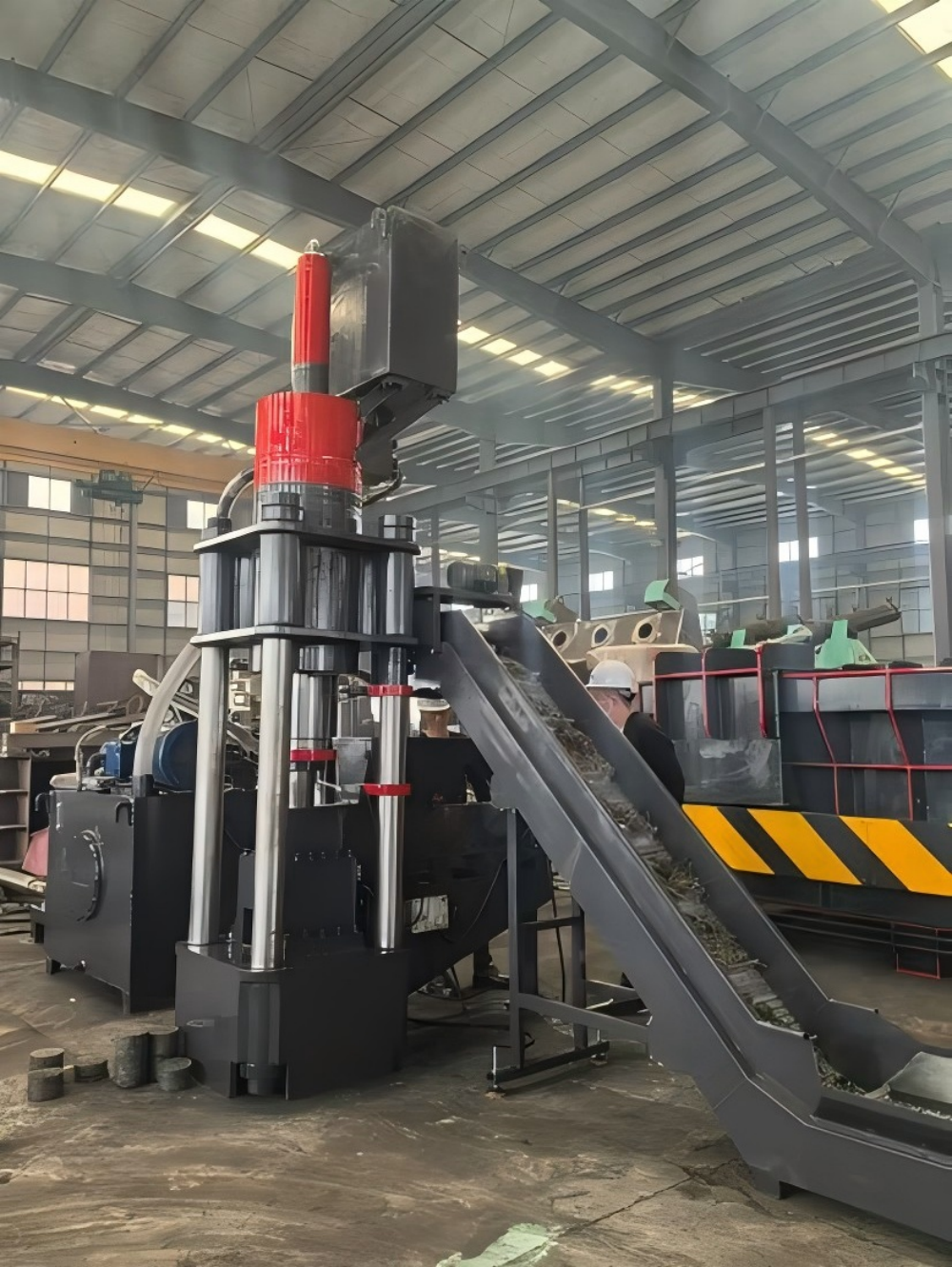
The core of a HARSLE briquetting machine is its robust hydraulic system, designed to exert immense pressure on various types of metal swarf. The process begins when loose chips are fed into a hopper, which often includes a screw conveyor to ensure a consistent feed rate. The material is then moved into a compression chamber where a hydraulic ram applies force, compacting the chips into a solid, cylindrical briquette. This mechanical transformation is achieved without the need for binders or additives, ensuring the purity of the metal is maintained.
HARSLE machines are engineered for durability and continuous operation. The hydraulic cylinders are precision-machined to handle high-pressure cycles repeatedly, ensuring long-term reliability in demanding industrial environments. The control systems are user-friendly, featuring PLC interfaces that allow operators to monitor cycle times, pressure settings, and system health in real-time. This level of automation is crucial for high-volume shops where manual intervention must be kept to a minimum.
Material compatibility is a major technical advantage of HARSLE systems. Whether your shop processes aluminum, steel, copper, or cast iron, the briquetting machine can be calibrated to handle the specific density and characteristics of the metal. For example, aluminum chips require different compression ratios compared to steel shavings. HARSLE provides customizable settings that allow the machine to adapt to the specific material stream, ensuring the highest quality briquettes every time.
Maintenance is simplified through modular design. Critical components such as the compression die and the hydraulic seals are easily accessible, allowing for quick inspection and replacement. This design philosophy minimizes downtime, which is essential for high-volume shops that cannot afford to have their waste management system offline for extended periods. Regular maintenance, such as checking hydraulic fluid levels and cleaning the hopper, ensures the machine operates at peak efficiency for years.
Selection Advice: Choosing the Right Briquetting Machine
Selecting the right briquetting machine requires a thorough analysis of your shop’s daily chip output. You should start by measuring the volume of swarf generated per shift. If your shop produces a high volume of light, fluffy aluminum chips, you will need a machine with a larger hopper and higher throughput capacity. Conversely, if you are processing heavy steel chips, the focus should be on the machine’s pressure capacity to ensure the briquettes are dense enough for efficient transport.
Consider the integration capabilities of the machine. Does it need to be placed directly under a CNC machine, or will it be part of a centralized waste management system? HARSLE offers various configurations, including compact units for individual machines and larger, automated systems for centralized processing. Choosing the right footprint is vital for maintaining a smooth workflow and ensuring that the briquetting process does not become a bottleneck in your production line.
Budgeting for a briquetting machine should be viewed as a capital investment with a clear return on investment (ROI). Beyond the initial purchase price, consider the long-term savings in coolant recovery, reduced scrap disposal costs, and the higher market price for briquetted metal. Many shops find that the machine pays for itself within 12 to 18 months. When comparing quotes, look beyond the price tag and evaluate the quality of the hydraulic components, the availability of spare parts, and the manufacturer’s support network.
Finally, prioritize safety and ease of use. A machine that is difficult to operate or lacks safety interlocks can lead to accidents and operator fatigue. HARSLE machines are designed with safety as a priority, featuring emergency stop buttons, protective guarding, and automated sensors that prevent operation if the hopper is open. Investing in a machine that is intuitive to use will ensure that your staff adopts the new process quickly and maintains high productivity levels.
FAQ: Common Questions About Briquetting
Q: What types of metal can be processed in a HARSLE briquetting machine?
A: HARSLE machines are versatile and can process a wide range of metals, including aluminum, steel, stainless steel, copper, brass, and cast iron. Each material has specific density requirements, and our machines can be adjusted accordingly.
Q: How much coolant can I expect to recover?
A: Depending on the type of chip and the initial saturation level, you can typically recover between 80% and 95% of the cutting fluid. This significantly reduces your annual coolant expenditure.
Q: Does the briquetting process affect the quality of the metal for recycling?
A: No, the process is purely mechanical. No binders or chemicals are added, so the metal remains pure and is highly sought after by foundries and recyclers, often commanding a higher price than loose swarf.
Q: How much space does a briquetting machine require?
A: HARSLE offers a range of sizes, from compact units that fit in tight corners to larger, integrated systems. We can help you assess your floor plan to find the most efficient placement.
Q: Is the machine difficult to maintain?
A: HARSLE machines are designed for industrial durability. Routine maintenance involves simple tasks like checking hydraulic fluid and cleaning the hopper. Our technical team provides comprehensive manuals and support to ensure your machine stays in top condition.
Conclusion: Transforming Waste into Profit
The transition to an automated briquetting system is a strategic move for any high-volume CNC shop aiming to improve efficiency and profitability. As demonstrated in this Briquetting Machine Case Study: Boosting Productivity In A High-Volume CNC Shop, the benefits extend far beyond simple waste reduction. By reclaiming valuable coolant, optimizing floor space, and increasing the market value of scrap metal, shops can achieve a significant competitive advantage.
HARSLE remains committed to providing high-quality metal fabrication equipment that meets the evolving needs of the industry. Our briquetting machines are built to withstand the rigors of high-volume production while delivering consistent, reliable performance. If you are ready to streamline your waste management and turn your metal chips into a revenue stream, our team is here to help you select the perfect solution for your facility.
Investing in the right technology is the first step toward a more sustainable and profitable future. Don’t let your profits end up in the scrap bin. Contact HARSLE today to learn more about our briquetting solutions and how we can help you optimize your CNC shop’s productivity. With the right equipment, you can transform your operational challenges into long-term success.